“If you want to hear Divine laughter…

Standard

…try telling God YOUR plans.”
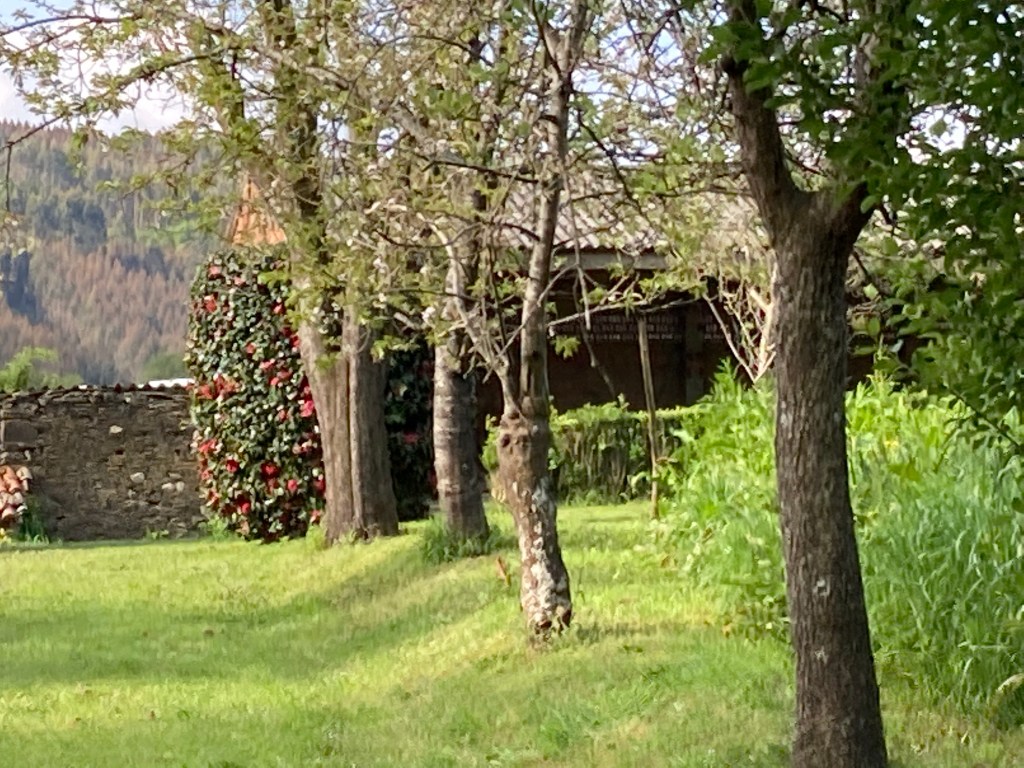
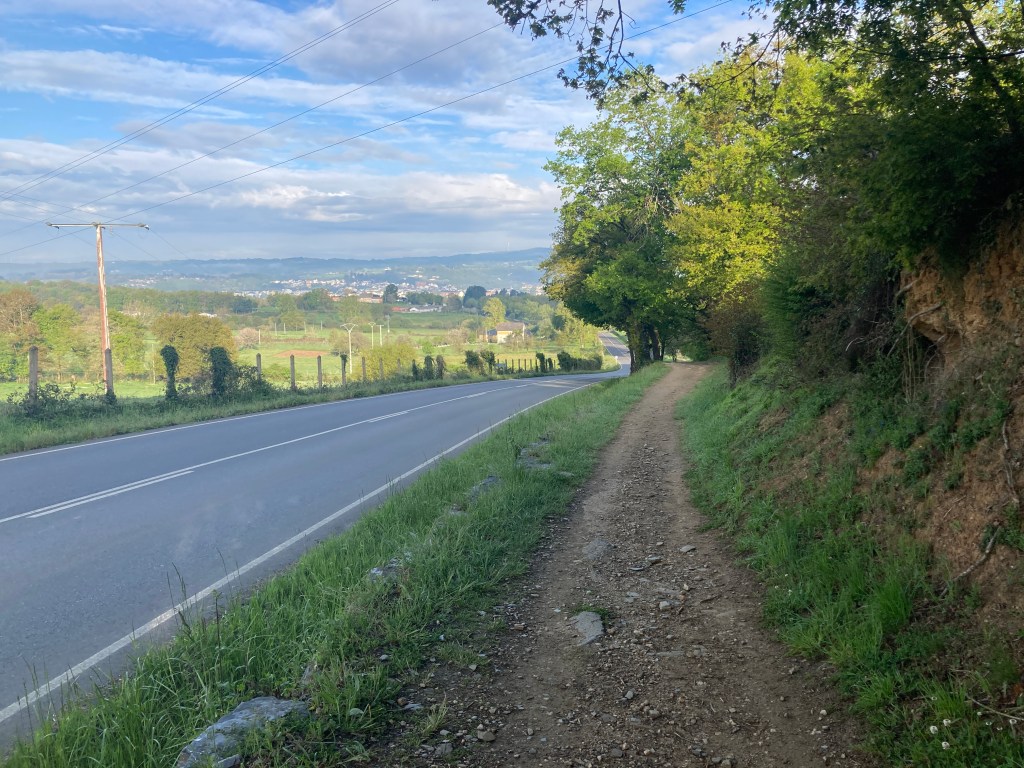
So goes the old saying. My Camino experience has been nothing like what I anticipated. Actually, I don’t even know what I was expecting. I had a plan, and then another plan, and then no plan…and now I’m just getting up every day and walking 10 – 12 kilometers.
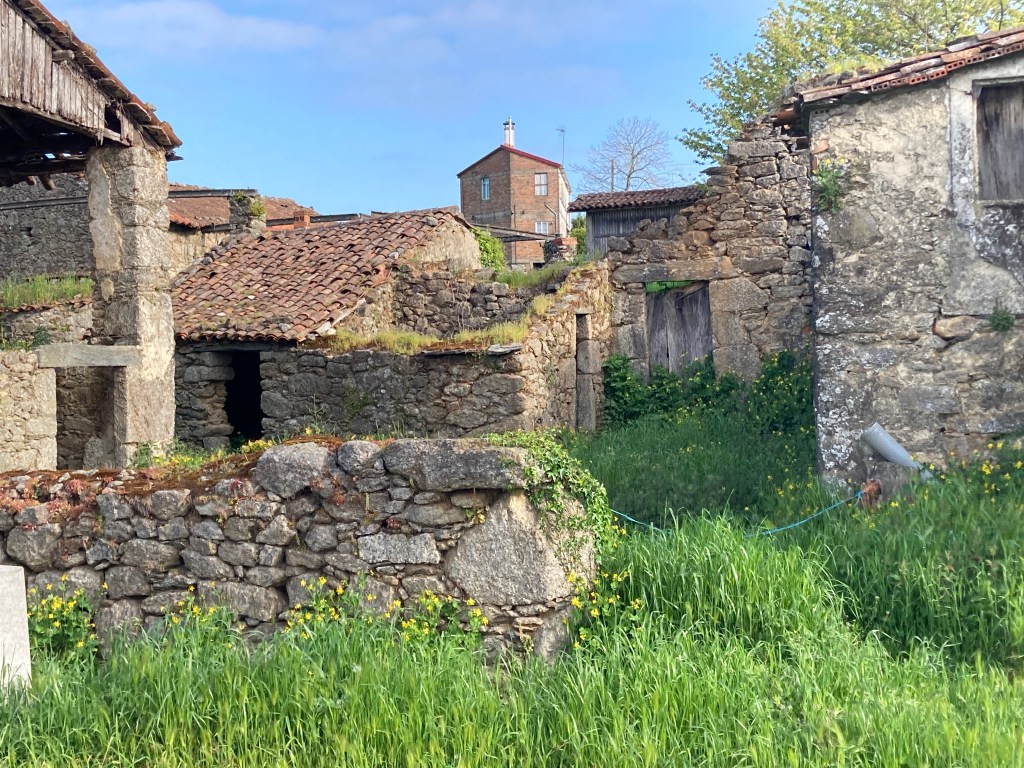
Stopping when I need to stop, eating when I need to eat, letting others pass me on the Way. Drinking in the sights and sounds and smells and hoping my feet hold out for a couple more days.
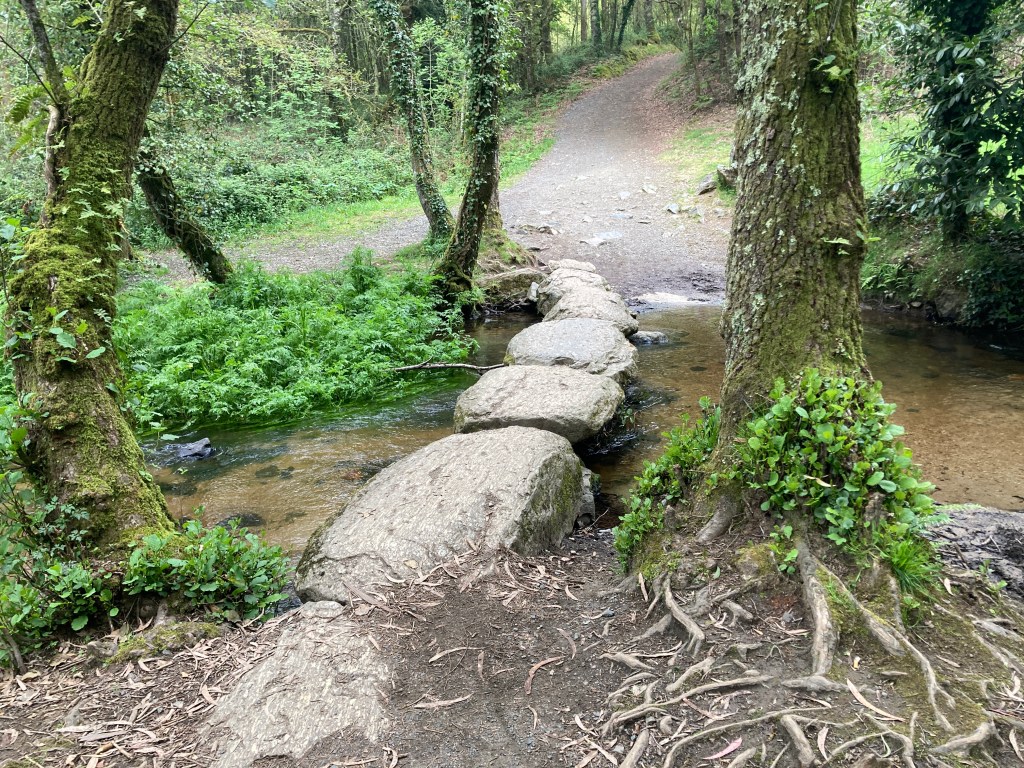
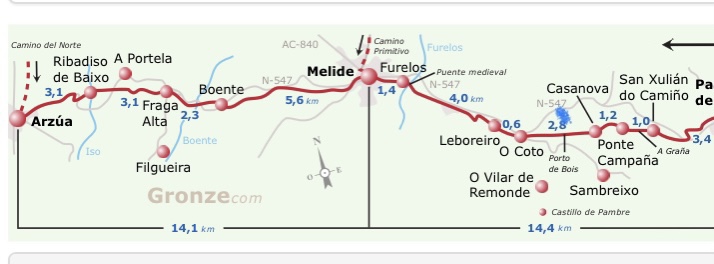
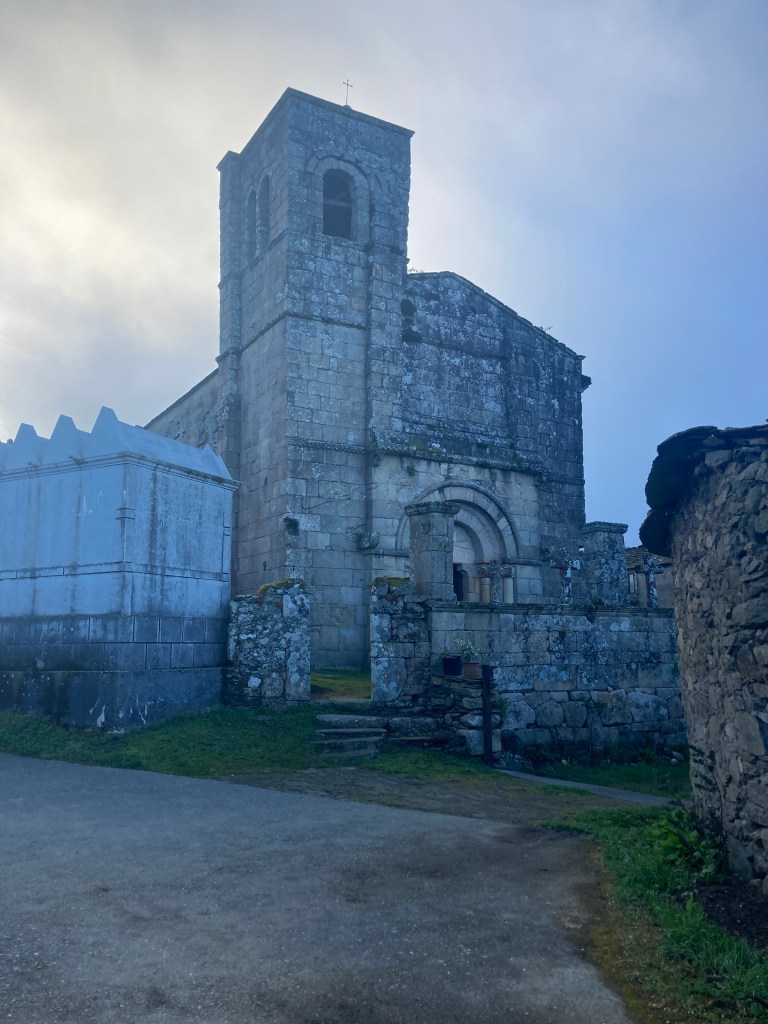
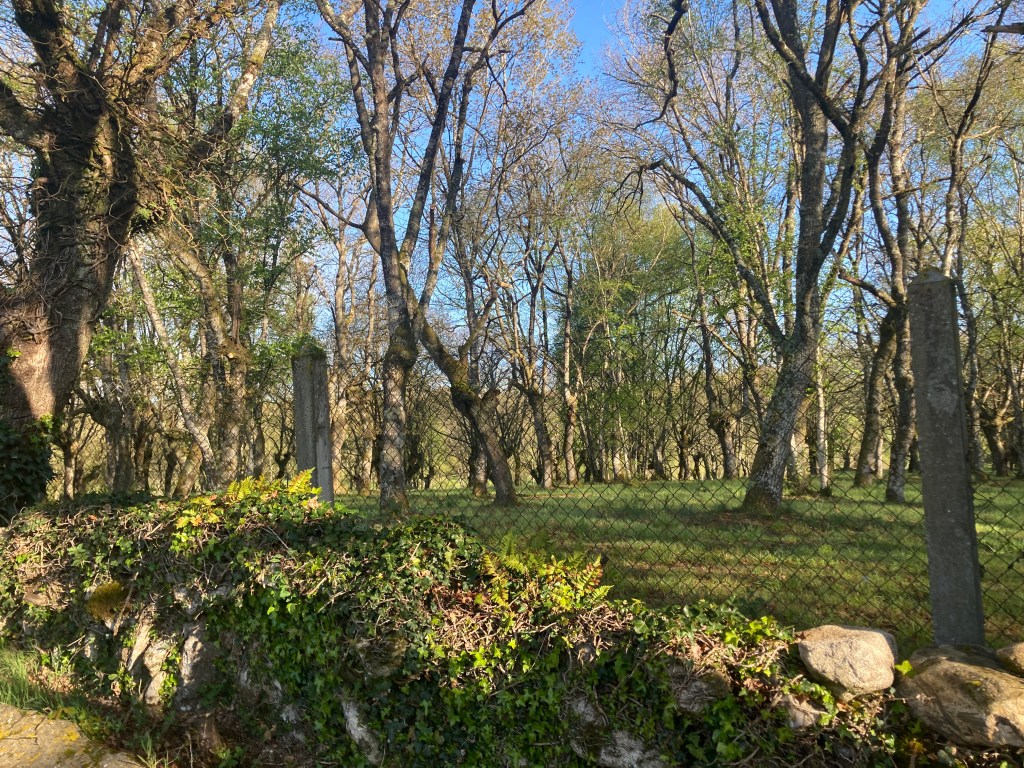
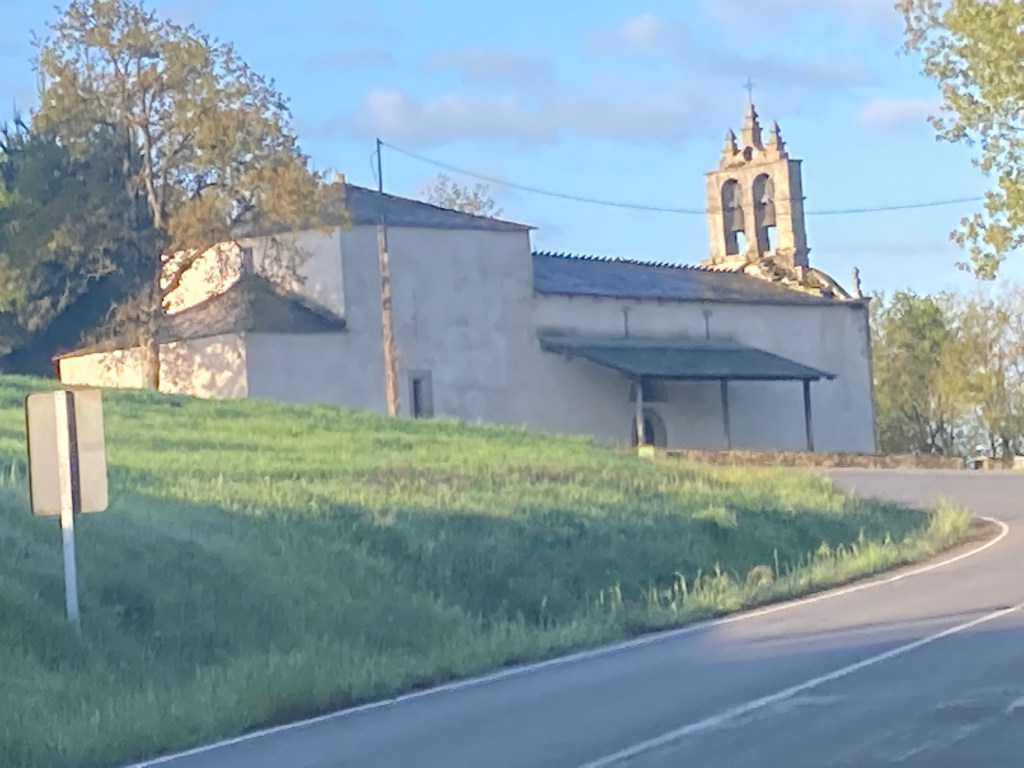
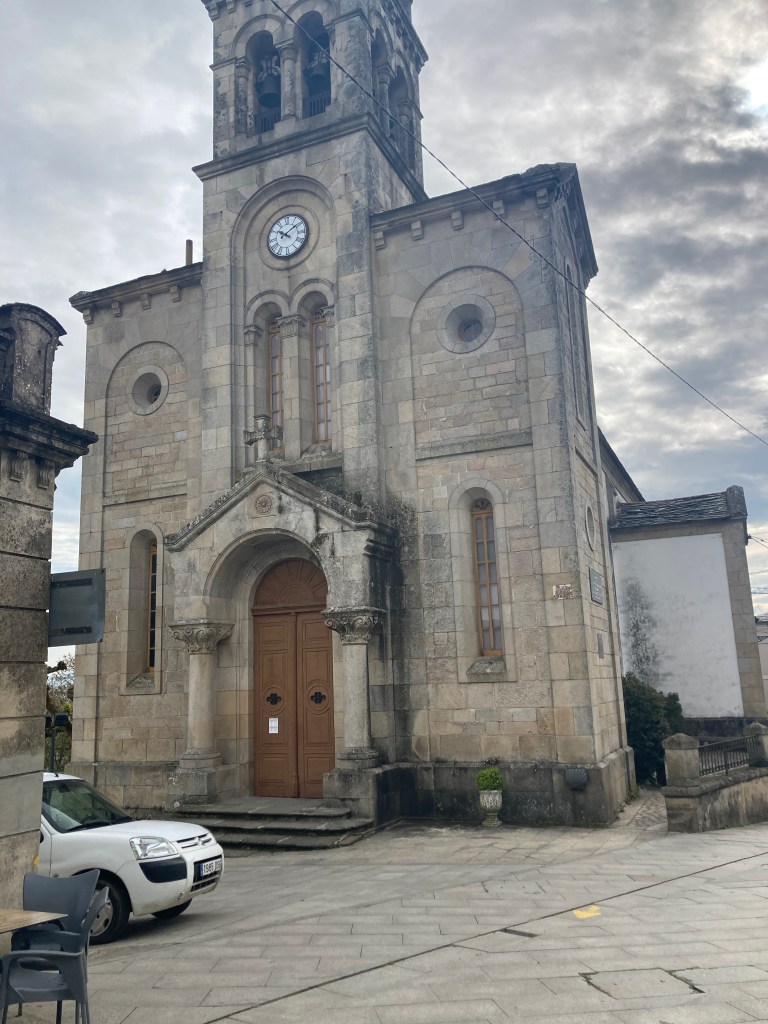
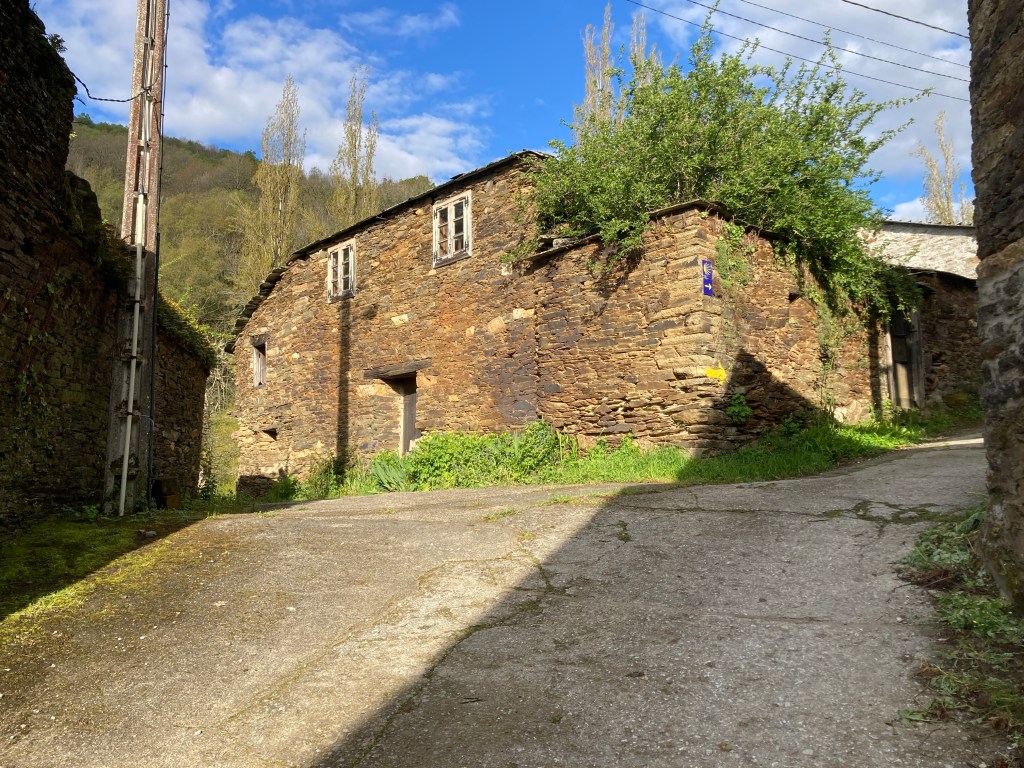
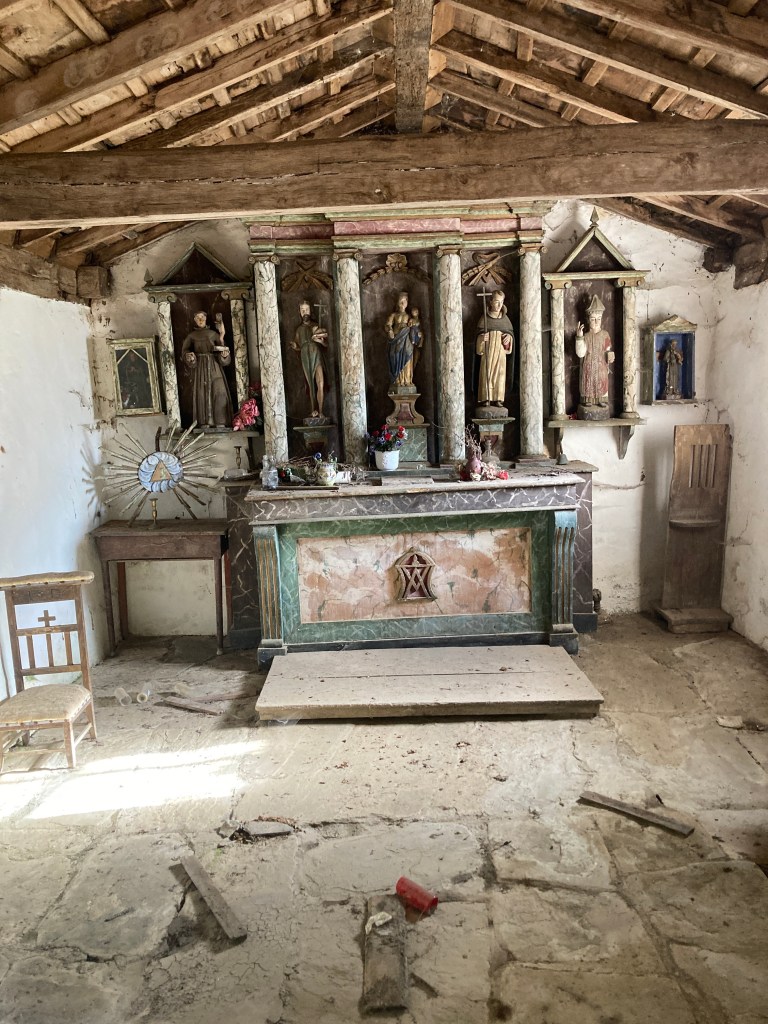
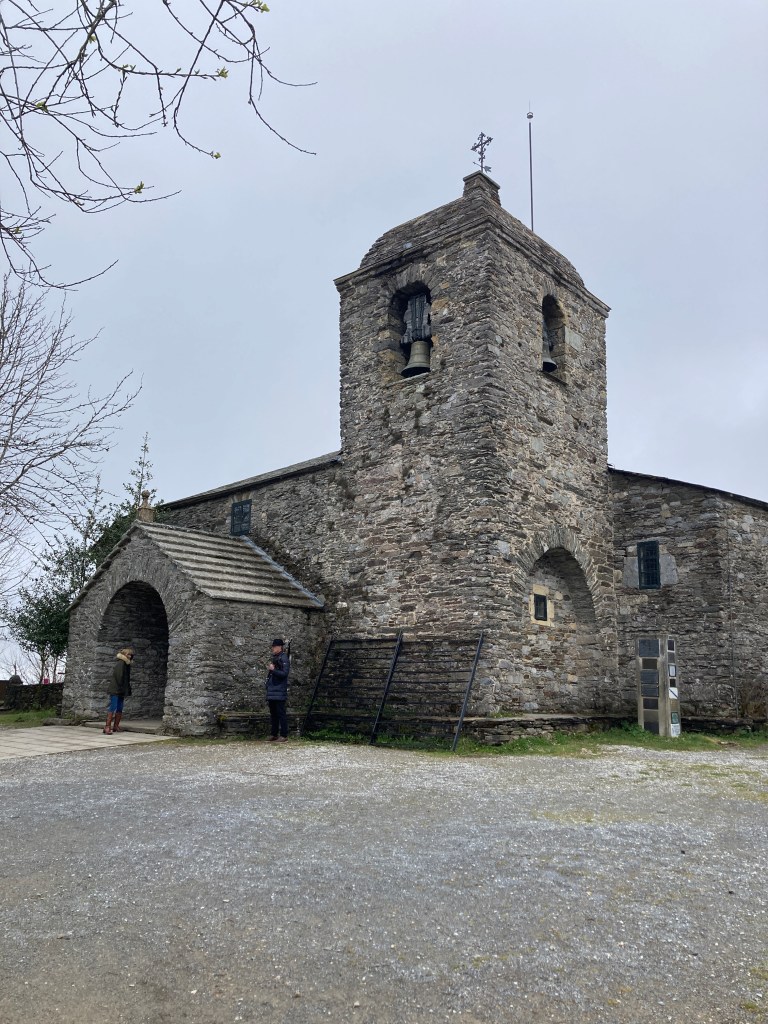
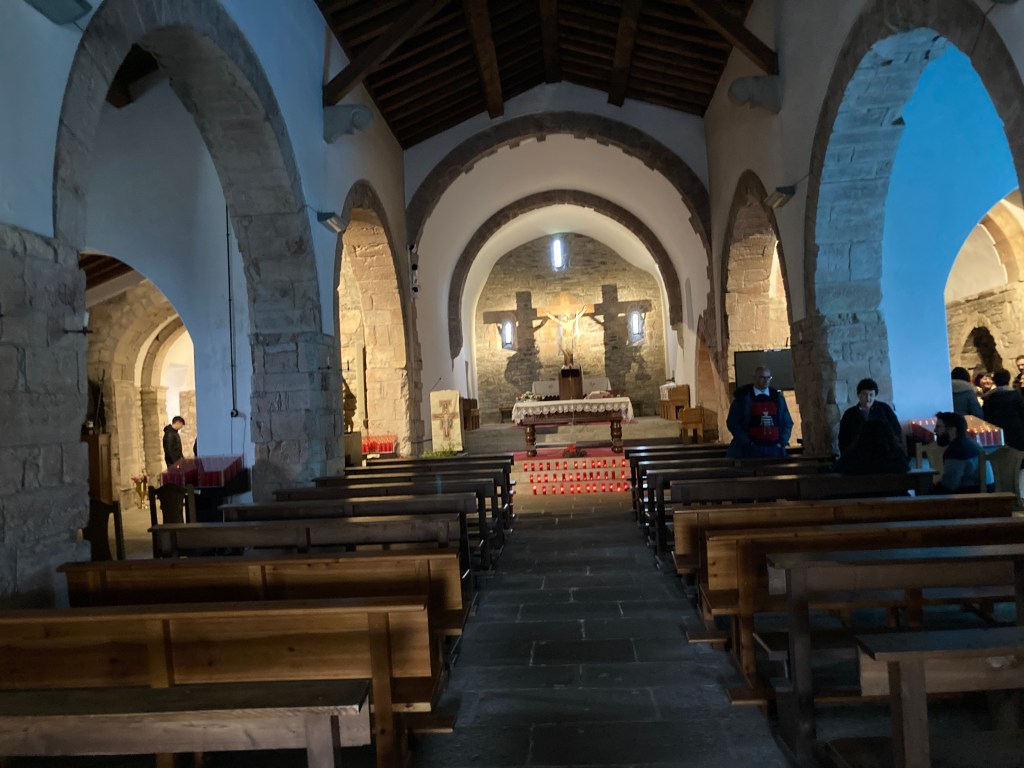
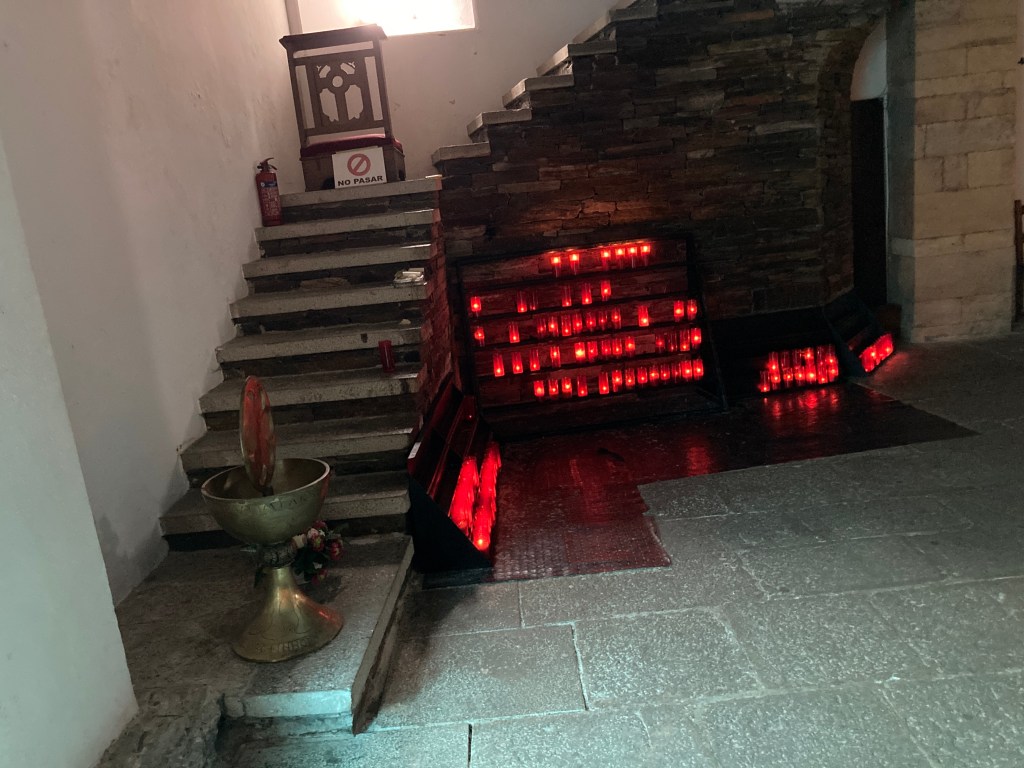
Coming out of Boente this morning I came to a little church. The caretaker told me that this little church once had the distinction of being the “end” of the Camino. During the time of the Spanish flu, Santiago was closed. This church was believed to have been visited by Saint James, and so for a couple of years, Pilgrims considered it to be the end of their journey.

In addition to the cafes and bars in the little villages, there are sometimes little stands with fruit, water, coffee and other items to help the weary pilgrim. This was one I came upon yesterday. He had cut-up fruit platters, some kind of cheese slices spread with quince and…hard-boiled eggs! And get a load of the bright pink car!

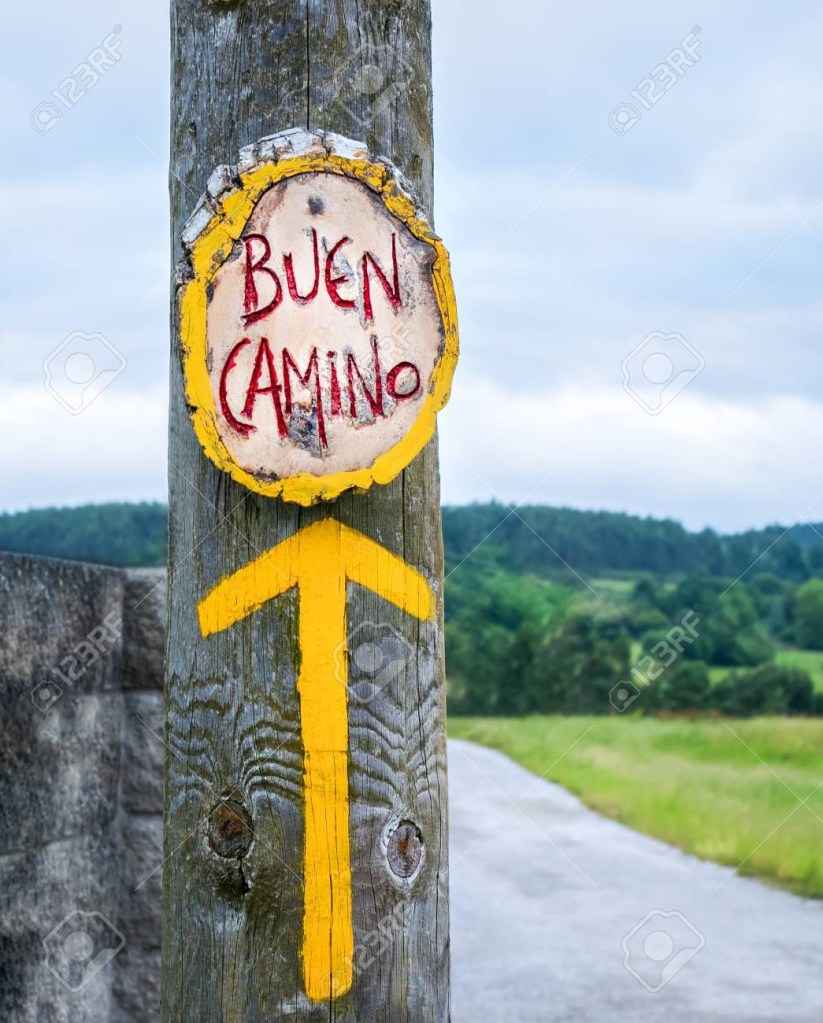
There was also a church which had coffee and cake…and a priest who rang a bell and shouted “Buen Camino!” to passing pilgrims.
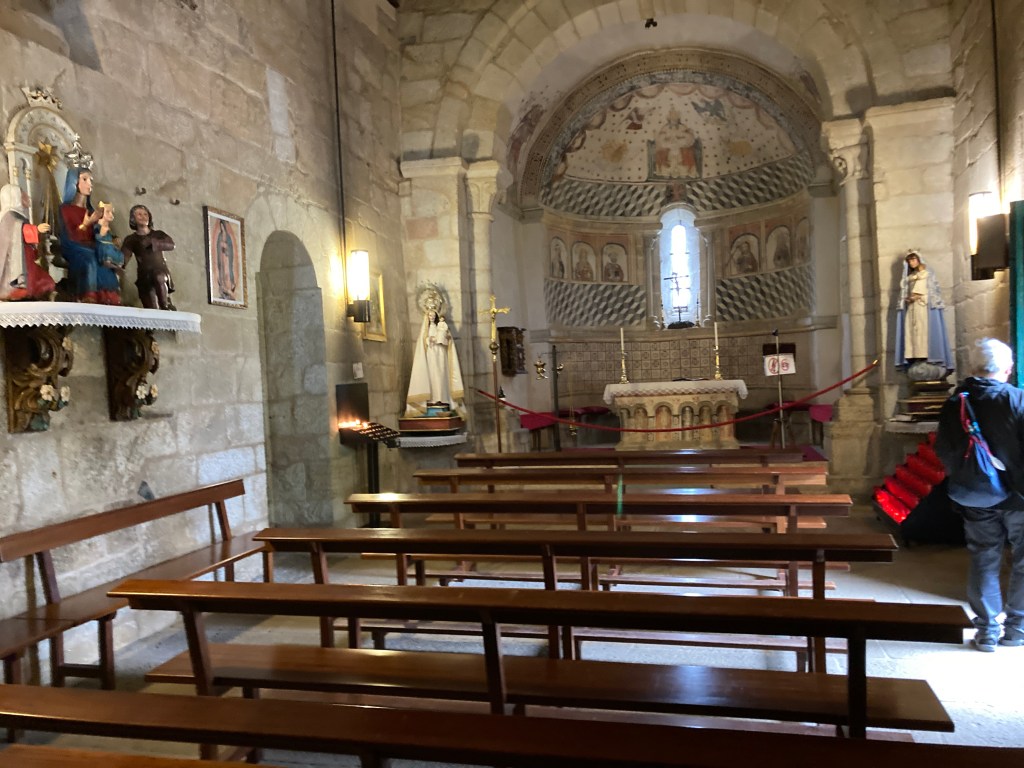
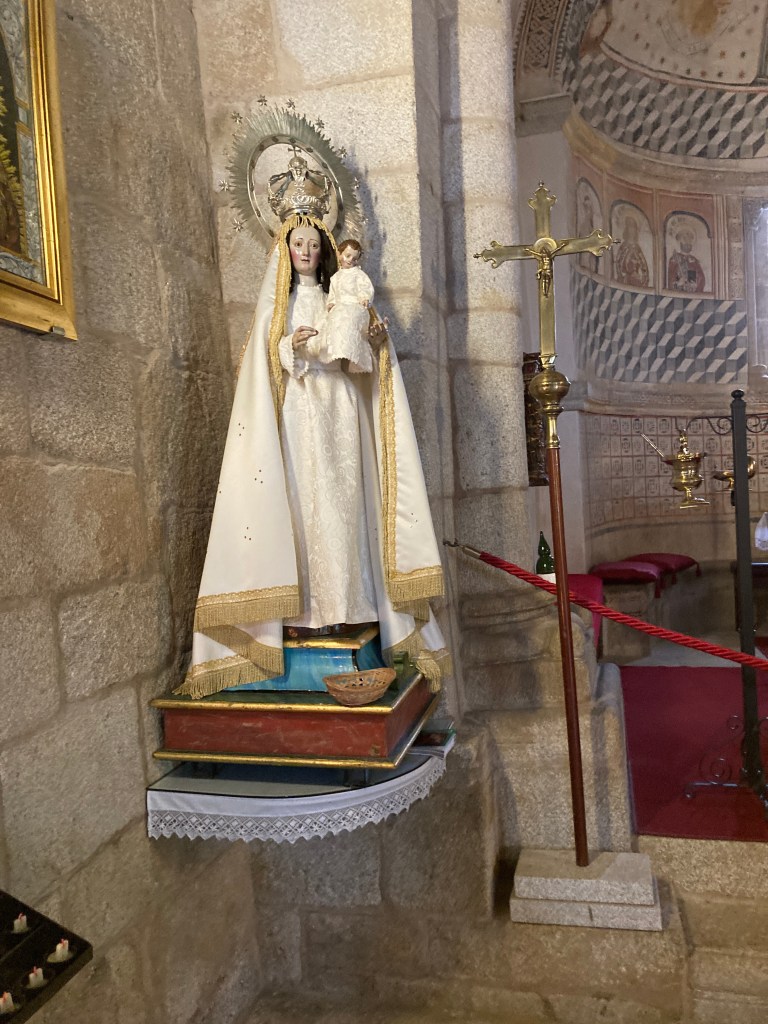
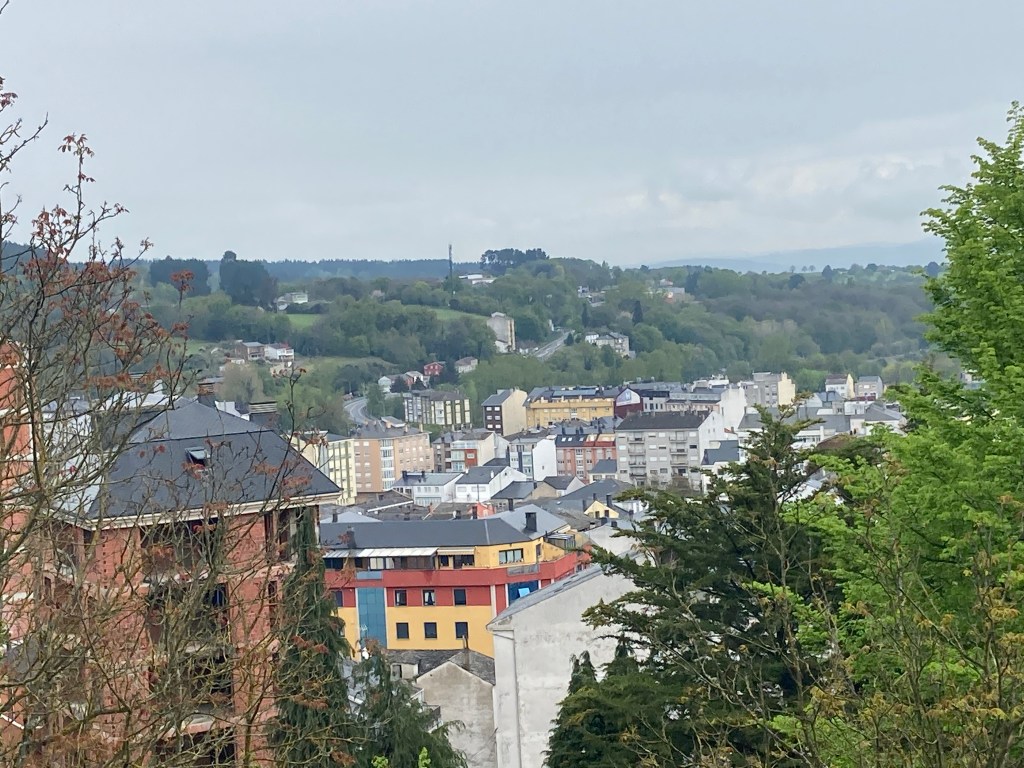
I have two more days before I reach Santiago. I have walked about half the kilometers originally planned…but each step has been hard-won and authentic. Walk your own walk, they say. And that is what I intend to do.

Teach your children well…

Standard

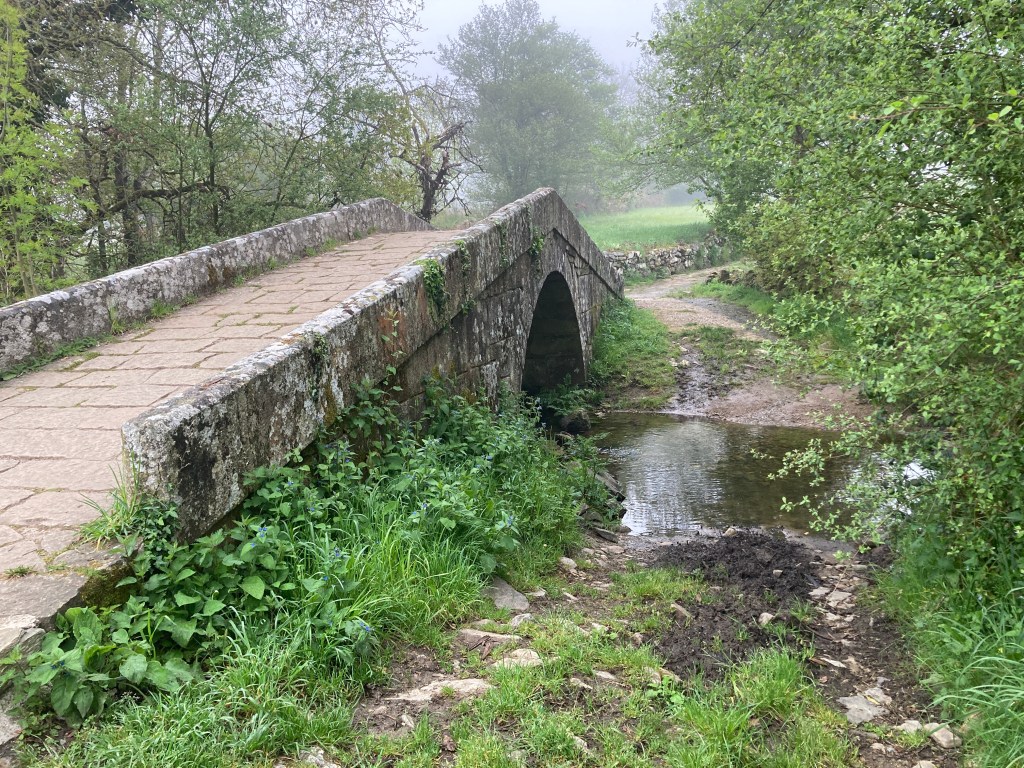
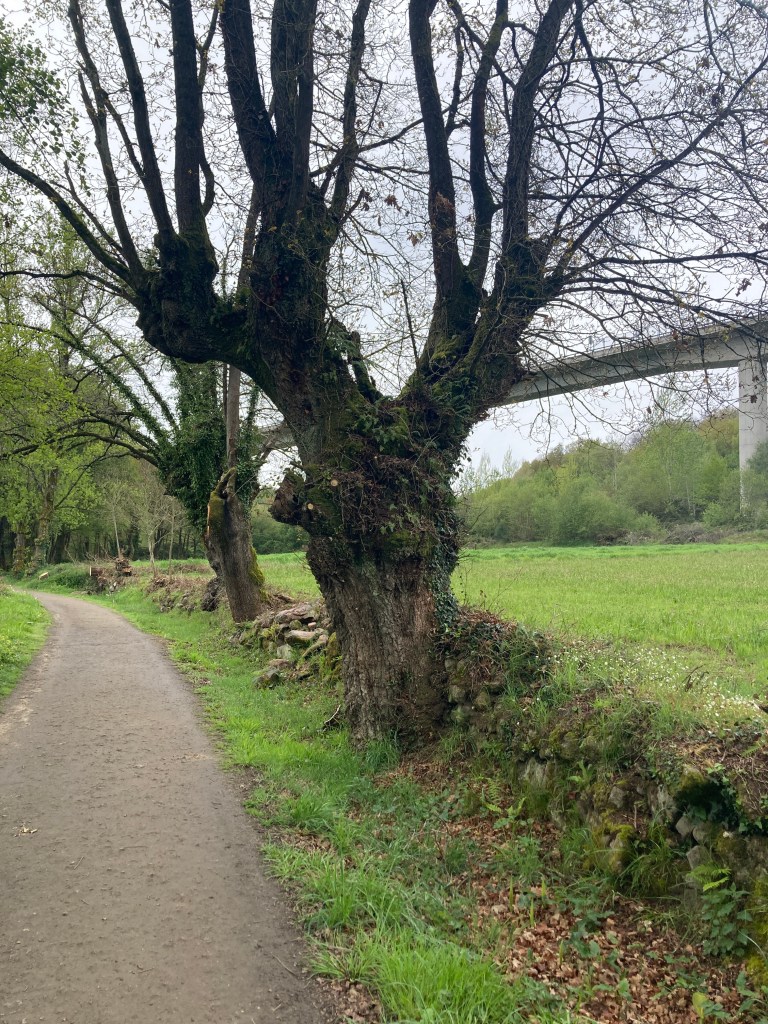
Today I walked in the mist. It was pleasantly cool and mostly flat, on dirt paths through wooded areas.

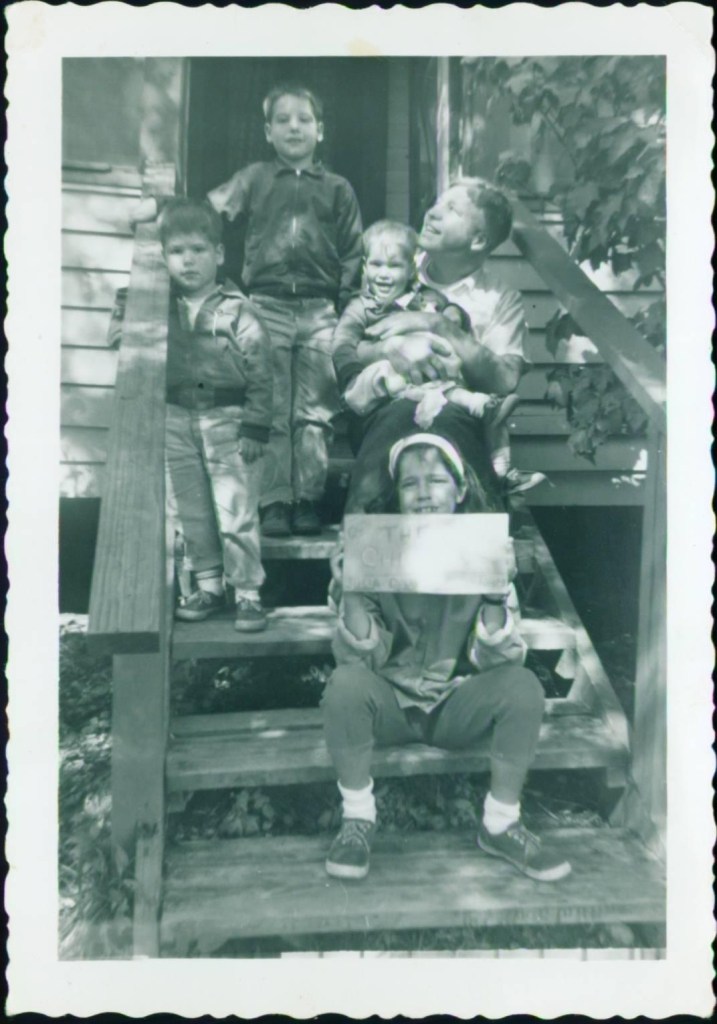
As I walked, I was thinking about my father. Donald William Chilton was born on April 3, 1923 in Brooklyn, NY. His mother, Abigail, became a widow when he was only 3 weeks old. She raised him and his older brother Robert alone.

My Dad and his older brother, ca 1925

My father was a brilliant man, who found almost everything interesting. It was from him that I learned that the unknown was not to be feared, but explored. Different cultures, beliefs, lifestyles and ideas were what made life fascinating. And if you didn’t understand something, well…learn more about it.

Naval Aviator.

He loved languages and finding out the etymology of various words. (We buried him with a well-worn dictionary.) He also loved poetry…and making up ribald verses, as evidenced by this “Christmas card” he sent to his brother.

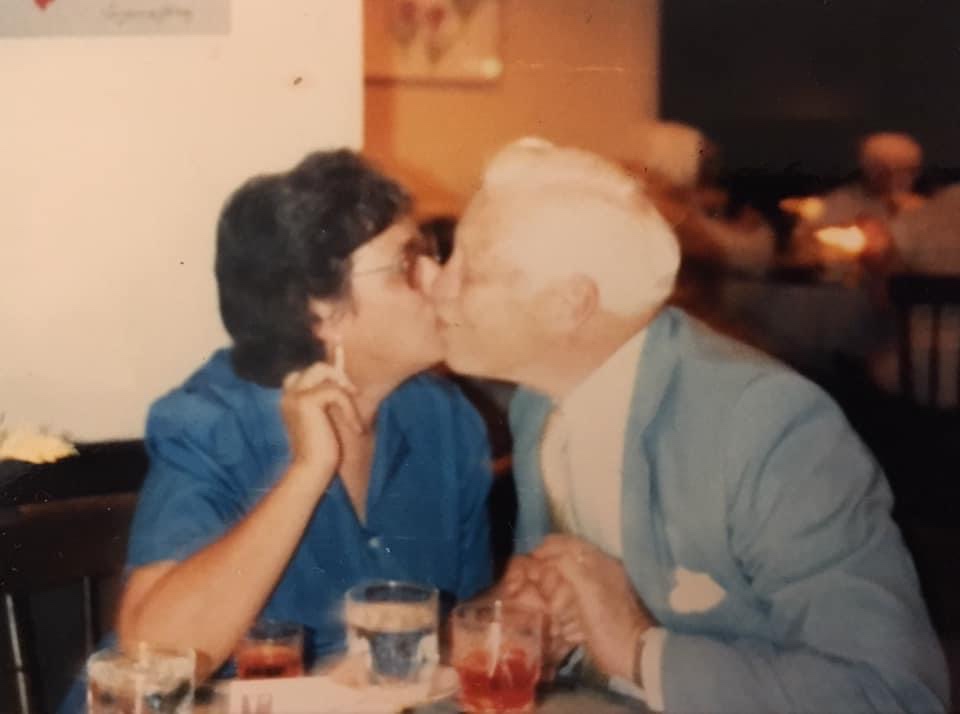
Most of all, he loved us. He was 30 when he married my mother (who was almost 8 years younger) and she was his first and only girl. He never quite got over his good fortune.

And I think he felt constantly blessed to be a father.

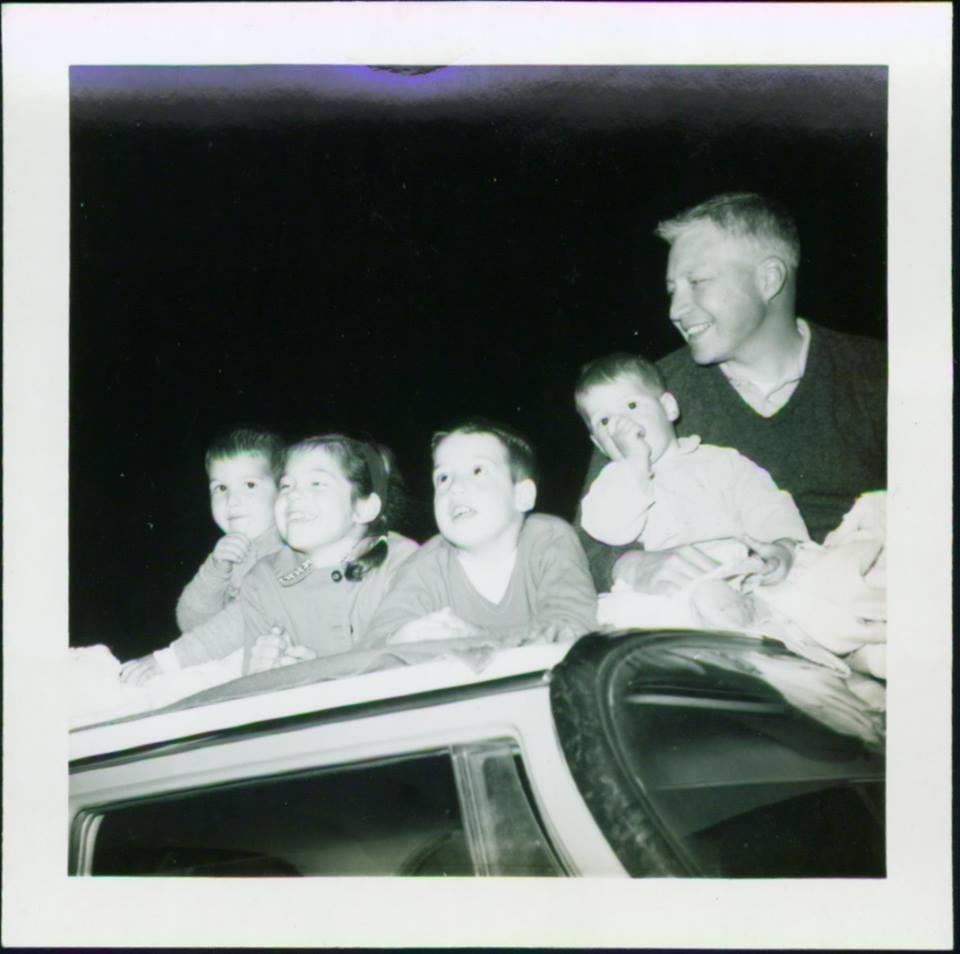
At the fireworks. I love his expression as he looks at us.
Easter Sunday, ca 1961
“Family Camp” in Holmes, NY

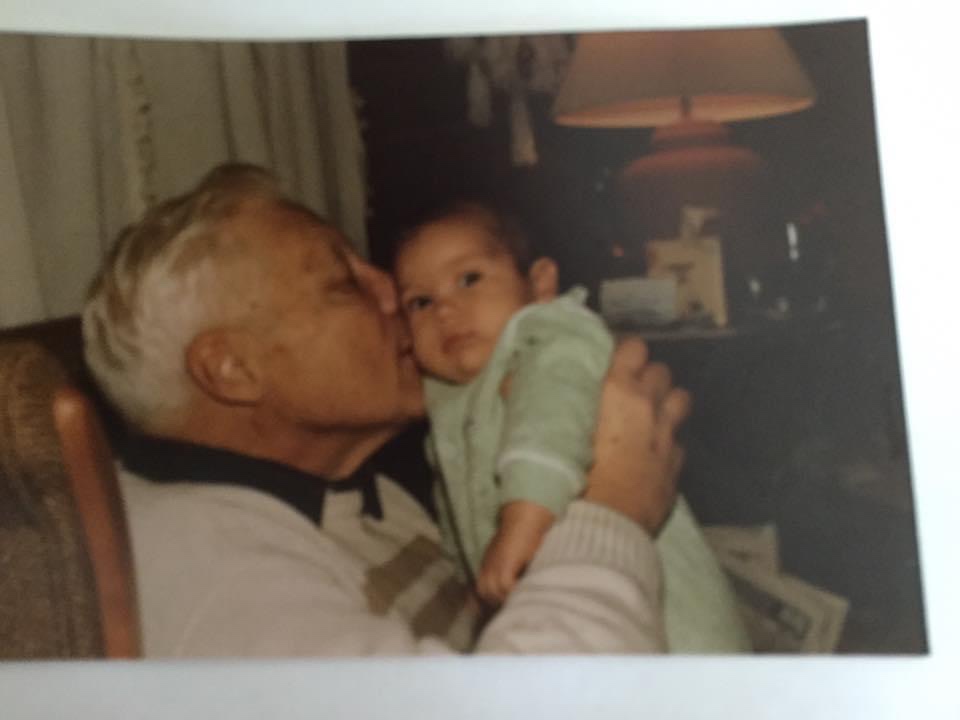
As we grew into adulthood, he would sometimes get teary-eyed when he was with us. “Oh, Julie,” he’d say. “I remember when you were born.” And he’d get a bit choked up. My 16-year-old self didn’t quite get the emotion. I mean, of course he remembered when I was born – duh. (My much older self understands perfectly…)

When his first grandchild was born (Adam, my oldest) my father was over the moon with joy. Once, watching toddler Adam dance around the room while I played guitar, my father proclaimed that he could die right then and there and be happy.

My father would have enjoyed hearing about my adventures on the Camino. And he would have understood the “Camino magic.” Once, when I was driving a not-quite-reliable car from Long Island back to Massachusetts, he told me not to worry. “The car will make it,” he promised. “And if you have trouble, or something goes wrong, just wait. There is always someone who will help you.”

“There is always someone who will help you.” A lesson worth knowing. Then, now and always.

Next time…

Standard

Yes. I’ve caught myself thinking this on more than a few occasions over the past couple of weeks. Which means…I guess at some point I’m coming back, either to do this Camino or one of the other routes.

So. “Next time” I will…

Bring a better travel backpack. I wasn’t aware of how often I’d be using the pack transport service for my big pack! It has truly been a life-saver.

Take people’s advice and get shoes 1/2 size bigger than usual. I’ve been wearing this size and brand forever (New Balance 410s size 7.5) and I just thought they’d be fine. And I’m managing. But my toes are not happy.

Be much more realistic about daily mileage. My pace is very slow (1.5 – 2 mph) and I stop a lot, especially going uphill. So that needs to be factored into a plan.

Bring my Kindle. Because I do shorter days, it’d be nice to have something to read in the late afternoon. And books in English are in short supply here!

Today was the first day I was in shorts and t-shirt. Sunny and breezy. I cannot imagine doing this in the summer!

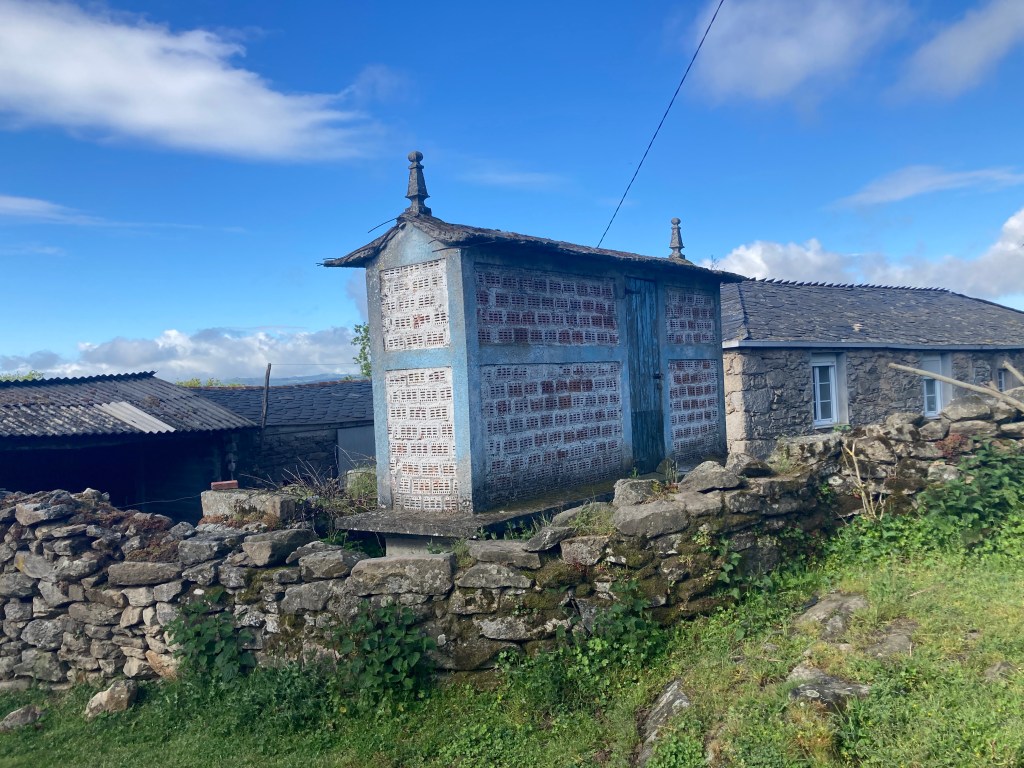
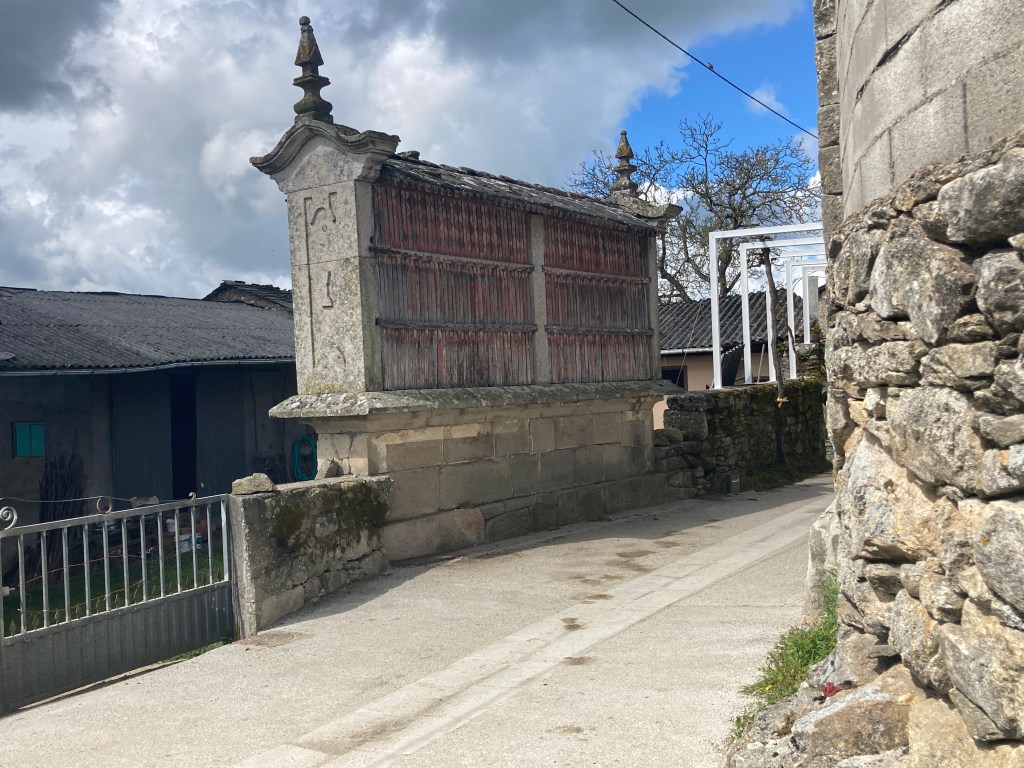
I saw many more hórreos.

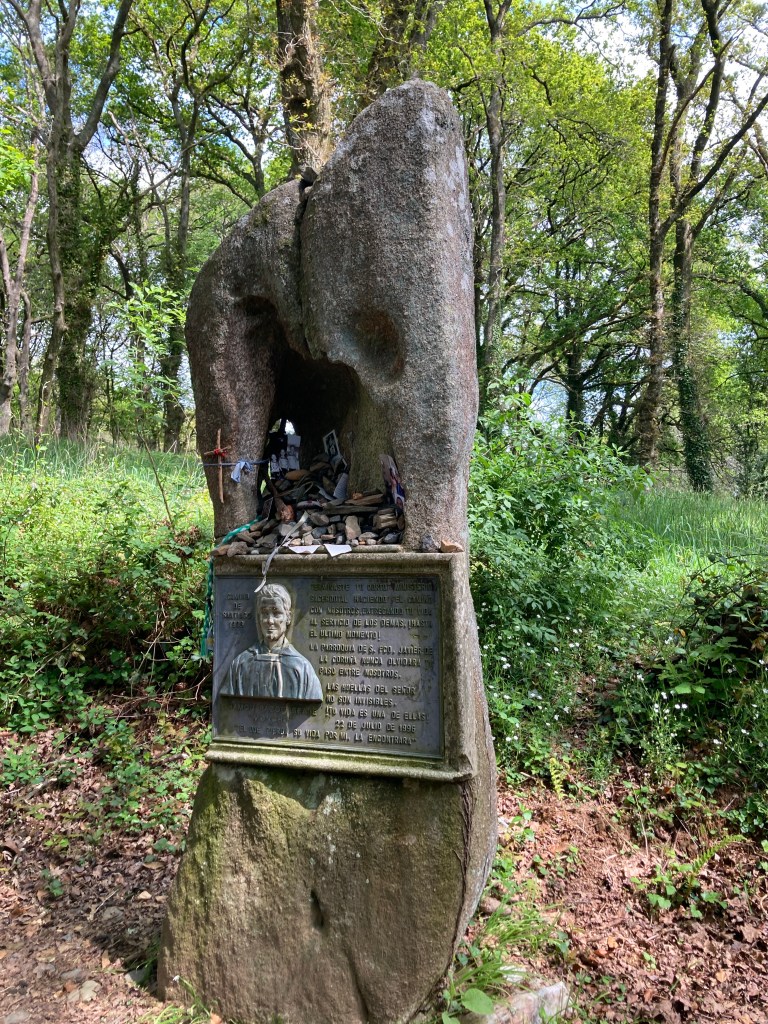
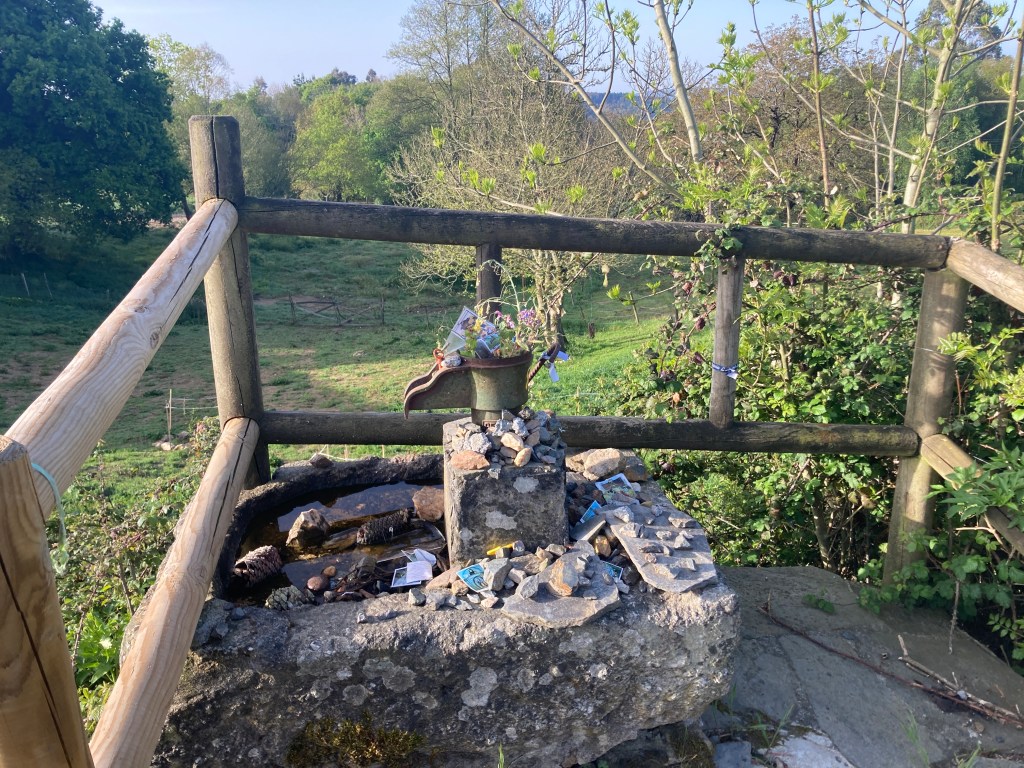
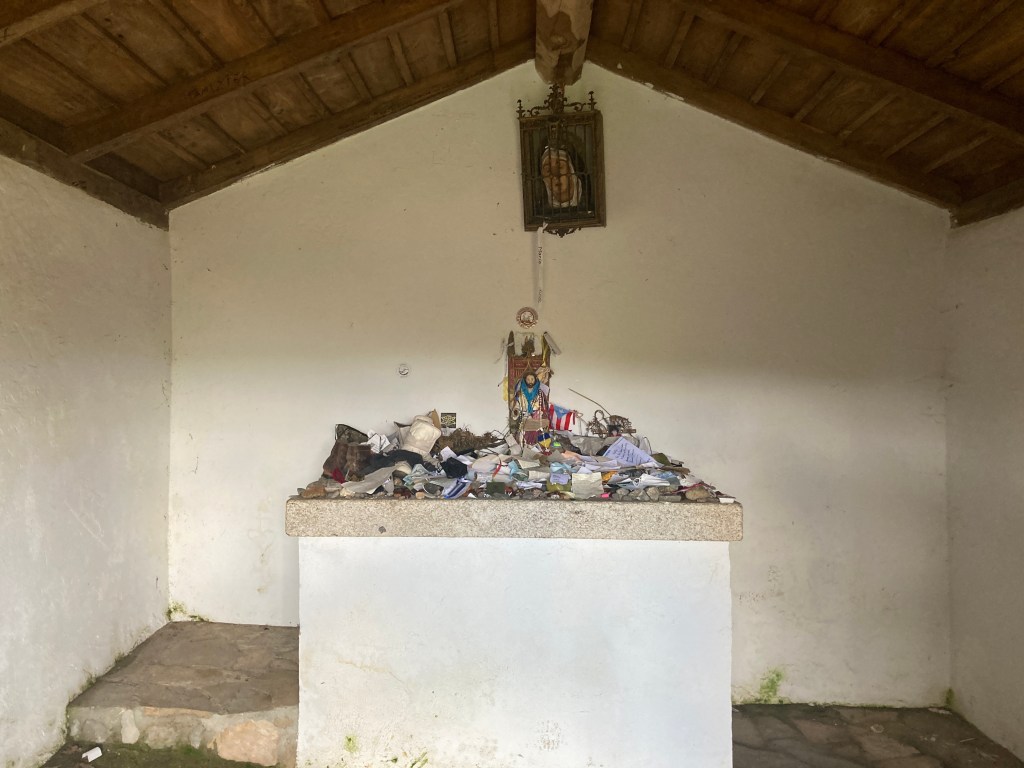
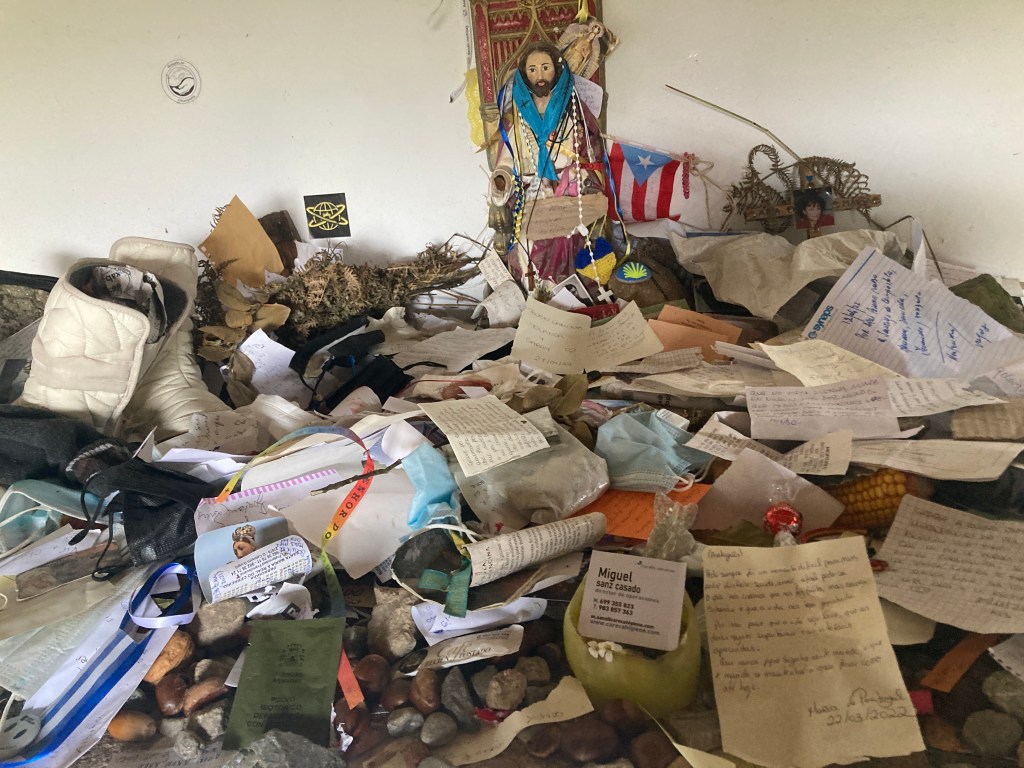
And more “shrines” where Pilgrims had left mementos, intentions and prayers.

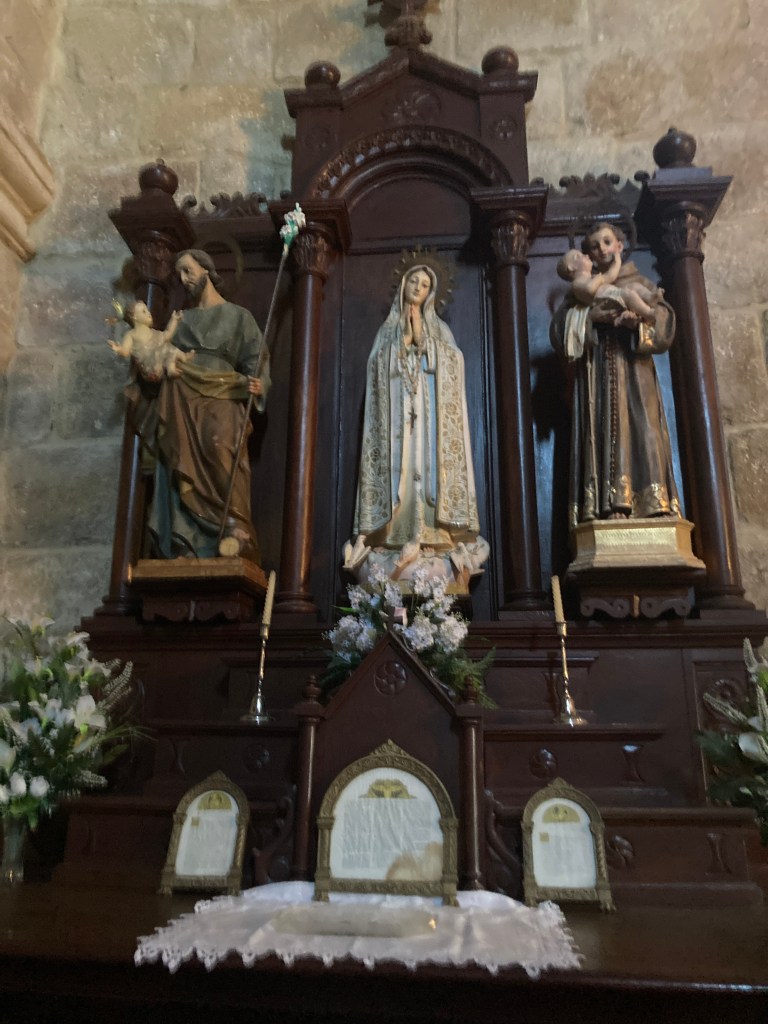
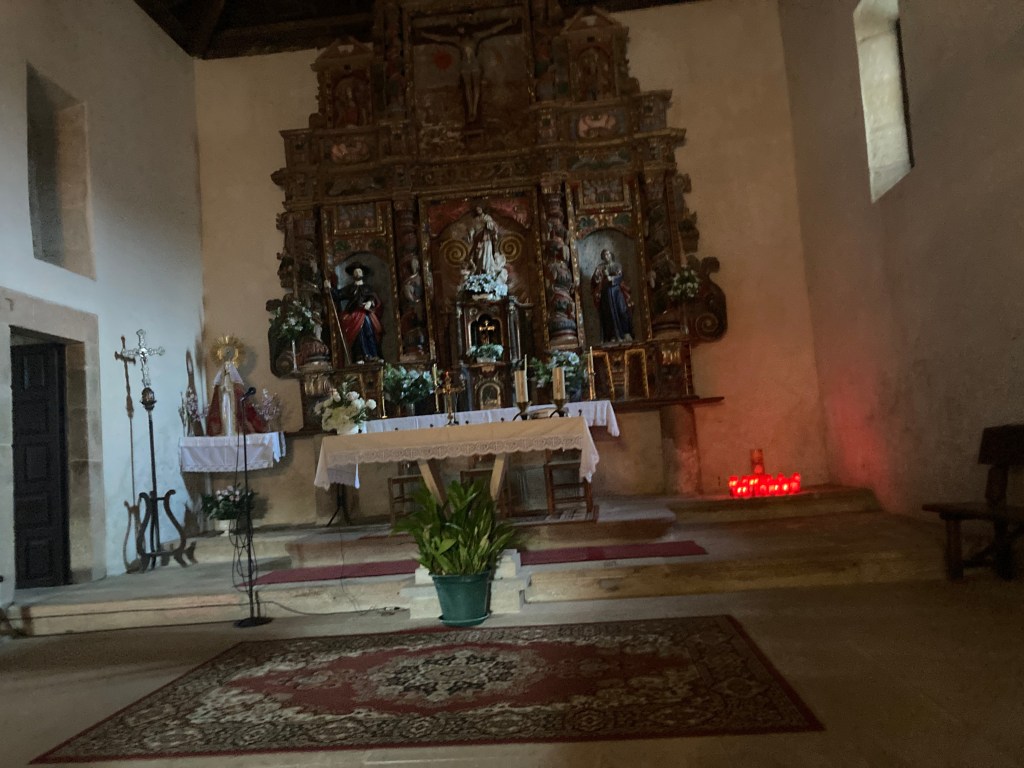
There was a beautiful old church near San Xulian. It was open and the caretaker inside would stamp your credential.

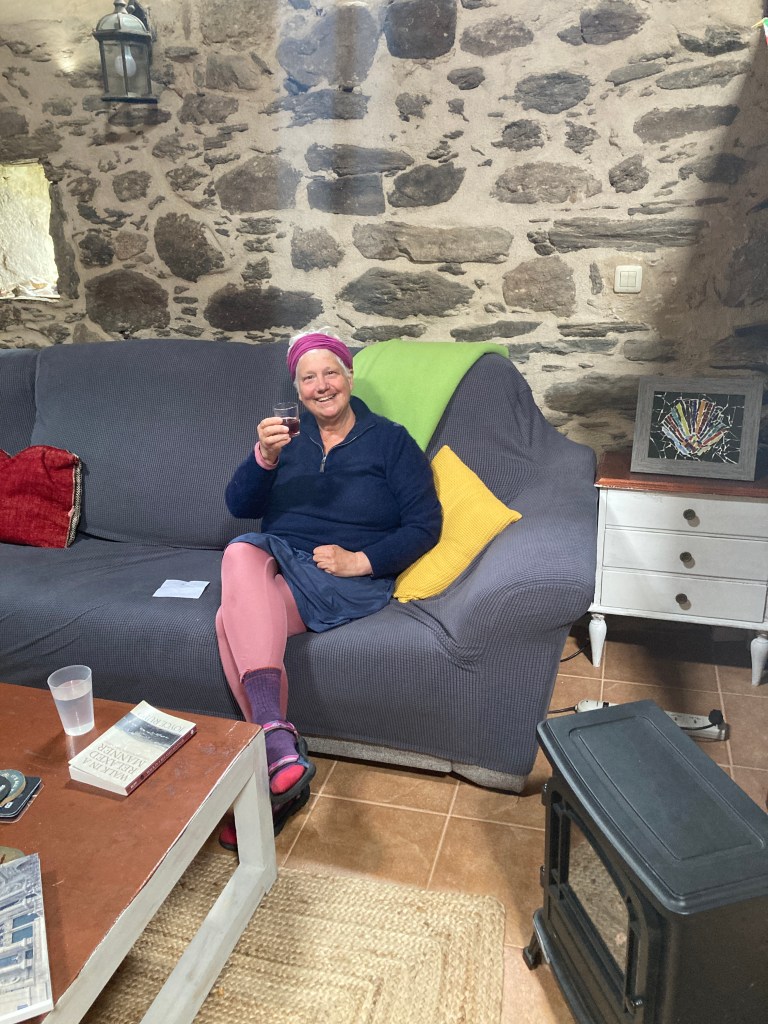
I am staying in the little town of Coto tonight and treated myself to a private room. With a soaking tub. In which I soaked. Also my room has a couch. 😁

The restaurant just down the street was serving that Galician soup, which is my new favorite thing to eat. I’ll have to learn how to make it. That and the garlic soup with egg.

Tomorrow I head to Boente.

If all goes well, I’ll be in Santiago on Thursday!

Signs, signs, everywhere signs.

Standard

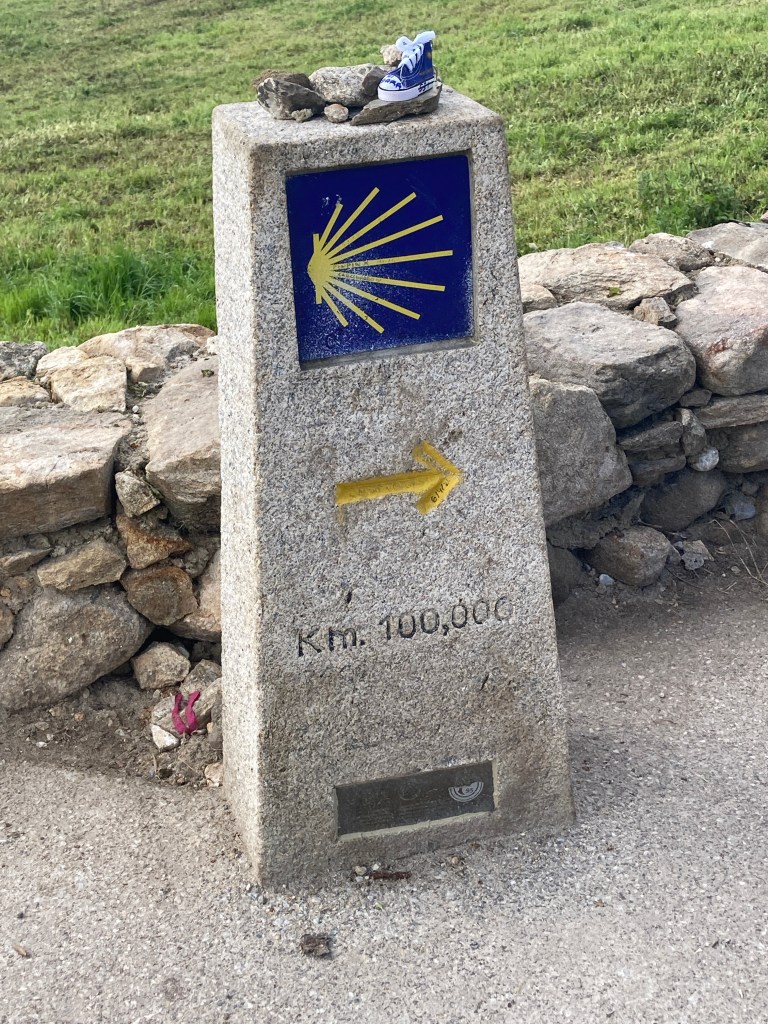
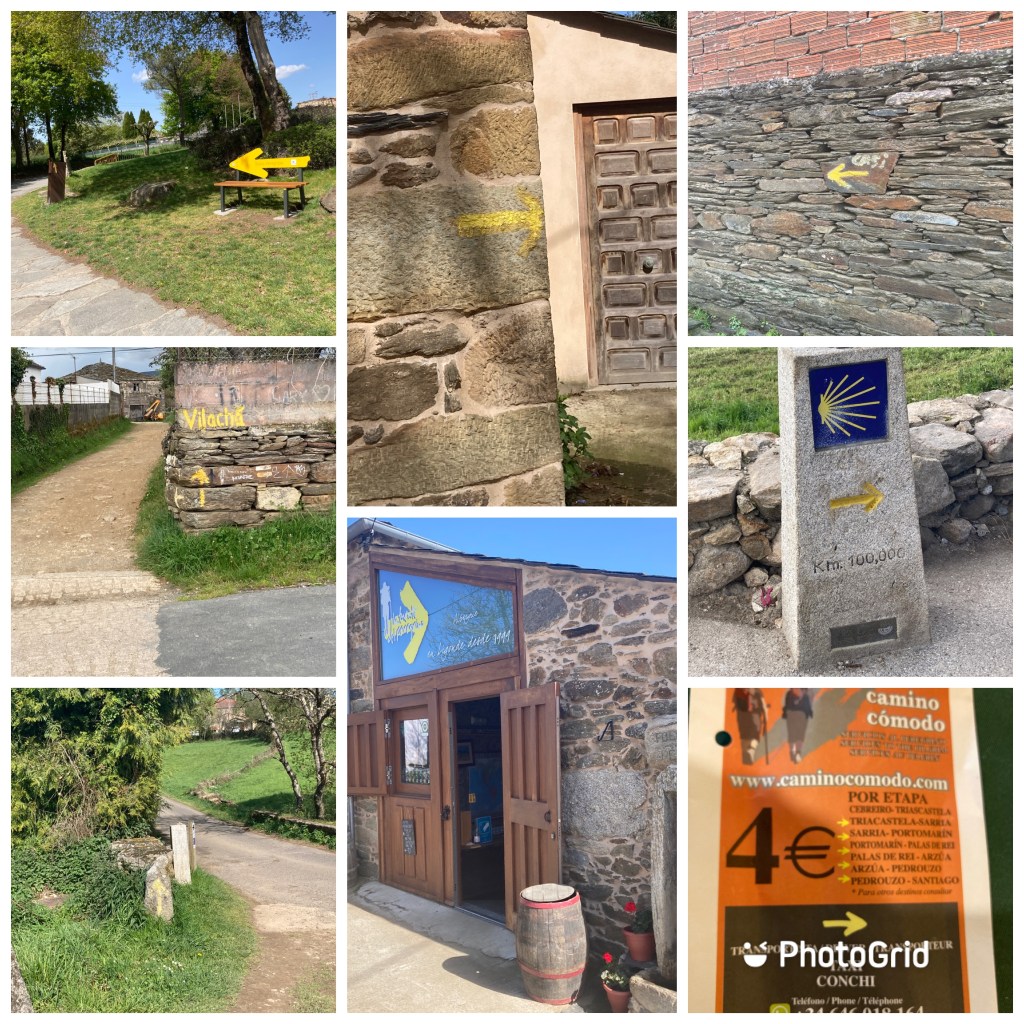
Aside from the scallop shell, the yellow arrow is the most recognizable symbol of the Camino. Unlike the shell, which is centuries old, the yellow arrows are a fairly recent addition. And it is all because of one man, who believed that the Jacobean Path was in danger of being lost. So he decided to do something about it.

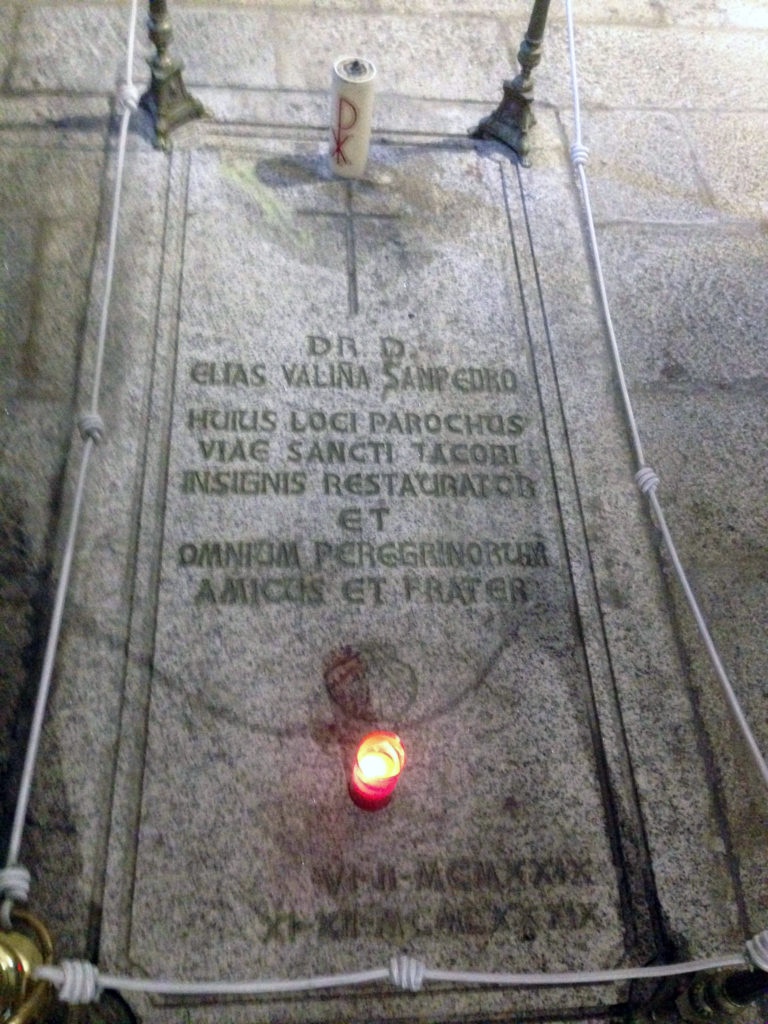
Don Elías Valiña (1929-1989) was the parish priest in O Cebreiro in Lugo and studied the history of the St James Way pilgrimage to Santiago in-depth, writing many documents, articles, and even a thesis on the Camino de Santiago.

After years studying the St James Way, he was convinced of the importance of this ancient trail and set himself the challenge of reviving the route we call the Camino Frances. In 1984, he started his mission to rescue, clean, and mark the trails along Camino, starting in Roncesvalles, in the Pyrenees.

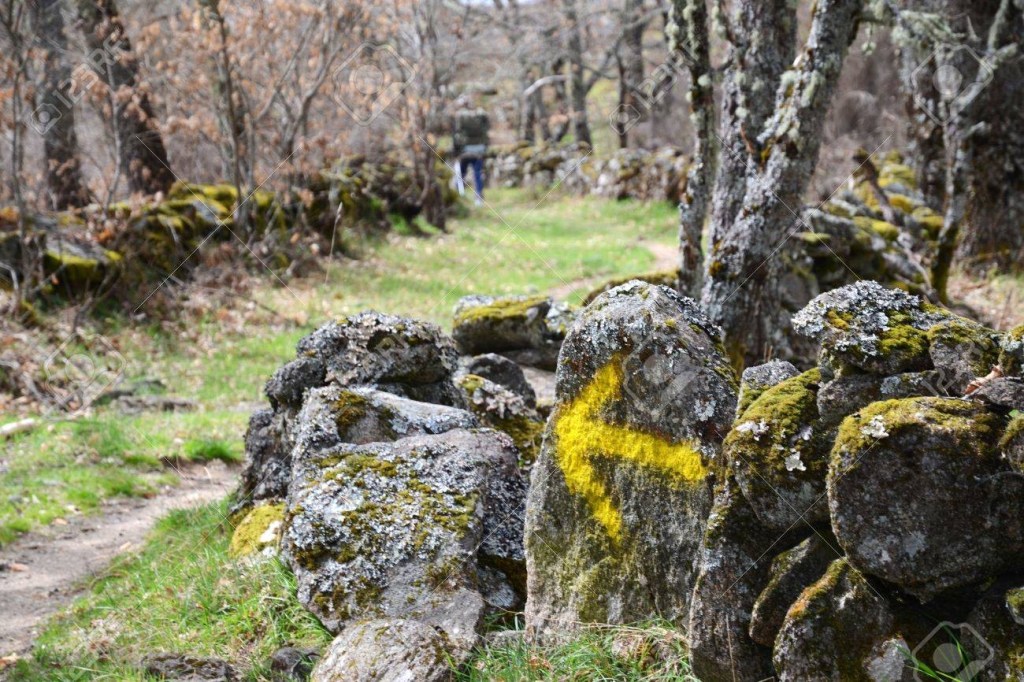
He also started painting the iconic yellow arrows to indicate the right way at the various tricky crossroads along the trail.

Legend has it that Don Elías drove across the whole north of Spain on his Citroën GS packed with yellow paint, painting arrows leading to Santiago. To carry out this task, Elías approached a public works company in Pedrafita do Cebreiro to ask them for the leftover paint that was used to mark the roads. And what color was this paint? Yellow! This is the birth of the famous symbol, a simple, unpretentious brand whose sponsor was solidarity and love for the Camino de Santiago.

While marking the Camino in Roncesvalles the priest was surprised by the Guardia Civil, who stopped him thinking that he was marking a path for terrorists. They asked him, “What are you making these arrows for? And he answered, “I’m preparing an invasion!

And his words came true. Today the simple yellow arrows have guided thousands of pilgrims to Santiago de Compostela and the Jacobean Route has established itself as one of the most important pilgrimages in the world.

As I’ve been walking, I’m always relieved and grateful to see a yellow arrow, showing me where to go. Thank you, Don Elias!

Take it easy…

Standard

I am really enjoying my slower, lower-mileage days. I find that 4 – 5 hours of walking is plenty, and even though I suppose that I could take a long lunch break at 1:00pm or so and then walk on for a few more hours, I find it more pleasant (and easier on my feet!) not to! I’m in no rush.

I left my lovely albergue at about 8:30am and moseyed the couple of miles on into Portomarin. It was a steep downhill until suddenly it wasn’t.

Portomarin holds the distinction of being the newest oldest town on the Camino. The town was constructed and built next to a Roman bridge over the Minho River and rebuilt in the Middle Ages.

In the 1960s the Miño River was dammed to create the Belesar reservoir, putting the old village of Portomarín under water. The most historic buildings of the town were moved brick by brick and reconstructed in the new town, including its castle-style main church.

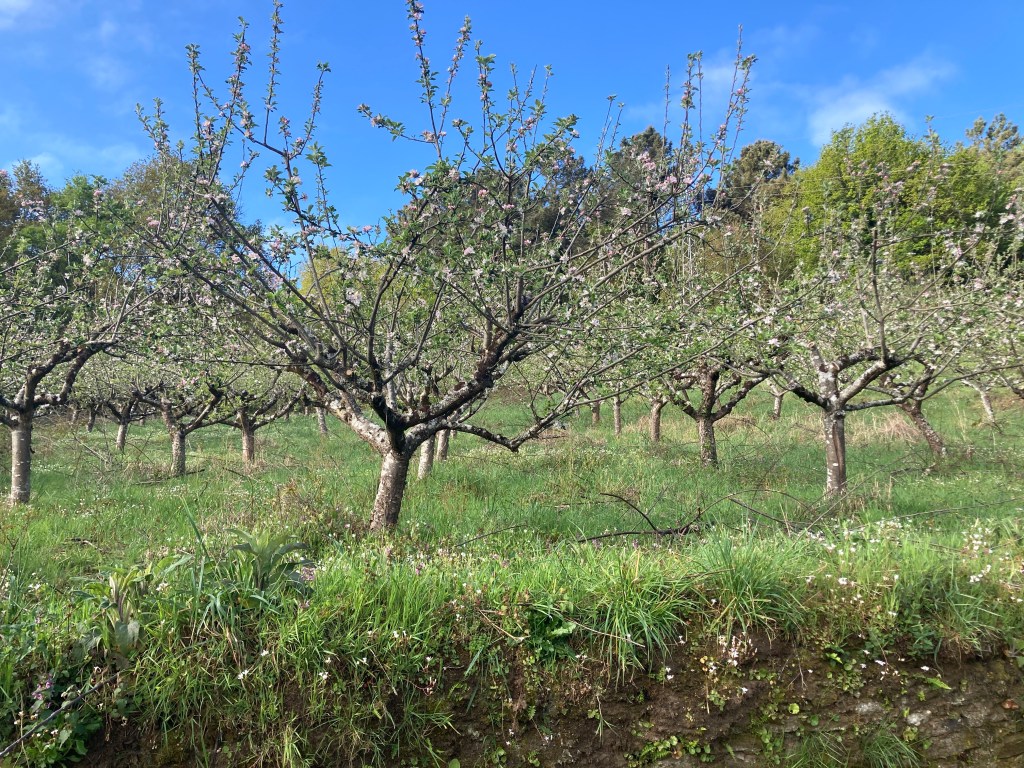
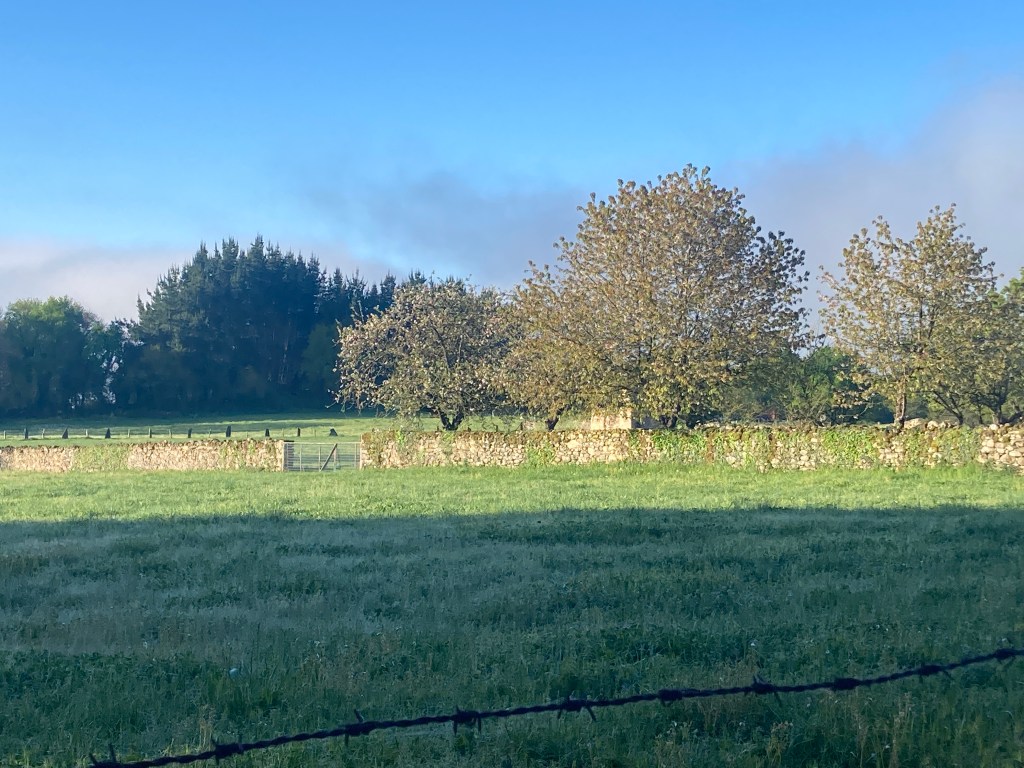
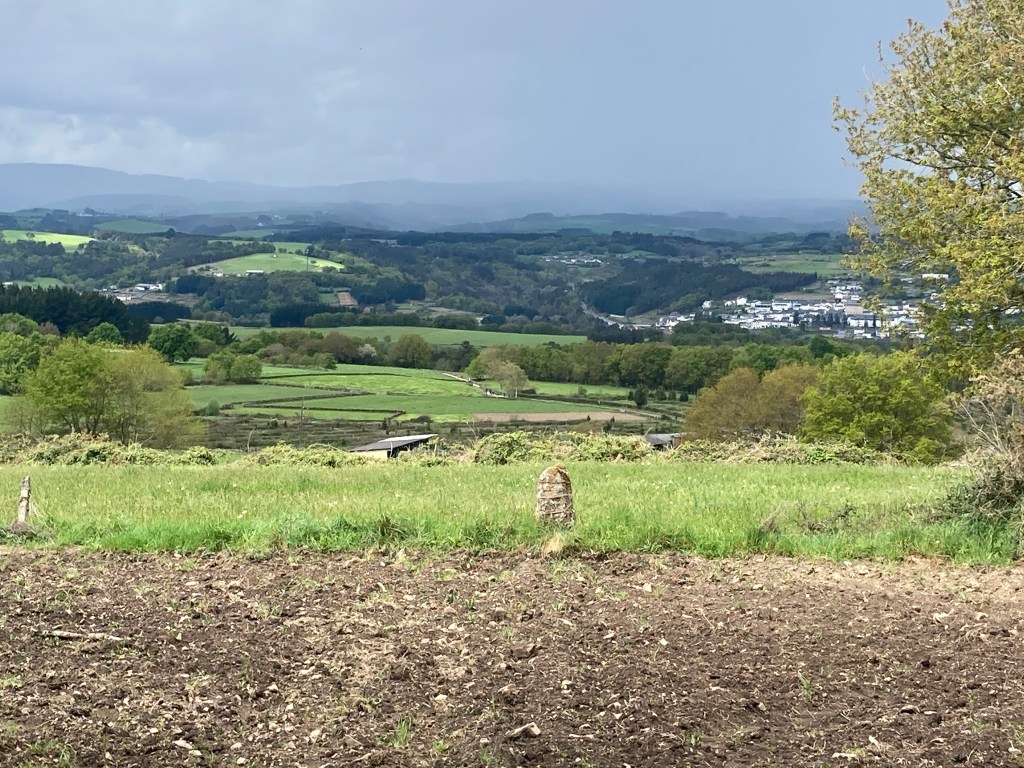
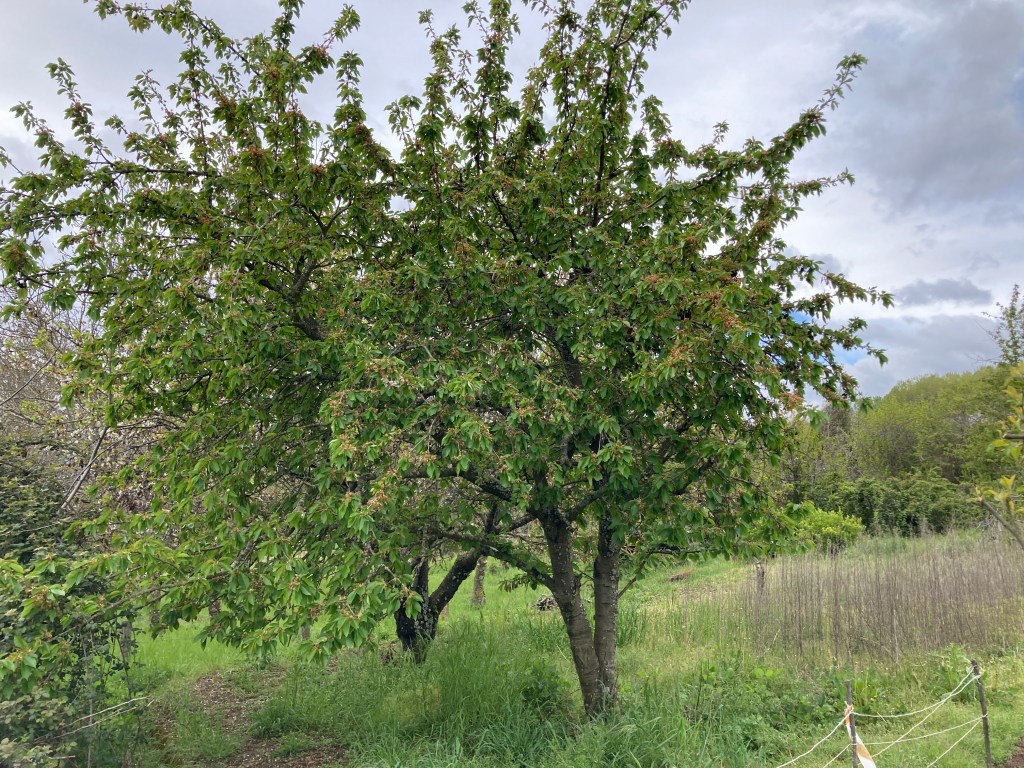
I was a bit concerned about the way after Portomarin, as the whole thing looked to be uphill. It was, but it wasn’t steep and there were places where it flattened out for a bit. And it was mostly through a lovely forest. I thought these apple trees were especially lovely.

I had some lunch in Gonzar at an actual restaurant serving real food. Yes, even at the unheard of time of noon! I had a bowl of what they called “Galician broth” which turned out to be a soup with potatoes, kale and white beans and was absolutely delicious.

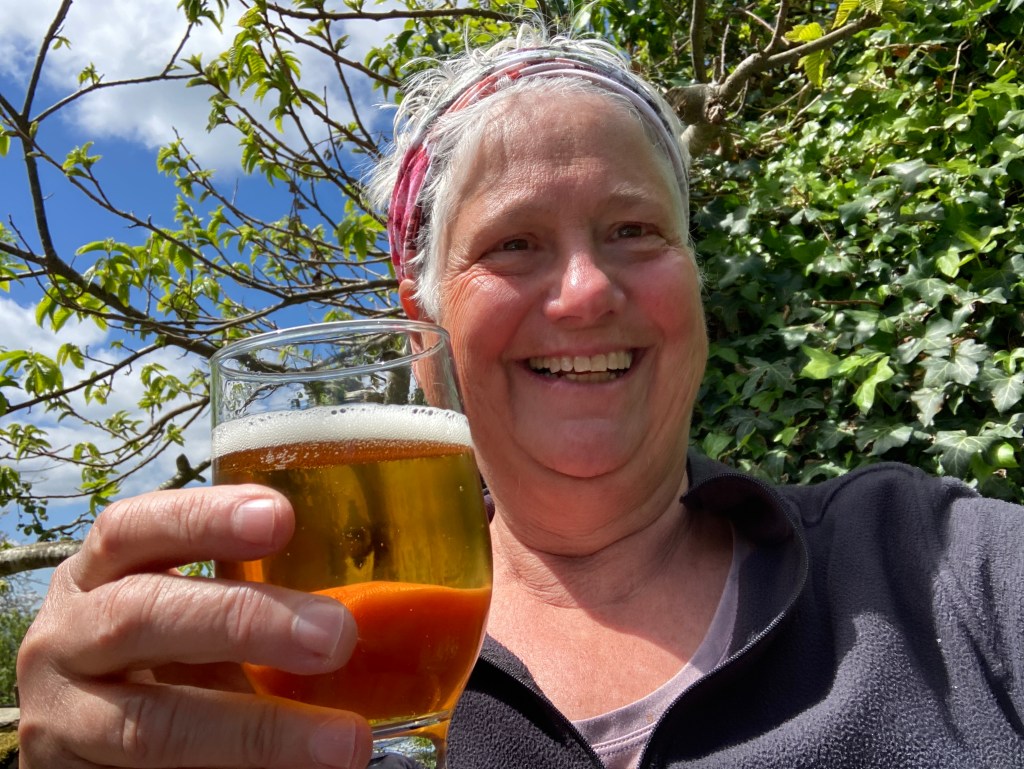
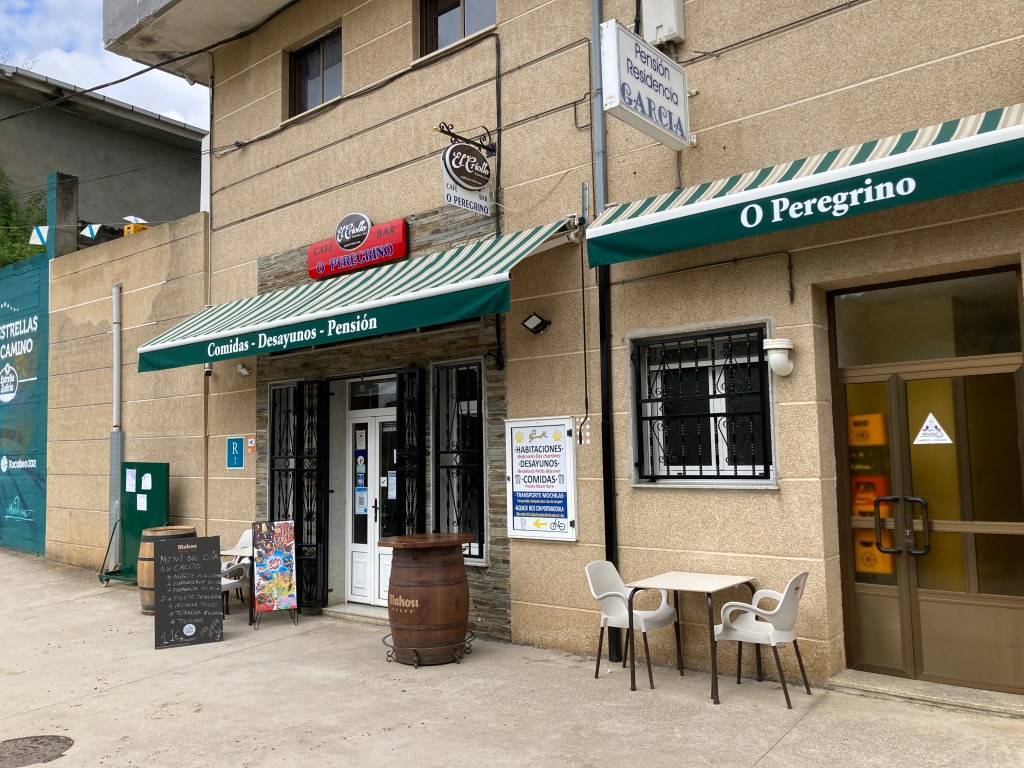
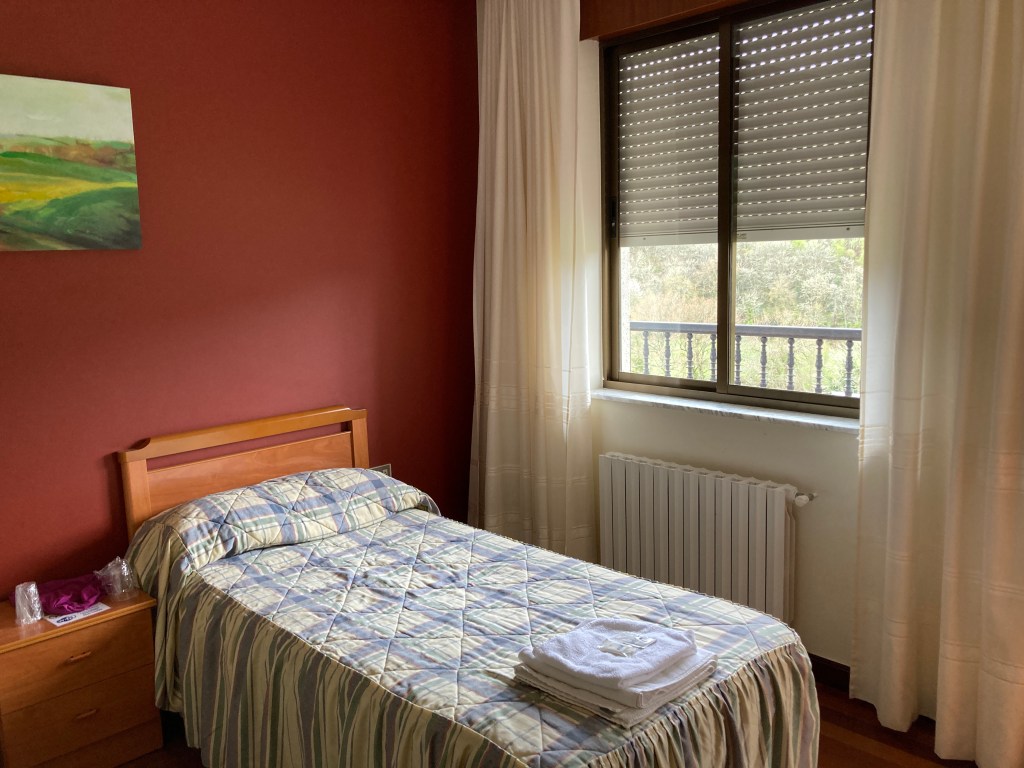
Less than a mile later, I arrived at my little pensión. A tiny, immaculately clean private room with real sheets and a purple duvet. Bar down the road with beer and serving a tolerable dinner. And a couple of paperbacks in English. (If I ever do this again, I’m bringing my Kindle!)

Tomorrow the temperatures are supposed to be in the 70s and I’ll be heading to Palas de Rey…about 15 km. Slow and steady!

Hòrreos and other things…

Standard

When I left Vilei this morning there was a beautiful old church right nearby. It’s called the Igelsia de Santiago.

The current church is originally from the second half of the 12th century and stands on the place where there was a double monastery. It appears in numerous medieval documentation including the Codex Calixtinus. It is still called “mosteiro” due to that ancient history. It was open, so I went in and sat for a little while before starting my walk for the day.

The morning light was beautiful and the air smelled of cows and fresh grass.

As I walked through farm country, I saw many of these odd structures. I was told that they were “hórreos.”

An hórreo is a typical granary from the northwest of the Iberian Peninsula, built in wood or stone, raised from the ground by pillars ending in flat staddle stones to prevent access by rodents. Ventilation is allowed by the slits in its walls.

Some were quite large and elaborate and others were plain. Most had the two little cupolas on the top…not sure if those have a practical purpose or are just decorative.

There were many more pilgrims (and large groups of students) since Sarria. Also much more diversity than I had noticed previously. I heard all kinds of languages. I just stepped aside and let them pass! Much of the path was dirt – easy on the feet!

I passed what seemed like a shrine for pilgrims. Inside, people had written intentions and prayers and placed them on the altar.

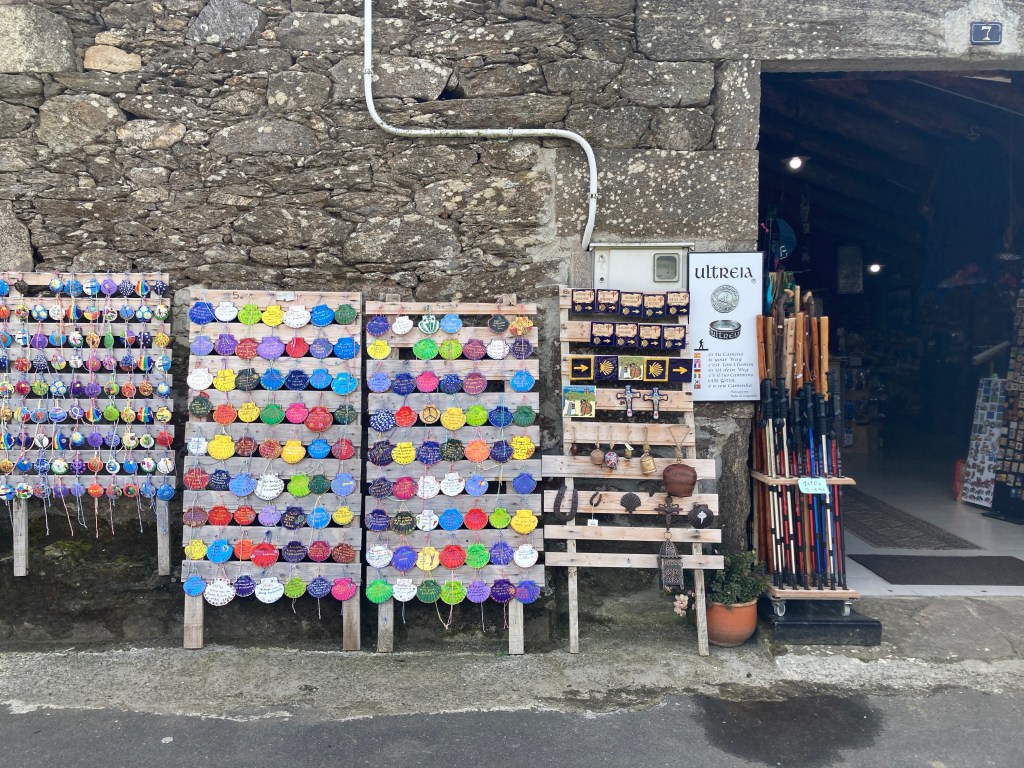
In addition to more pilgrims, there was also a lot more Camino swag being sold. Lots of things with the traditional Camino shell and other tourist-type souvenirs. I didn’t buy anything (because then I’d have to carry it) but I did manage to replace my bandanna!

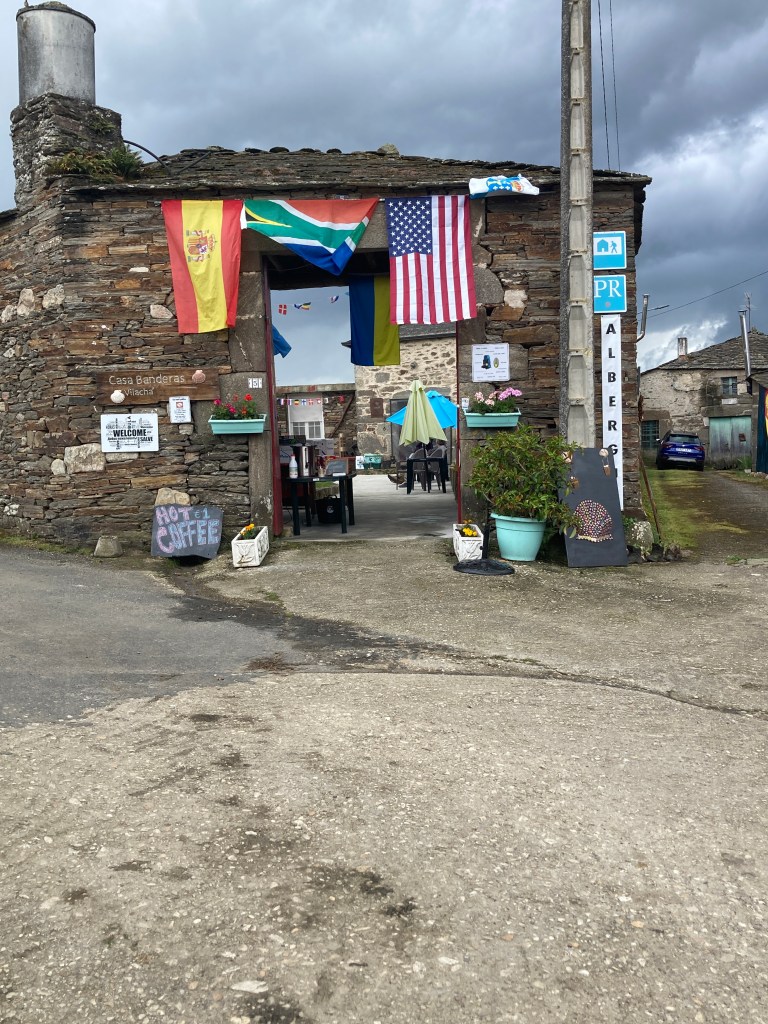
It was a long walk today (10+ miles) and I was happy to see the sign for Valachá and my albergue! I just beat the rain, too…I’d been hearing thunder for the last few miles!

An American couple, Ray and Dominque, opened this albergue (Casa Banderas) last year. They had a lovely charcuterie board waiting for me and some wine! Dinner is almost ready. I think I’ll sleep well tonight!

“Burros y Pollos y Cabras, oh mi”

Standard

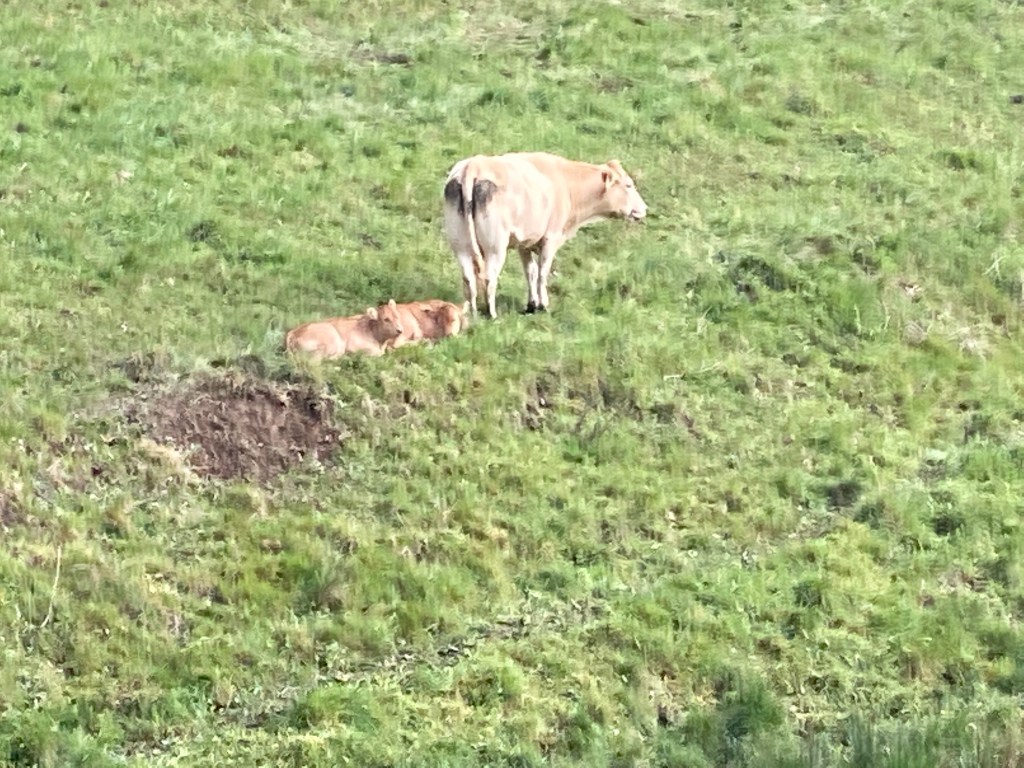
And also sheep and cows and birds. (Ovejas y vacas y pájaros.). Walking through farm country, the sounds and smells are as vivid as the sights.

This fellow (or gal) gazed placidly at me through the fence.

I have been hearing roosters crowing every morning for the past few days and finally got a picture of one in all his glory.

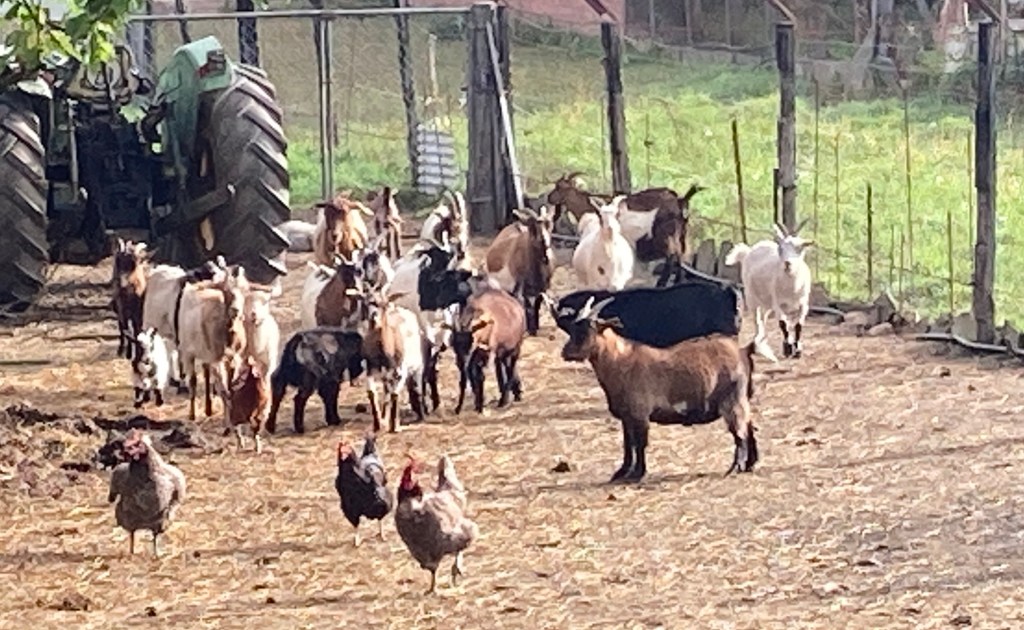
Came across a whole passel of goats, hanging out with the chickens.

Saw a HUGE stork nest, with a stork proudly guarding it.

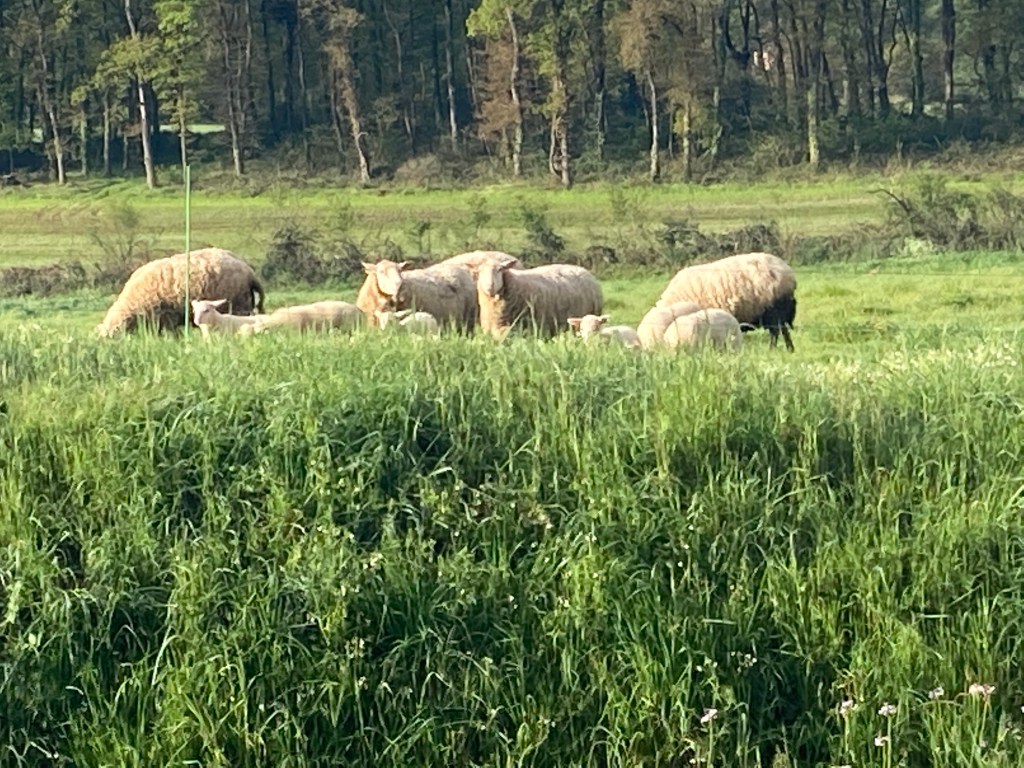
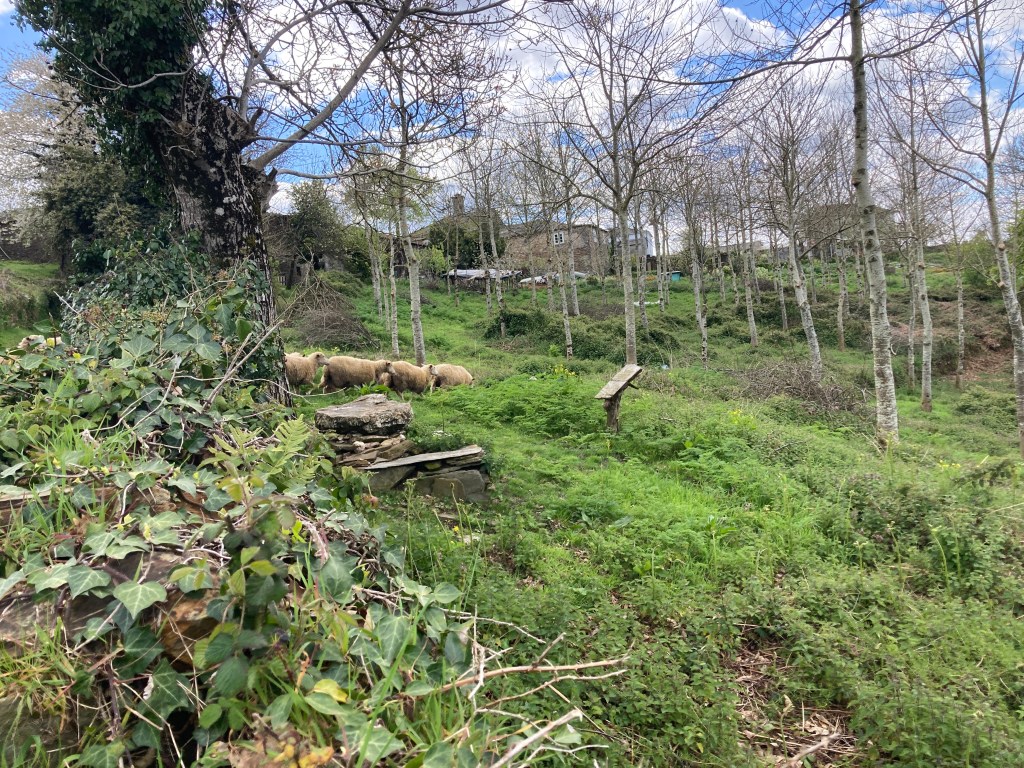
Also some sheep just hanging out.

Many more birds big and small. And of course, the cows. I had to be careful when walking on the road, as cows had left their calling cards everywhere. (Sorry, no pictures of the dung. 😁)

Rain was predicted for today starting around noon, so I got started around 8:00am to try to beat it. The sky was gorgeous and there was birdsong (and rooster crows) as I walked along the path.

The path was muddy in places, but fairly pleasant and not difficult (yet.) Much of the time, I was walking along the road and through a couple of tiny villages.

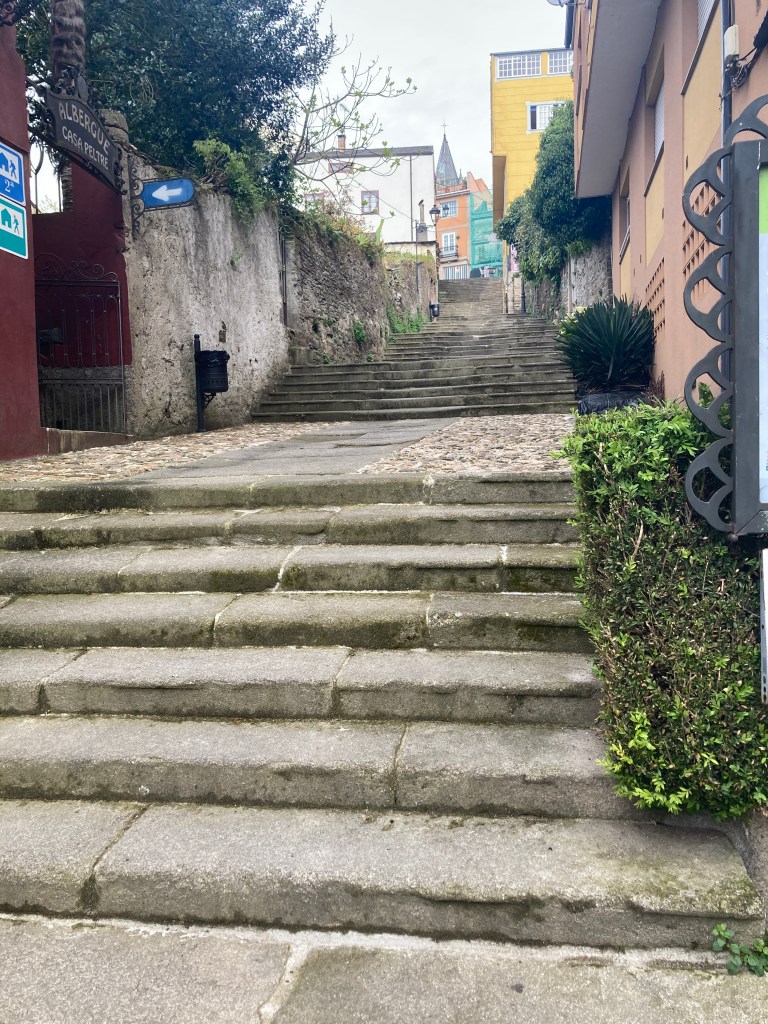
After not too long, I saw Sarria in the distance. Sarria has the distinction of having the largest number of pilgrim accommodations on the Camino. Many pilgrims start their Camino here. It is also (in)famous for the long staircase into the city.

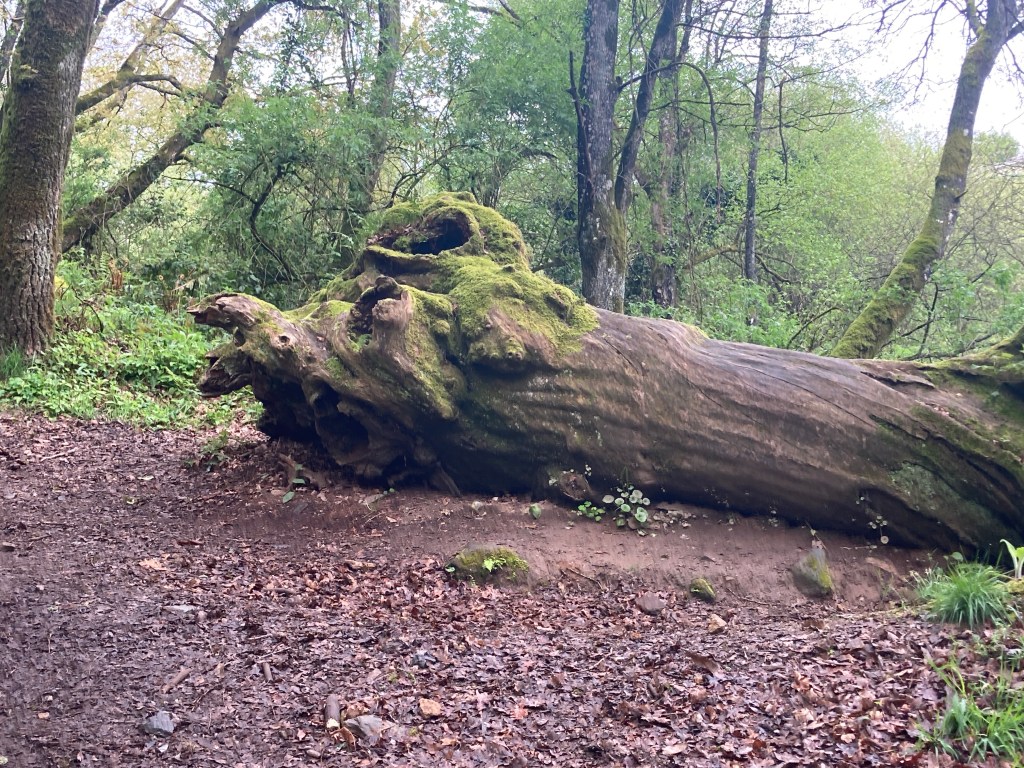
I wasn’t staying in Sarria but in Vilei, about 2 miles (and a climb!) beyond. It was steep, but through a gorgeous wooded area. With more Ents!

(It has come to my attention that some people are not familiar with Ents. So here’s a description: Ents are a race of beings in J. R. R. Tolkien’s fantasy world Middle-earth who closely resemble trees. They are similar to the talking trees in folklore around the world. Their name is derived from the Anglo-Saxon word for giant. The Ents appear in The Lord of the Rings as ancient shepherds of the forest and allies of the free peoples of Middle-earth during the War of the Ring.)


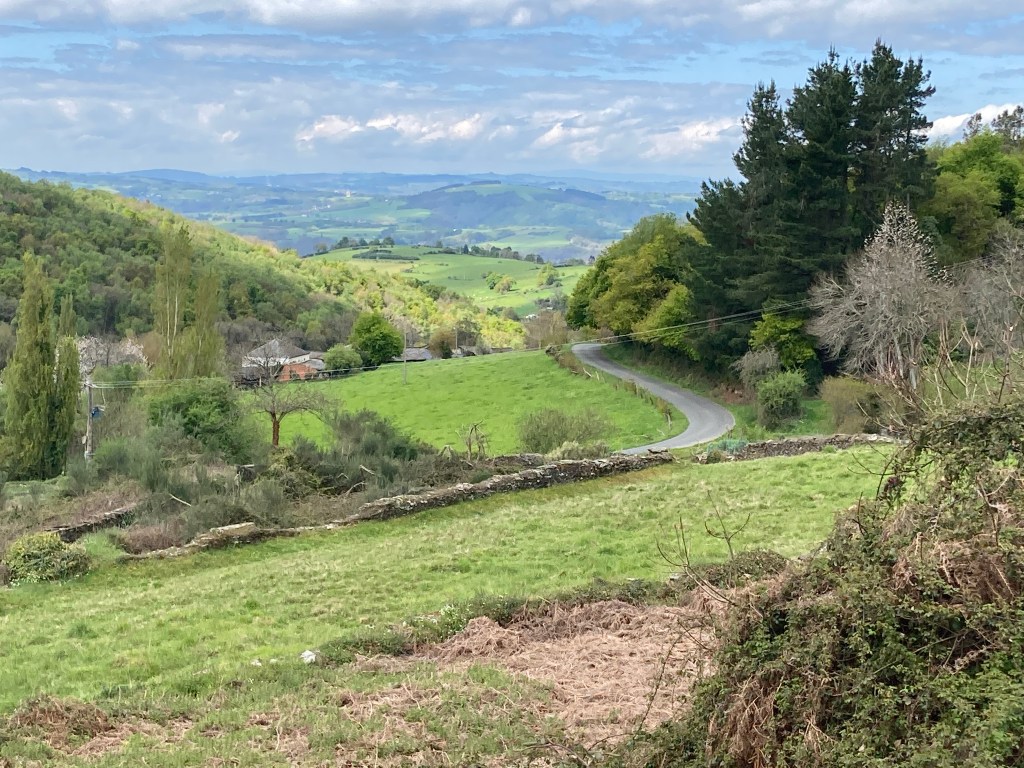
Everything was incredibly lush and green.

I finally rounded the top and the path flattened out and gave onto a large field. I could see the little town of Vilei and my albergue around the bend.

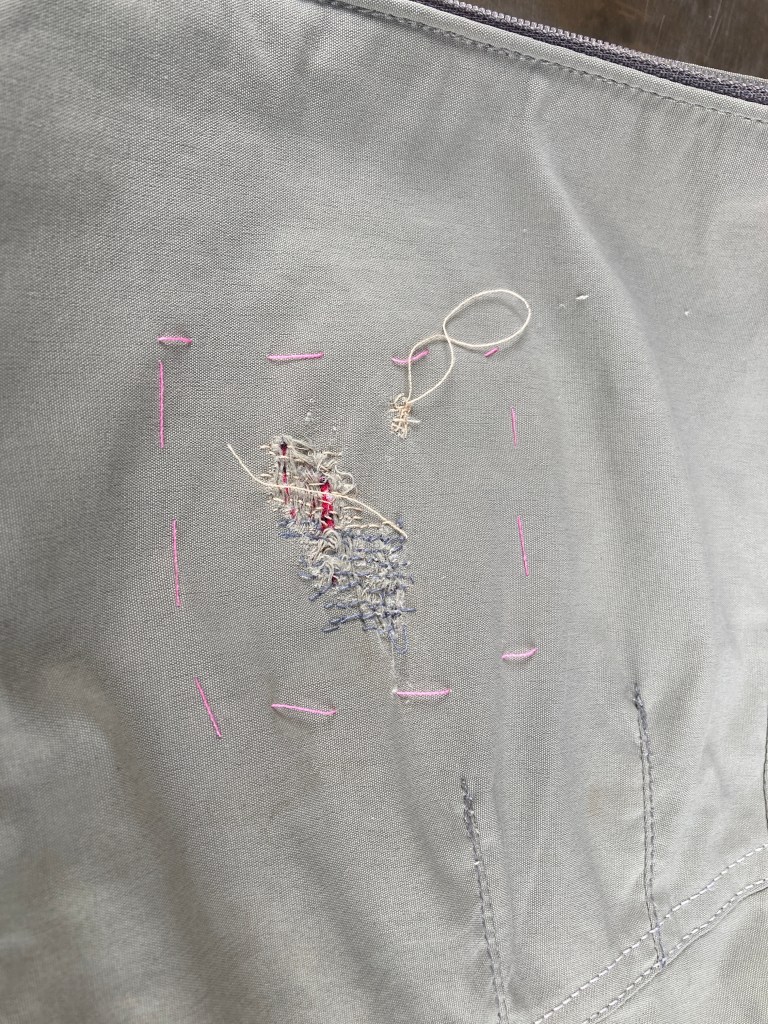
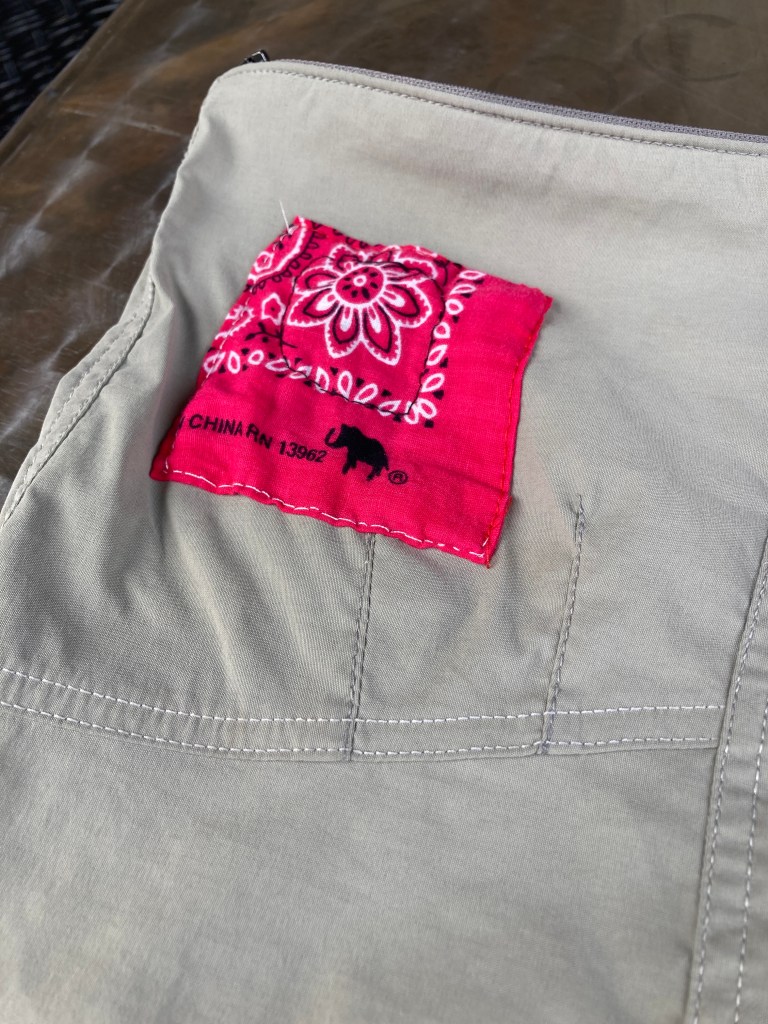
I had had an unfortunate spill earlier in the day, so I had to sacrifice part of my bandanna to make a patch for my pants…

Tomorrow will be a bit longer day just because of how the albergues are spaced out. But slow and steady and I’ll get there! I’m feeling okay, me and my slow self.

Walkin’ down a country road…

Standard

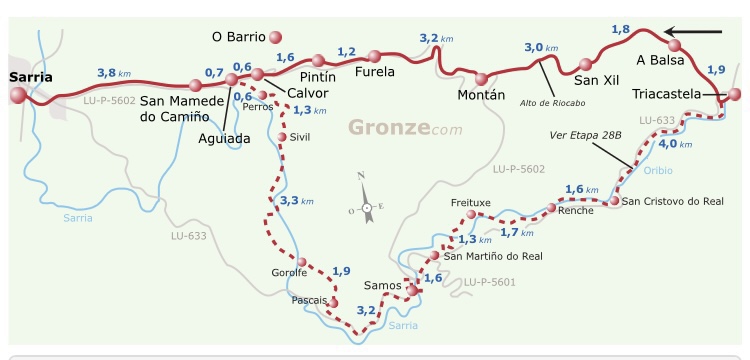
I left Treacastela about 9:00am after grabbing some “breakfast” at the only open café. (Coffee, juice and…toast! Yay, toast!) The weather was perfect for walking.

The Camino splits in Treacastela and I had already determined that I would take the “high” (and shorter) road.

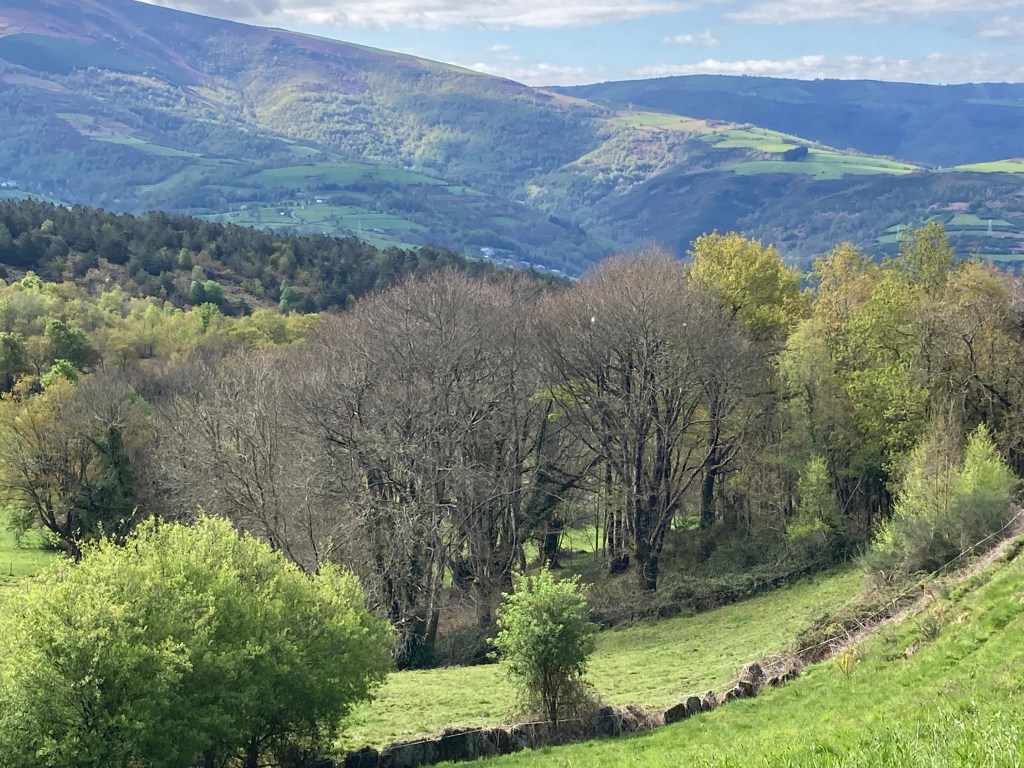
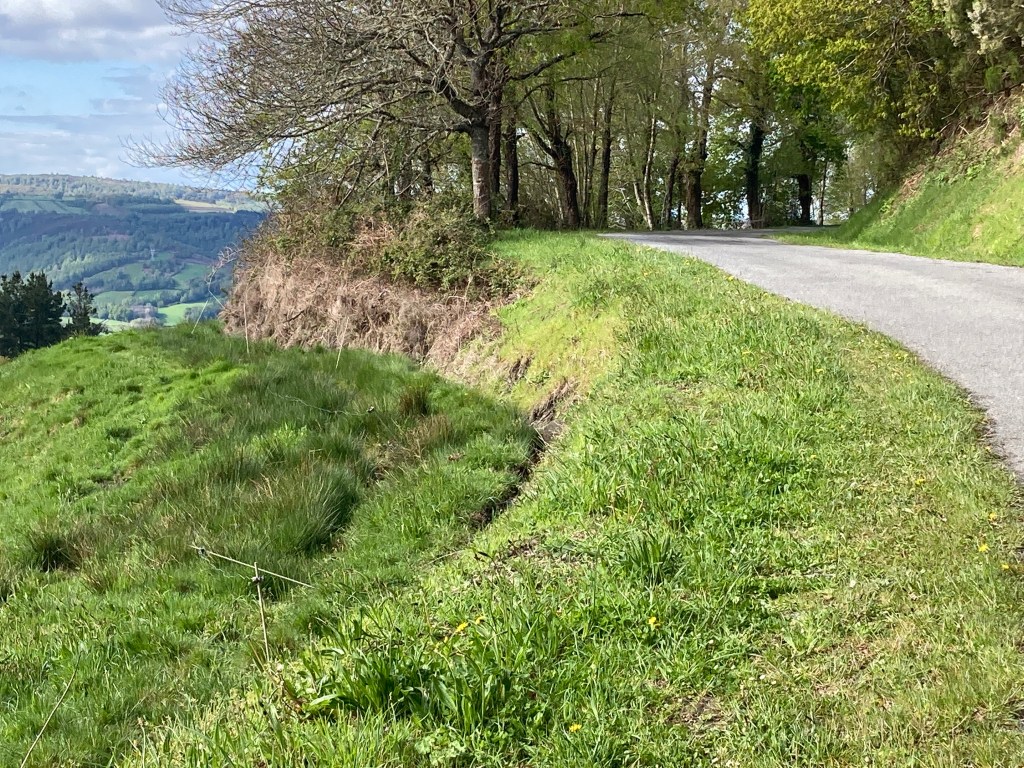
I was walking very slowly (even for me) with frequent rest stops. Lots of uphill on this route. But no reason to hurry! And the scenery was magical.

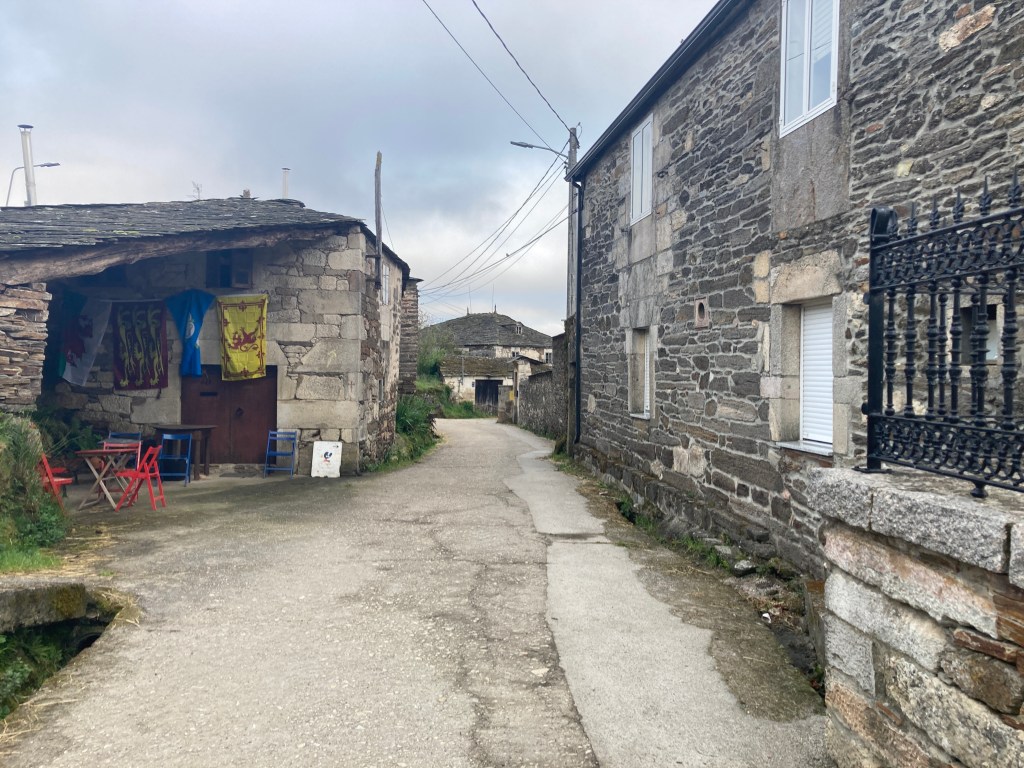
I passed a number of tiny villages – most just a few houses and usually a little church.

One church had some interesting history and a beautiful interior. Alas, I neglected to take a picture of the informational sign outside but it is right on the French Way and has apparently been a stopping place for Pilgrims for several hundred years.

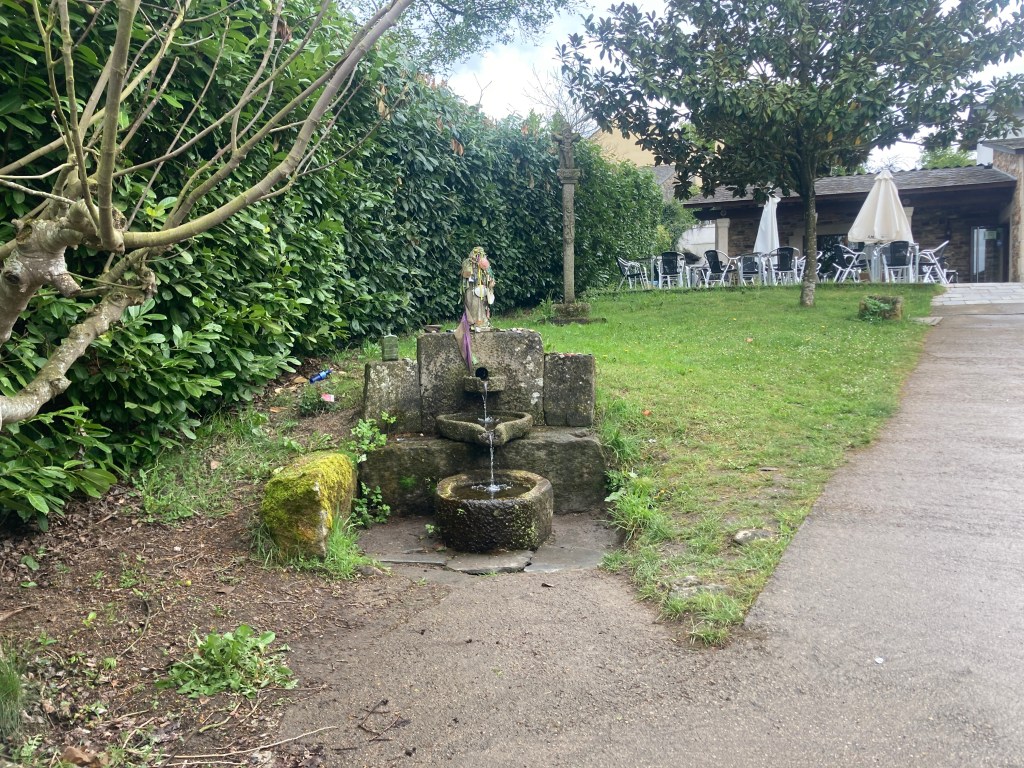
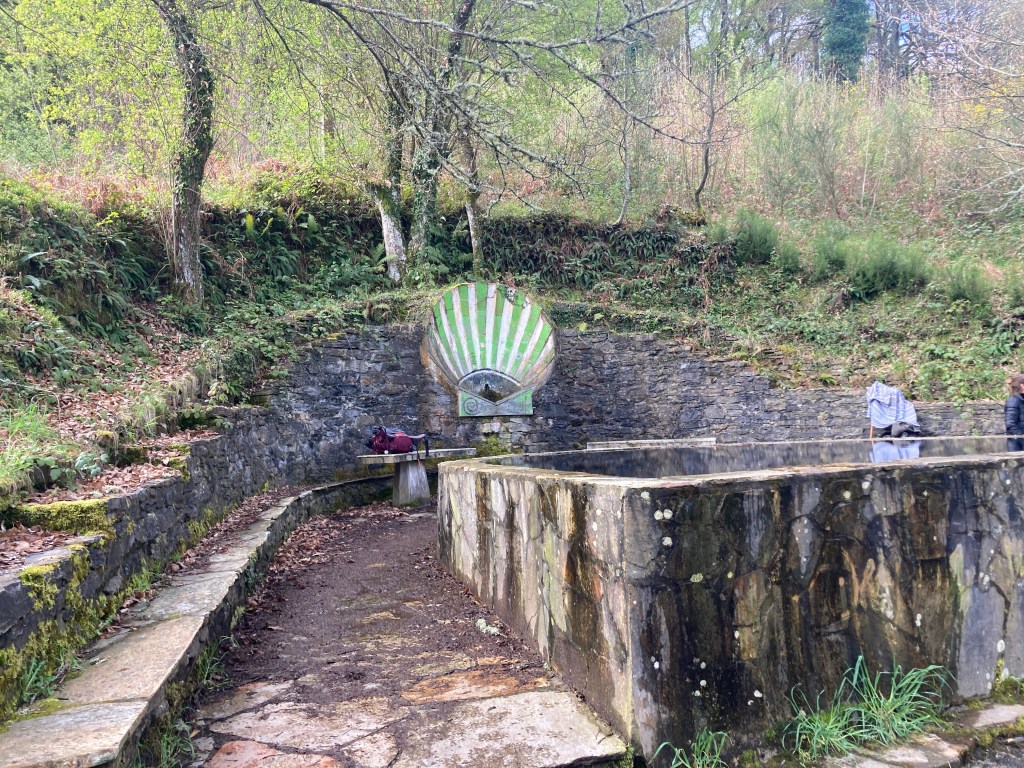
Further up the way was a fountain with the Camino scallop shell. Also, cows.

Such a different landscape than when I was walking the first week!

Oh, and I found an Ent. He was very calm.

So far there had been no services and I was getting a bit light-headed. When I got to the little village of Montàn, there was a vending machine where I bought some juice and a candy bar…and then, just a few hundred feet later, a wonderful donativo snack stand with fresh fruit, cookies, nuts, tea and…hard boiled eggs! A feast!

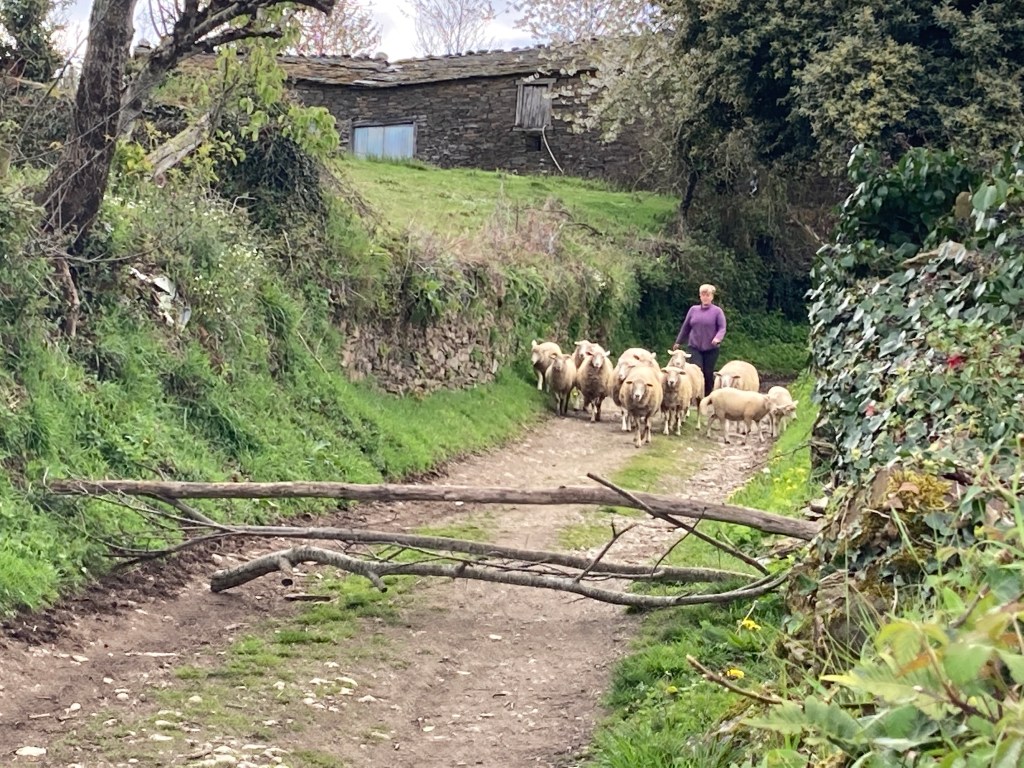
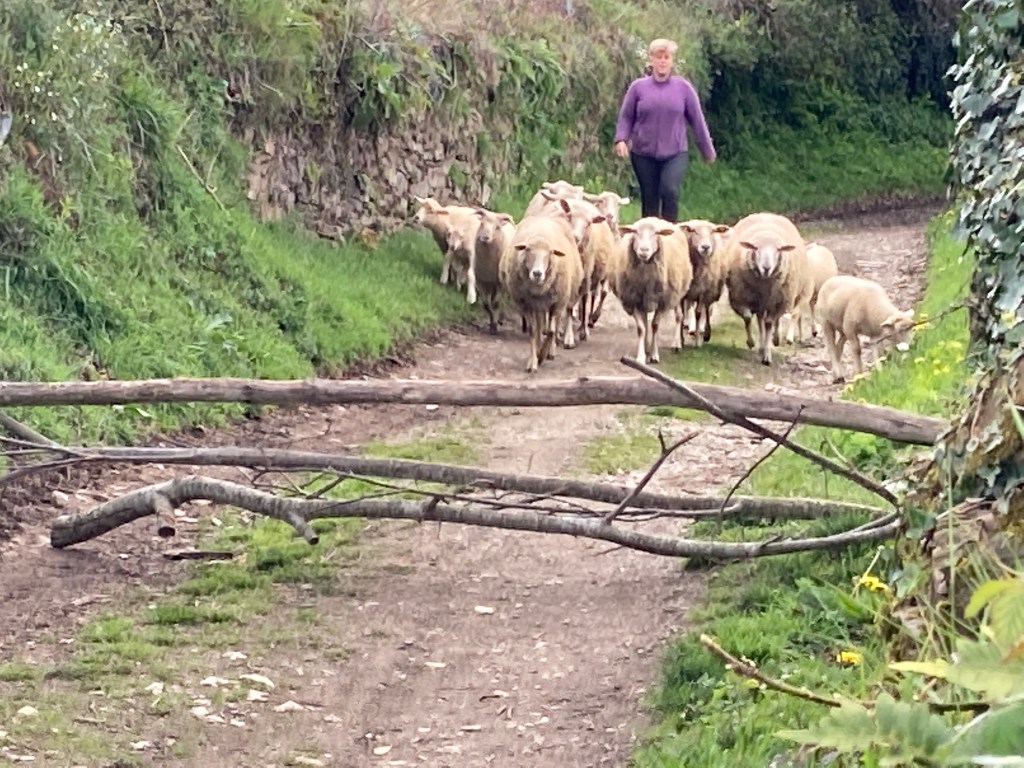
I sat down on a stone walk a little ways down the path and suddenly, the man who had been running the snack stand came and pulled some branches across the road. It seems that it was time for the sheep to be directed out into the field. They came in a clump, baa-ing and looking confused, as sheep tend to do.
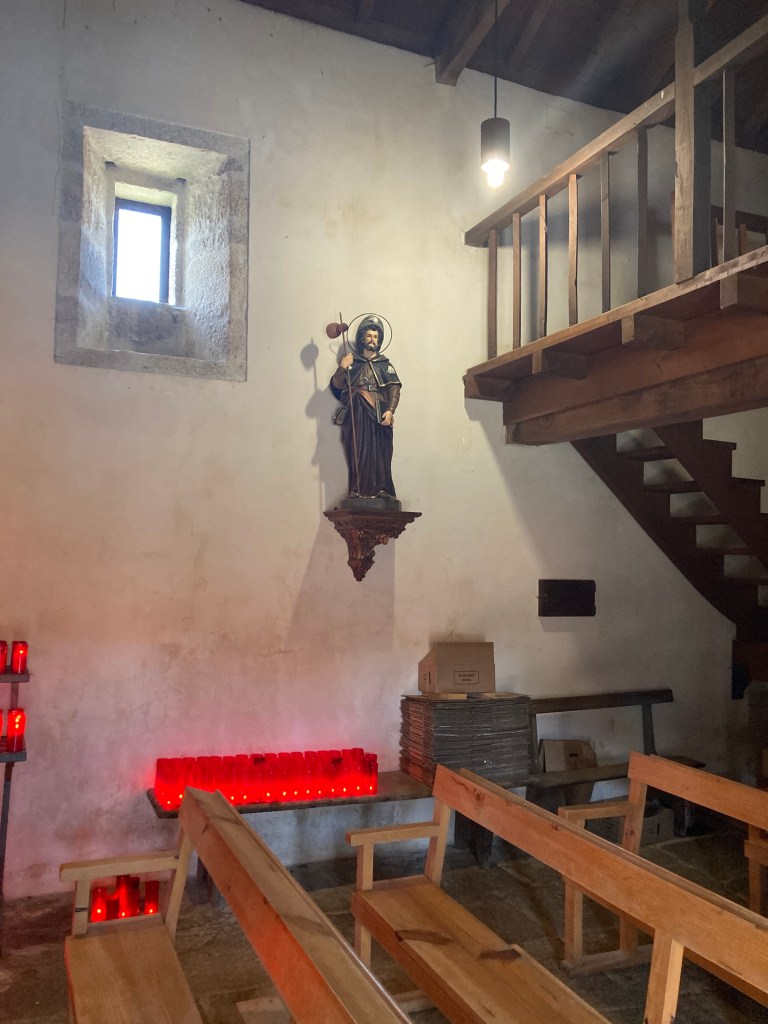
I continued on the road, glad that I was taking my time so I could really appreciate everything. (Not that I had a choice! My stamina was pretty low after a week “off” being sick!)

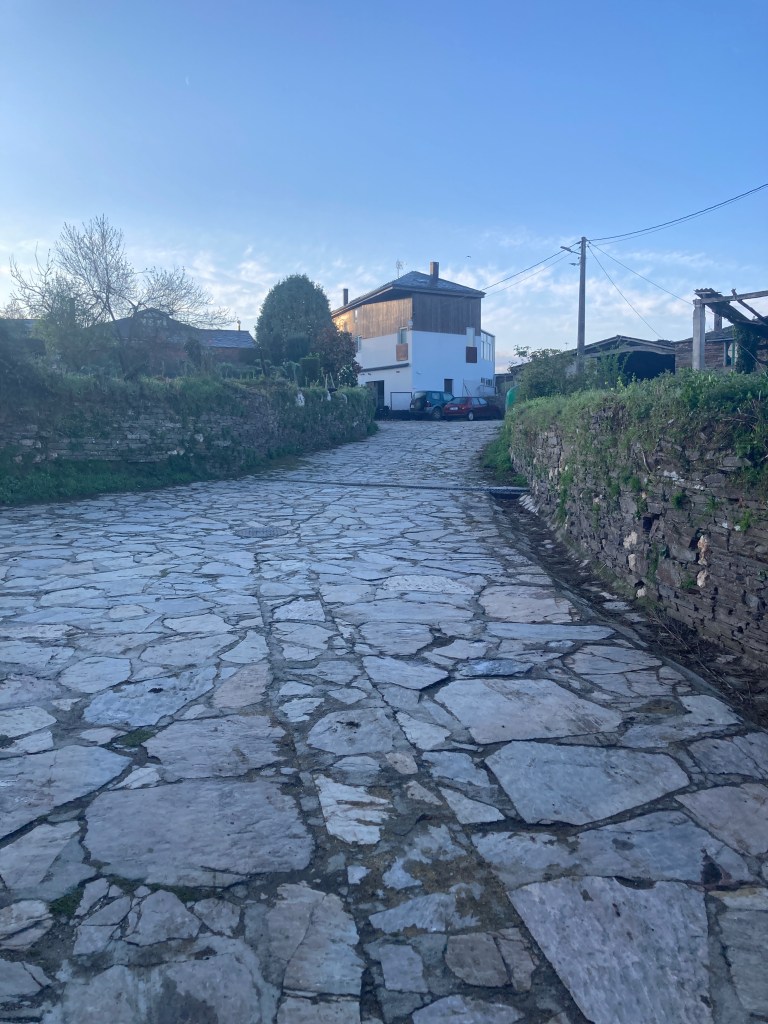
After a while, I saw the sign for Fintín and was walking down a stone road. And there was my lovely hotel, waiting for me!
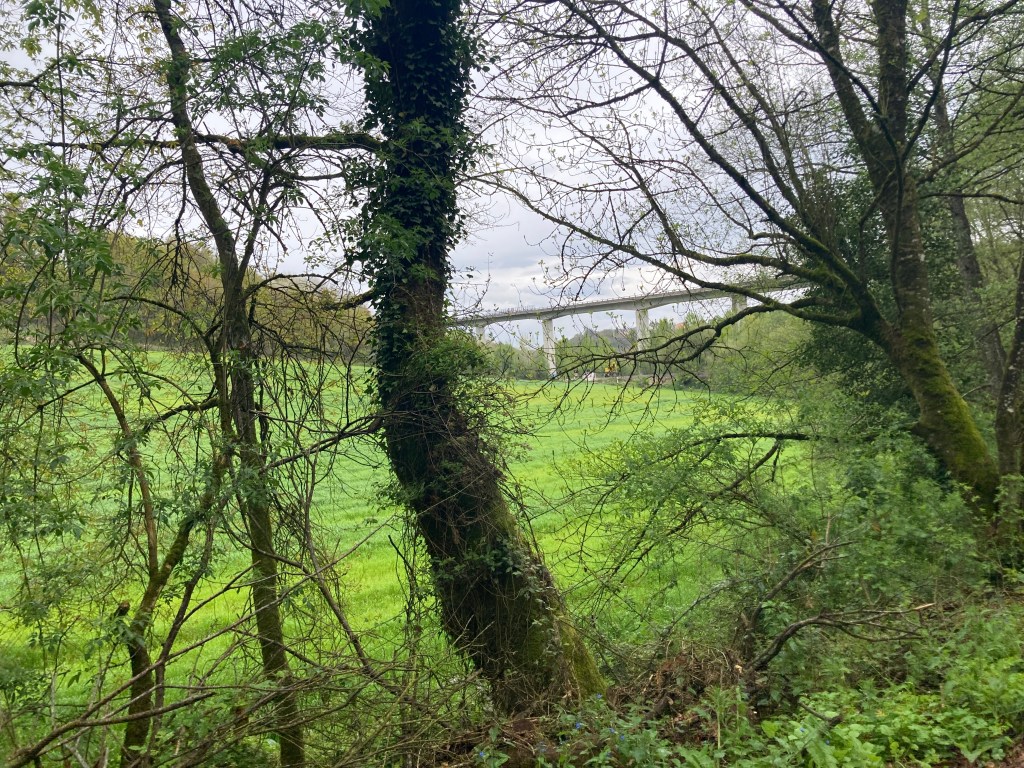
I plan to keep with the slow pace and lower mileage. And I’ll continue to have my pack transported – it makes a huge difference. Tomorrow I’ll go a bit past Sarria (a big city and very crowded) and stay a few kilometers down the road in Vilei. Slow and steady!

¡Hola, Galicia!

Standard

After 4 days, it was time to leave my little nest in Valtuille.

I was originally going to try to take a train to Sarria and continue from there, but train times and schedules have been cut back since the pandemic. Susan and Rocío suggested that they drive me to Treacastela, a town about 12 miles before Sarria. They also insisted on taking a detour to Ó Cerbreio, a town at the very top of a mountain. It would have been quite a climb! I was happy not to have to make the ascent but very glad to see the town.

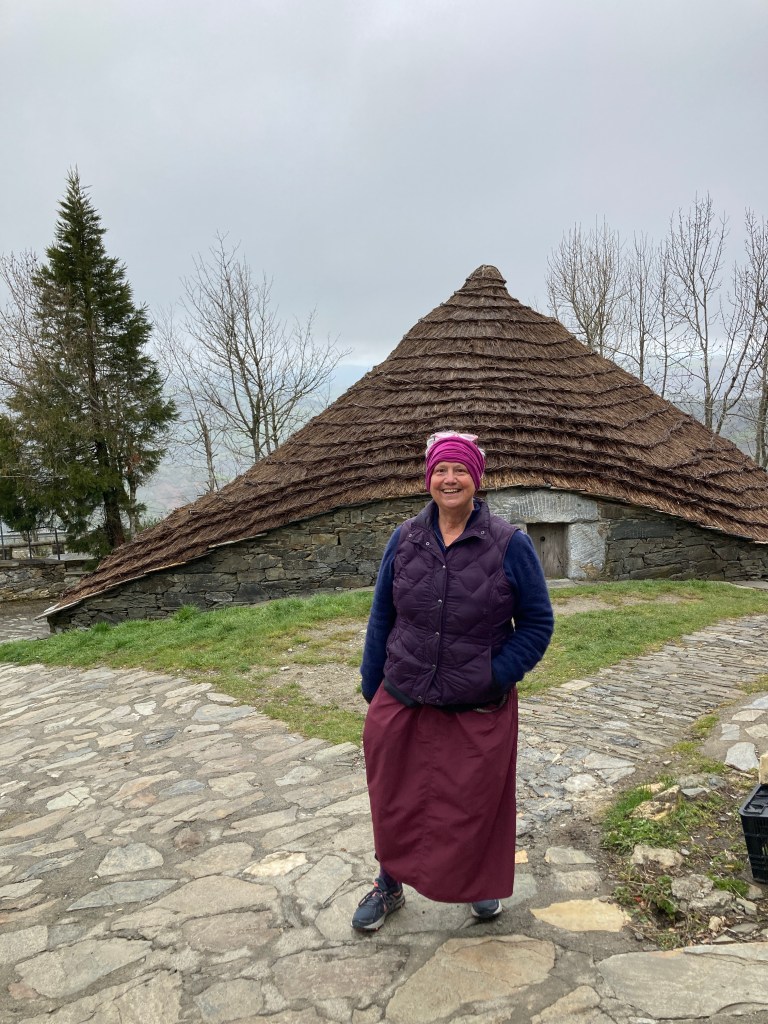
O Cebreiro has grown from a small and ancient village of dairy farmers into a small and ancient village of large scale tourism. 😁

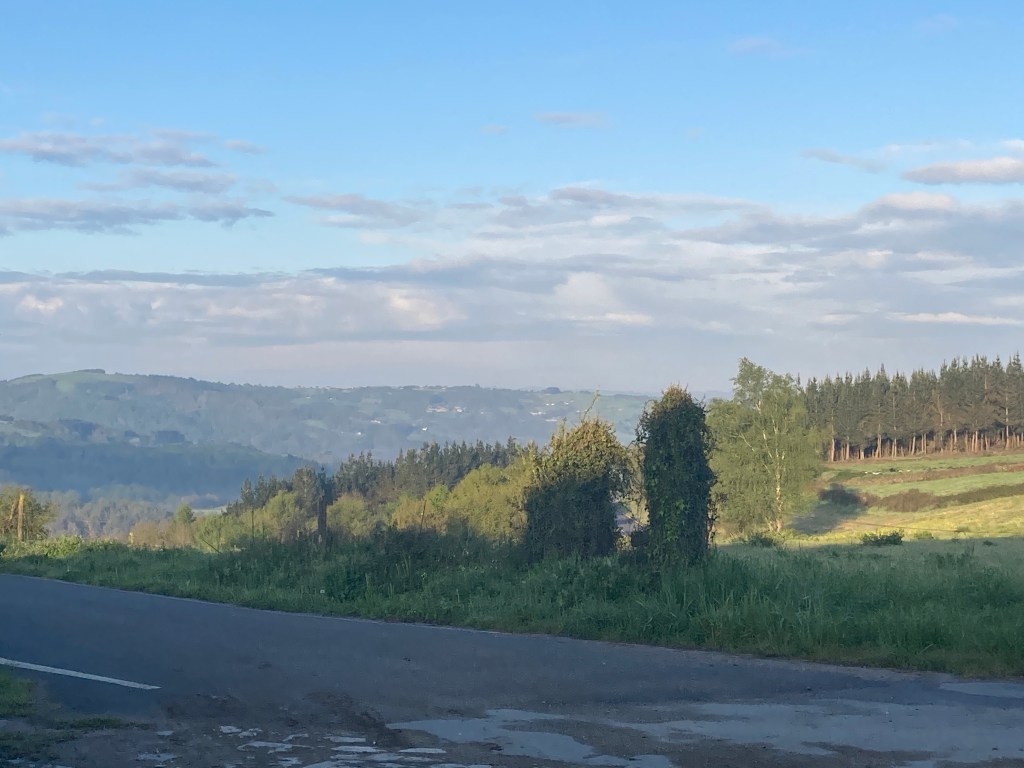
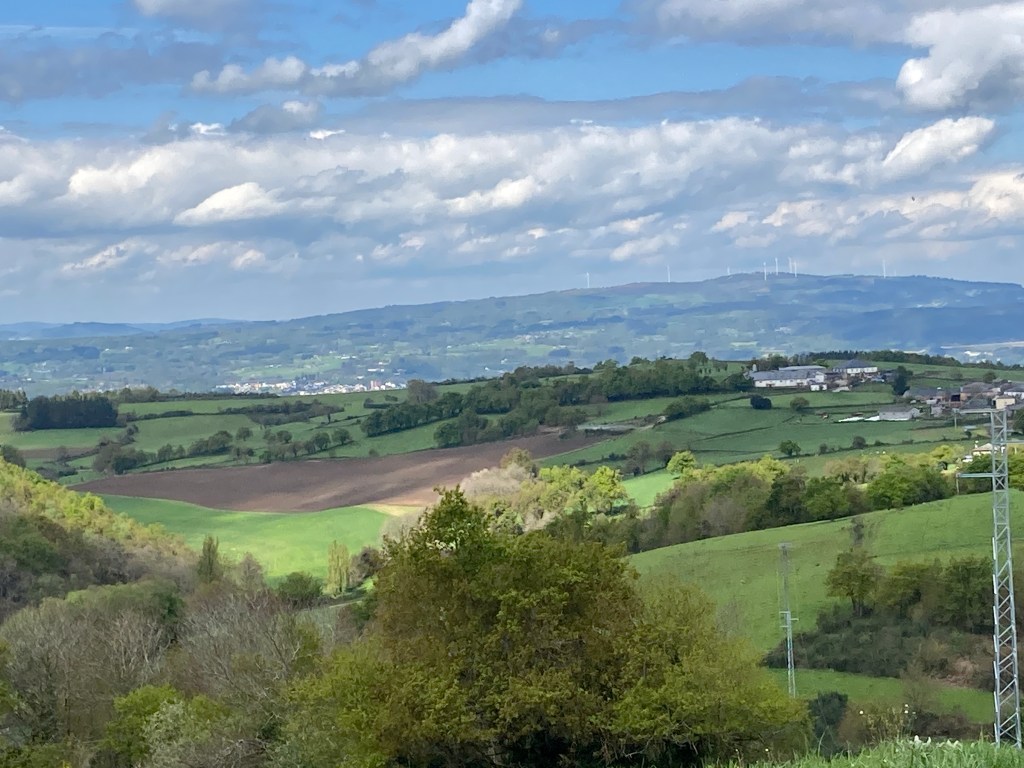
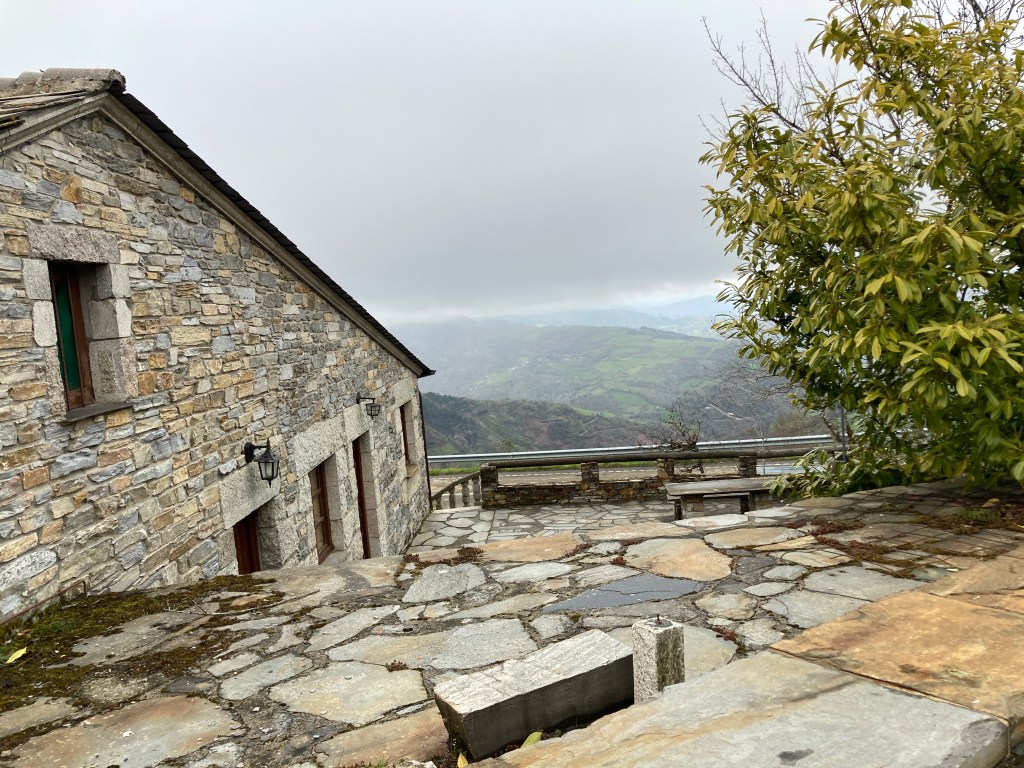
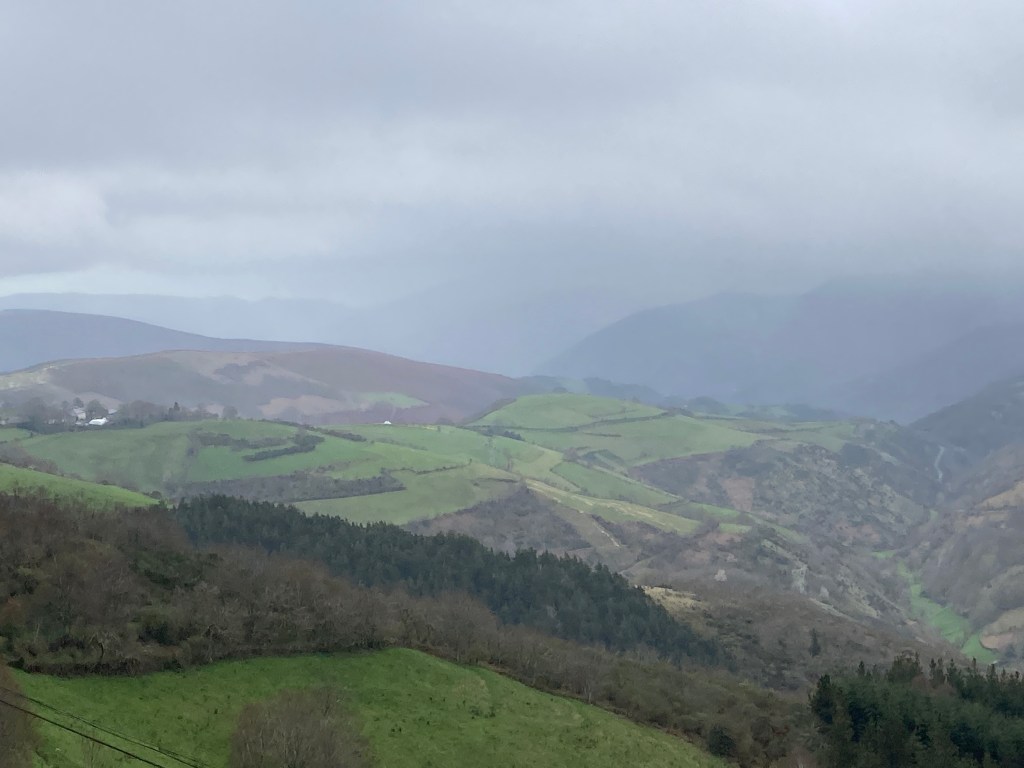
Even in the fog, the views were stunning.

The parish church is the setting for a miracle. According to legend, The Holy Grail was hidden there and in the 14th century produced a miracle that was certified by Pope Innocent VIII. A peasant from a local village braved the hike up to O Cebreiro during a dangerous snowstorm to hear mass. The priest chastised him for endangering his life for a bit of bread and wine. At that the bread and wine turned into flesh and blood, cementing the reputation of this small hamlet.

We carried on to Treacastela. For the next few days, I’m planning to stay in private rooms and walk only 6 – 8 miles per day. My pensión is right on the Camino and has a restaurant attached. And my room has a balcony! (Rocío approved – she had already informed me that if it didn’t look right, they were taking me back!)

The view from my balcony!

My latest COVID test was decidedly negative. Tomorrow I will (slowly) head toward Pintin, where I have a reservation at another pensión. And the weather is supposed to improve.

“La Biznaga” – an unexpected gift

Standard

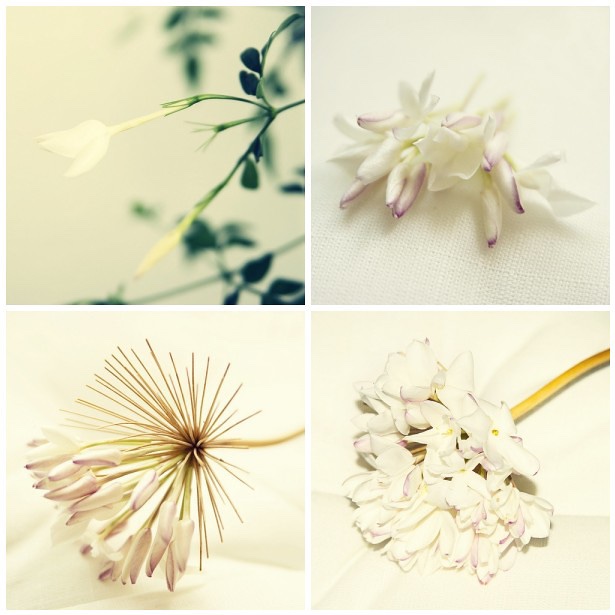
If you visit Malaga, you’ll notice the little bunches of white flowers that are sold in the streets. They are biznagas and they are a symbol of the city. Biznagas are handmade, using jasmine and the stalk of a nerdo, a kind of thistle that is collected in late spring. The jasmine flowers are inserted onto the umbels of the nerdo when they are still closed. In the evening, the flowers open up, releasing their characteristic fragrance. The word biznaga comes from the Arabic and means “a gift of God”.

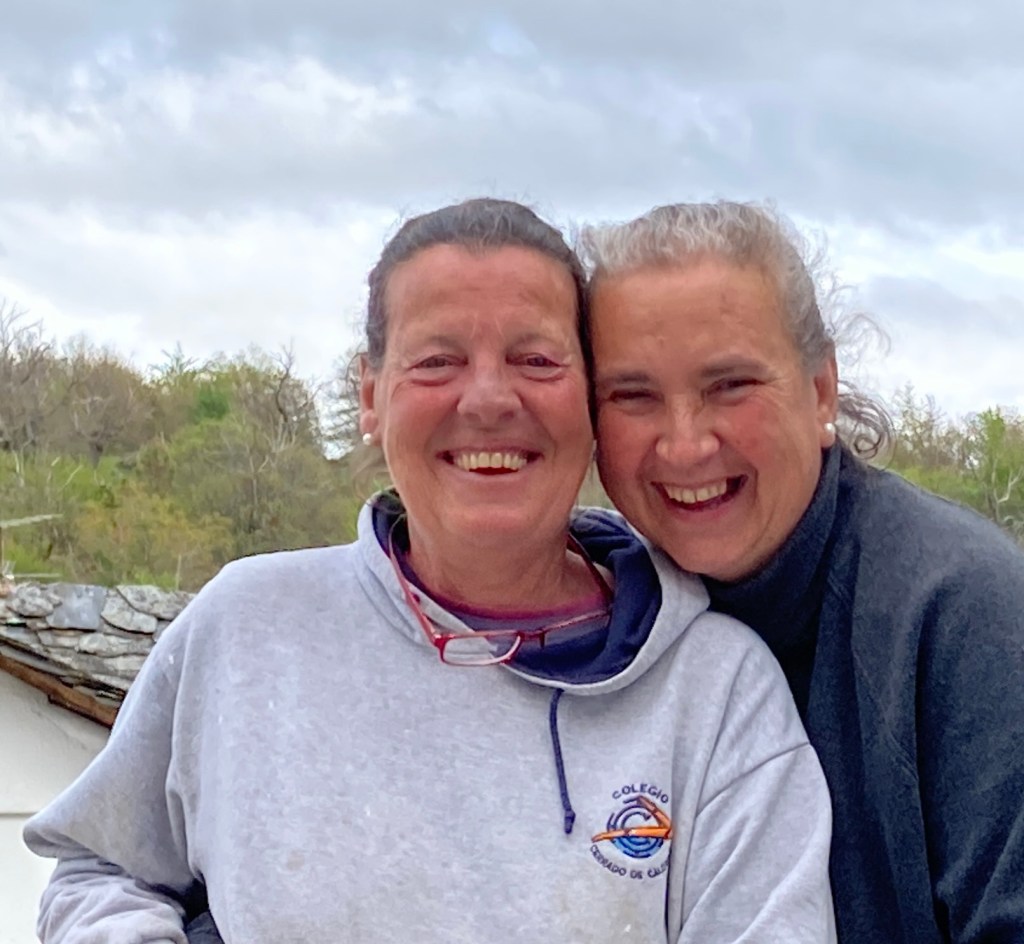
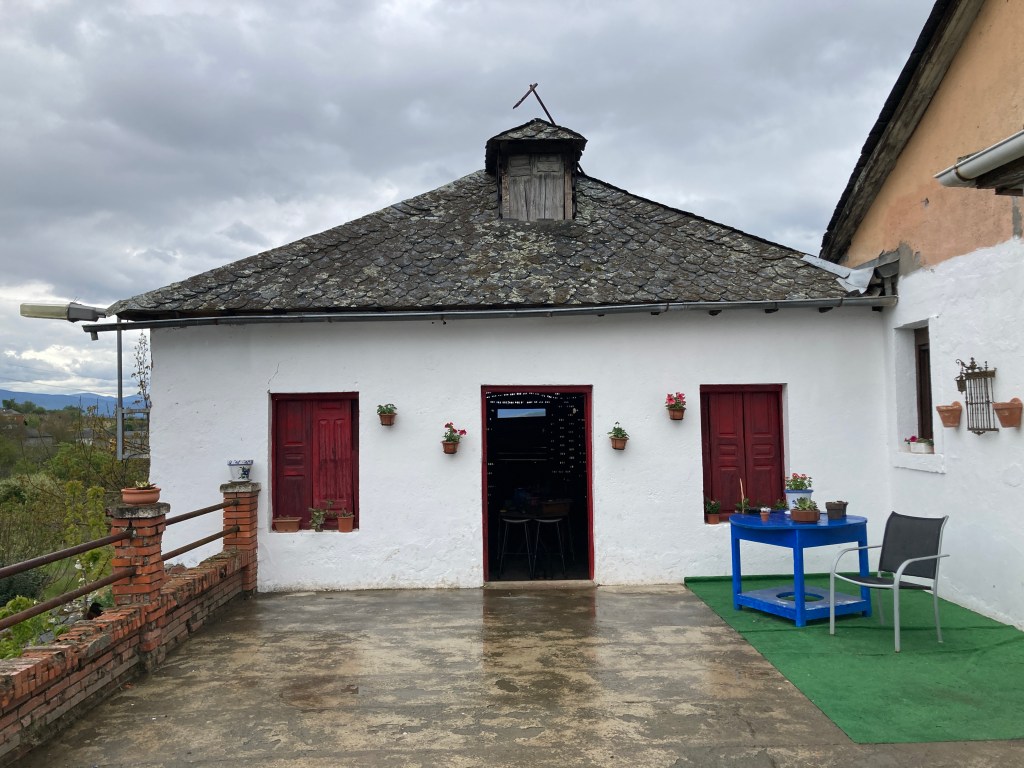
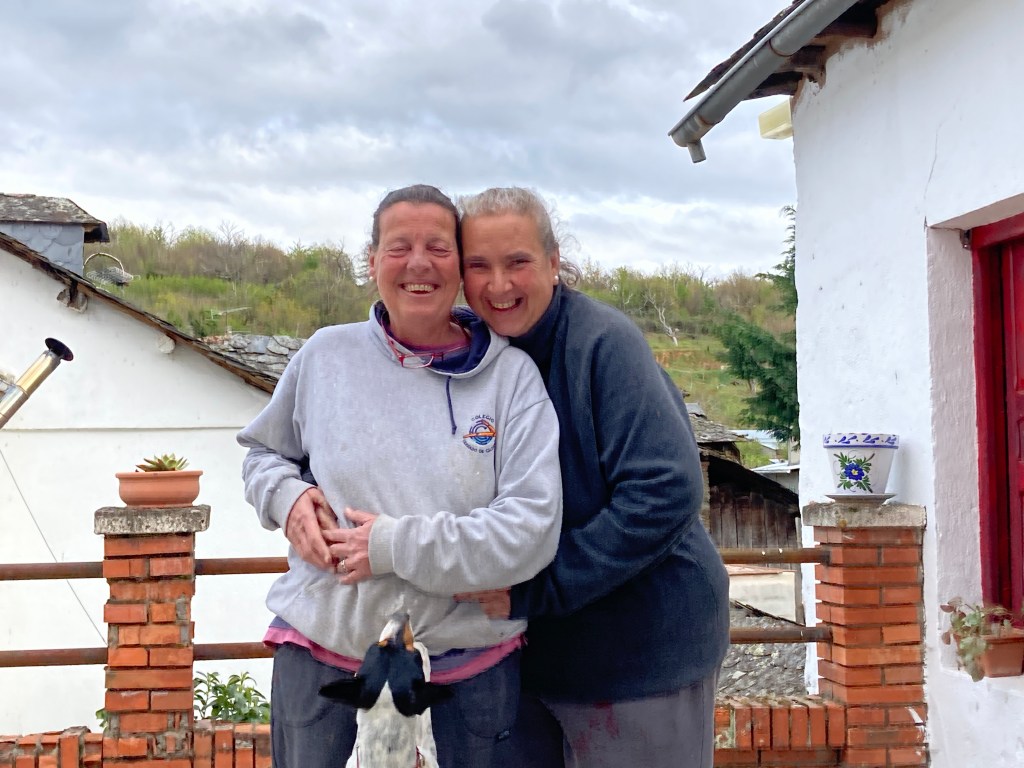
I have spent the past three days at “La Biznaga” – an albergue in the tiny village of Valtuille – owned by Susan and Rocío, who were truly gifts from God to me.

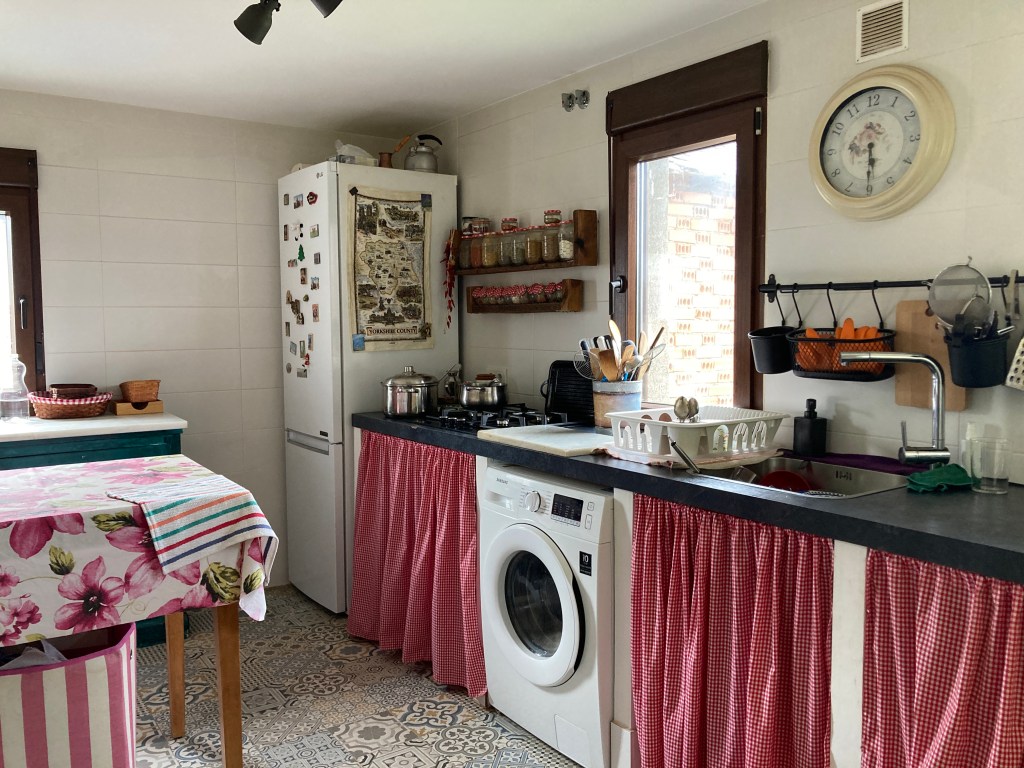
Susan and Rocío have dreams of creating a sanctuary here for pilgrims passing through on the Camino, which runs right past their door. They purchased the property about a year ago and have redone the bathroom and kitchen (where Rocío cooks amazing meals.)

Right now, they have two bedrooms for pilgrims, but there are plans. Big plans!

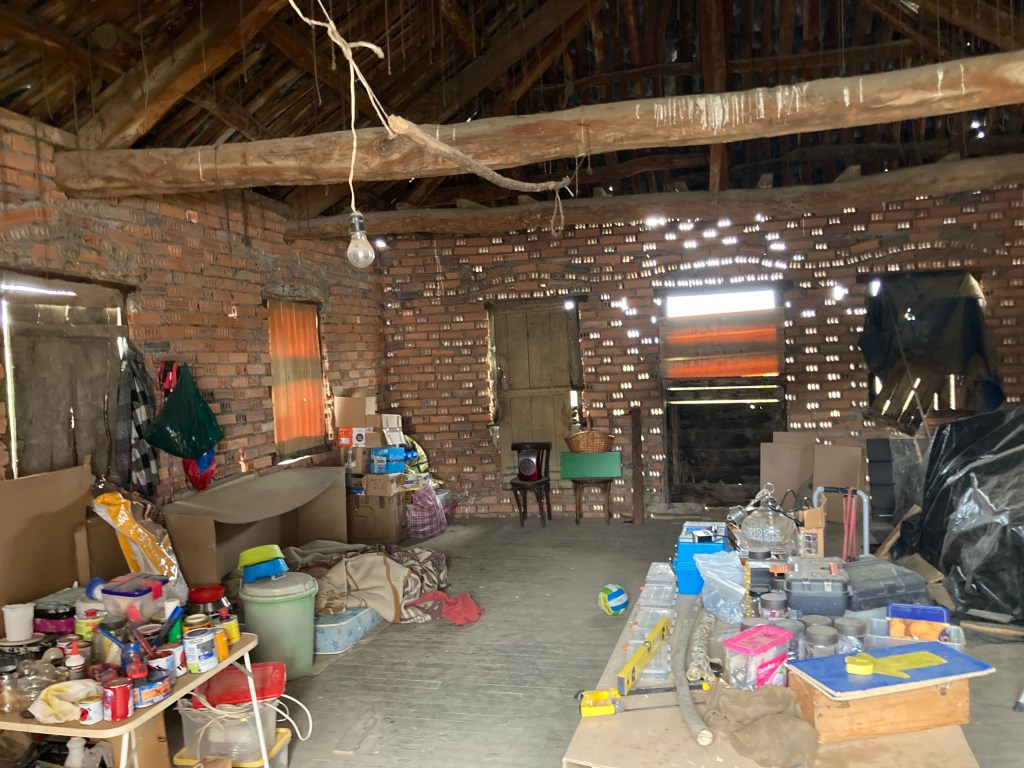
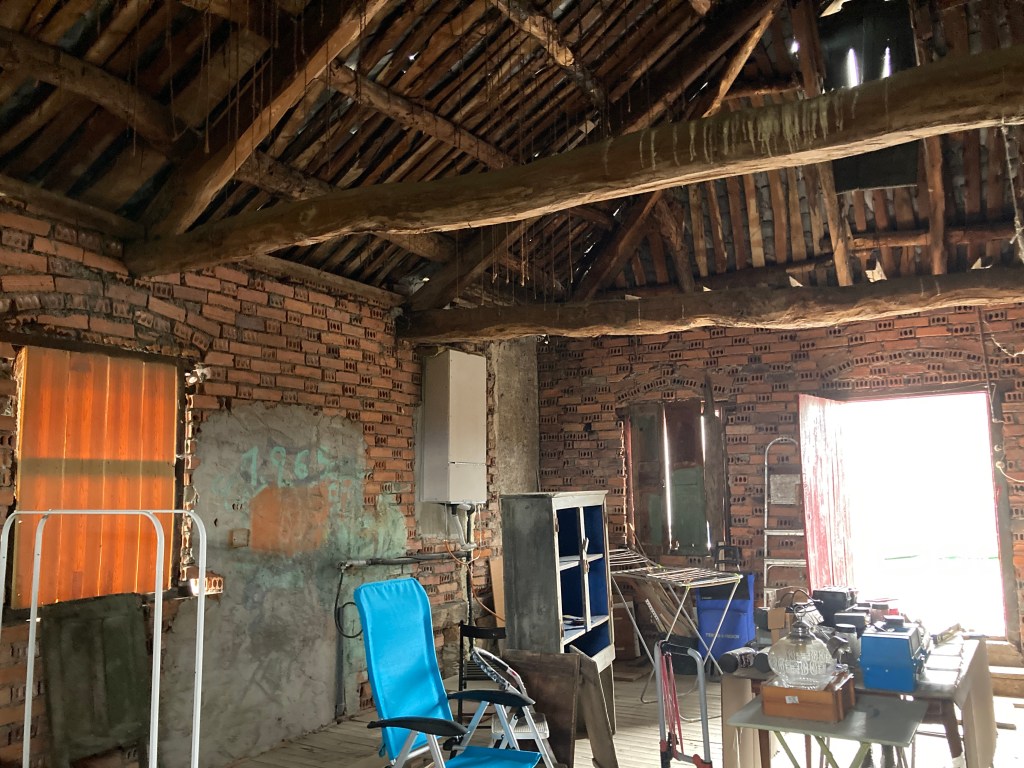
The large building attached to the main house, which once was used for hanging and drying tobacco, will become a comfortable dormitory with bunk beds, two bathrooms, showers and a warm heating unit in the center.

Against the back wall will be a big window, looking out over their gardens and towards the mountains.

And they imagine a pool of clear, cold water under a tree, for weary travelers to soak their tired feet.

They have been the most gracious and generous hosts imaginable. I’ve been fed delicious meals, kept warm and dry and been able to rest as much as I like. Tomorrow they have offered to drive me to Treacastela, so that I may continue my Camino (slowly.) I am feeling much better and have hopes that I may yet reach Santiago this trip.

And at some point, I’d like to come back to La Biznaga. ❤️