Category Archives: Travel

Lion’s Head and Table Mountain

Standard
Lion’s Head and Table Mountain

Cape Town is a beautiful city with the ocean on one side, mountains on the other and arts, culture and excellent food in the middle.  This makes it the “best of all possible worlds” in many respects.  The biggest, and most famous of the mountains is called “Table Mountain” – so named because of the flat top.  The extensive clouds that cover it are sometimes referred to as the “tablecloth” although there is also a legend about a pirate smoking his pipe up there. IMG_0129

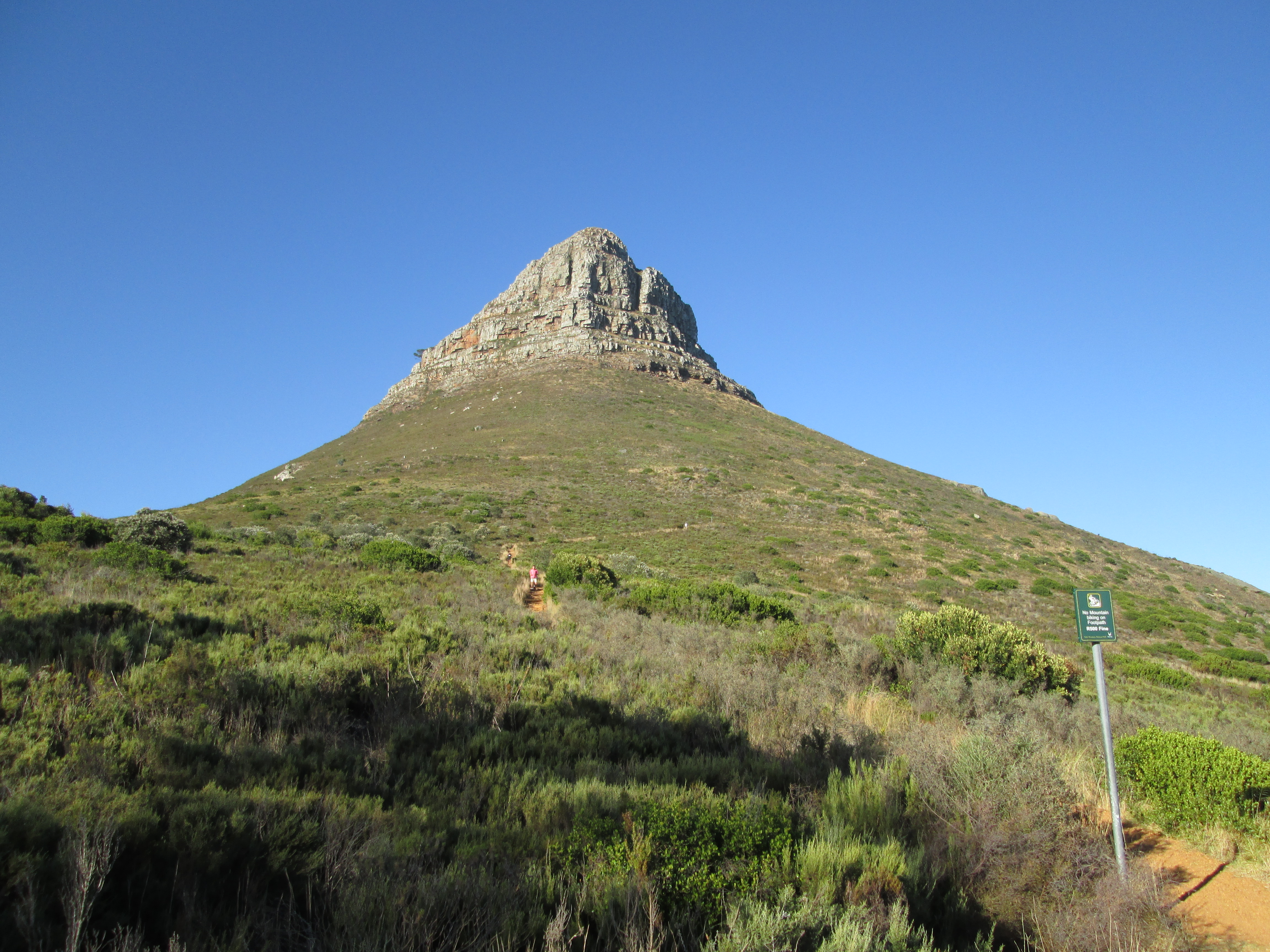
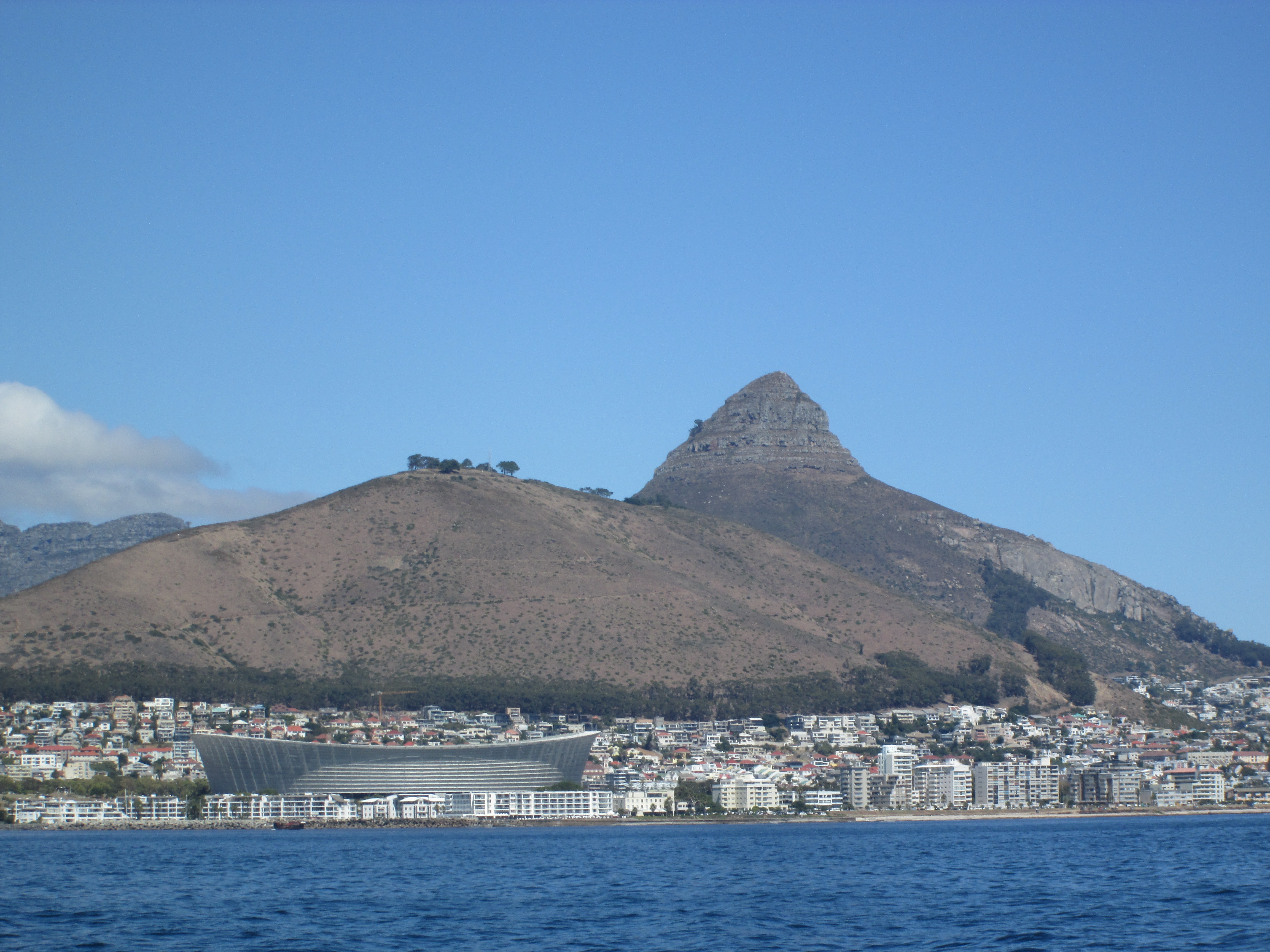
Lion’s Head is a monadnock, and a very popular hike.  It is right next to “Signal Hill” which is sometimes called “Lion’s Rump” and when seen from the water, you can how the two hills resemble a resting lion – his head to the right and the rest of him stretched out behind.
IMG_0370

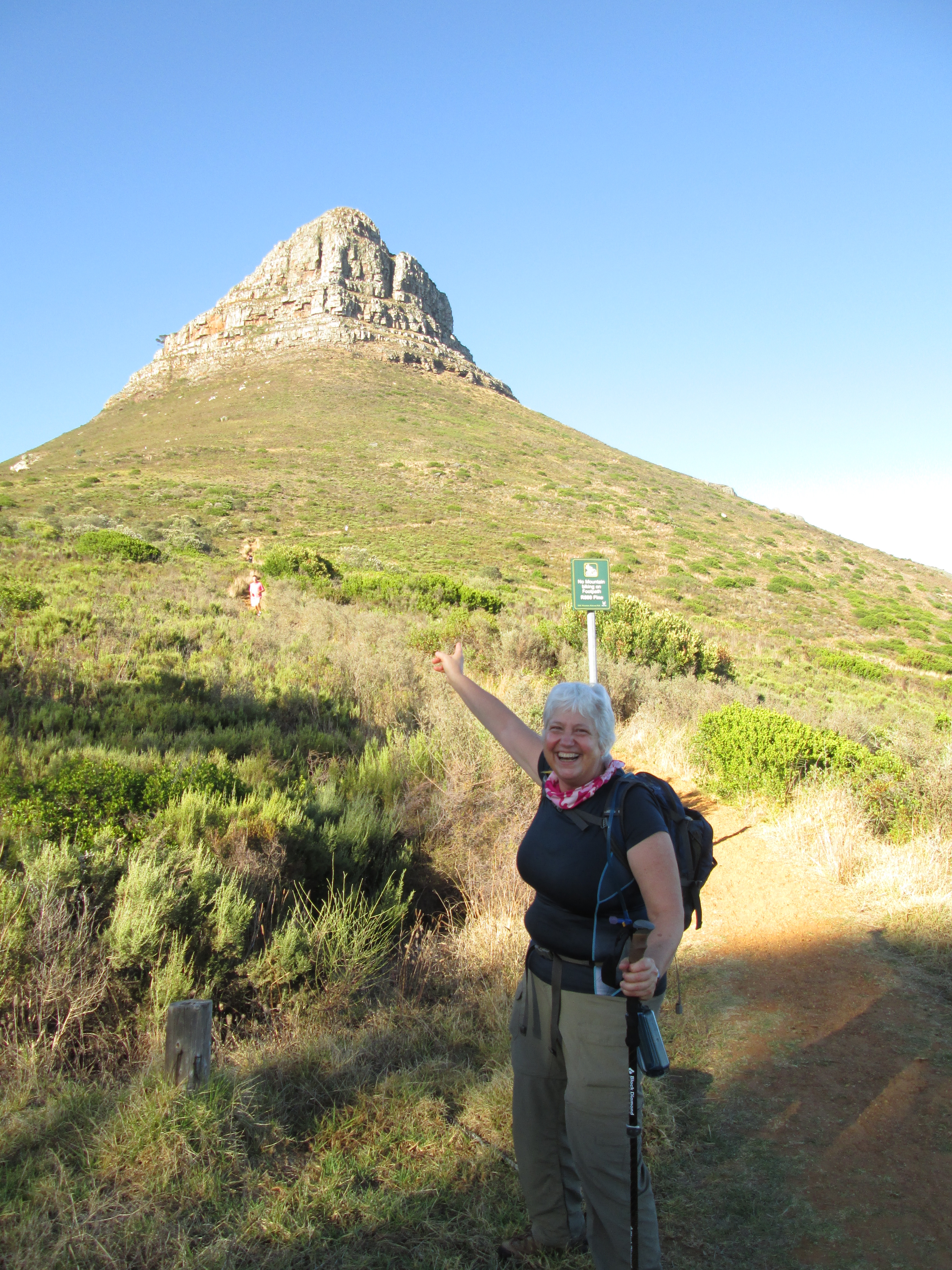
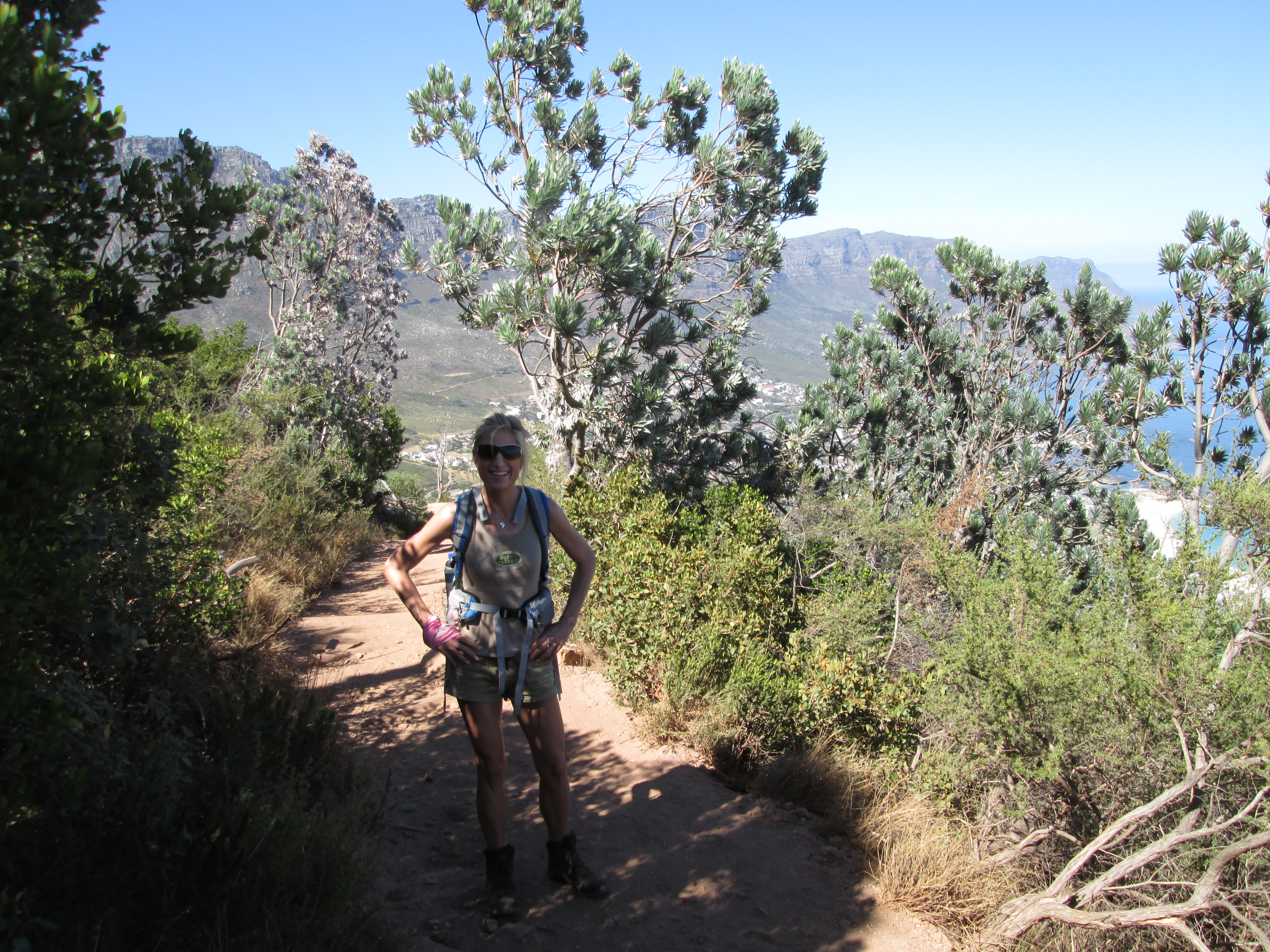
I had decided that I wanted to climb Lion’s Head – supposedly not that difficult.  I had been advised not to hike alone, so I engaged a guide – a very nice young woman named Jo, who had lived in Cape Town all her life.  We started out at about 8:00am…it was a beautifully sunny day.
IMG_0136 IMG_0135

IMG_0134 SA-premier-vineyard2


The path was not hard, but much steeper than I had anticipated….and I realised that it had been well over a year since I had done any real climbing.  It was frustrating realising how out-of-shape I had become.  But I kept going, anyway!

IMG_0138 IMG_0139 IMG_0140

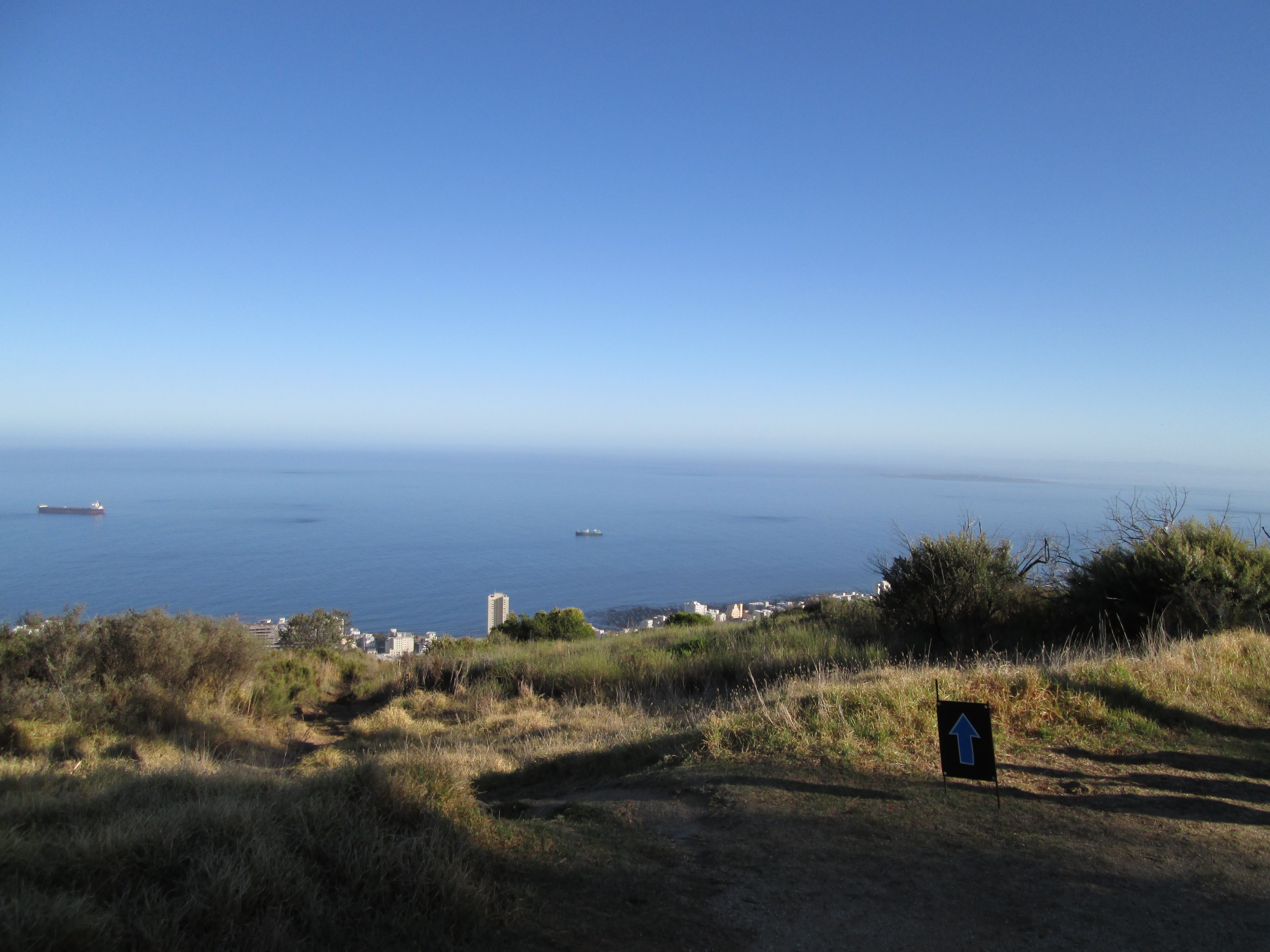
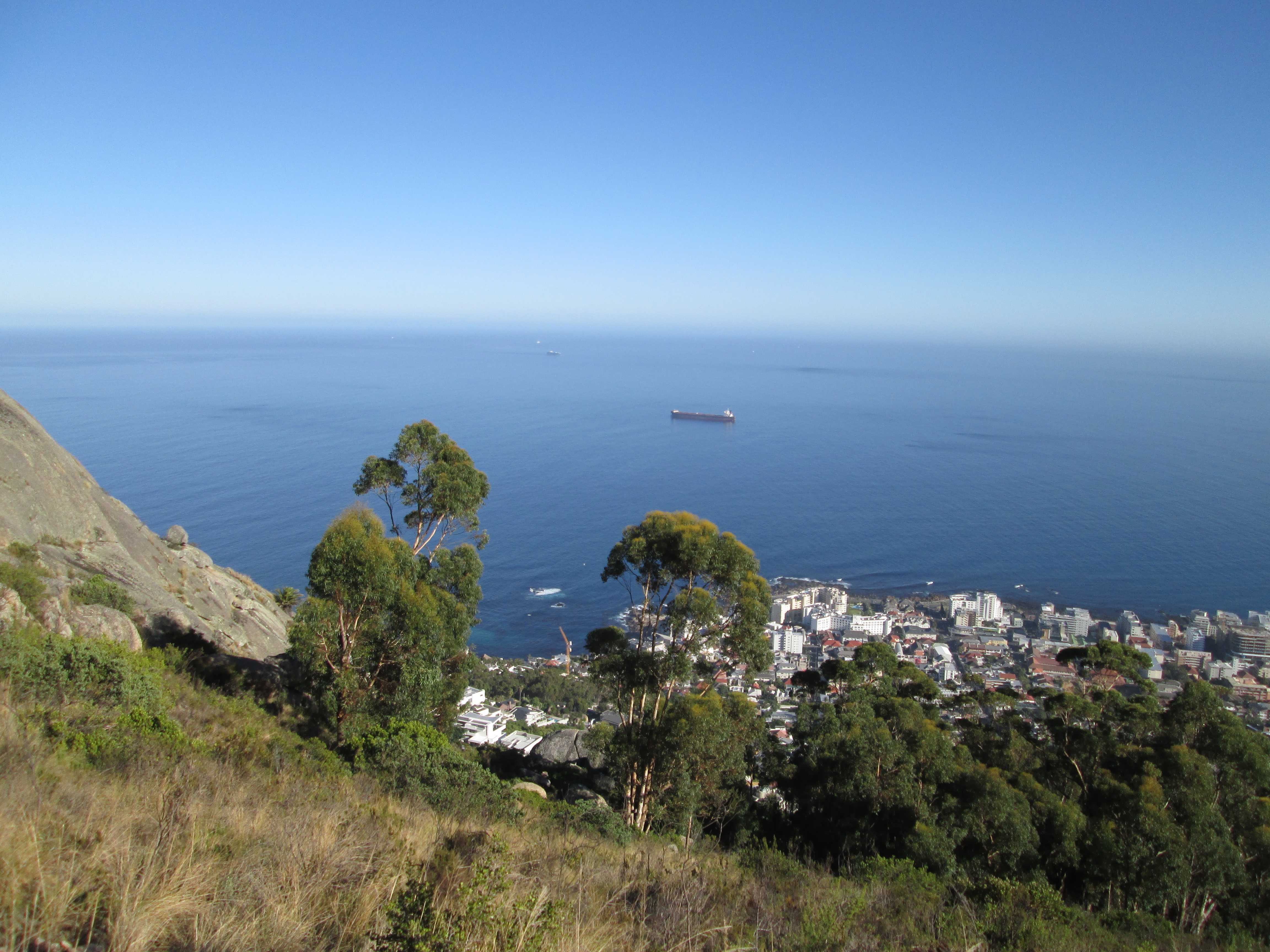
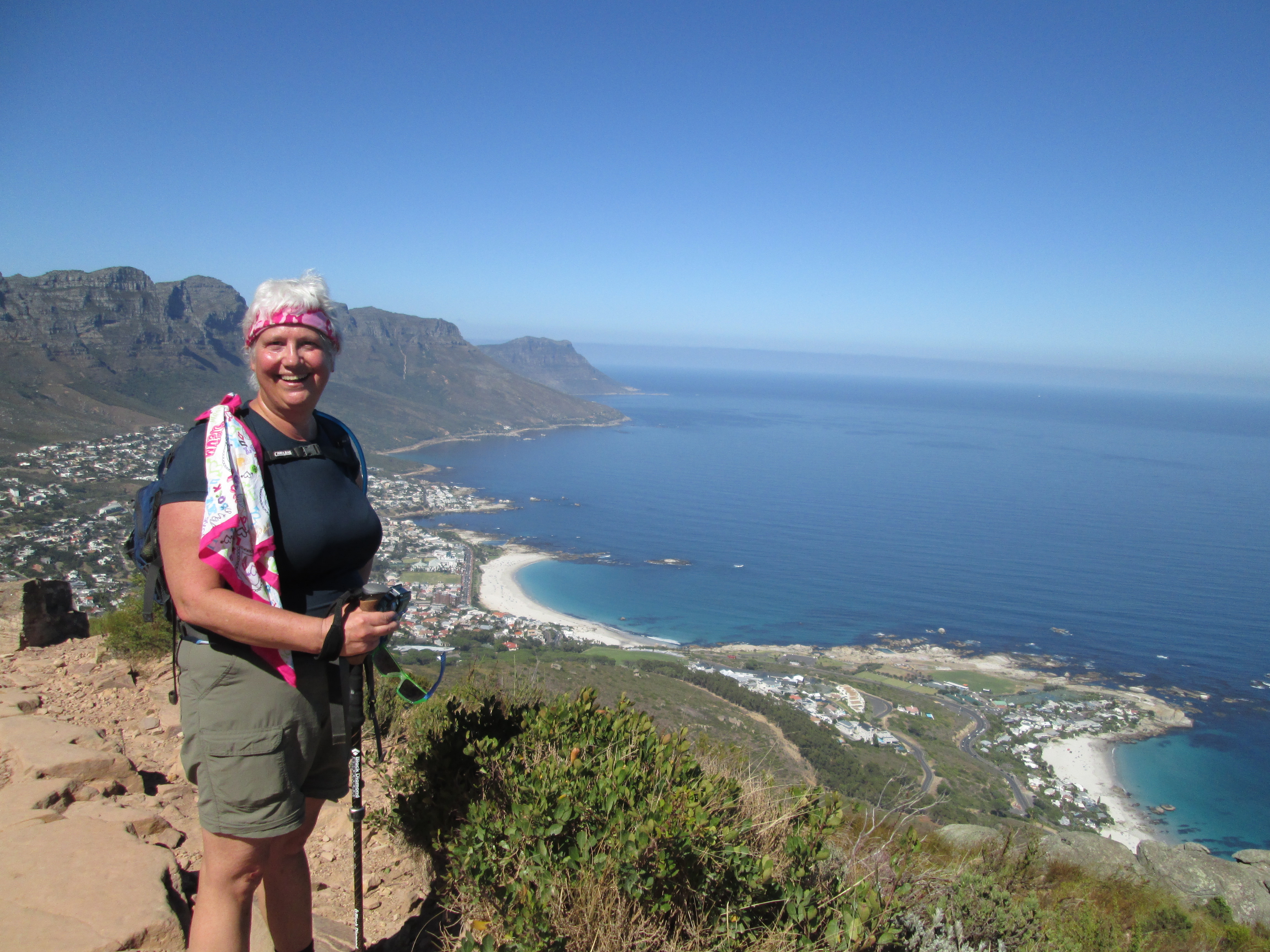
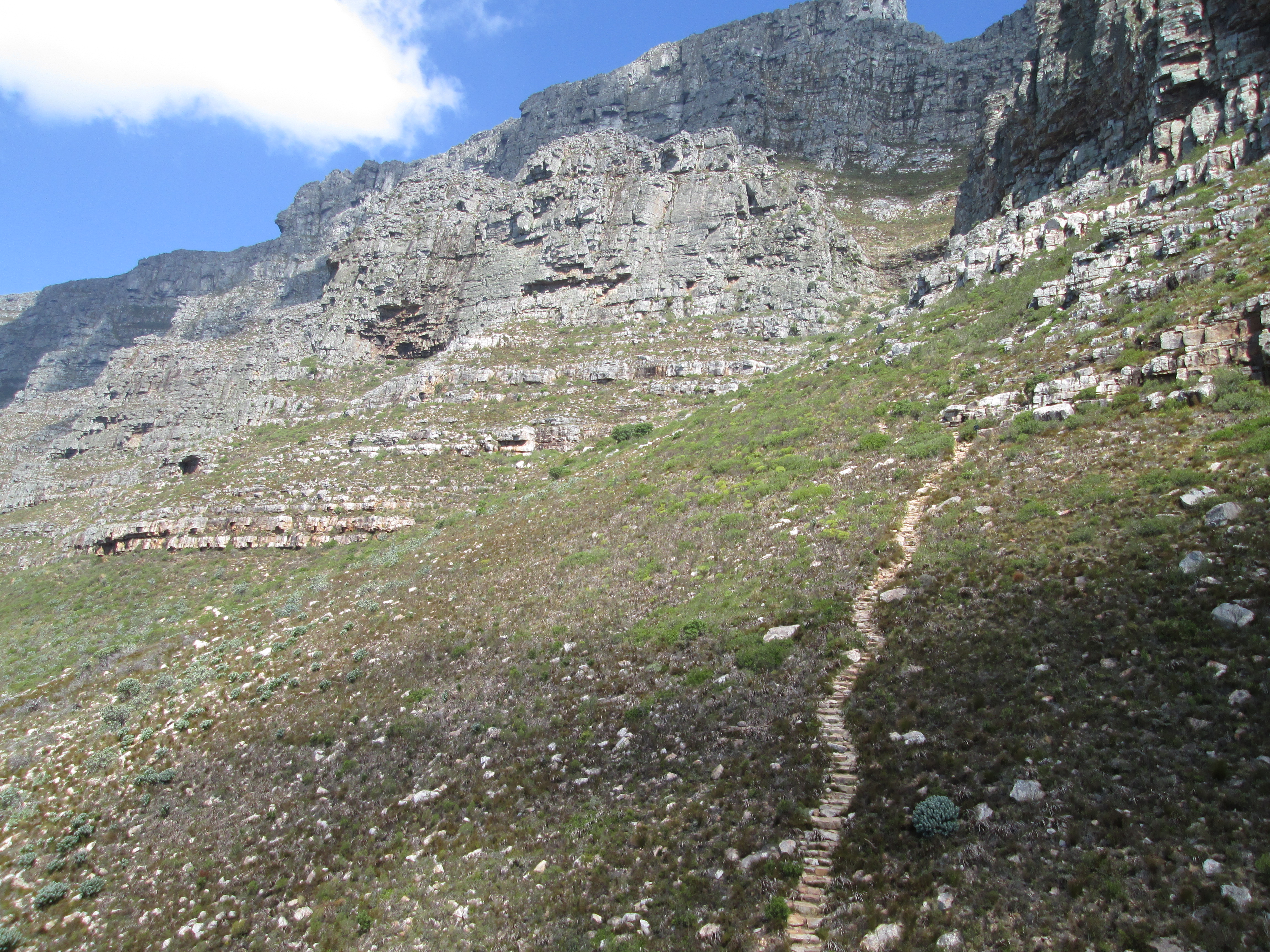
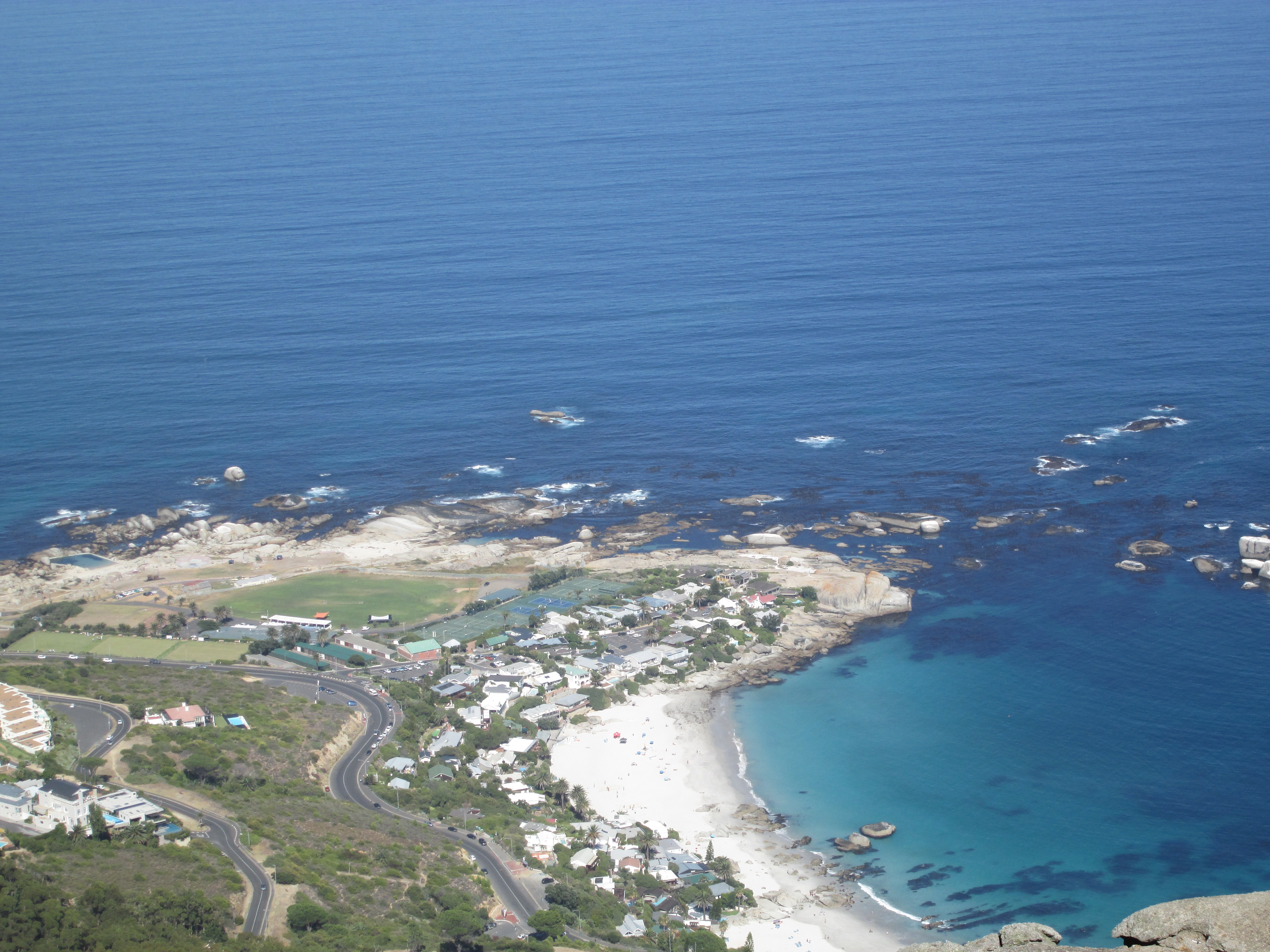
The trail wound around the mountain, so you could get views from all sides.  It was really spectacular.
IMG_0143 IMG_0146 IMG_0147 IMG_0145


About two-thirds of the way up, as the trail became a little more rocky and a lot steeper, I began to feel queasy…not like myself at all.  At first I thought it was just because I was hot, tired and out of shape.  And then I realised, with mounting dismay, that the burrito I had had for supper last night (at a somewhat dodgy Mexican place in town) was – shall we say – making itself known.

Oh, dear.

I mentioned this to Jo and she said she knew exactly which Mexican place it was and shook her head  in sympathy!  By this time, I was frantically looking for a bush…and praying that I did not disgrace myself on my first visit to Lion’s Head!

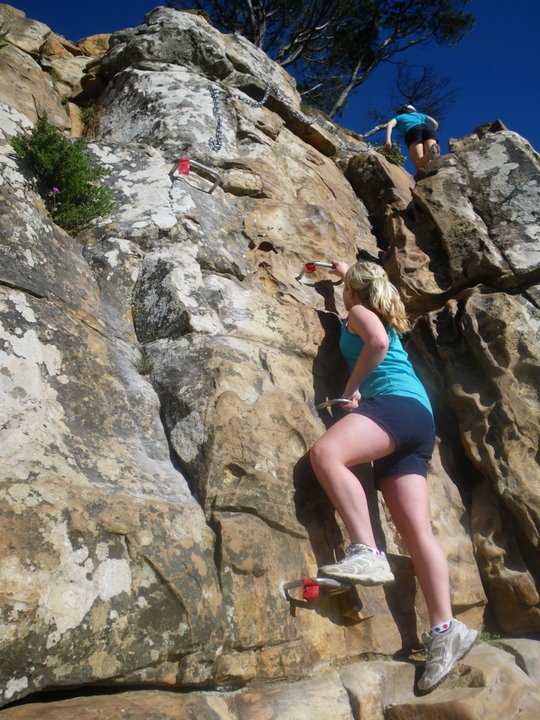
Meantime, we were coming up to the last part of the hike – which involves chains and ladders bolted into the side of the rock.  (These are from another website, but they give you a general idea…)

Ladder lions_head_chains_13


I (wisely) decided to forgo the summit this time.  We sat and rested on a bench near the turn to the ladders.  Jo produced a banana, some energy gels and then – miraculously – a couple of Imodium A-D.   And we headed back down…slowly and carefully.
IMG_0148

(My ever-patient guide, Jo)

IMG_0149 IMG_0150


I was sorry not to get to the top, but it was still a great hike – and after some more fluids and rest, I felt more like myself again and ready for the rest of my time in Cape Town!

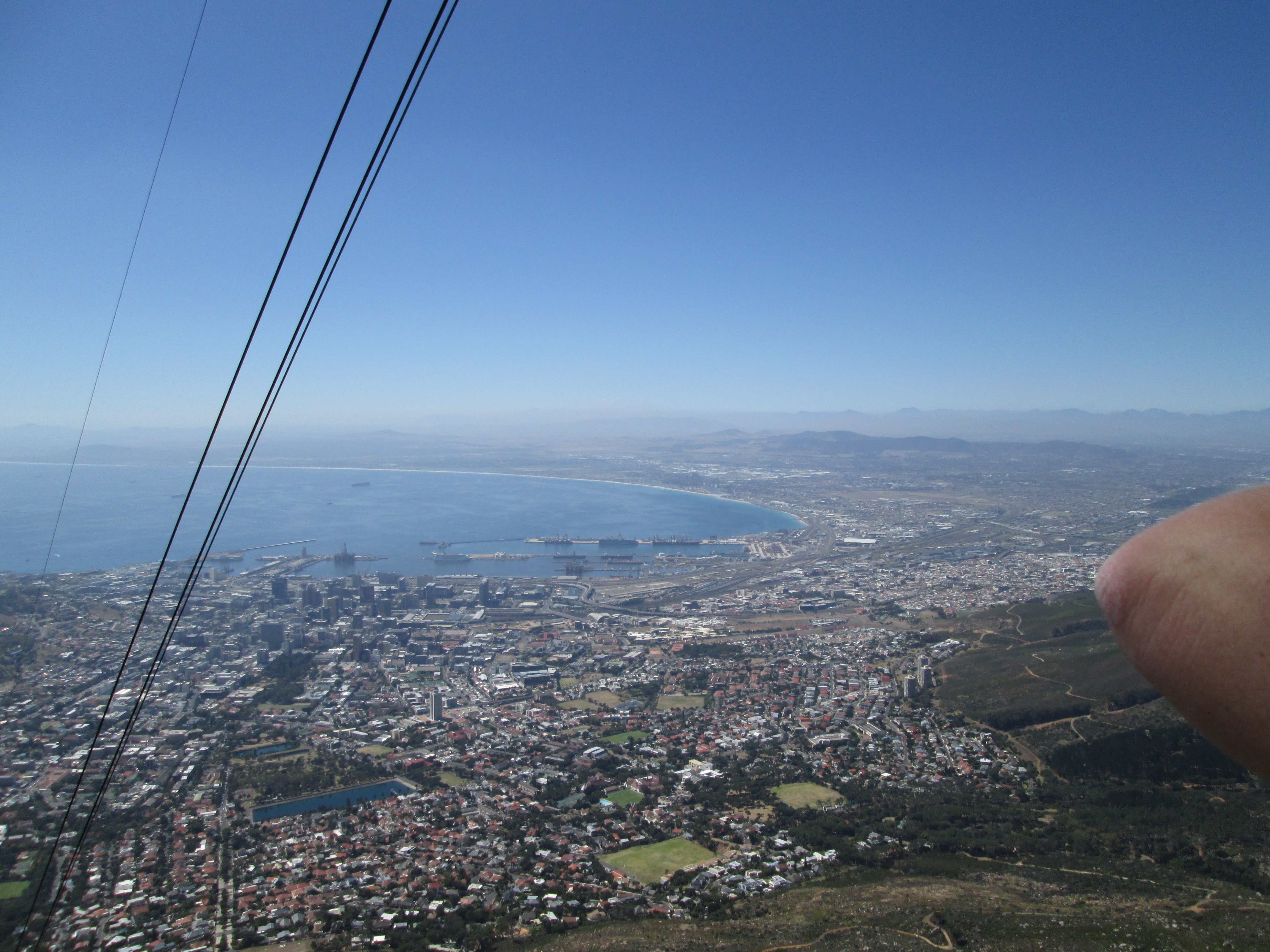
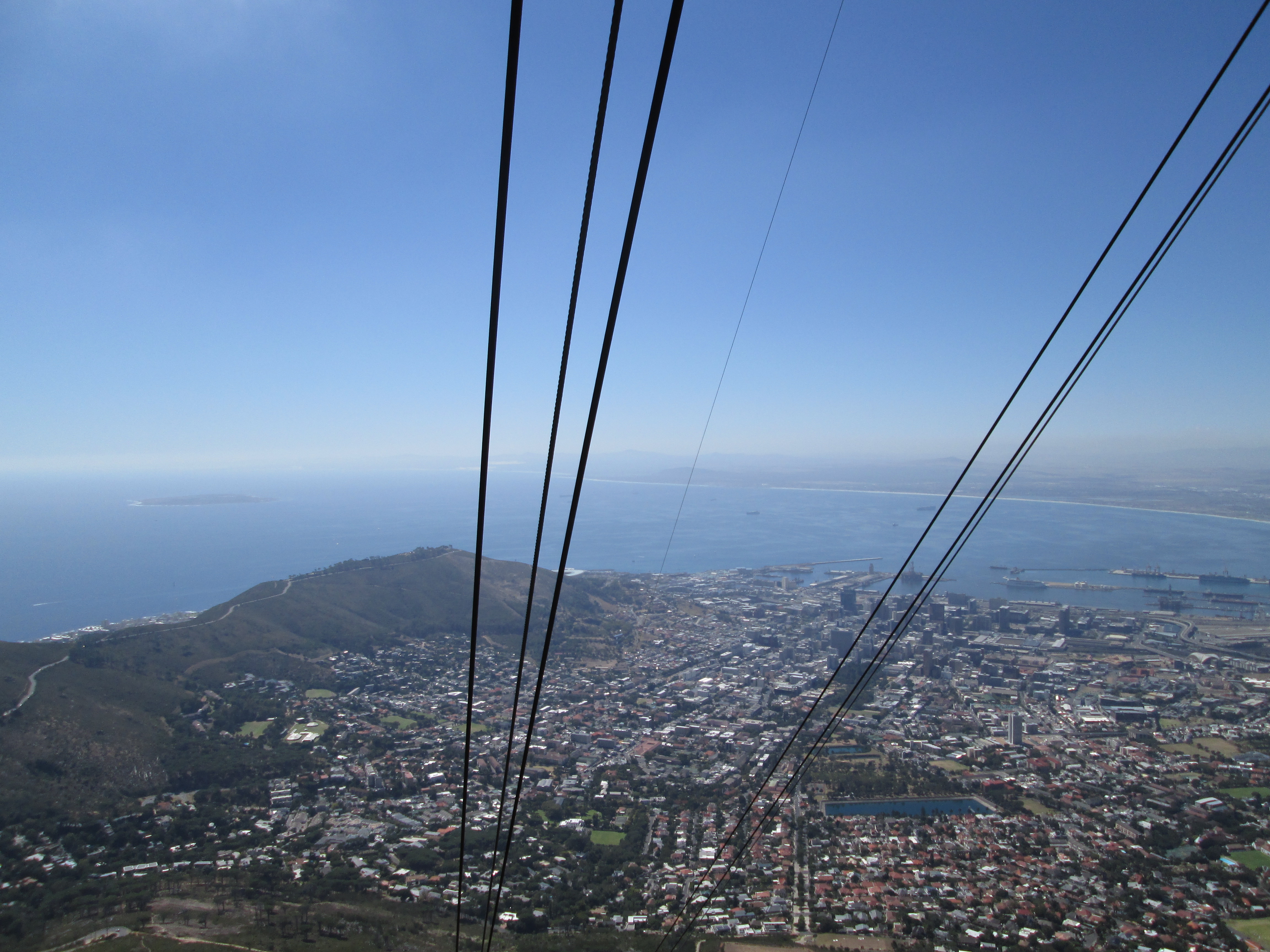
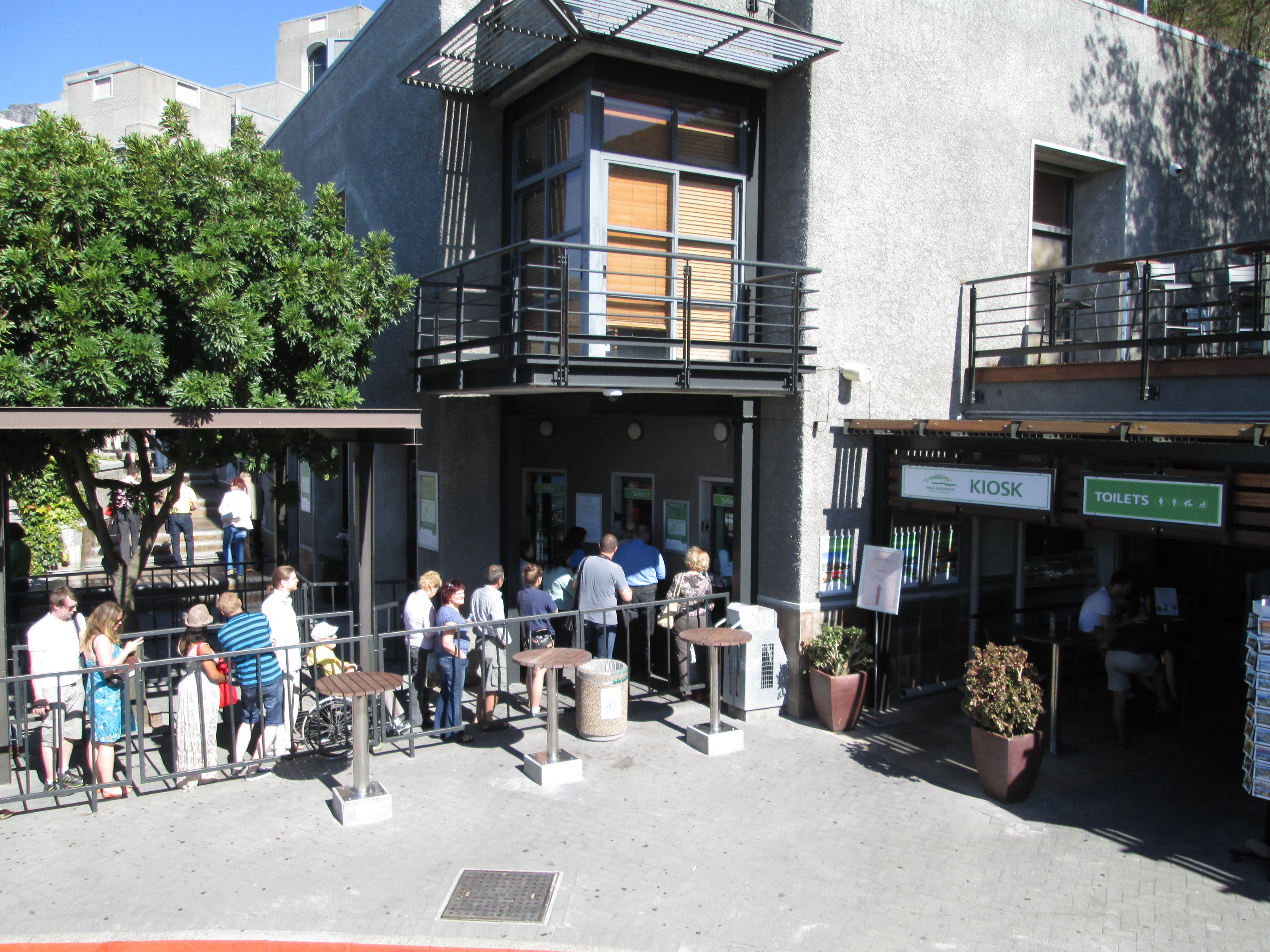
I had been tempted to hike Table Mountain…but that would have been a full-day hike.  So I decided to take the cable car up, instead.  This was one of the stops on the “hop-on, hop-off” bus tour. The cable car ride is very quick – less than 5 minutes – and the interior of the car rotates so everyone gets a view.  One of the hiking trails goes directly under the cable car.
IMG_0261 IMG_0256

IMG_0220 IMG_0219 IMG_0218 IMG_0217 IMG_0216 IMG_0215


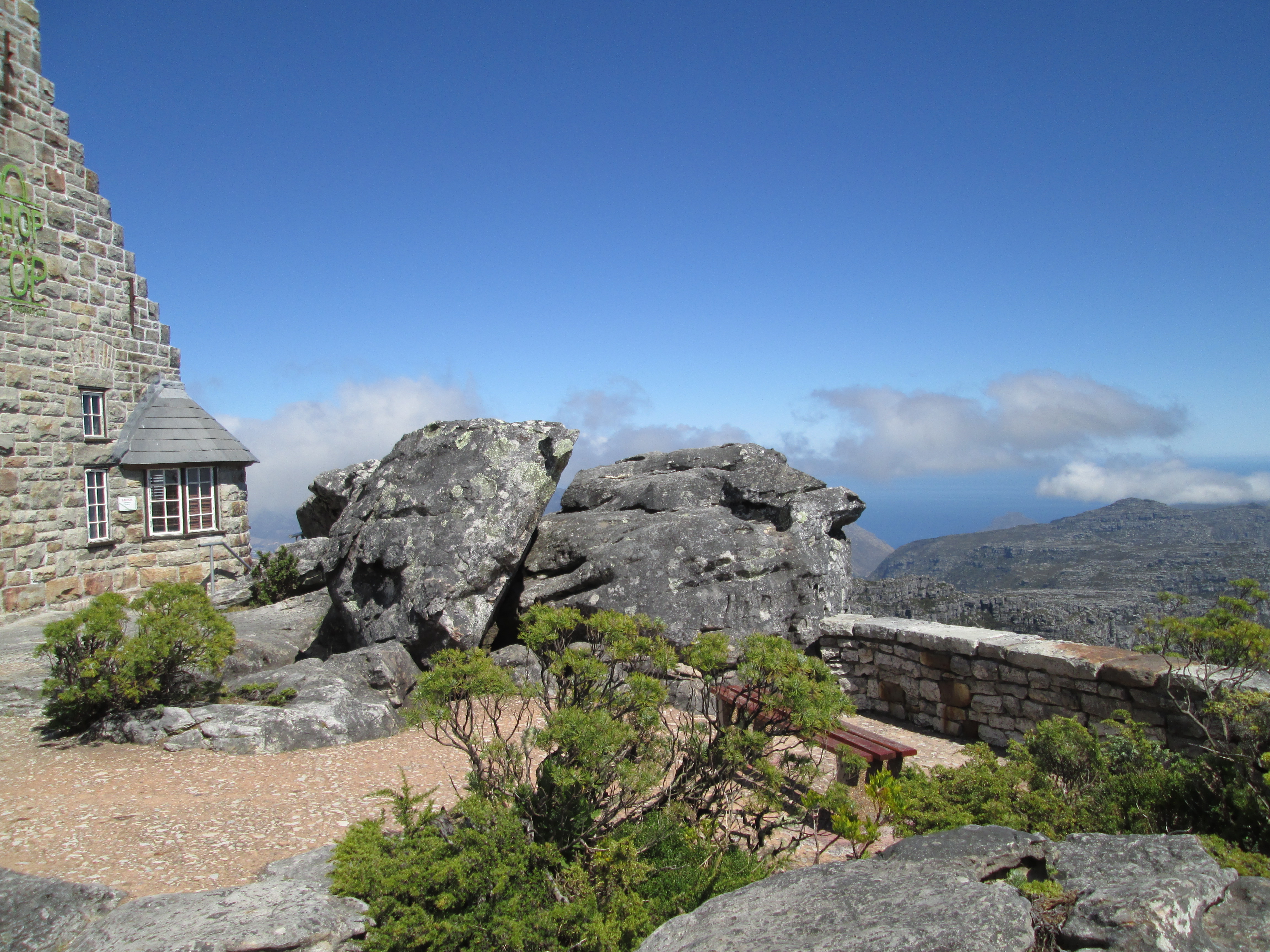
The top of Table Mountain had a gift shop, a pretty decent cafe, and many trails and walks going off in all directions.  The tables in the cafe had descriptive tops, with facts about Table Mountain.

IMG_0221 IMG_0222 IMG_0223 IMG_0226

There was also wildlife…including birds that were bold as brass as they tried to sample your lunch…

IMG_0224

And “dassies” – which look like kind of a cross between a hedgehog and a hamster.  They are known as the “rock hyrax” and their closest living relative is the elephant!  They were very friendly and not afraid of humans at all.  They hung out on the rocks, foraging for food and waiting to see if any of the tourists dropped a morsel.

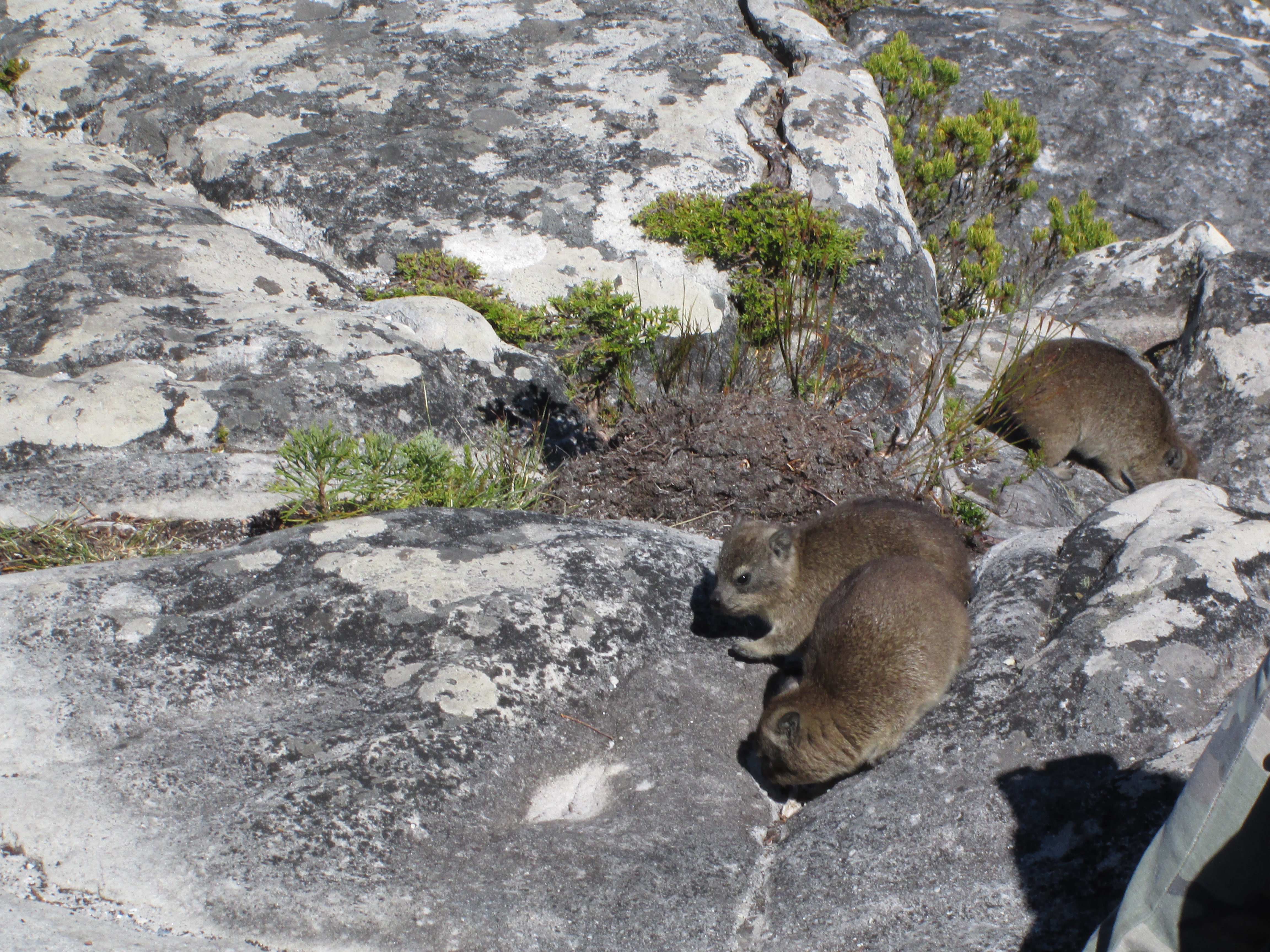
IMG_0236 IMG_0234


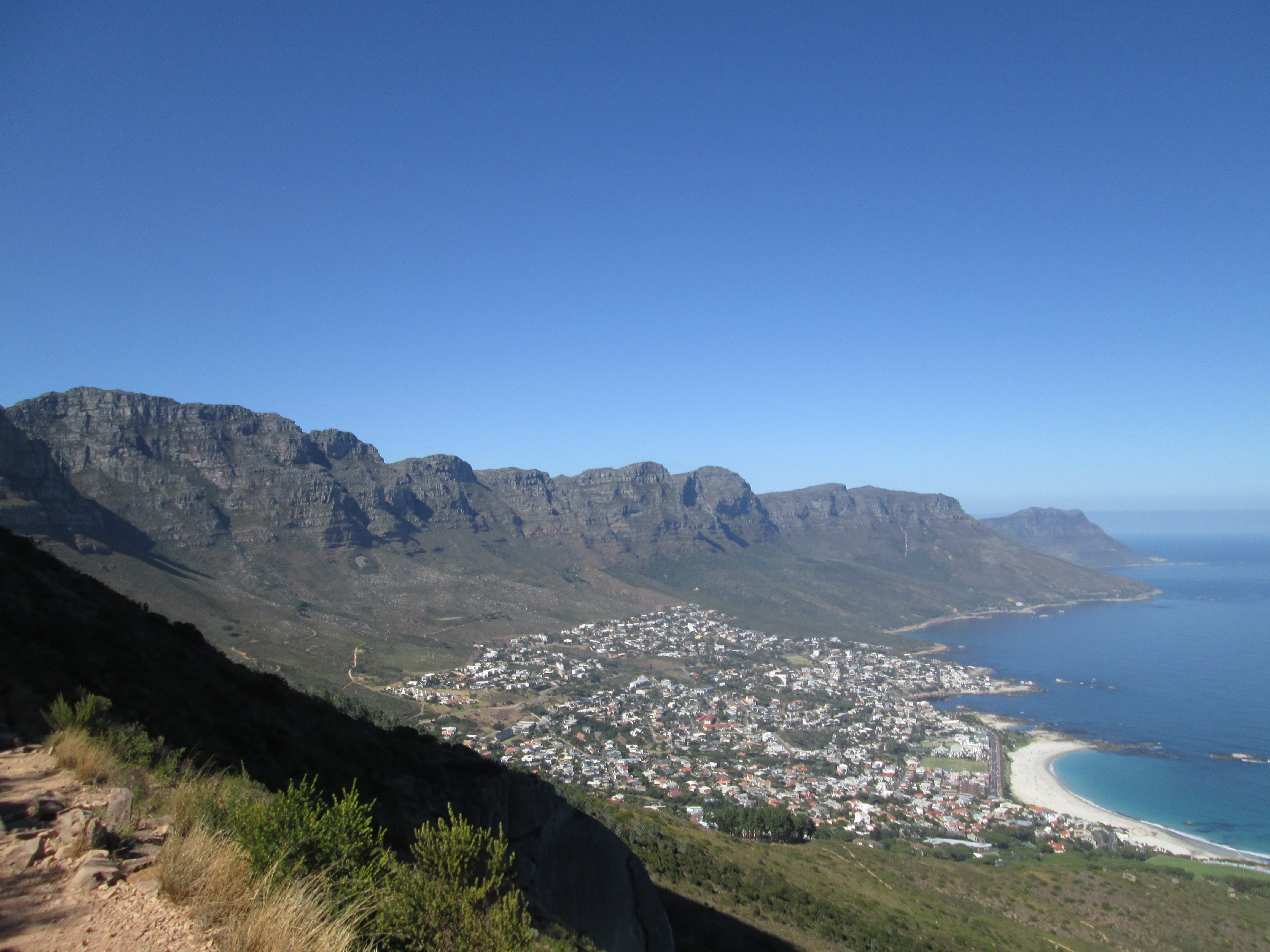
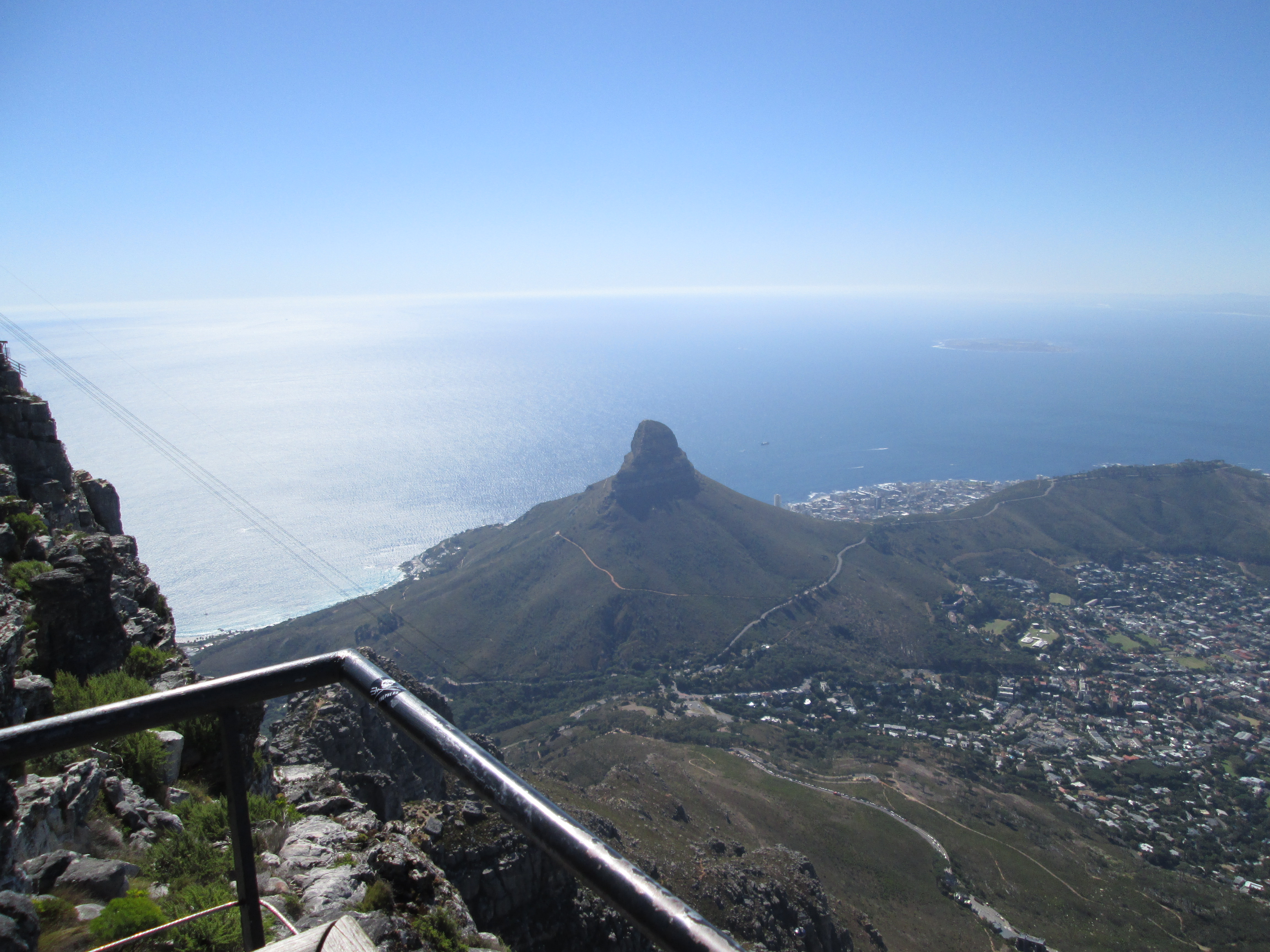
The views were amazing.  You could see Lion’s Head and Signal Hill, of course and the entire city spread out in front of you.  In addition, you could see the range of mountains behind Table Mountain, stretching all the way to Cape Point.  Part of this range is known as “The 12 Apostles” and they are very popular with hikers.  (No one knows why they are called “The 12 Apostles” and it is even stranger since there are actually 17 of them!)

IMG_0238 IMG_0240 IMG_0242 IMG_0244 IMG_0245 IMG_0250 IMG_0251

This is a view of “The 12 Apostles” from the bottom

IMG_0269

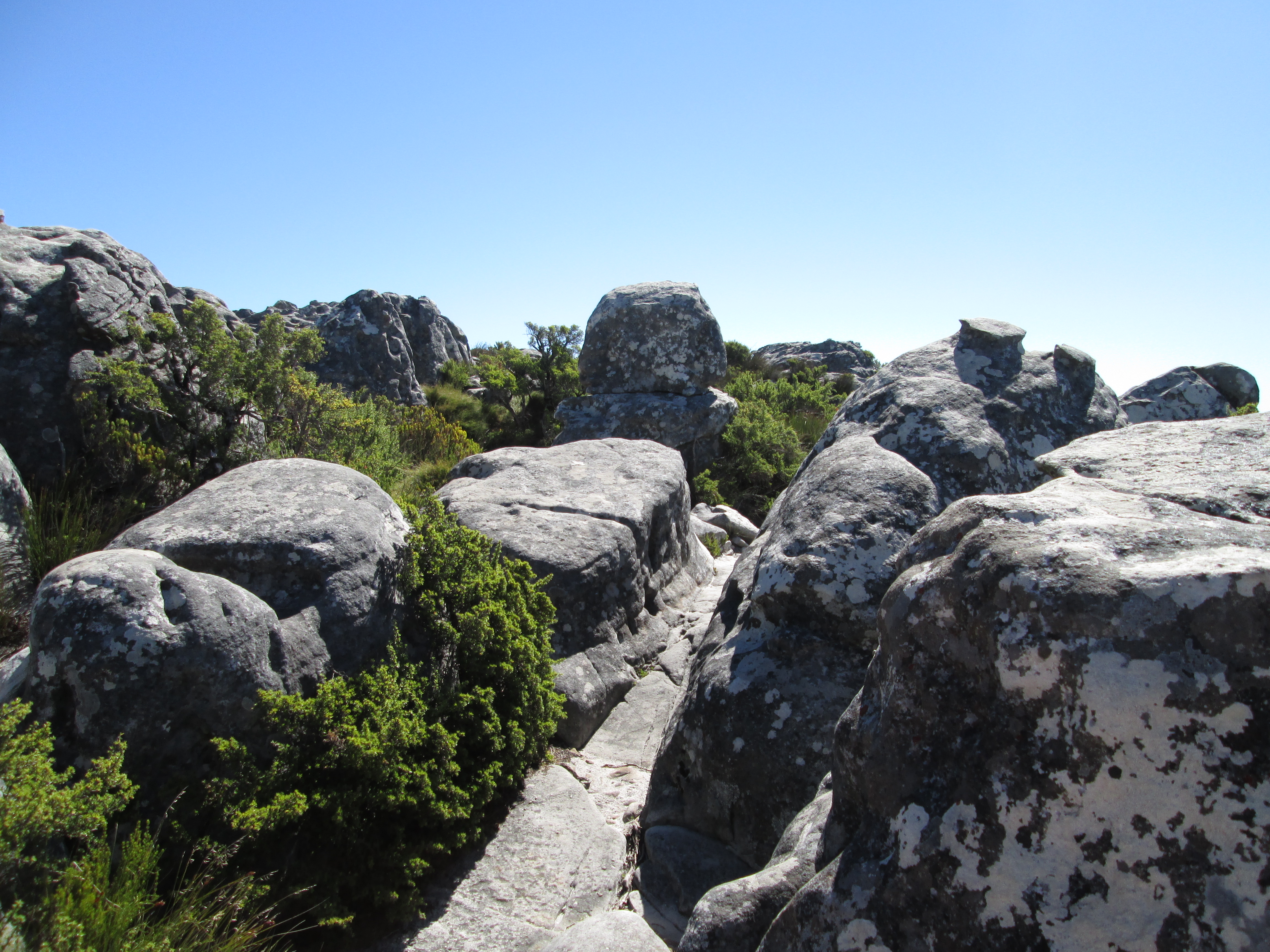
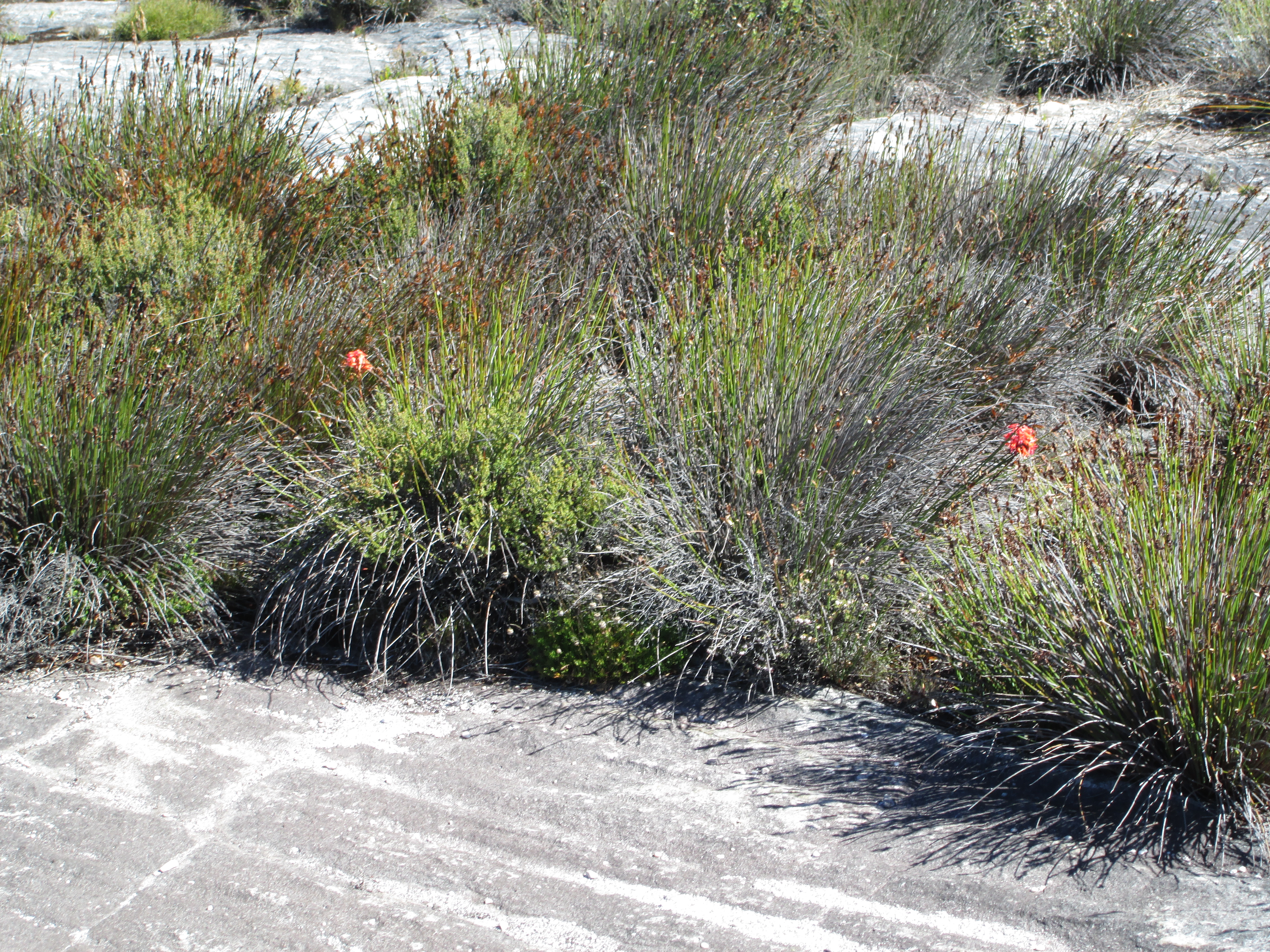
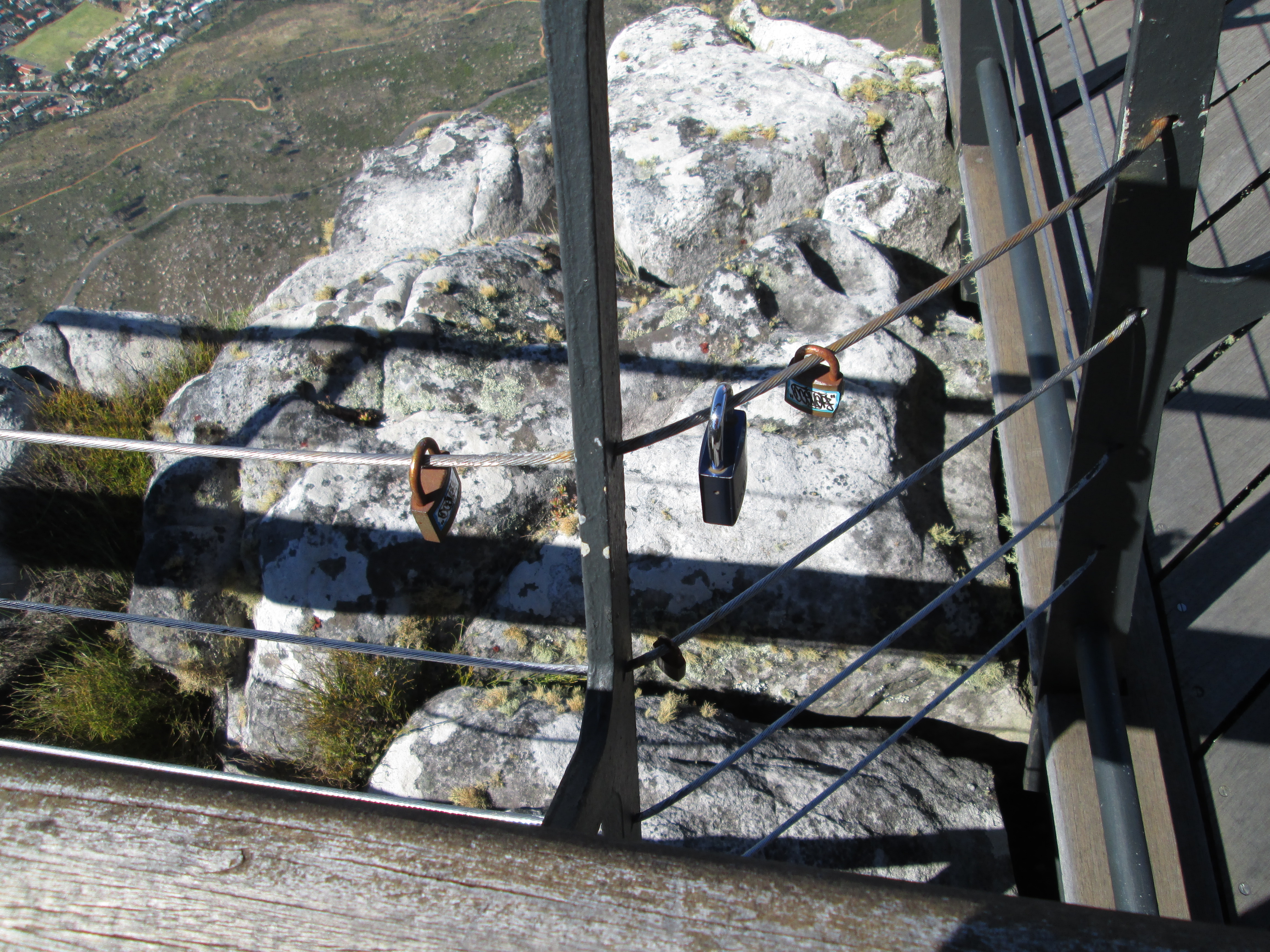
Lots of beautiful flowers and other flora in the rocks.  And locks…padlocks on the view-point fences.  Apparently this is a tradition on the tops of other mountains, too.
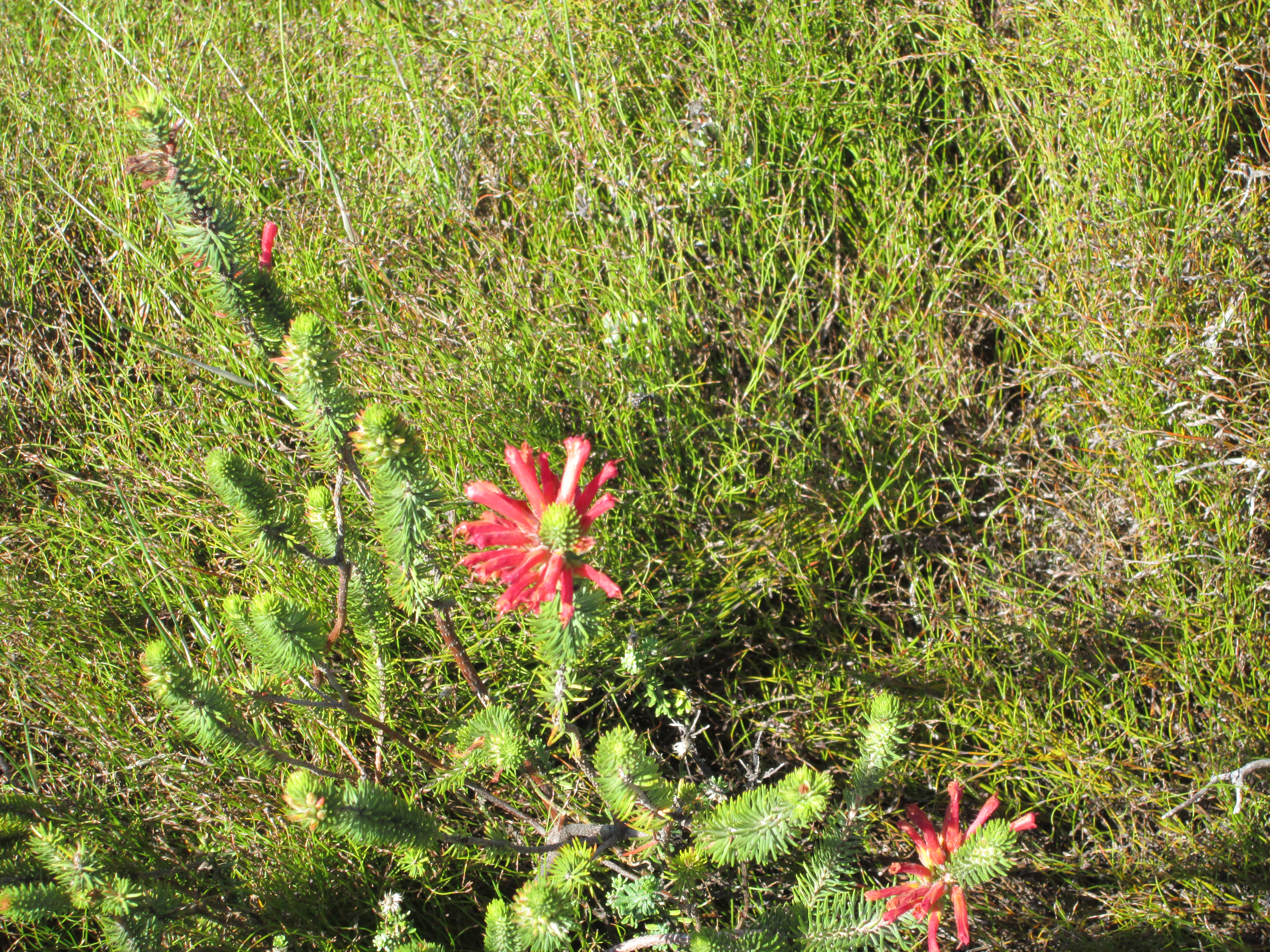
IMG_0249 IMG_0247 IMG_0246 IMG_0252 IMG_0253 IMG_0255 IMG_0256


I loved the mountains of Cape Town and really hope to return to do some serious hiking in the not-too-distant future!
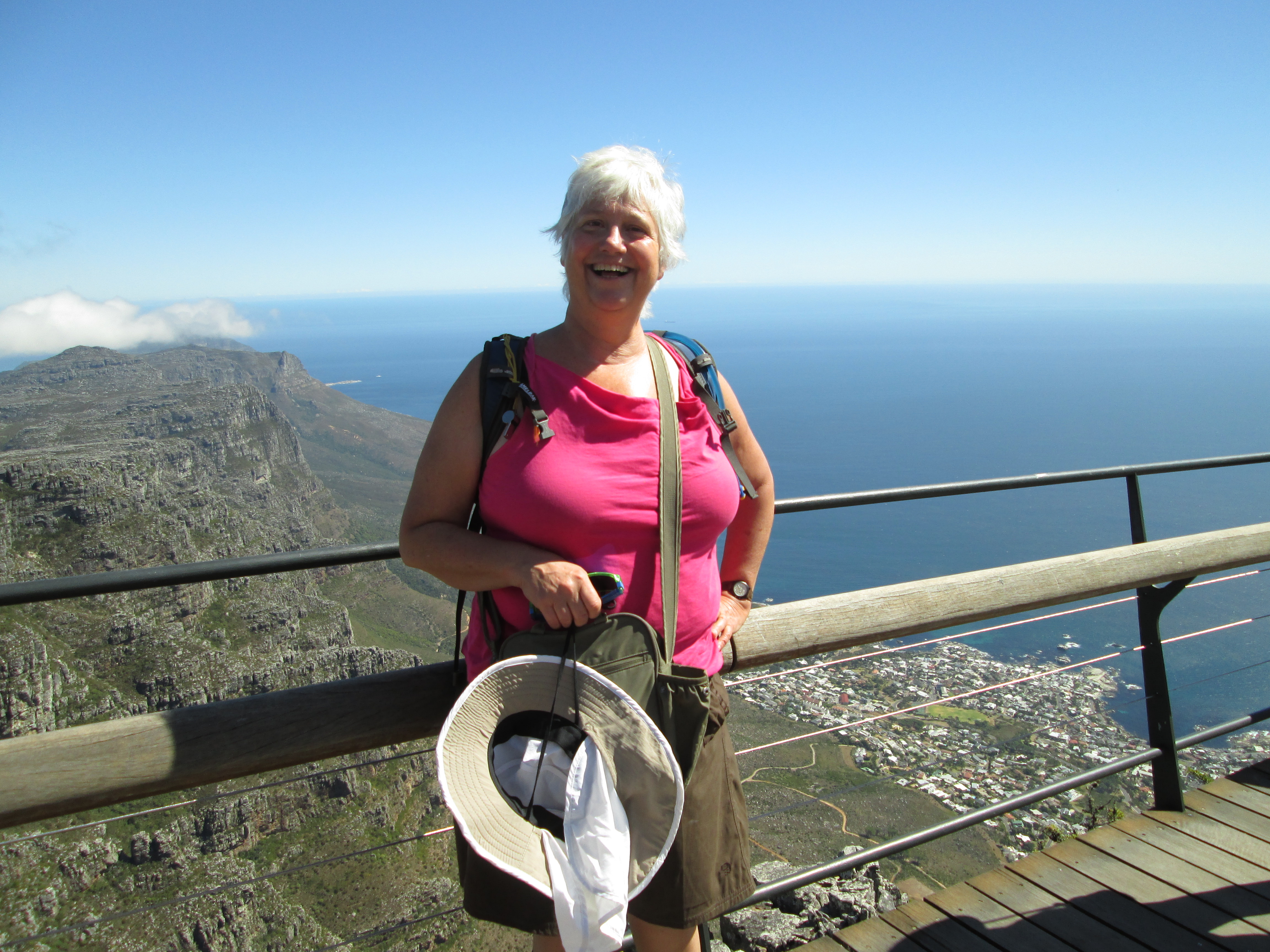
IMG_0229

Jo’burg to Cape Town via the Premiere Classe Train

Standard
Jo’burg to Cape Town via the Premiere Classe Train

2014-03-13 13.01.20

I love train travel.  It seems to me a much more civilised mode of transportation than a plane, where you are jammed into a seat with no legroom and no way to move around, stretch, chat, grab a bite to eat and maybe meet your fellow passengers.

There is a wonderful website called “The Man in Seat 61” which details how to travel all over the world without ever setting foot in an airplane.   It is a terrific resource for anyone who likes train travel…I used it when I traveled from Amsterdam to London.  (Passenger train ride, over-night ferry to another waiting train and right into St Pancreas Station!)  It also describes how to take “great train journeys world wide” including the Trans-Siberian Railway, the Orient Express and the “Blue Train” from Jo’burg to Cape Town, which is the journey I took.

Well, I didn’t take the actual “Blue Train” (it costs almost $1,000 one way!) but I took that same journey – same scenery, same size train cars, same full-meal service – but less than a quarter of the price.  There is also an even cheaper option, called the “Tourist Class” train.  However, I decided to treat myself a little and go with the “Premier Classe.”   I was not disappointed.

For overnight train travel, the important thing to remember is that the journey is the thing…as much as the “getting there.”  The Premier Classe train is like a little hotel on wheels, with all expenses paid.  No traffic, no hassles, plenty of room to stretch your legs, a fully-stocked bar car, delicious meals and big windows in the lounge to look at the scenery.

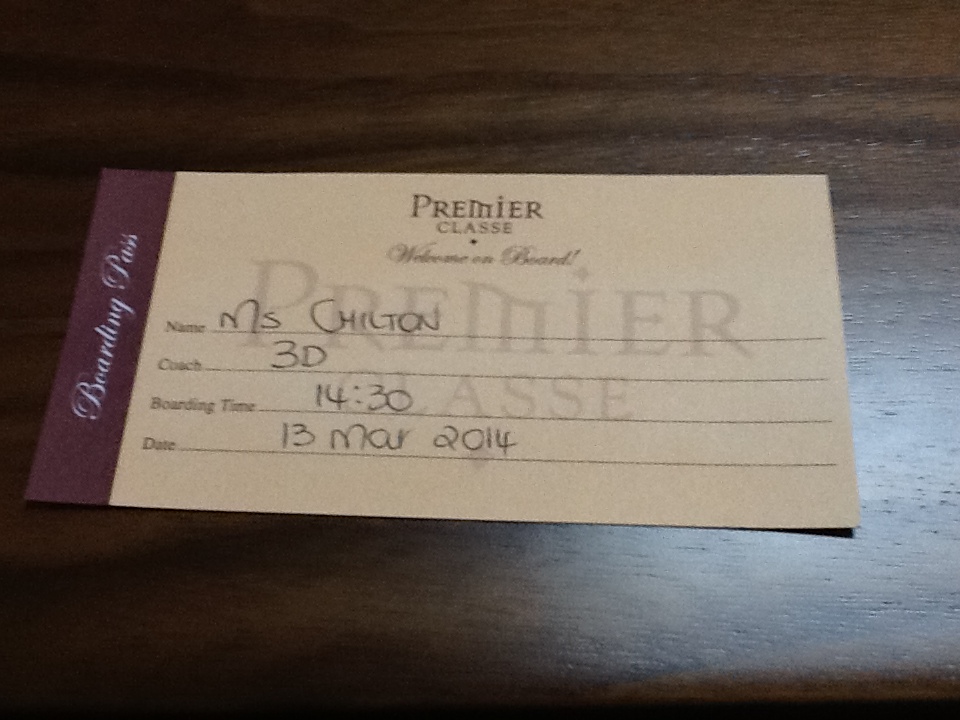
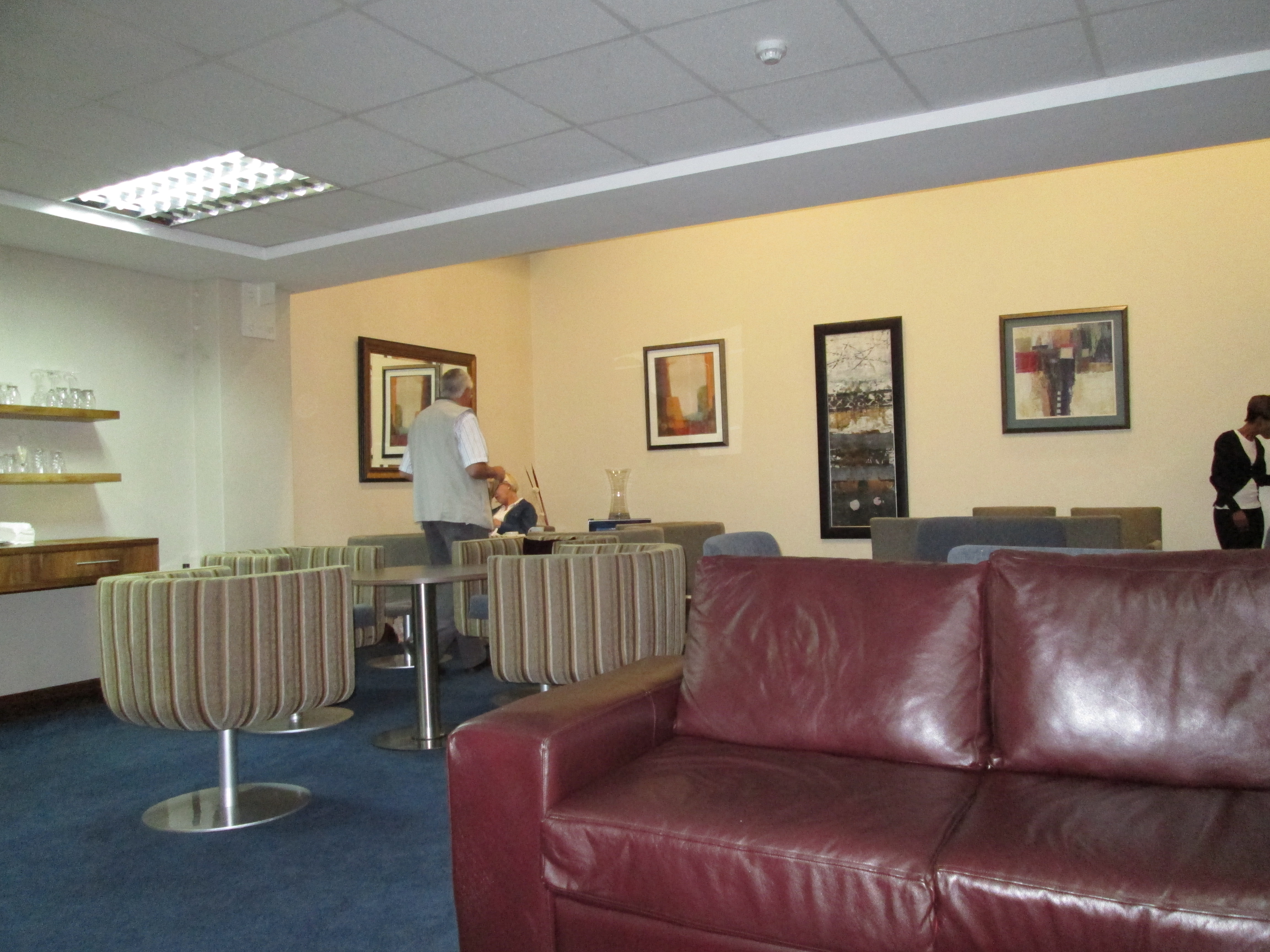
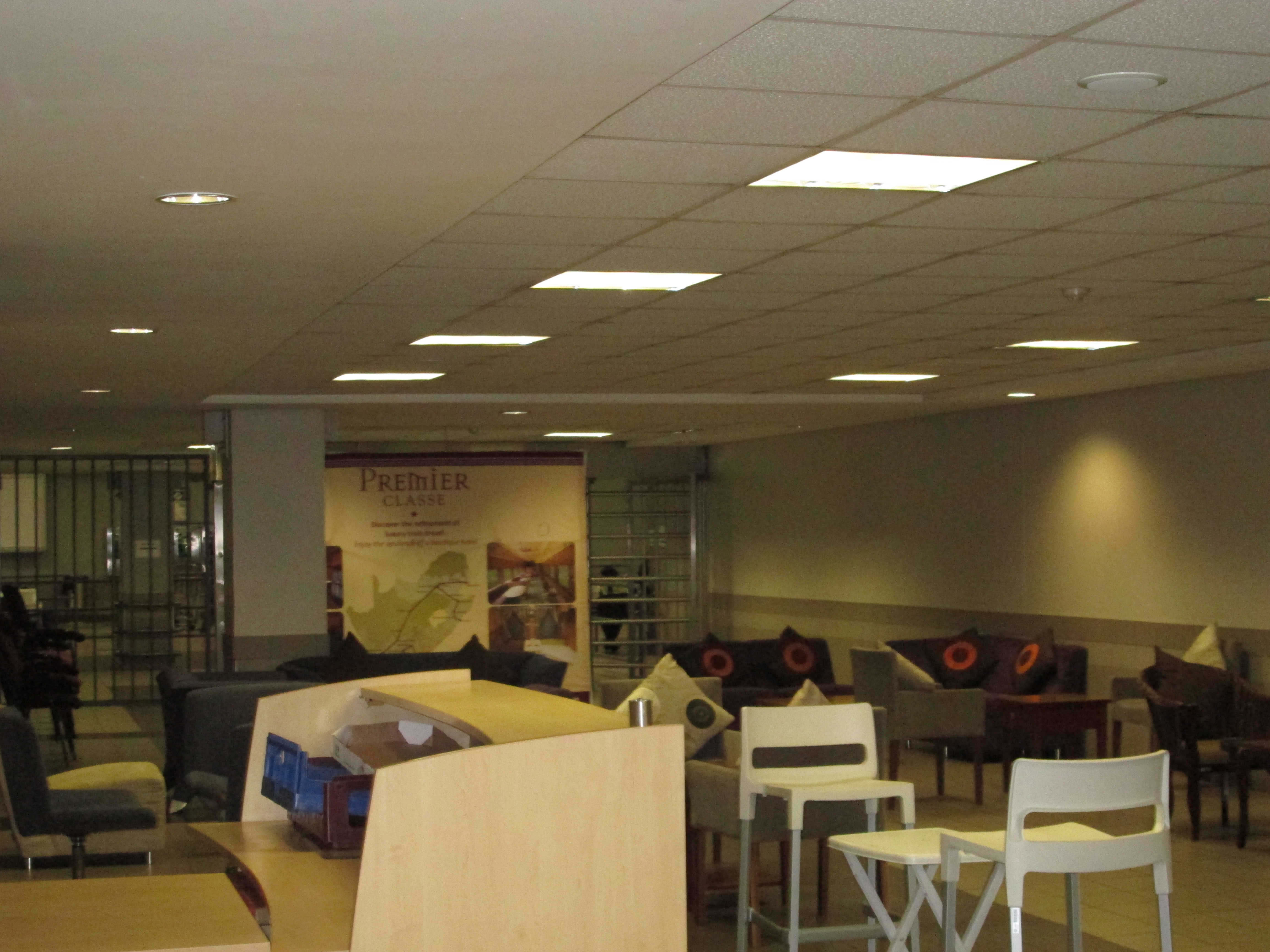
We started out in the Premiere Classe Lounge, with complementary coffee and tea and a light lunch.  I got there early and was welcomed warmly, my bag tagged and my boarding pass issued.  It was fun talking with the other passengers as they arrived.  There were people from all over the world and some locals who had lived in Jo’burg or Cape Town all their lives and simply decided to take a train ride.

2014-03-13 12.30.13

IMG_0061 2014-03-13 13.01.29 IMG_0062

IMG_0063 2

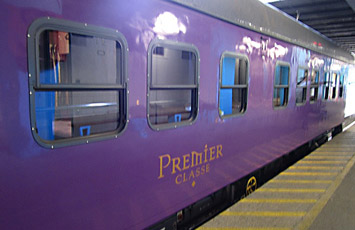
The porters took our bags and delivered them to our private “rooms” on the train and then we were allowed to board.  The train was bright purple on the outside…which pleased me.

IMG_0064SA-premier-classe-ext


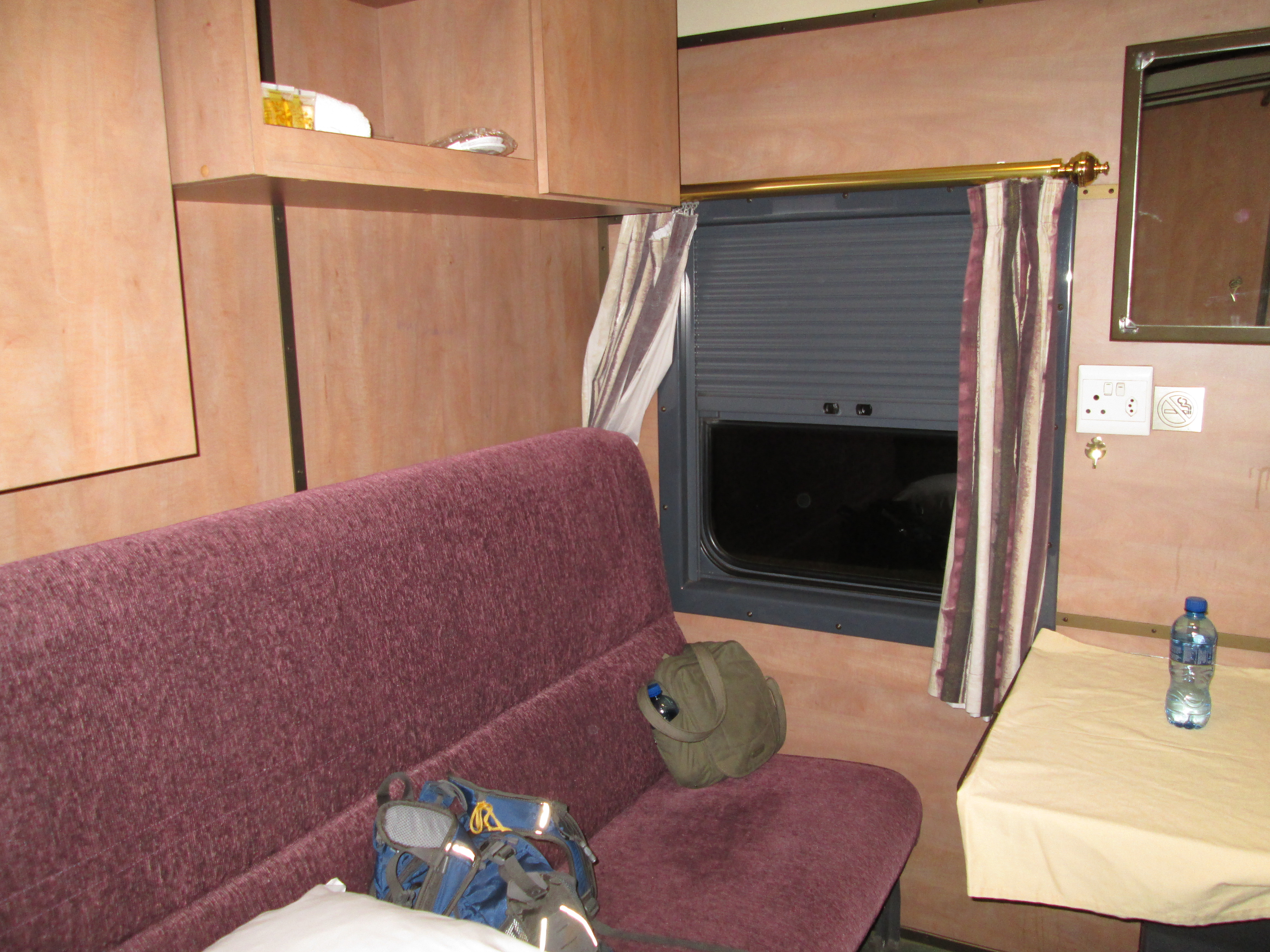
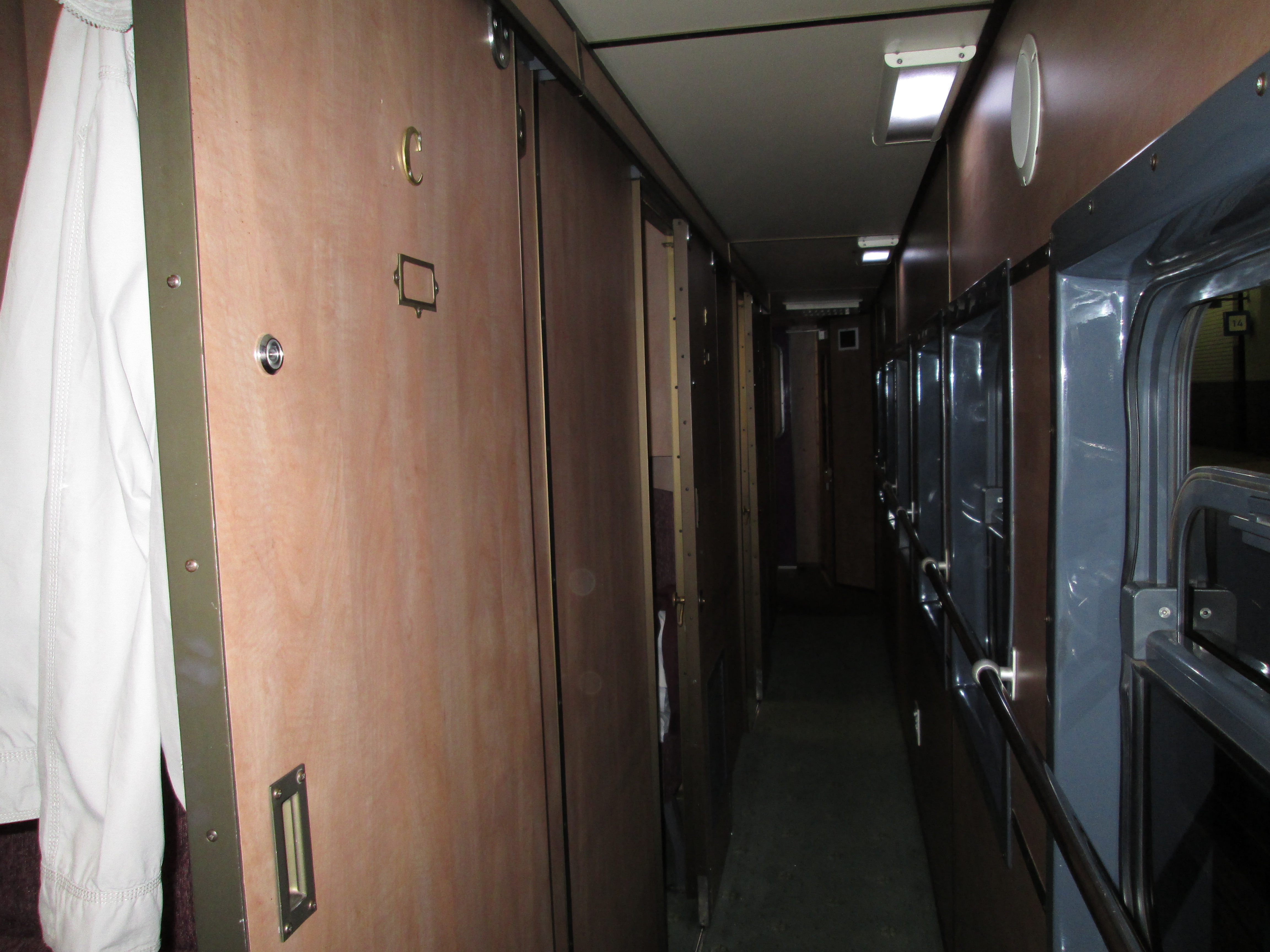
All Premier Classe passengers get a private sleeper. Solo travellers get a “coupé” with one lower berth and couples get a compartment with two lower berths. Each compartment has a washbasin, towels, soap, shampoo, shower gel, mineral water and slippers!  There was a toilet at the end of each car and a shower just along the corridor.  The windows opened for plenty of fresh air.  I found my compartment, with my bag placed neatly inside.

IMG_0068


IMG_0069

We were all invited to the dining car for complimentary champagne and an assortment of snacks.

IMG_0071 IMG_0070

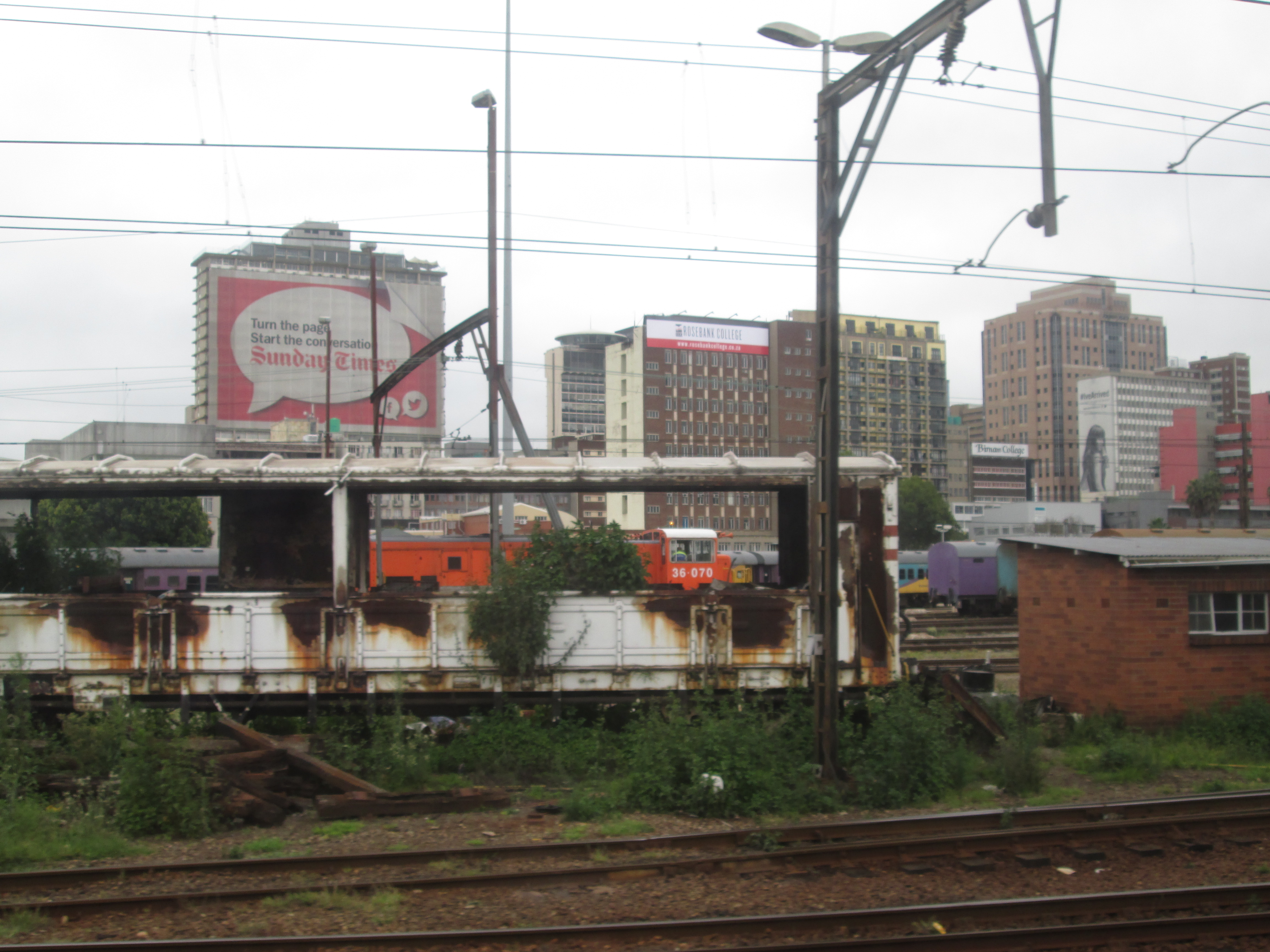
As we were all chatting, we suddenly realised that the train had started to move.  We were pulling out of Jo’burg, passing some of the other (less classy) trains and leaving the city behind.

IMG_0072 IMG_0073 IMG_0075


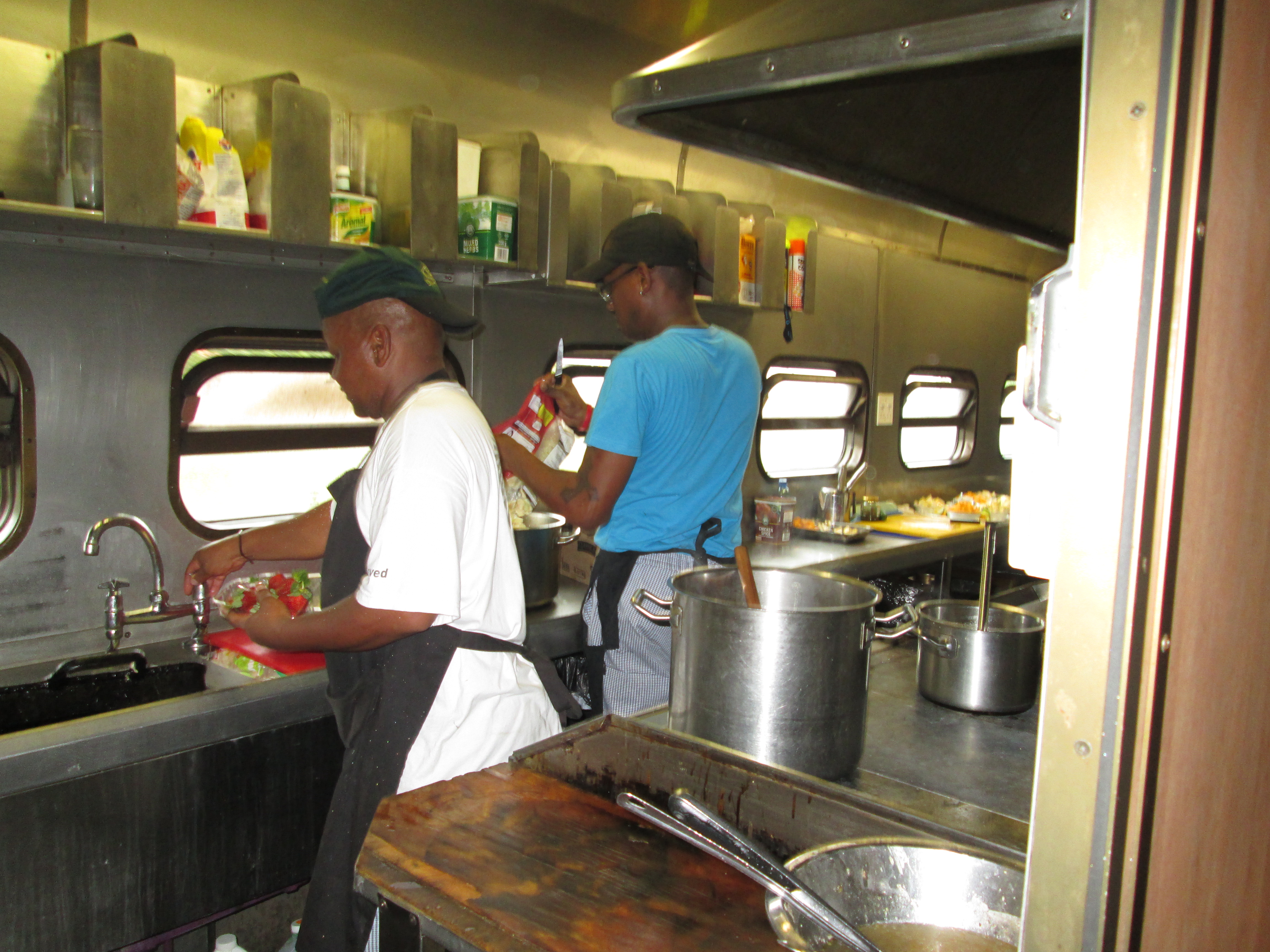
There was a full kitchen in between the dining car and my car, and the chefs were already working to prepare dinner.  After about an hour, formal “tea” was served, with delicious chocolate cake.

IMG_0076

IMG_0074

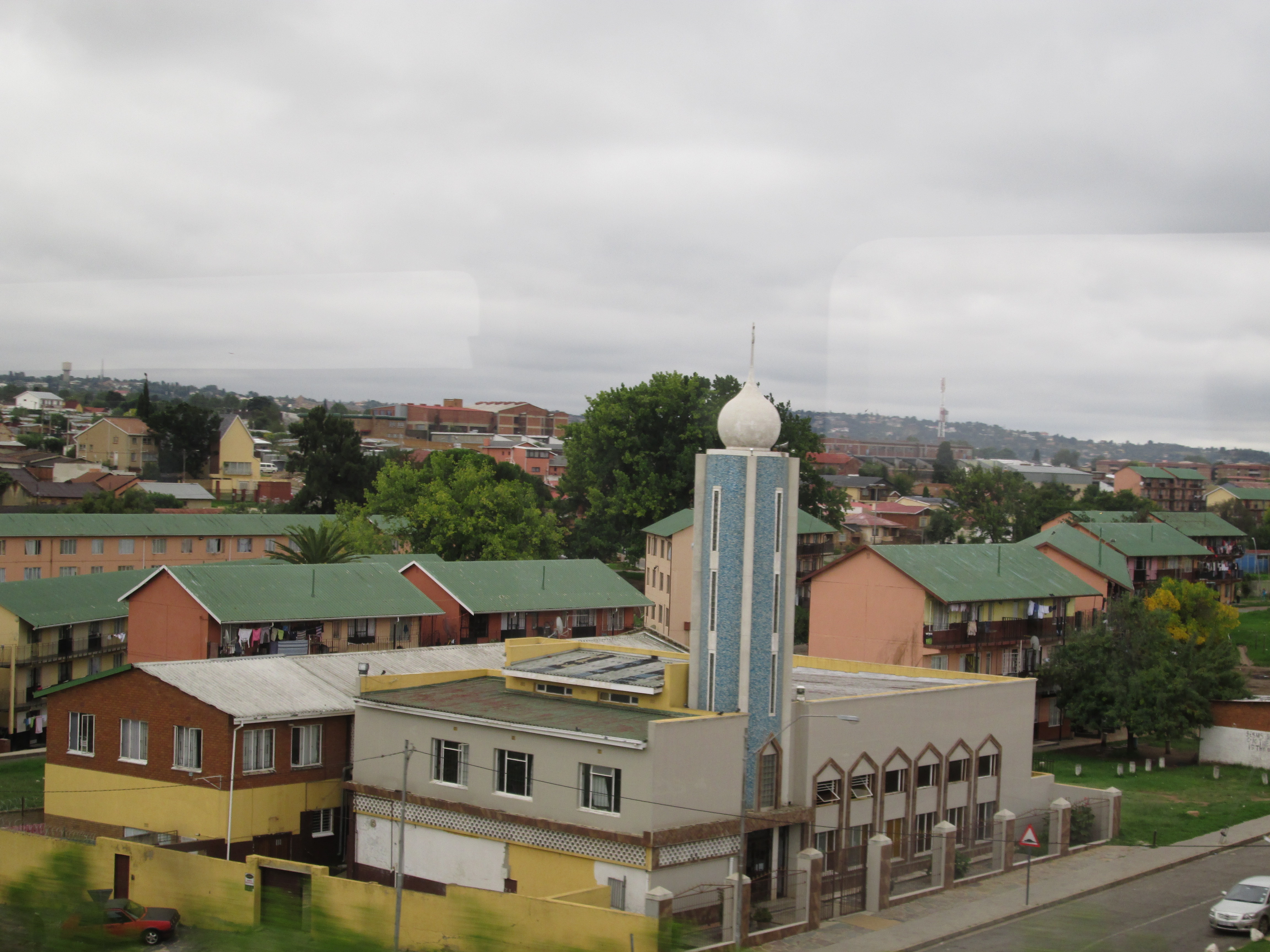
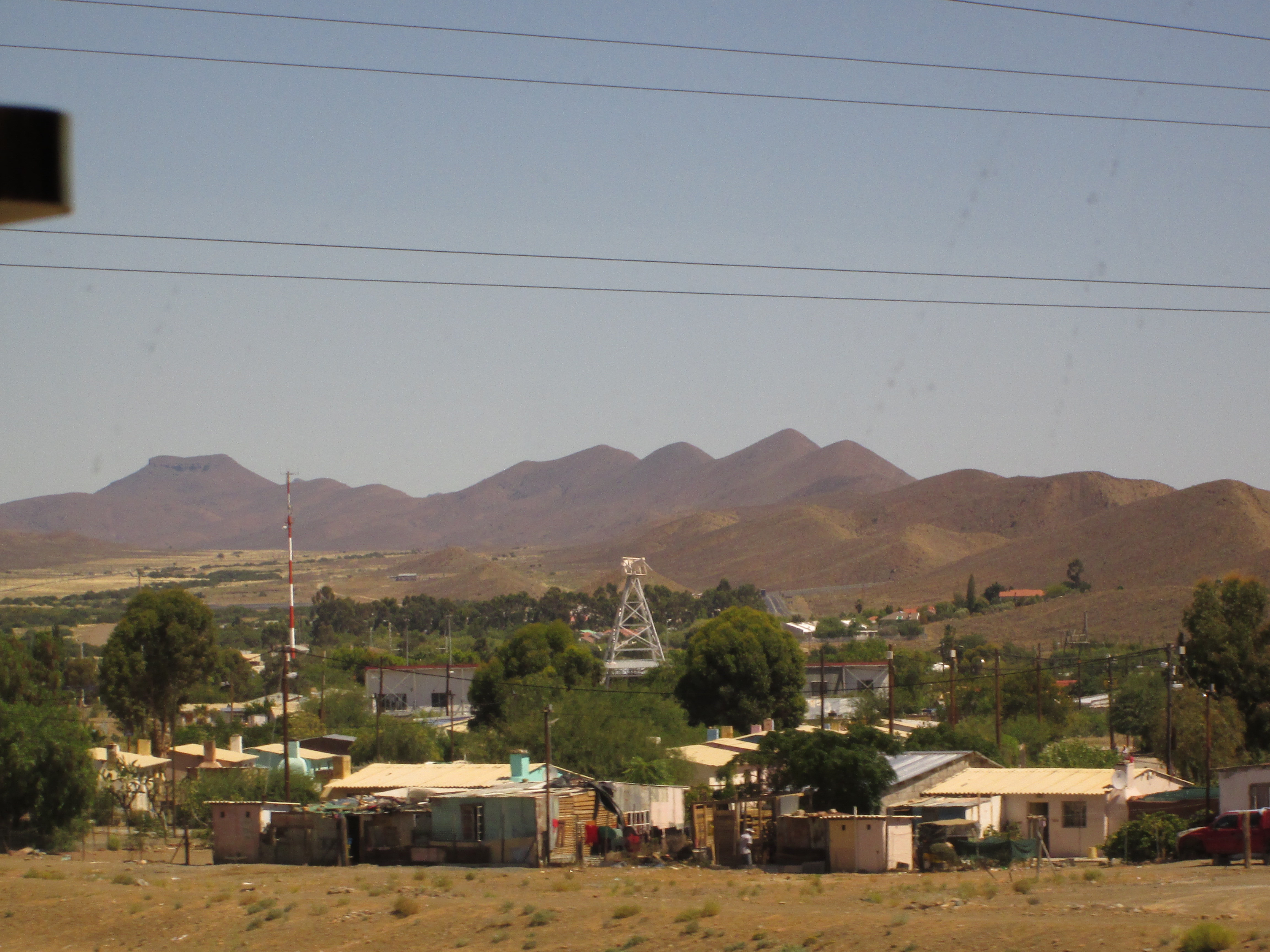
The city scenes gave way to shanty-towns, fields and farms.

IMG_0077 IMG_0078 IMG_0079 IMG_0080 IMG_0087 IMG_0088

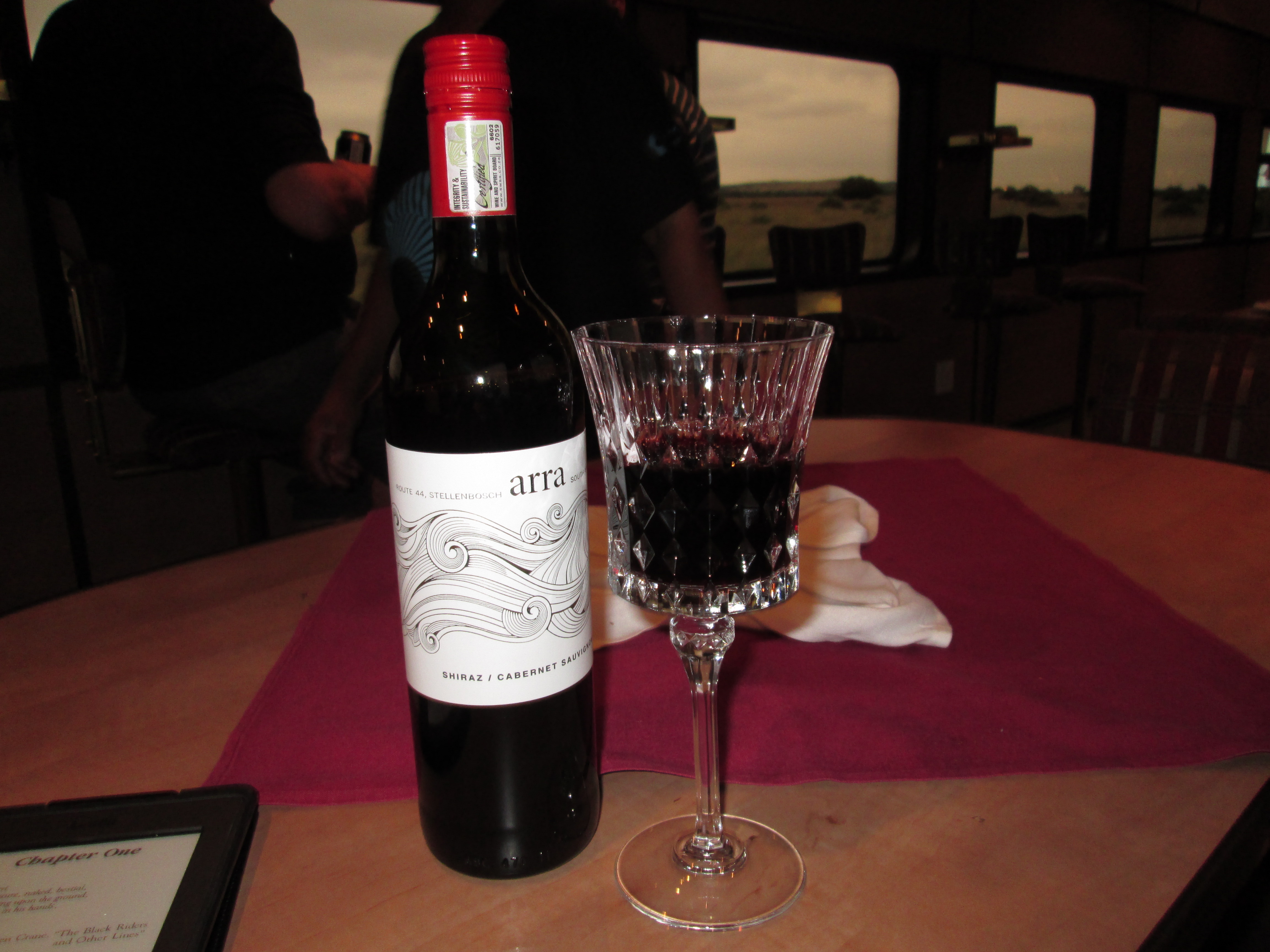
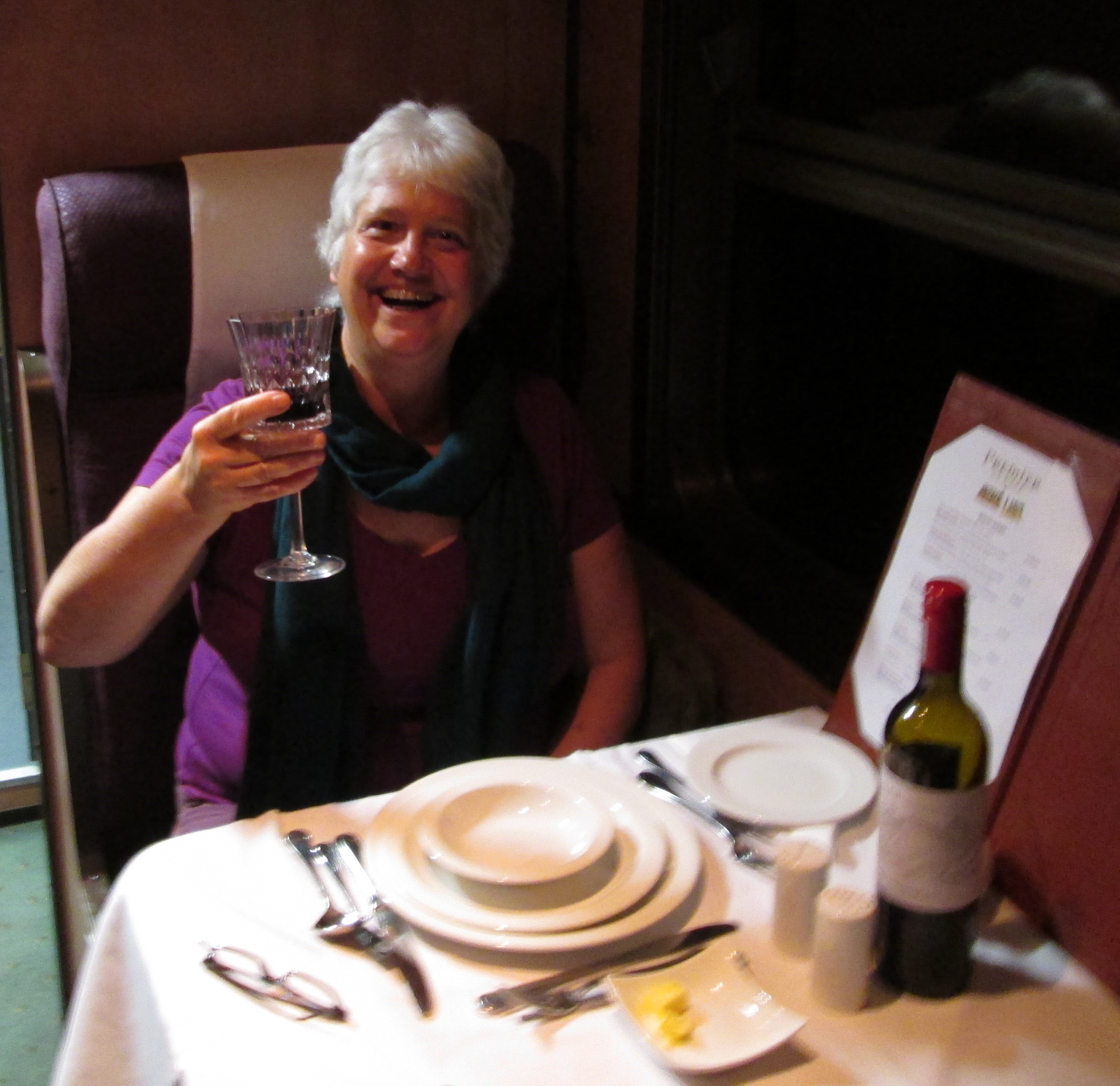
I was asked if I would mind having dinner at the “second seating” and of course that was fine.  I made my way to the lounge for a glass of wine and discovered that I had to purchase it by the bottle.  Somehow, I made do.  (There was an excellent wine list – South Africa is known for its fine wine!)

IMG_0081

I chatted with the other passengers who were also “second seating” and watched the sun set.

IMG_0090IMG_0092

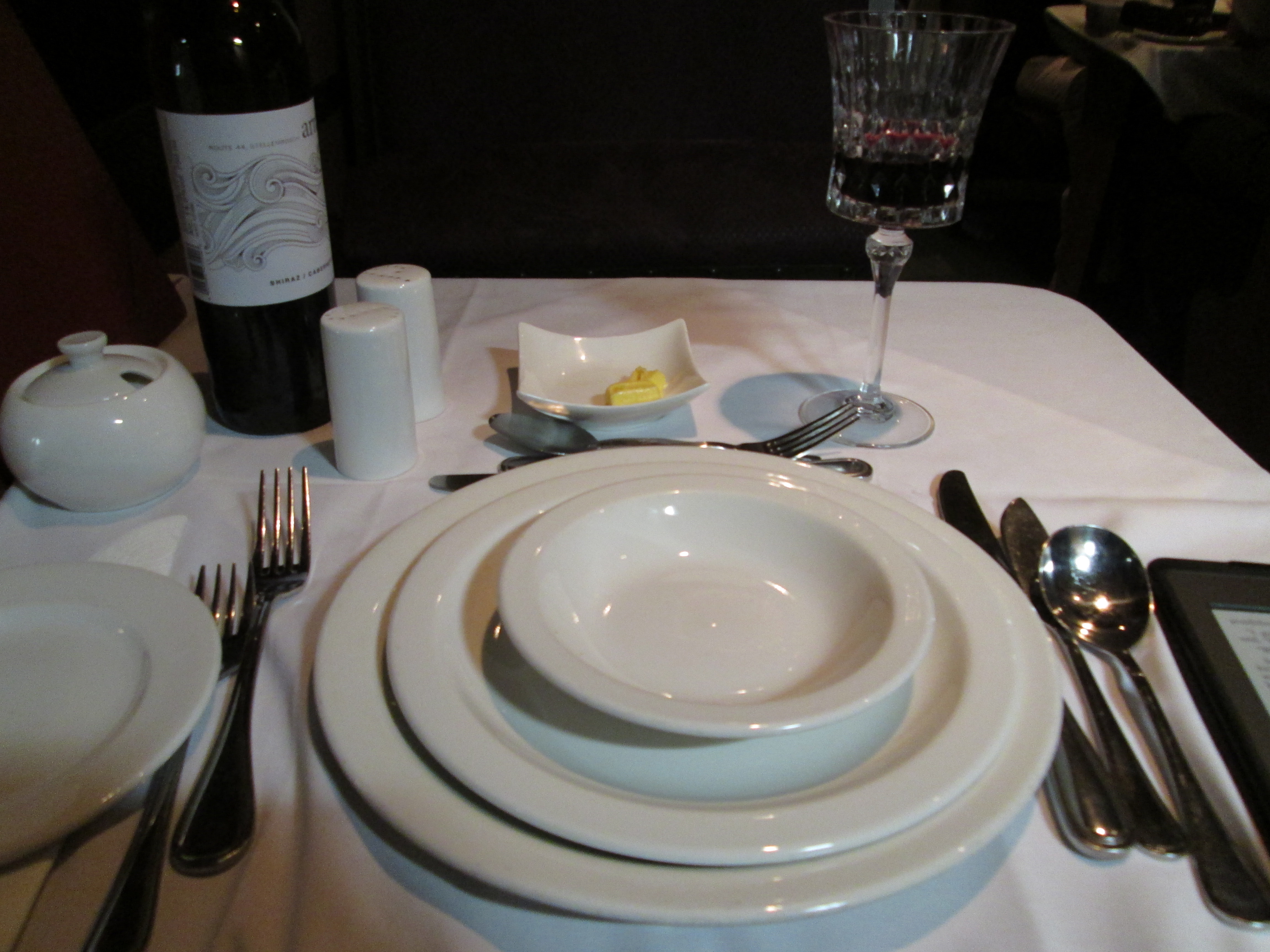
Finally we were called to dinner – a five-course gourmet meal.

IMG_0095 IMG_0096 IMG_0097

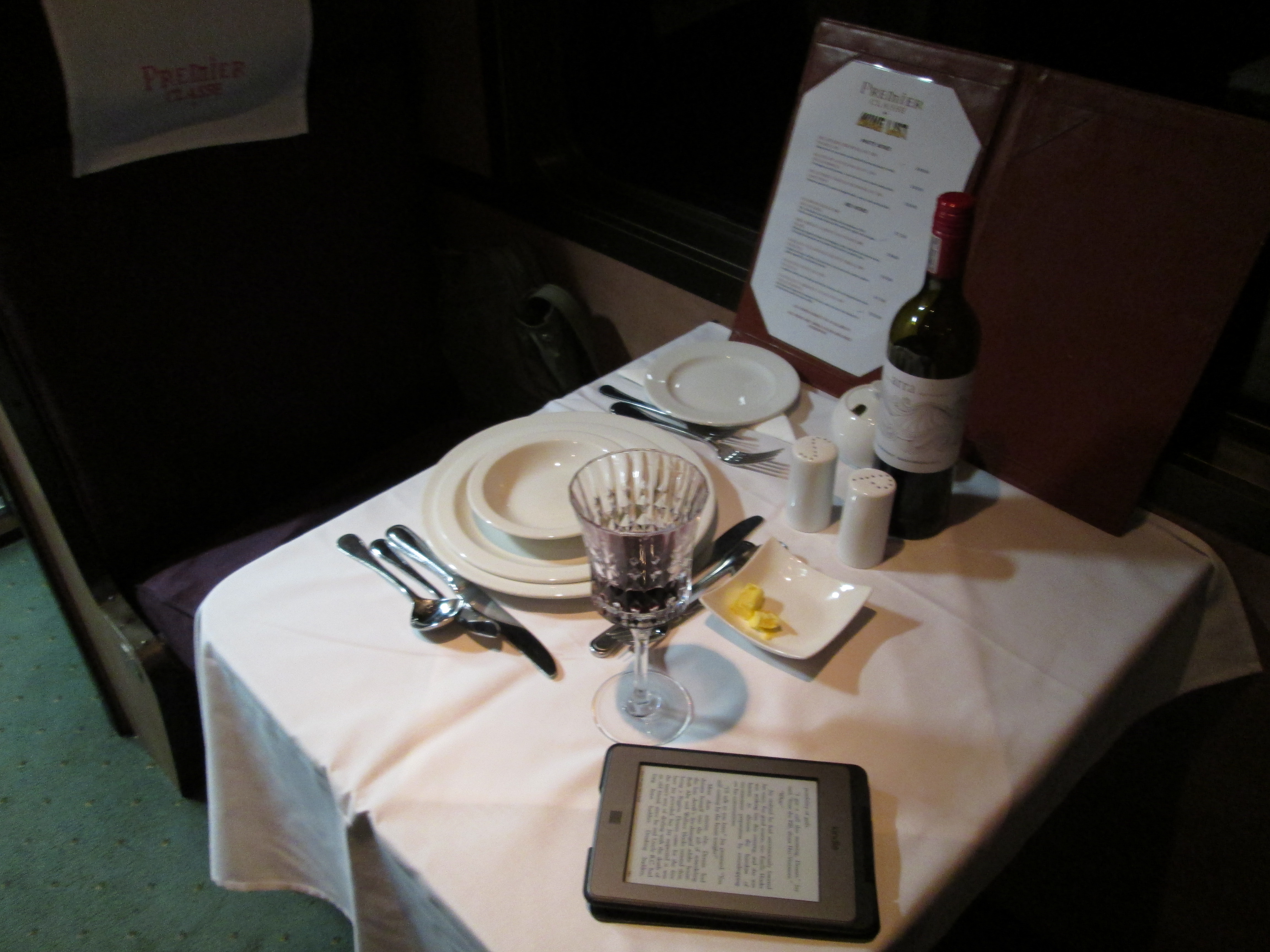
There was some kind of butternut soup, a fish course, a salad, roasted vegetables, steak and tira misu for dessert…which I usually don’t like, but this was delicious.  And then they came around with a cheese tray.  By the time I was finished, it was close to 10:00pm and I was ready for bed. When I got back to my compartment, it had all been made up into a lovely bed, with a comfy duvet and fluffy pillows.  You can see the little sink in the corner, with the night-table folded up.

IMG_0099


I washed up and hit the hay, the train rumbling through the night.  I had no trouble falling asleep, but I did have a funny moment when I woke in the middle of the night.  I wanted to go use the toilet and went to open the door; but it wouldn’t open!  It seemed like it was locked!  I jiggled the handle and pushed harder, but it was stuck tight!  Maybe they locked us in our compartments at night?  Maybe there was a call button or something!  How could I get out of this room?

Of course, when I woke up all the way, I realised that the door was meant to SLIDE open…as I had slid it closed to go to bed.

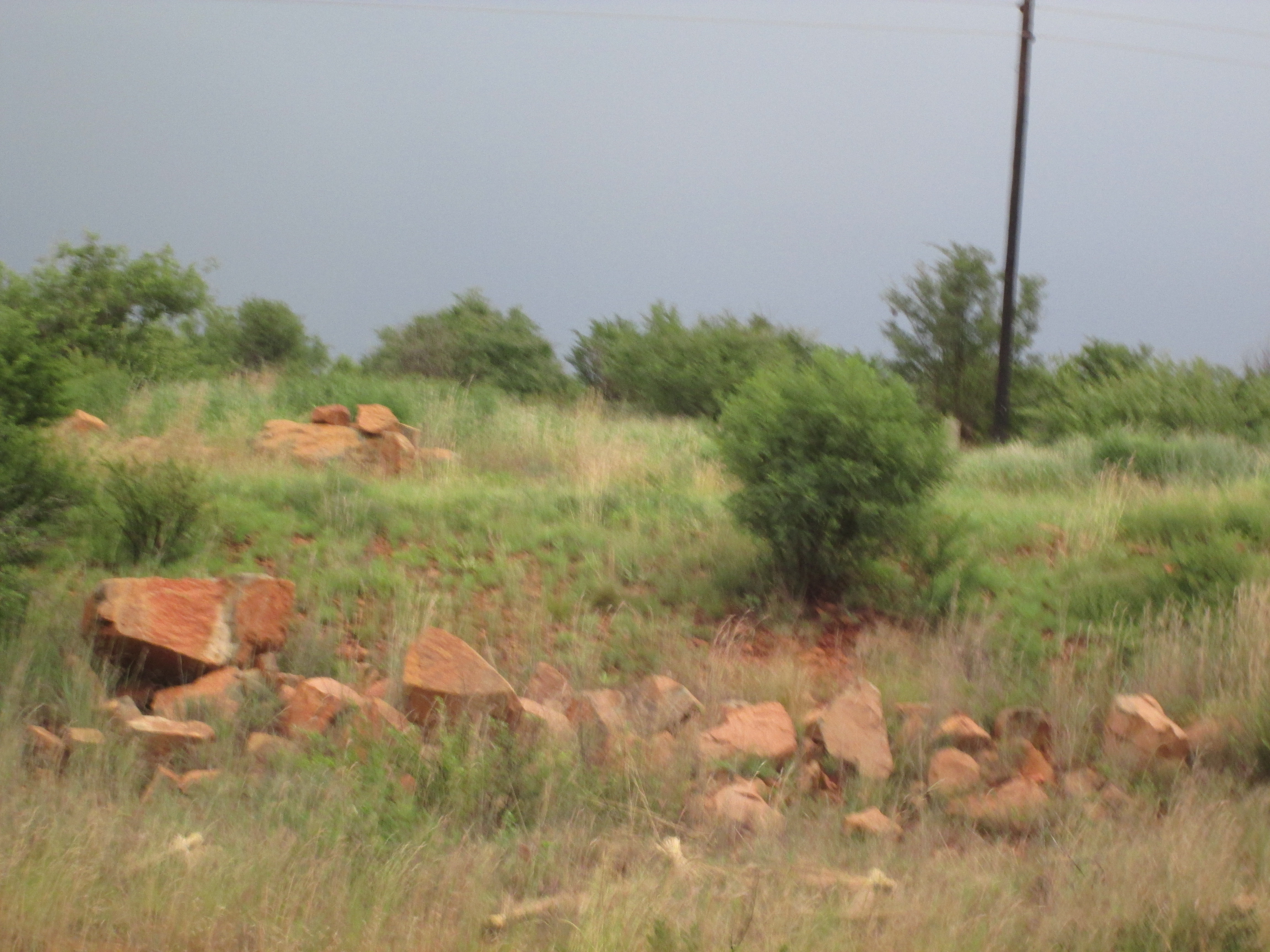
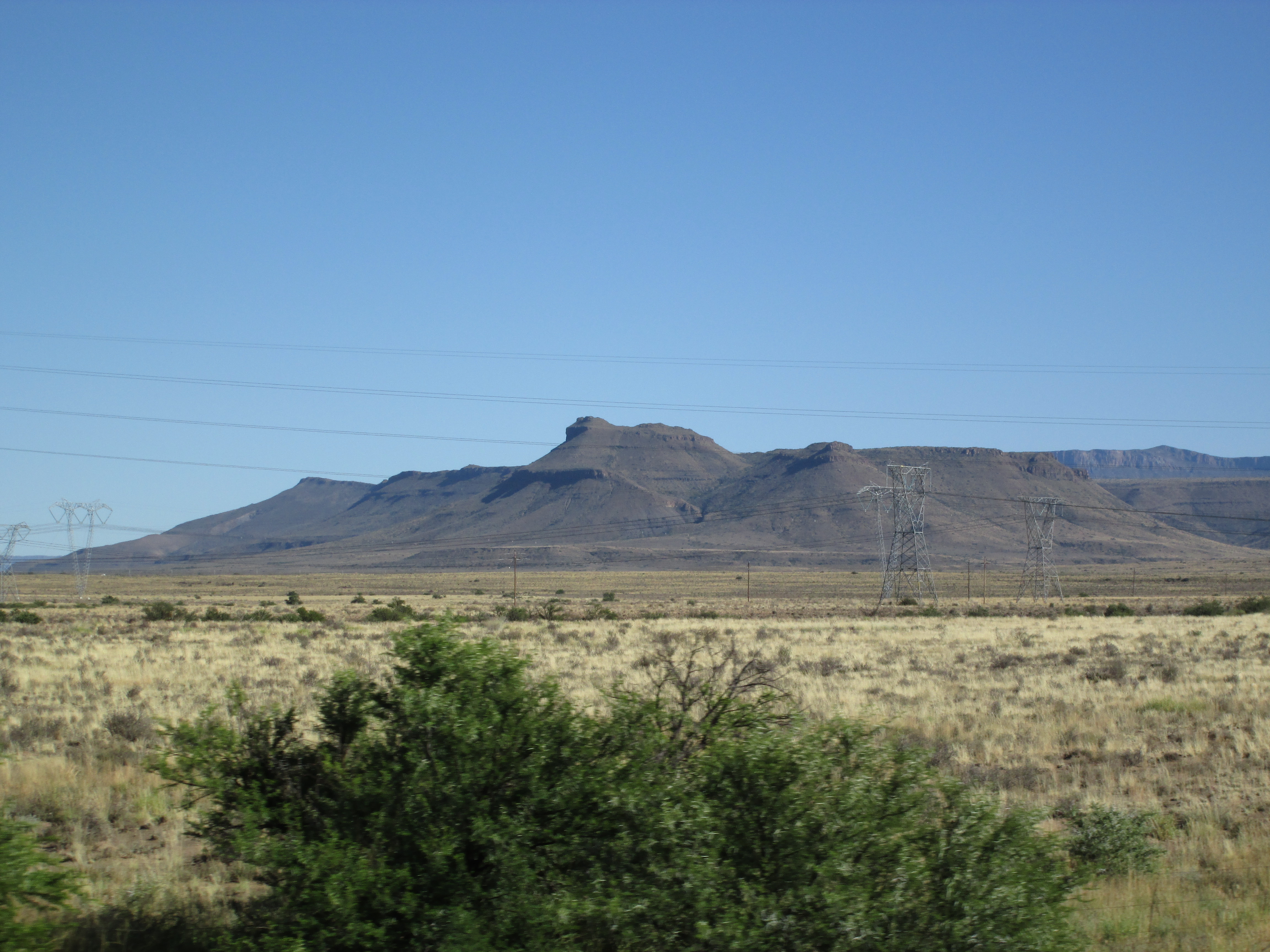
In the morning, the sun streamed through the window and the scenery had changed.  Now there were mountains in the distance.

IMG_0100 IMG_0102 IMG_0103 IMG_0104 IMG_0105 IMG_0106


I went to get coffee in the dining car and here experienced my only disappointment with the trip.

Instant coffee.  

Alas.  I made do with tea, and resolved to write the owner of the train and suggest that he serve bona-fide brew.  (I did write him and got a very nice response back!)

Breakfast was eggs, bacon, sausage, beans toast, juice and grilled tomatoes.  A proper “English breakfast” in other words.

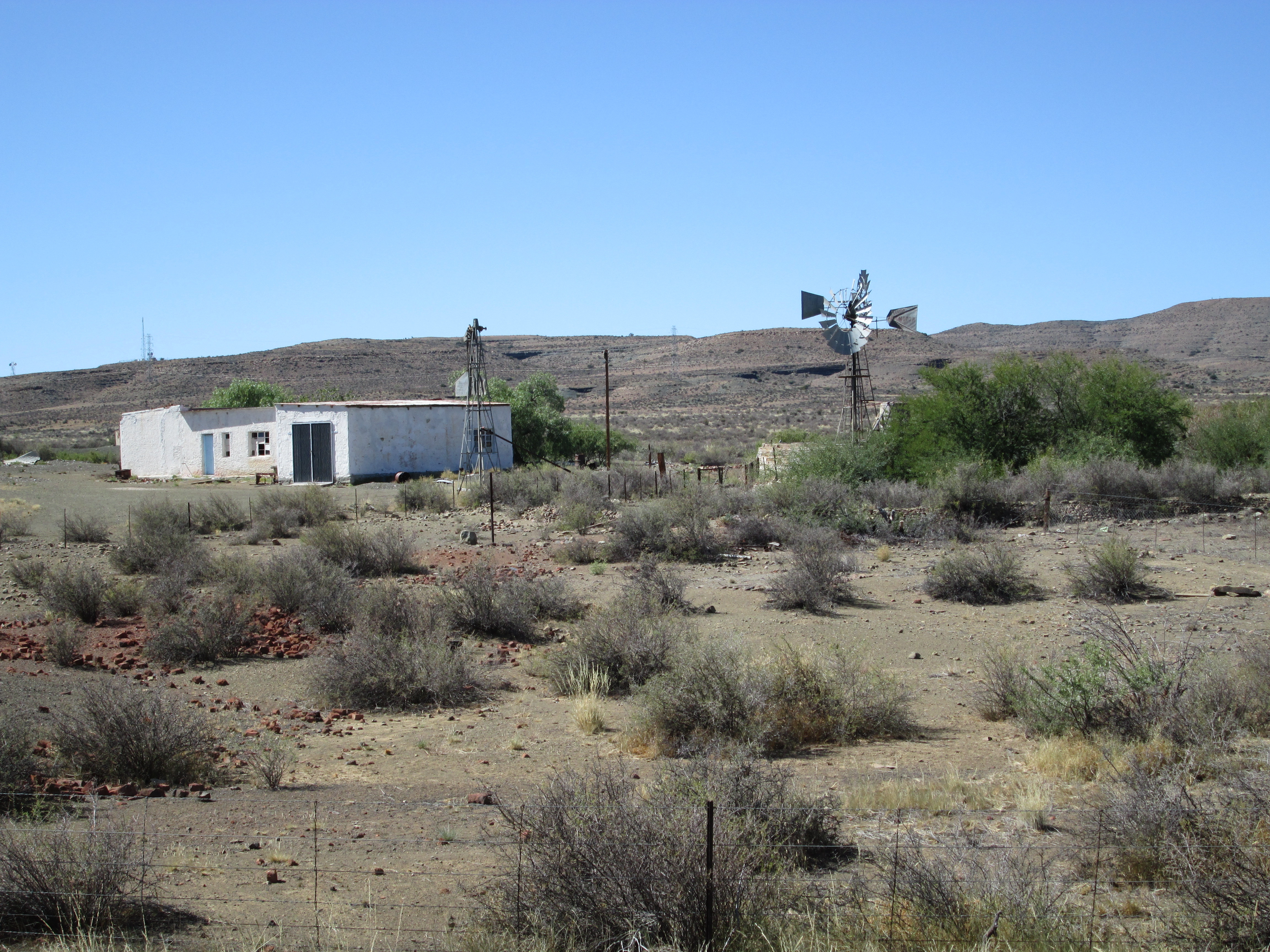
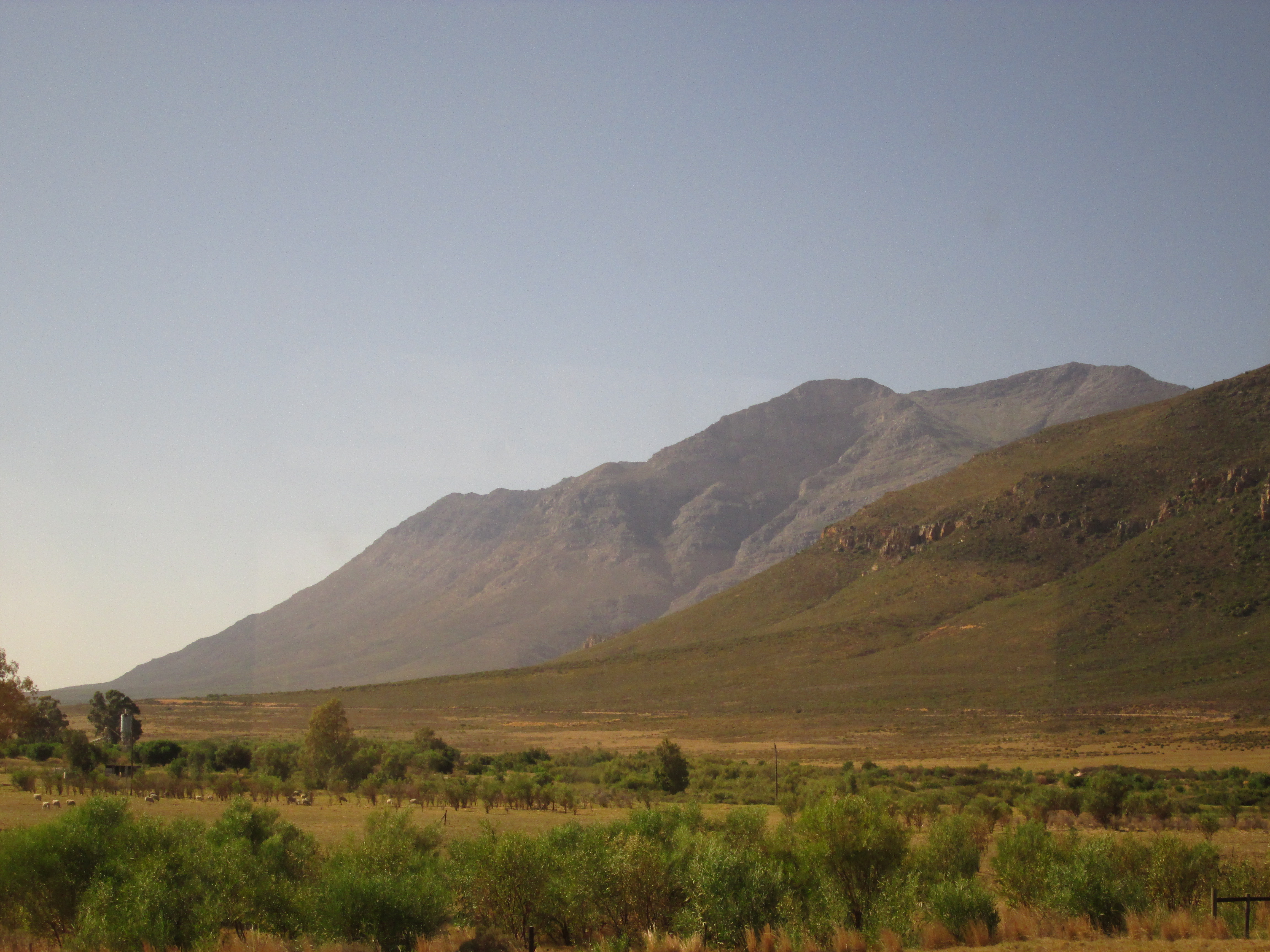
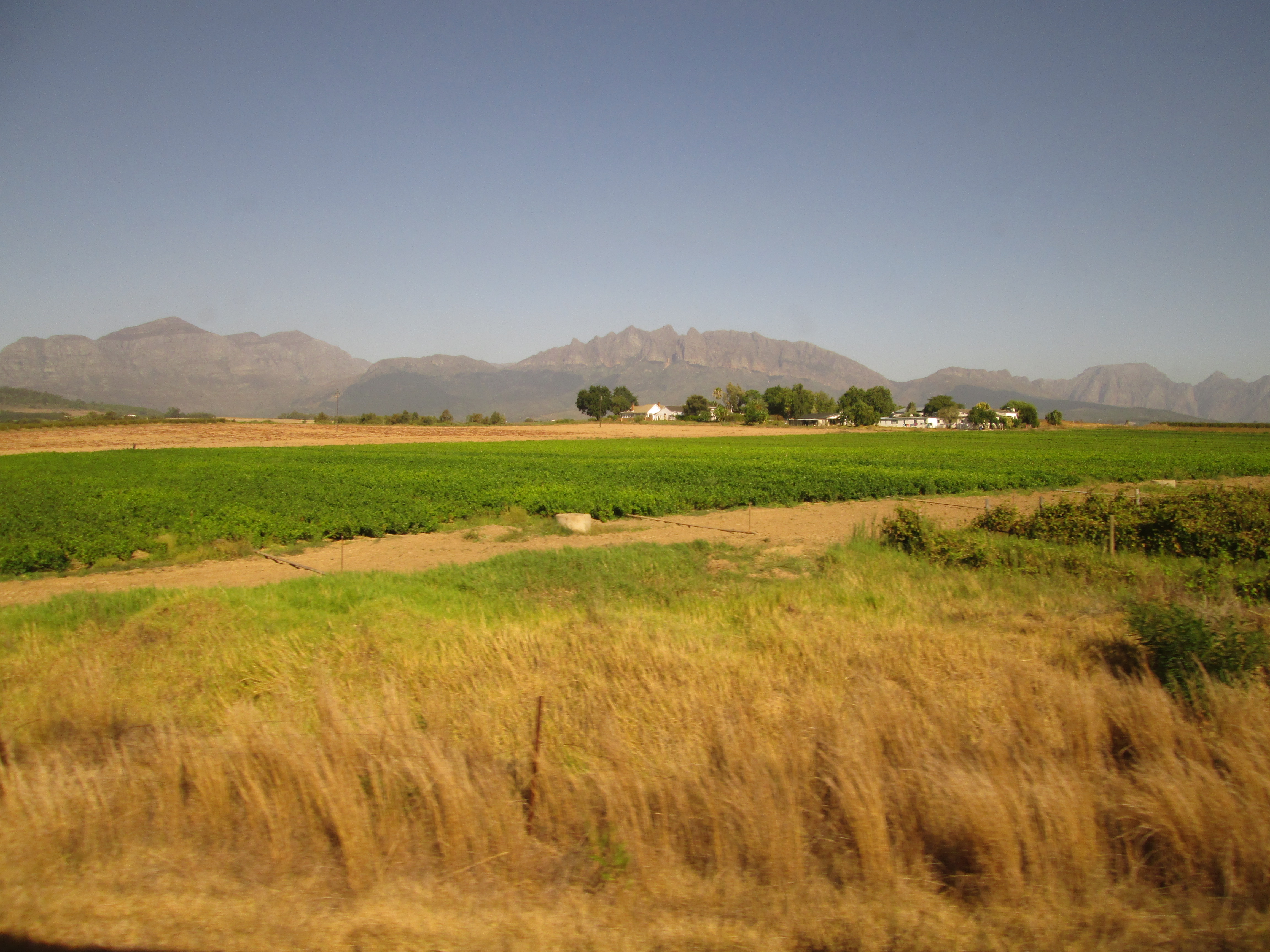
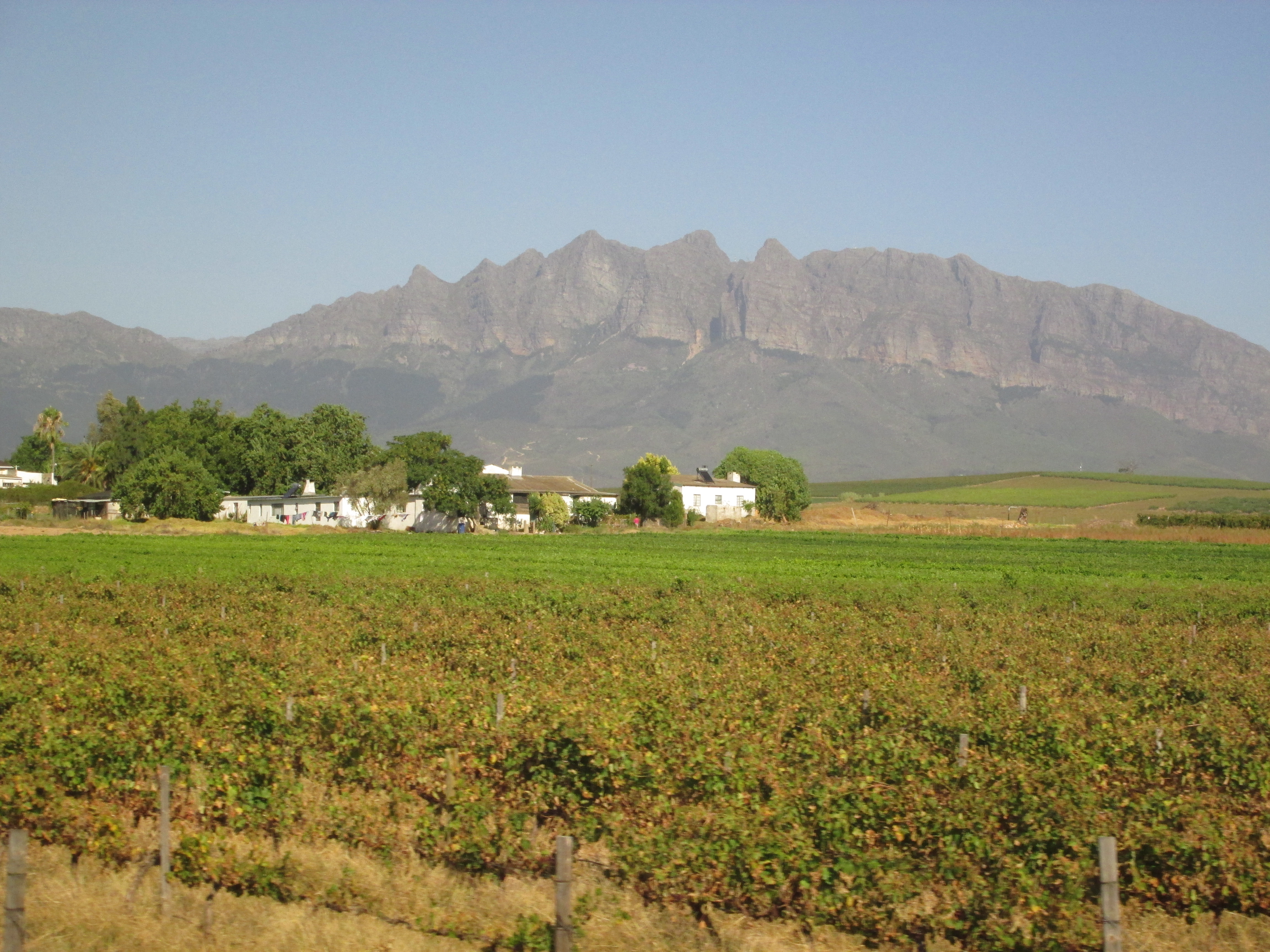
Now we began to see some of the vineyards of the area and smaller towns on the outskirts.

IMG_0107 IMG_0108 IMG_0110 IMG_0116 IMG_0117 IMG_0119SA-premier-vineyard2

At lunch, I was seated with another solo passenger, and we split a bottle of very nice white wine.  He was an older gentleman who had lived in South Africa all his life and it was very interesting to talk to him about the changes over the past 30 years.

Finally, we began to see the outskirts of Cape Town.  We passed several little buildings that looked like tiny forts – I was told that they had been built by the British, to protect their lands.

IMG_0126

IMG_0124IMG_0120

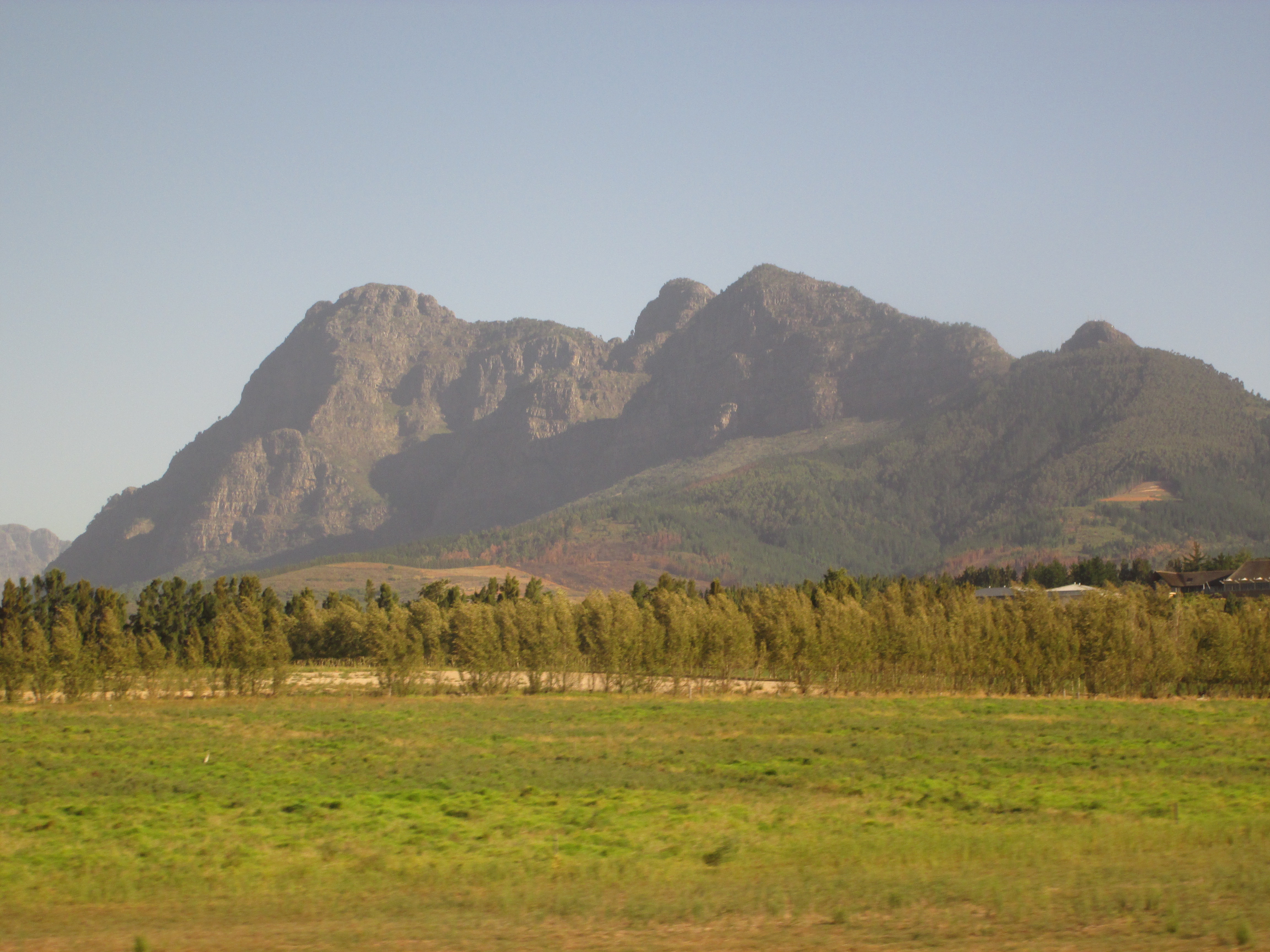
And then we could see Table Mountain and Lion’s Head – Cape Town’s famous mountains…all covered in clouds.

IMG_0121 IMG_0123 IMG_0129


It was wonderful hearing the train slow down and finally stop…after 27 hours.  The porters came and got our bags and brought them into the lounge area at the station.  One of the staff at the station called me a taxi and I was whisked to my B & B up on the side of “Signal Hill” t0 start my adventure in Cape Town.

IMG_0127


White-water rafting on the Mighty Zambezi.

Standard
White-water rafting on the Mighty Zambezi.

IMG_0540

The last day of my vacation was in Livingstone.  I had already seen the falls the day before and wanted to do something special on my last day.  My first choice was going to be an all-day safari in Chobe, Botswana…but at the last minute, that fell through.  The tour company suggested that for special price, I could do rafting in the morning and a river cruise in the evening.  So, I thought…why not?  I was a good swimmer, I liked the water and I had never been white-water rafting.  I would give it a go!

(Yes, I am aware that I am blogging out of order.  I did lots of interesting and exciting things on my vacation…and will get to them all in due time.  But this is fresh in my mind!  And a good story…)

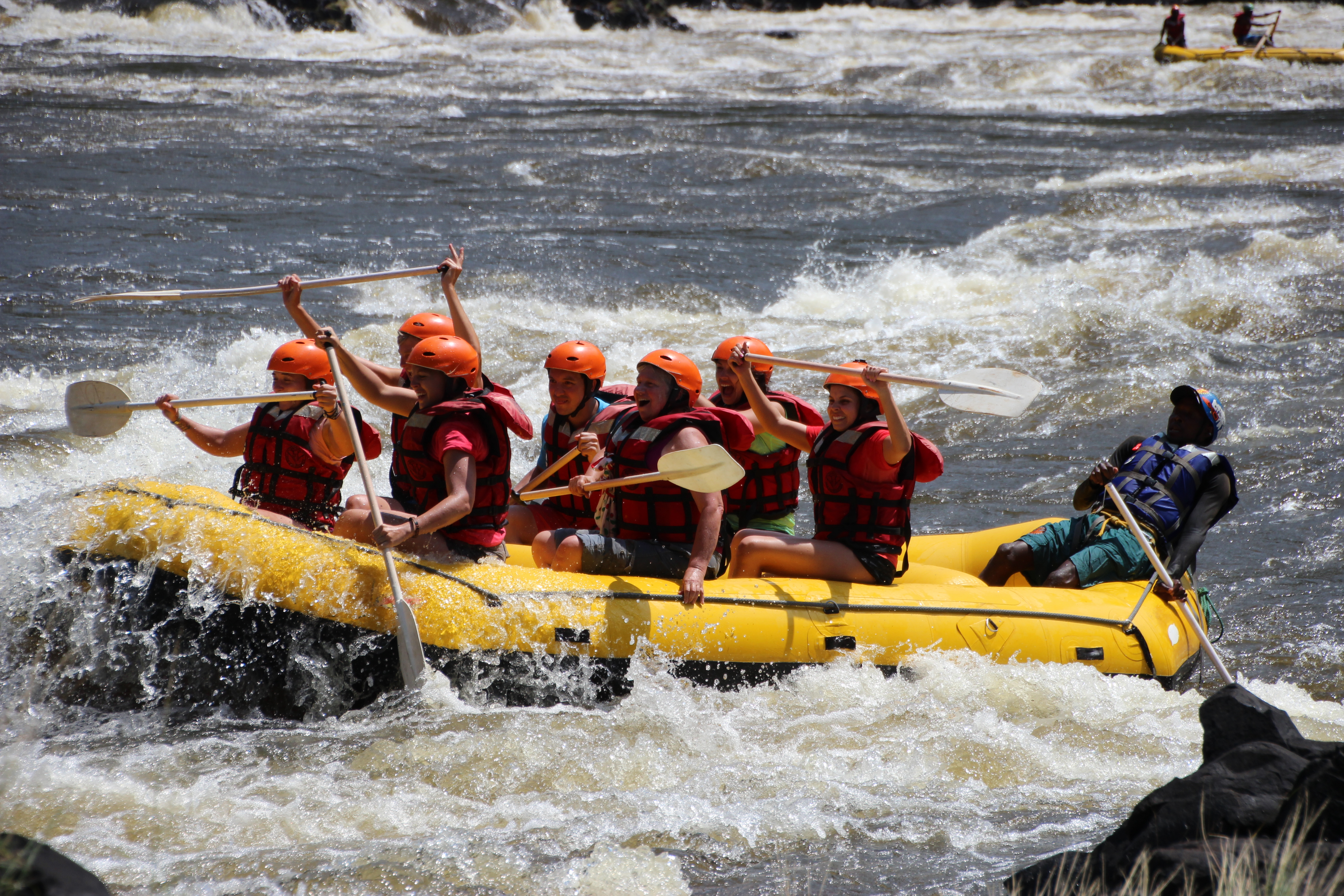
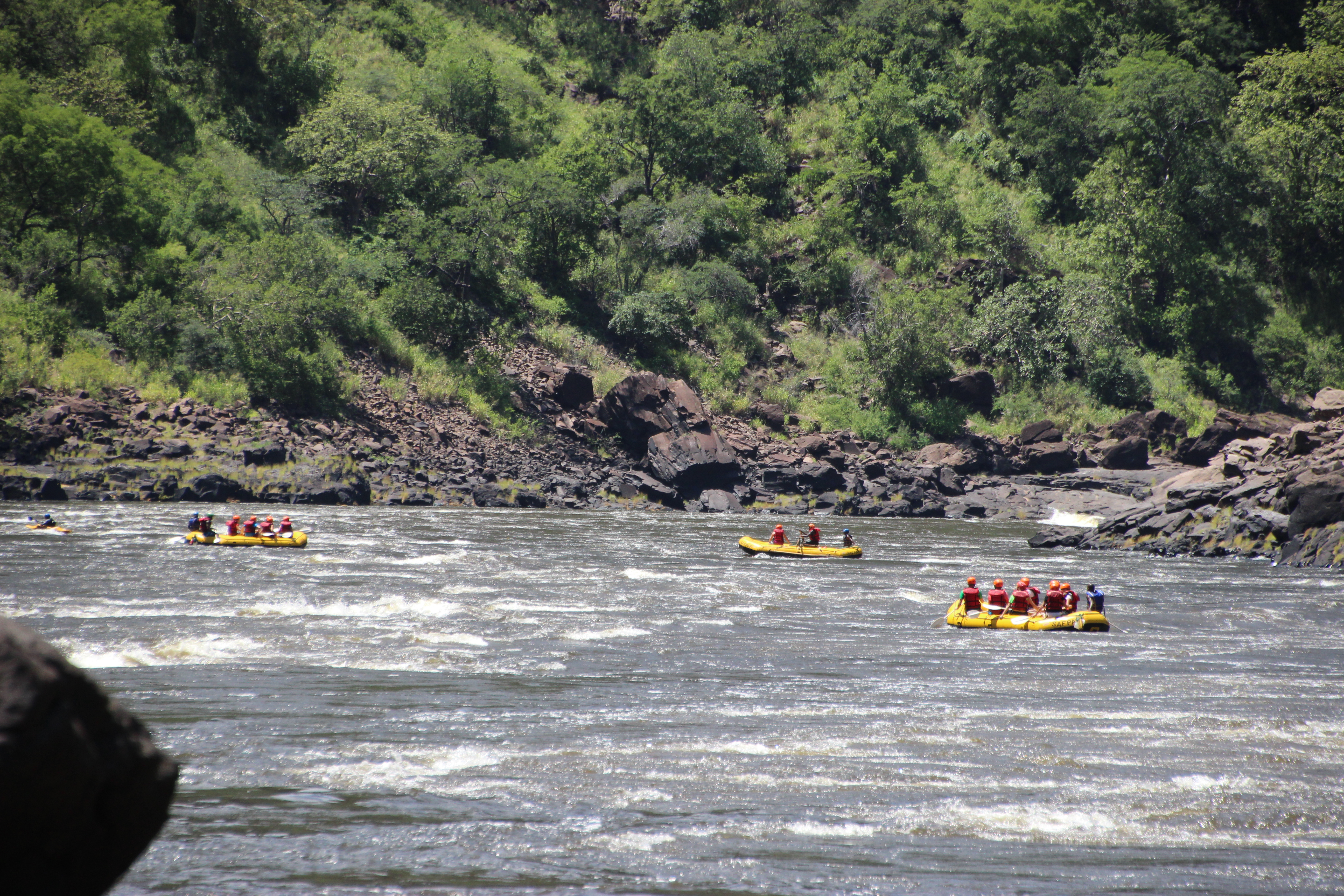
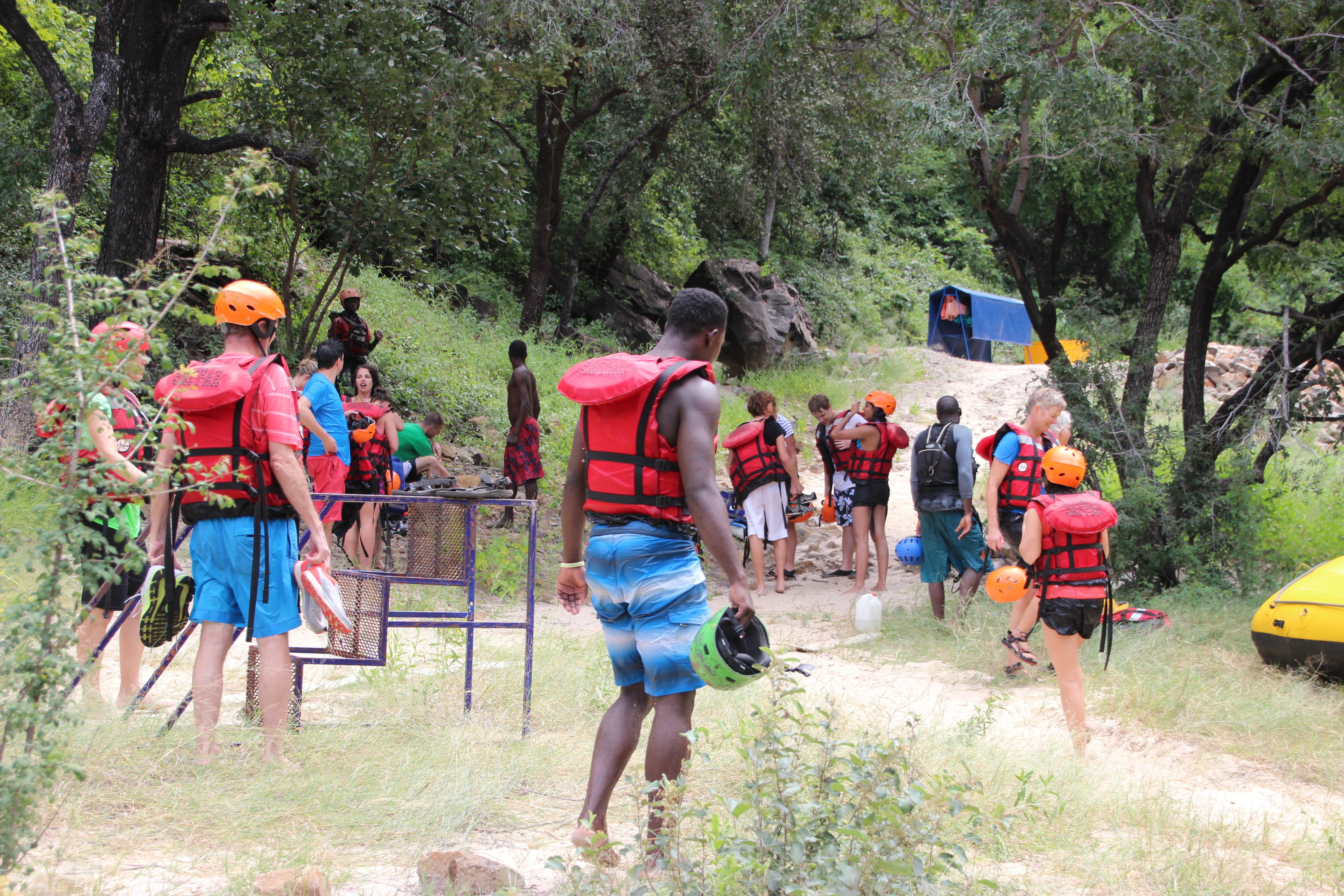
I was picked up at my hotel at 8:00am and taken to where the rafting “activity” started.  There were 14 of us in the group, some singles, some couples, a few small groups traveling together.  We were fitted for life-jackets and helmets and informed that because of the “high water” we would be starting at Rapids # 14 instead of #1.  The first 13 were just too high right now.  This also meant that instead of walking down a nicely graded flight of stairs, we would be walking down what amounted to a steep, rocky wash down the gorge.

I was wearing flip-flops.  But they were TEVA flip-flops and I had already paid.  (Note:  I had asked what I needed to wear/bring and was not told about any special foot-wear.  Very annoying, especially since I am a stickler for the right shoes!)

Anyway.  I made it down the gorge without falling, twisting my ankle or loosing my shoe.  I did most of it by holding onto the shoulder of one of the guides as we picked our way down.  I was not the only one who had trouble…and we were all sweating buckets by the time we finally got to the put-in.  We could see the rafts all inflated – each raft holds 8 people; plus there was a “safety boat” and two little tiny kayaks (“trick kayaks” they called them) that would accompany us.  In addition, they had guys taking pictures and videos all along the way.  We were given some instructions about what to do if the boat capsized and told not to panic if it happened.

Ha.

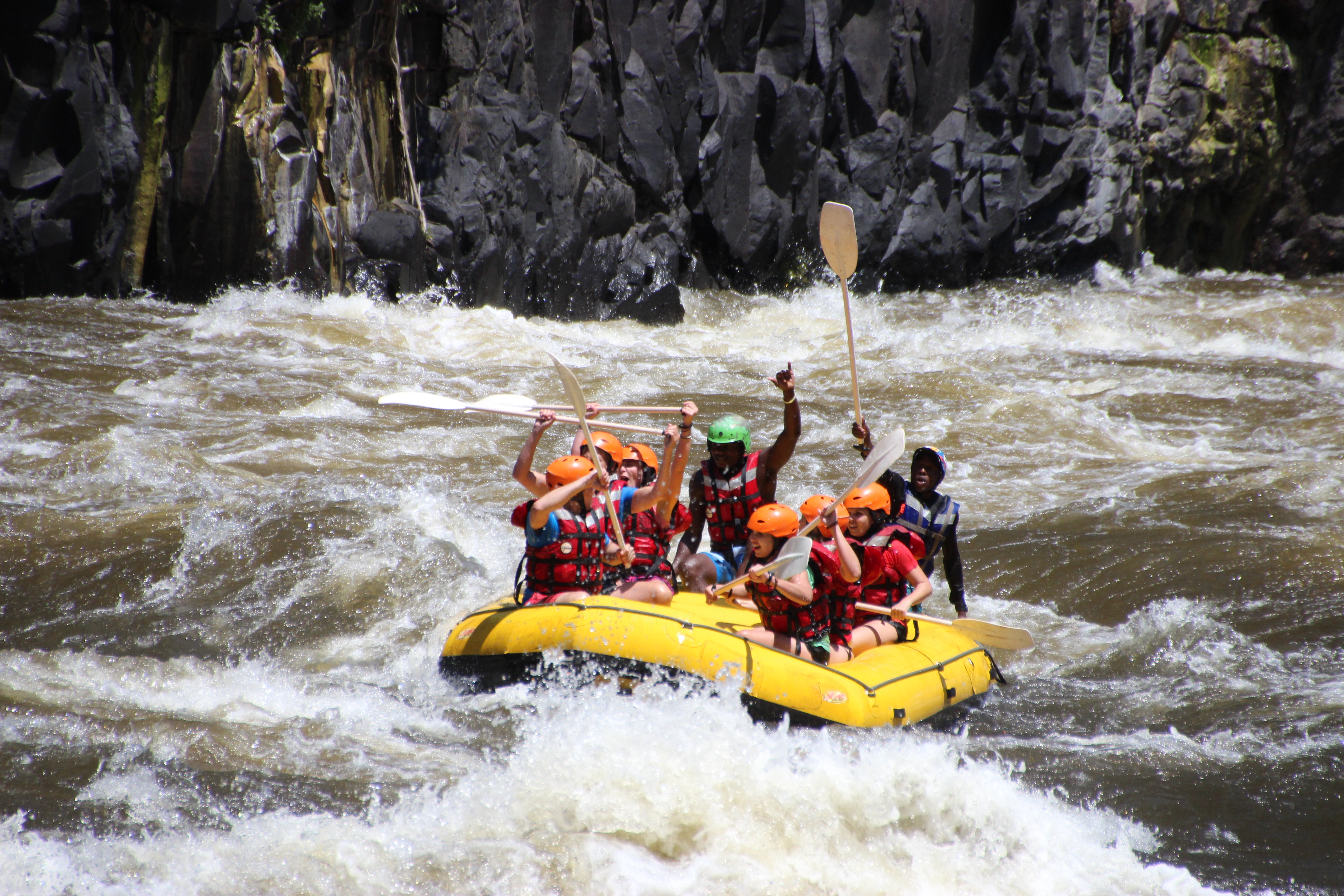
We loaded into our boats and got some instructions on how to paddle.  Basically, forward or back…and sometimes one side would do one and the other side the other.  Also – HARD! That meant paddle faster.  And finally “GET DOWN!”  That meant put your paddle sideways, sit at the bottom of the boat and hang on to the rope.  Our “captain” was named Melvin.  So we were “Team Melvin.”  Go, team.

IMG_0530

We all were nervous, but smiling as we departed.

IMG_0541 IMG_0542 IMG_0545

We paddled as instructed and soon hit the first real rapids.  We shouted and screamed and paddled and “got down” and got through it without incident.  This was fun!

IMG_0547 IMG_0596 IMG_0601 IMG_0603

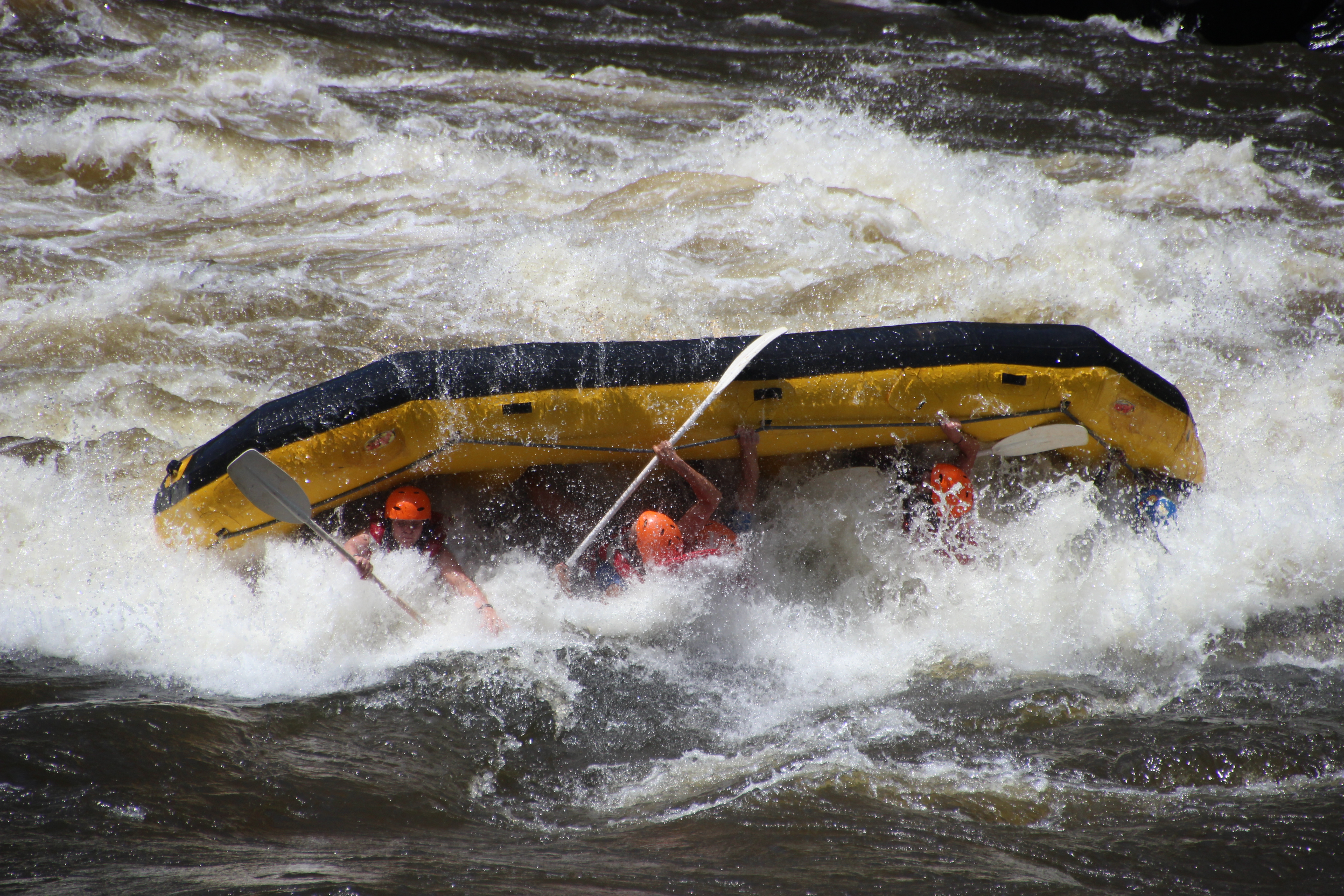
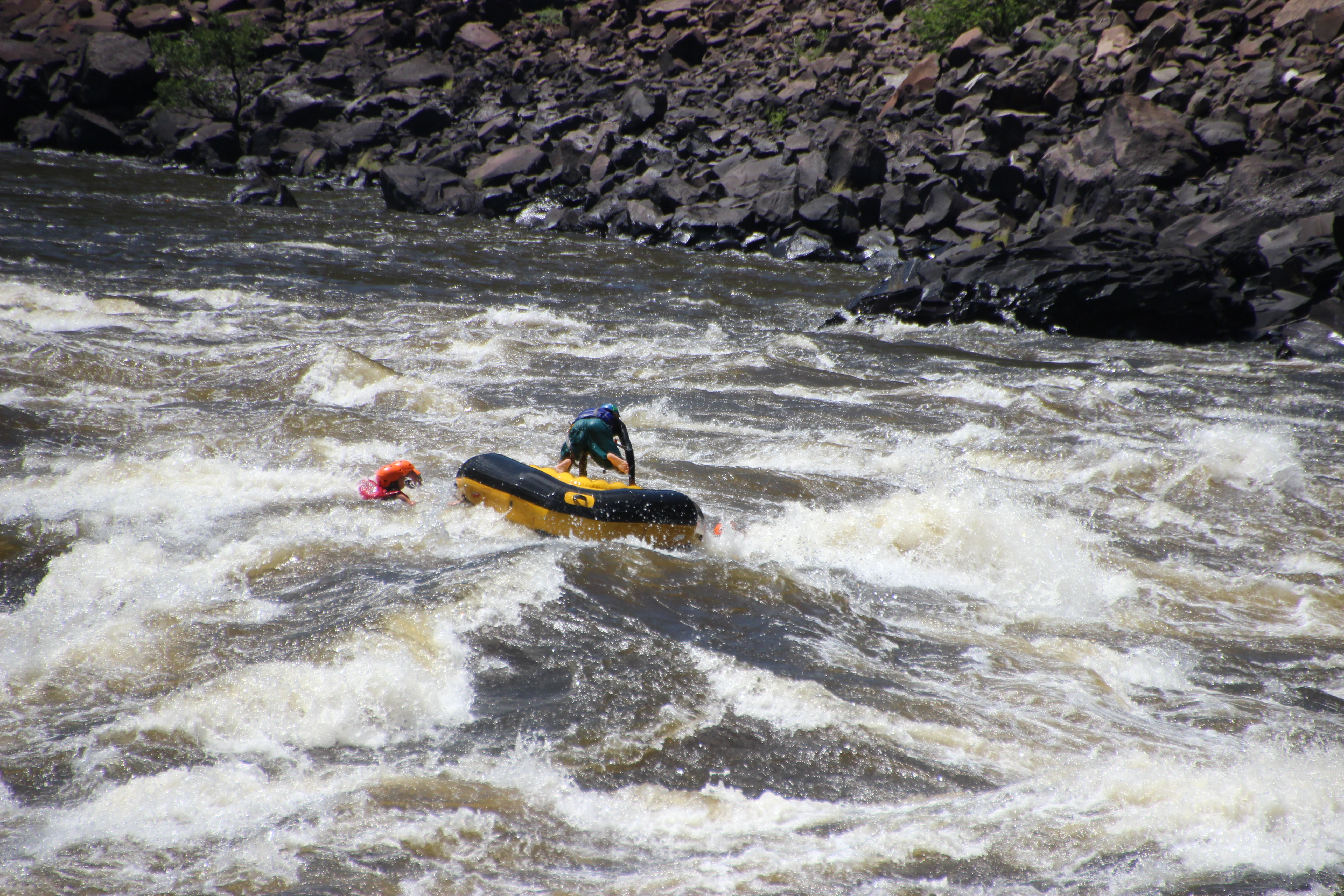
A few more rapids and we all felt like we were getting the hang of it.  But then…we came to “The Terminator.”  And…well…

IMG_0548 IMG_0605 IMG_0606

IMG_0607 IMG_0608 IMG_0609

IMG_0610 IMG_0611

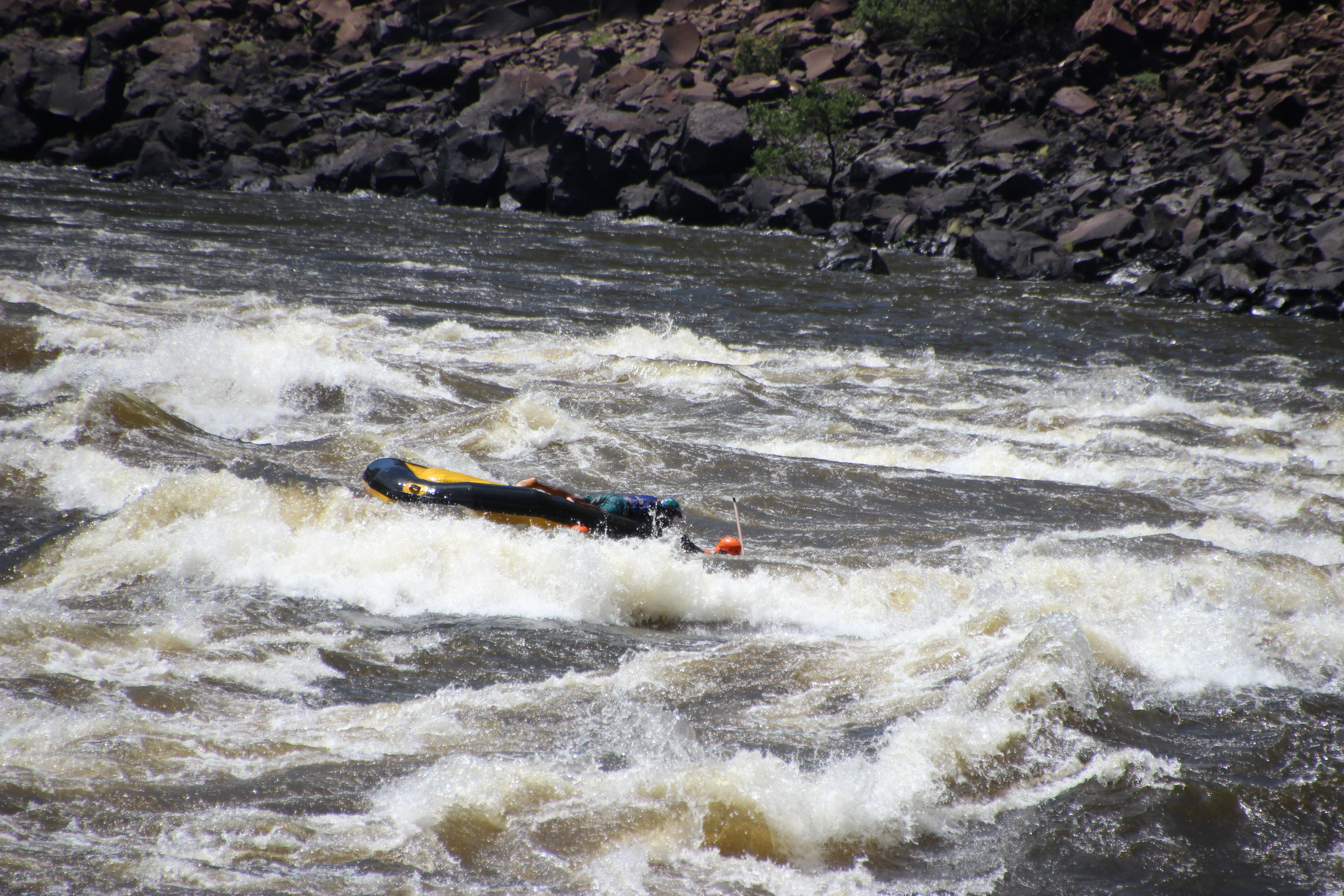
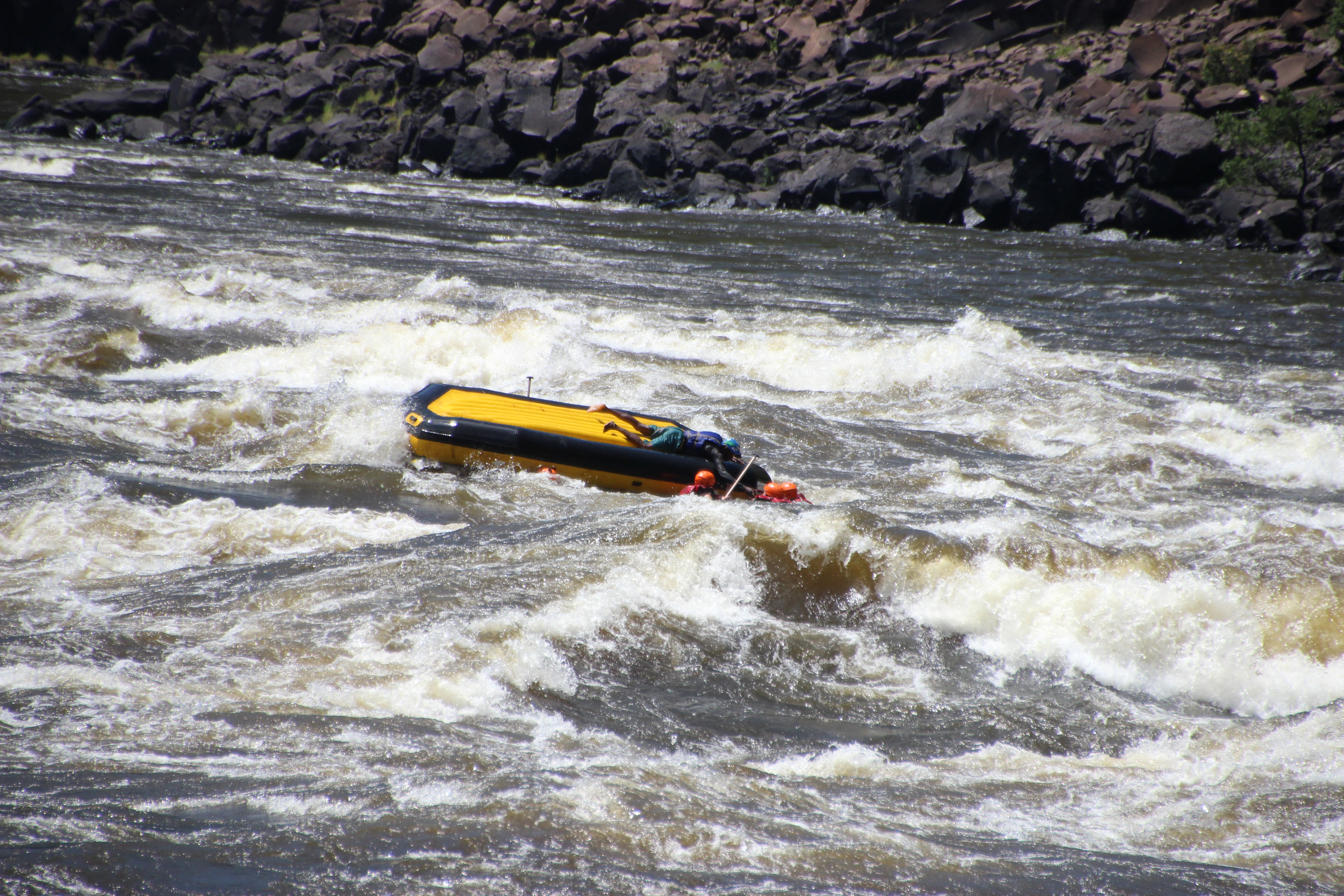
It was absolutely terrifying.  I completely forgot all the stuff about not panicking, and panicked.  I knew the life jacket would hold me up, but my helmet strap felt like it was choking me and the water was swirling around me like a washing machine.  I could hear myself calling for help…and I wasn’t the only one.  Of course, that meant I swallowed water, choked more and panicked more.  I could hear Melvin telling us to grab the ropes on the side of the boat, but I couldn’t get a hold.  Finally, I grabbed onto something…and Melvin pulled me up onto the bottom of the capsized boat, telling me not to panic, it was okay.  In the last picture, you can see him reaching over the side to pull me up.

IMG_0613 IMG_0614 IMG_0618 IMG_0619 IMG_0620

The water was still swirling and we still had to right the boat.  I had to get back in the water again and we all had to pull from one side to flip the boat back over.  And we did it!  Only…now I was under the boat.  This time, I did keep my head and managed to swim under and out…but the boat was being swept away from me.  Some people had managed to get back in and some people were still floating around in the rapids.  I was pushed along towards the other boat (which had also capsized) and someone stuck a paddle at me – I grabbed it and got pulled into the boat.  By this time, I was really shaken up and my head was pounding (I think a stray paddle had hit my helmet.)  I knew I wasn’t really hurt…but I was shaking so hard I couldn’t find my balance.

Oh, and my pants were falling off.

Everyone was getting organized back into their boats and I got into mine – but I was obviously not 100%.  People were very kind and a bit concerned and I heard Melvin ask, “Do you want to go in the safety boat?”  At first I thought I would stick it out, but he asked a second time and  I heard my little inner voice say, “Don’t be an idiot.”  (Later a couple of people told me I was white as a sheet.) So my boat took off with one less passenger…

IMG_0621

And I went in the safety boat.

IMG_0670

The safety boat was a raft with a wooden seat strapped into it and a huge, strapping Zambian (named Roger!) to stabilize it with two gigantic wooden oars.  At first I was still so shaken that all I wanted to do was sit in the back…but after a little while, Roger gently encouraged me to sit up front and enjoy the ride.  So I did.  The scenery was absolutely breathtaking…the Zambezi is the border between Zambia and Zimbabwe.  The gorge is deep with stunning cliffs on either side.

IMG_0664

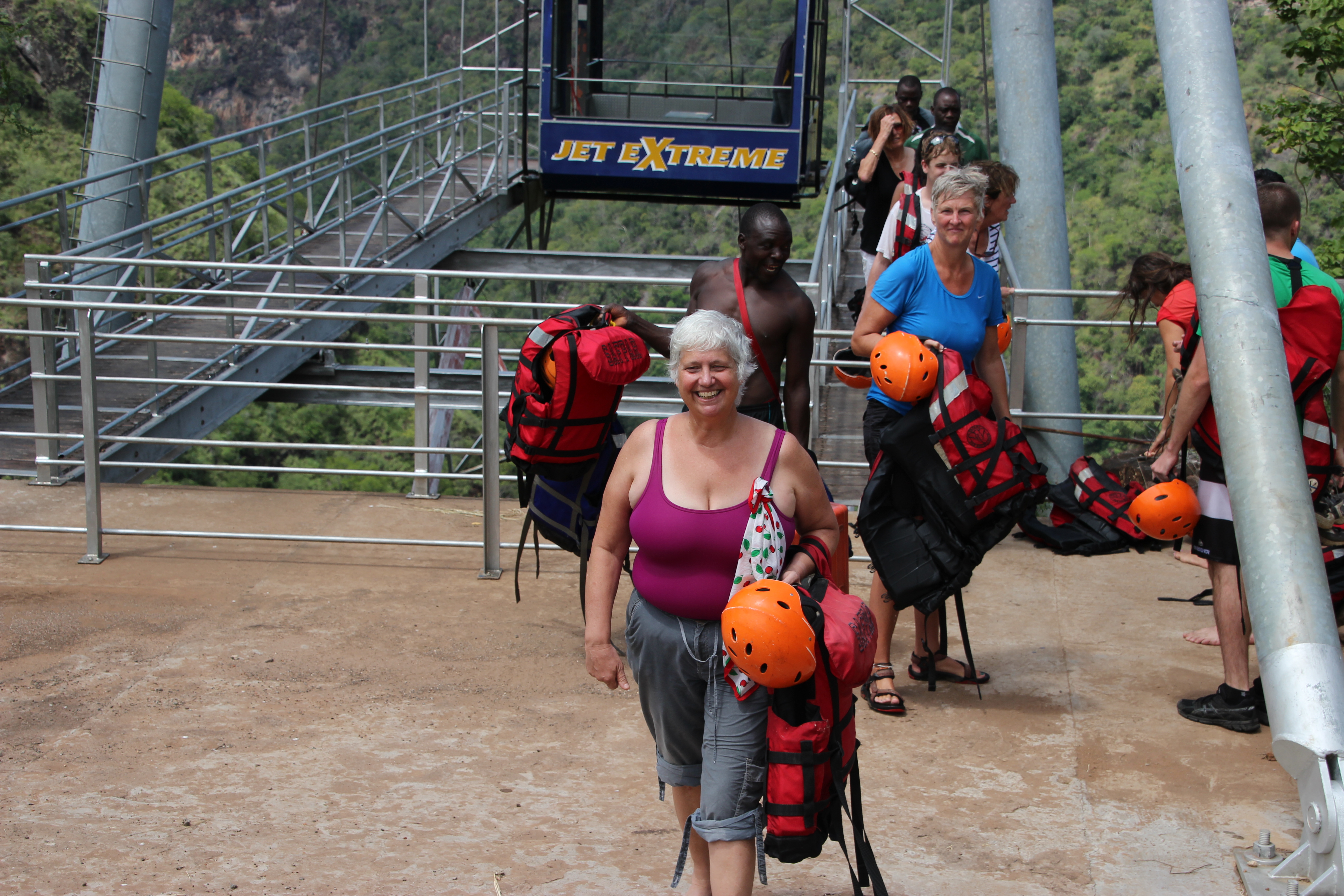
There were a couple more fancy rapids which made me glad I had opted for the “safety boat” but none of the boats capsized again.  When we finally made it to the docking point, everyone cheered.  We divested ourselves of our helmets and life-jackets and headed for the cable car which took us to the top of the gorge again.

IMG_0661 IMG_0717IMG_0718

And you know what?  I think I’d do it again.  And try not to panic if the boat capsized…at least, not as much.

IMG_0720


A weekend in Choma

Standard
A weekend in Choma

Choma is a small, friendly town located about 4 hours south of Lusaka, on the main bus line to Livingstone.  I thought it would make a fun weekend excursion and I was not disappointed.   This is still the rainy season and most places are under-occupied and have special rates for residents.  I did a bit of googling and discovered the Masuku Lodge, about 20 km off the main road.  It is located inside the Nkanga River Conservation Areas and is one of the area’s top places for bird-watching.  Over 400 species of bird have been sighted here, including Chaplin’s barbet, Zambia’s only endemic bird.

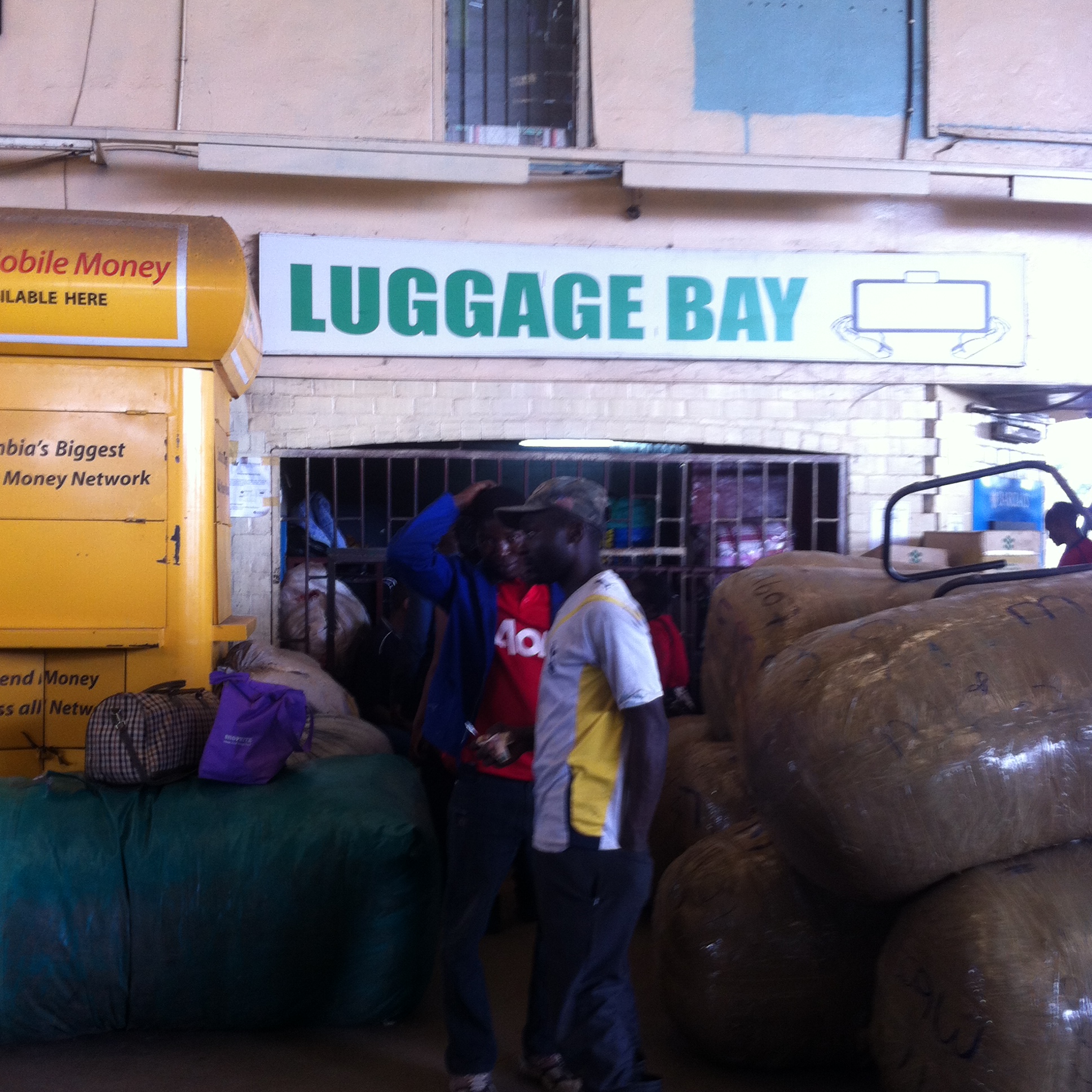
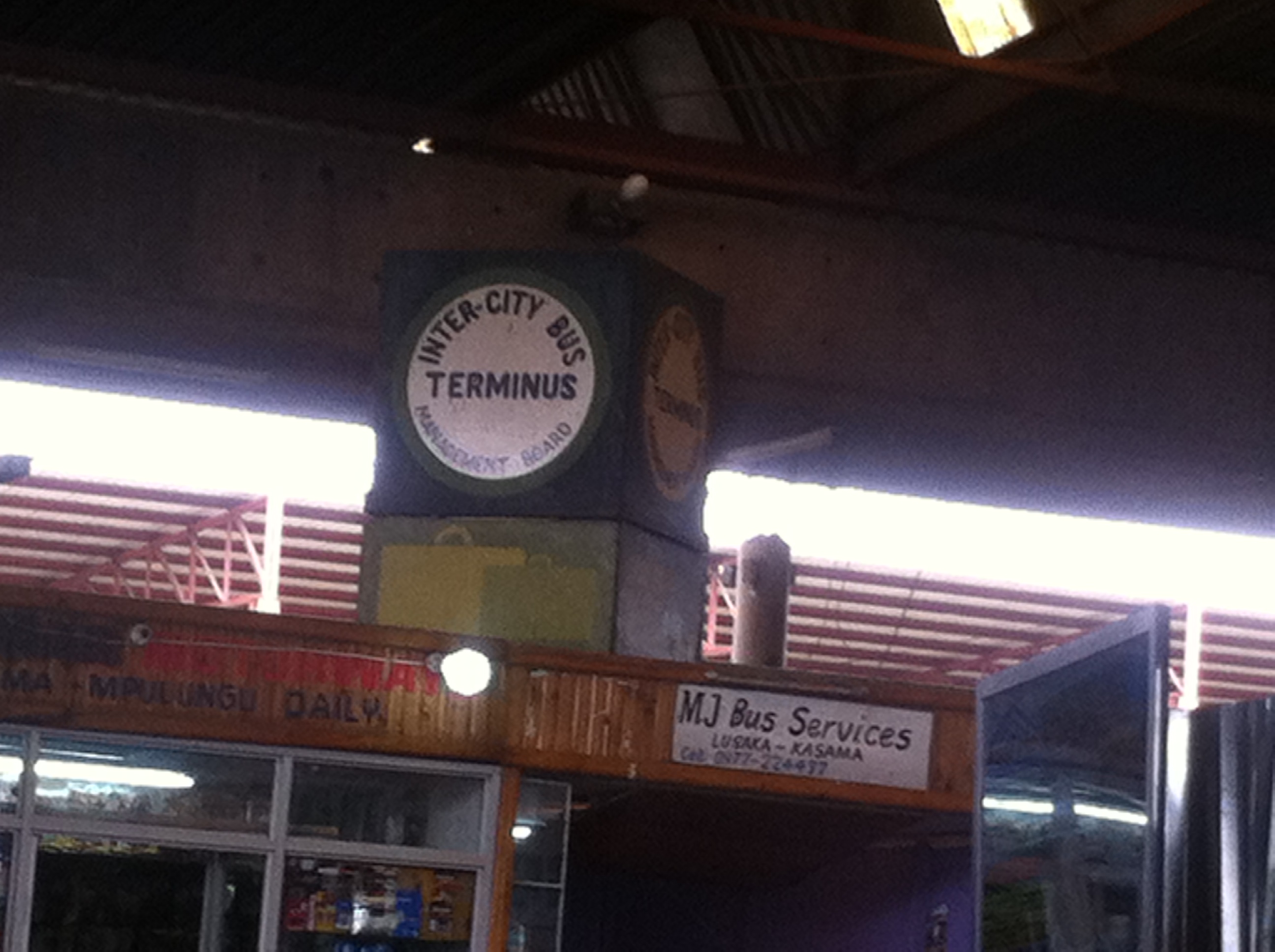
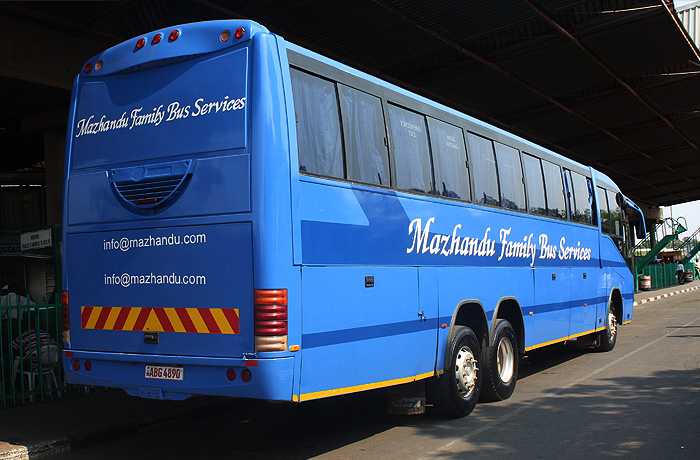
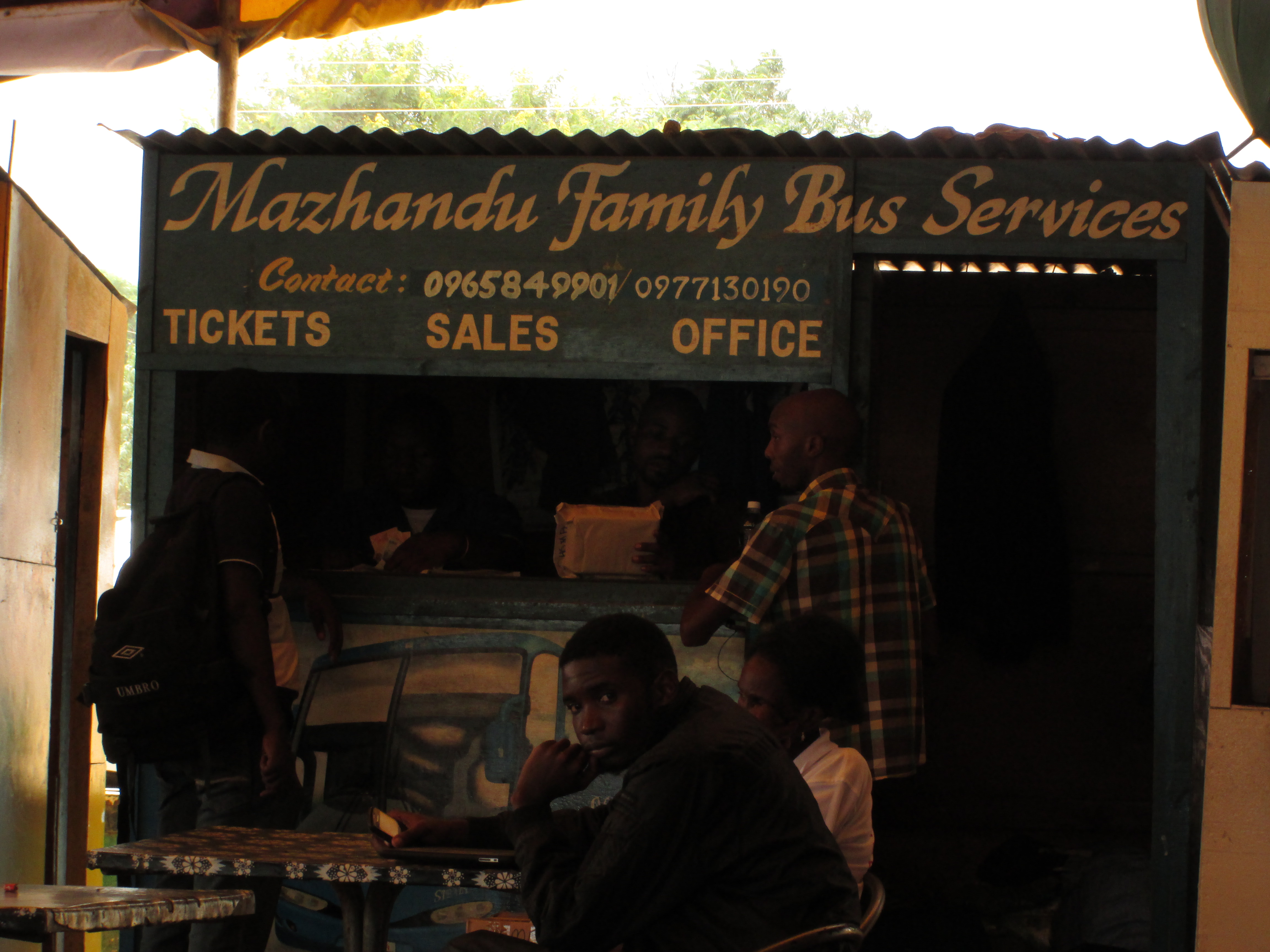
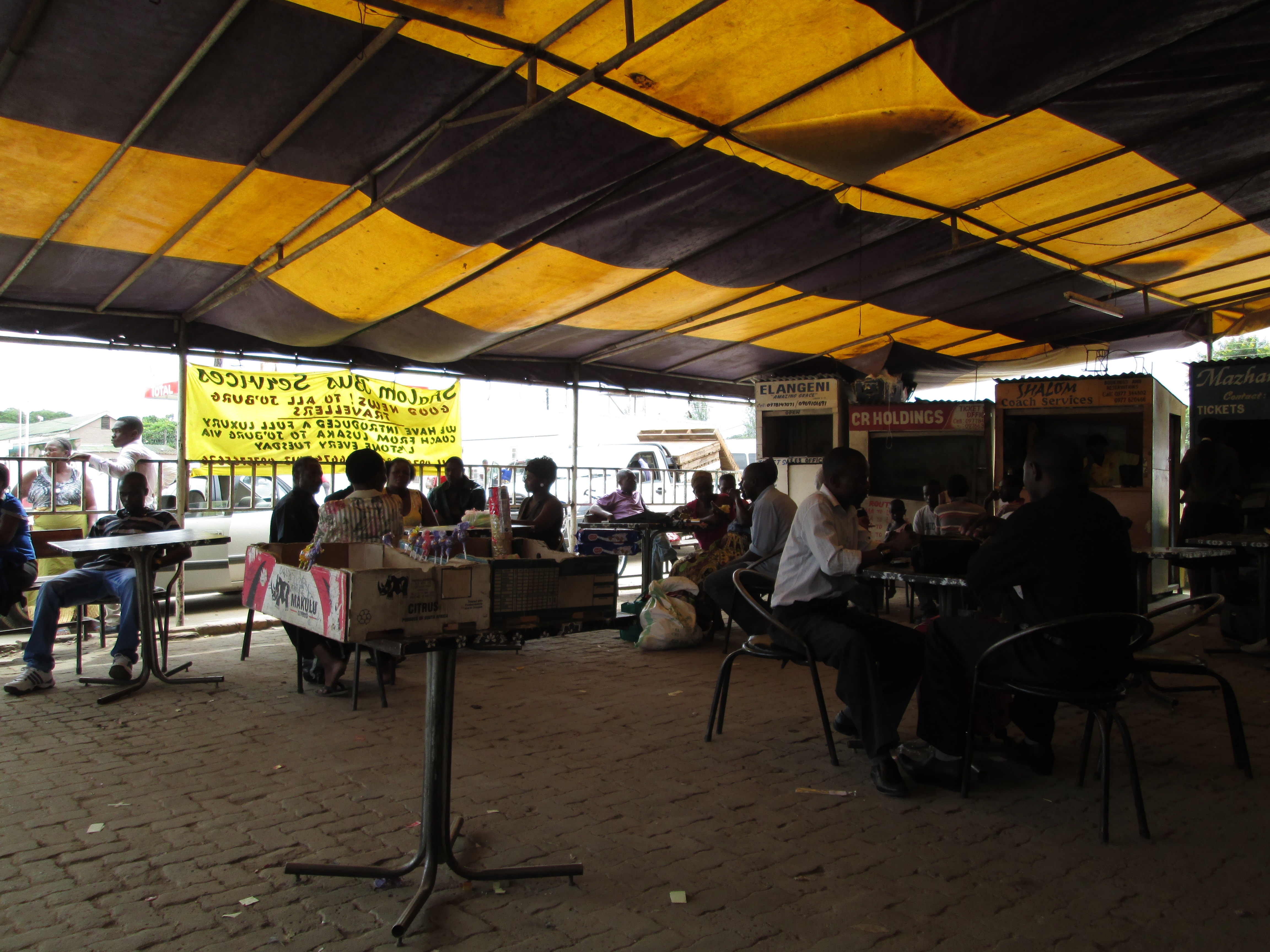
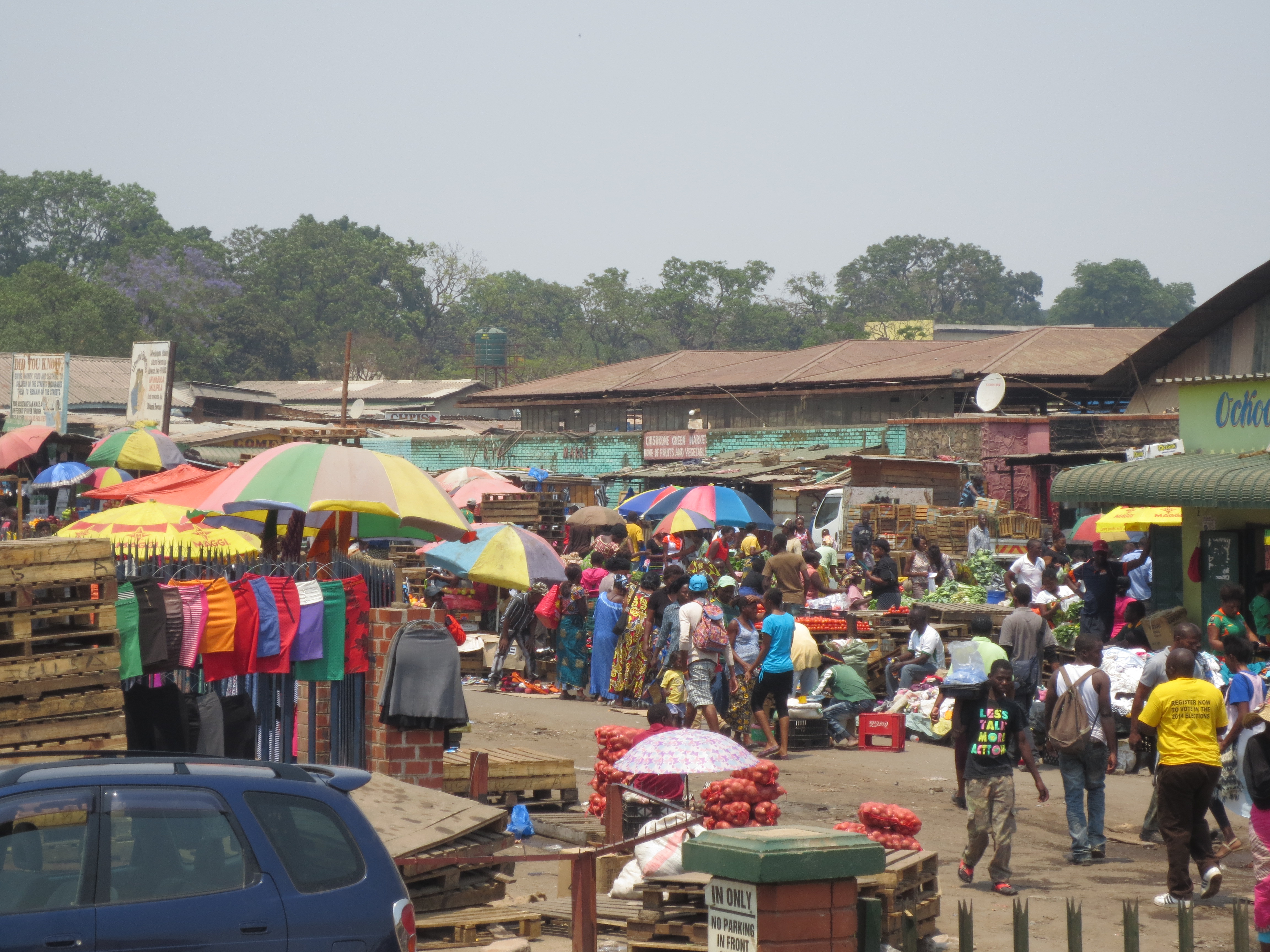
I got to Lusaka’s main bus station in plenty of time to get my ticket.  Unlike the first time, when I was there as a new traveler in Zambia, I had a better idea of what to expect and felt more comfortable looking around.  There is a central, covered area which functions as a market.  The various bus lines have their ticket booths around the edges.  Buying a bus ticket can be an adventure in and of itself.  On some of the bigger bus lines (like Mazhandu, the one I used) you can call ahead one day before to reserve a ticket.  But on most of the buses, you need to show up in person on the day.   (Buying a ticket online is unheard of here.  Most people who take the bus don’t have regular access to a computer.)

2014-02-28 13.02.48 2014-02-28 13.03.06 2014-02-28 13.02.20 2014-02-28 13.02.11

What is curious is how ticket sales are handled.  As I walked around the market, representatives from the different bus lines would approach me.  (Note that “madam” is pronounced here with the accent on the second syllable.  “meh-DAM.”)”Madam!  Madam!  You would like a ticket to Kpari Mposhi?”  “Madam, where are you going?  We have bus to Livingstone!”   “Madam, you would like to go to Ndola today?  Very nice bus!”

It was as if they assumed that I had packed my bag and gone to the bus station on a whim with no plan and no idea of where I wanted to go!  The place was bustling with chaotic activity.  In addition to the market stalls, there were folks walking around holding merchandise for sale – watches, stockings, hats, clothespins, snacks, radios…almost anything you could think of.  Some were more aggressive than others – I watched as the clothespin seller shoved his wares literally under the nose of several seated women who were dozing off as they waited for their bus.  Most simply shook their heads at him, but one woman glared at him until he backed away.

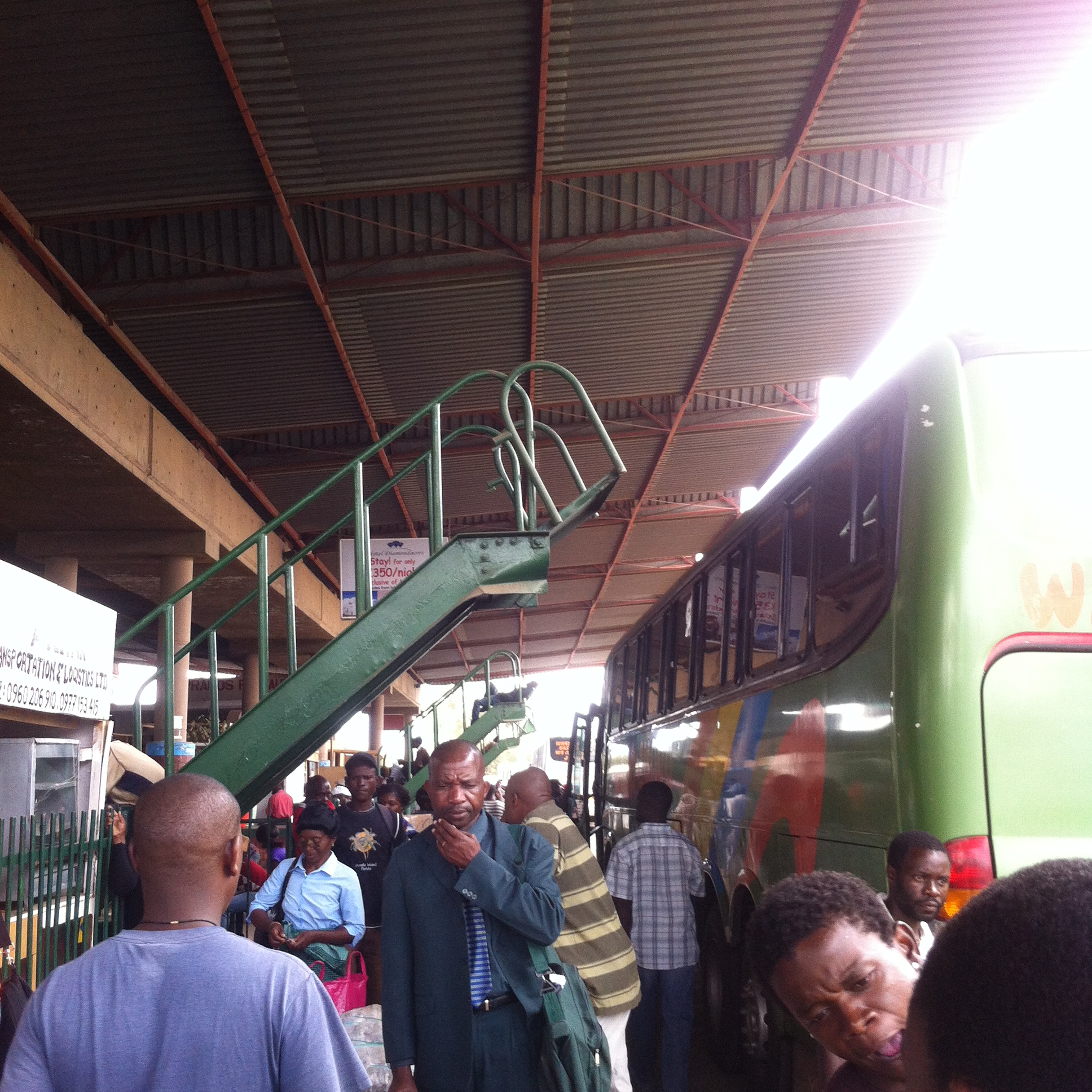
(This picture shows the stairs used to attached over-size luggage to the top of a bus…not all have compartments underneath!)
2014-02-28 13.07.54

Finally, our bus arrived, everyone found their (assigned) seat and we drove off.  There was the inevitable gospel music playing and this time we had a real live preacher on board, who read scripture and walked up and down the aisle talking and praying for the first 30 minutes of the journey.  I was very glad for my Bose noise-canceling headphones!

mazhandu-family-bus-services-coach-4

The bus ride took about 5 hours, with a couple of stops and a bathroom/food break.  When I alighted in Choma, Dorie from Mazuku Lodge was waiting for me.  She was a small, bubbly woman with great stories to tell, having lived in Zambia her entire life.  We drove down a well-graded dirt road, and then a less-well-graded one and then one that looked almost like a foot path.  We passed through several gates and then suddenly, there was the lodge, warm and bright against the night-time rain.  Dorie’s partner Rory came out to meet us with an umbrella and handed me a glass of wine as we entered the living room.  I felt very welcomed.

IMG_0004 IMG_0005 IMG_0002

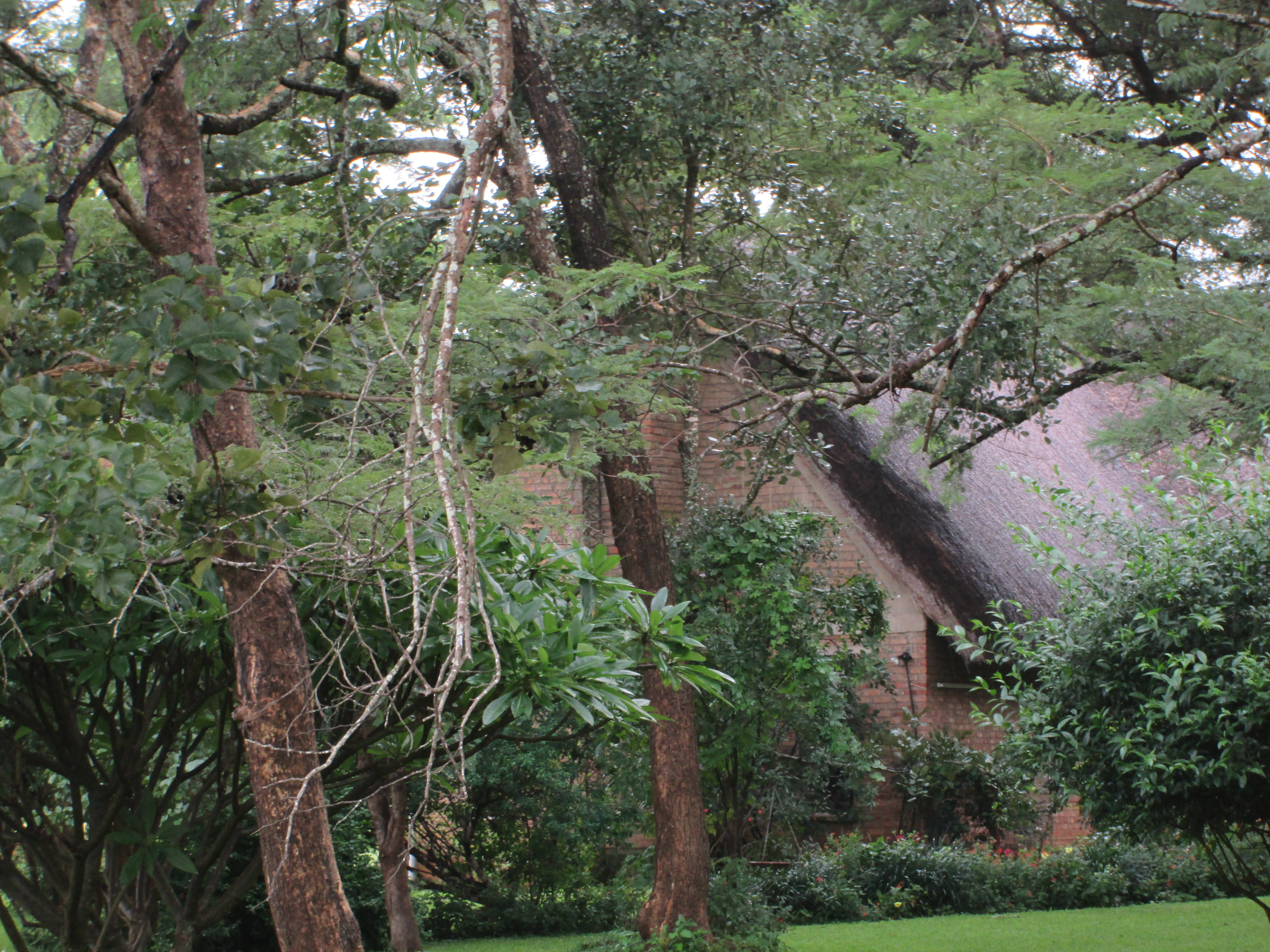
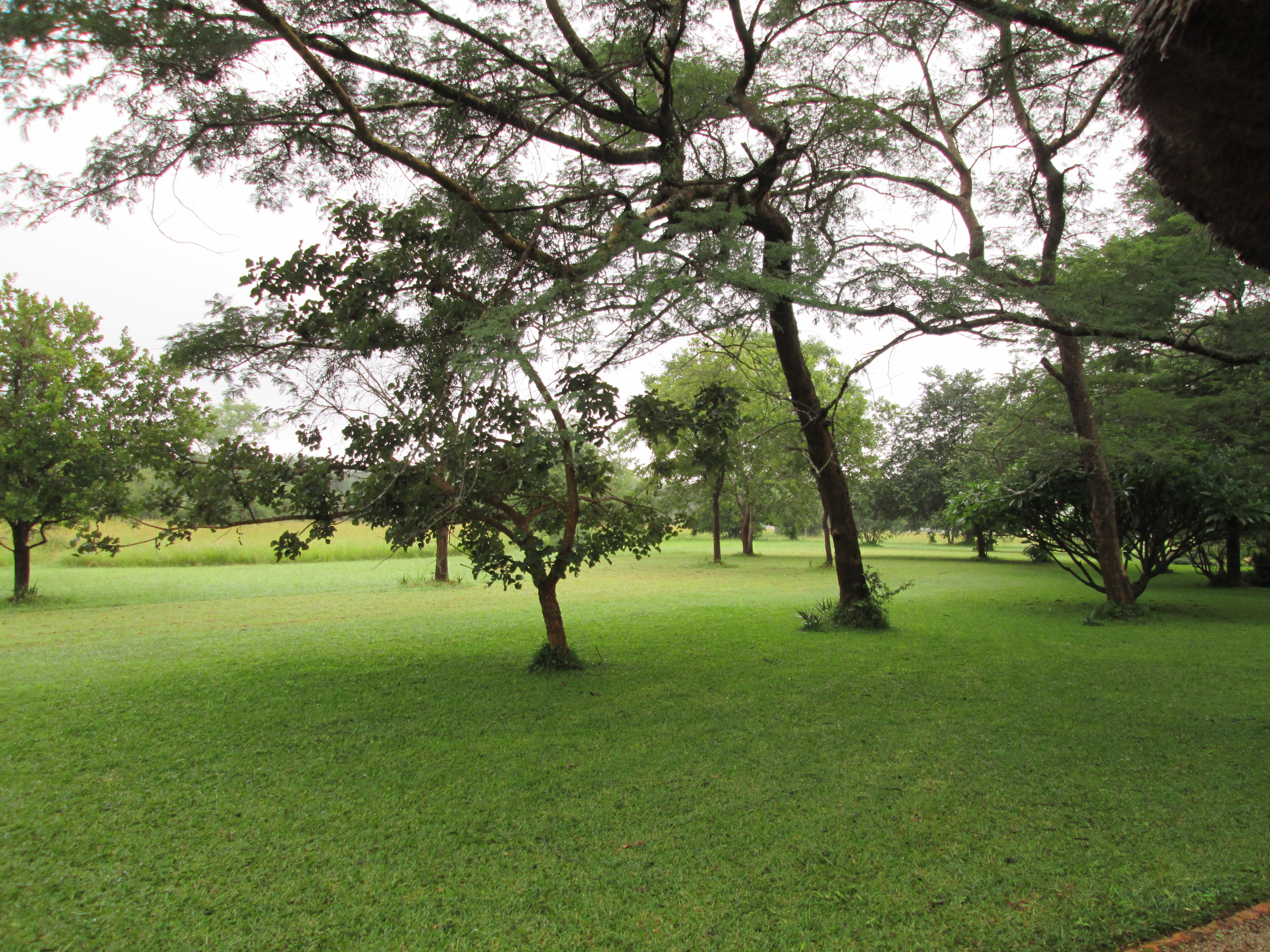
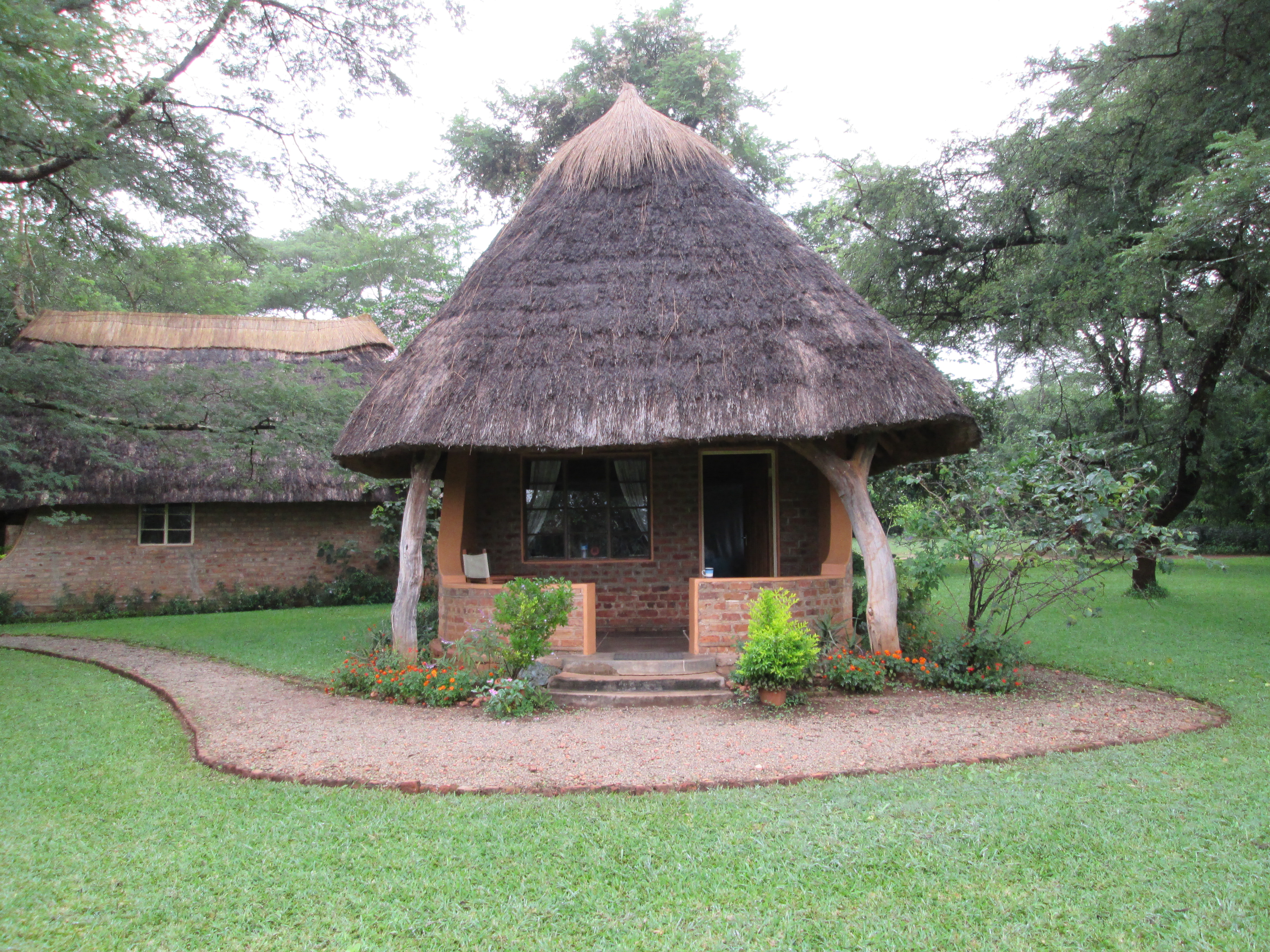
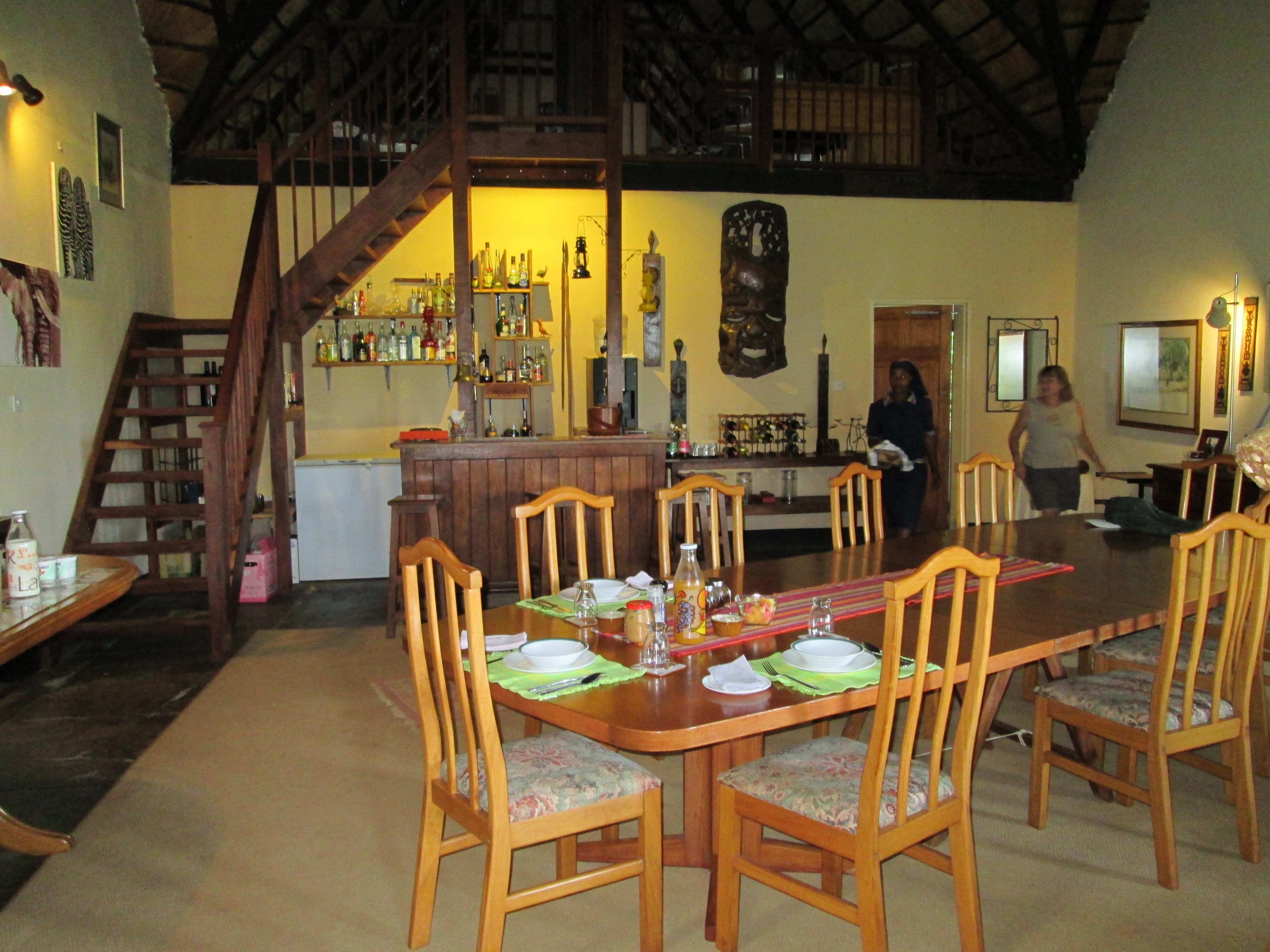
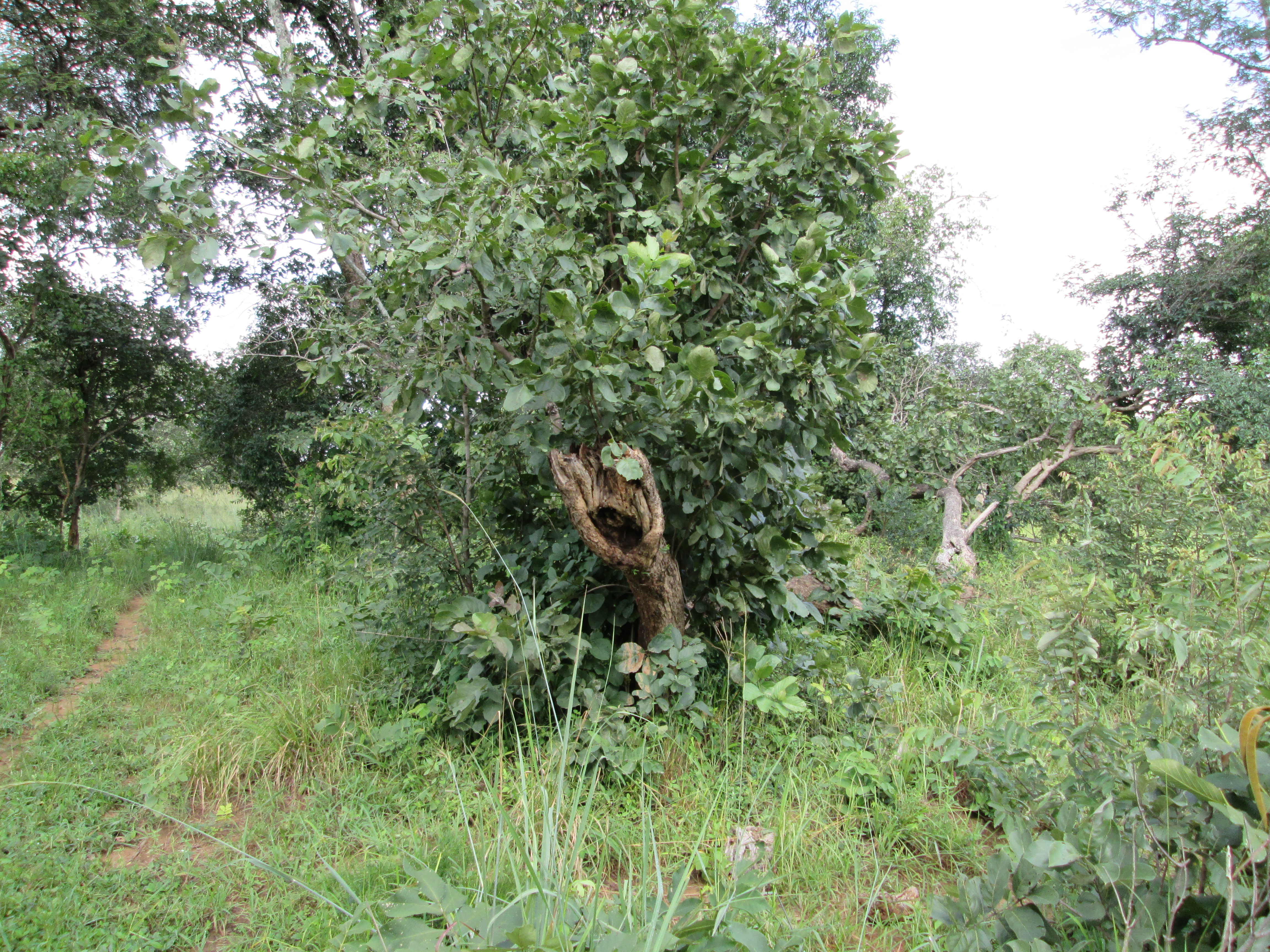
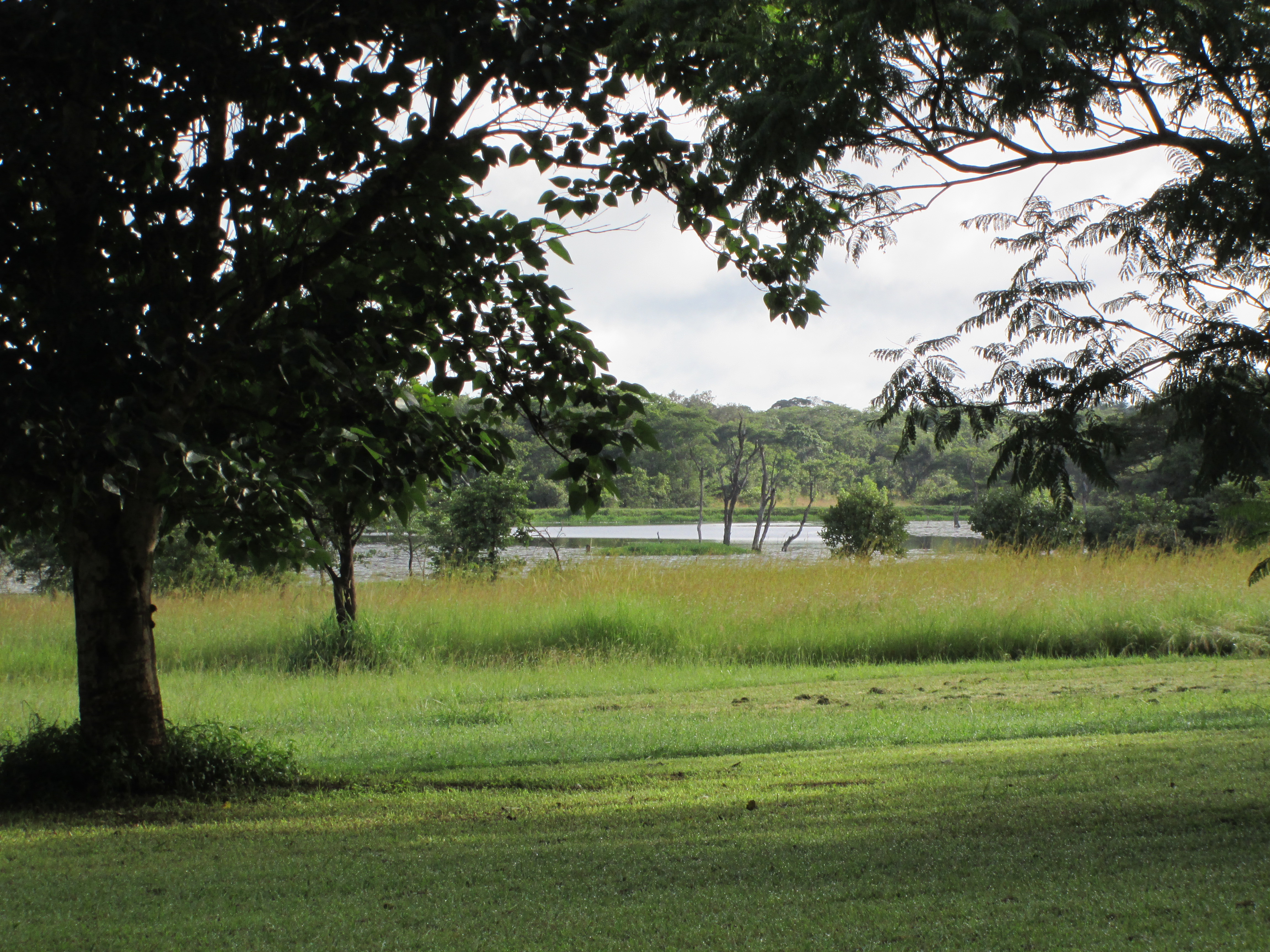
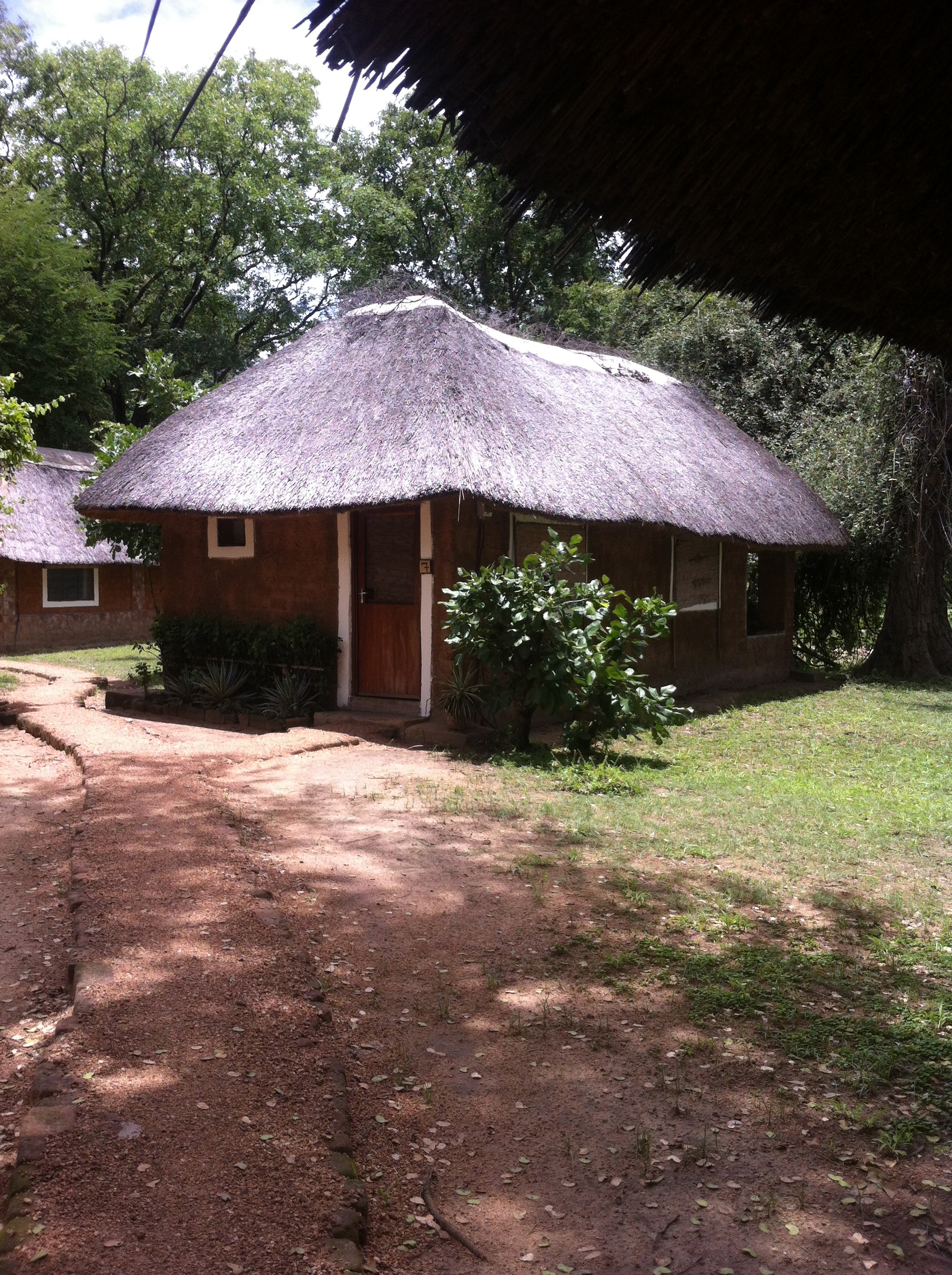
The lodge and surrounding areas had been carved out of the bush.  There are six little chalets, roundavels with ensuite baths and a large main building which a beautiful dining room and large living area, complete with a fireplace and WiFi and even a TV with plenty of DVDs, should you want them.  Each chalet has a porch and there was a big garden area for sitting outside the main house.  The hot water for the chalets is heated by a large brick stove with pipes to the rooms. The lodge looks over the lake formed by the Ross Hot Springs Dam on the Nkanga River and there are birds of all kinds to be seen and heard.

IMG_0003 IMG_0028IMG_0009 IMG_0008 IMG_0006IMG_0005 IMG_0050 IMG_0012

I was served a delicious dinner with a first course of butternut squash soup and then roast chicken, stuffing, gravy, potatoes, carrots and string beans, and home-baked bread.  Dessert was fresh carrot cake with warm custard.  Rory (who is the birder of the couple) was able to give me some ideas of where to walk and what I might see.  He was leaving the next morning to do a month-long training and exam course for the guides that are so incredibly informative in the national parks.  I was the only guest at the lodge for the weekend and it was a perfect retreat.

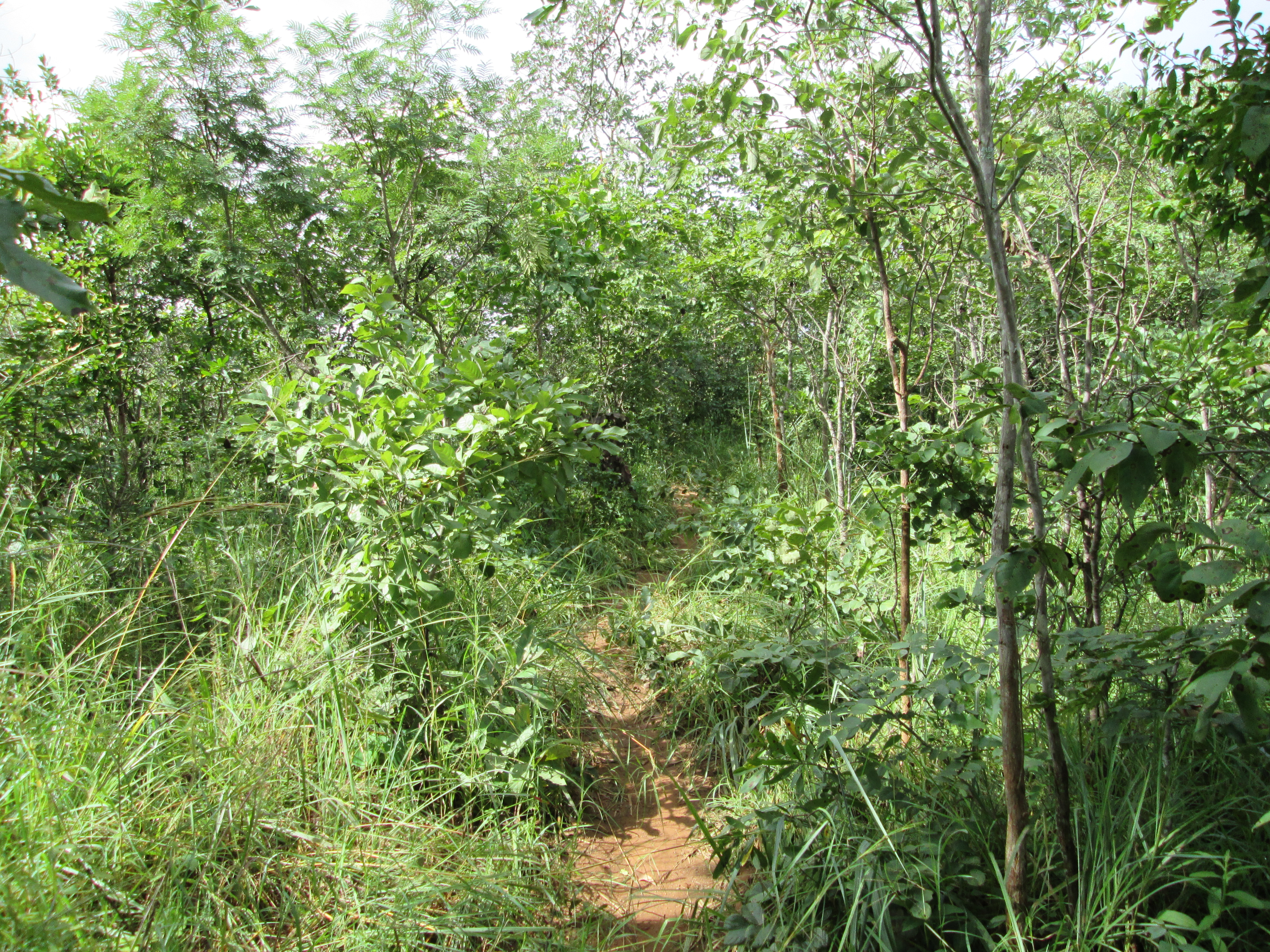
There were miles of dirt road trails to explore.  Because of the tall grass, not much game was evident (or should I say, visible!  It is possible I walked with feet of a zebra or impala and just didn’t see it!) but I saw plenty of fresh footprints. The countryside was green and fresh and the bird song was everywhere.  It was lovely to just be able to walk for miles in the Zambian air.

IMG_0011 IMG_0017 IMG_0018 IMG_0019 IMG_0022 IMG_0023 IMG_0024 IMG_0032 IMG_0042 IMG_0033

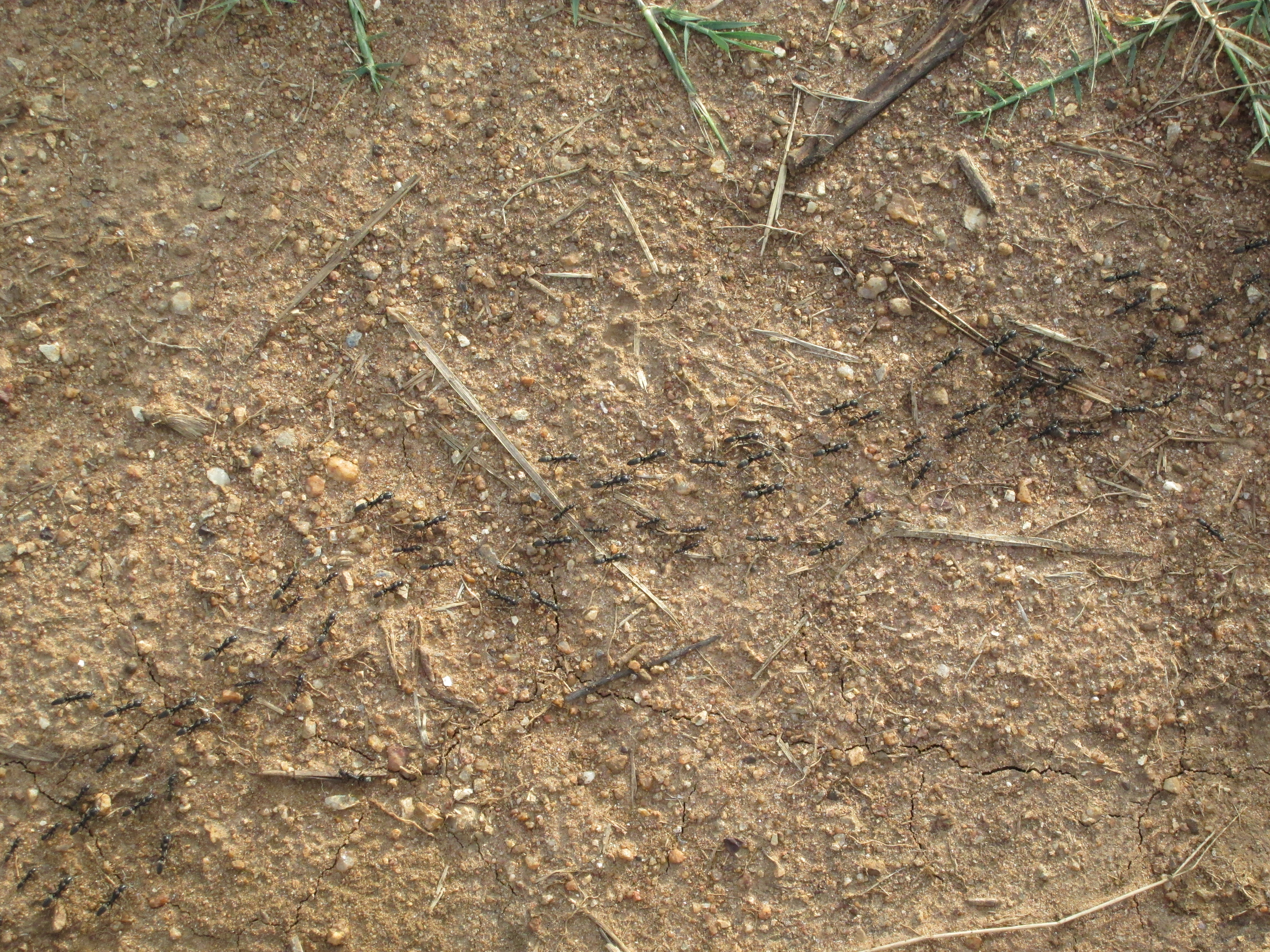
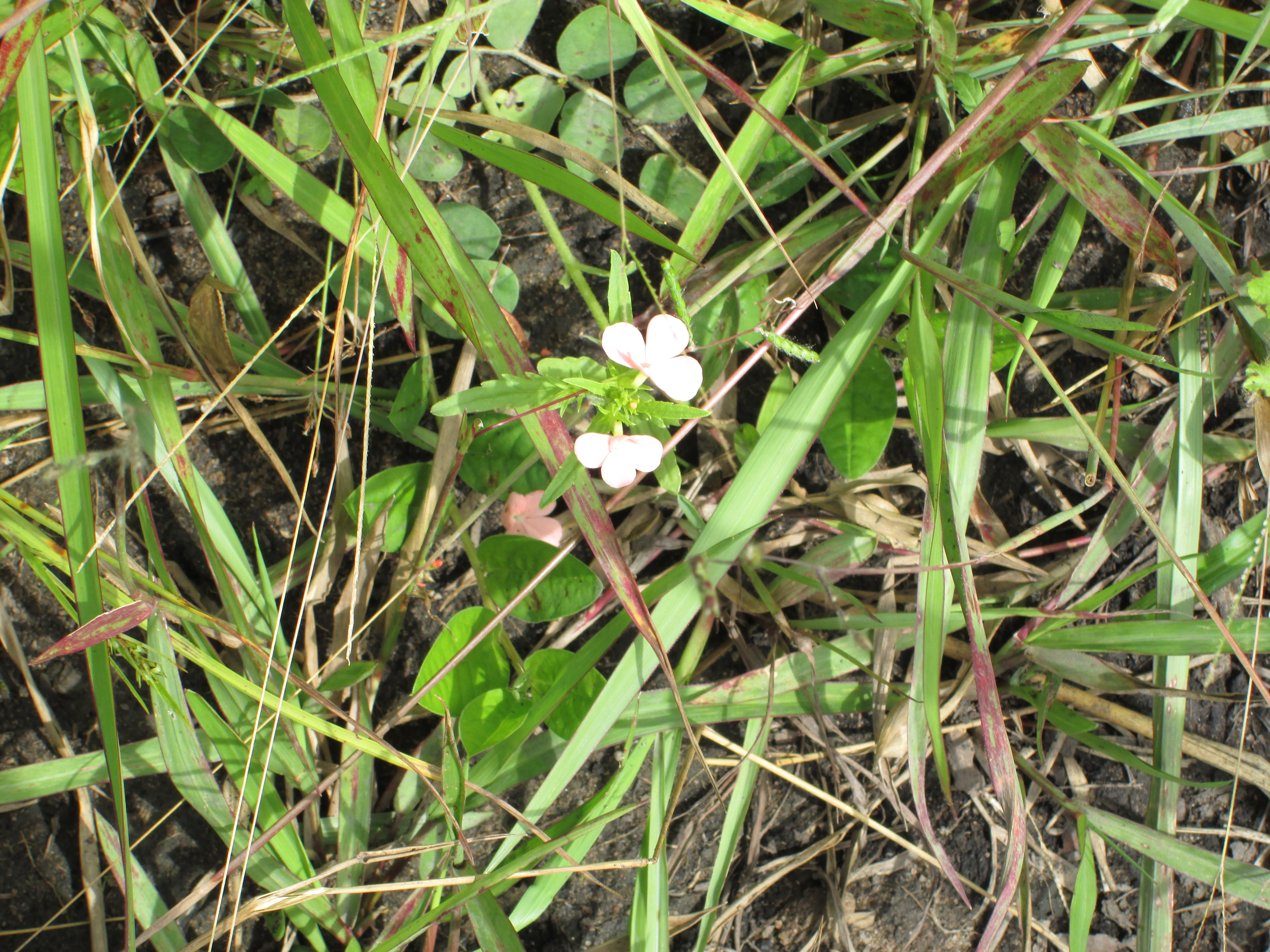
I saw some interesting insects…some kind of worms, a pill bug, some army ants (marching in formation) and also many beautiful wildflowers.

IMG_0039 IMG_0031 IMG_0013

IMG_0014 IMG_0021 IMG_0016 IMG_0015 IMG_0025 IMG_0026 IMG_0043 IMG_0040IMG_0020

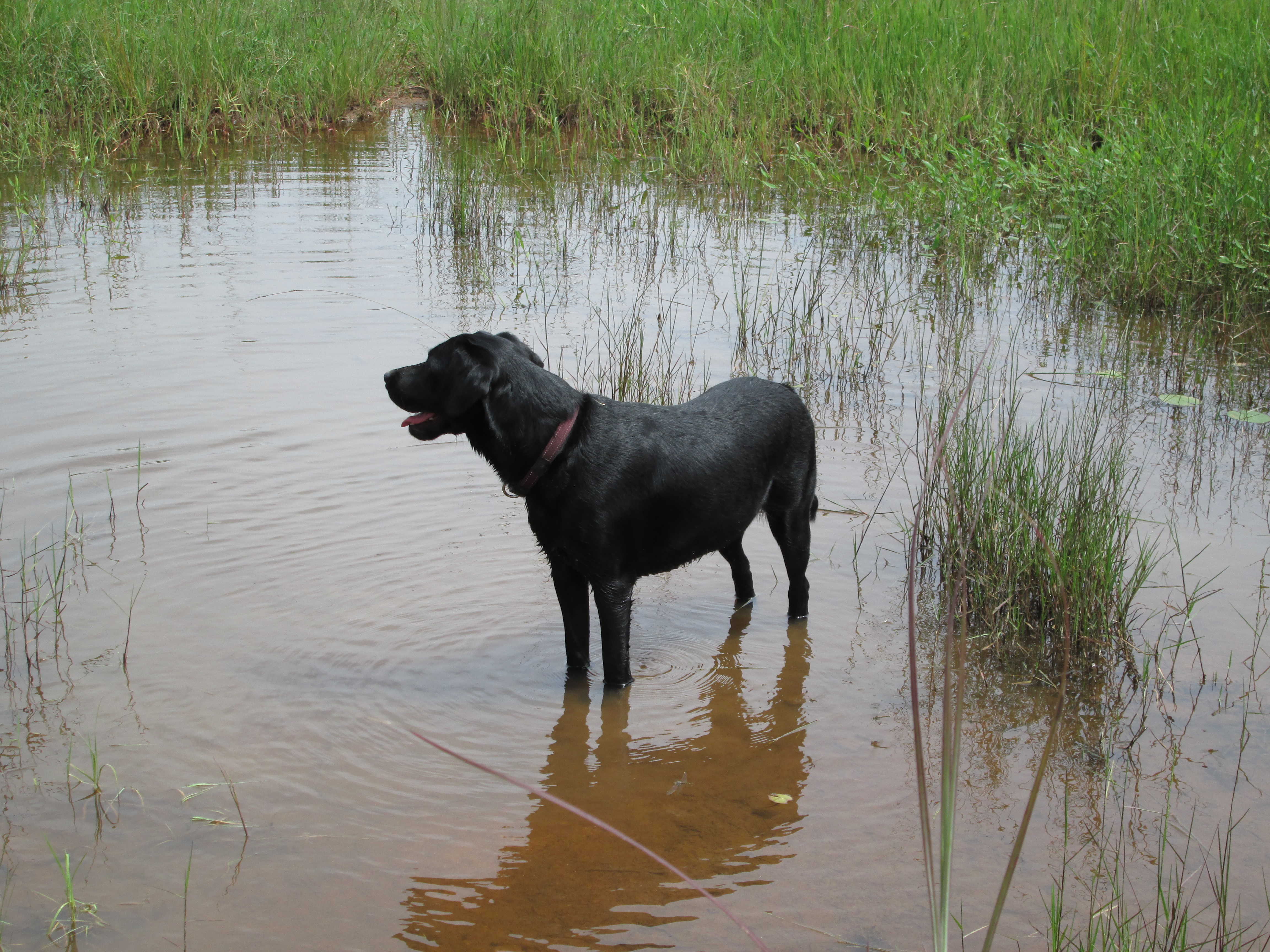
For some of my walks, I was accompanied by Jackal and Heidi, Dorie’s two affable black labs.

IMG_0045 IMG_0046

When I wasn’t walking, I spent my time sitting in the garden, reading or just – well – sitting! 

IMG_0035 IMG_0037IMG_0010

All too soon, it was Sunday afternoon – time to head back to Choma and get my bus back home.  The Choma “bus station” is next to a fast-food place and awash with street vendors.  I think at least five different people asked me if I wanted to buy bananas.  I declined – politely – each time.

IMG_0055 IMG_0054 IMG_0053 IMG_0052 IMG_0051

I plan to return to Masuku Lodge next August, during the dry season when game is more visible and also to take part in one of Rory’s “Bird Safaris.”  But I loved spending time there during the quiet season.  A wonderful, peaceful weekend…

IMG_0007


South Luangwa in the Green Season

Standard

IMG_0229IMG_0239

January through mid-April is the rainy season in Zambia and many of the lodges and camps close because of flooding or impassable roads.  However, there are some that stay open and to lure guests, they often have special deals during what they have taken to calling it “The Green Season” or even “The Emerald Season.”  I decided to take a weekend trip up to Mfuwe, which is a little village right outside of South Luangwa National Park with several all-season camps right outside the park.

I had treated myself to a pair of kick-ass binoculars and was excited to be able to try them out.  Unfortunately, my trusty Canon “Power Shot” camera, which has served me so reliably for a couple of years, went missing between Lusaka and Mfuwe.  (I had it stored in the front pocket of my backpack, which I had to check due to the plane being so teeny.  Perhaps someone gave in to temptation…alas.)  So, all these pictures were actually taken with the camera on my iPhone. While they are not of the best quality, they do give you an idea of how up close and personal we were able to get to the animals.

At any rate…our plane was a 12-seater prop plane which flew low enough so that I got a magnificent view of the valley and the escarpment and the river as we were coming into South Luangwa.  At first there were roads here and there and then…then there was nothing to indicate any civilisation at all.  Every once in a while, I could see a small cluster of huts…but no road or any discernible way to get there!  And GREEN!  Every thing was bursting with green…bright, emerald green.

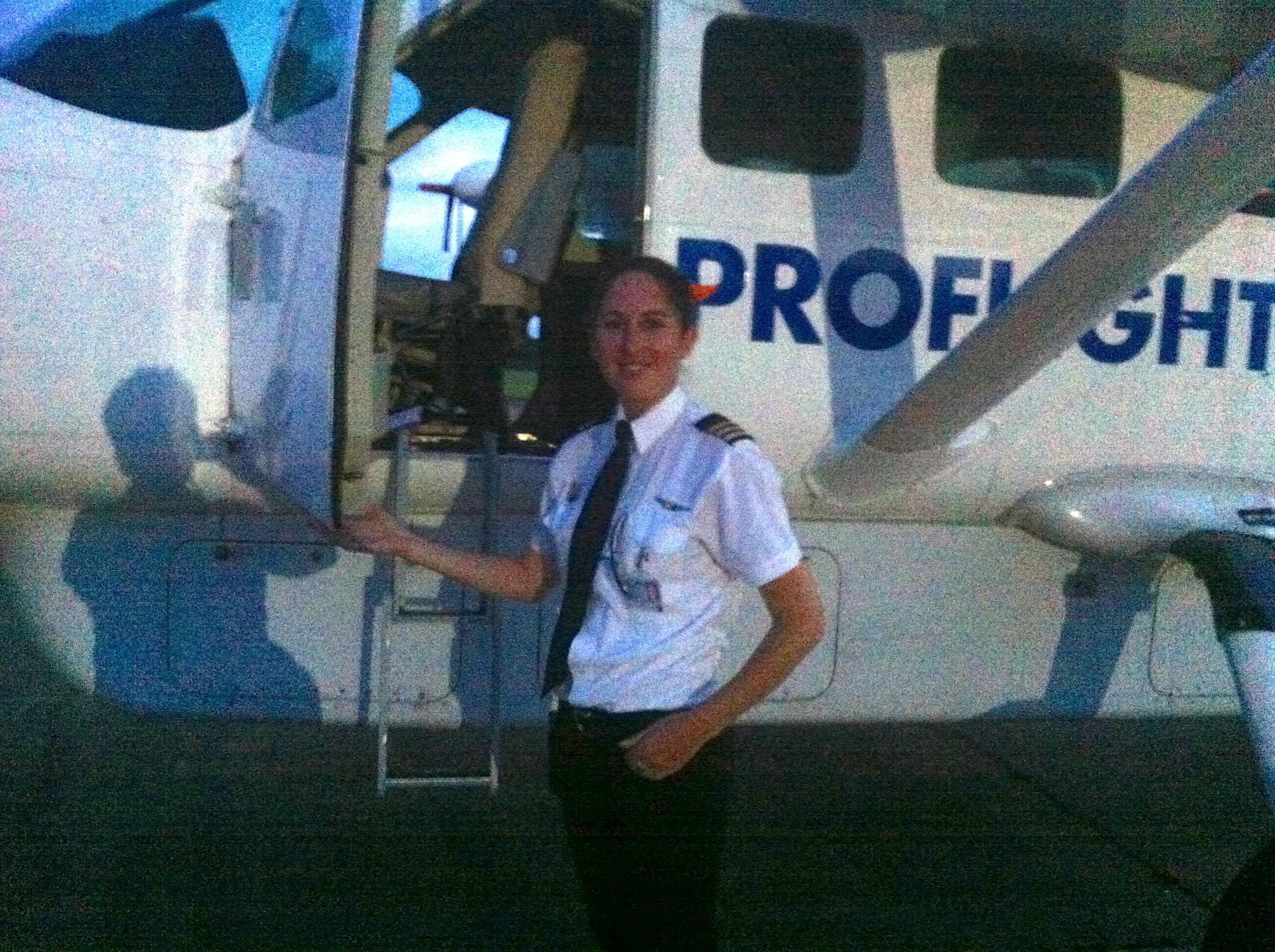
Our pilot was a young woman named Kate, who said she’d been flying in Zambia for about three years.  She was excellent, and it was fun being able to see all the controls and buttons.

IMG_0182 IMG_0185

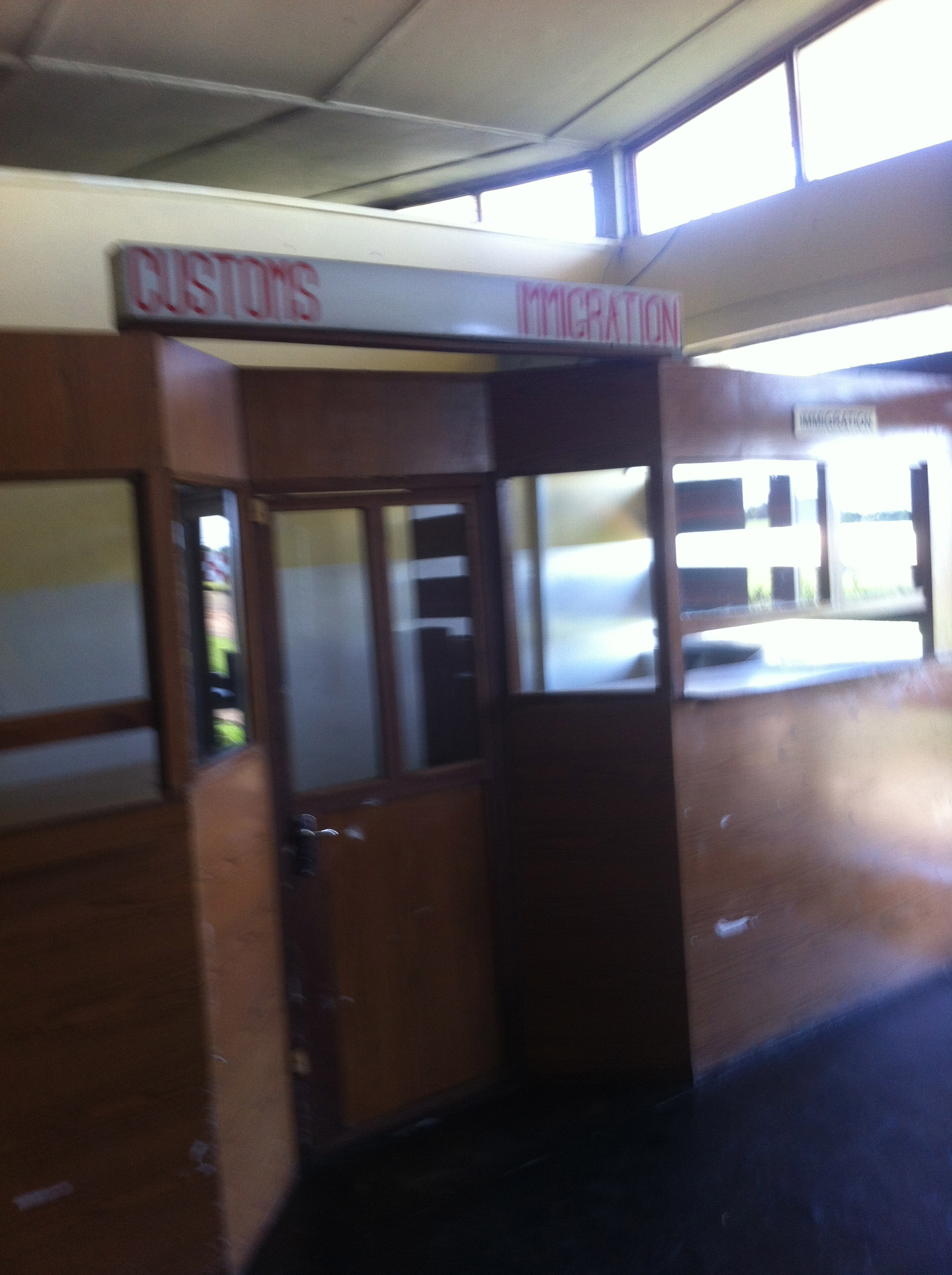
Mfuwe is actually an “International Airport” because it gets flights from Malawi.  It is a tiny place, but has a decent tarmac runway and a terminal with a shop and some sculptures made by local artists.  And a customs counter, for international travellers…

IMG_0280 IMG_0279 IMG_0278

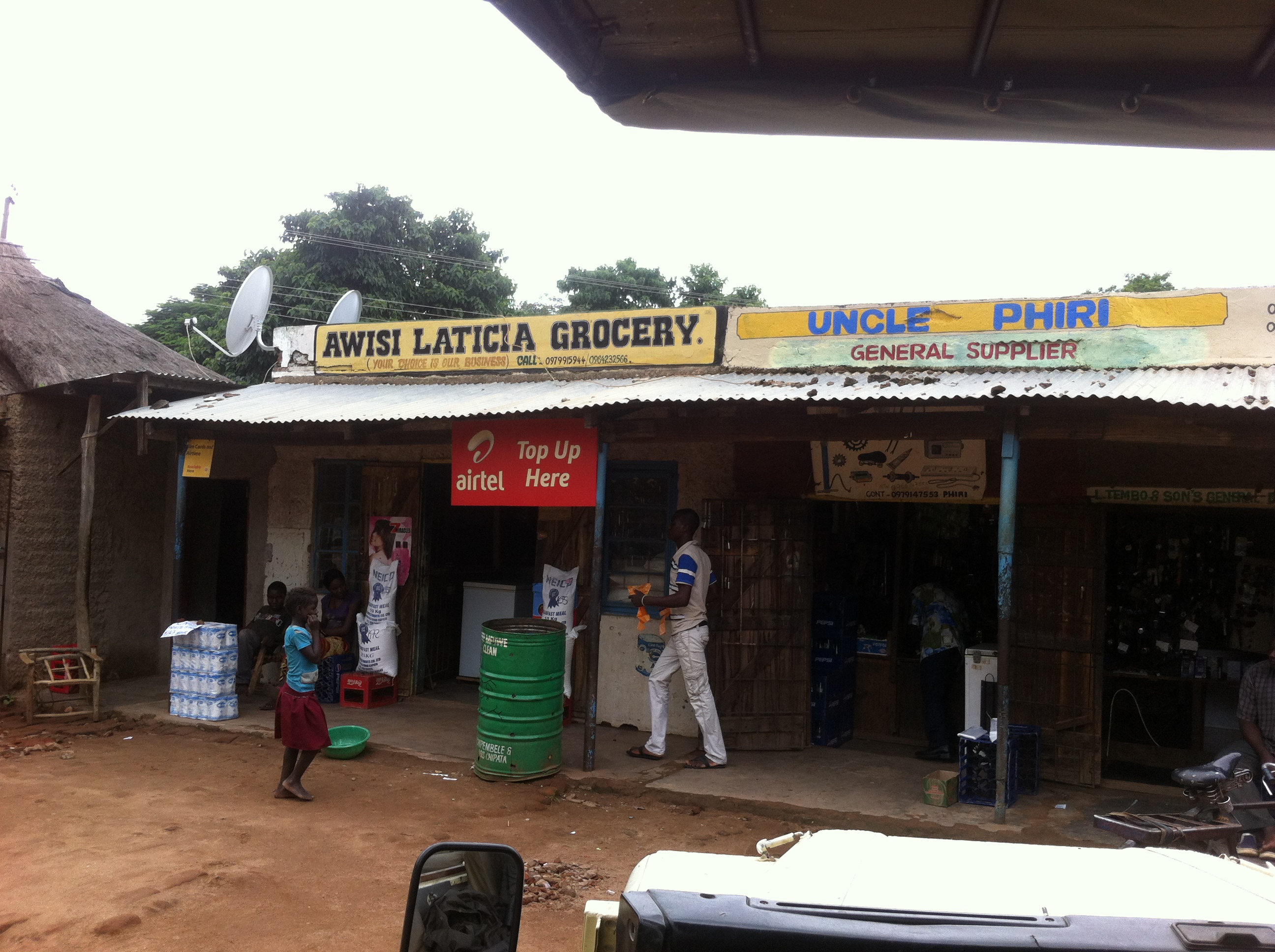
The driver from my camp was waiting for me when I arrived.  His name was James and he was also to be my guide on the game drives.  We drove through the “village” of Mfuwe, which is actually just a strip of road with some stores and markets on either side.

IMG_0233 IMG_0232

By the time we got onto the dirt road to the camp, it was fairly dark…and one of the first animals we saw was a young hippo, trotting through the bush with what looked like flowers on his back! It looked like something out of a Disney cartoon.  James said that it was a plant called Chinese cabbage.  It floats in the water and sometimes sits on the smooth, flat back of the hippo.  We joked that since it was Valentine’s Day, this hippo was delivering flowers to his sweetheart.

(I didn’t get a picture, but it looked something like this…)
hippo-nile-cabbage

When we got to the camp, I found that I had been upgraded to a large chalet, right on the river.  (There were so few people in camp that they decided to put us all together.)  I was very pleased…it almost made up for having my camera nicked.

IMG_0234

A late dinner and a glass of wine and I was ready for bed…the morning game drive was at 6:00am!

South Luangwa is a huge park! The southernmost of three national parks in the valley of the Luangwa River, it  is a world-renowned wildlife haven. It supports large populations of Thornicroft’s Giraffe, and herds of elephant and buffalo while the Luangwa River supports abundant crocodiles and hippopotamuses.  Founded as a game reserve in 1938, it became a national park in 1972 and now covers 9,050 km!

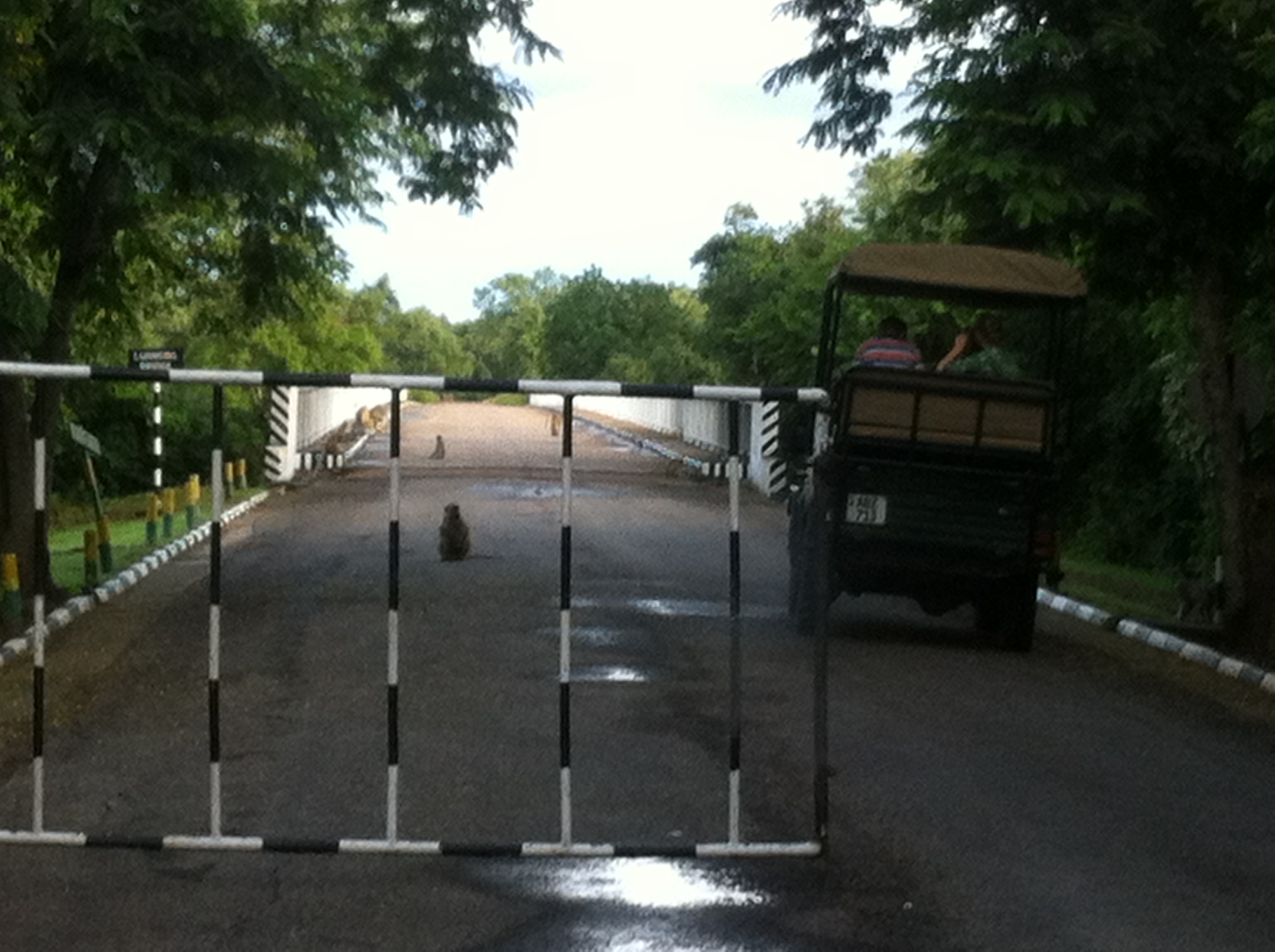
When we arrived at the gate, we were greeted by a bevy of baboons.  These are yellow baboons; smaller than the ones I saw down in Livingstone.  They were quite active and there was lots of flirting and grooming going on – we saw one female busily grooming a male while he sat in splendour and closed his eyes in ecstasy.  It was obvious that he would “get a little something” (as James said) later on that morning.

IMG_0192 IMG_0191

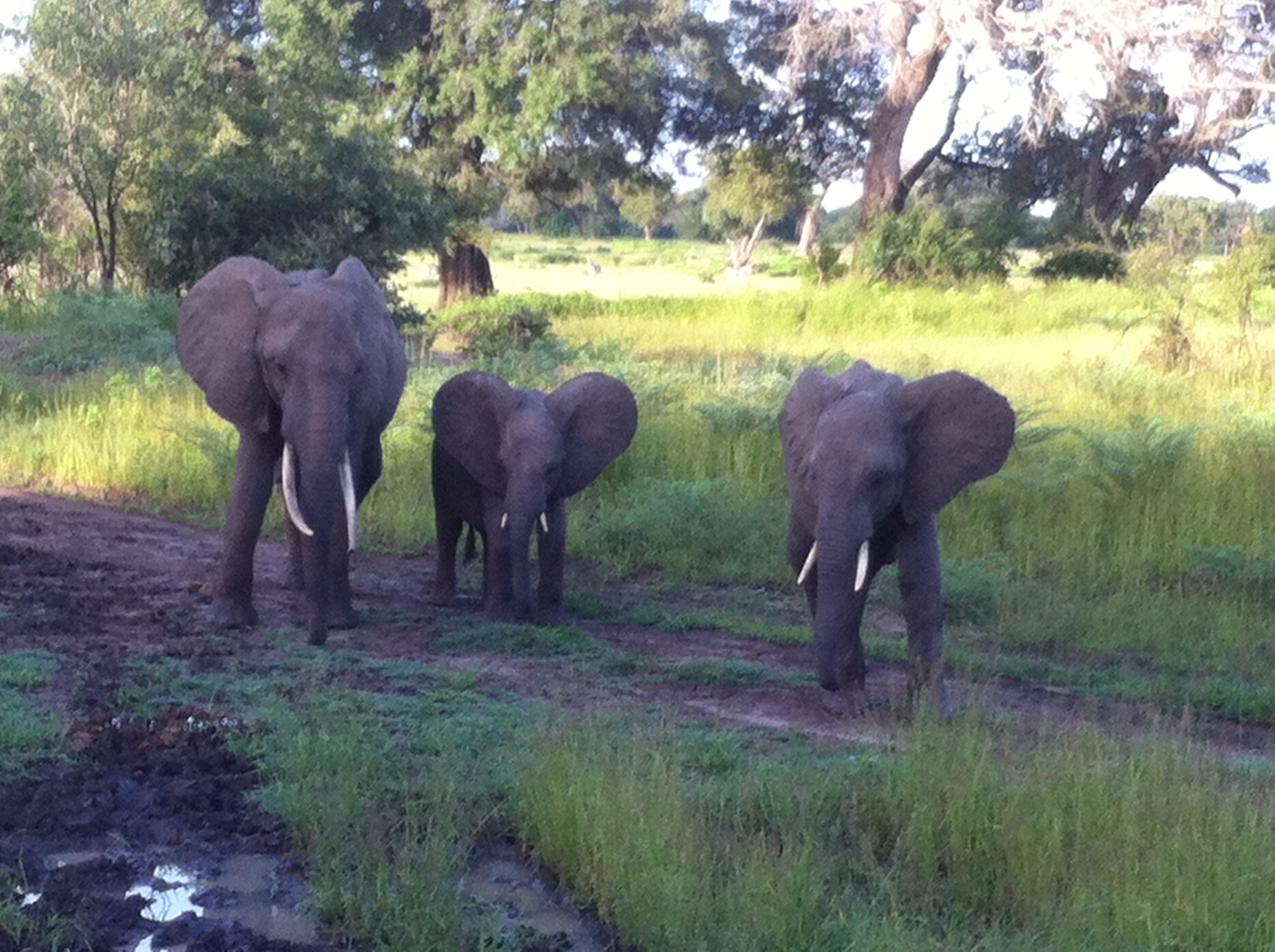
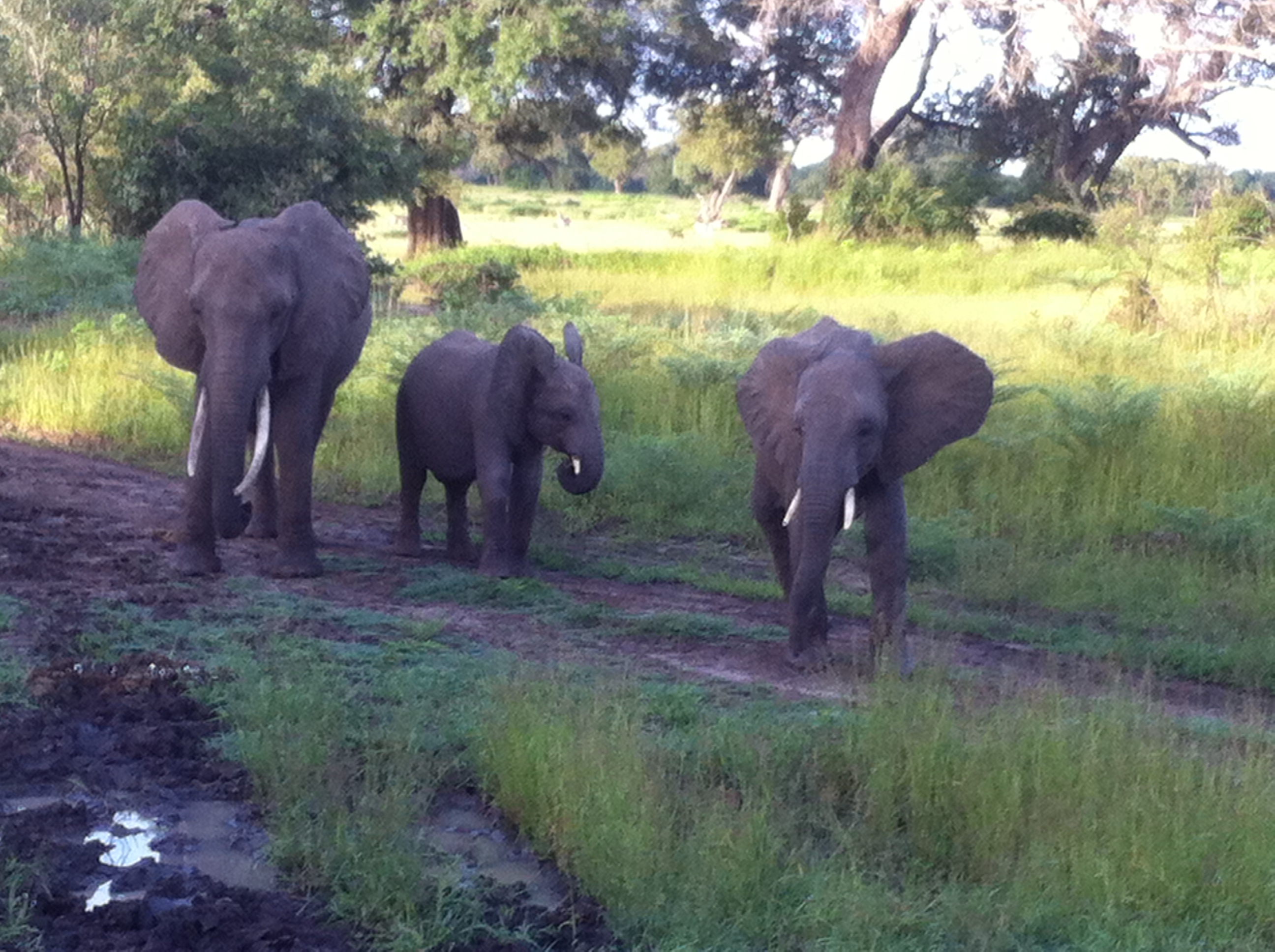
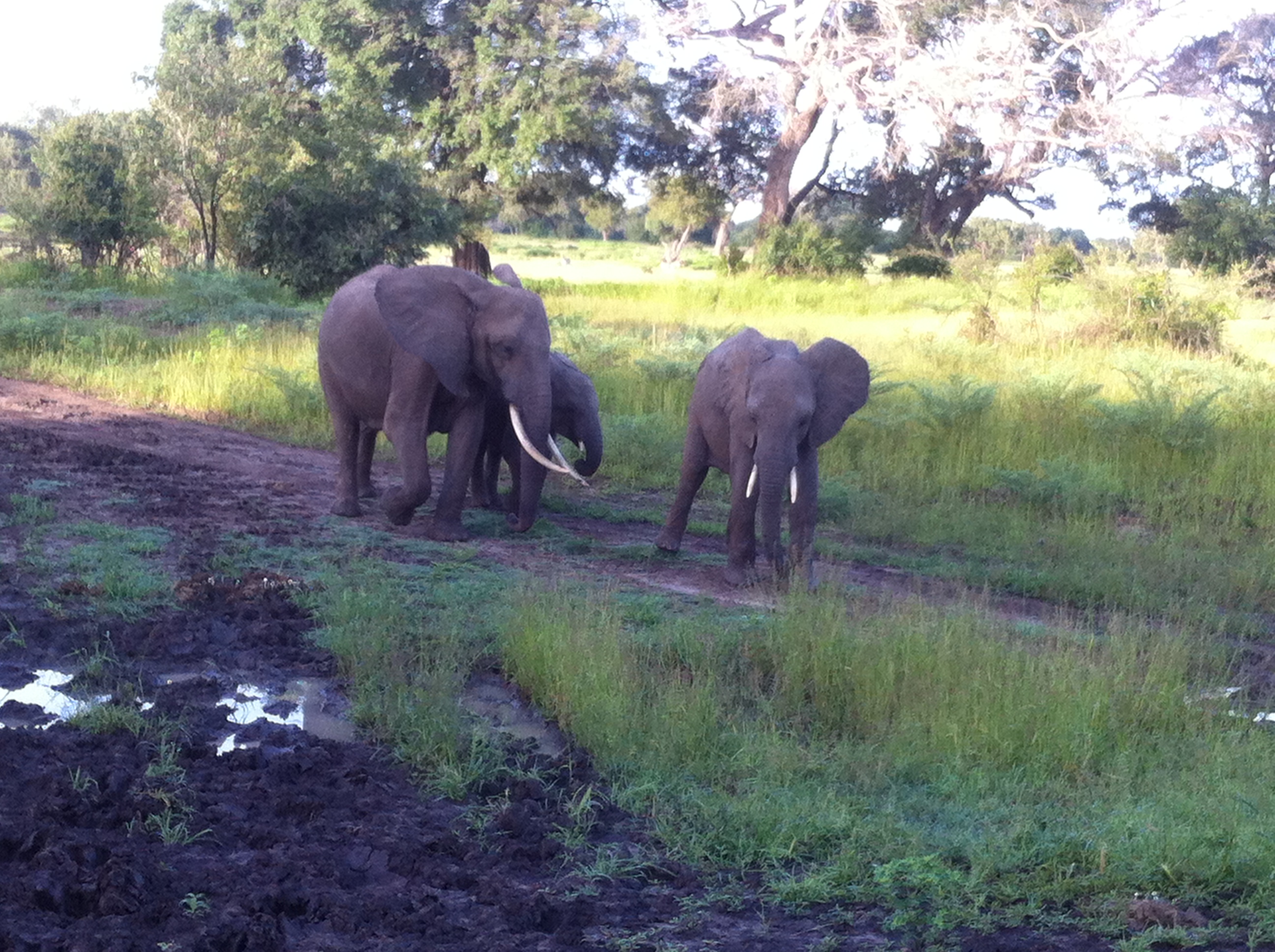
The park was overflowing with new life.  Baby elephants tottered after their mothers, who often had an older calf as well.  We also saw a number of solo young male elephants, looking a bit bewildered.  When male elephants get to be about 15 years old or so, their mothers and aunts kick them out of the group, to prevent them from mating with their sisters and cousins.  We saw this happening – a large female with a calf by her side was pushing a young male with her head and tusks – forcing him away from the family.  This male was the same one we had seen a bit earlier, chasing a herd of impala and trumpeting loudly as he did.  Why? For fun!  Pure adolescent mischief.

Single males often form their own “bachelor groups” after a while.  Elephants are very social animals.  They are also extremely protective of their young and the only animals we viewed that did not take kindly to being gawked at by humans.  The mother would take her trunk and gently coax the baby away from the road…sometimes, looking anxiously back at us to be sure we were not following.

IMG_0238 IMG_0256 IMG_0255 IMG_0257

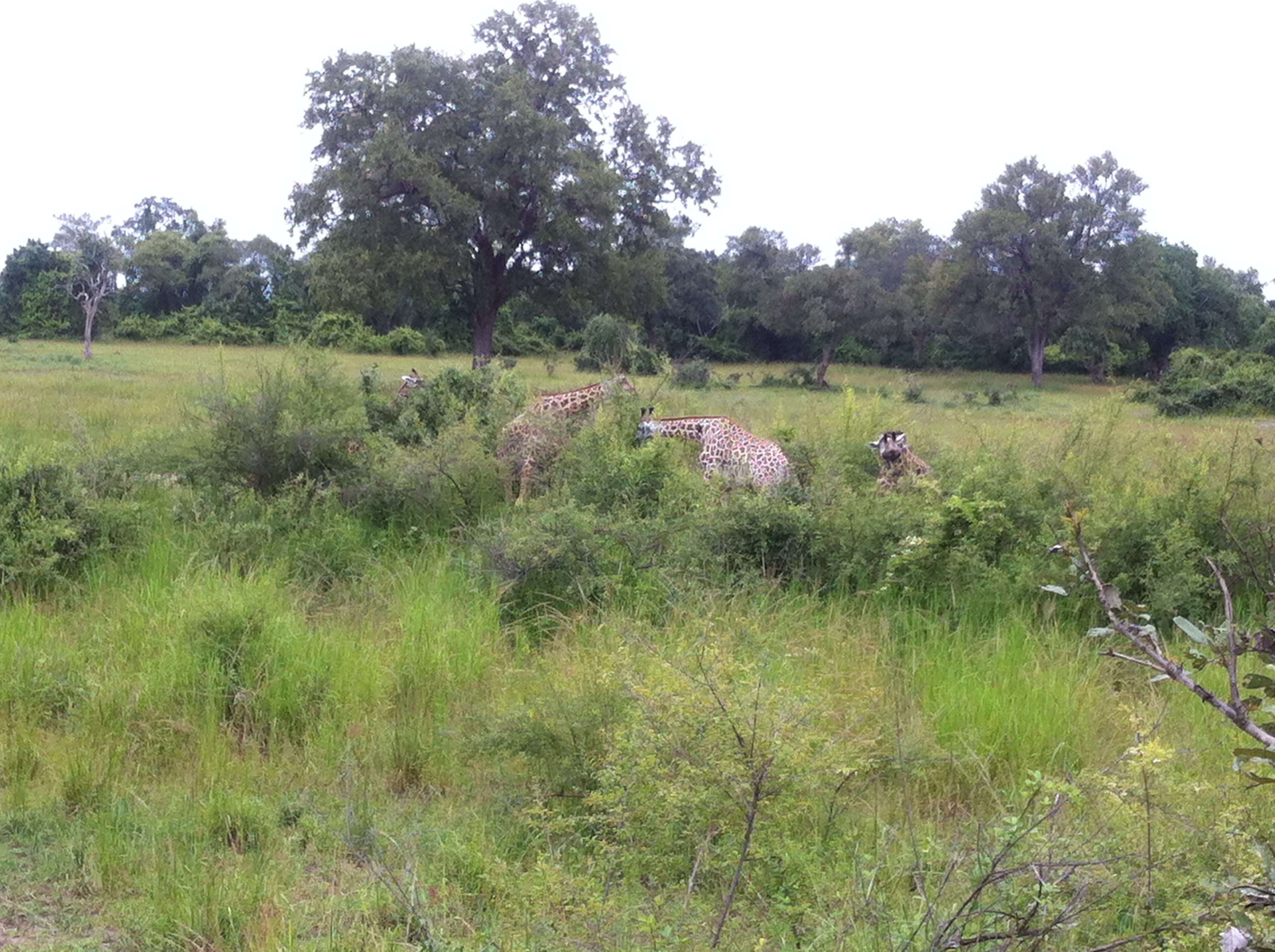
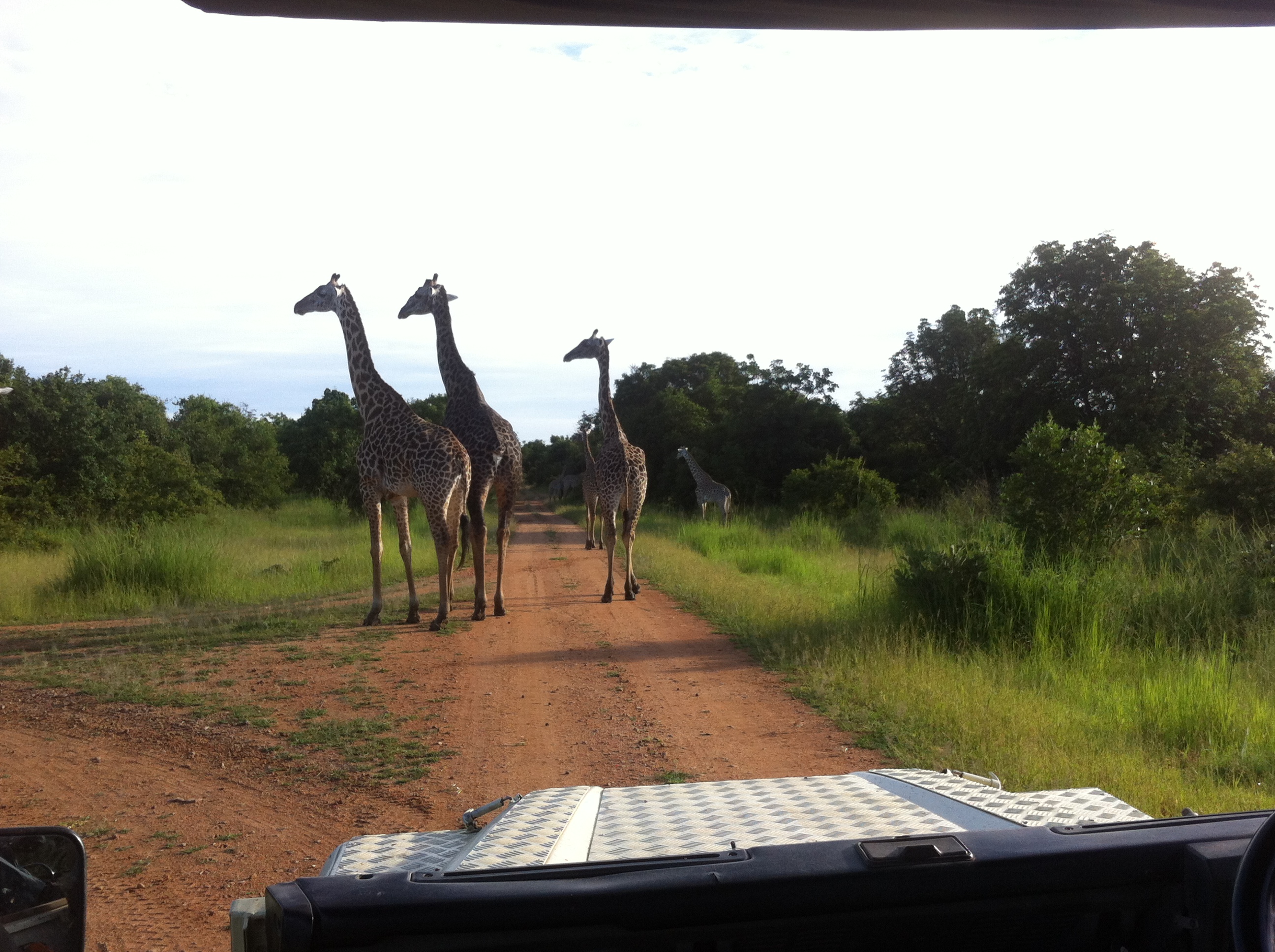
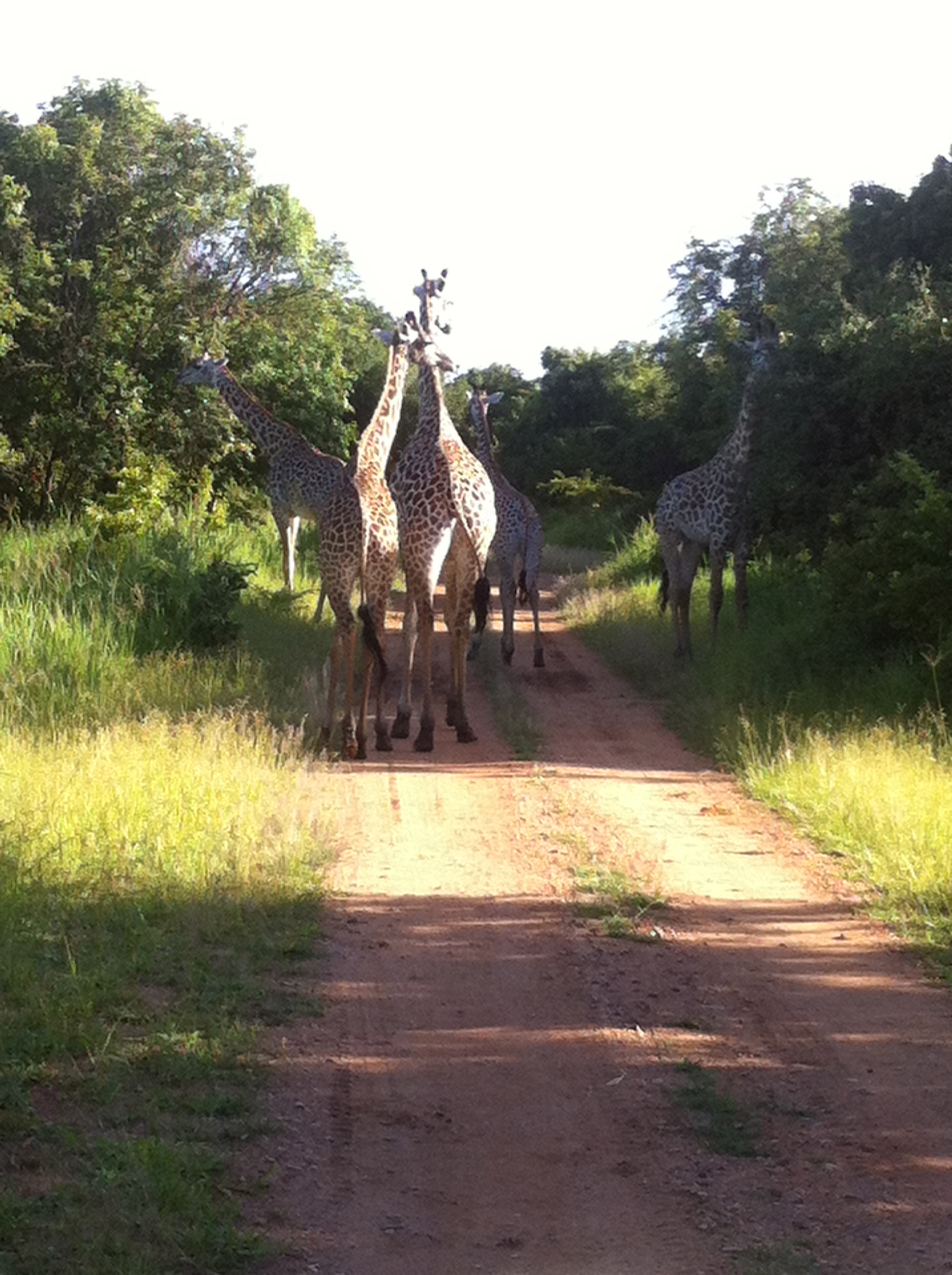
We also saw numerous giraffes.  As giraffes age, their spots get darker, so you can often guess their age by their colour.  Giraffes tend to be solitary animals, although they do graze in groups.  A group is called a “herd” although there is a phrase “a tower of giraffes.”  At one point, we came upon a group standing in the road, nibbling on the trees.  They were quite reluctant to leave and blocked our way for quite a while.

IMG_0261 IMG_0262 IMG_0263 IMG_0264 IMG_0266

Birds were in abundance.  We saw several crested cranes; beautiful birds with a crown of feathers on their heads.  We were extremely lucky to see two of the birds in a mating dance – the male bobbing and weaving and puffing out his feather and the female gracefully circling around him.  My binoculars gave me a terrific close-up view of the romance-in-progress.

IMG_0224

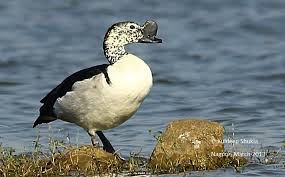
Other birds included a marshall eagle, kingfisher, saddle-bill stork, a knob-billed duck and a bittern.  The knob-billed duck is a funny-looking creature; his bill looks as though someone stuck it on sideways.  It has a small knobby protrusion that gets bigger during mating season.  Apparently, girl ducks like guys with big bills! (Not my picture…but this is what it looked like!)

Knob billed duck

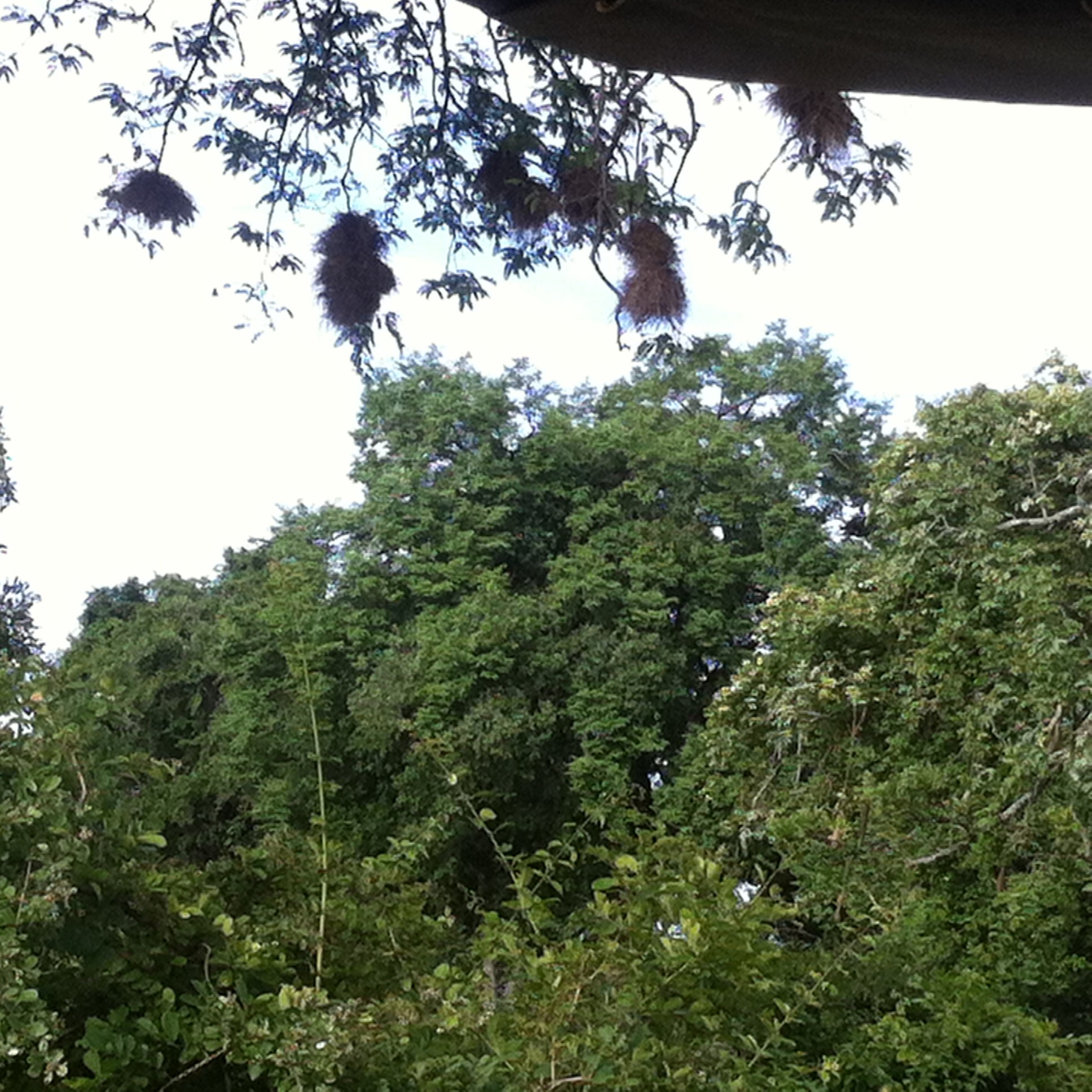
There are several types of “weaver” birds who make intricate nests out of grass and hay.  The nests hang from the very edge of the branches. They look like they should slip off, but they don’t.

IMG_0203

Then, we were treated to an incredible view of a leopard.  Probably a female, she was resting under a copse of trees, waiting for nightfall when she could get her dinner – there were many impala grazing on the field in front of her. She didn’t seem to mind us at all; just sat there looking like a big pussycat, blinking and occasionally licking a paw.

IMG_0249

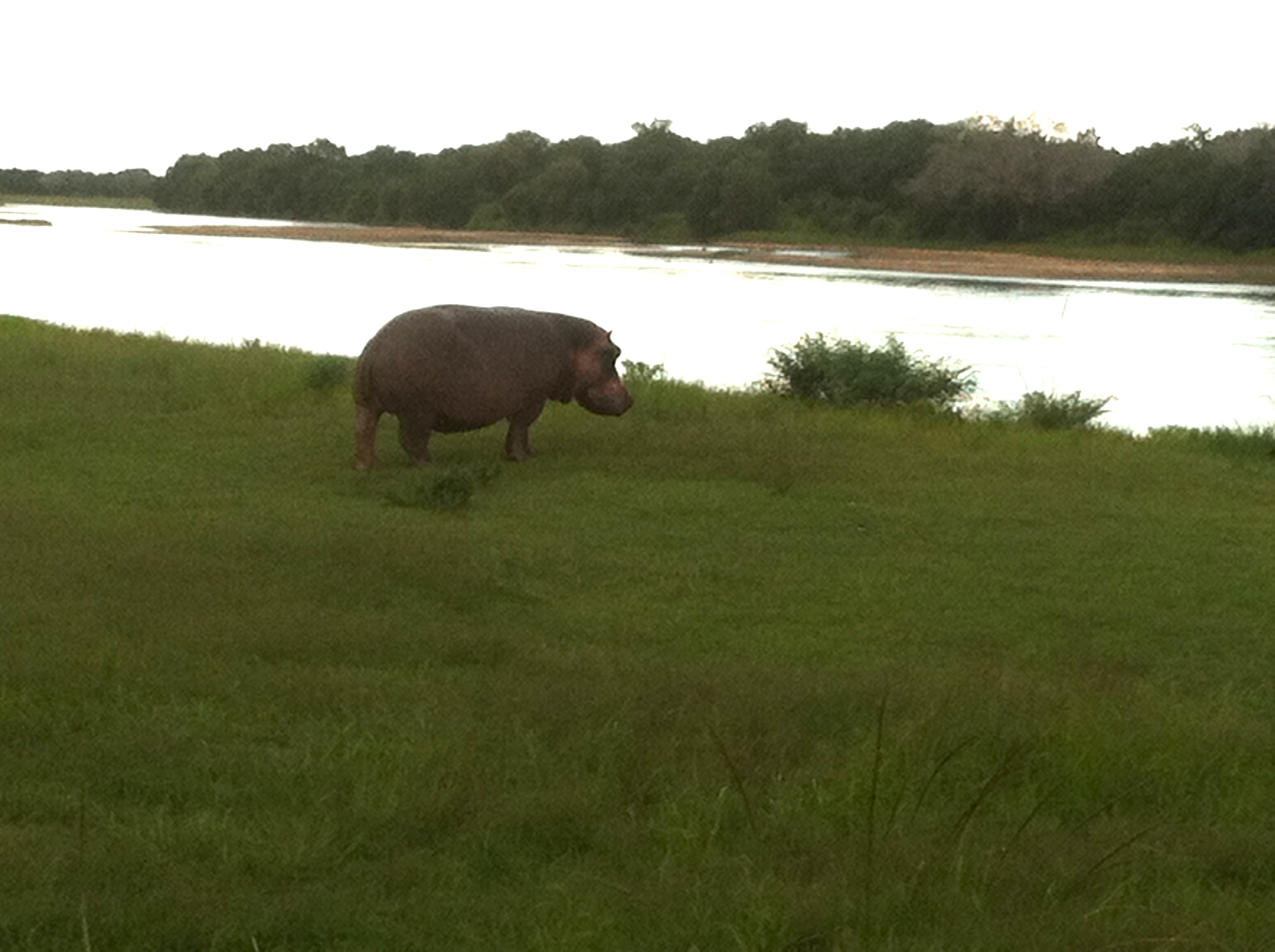
An enormous hippo crossed our path, making his way towards the river.  You wouldn’t think hippos could trot, but they can really move!  This big boy was not happy we were following him, but finally he stopped and turned his head so we could get a picture before he dived into the river with a huge splash!

IMG_0244 IMG_0246 IMG_0245

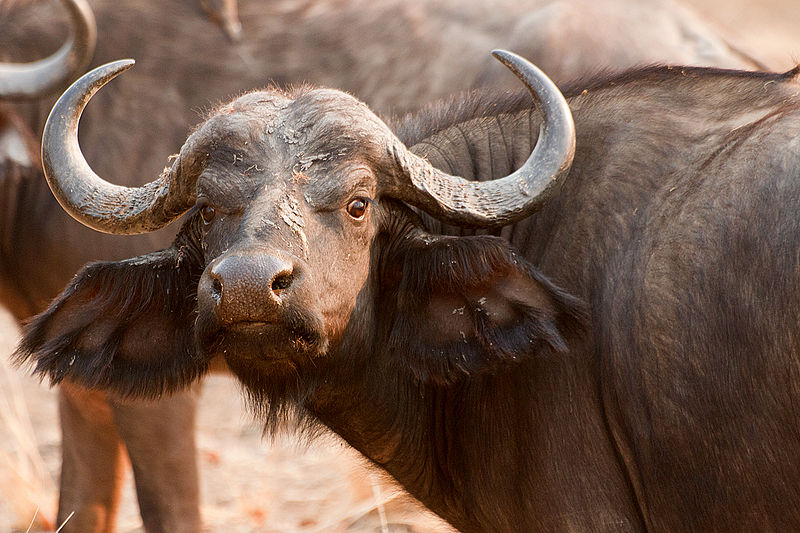
There are many buffalo in the park.  These are not the docile, cattle-like creatures we have in states.  These are ornery and mean.  We saw a trio of old bachelors living out their days in relative solitude.  Apparently, when buffalo get old, they get tired of the mating game and sometimes simply choose to “batch it” with a couple of other like-minded senior-citizens.  They turn and stare directly at you, and as James said, “They always look, but they never smile…”

Wild_Buffalo

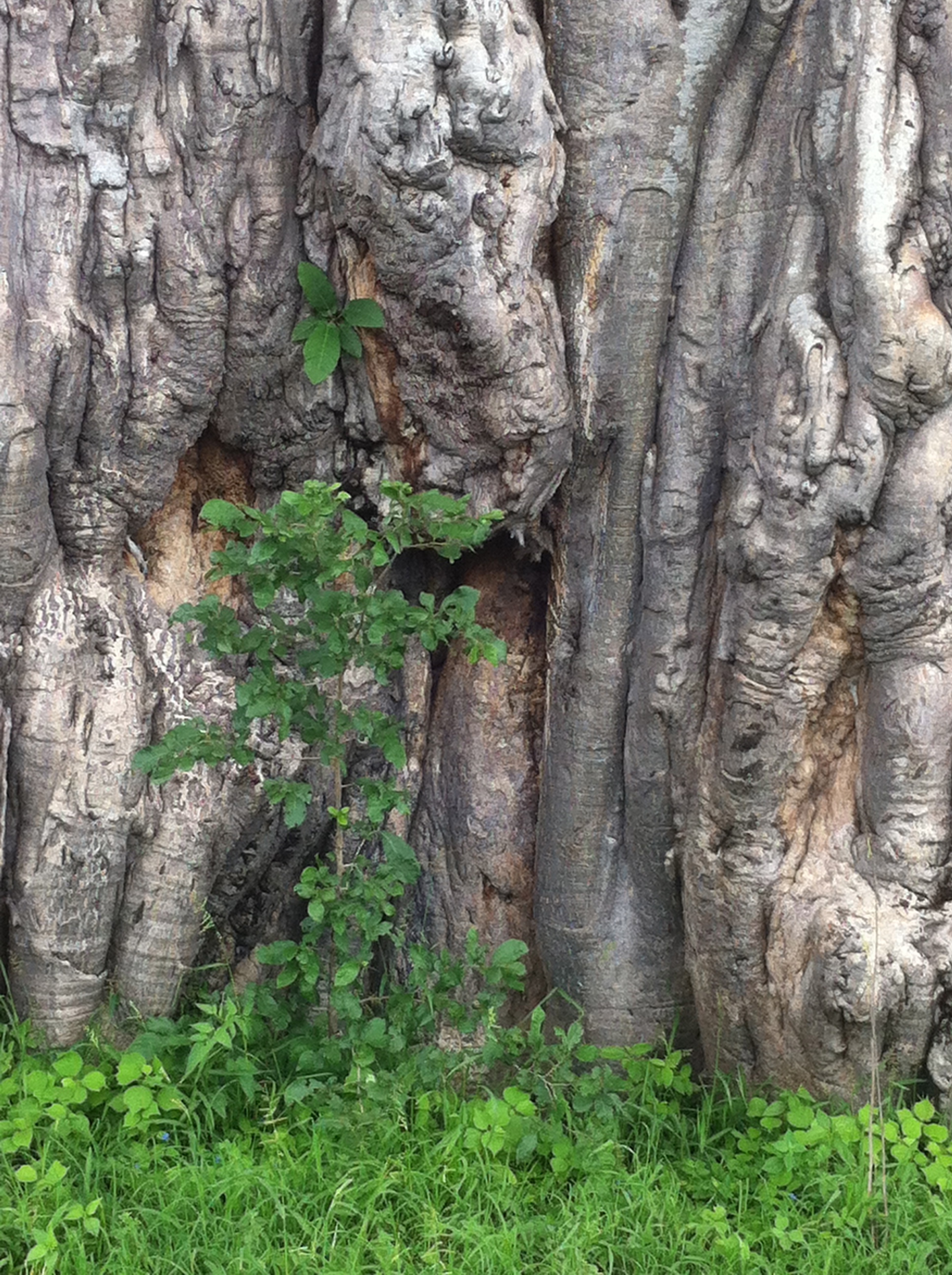
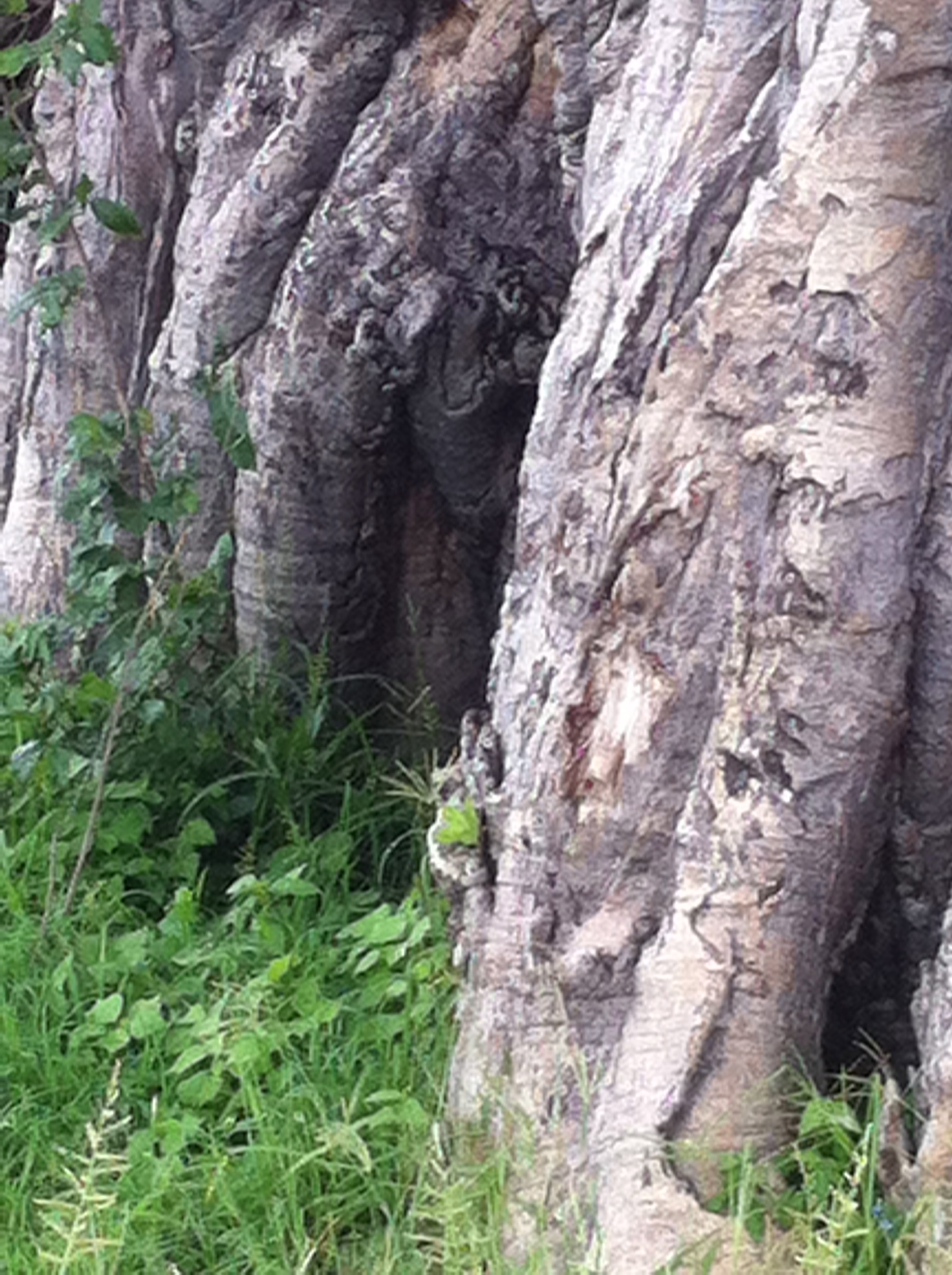
There is a huge baobab tree in the park that is over 2500 years old!  It has weathered storms, drought, floods and elephant damage and is home to many birds and a big next of bees. I loved this tree!
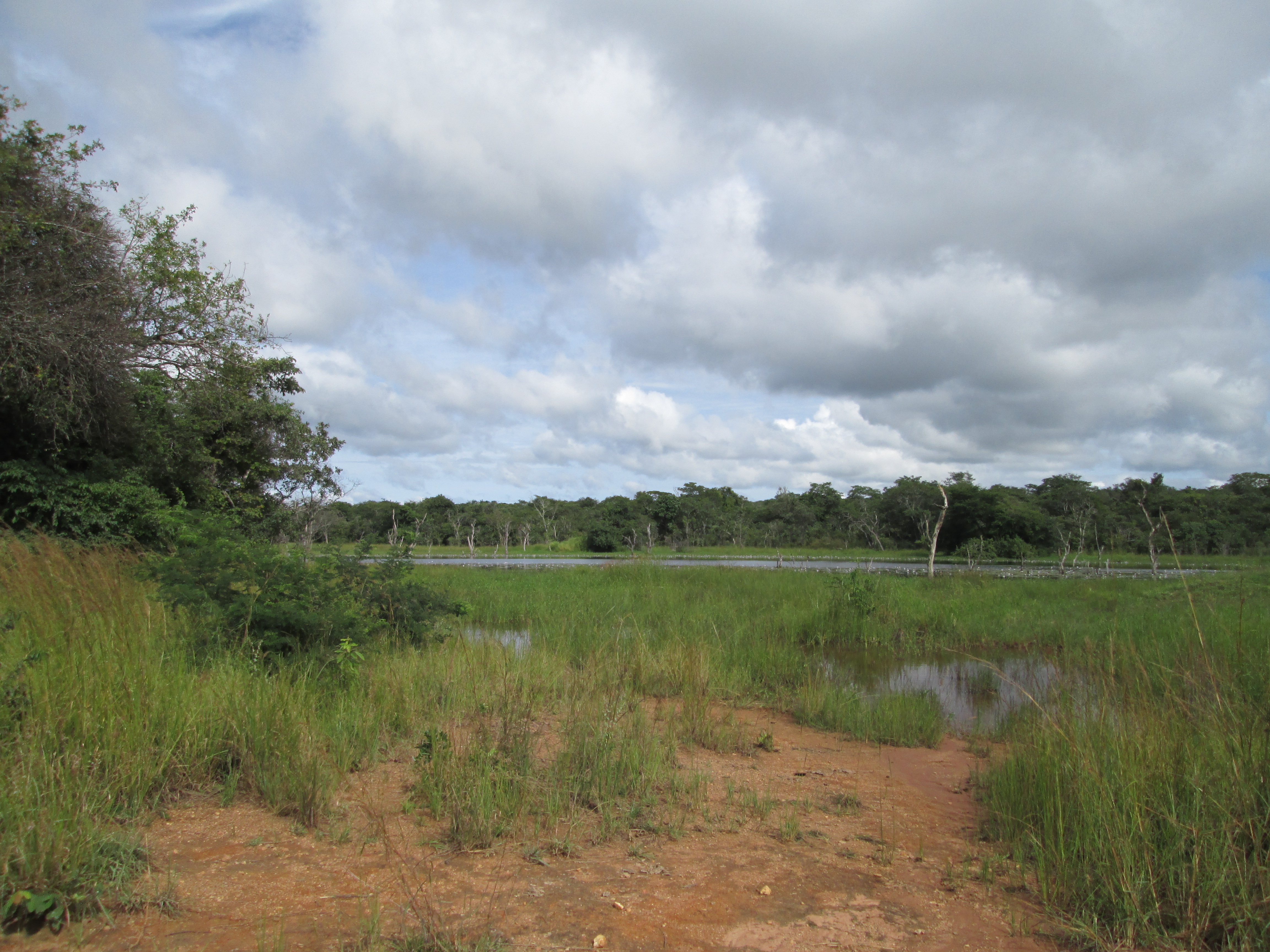
IMG_0221 IMG_0220 IMG_0217 IMG_0215 IMG_0214 IMG_0210 IMG_0209


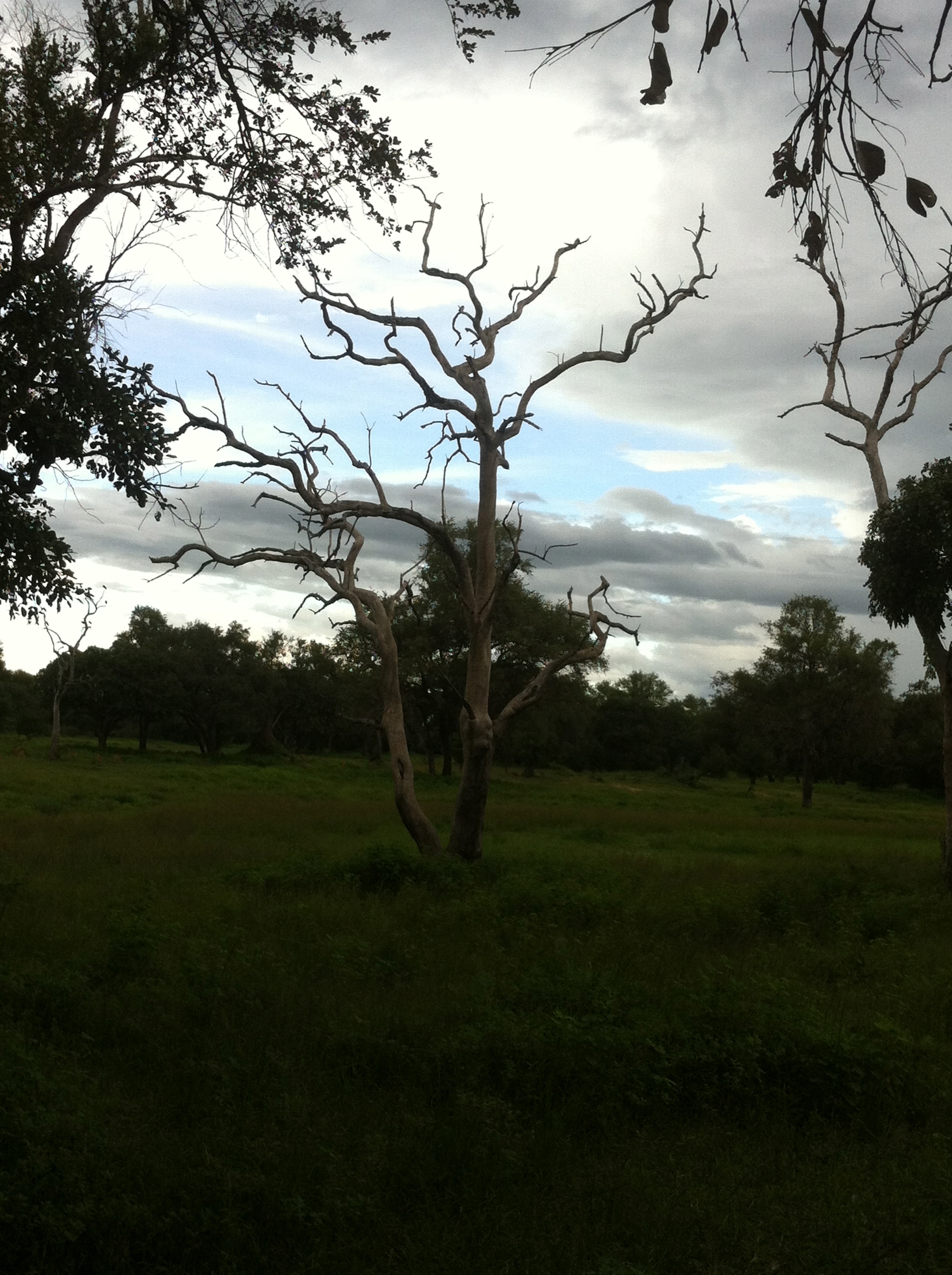
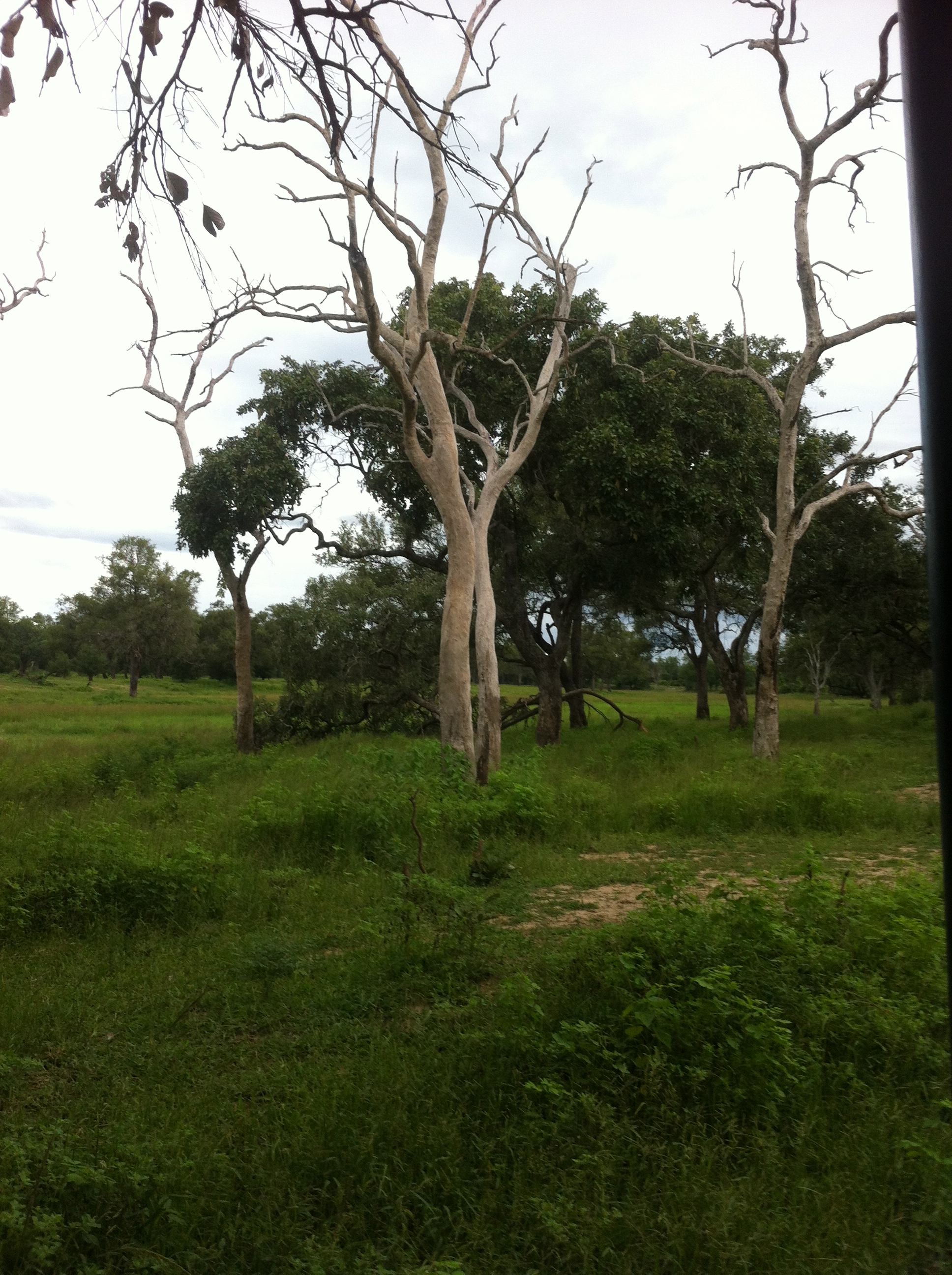
There were some other trees that looked almost ghost-like.  Apparently, these trees were dead…but even after death, stayed standing for up to 30 years before finally coming down.

IMG_0241 IMG_0240


I was hoping to see a hyena and we saw plenty of clear, recent tracks…but no hyena appeared.  We also came across the jawbone of a young elephant.

IMG_0270 IMG_0267


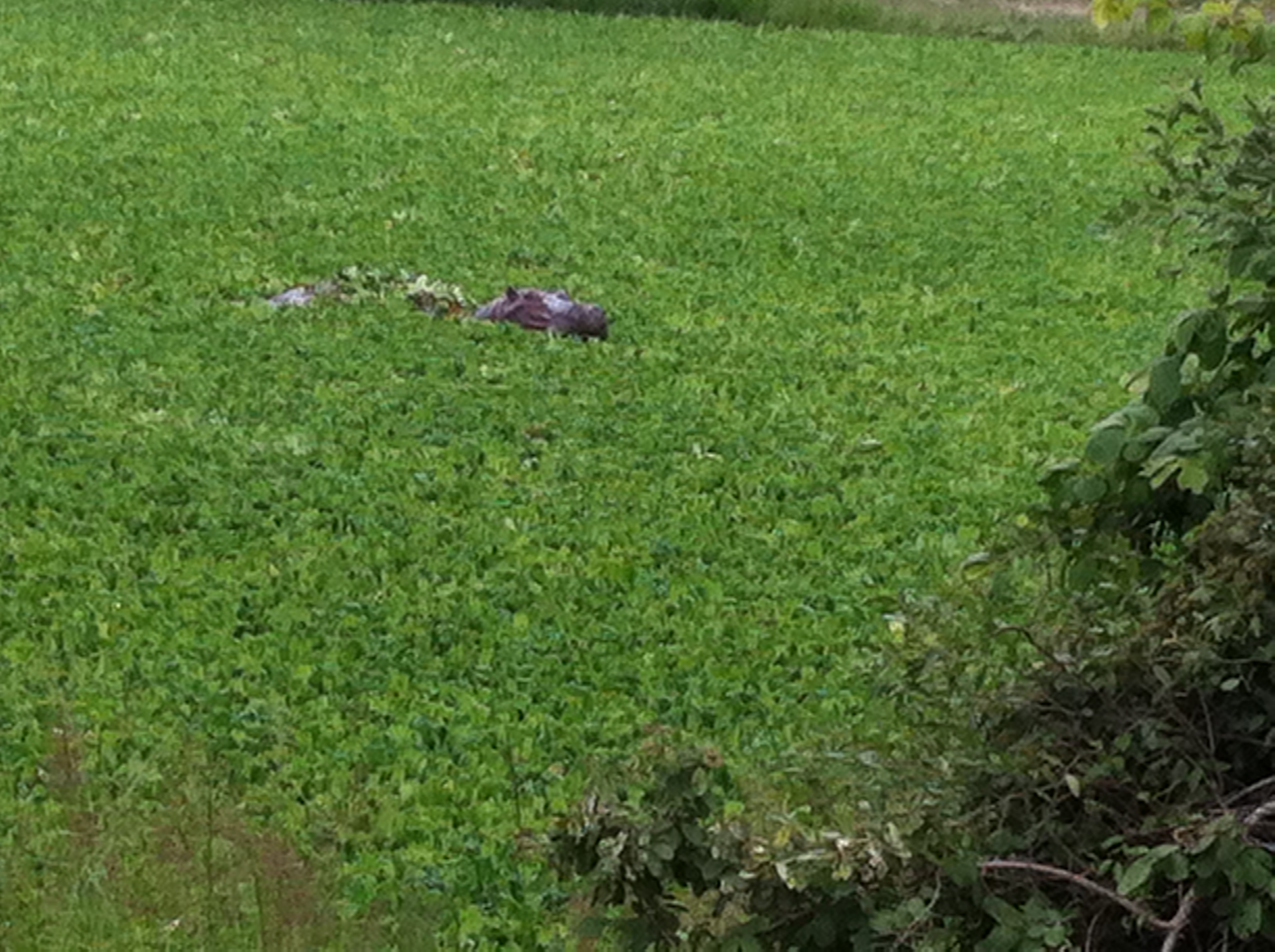
Here is a hippo, eating his way through a pond full of Chinese cabbage. You could hear him chomping his way across the pond.

IMG_0277 IMG_0276

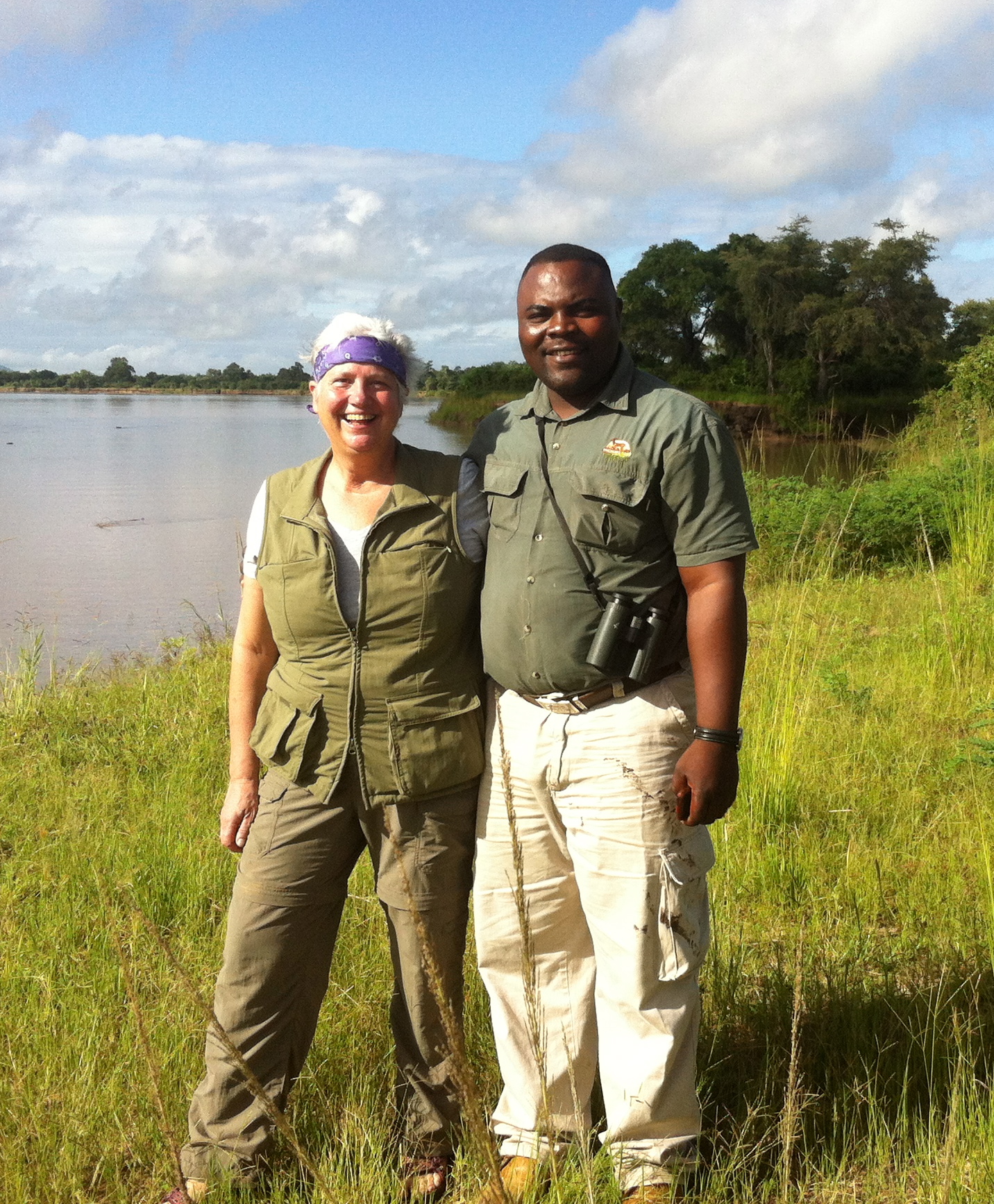
And here I am, with my guide, James.

IMG_0269


It was a great weekend!
IMG_0251 IMG_0252 IMG_0239 IMG_0207 IMG_0205 IMG_0200

The Bats of Kasanka

Standard

IMG_1924

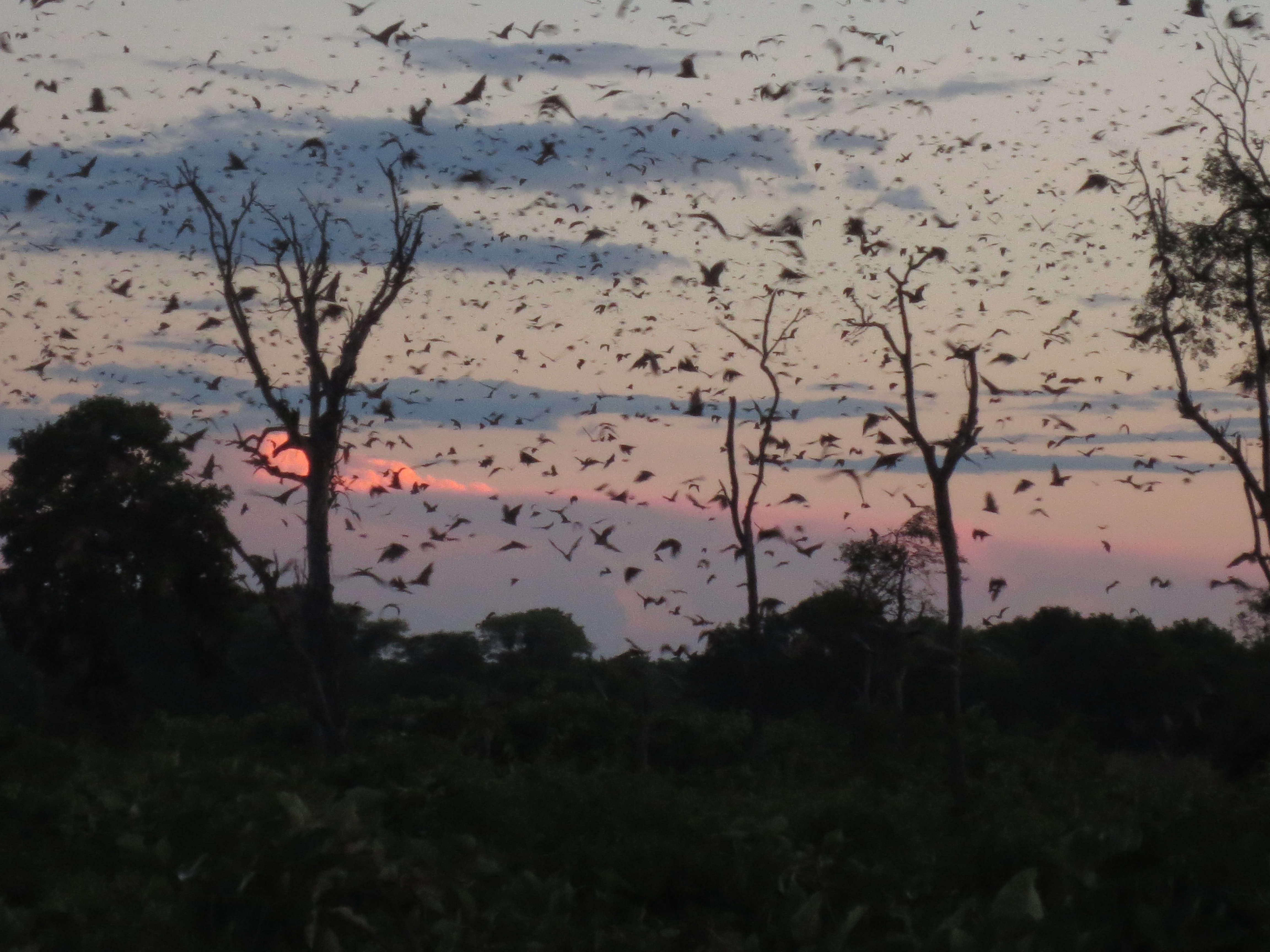
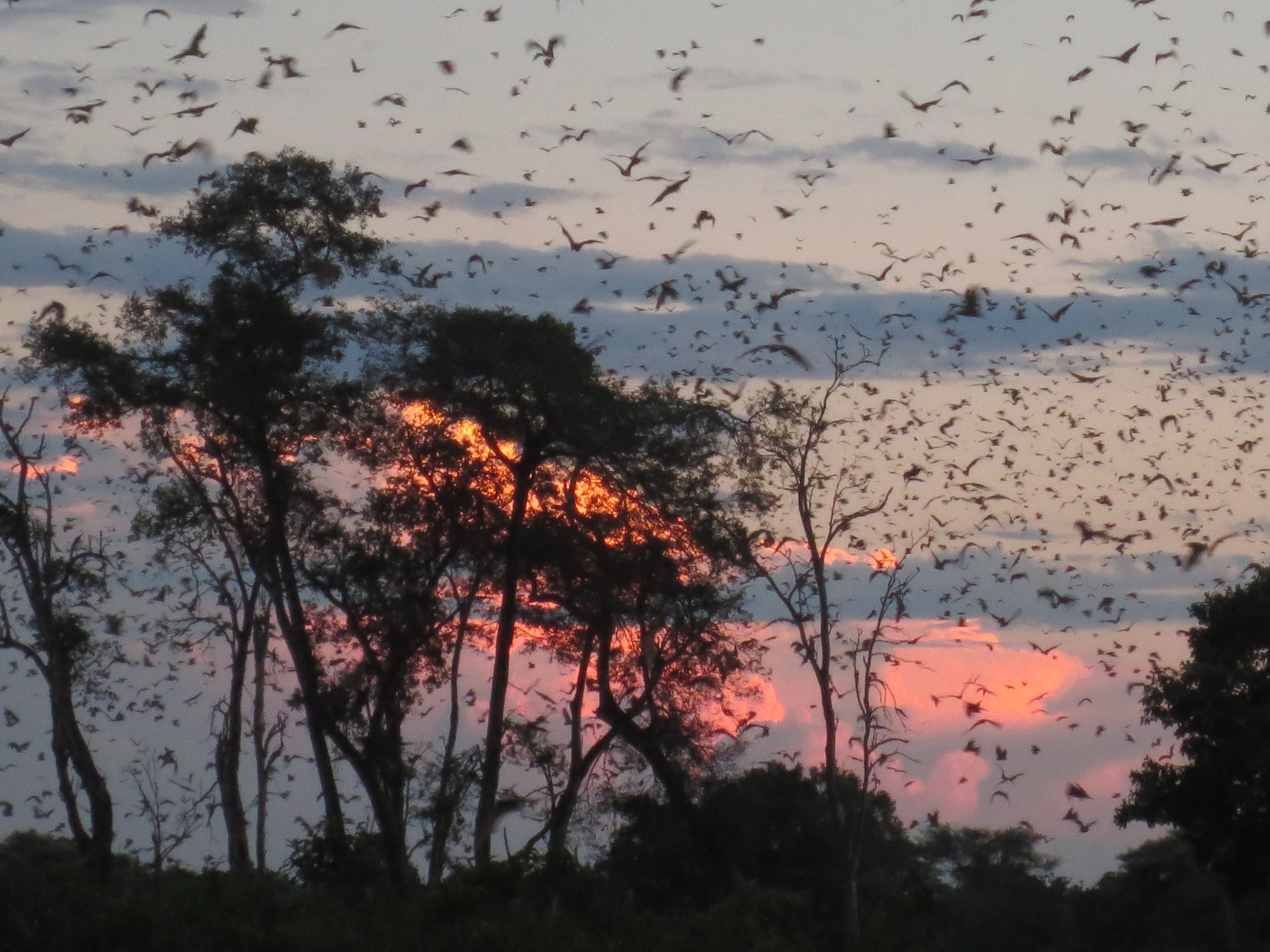
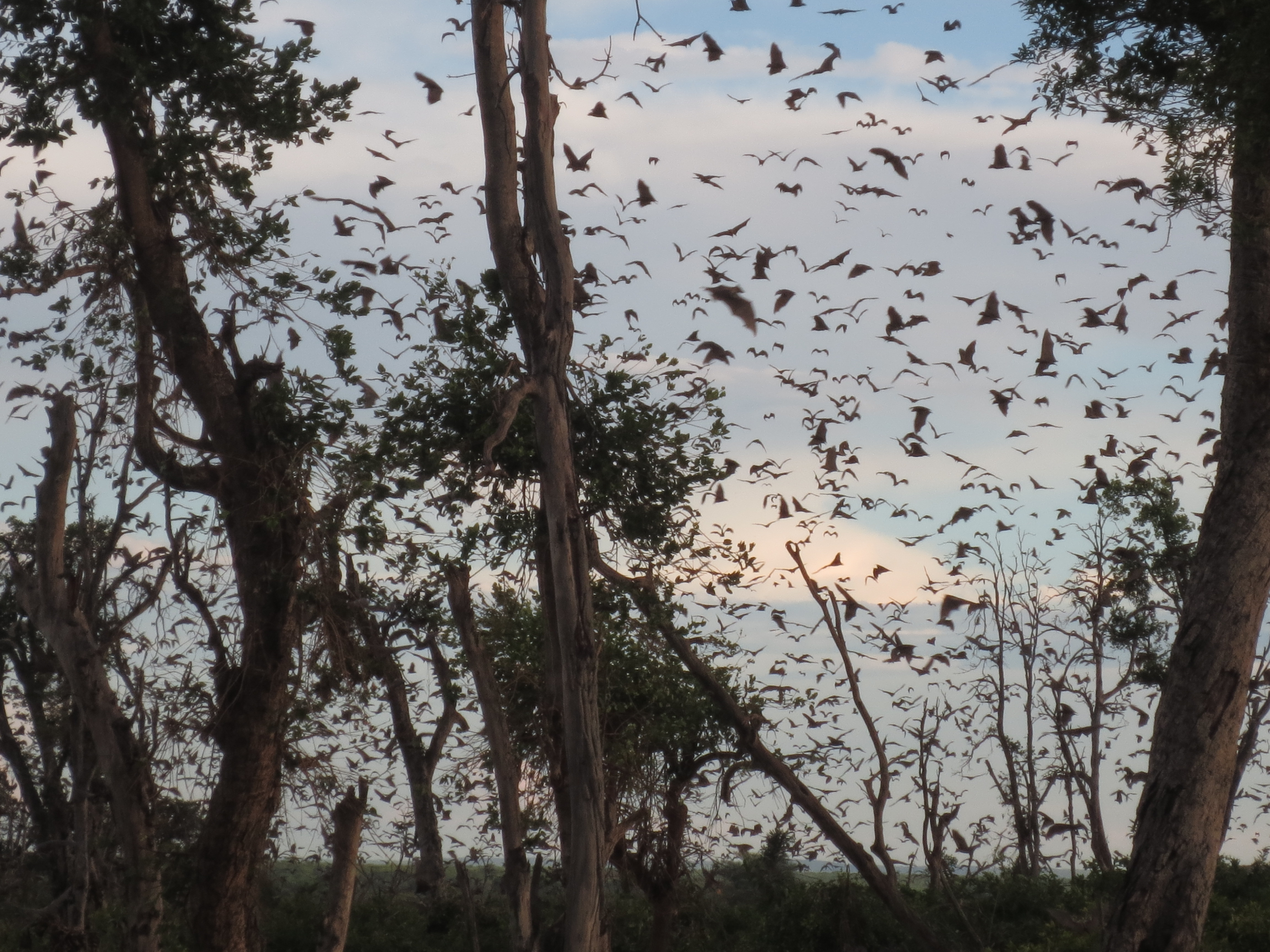
In the northern part of Zambia, about 6 hours drive from Lusaka, there is a small national park called Kasanka.  Every November and December ten million straw-coloured fruit bats take up residence in one hectare of Kasanka National Park’s mushitu swamp forest.  This is not a “migration” as such – as the bats come from various places (such as Congo and Uganda)  It is more like a “congregation” as the bats gather to feed on the delicious mangos that are just ripening.

I had a 4-day weekend for American Thanksgiving and I thought since I wasn’t having turkey, what would be better than to spend some time in the forest, watching +/- 10,000,000 bats take to the sky?  I was not disappointed.

I booked accommodation at the rustic but charming Wasa Lodge, and arranged a ride from Adam, a sort of jack-of-all-trades who turned out to be a fountain of knowledge about landmarks, flora and fauna on the trip up.

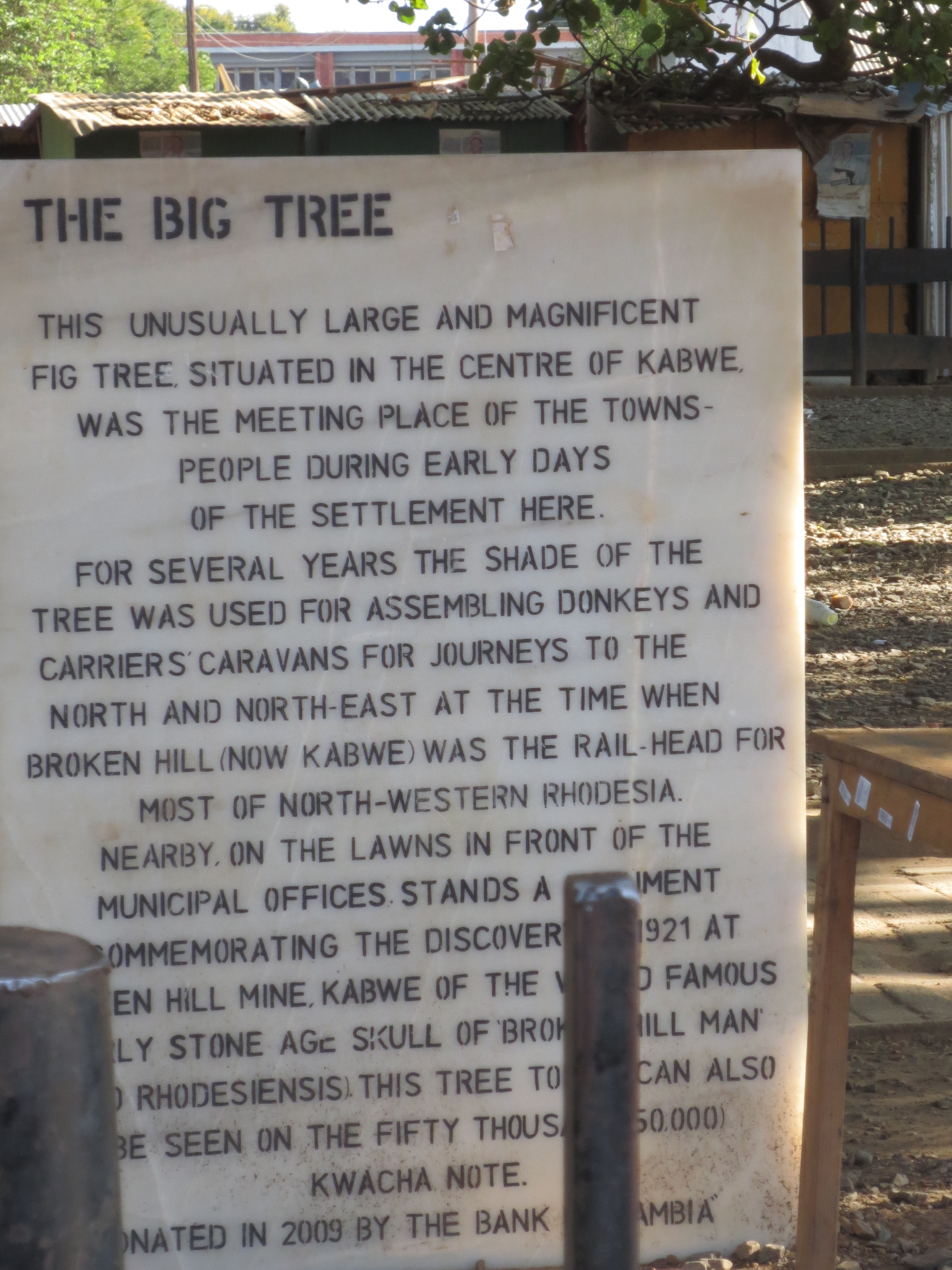
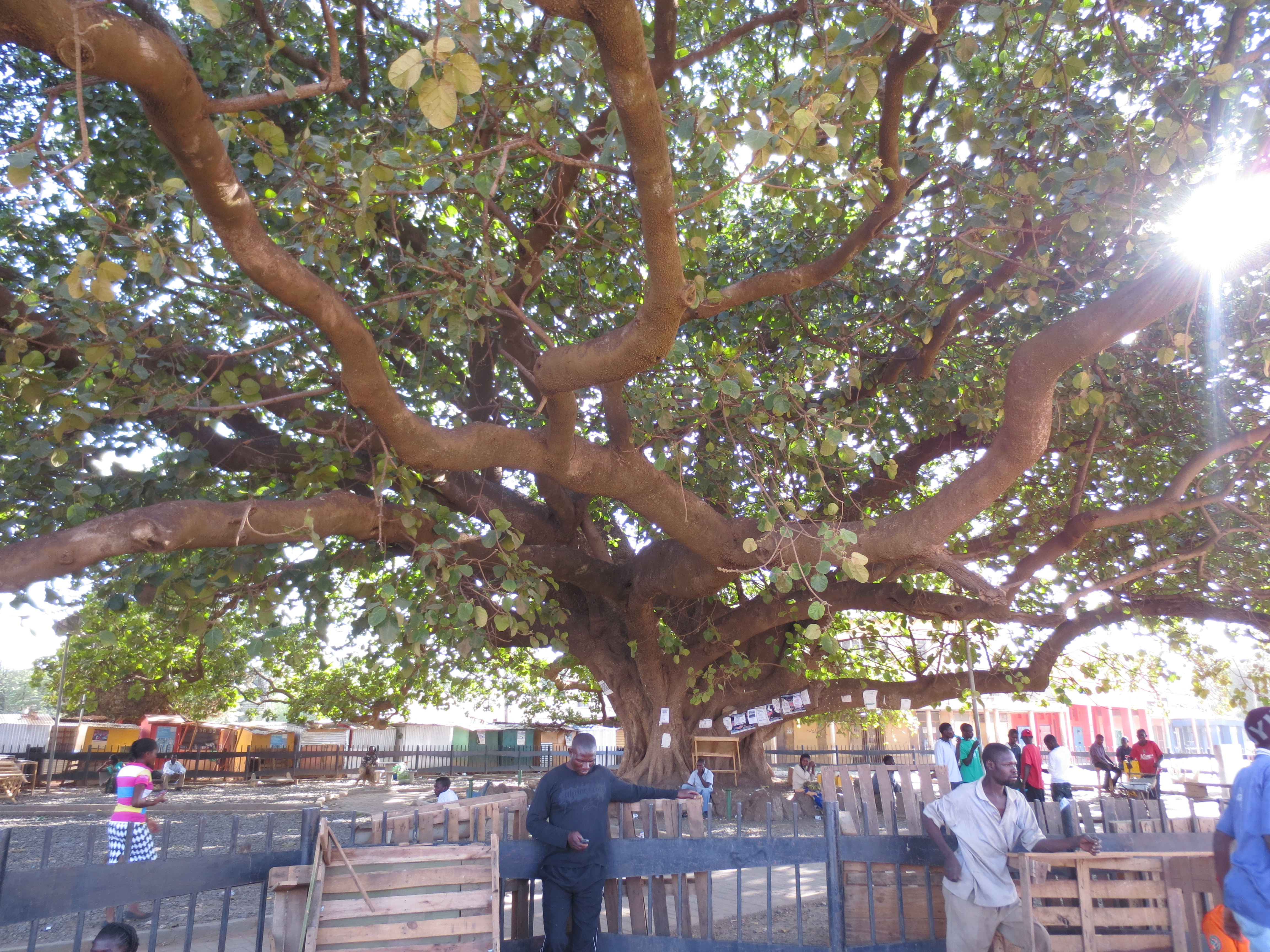
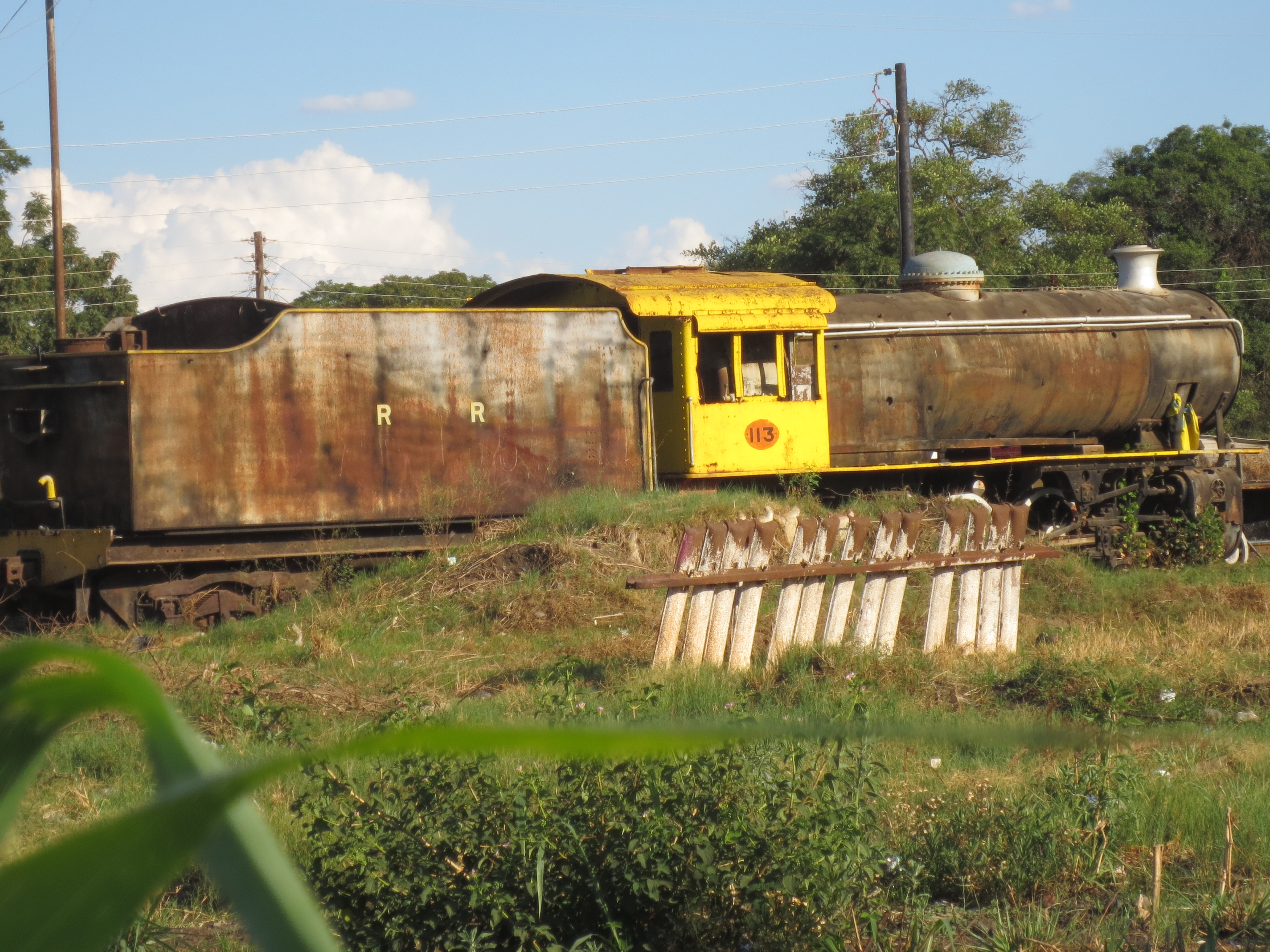
As we passed through Kabwe, he pointed out the “Big Tree” monument (which is an enormous fig tree) and also several ancient locomotives – the town is still the putative center of Zambian railways, although employment on the railways has be greatly reduced.

IMG_2030 IMG_2028 IMG_2026IMG_2033


(We had a small adventure just south of Serneje – a mini-bus full of passengers had blown a tire and was tipped over on the side of the road.  The people were waving branches to try to flag down a vehicle, so we stopped.  There was a boy about 8 or 9 years old who had a sizeable gash in his leg, and an older man who looked like he may have had a concussion.  We piled them into the back seat, along with the little boy’s brother and detoured to the nearest clinic, about 20 minutes away.  Luckily, the gash on the boy’s leg had not been high enough to hit the femoral artery and although it was very deep (I could see the fat layer and muscle) it had not gone to the bone.  I  gave him water and covered the wound with gauze from the first aid kit.  The clinic was out in the middle of nowhere, but the nurses and orderlies came out with a couple of wheelchairs and we had some assurance that our unexpected passengers would be okay.)

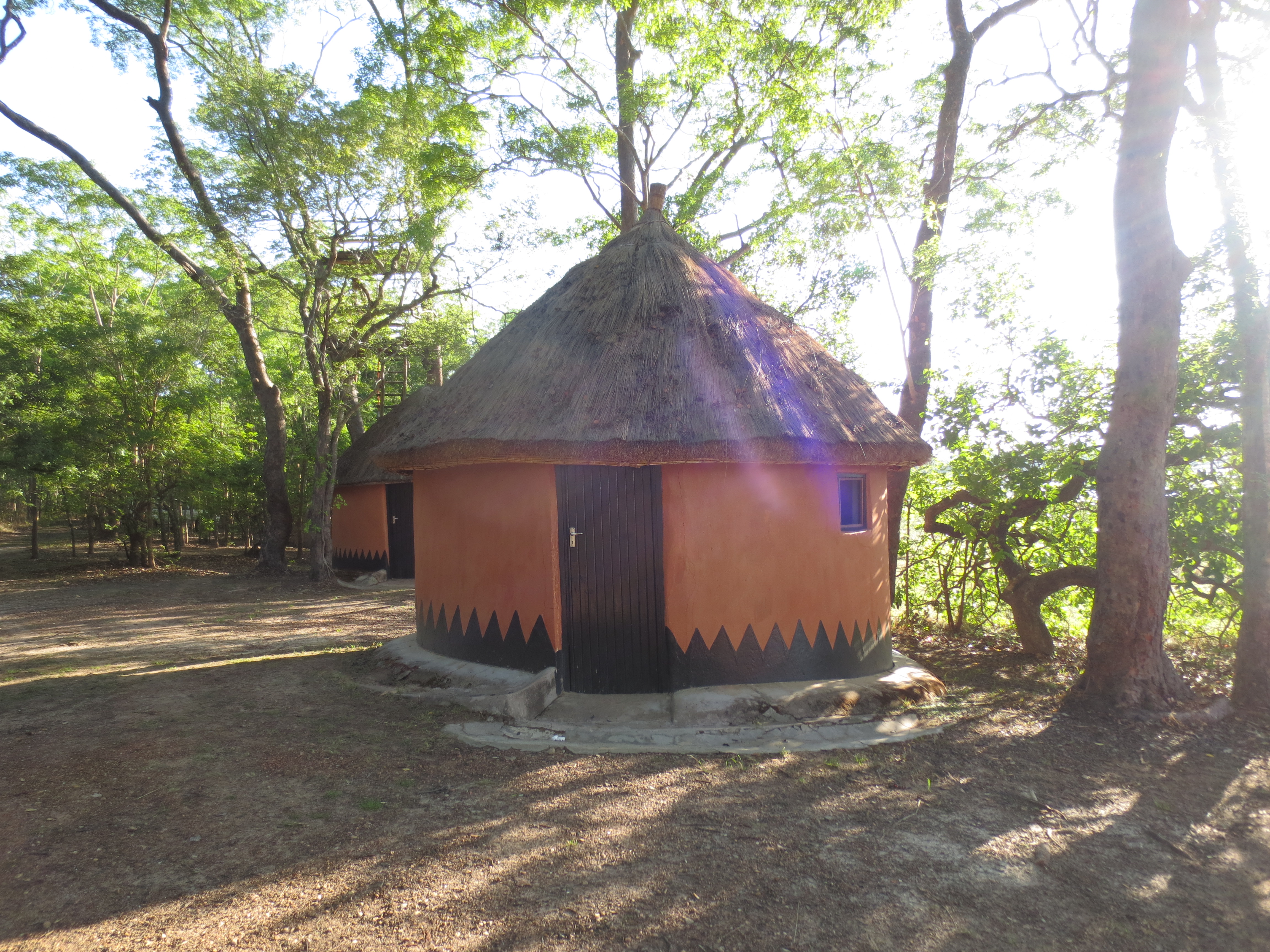
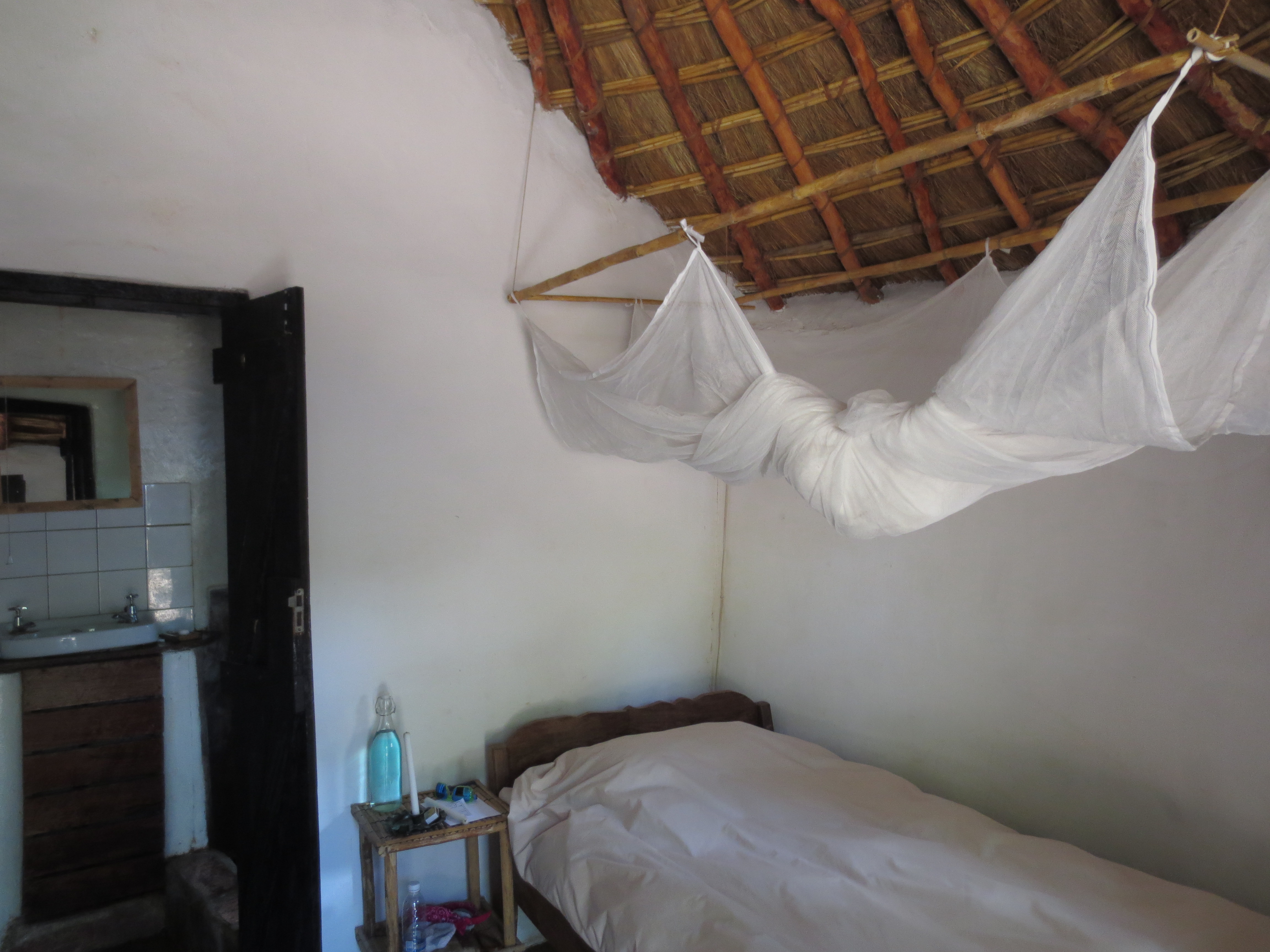
We finally arrived at the lodge.  I was pleased to find that I had been “upgraded” and I didn’t have to share a bath.  I had my own little “chalet” – a terra-cotta coloured roundel, which had a thatched roof and was cool and comfortable.  The bath had cold running water and a “bucket” shower – when you wanted a shower, the staff would fill up a large container on the roof which was connected to the shower inside.  It worked splendidly.

IMG_2010 IMG_2013 IMG_2018IMG_2020

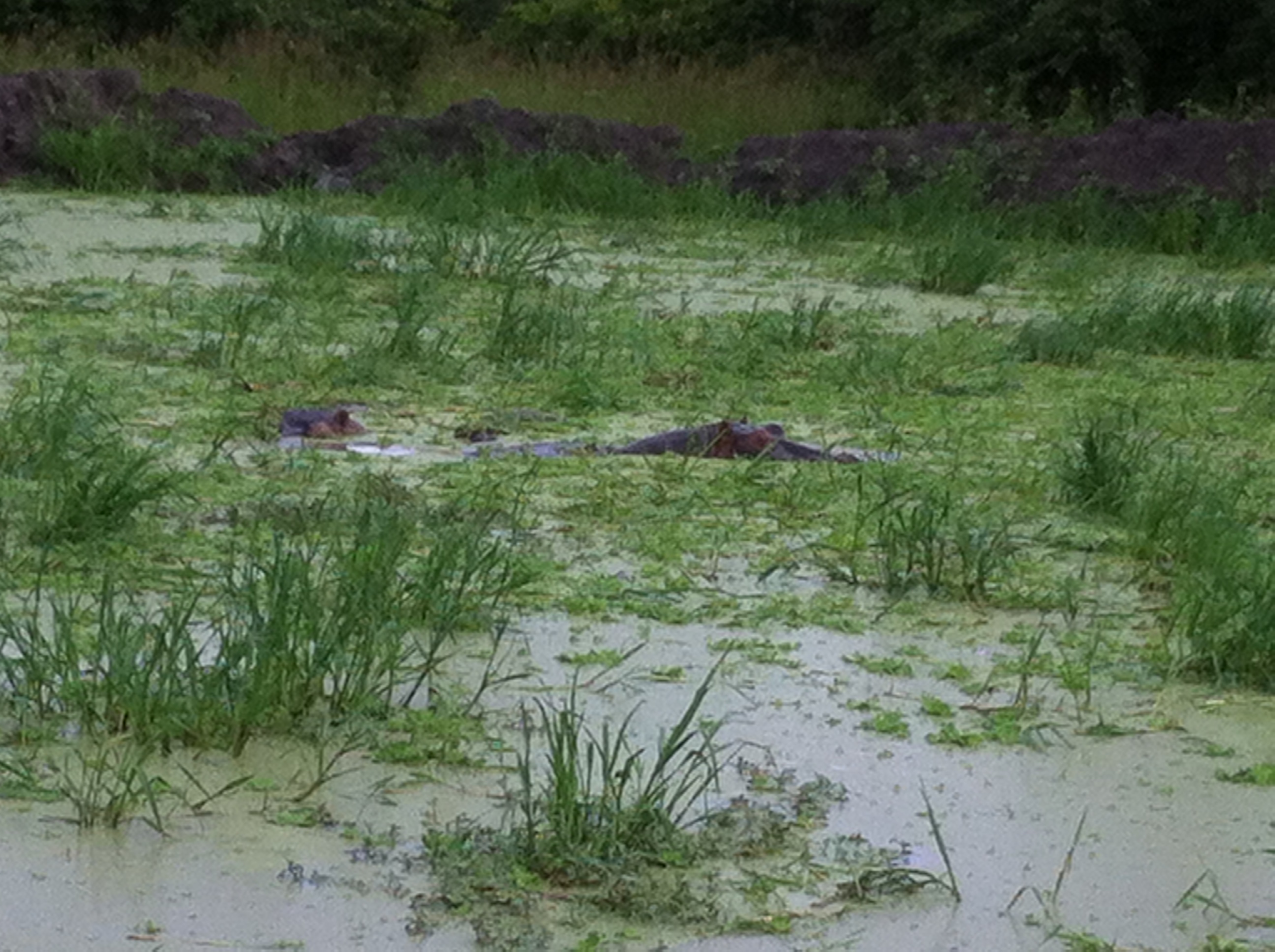
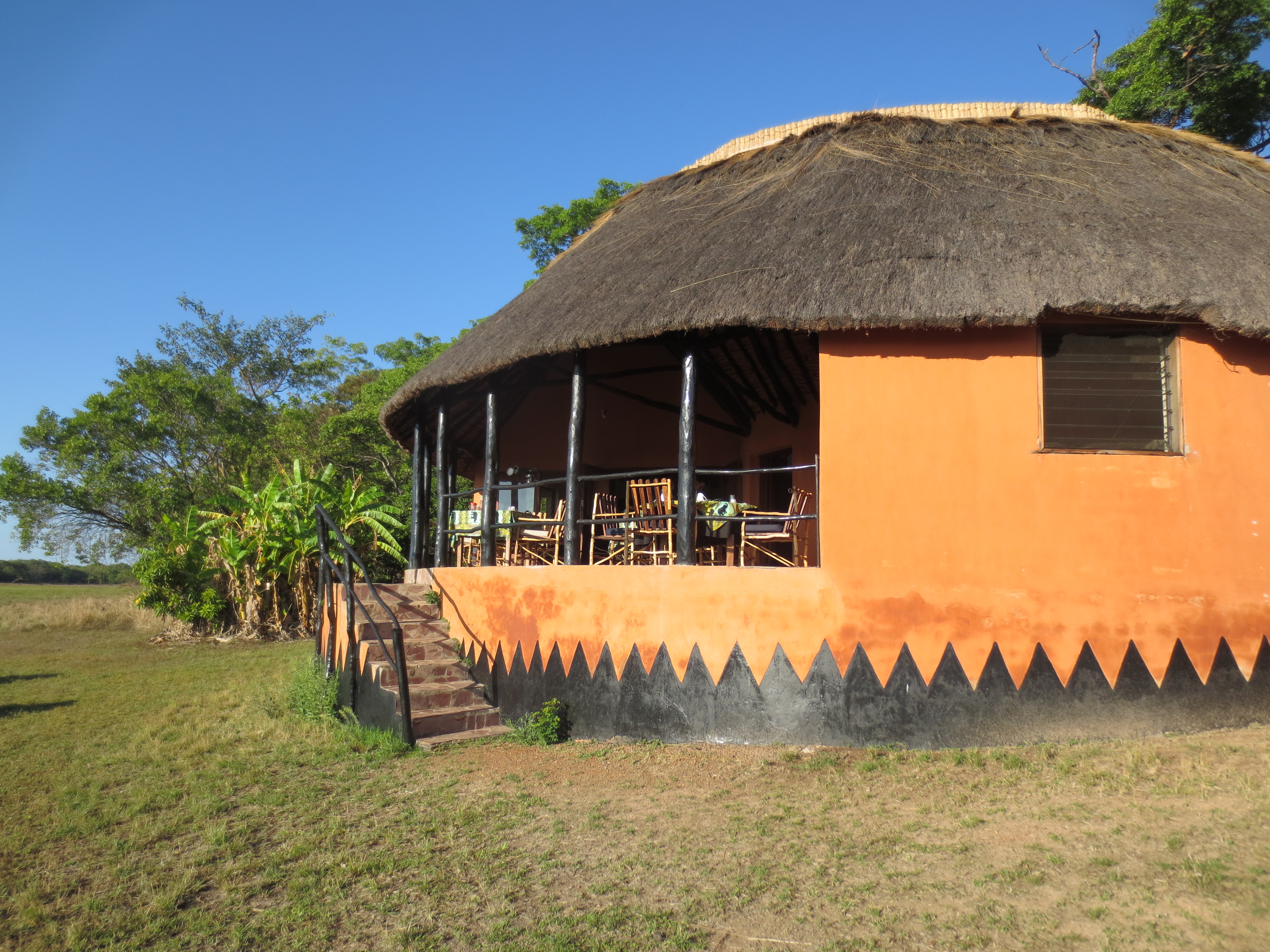
There was a large main building (also round!) which looked out over Wasa Lake.  They had a full bar and meals were included.  You could see puku (a kind of antelope) grazing across the lake and there was a sizeable pod of hippos in residence – you could hear them grunting as they surfaced and see their ears peaking out above the water.IMG_2022 IMG_2012 IMG_2017

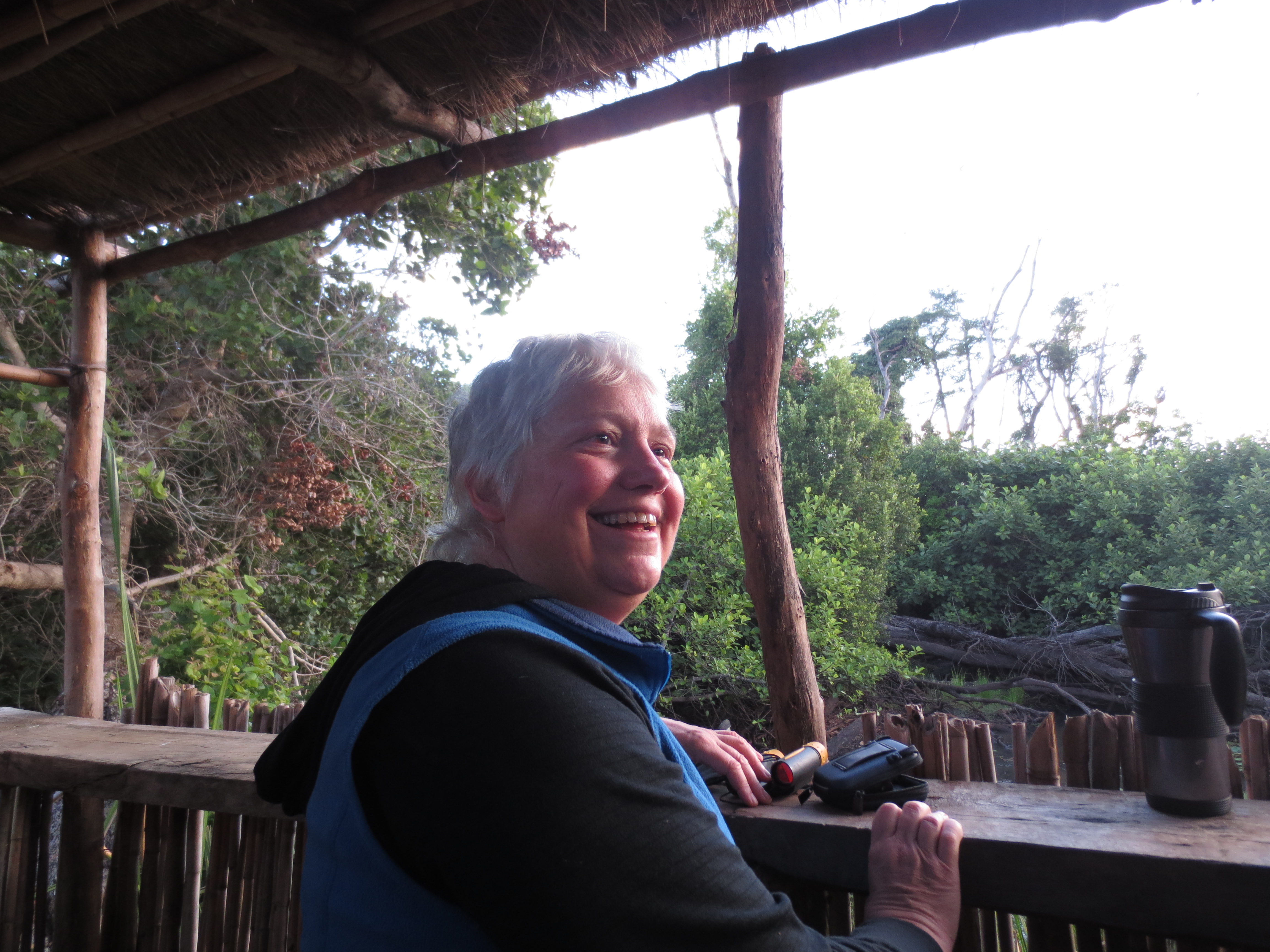
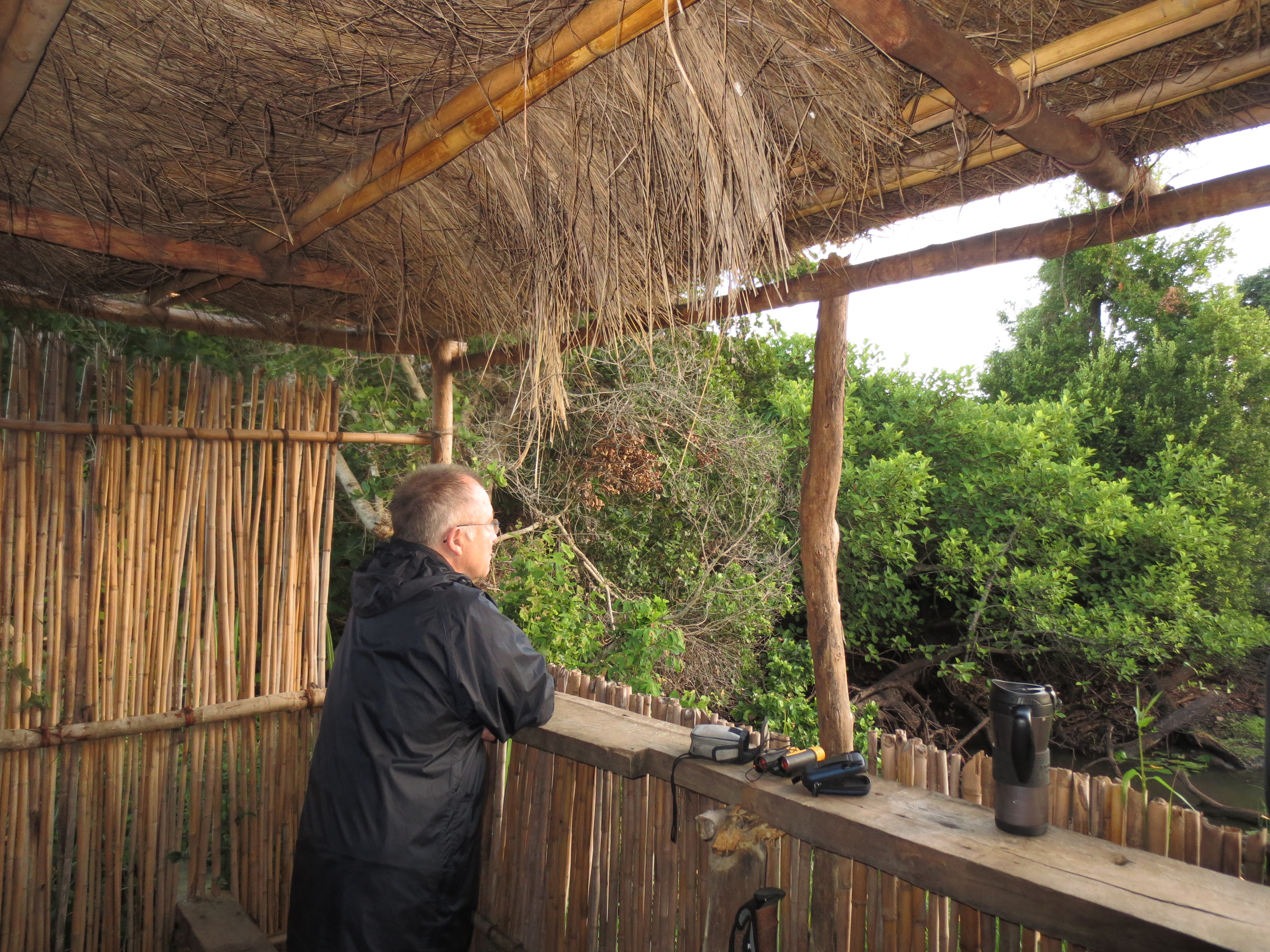
Sam, the proprietor, greeted me warmly and said he would organize all the bat drives for me.  There are several “hides” from which to view the bats and there were drives in the evening (leaving at about 4:00pm) and morning (leaving at 4:00AM!)  I decided to go to all three available hides and did one twice…because it is a different experience in the evening, when the bats are on their way out, and in the morning, when they are returning, fat and tired and full of fruit!

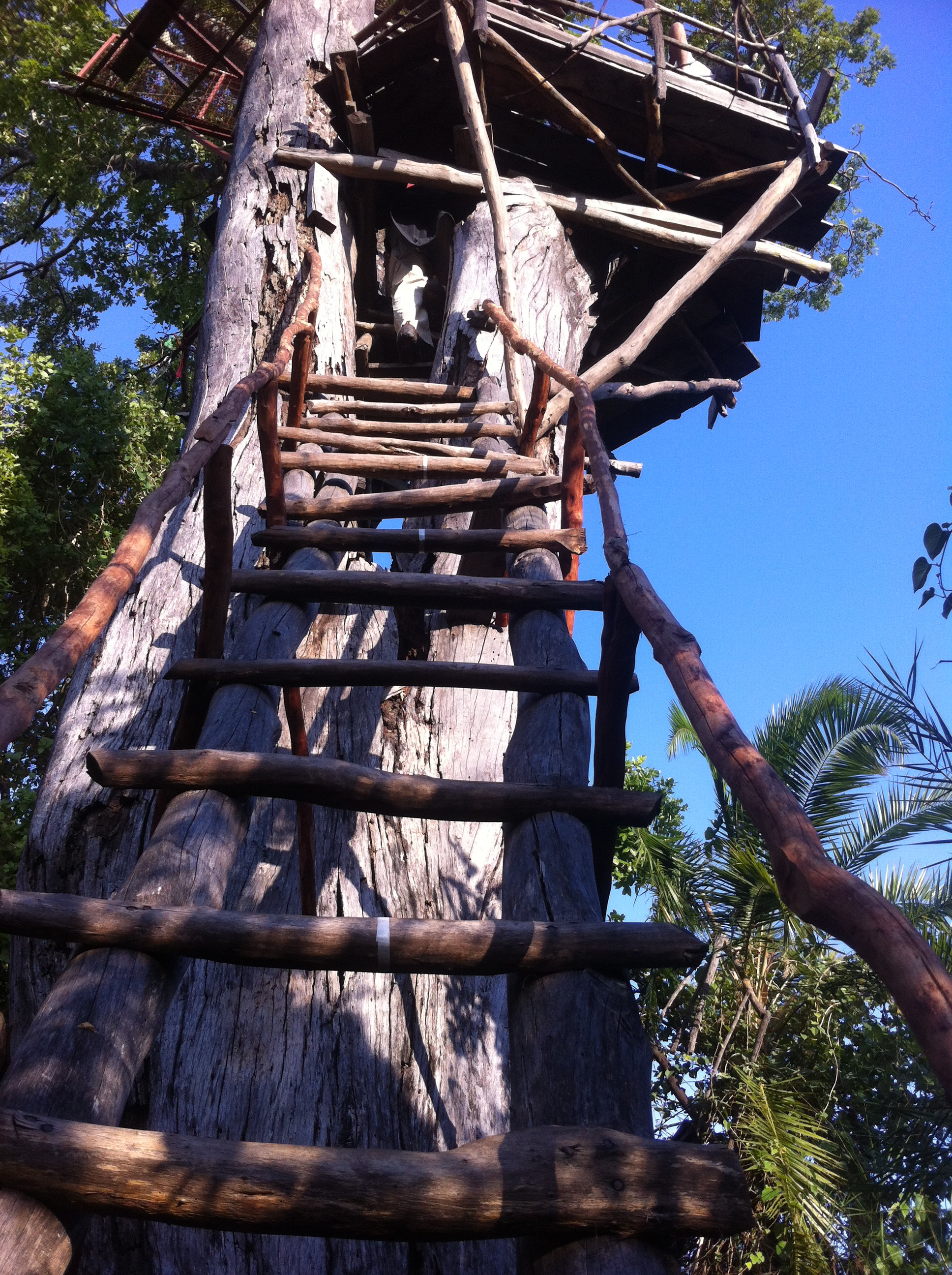
Some of the hides were platforms in trees, (you climbed up a wooden ladder-like staircase) and some were right on the ground in a sort of marsh.  (To get to this one, we walked through a field of mint, which smelled wonderful!)

IMG_0073 IMG_1954 IMG_1951

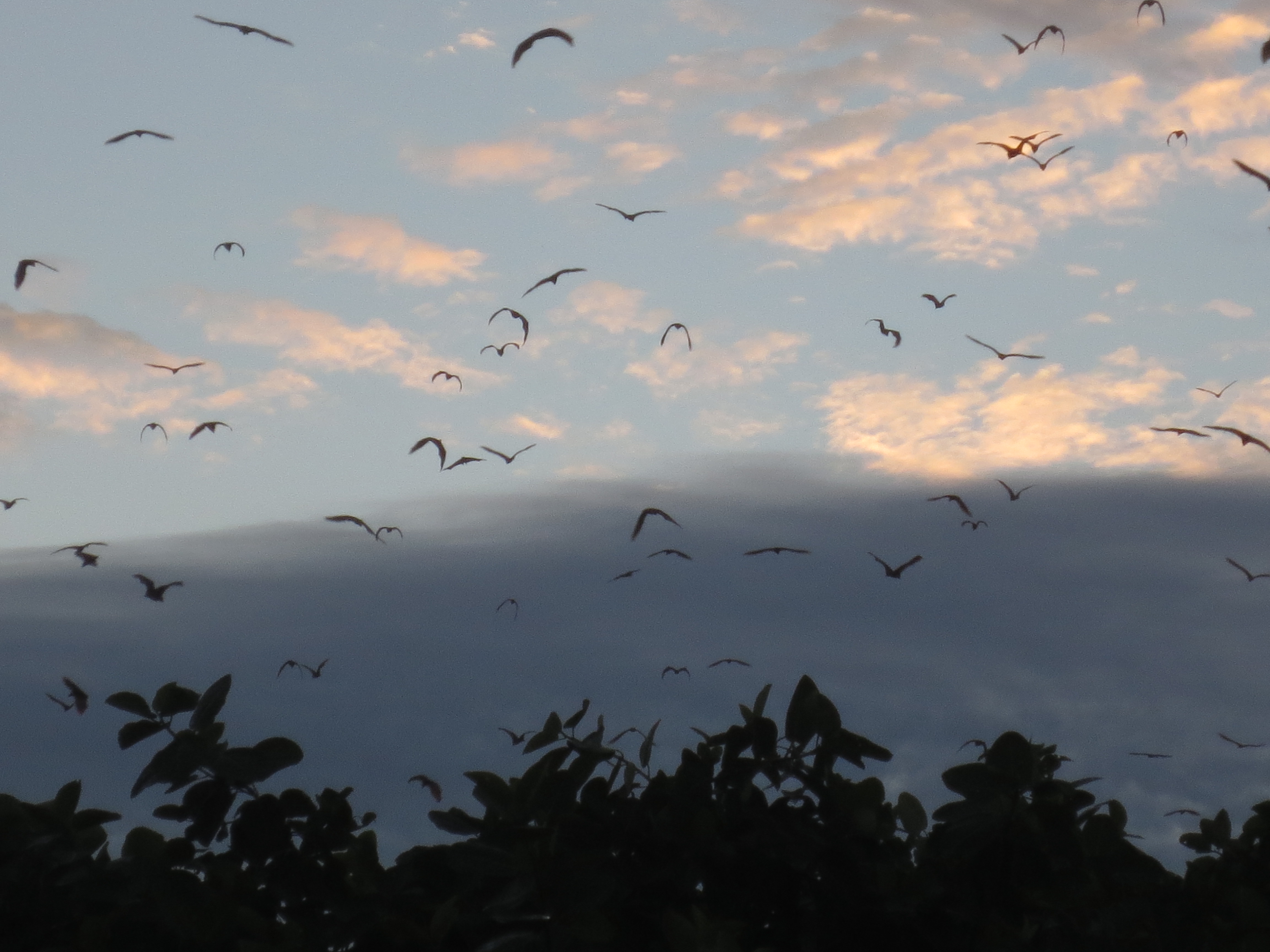
There is no way to adequately describe viewing the bats.  In the evening, they would emerge from the dense forest beneath, where they had been sleeping all day (protected from the various birds of prey and other predators.)  They would hover around the tree-tops, circling and making their high-pitched bat-noise, and then descend again, as if to rally the rest of the group.  Each time, more and more bats would emerge, until finally, at almost exactly 6:00pm, they would ALL emerge – thousands and thousands and thousands of them – all heading off (as much as 60 kilometres away) to feast on the mangos.

IMG_0104 IMG_1936 IMG_1950 IMG_1956

Our guide, Lloyd, told us that in the morning, they fly noticeably lower and more slowly, because they are so full…and that they sometimes bump into each other (I did see one collision.)  It’s like they are coming back from a night on the town…possibly muttering “Man, I shouldn’t have had that last mango” as they weave their way home.

IMG_2008 IMG_1956 IMG_1943 IMG_1941 IMG_0085 IMG_0080 IMG_0078

Lloyd was an extremely knowledgeable and interesting guide.  To become a guide, you have to take a 4-year sequence of classes and then pass a very stringent exam.  He had some great stories, including one where a walking safari inadvertently came between a mother elephant and her baby and another one where a guide actually lost his life protecting an idiot guest who was insisting on getting close enough to “see the eyes of the elephant.”

I loved the morning viewings best – you leave in the dark, with the stars above and then, as the skies slowly lighten, you hear and then see the bats returning…flying with the sun gleaming through the membrane of their wings, making them look golden.  There was no way I could possibly get a picture of this, no matter what kind of camera I might have had.

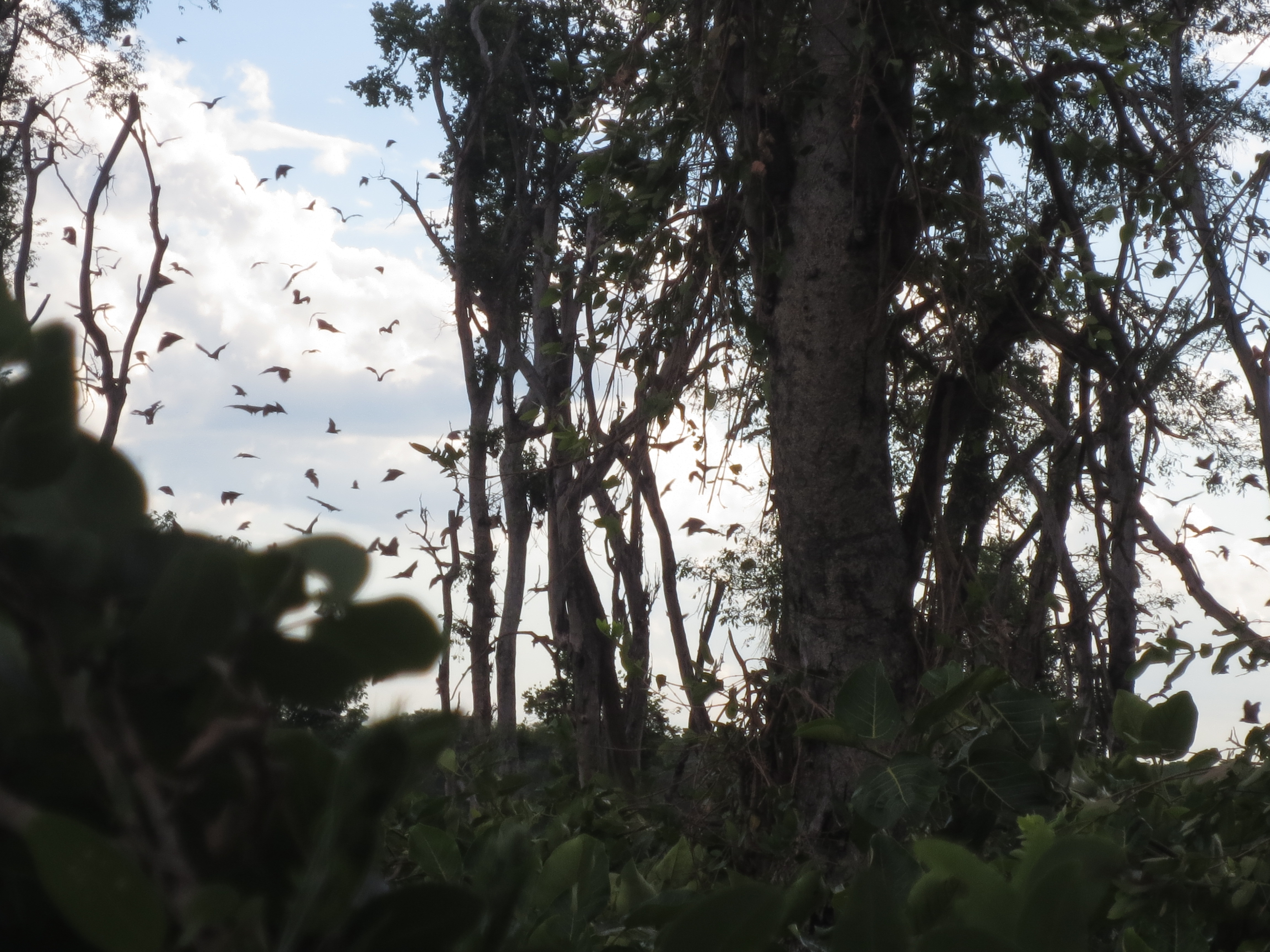
They roost for a while in the tops of the taller trees and then, suddenly, all swoop down at once – making it look as though the tree is shedding its leaves.  You hear their wings whooshing as they all descend back down into the forest. The trees in the picture below are FULL of bats…look closely!

IMG_1937 IMG_1935 IMG_1936

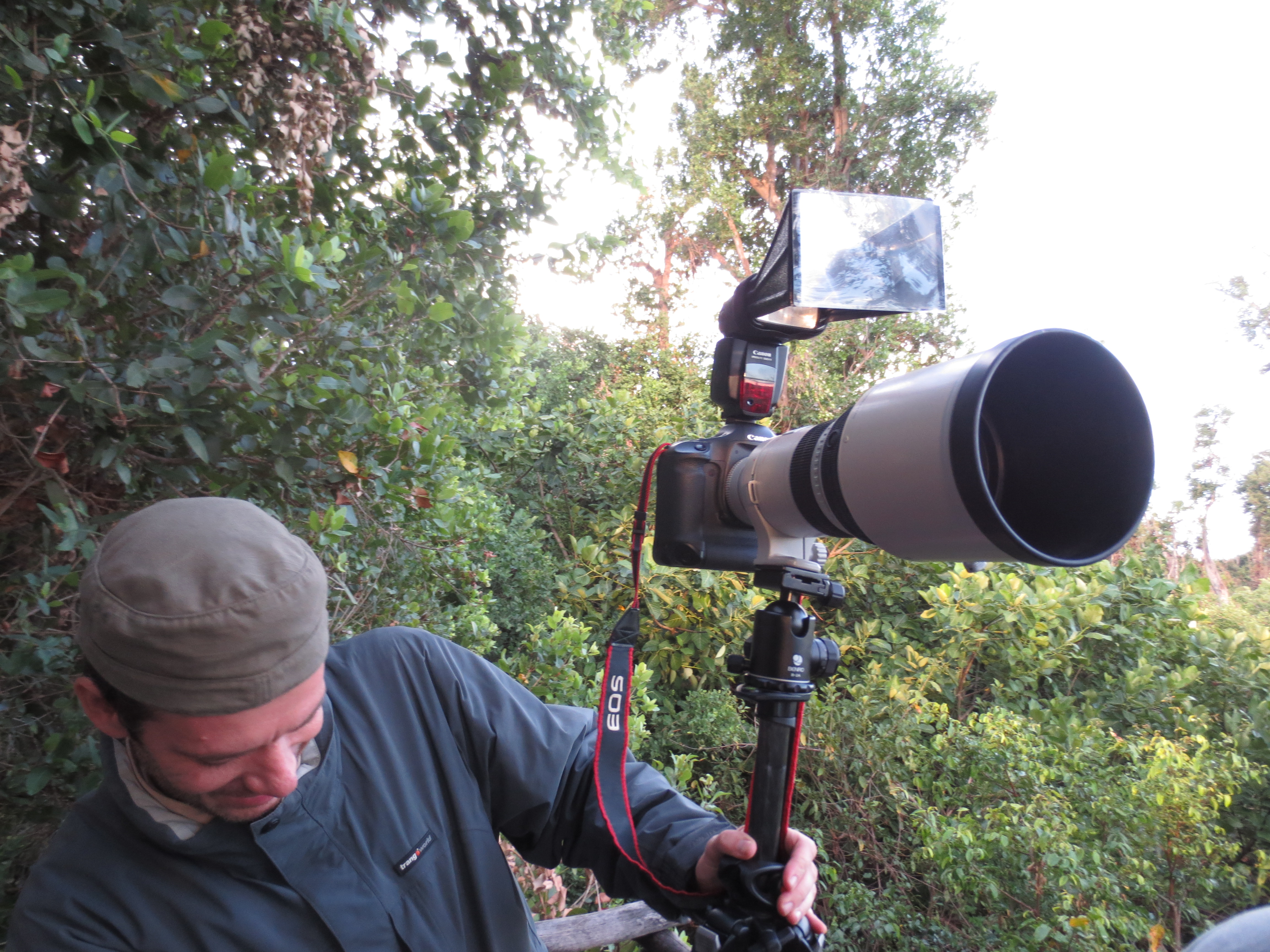
I met some interesting fellow bat-viewers, as well.  On the first drive, there were two guys from Spain, who had cameras that looked big enough to see the footprints on the moon!  They were very particular about their pictures.

IMG_1939

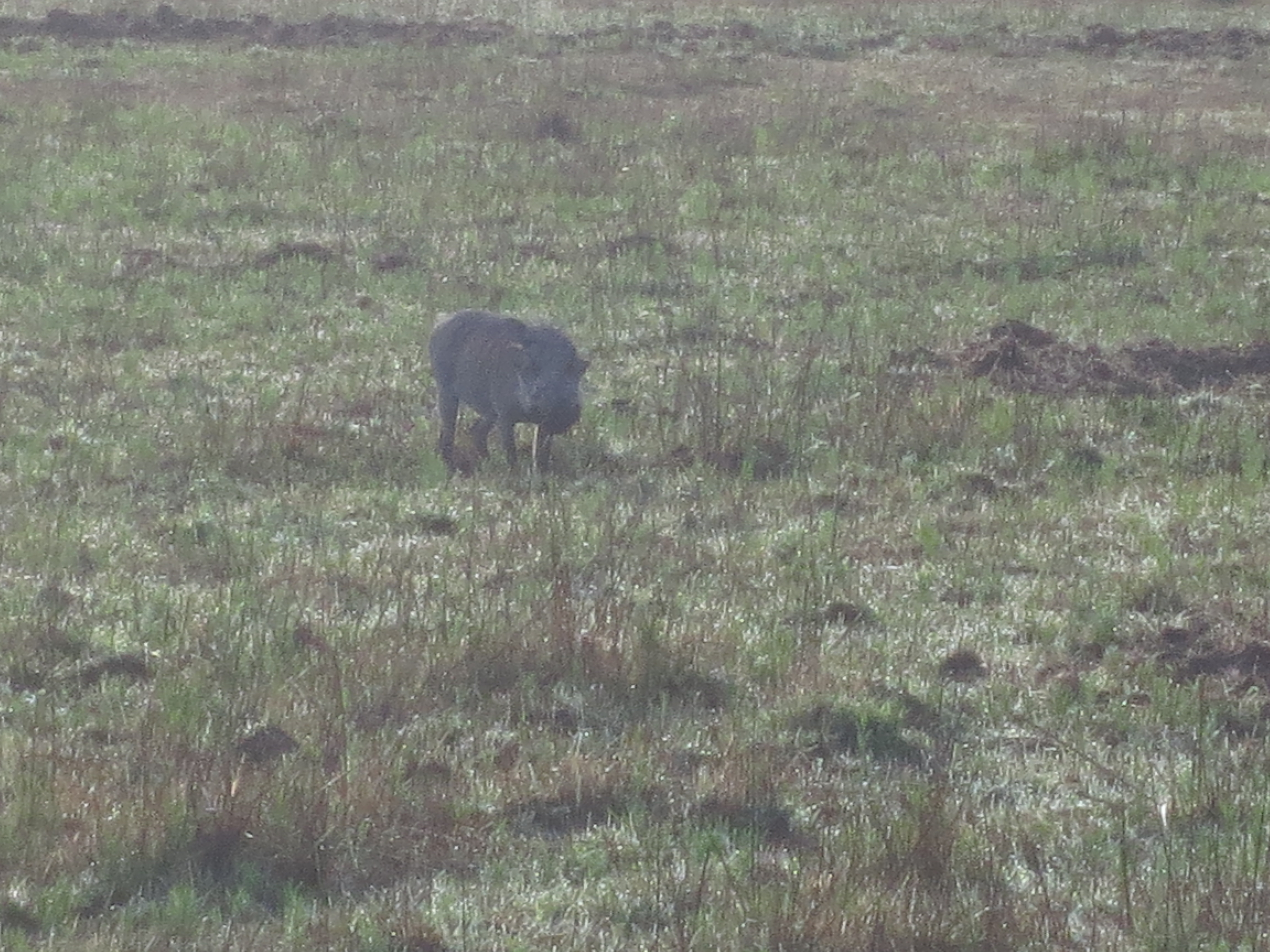
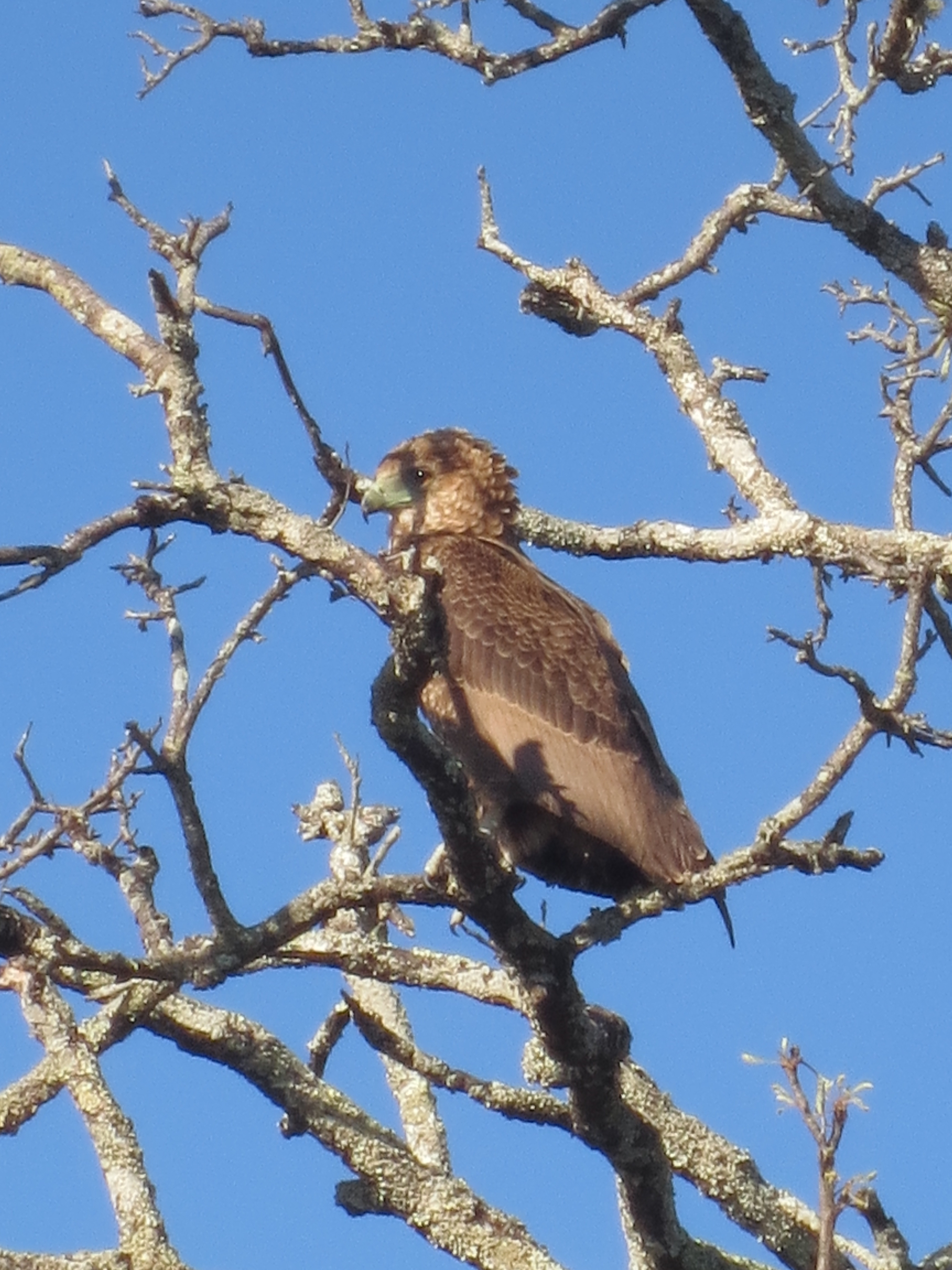
The following morning, my companions were three older Englishman who had been friends with David Lloyd, the founder of Kasanka National Trust and a real character, by all accounts.  He squandered half his fortune on wine, women and song and then used the rest to buy Kasanka.  These guys knew a great deal about the park and on our drive back, we detoured a bit so we could try to view some of the animals and interesting plants.  We saw a warthog and a kind of goose and had a fantastic view of a bateleur (a kind of eagle.)  I got a shot of it sitting in a tree, and then it swooped off and circled back over our heads, showing a spectacular wingspan. (I wasn’t quick enough to get a picture, but the sight of that bird, winging not 10 feet above us, was glorious.)

IMG_1961 IMG_1984 IMG_1982

We also saw some huge termite mounds and a field of smaller ones that looked remarkably like a cemetery! There was a magnificent “sausage tree” and several large sycamores.  And plenty of puku.

IMG_1969 IMG_1966 IMG_1967 IMG_1972 IMG_1968 IMG_1977 IMG_1979 IMG_1988 IMG_1991 IMG_1993
The last day, I sat in the shade of the lodge’s balcony, just relaxing and enjoying the view.  It was fun to listen to the other guests come back from their bat viewings.  That night, I sat out by the fire with a glass of wine, watched the sun set and the moon rise and listened to the sounds of the bush.

And I was thankful, indeed.

IMG_1958 IMG_1957 IMG_1960

A short trip up to Ndola and the Copperbelt

Standard

ndola

Last weekend, I took a trip up to the city of Ndola, which is the third largest city in Zambia and right in the middle of the Copperbelt.  When I told people where I was going, the common reaction was “Why?”

Truth to be told, there is not a lot to do or see in Ndola (or Kitwe, the second largest city, which I also visited!)  But…it was someplace different and it gave me an opportunity to see a bit more of Zambia.

IMG_0006 IMG_0005

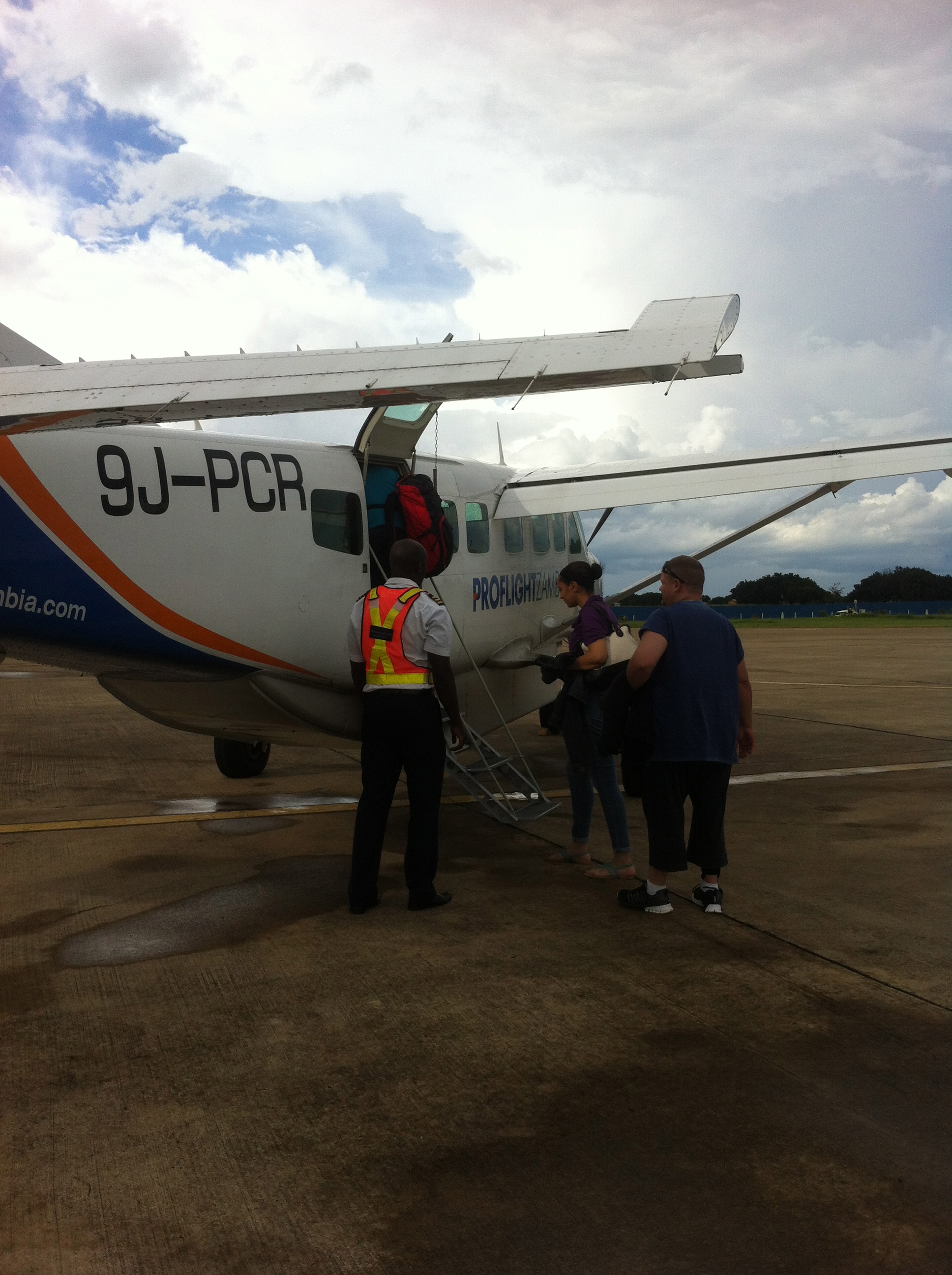
The flight from Lusaka took about 35 minutes on ProFlight Zambia, a fairly new company that is making a great effort to become Zambia’s premiere airline.  The flight was comfortable, friendly and included snacks and drinks!  I had arranged a ride with the guest house and was picked up in a van by a smiling driver, who took me right to the “Indigo Lodge” in the center of Ndola.

IMG_1527

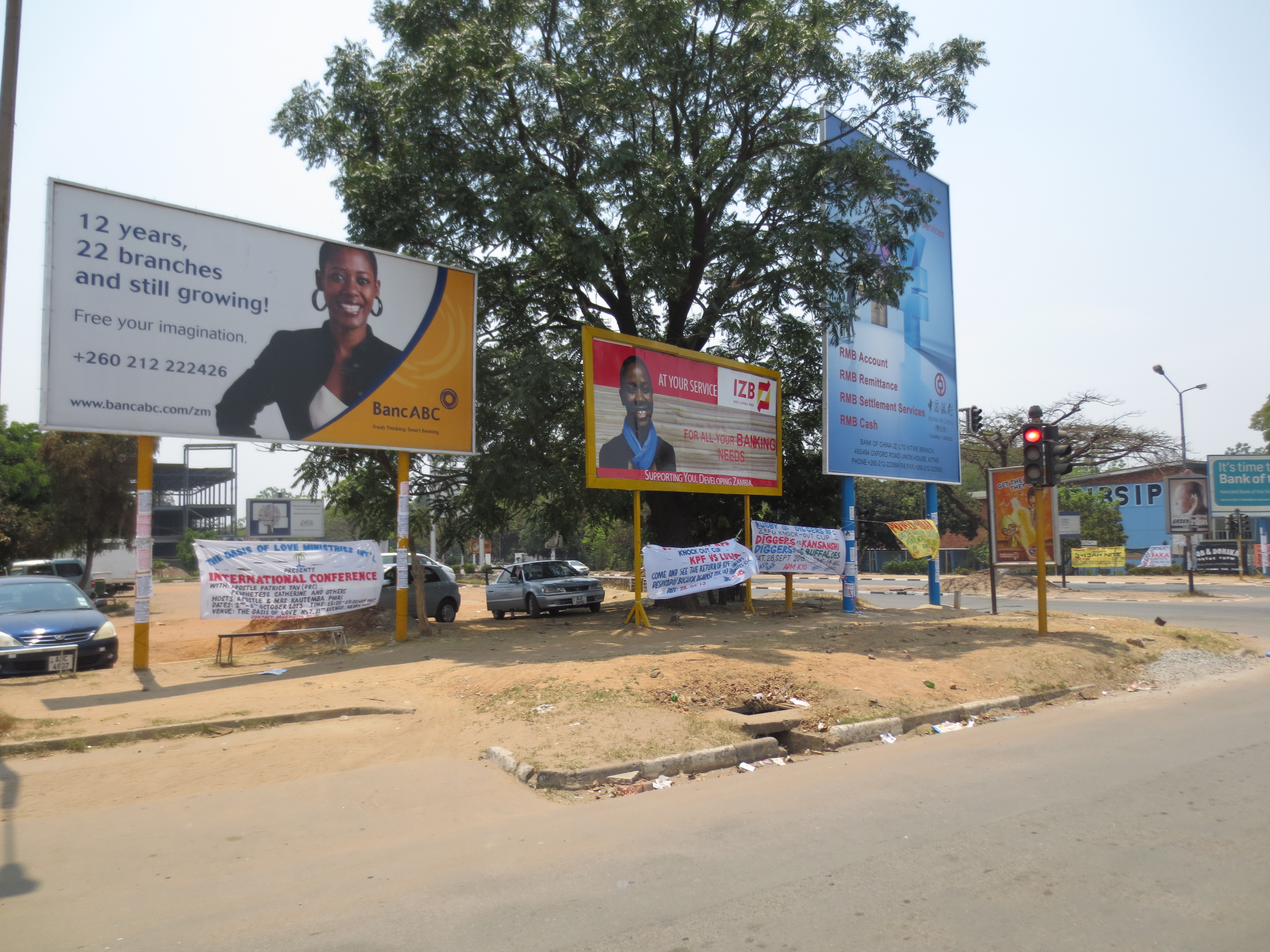
The next day, I took a walk around the city.  We were in the middle of a heat wave (even for Zambia) and there was little breeze.  I was quickly wilted.  Being Saturday, the city was crowded and noisy with street vendors, traffic, taxi drivers trying to get fares, beggars, and people out shopping, getting money from the ATMs and walking on the sidewalks and in the street.

IMG_1558 IMG_1559 IMG_1560IMG_1528

IMG_1530 IMG_1531 IMG_1532

One thing about going to a town like Ndola is that, as a white person, there is no way to simply “blend in!”  I was obviously out of place and though nobody was rude, I certainly got some curious looks.  Ndola is not exactly a tourist destination.

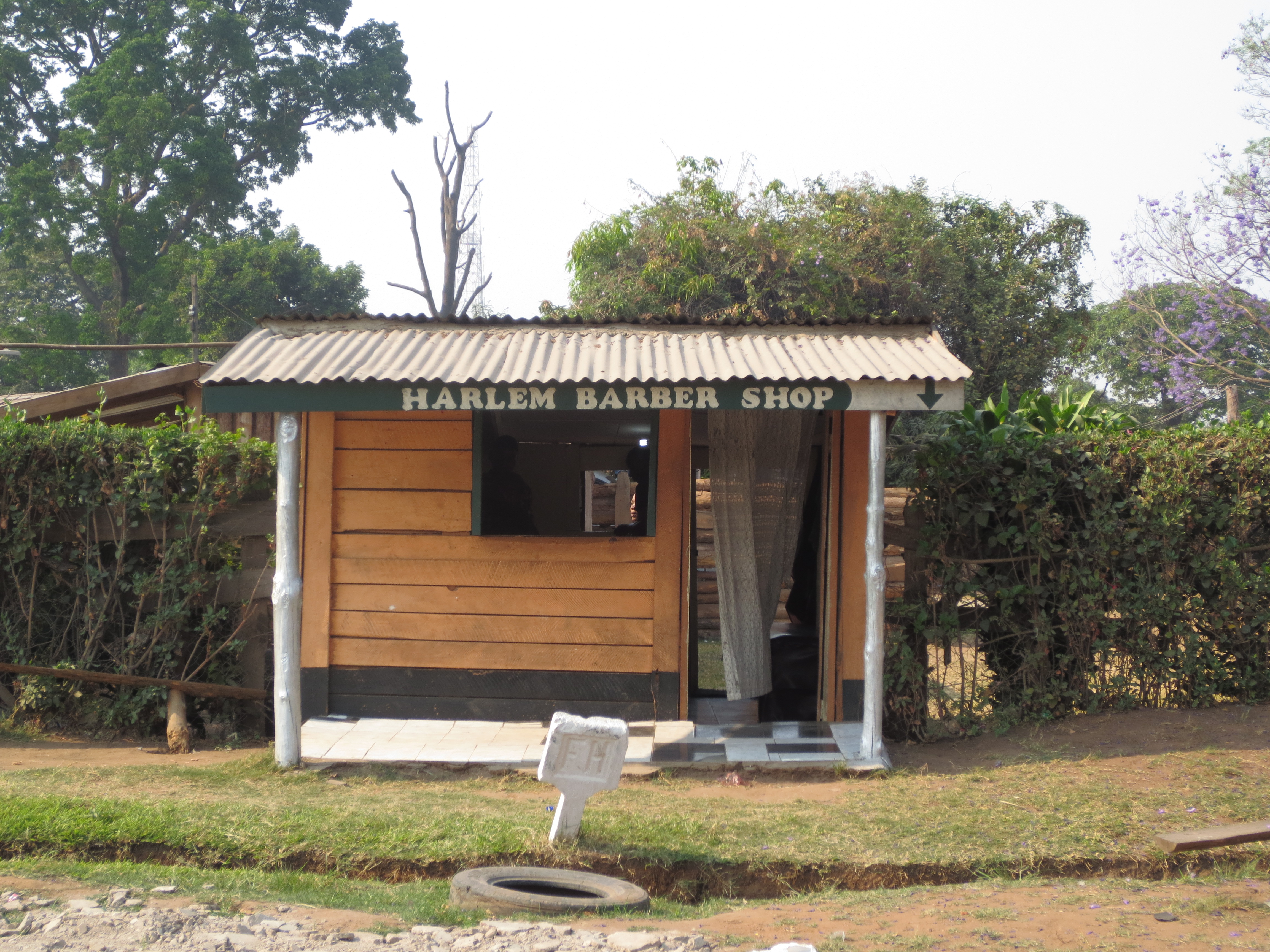
I remarked to one of the other guests at the Lodge that Ndola reminded me very much of uptown Harlem…and then I saw this!

IMG_1570

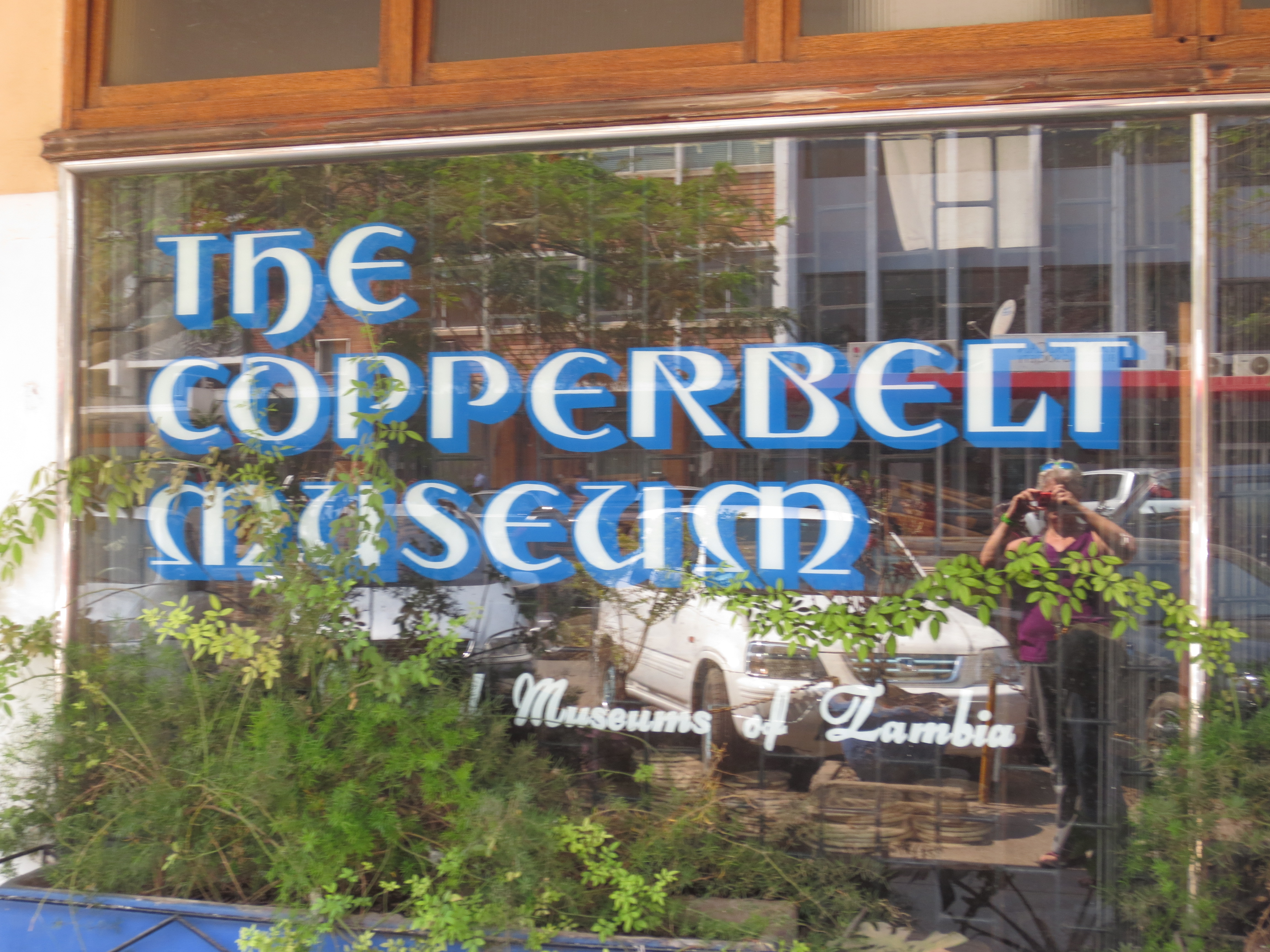
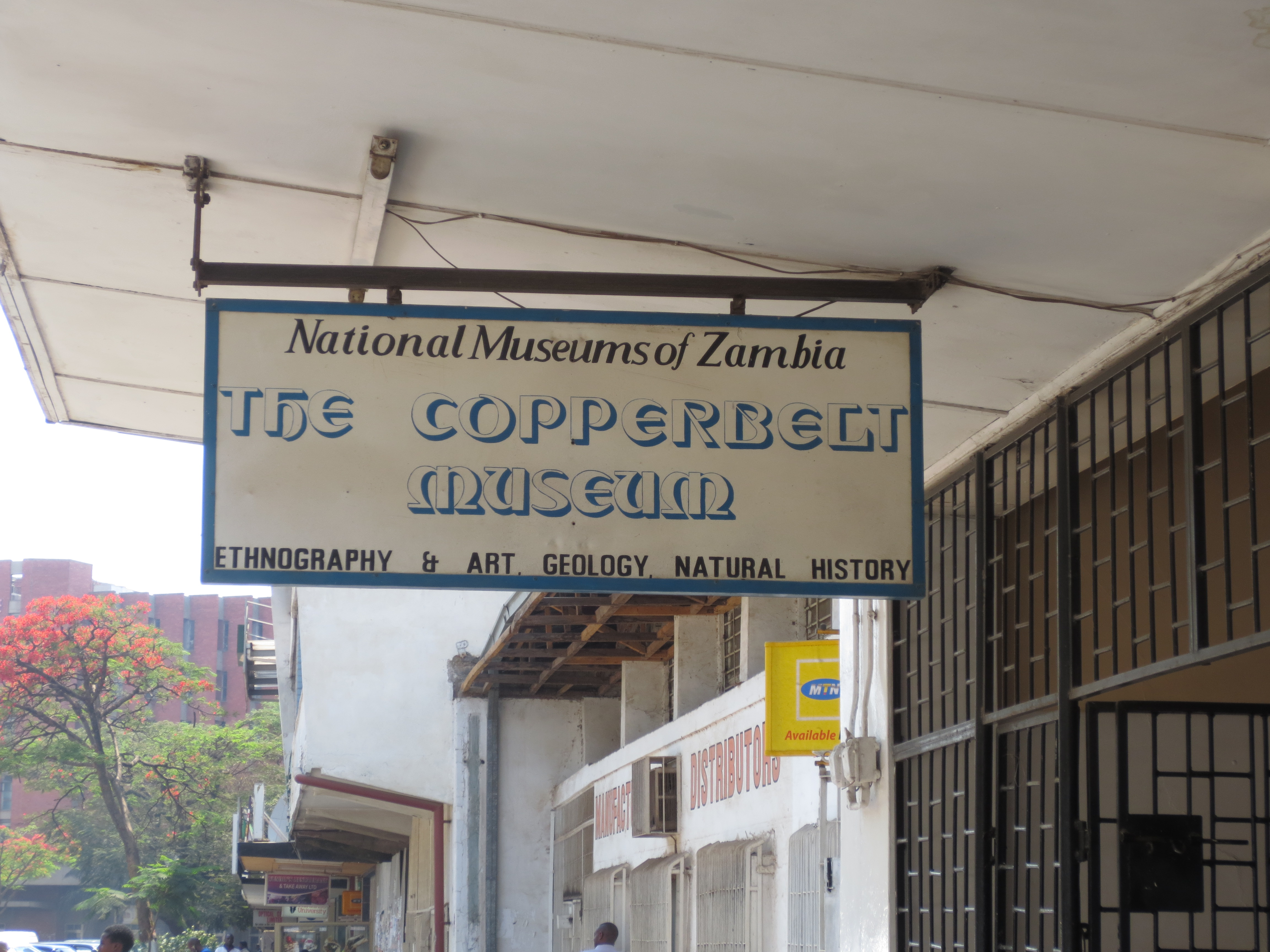
I had it in mind to visit the Copperbelt Museum and so I circled around to the main street and found it.  Although it was not air-conditioned inside, it was much cooler!  I paid my fare (later I realised I had been over-charged; as a resident I should have only had to pay 5 kwacha, not 25!) and went in.

IMG_1536 IMG_1535

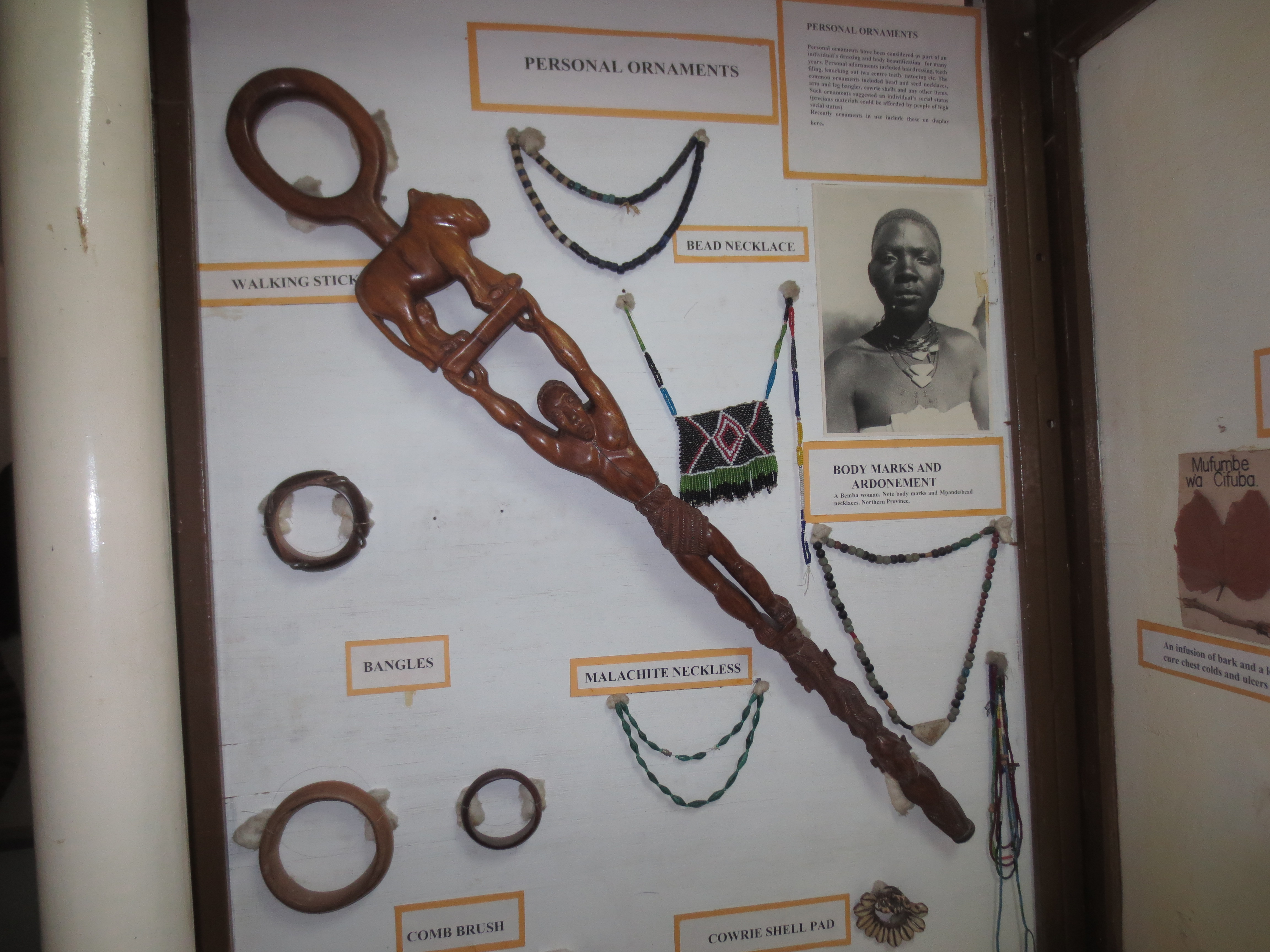
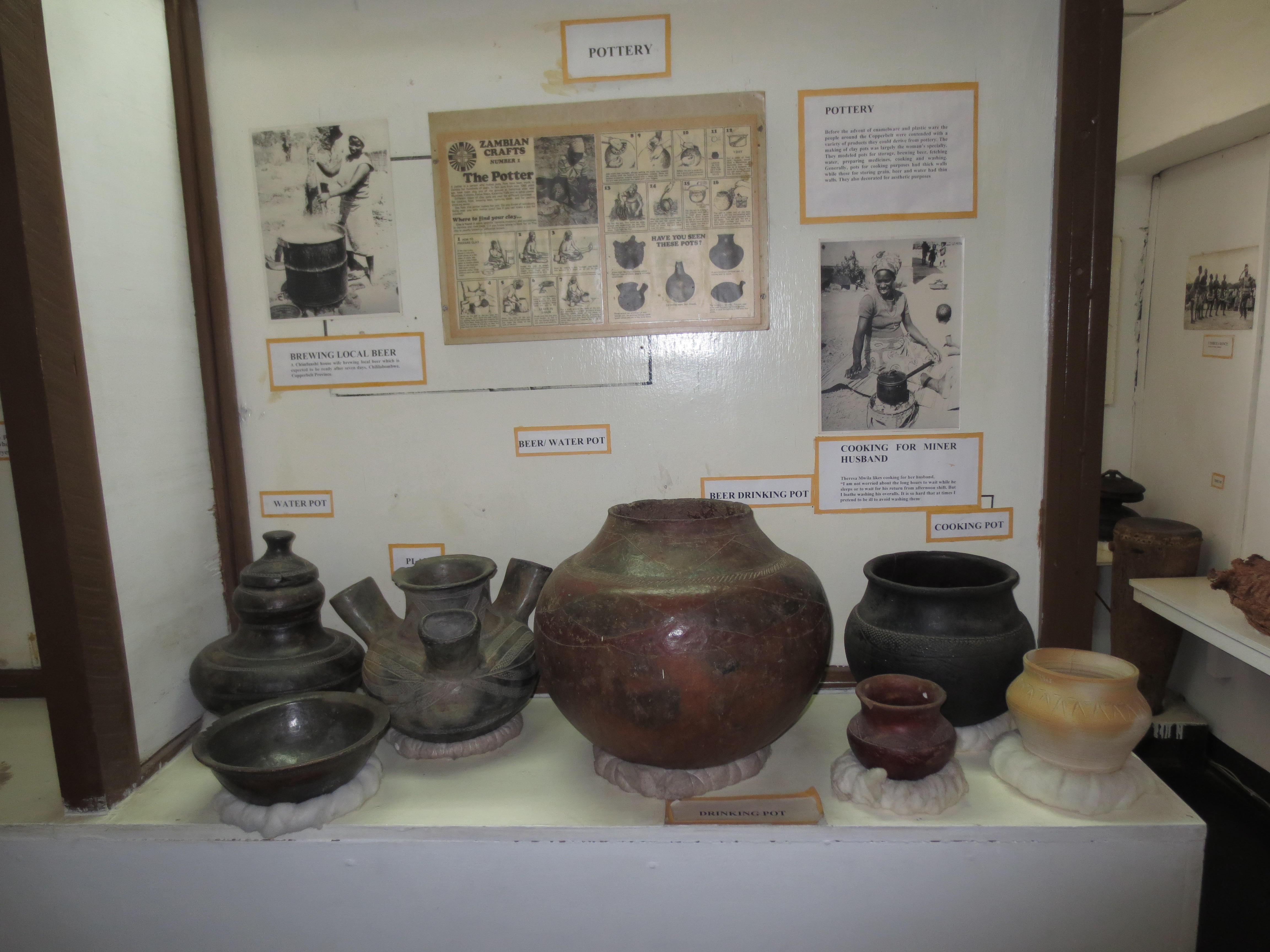
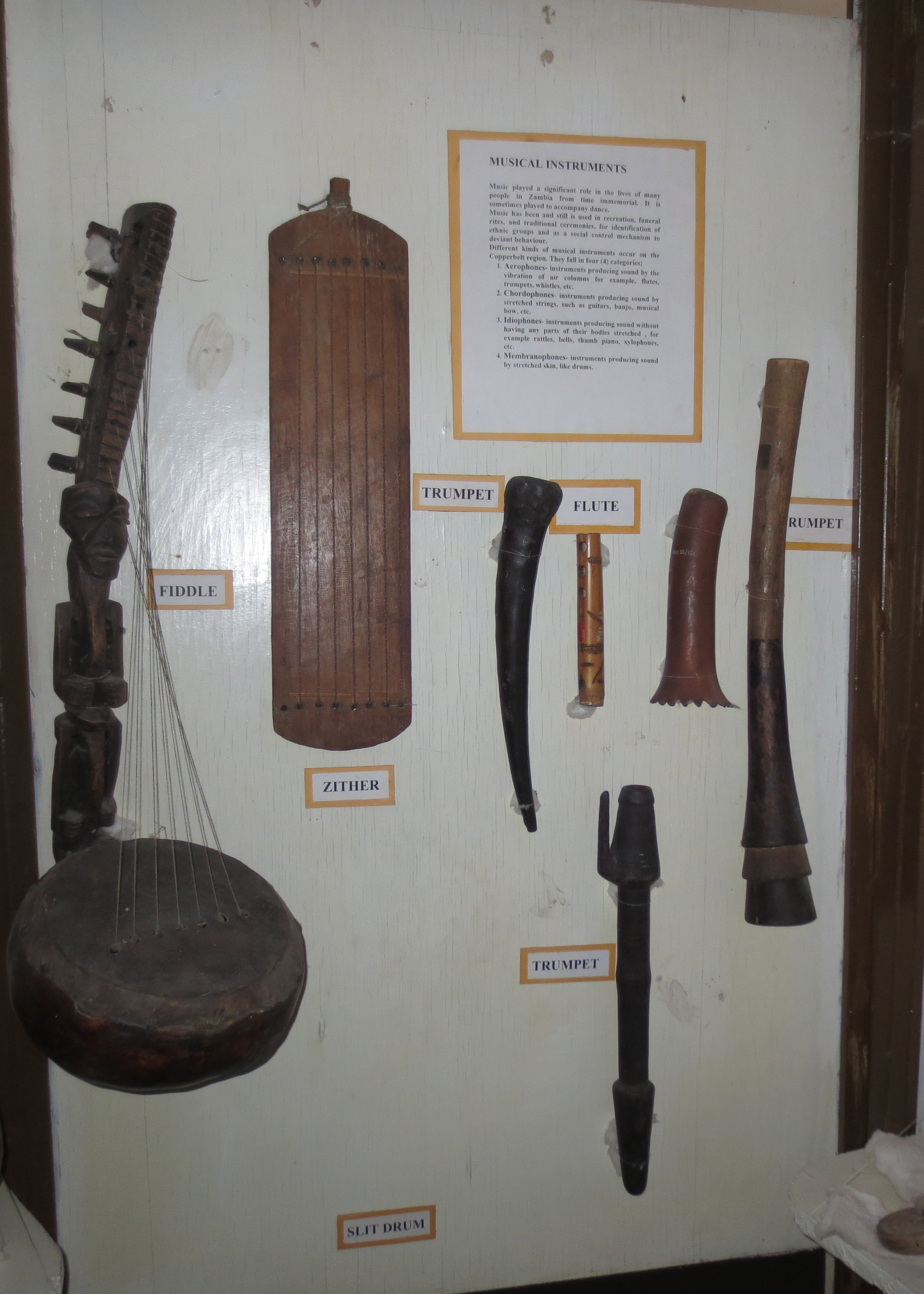
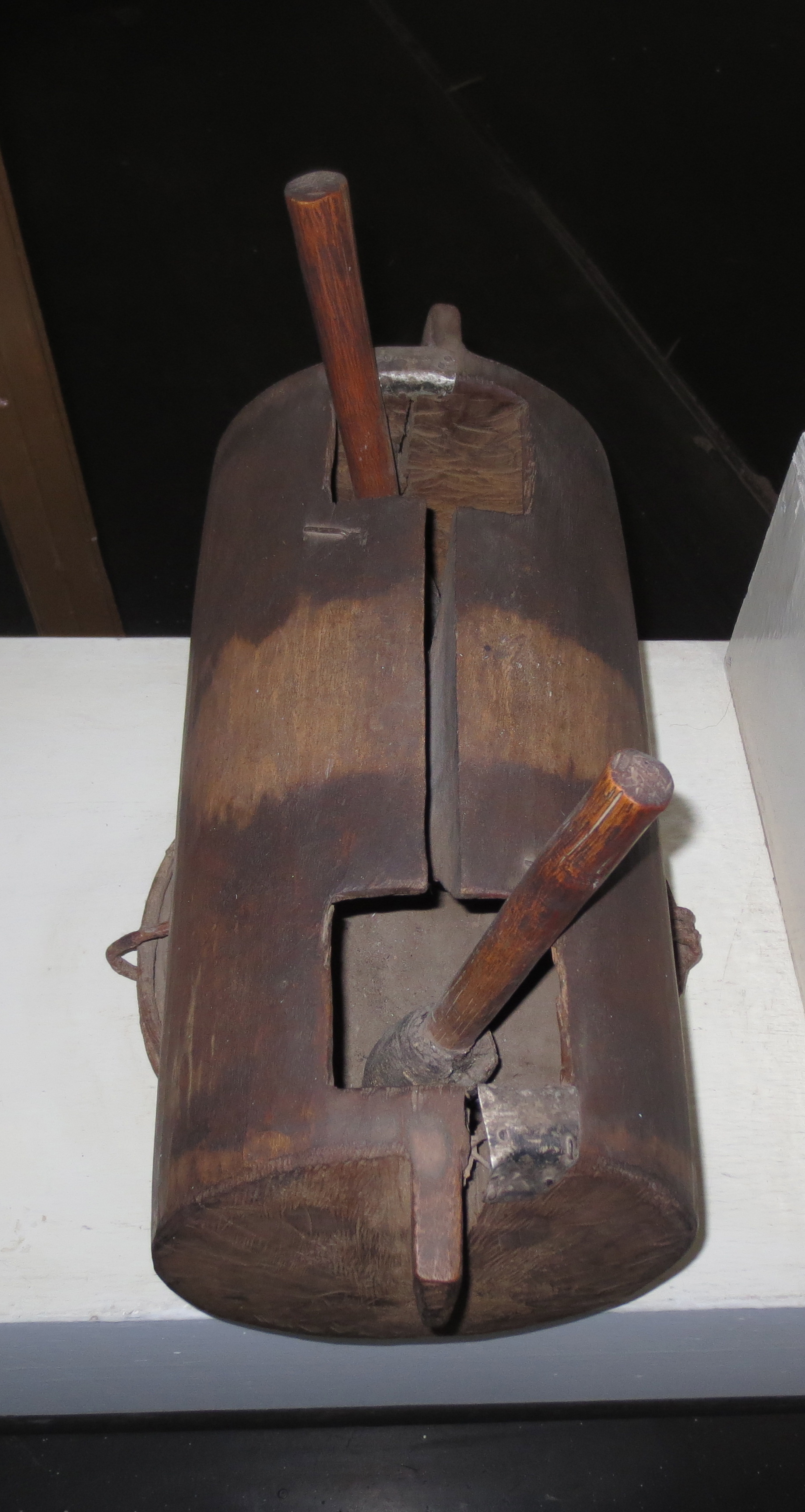
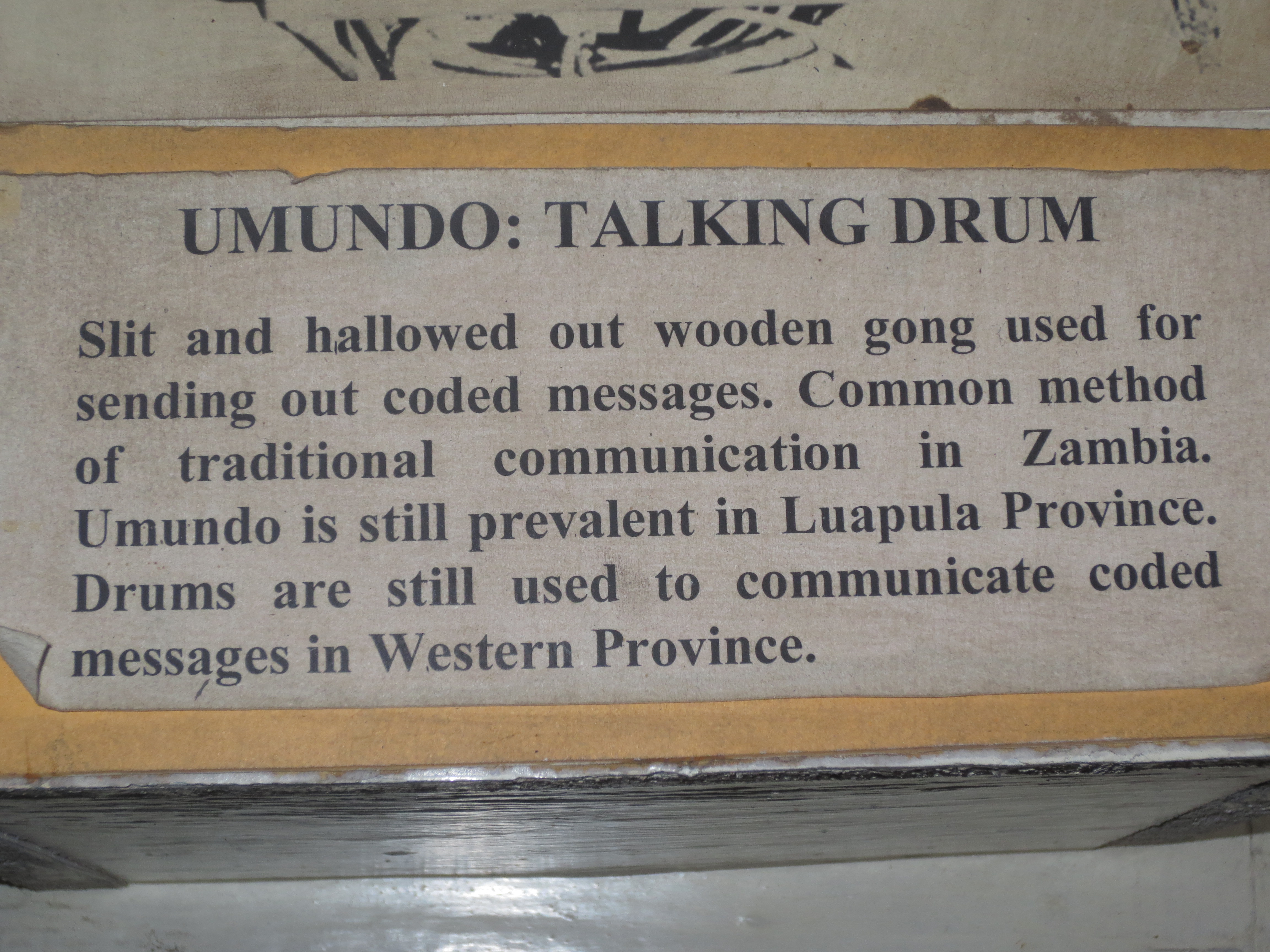
There were exhibits about the area and examples of tools and instruments made by the indigenous peoples before the mining industry took over.

IMG_1537 IMG_1538 IMG_1541 IMG_1540 IMG_1539 IMG_1542 IMG_1544 IMG_1545

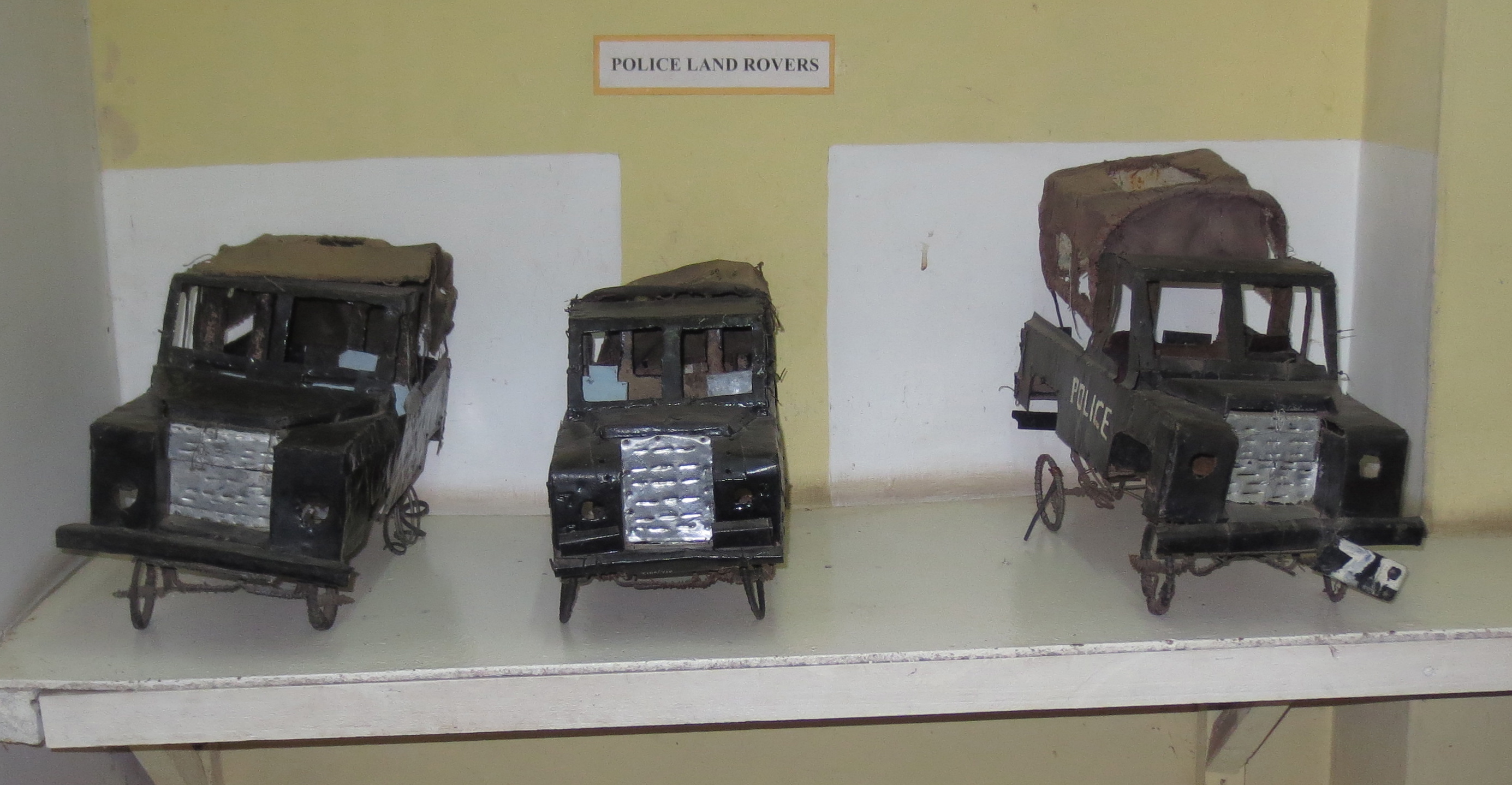
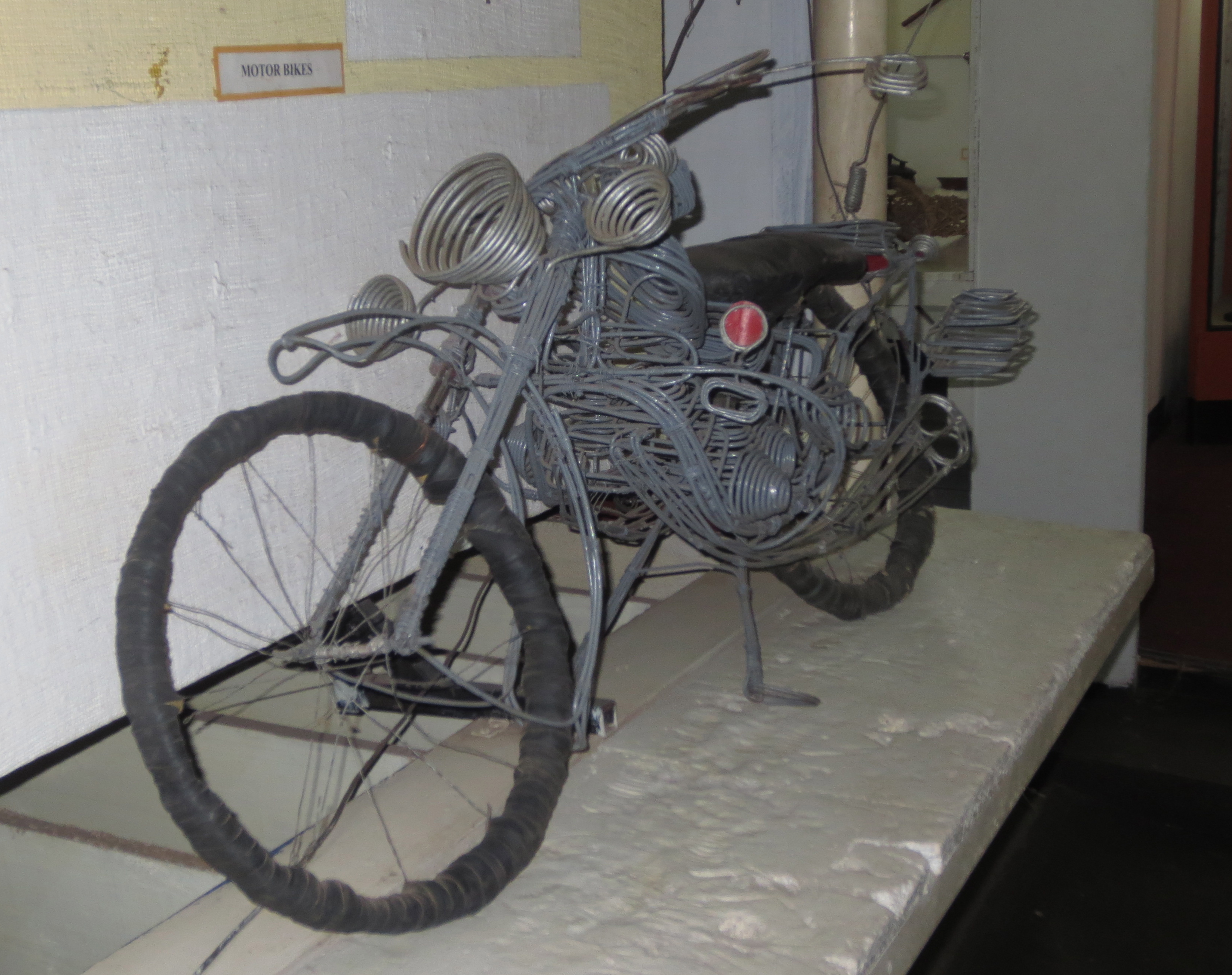
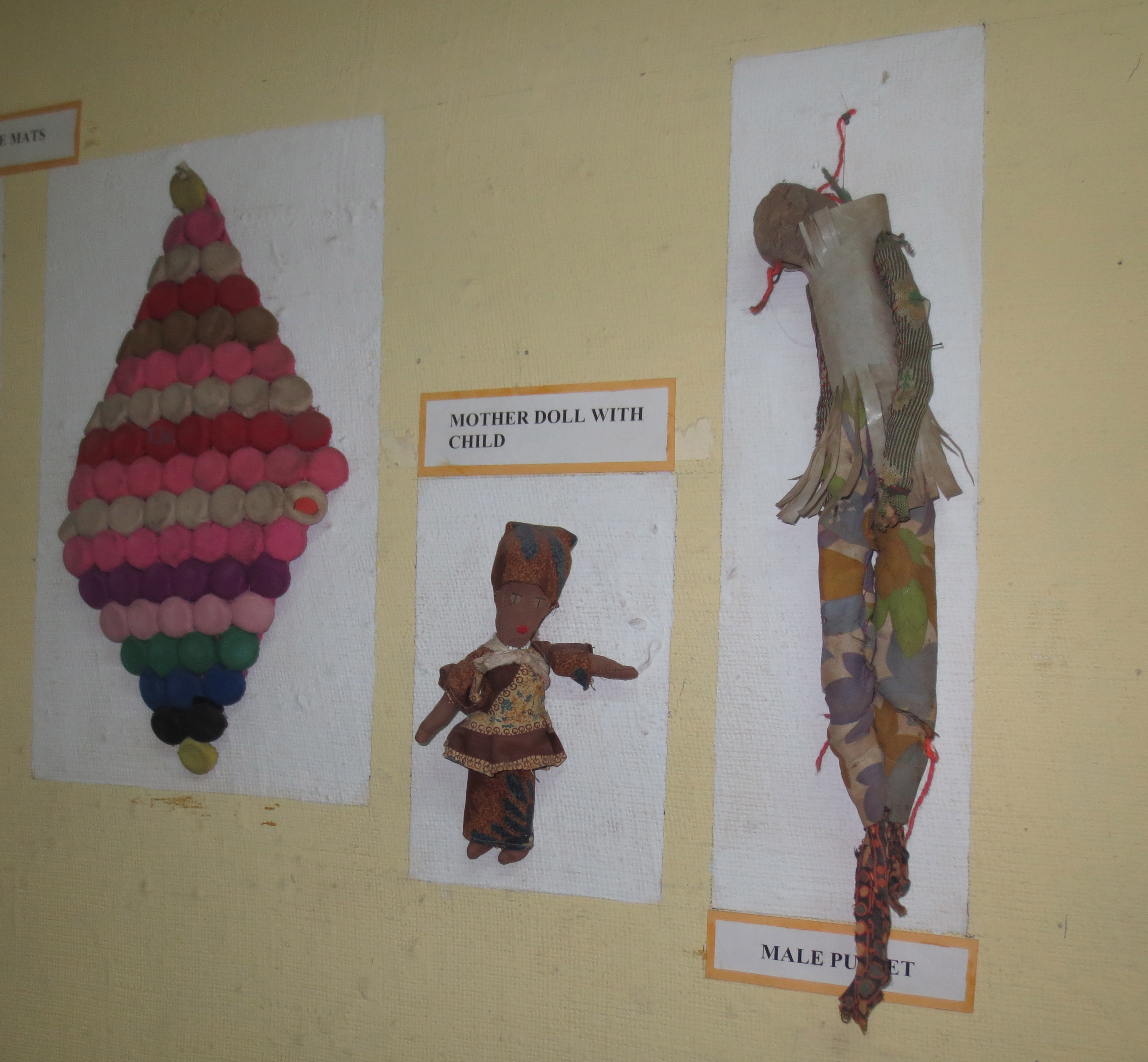
I was particularly taken by the exhibit of toys made by local children.  Not having access to modern and fancy toys that children in more developed countries have, the children create their own toys out of wire, fabric, metal and other items.  Some were quite elaborate and detailed.

IMG_1547 IMG_1548 IMG_1549 IMG_1550 IMG_1551 IMG_1553 IMG_1554

Late Saturday afternoon, when things had cooled down a bit, I took a walk in the other direction.
IMG_1565 IMG_1566 IMG_1567
I was lucky enough to come upon two church choirs, practicing for Sunday service.  One group was standing and practicing a capella, outside in the yard and the second, a Baptist church, was inside with electric organ and drums.  One of the women in the choir saw me standing at the door and went out of her way to welcome me and invite me into the church.  I loved hearing the music and watching the choir directors try to get the best sound from their group.

Catholic Church Choir outside

Baptist Church Choir

Baptist Church Choir 2

The guest house had its own chef who would cook you anything you liked and the food was excellent.  Saturday evening, I ate a fabulous dinner of marinated strip steak with a creamy pepper sauce, roast potatoes and salad.  There were two other guests there, both engineers who worked for the Zambian government and were surveying the roads.  We had a great conversation and by the time we had had a few drinks, we had solved most of the world’s problems!

IMG_1569

The nest day, I had the idea of taking the bus to Kitwe, about 65 kms up the road. I wanted to go to the huge local market there and see a bit more of the countryside.

Kitwe was hot and dirty and the Sunday market was full of people.  It is a true local market and again, I got some very curious looks.

IMG_1579 IMG_1575

After about an hour, I had seen enough, I was hot and tired and hungry!  I bought a couple of bananas and had an ice cream before going to board the bus back to Ndola…only to find that there were no more coaches going back to Ndola that day!

So, I got to take the local bus.

Local bus

I made it back in one piece and the guest house manager was preparing a braai with chicken and beef and invited me to join her family.   So, I had a refreshing dip in the pool, a couple of beers and some excellent food before heading to the airport!

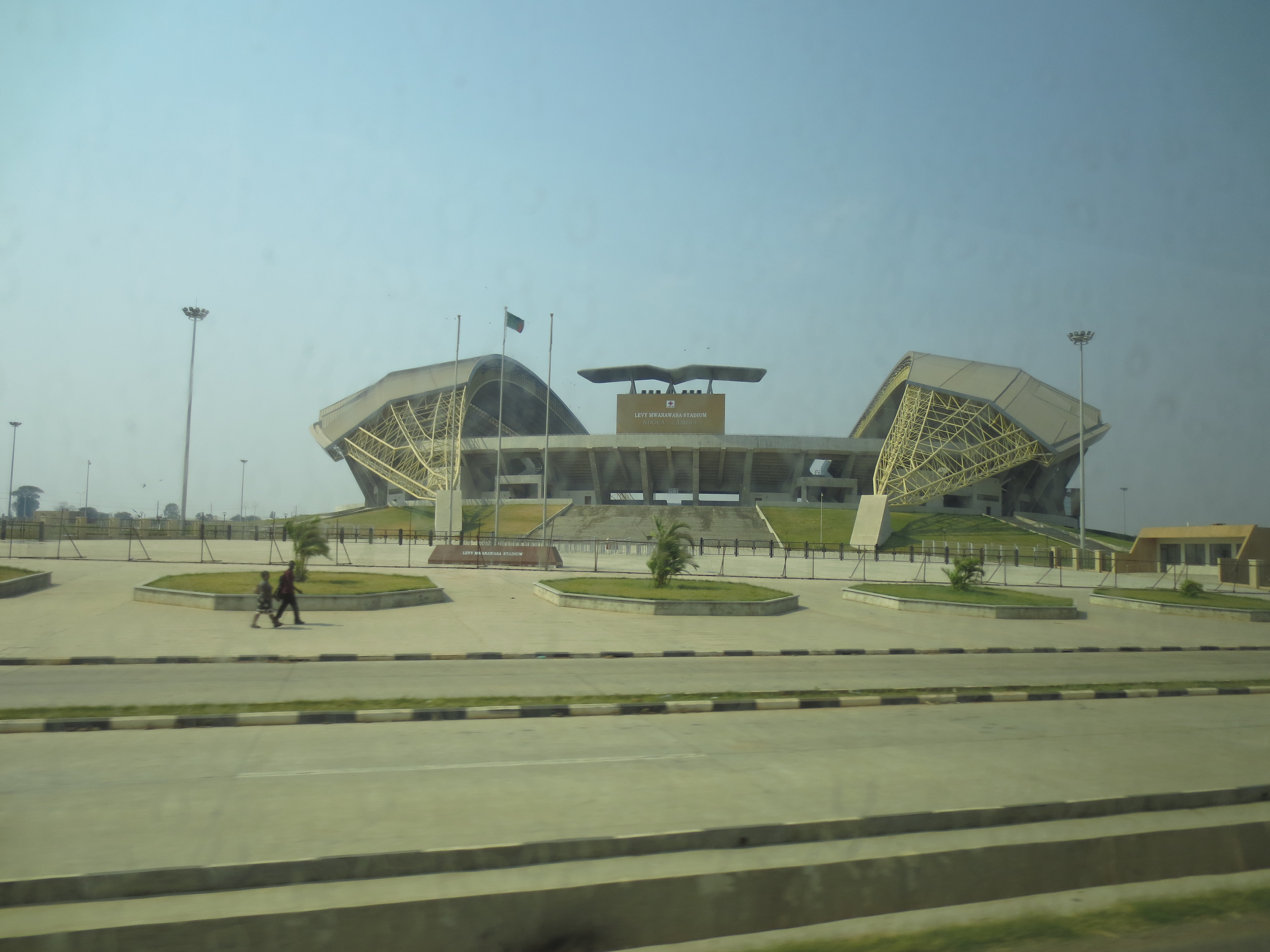
Ndola and Kitwe may not be tourist destinations, but they are up-and-coming cities, as is Lusaka.  Zambia is moving forward…2014 will be its 50th anniversary as an independent nation and there are signs everywhere of development, education, health care and improvements.  As the Zambian engineers told me “This is an exciting time for Zambia!”

IMG_1582 IMG_1574 IMG_1561

Victoria Falls…and a cruise on the Zambezi

Standard

IMG_1235

The Victoria Falls are considered one the natural wonders of the world.  And even though I went during “dry season” they were still spectacular.   The pictures I took definitely do not do justice to the magnificence of the falls, the cliffs, the deep gorges cut by the river or the scenery.

When I entered the park, I was asked by a very nice young park ranger if this was my first time at the falls. When I said that it was, he offered to take me around and show me everything.  There was no charge (although I gave him a sizeable tip, because he made my experience so much more informative and fun.)  His name was Francis.

IMG_1247IMG_1223

“Dr. Livingstone, I presume?”

There was a large statue of David Livingstone near the park entrance.  He was the first European to see the falls and he named them after his queen.

IMG_1230

My first glimpse of the falls took my breath away.  The sight of the silver water, cascading down the mile-high cliff was just…well, “beautiful” seems inadequate.  During the rainy season, all the bare rock you see in these pictures is covered with water, and the falls are one huge wall of water, thundering down and creating a smoke-like mist that can make it difficult to see the falls themselves.  In fact, the local (and official) name for Victoria Falls is “Mosi-oa-Tunya” which means “Thundering Smoke.”

IMG_1224 IMG_1227 IMG_1225 IMG_1243 IMG_1246

We could see the bridge that separates Zambia from Zimbabwe.  You can walk across this bridge (you have to go through customs to do so!) and also bungee jump off it!  There were some people bungee-ing when we were there…you could hear them screaming with delight (or fear?) as they bounced down and back.

IMG_1253

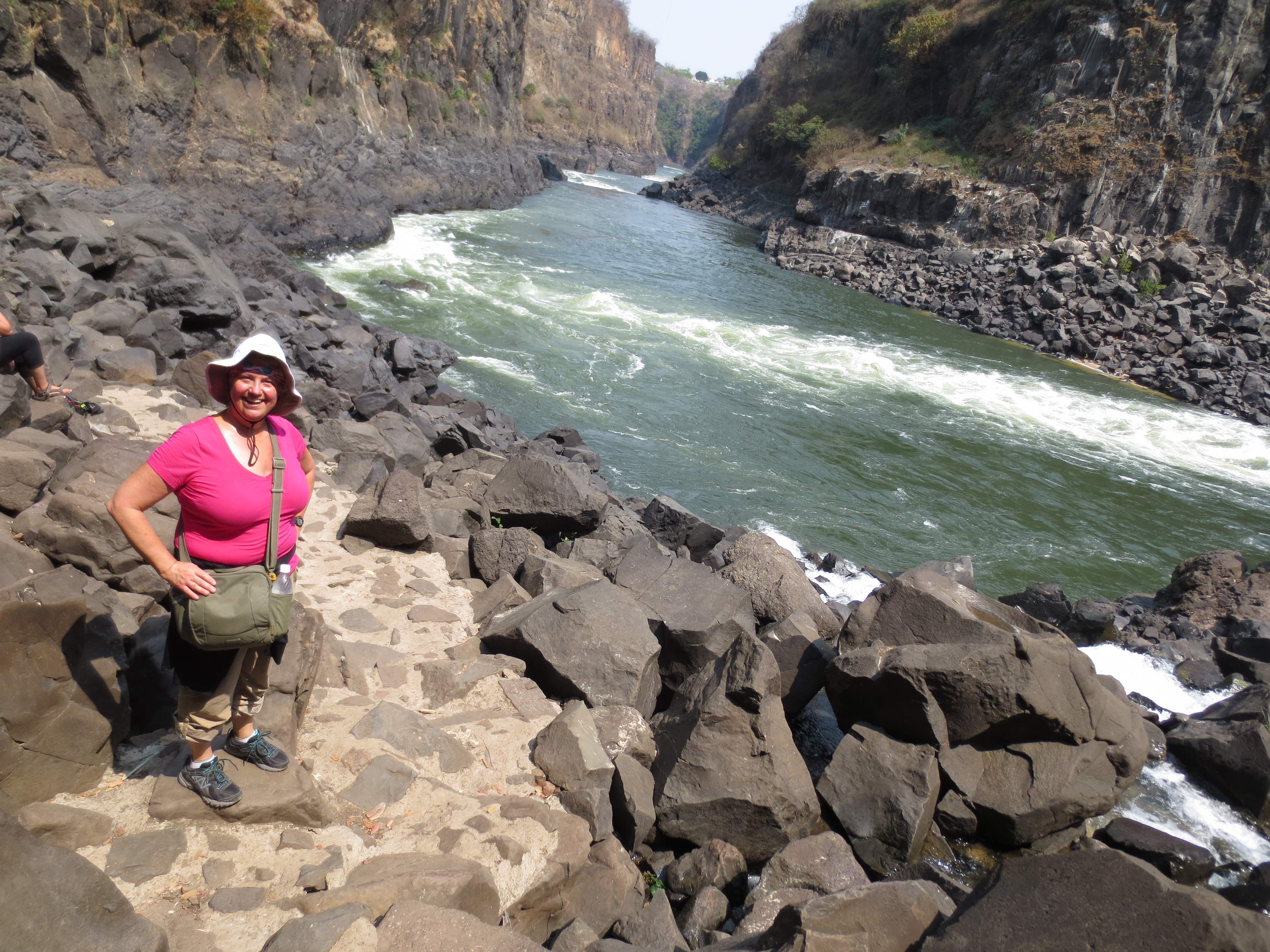
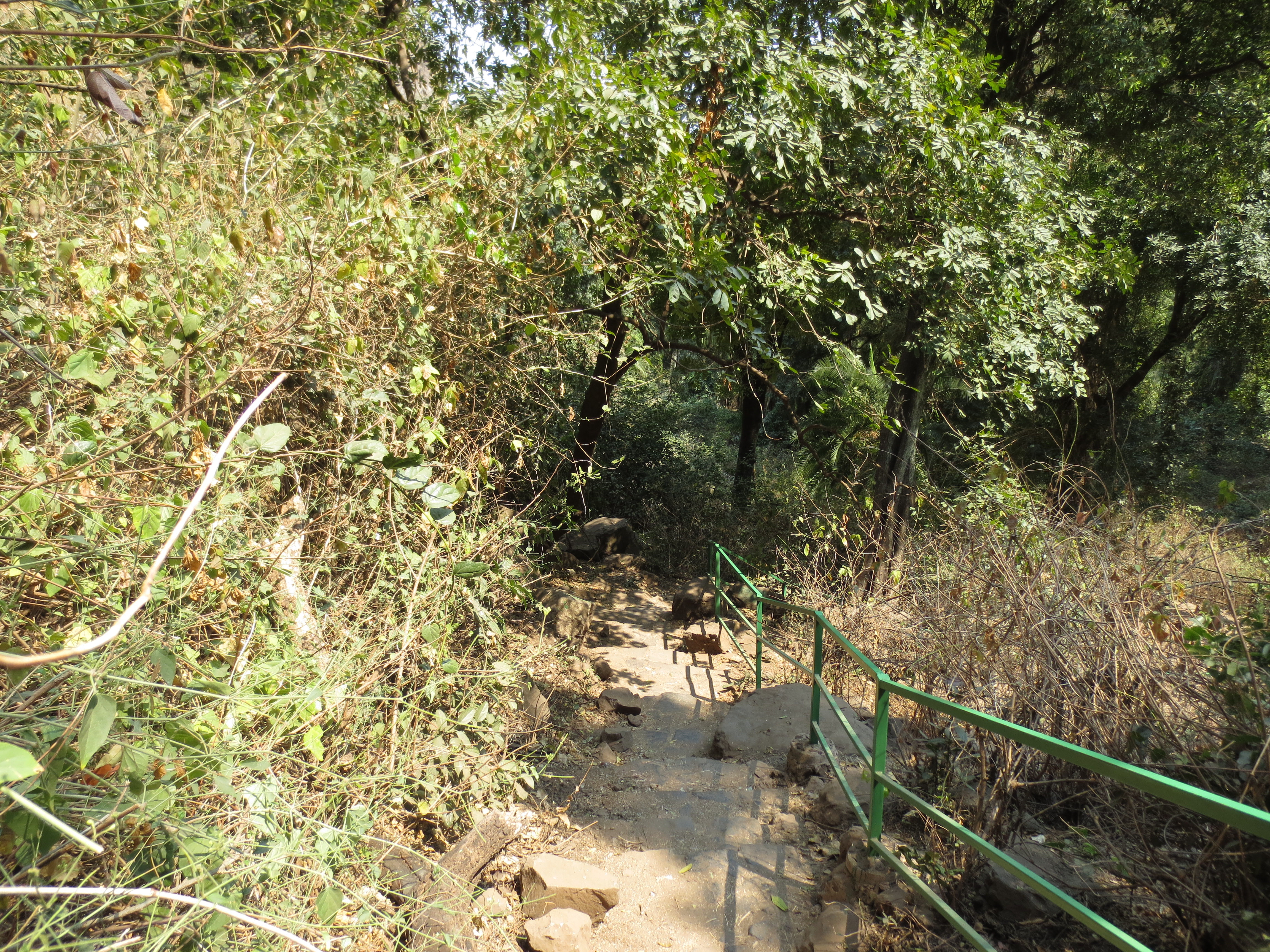
After we had taken in the view from several vantage points, Francis asked me if I would like to walk down to the “Boiling Pot.”  This is a place where the water comes rushing in from several directions, creating a churning pool, as if the water were boiling.  He told me that the path down took about 15 minutes, but going back up would take about 25  and that I would be “very tired.”

Of course I said, “Yes!”

IMG_1267IMG_1270 IMG_1272 IMG_1271 IMG_1262

It was a lovely place; shady and cool.  I took off my shoes and socks and soaked my feet in the water.  I would have loved to sit there for the afternoon!

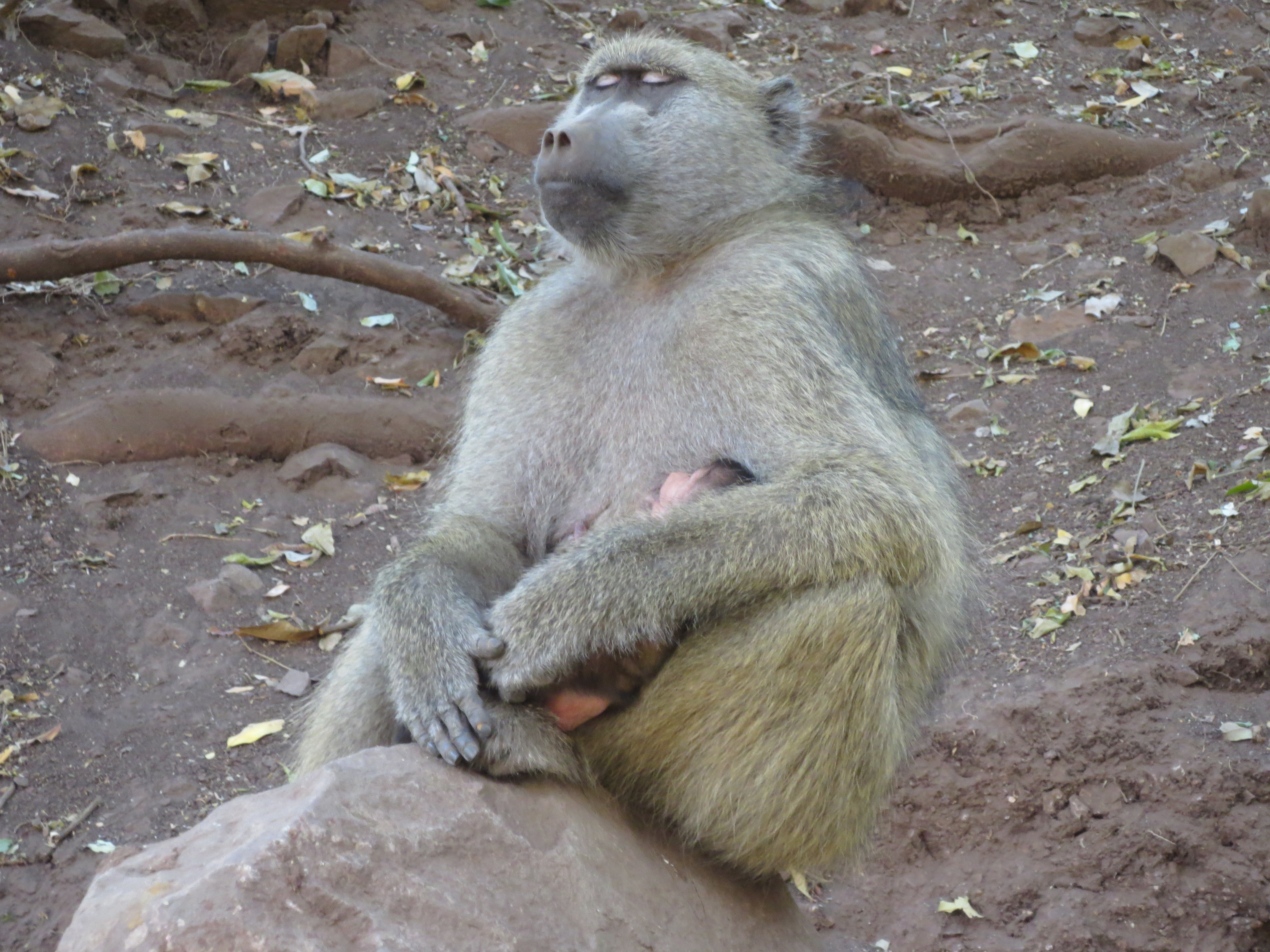
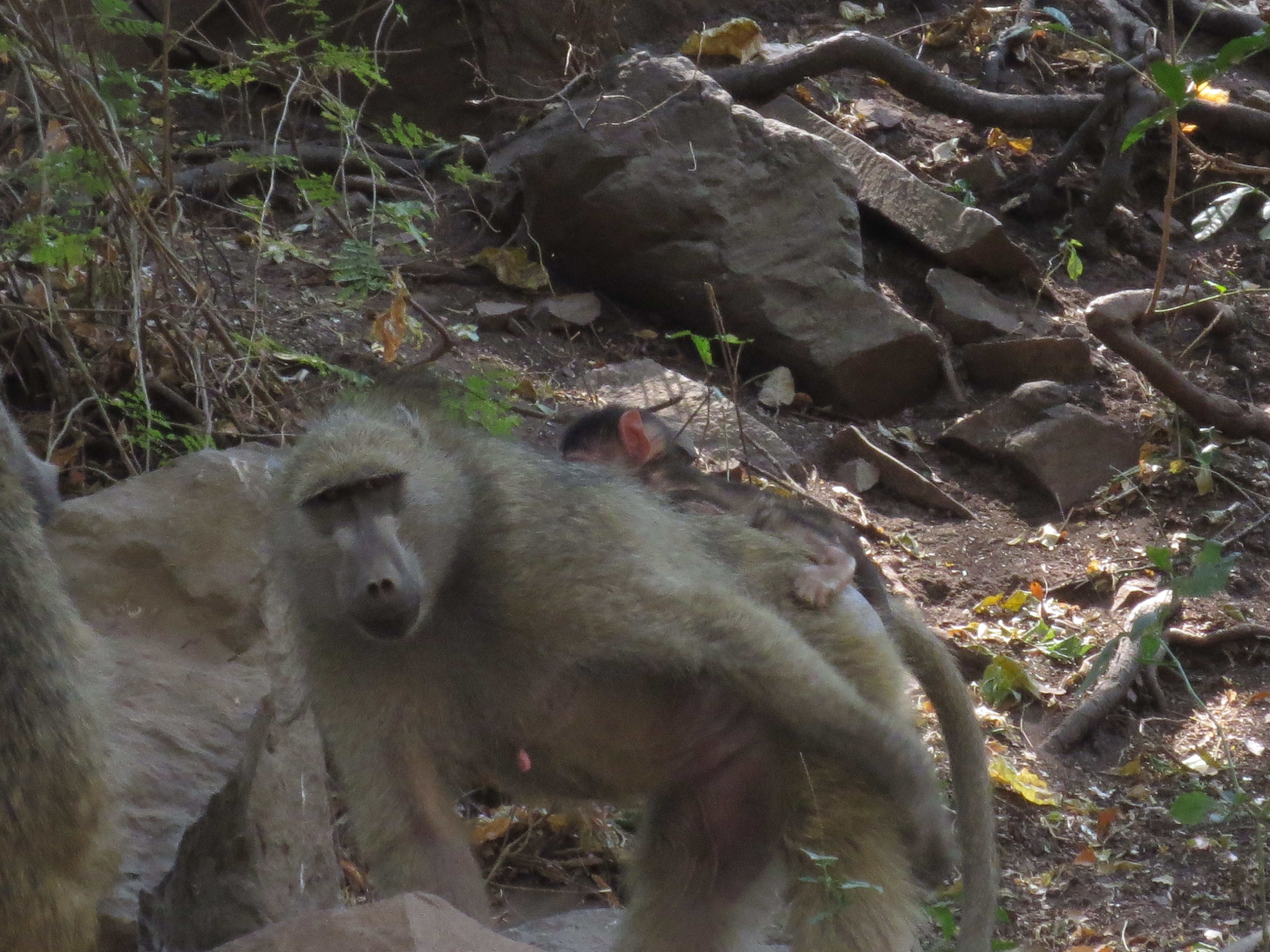
On the way back up (which was tiring, but not a bad climb!) we stopped to rest where a large family of baboons was hanging out under a big tree, playing and chattering in a very human fashion.  There was a mother nursing her baby and after the baby was done, it peeked out over its mothers arms to look at us.

IMG_1274IMG_1277IMG_1279

Back at the top, I realized that I was starving.  I thanked my guide and took off for the refreshment stand.  The only food that they had besides snack-type things like chips or candy were meat pies.  So that’s what I had for lunch…and I was pleasantly surprised to find that it was a proper British-style pasty, with a wonderfully flaky crust and deliciously spiced beef and potatoes inside.  I devoured it, along with a bottle of fruit punch.

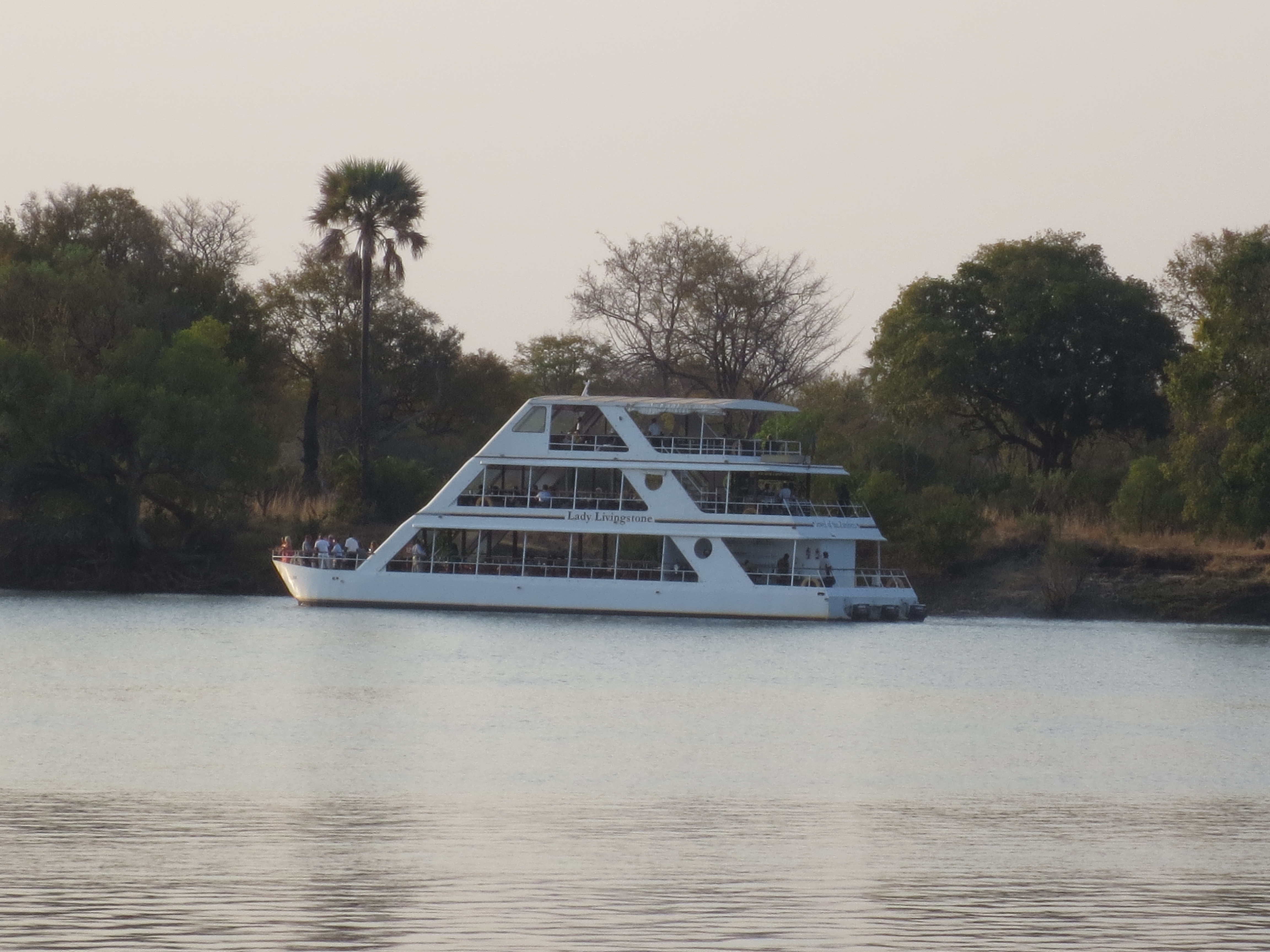
When I got back to my B & B, I took a hot shower and sat in the cool of the gazebo for a while, with a cup of tea.  Then it was time to go on the cruise.  The proprietor had recommended the “cheaper” cruise; he said they served free drinks and you could see much more from the smaller boat!  Four other people from the B & B were also going, so we had a nice group.

It was a wonderful evening.  We were served a huge plate of appetizers, there was an open bar and then we had a braai (charcoal bar-b-que) with chicken and sausage, plus salad, cole slaw and rolls.  We watched the “rich people” boat gliding near us and decided that we definitely got the better deal.  (Apparently that cruise cost almost three times as much and there was no food or drinks included!)

We saw elephant, hippo and some beautiful birds…also more baboons and a warthog who came snuffling down to the edge of the river.  Unfortunately, he was camera shy.

IMG_1286 IMG_1290 IMG_1301 IMG_1299 IMG_1293 IMG_1304 IMG_1306

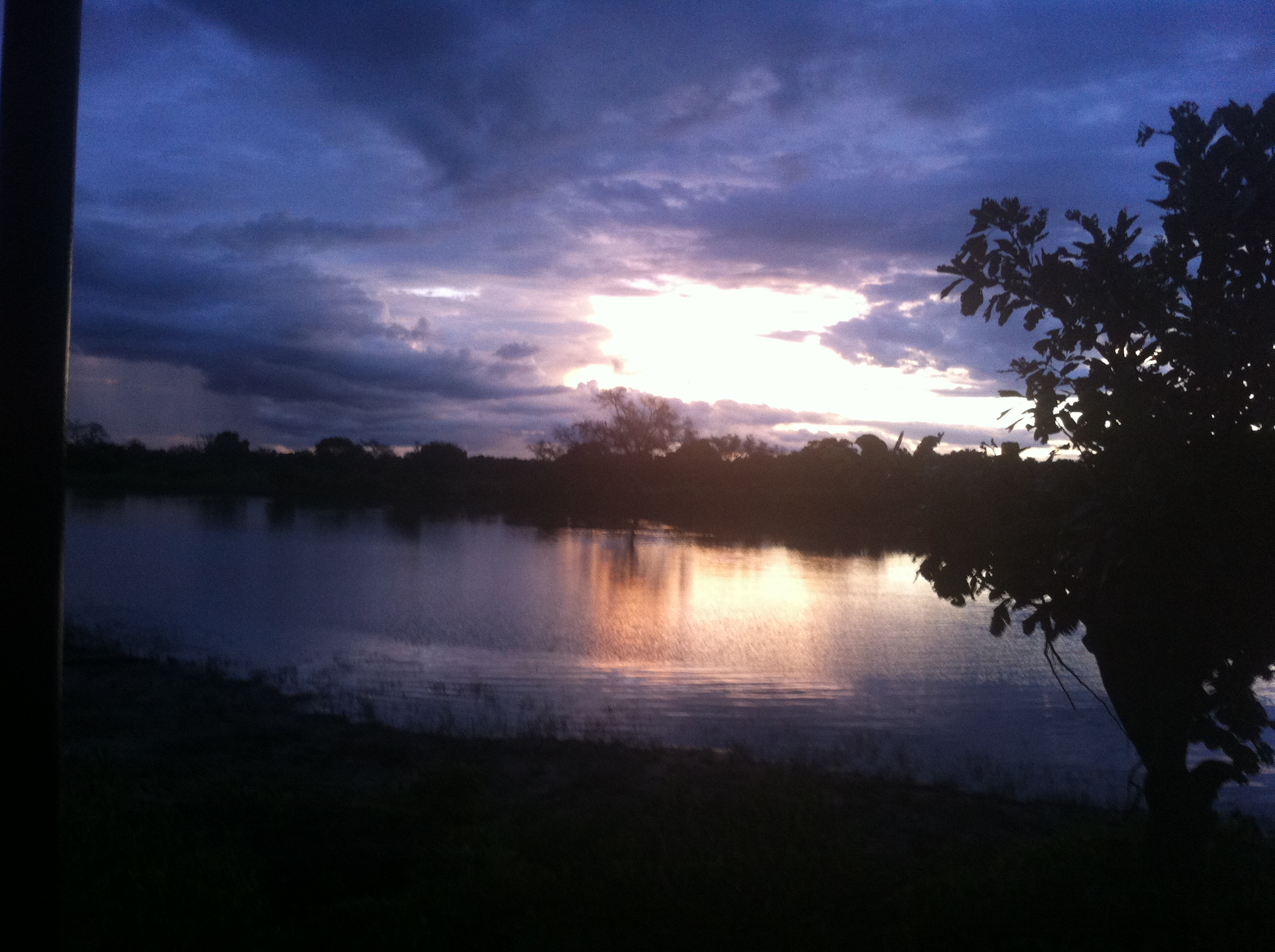
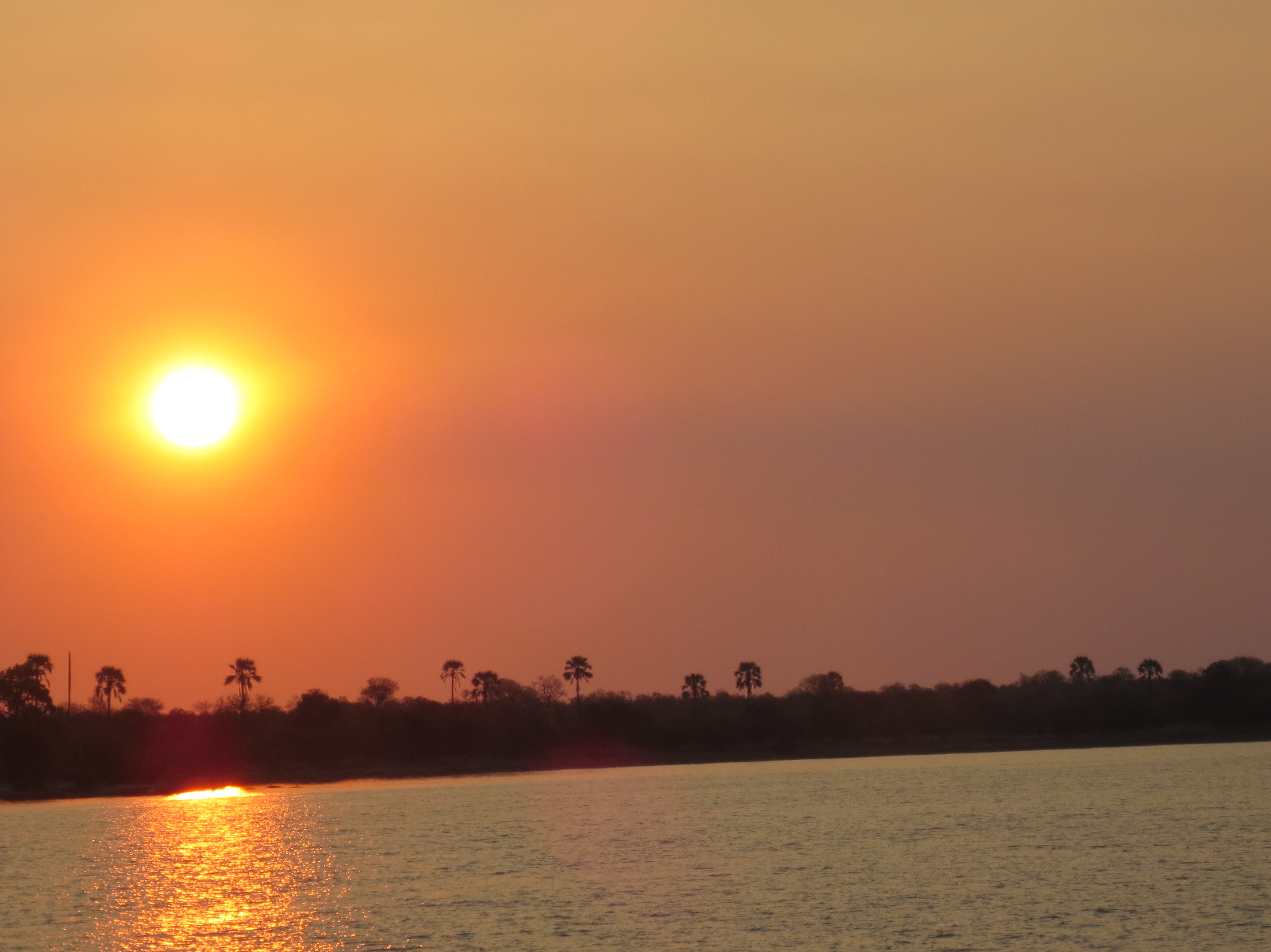
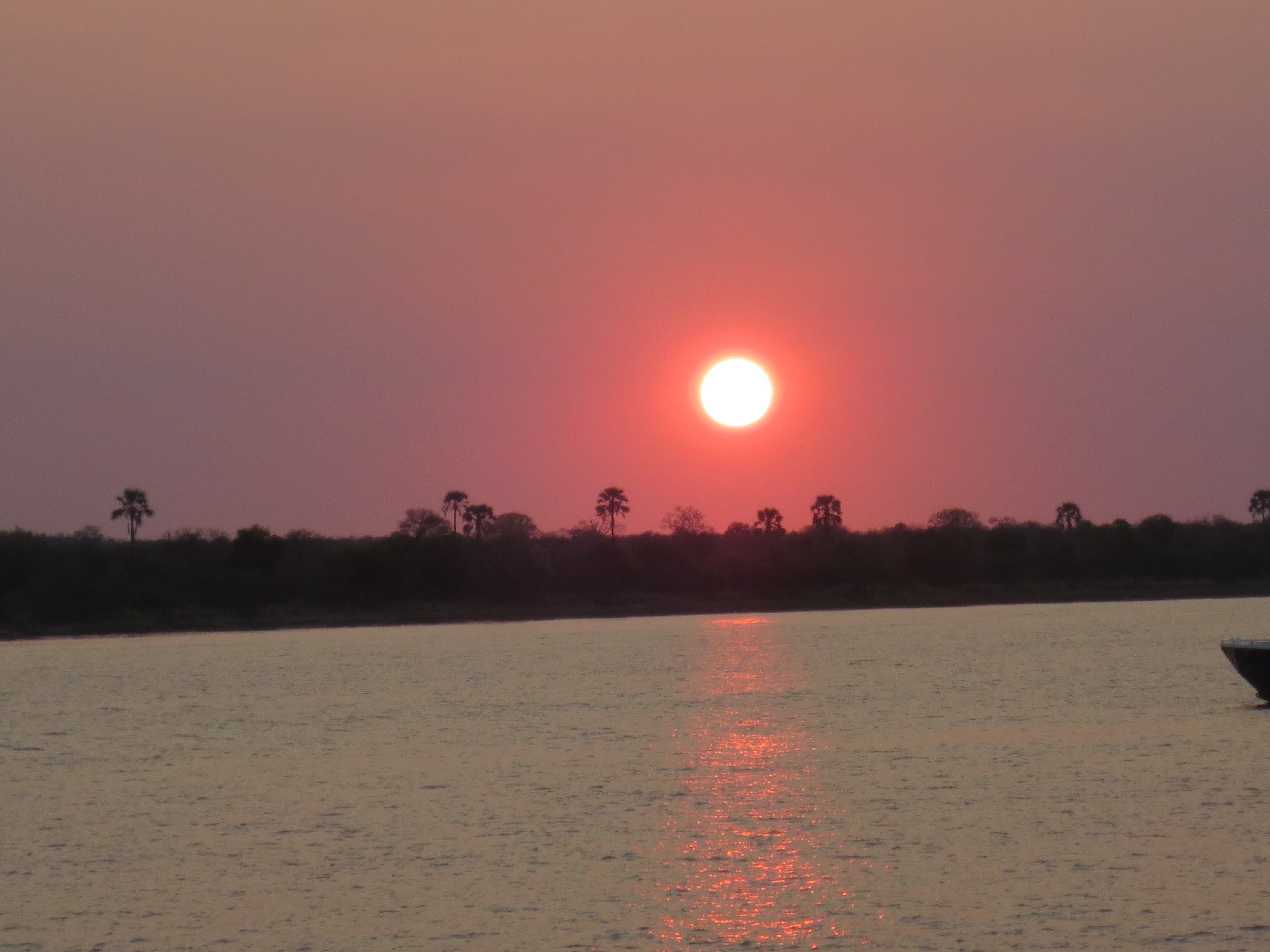
And as the boat turned around to head back to the dock, we were treated to a Zambian sunset.

IMG_1312IMG_1315

I plan to return to the falls in March, to see it during the rainy season…in all its thundering, smoky glory.

(Oh, and I took a different bus line back!  Much more comfortable and no blaring music – although they did start with a prayer for safe travels.  And given the state of Zambian roads and the way people drive, was not a bad thing!)

Journey to Victoria Falls

Standard

20130831-090958.jpg

I decided to take a weekend jaunt to Livingstone, to see the famous Victoria Falls. Because we have a half-day on Friday, I could grab an early-afternoon bus from the inter-city bus station in Lusaka and hopefully be in Livingstone by 9:00pm…or 2100, as they say here.

The most reputable bus company is called Mazhandu, but they did not have a bus leaving in the afternoon, so I opted for Shalom bus lines instead. You cannot buy your ticket on-line, as you can in the states; instead, they recommend that you go into the city the day before to purchase. I was unable to do that (I got my car back finally, but that’s another story) but I was able to reserve a seat on the 1400 bus with the promise to pay on the day.

One of the drivers from school took me into the city and boy was I glad he did. The inter-city bus station is an absolute madhouse. As you drive in, representatives from various bus companies try to convince you that you have booked your trip with them and try to direct you to various bus kiosks. Buses are coming and going and backing up into spaces you would never believe a bus could fit. People are milling around with huge baskets of produce on their heads – oranges, pineapples, bananas – trying to sell them to the other people, who are lining up at the various kiosks to buy tickets.

I was the only white person there and I got some curious looks.

I finally got my ticket and found my seat on the bus, which left a little bit after 1400. Except that this was actually the 1300 bus. At any rate, the bus was a modern coach, the seats reclined, there was decent leg room, curtains on the windows to block out the sun and air conditioning. Again, I got some curious (but not unfriendly) looks and one young man called out something about a “mzungu” on the bus and grinned at me as he asked if the air-con was adjusted correctly. I grinned back and told him that I was a very happy mzungu. He laughed.

There was music playing on the bus. Loud music, all throughout the bus speakers. Loud, repetitive contemporary Christian praise music…some in English, some in African dialect. And this was interspersed with preaching. Loud, repetitive preaching.

For the entire trip, which ended up taking 8 hours.

I did see some interesting sites before the sun set. A big, open trailer full of piglets, being towed by a blue mini-van. Several cows and a calf on a similar trailer, looking as mournful as only cows can. Women and children carrying impossibly large loads of firewood on their heads. Thatched, round huts and little paths leading off the road to distant cottages and huts. The ubiquitous AirTel top-up shacks. People sitting right at the edge of the road, selling bags of tomatoes and onions.

And trash. Mountains of trash…plastic bags, plastic bottles, styrofoam containers, bags from chips and candy wrappers. All strewn along the side of the road and in the abutting fields.

I finally arrived in Livingstone, grabbed a cab to my guest house and fell into a very comfortable bed. Today, I visit the falls!

20130831-092712.jpg

Getting there…

Standard

The long journey started at 2:30am, when Adam drove me to Boston’s Logan airport. Although my flight was booked through Emirates, the first leg of the trip was with Delta. I was checking four big and heavy bags, and after a bit of confusion, was directed to a different check-in desk…with an onimous (and false) warning that there could be an embargo on bringing extra bags. The man at the desk seemed confused as to how to charge me, finally settling on some ridiculous price per bag. The good news was that my bags would be checke through all the way to Lusaka.
Short hop to JFK and then a longish wait. After discovering that my assigned and un-changeable seat was to be Row 82, in the middle, I fortified myself with a full Irish breakfast and two large bloody Mary’s. It almost worked. I managed to sleep or at least attain a state of somnolence for a good part of the flight, despite being a bit squished.

When we landed in Dubai exactly 12 hours later, I had just enough time to do a quick wash-up and change my shirt before boarding the plane to Lusaka. This flight was just as full, but fortunately I was on the aisle this time with a tiny bit more room to stretch my legs. Another 6 hours in the air and we landed in Lusaka. The customs line took more than an hour nd when I was finally through, tourist visa duly stamped into my passport, I was relieved to see all four of my bags waiting for me and even more relieved to see a smiling Zambian holding a sign with my name printed on it.

I was given my welcome present – a colorful cloth bag which contained a very informative guide to Zambia and a working cell phone!

Now it begins…