The great pack shake-down

Standard

I’ve been gathering my supplies for weeks, but today was the first real assessment of what I will bring and what I will leave behind. The rule of thumb is to try to keep your pack under 10% of your body weight. Mine is well under that, but I’d still like to keep it as light as possible.

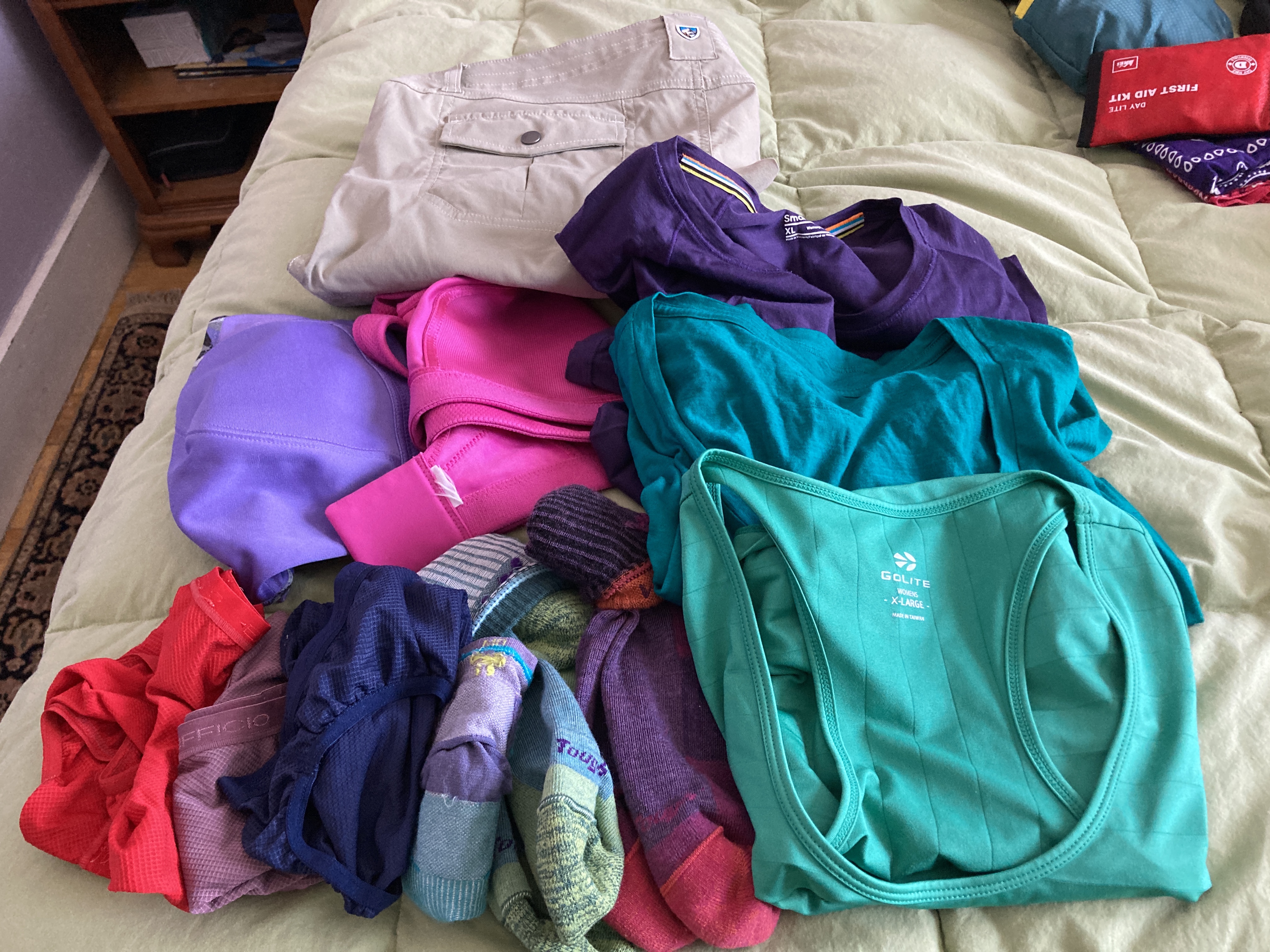
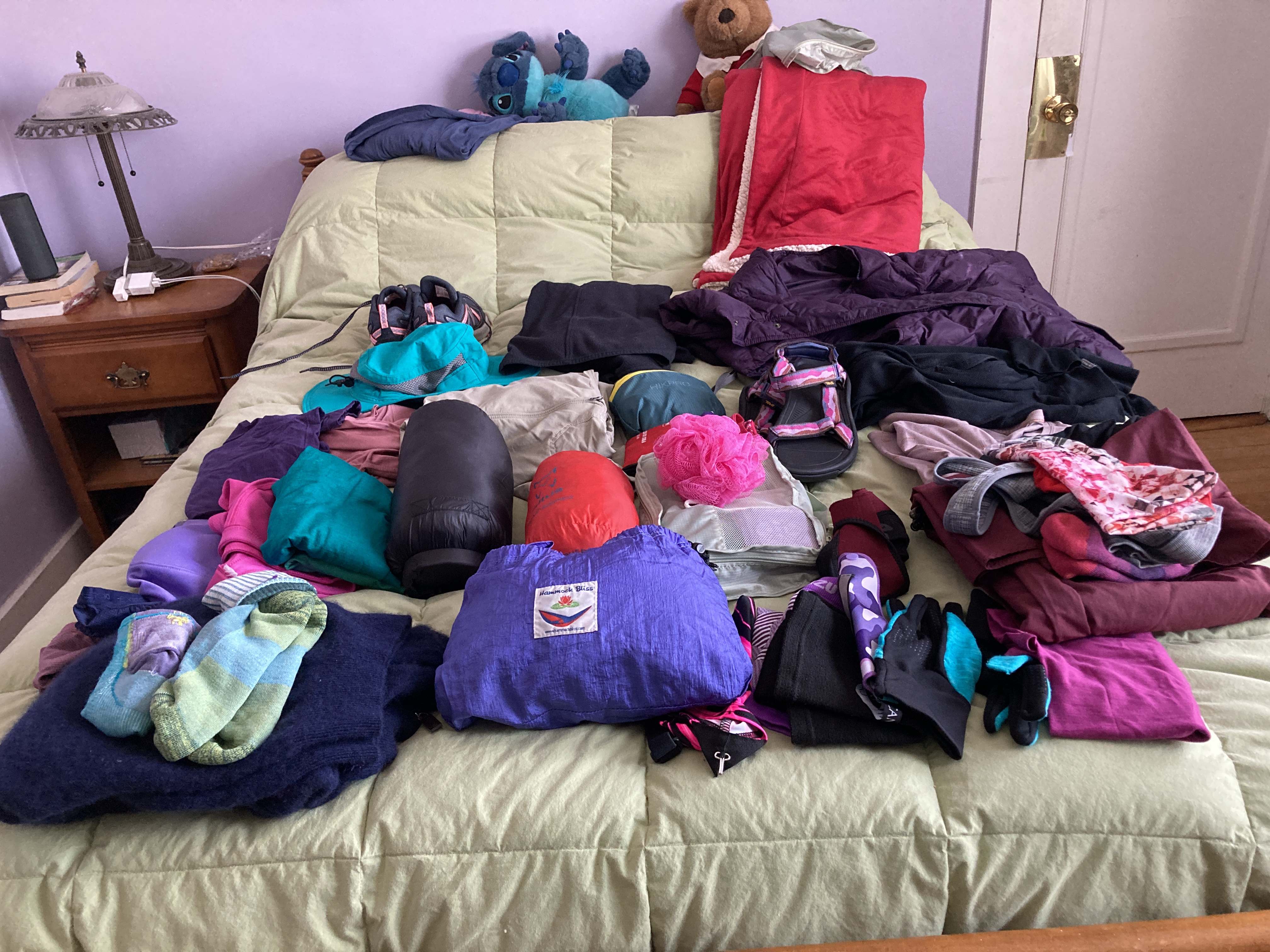
First, I spread everything out…it looked like a lot. Of course, I’ll be wearing some of the clothes and layering as needed. When I stuffed it all into the pack, it weighed a little over 14lbs.

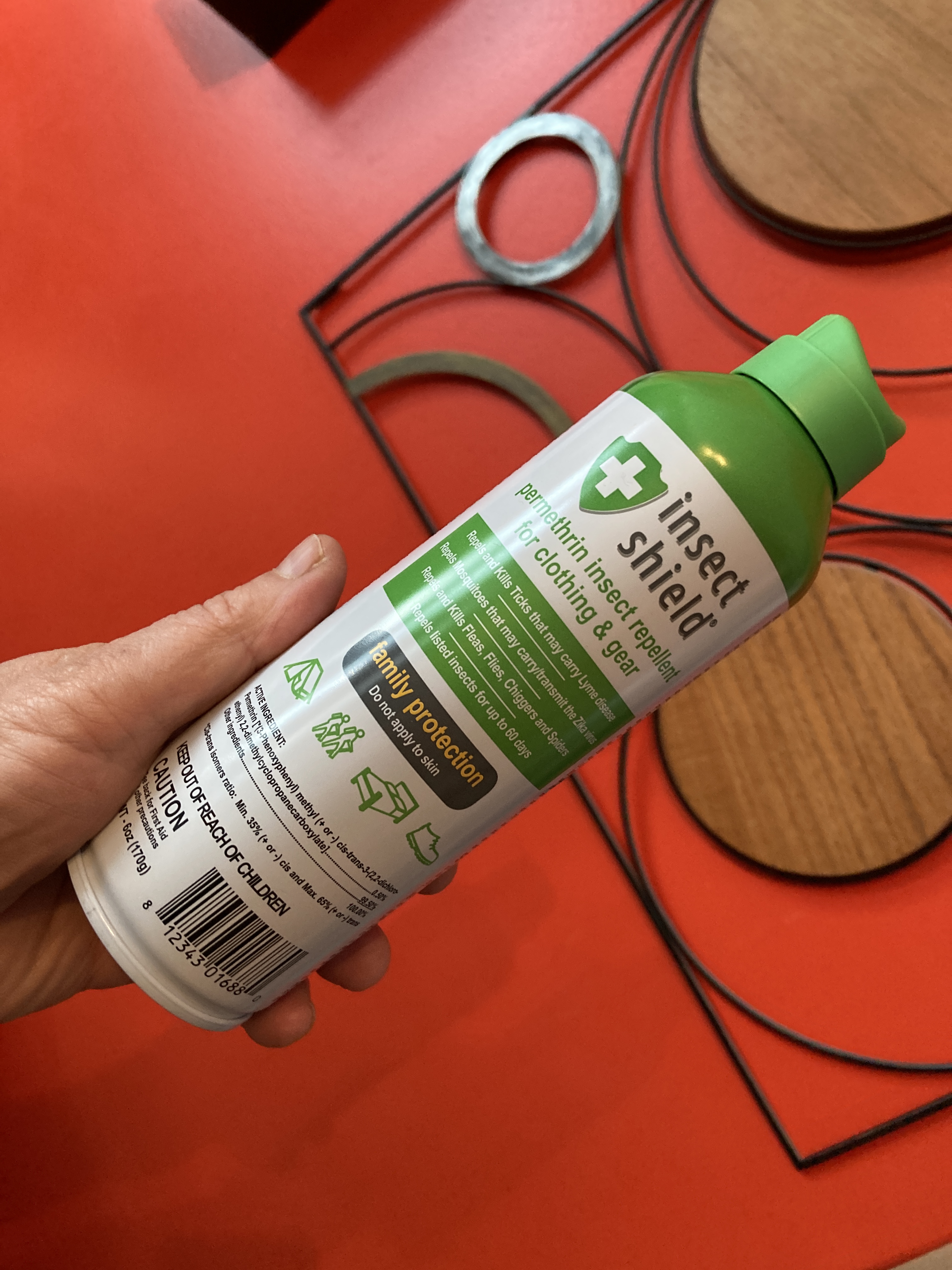
Next step – bug-proof my bedding and backpack. Bedbugs and other critters can be an issue in the albergues (hostels) and I was advised to spray everything liberally with permethrin. So my down quilt, silk sleep sack and pack are now all well-doused and drying on the back porch.

Daily walking clothes include convertible hiking pants, choice of long-sleeved, short-sleeved or tank top, supportive bra, quick-drying undies and darn-tough brand socks.

Traveling/resting clothes are a Macabi skirt (very comfortable with deep pockets), a loose-fitting t-shirt, a pair of wool leggings and a comfort bra. Also a pair of non-skid travel “slippers” which are great when you’re on a plane, train or bus and want your feet to be able to relax.

For layering/weather I am trying to be as well-prepared as possible. I hate being cold, but I heat up very quickly when walking. And the weather in April could be literally anything. So…I’ve got a set of silk long-johns (which can double as pajamas), the afore-mentioned wool leggings, a very light zip-up hooded shirt/jacket by Ex Officio, a thin, zippered fleece, a felted cashmere sweater (extremely warm) a down vest and an Altus poncho. The Altus was specifically recommended to me by Someone Who Knows. Unlike a typical poncho, it has sleeves, a snap-front, a huge hood and a specially shaped back so it can go over your entire pack or be tucked away if you’re not wearing the pack. Apparently, it’s the “in” thing to wear on the Camino. And it rolls up to a tiny size.

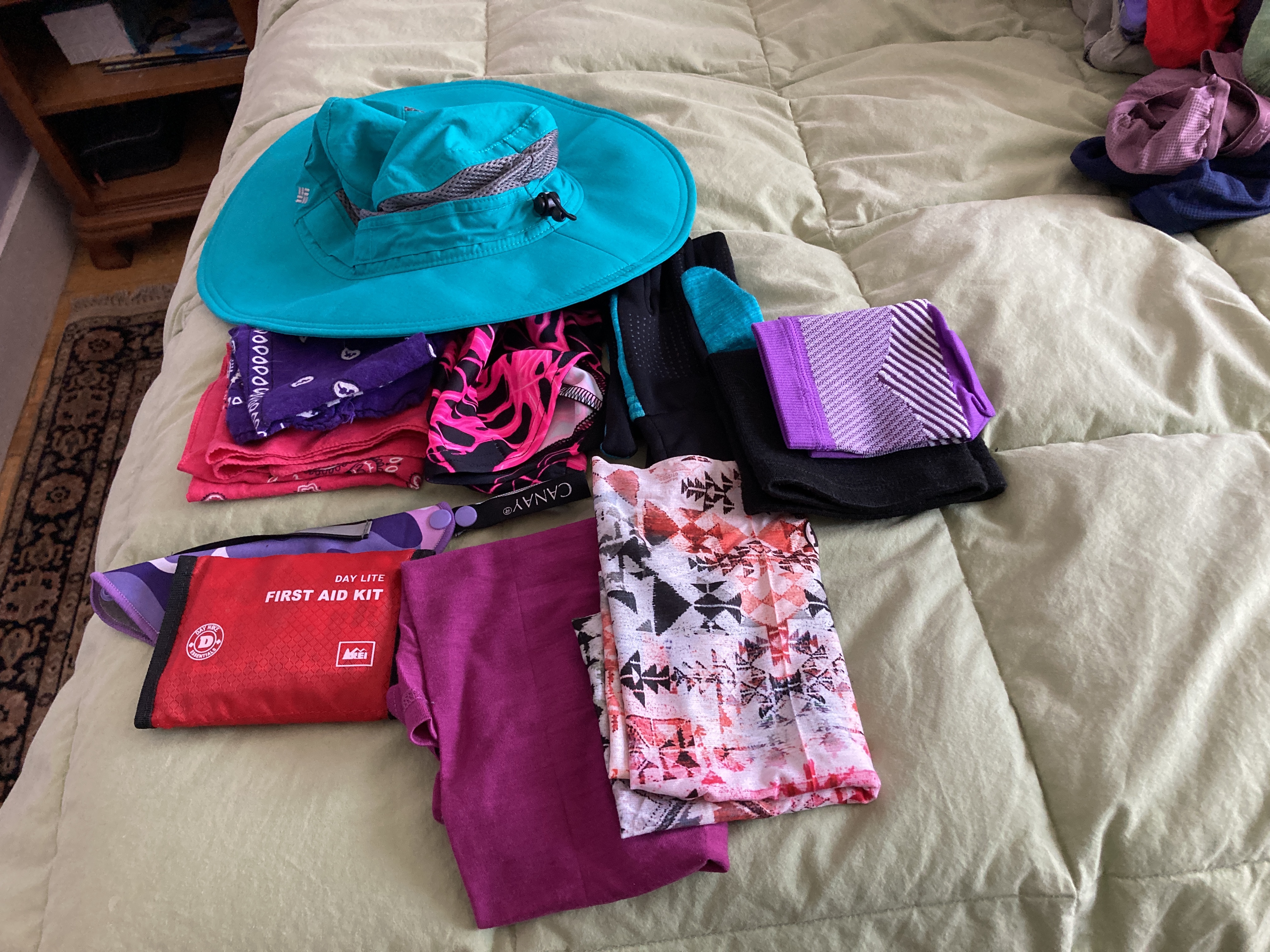
Bits and bobs – I’ve got two bandannas, a tiny first-aid kit, a large-brimmed sun/rain hat, “dirty-girl” gaiters to keep pebbles and dirt out of my shoes, two buffs (one wool, one polyester,) a pair of thin gloves and both an ankle and knee brace in case my old body goes wonky.

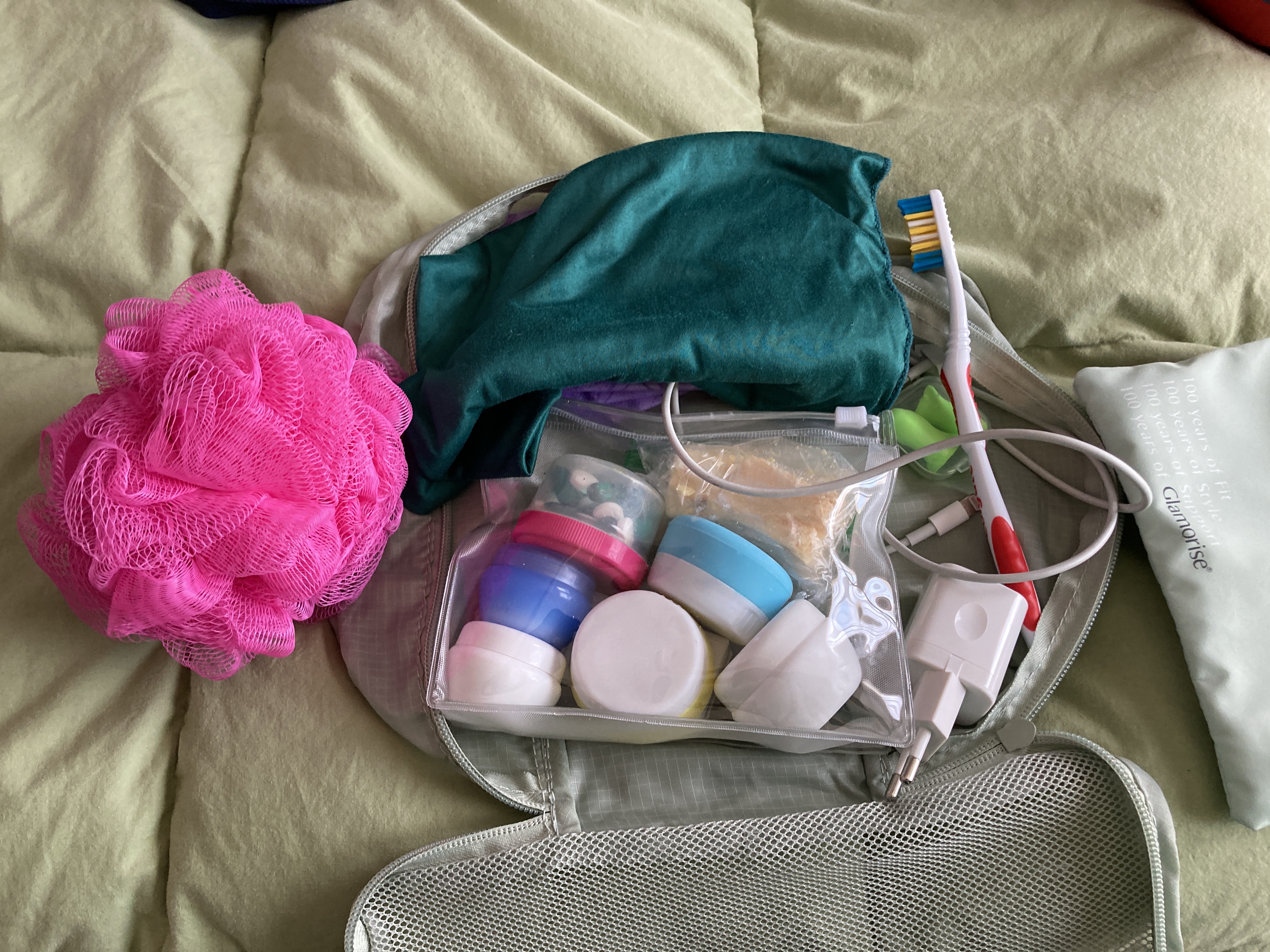
Toiletries have all been put into little bitty containers and include toothpaste, medication, lotion, deodorant, and a starting supply of ibuprofen/aspirin. Also a puff for scrubbing, a teeny-tiny travel towel, a bar of laundry soap, earplugs and a toothbrush. And the all-important charger and adapter for my i-Phone.

And finally – footwear. I’ll be wearing an almost-new pair of New Balance 410s, which I find the most comfortable and supportive for my feet. And I’m bringing a pair of Tevas, to change into when I get to the end of of each day and maybe even to walk in if the weather is good and my feet need a break. I plan to pick up a pair of hiking poles when I get to Pamplona.

So….I don’t feel completely “ready” yet. But I’m getting there. And anything I forget or need after I leave, I can buy in Spain…as well as leave anything superfluous behind in the albergue for another pilgrim.

What IS the Camino (and why am I doing this, anyway?)

Standard

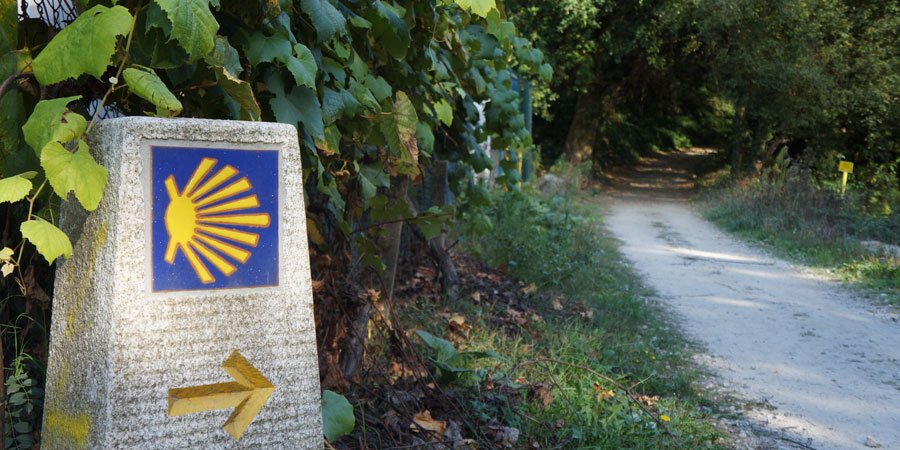
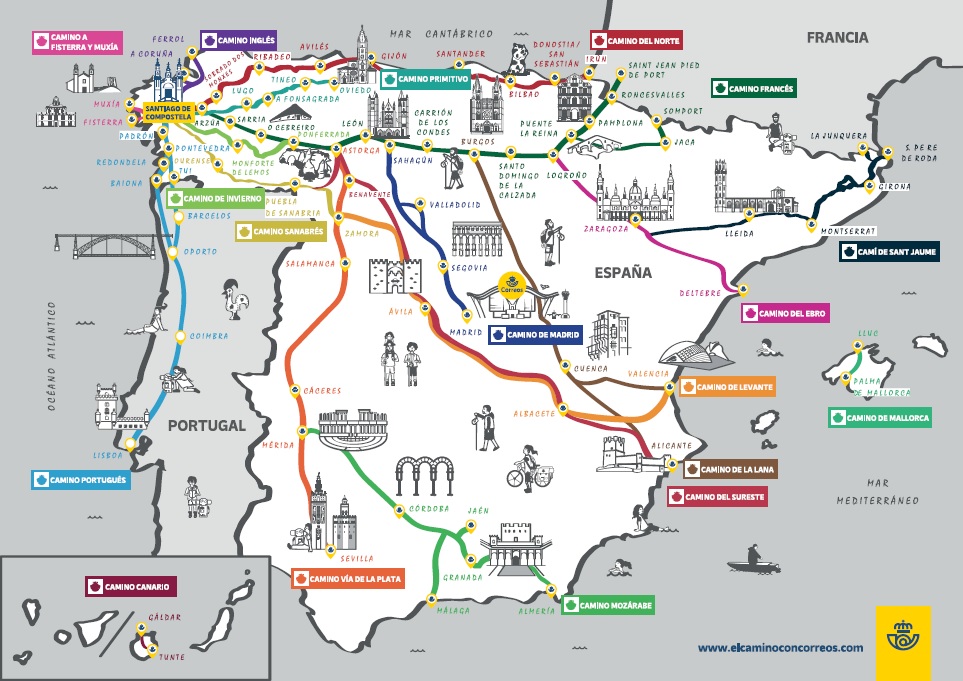
The Camino de Santiago (the Way of St. James) is a large network of ancient pilgrim routes stretching across Europe and coming together at the tomb of St. James in Santiago de Compostela in north-west Spain.  The most popular route is the Camino Francés which stretches 780 km (nearly 500 miles) from St. Jean-Pied-du-Port near Biarritz in France to Santiago.  This route is fed by three major French routes and also joined along its route by routes from various places in Spain, Portugal, England and further away.

The network is similar to a river system – small brooks join together to make streams, and the streams join together to make rivers, most of which join together to make the Camino Francés. During the middle ages, people walked out of their front doors and started off to Santiago, which was how the network grew up. 

Some people set out on the Camino for spiritual reasons; many others find spiritual reasons along the Way as they meet other pilgrims, attend pilgrim masses in churches and monasteries and cathedrals, and see the large infrastructure of buildings provided for pilgrims over many centuries.


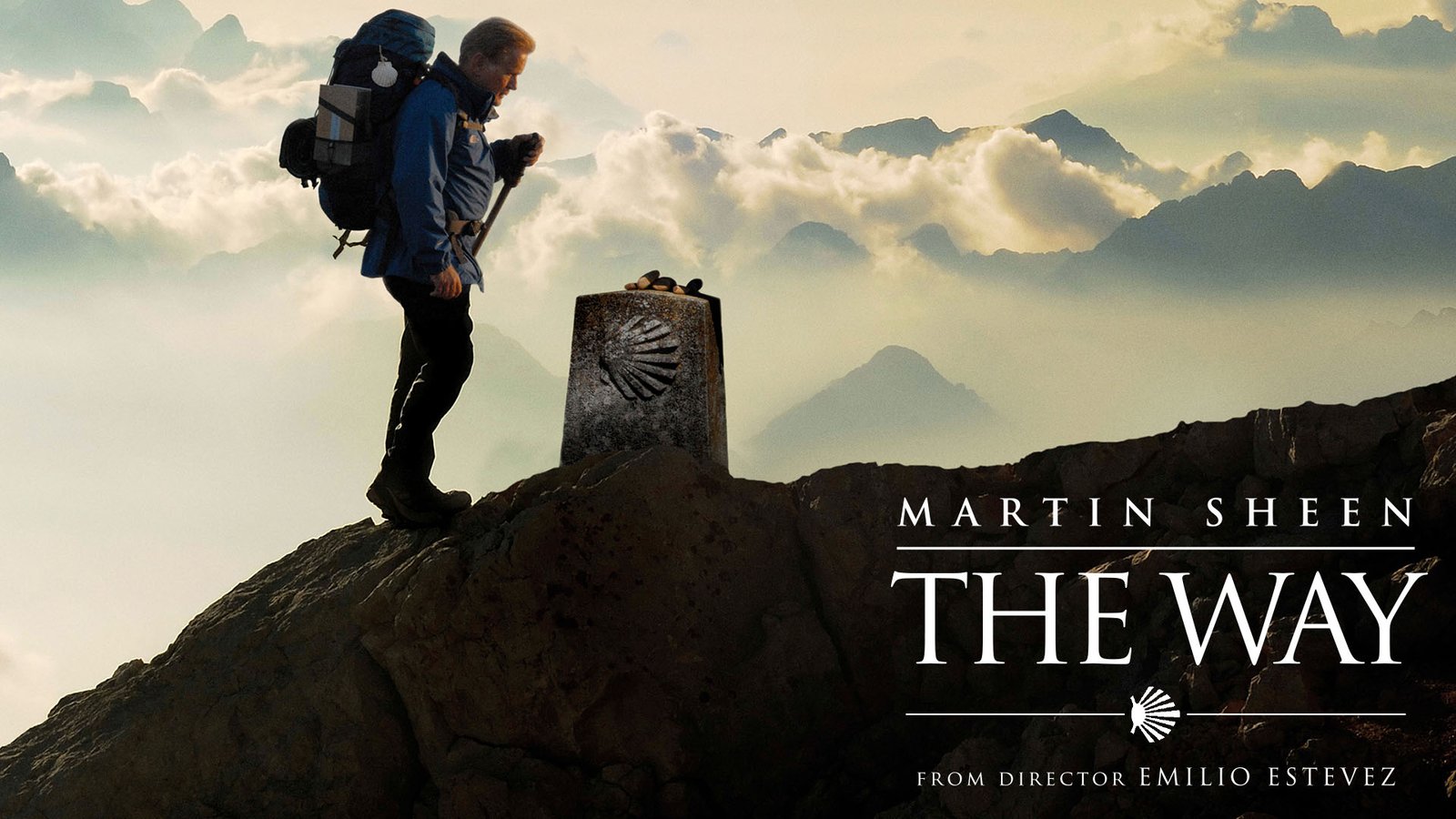
The first I ever heard of the Camino was when I watched a movie with Martin Sheen called “The Way.” (“Camino” means, literally “way” or “road” in Spanish.) My sister-in-law recommended it. I was fascinated and intrigued and determined to someday “make the road” myself. It has been in the back of my mind ever since…and after I retired last year and my plans to go volunteer in Africa did not come to pass, I began to plan in earnest.

I decided to take the French Way (the most common and popular, with the best infrastructure.) And rather than worrying about hiking up and over the Pyrenees, I determined that I would start in Pamplona. I choose the beginning of April…when it was warming up, but still not really packed and crowded with pilgrims. Rather than follow the typical “stages” of walking (most of which were further than I wanted to walk in a day, anyway) i created my own itinerary with shorter days, for the most part. And contrary to what many pilgrims do, I booked almost every accommodation ahead of time.

Because the Camino connects towns and villages, there are plenty of places to stop and rest and plenty of people willing and able to help you on your journey. And…if I become truly exhausted (or my feet get too blistered) there is always the option of calling a taxi to take me into the next village. By my calculations, I will be walking about 432 miles in total…and I’ve given myself 38 days in which to do it.

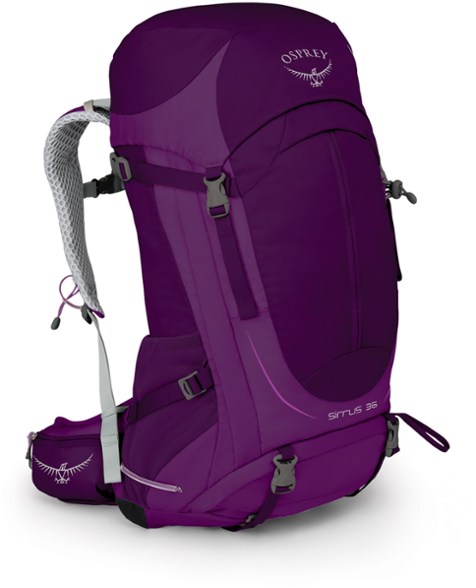
I’ve been walking each day, and I splurged and purchased a new backpack. (I already had a couple I was considering, but one was a bit too small and one was a bit too big. So I now have the Goldilocks of backpacks.) There is an over-abundance of information and advice available for walking the Camino, but my best info came from a wonderful woman named Annie Carvalho who had both a Facebook page and a blog. She’s a little older than I am, has walked almost all the routes numerous times and was able to present practical, matter-of-fact advice and suggestions for almost every question.

As to the “why” I am doing this…well, I am not yet sure. Because I can – and because it’s there of course. But also because there is something very appealing about 6 weeks of simply getting up every morning and walking from one place to the next, with no other agenda or goal in mind. People walk for all sorts of reasons and everyone walks their own walk. I expect to be tired, achy and sore at the end of every day. I expect to meet all different kinds of people from many different places. I expect to walk in the rain and the sun and who knows what other kind of weather. And I expect – I hope – to embrace the journey and add a bit of blessedness to my life.

¡Buen Camino!

Getting ready to walk the Camino…

Standard

I figured it was about time I reactivated my blog! Anyone out there? I’m going to be walking the Camino de Santiago starting on April 2. 432 miles from Pamplona to Santiago. I am both excited and terrified. I’ll be using this blog to post thoughts, pictures, experiences and imaginings. I hope you come along with me on the journey.

It only takes a spark…

Standard
It only takes a spark…

Old First

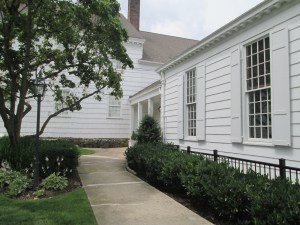
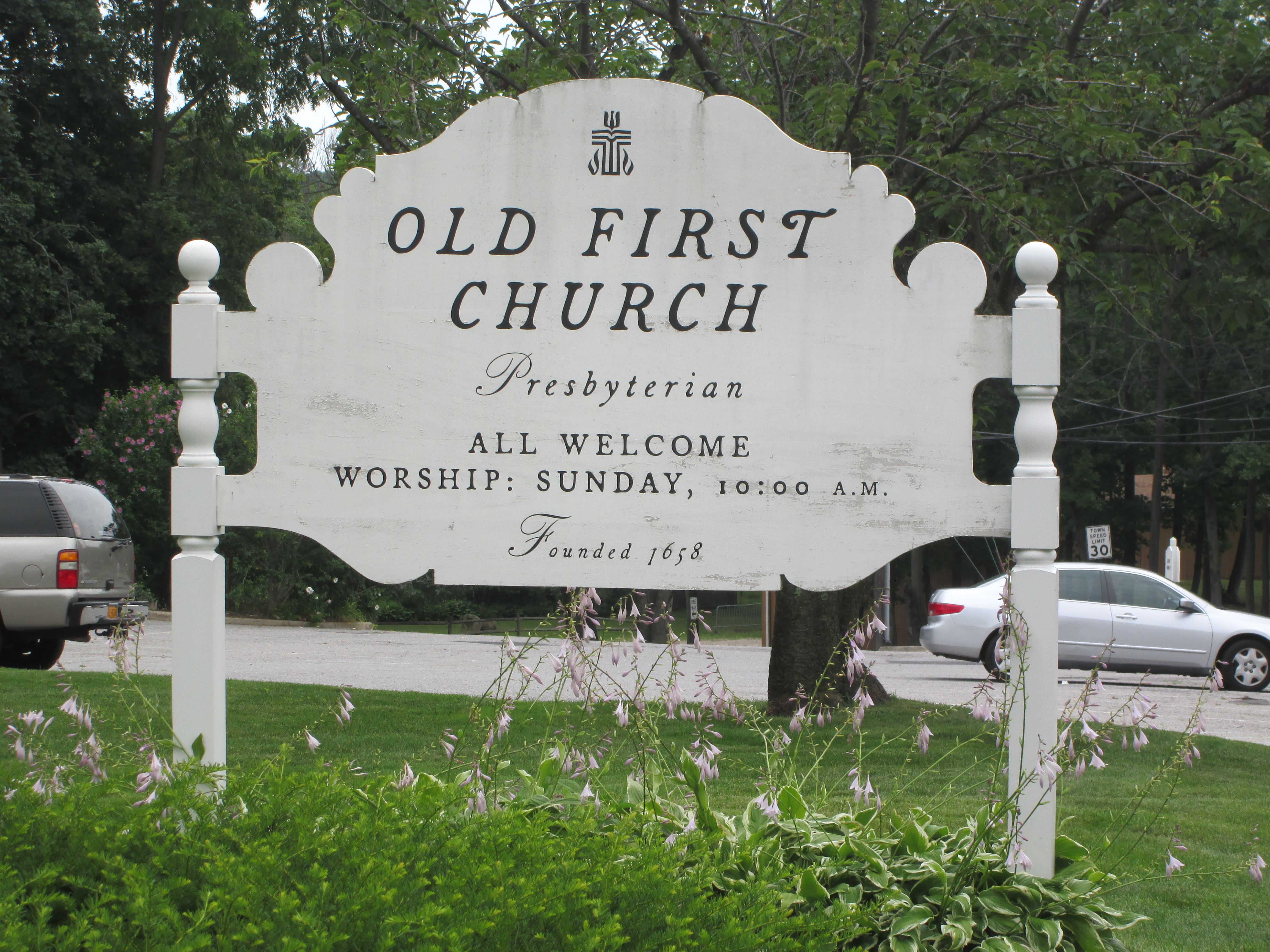
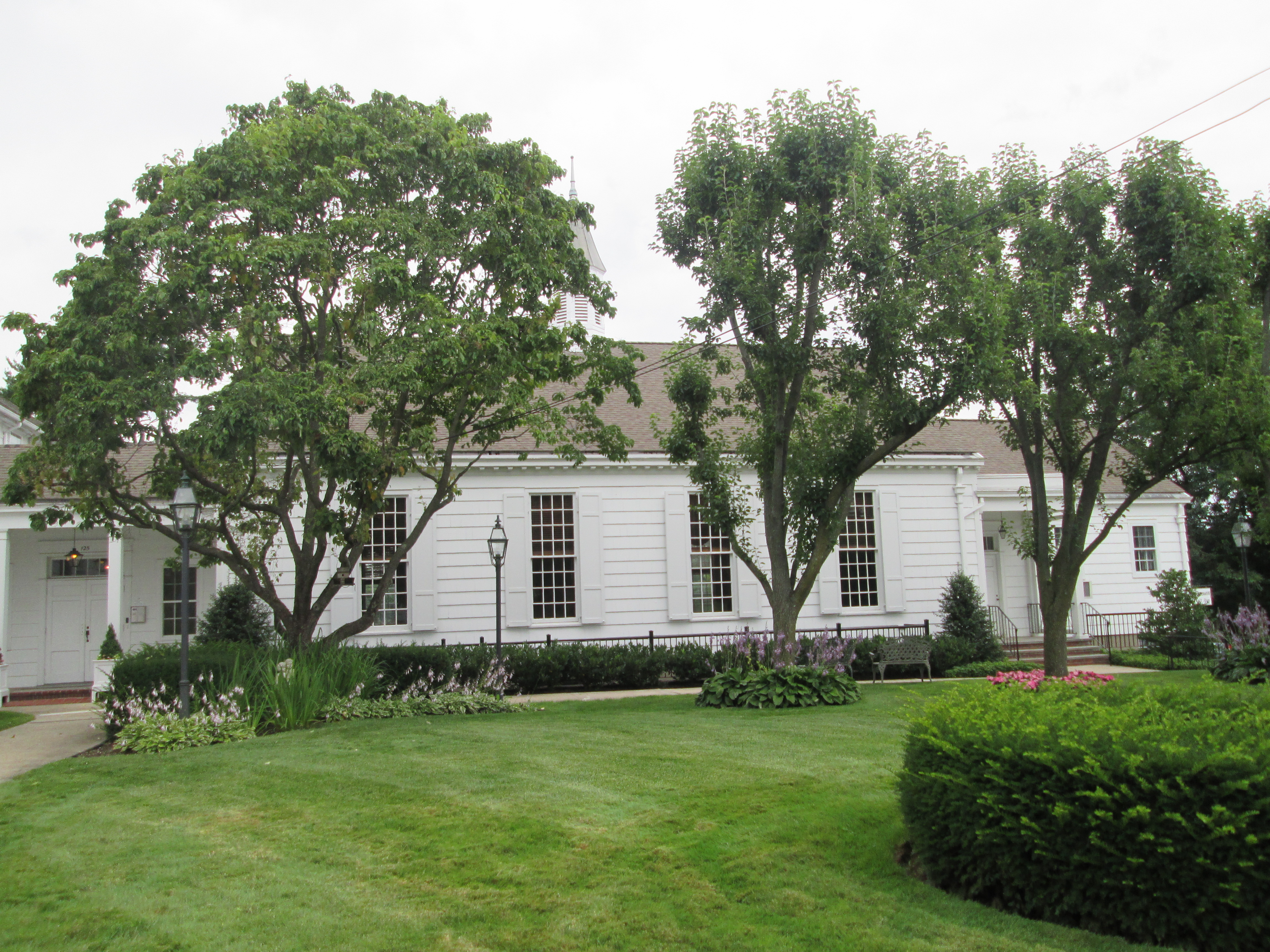
When I was growing up in Huntington, Long Island, New York, we were members of the Old First Presbyterian Church at 125 Main Street.  The church was (and is) an imposing edifice, a historical building with a long history.

OLD churchOld First 2

My father had been a stalwart Presbyterian since the age of 11 and the church was in his blood.  My father was Clerk of Session, my mother sang in the choir, we all went to Sunday School, and when we were in High School, we all were part of TUXIS.
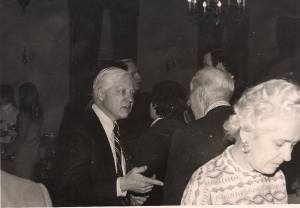
Dad at OFC.jgp Mom

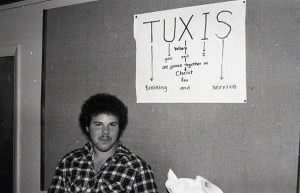
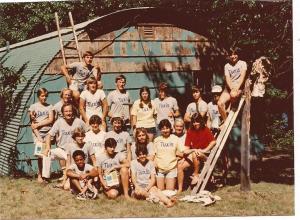
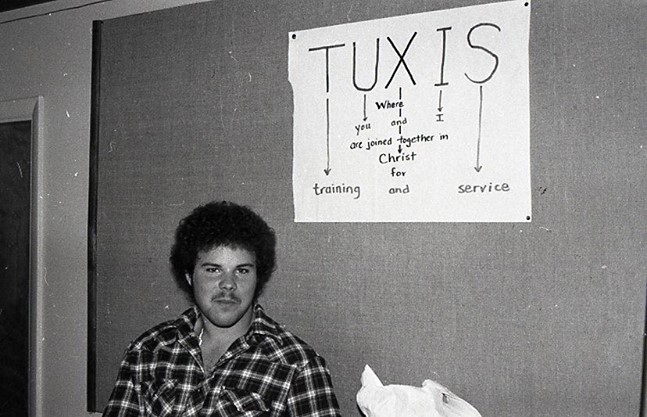
TUXIS was our church youth group.  The name is less an acronym than a symbol – the “X” in the middle standing for Christ and the letters surrounding it meaning something like “You and I together for Training and Service with Christ as the Center.”  It was old-fashioned even then – but to be honest, I don’t think most of us even thought about what the name meant.  For about 20 years, from the late 1960s and through the 1980s, TUXIS was the place to be on Sunday evenings, from 7:00pm – 9:00pm – no matter what your religion, or even if you had a religion at all.  It was our community.

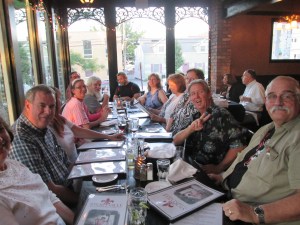
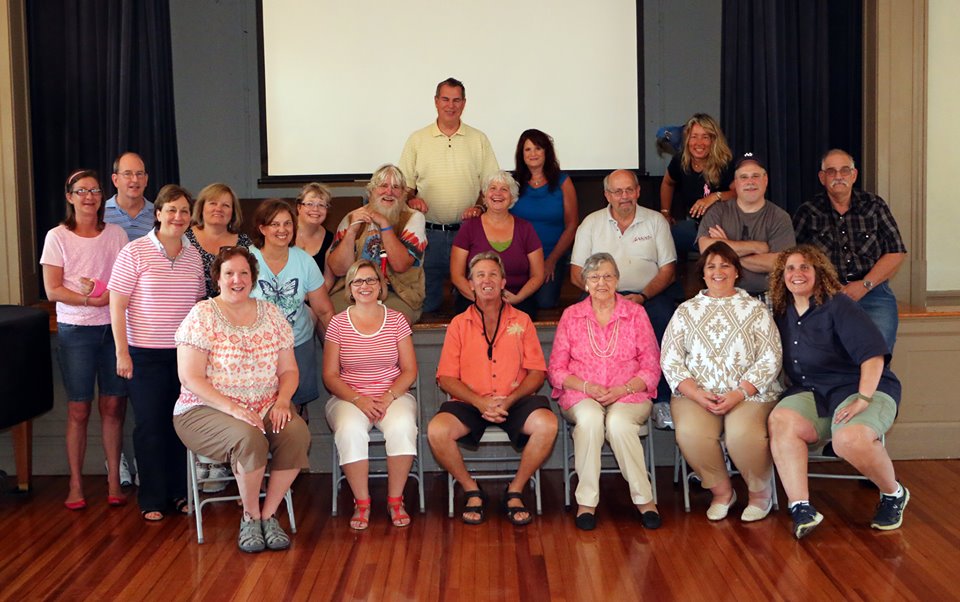
This past October, Dr. Stan Dransfield, who had been the minister during most of my time at the church, passed away.  One of his sons “discovered” Facebook, found a few former TUXIS members and proposed a reunion.  Being a logistical sort of person, I volunteered to try to organize it.  The response was overwhelming.  And this past summer, about 40 former TUXIS members (and one former youth minister) gathered at the Old First Church to celebrate, to worship, to share community and to remember.

I had not been inside the church since my mother’s funeral in 1996…and then it was just briefly.  So when I walked into the side door by the Parish Hall, the sense of memory was visceral and strong.  The side door where we would wait for my father to talk to “just one more person” during coffee hour.

IMG_1377 IMG_1378

IMG_1343 IMG_1344

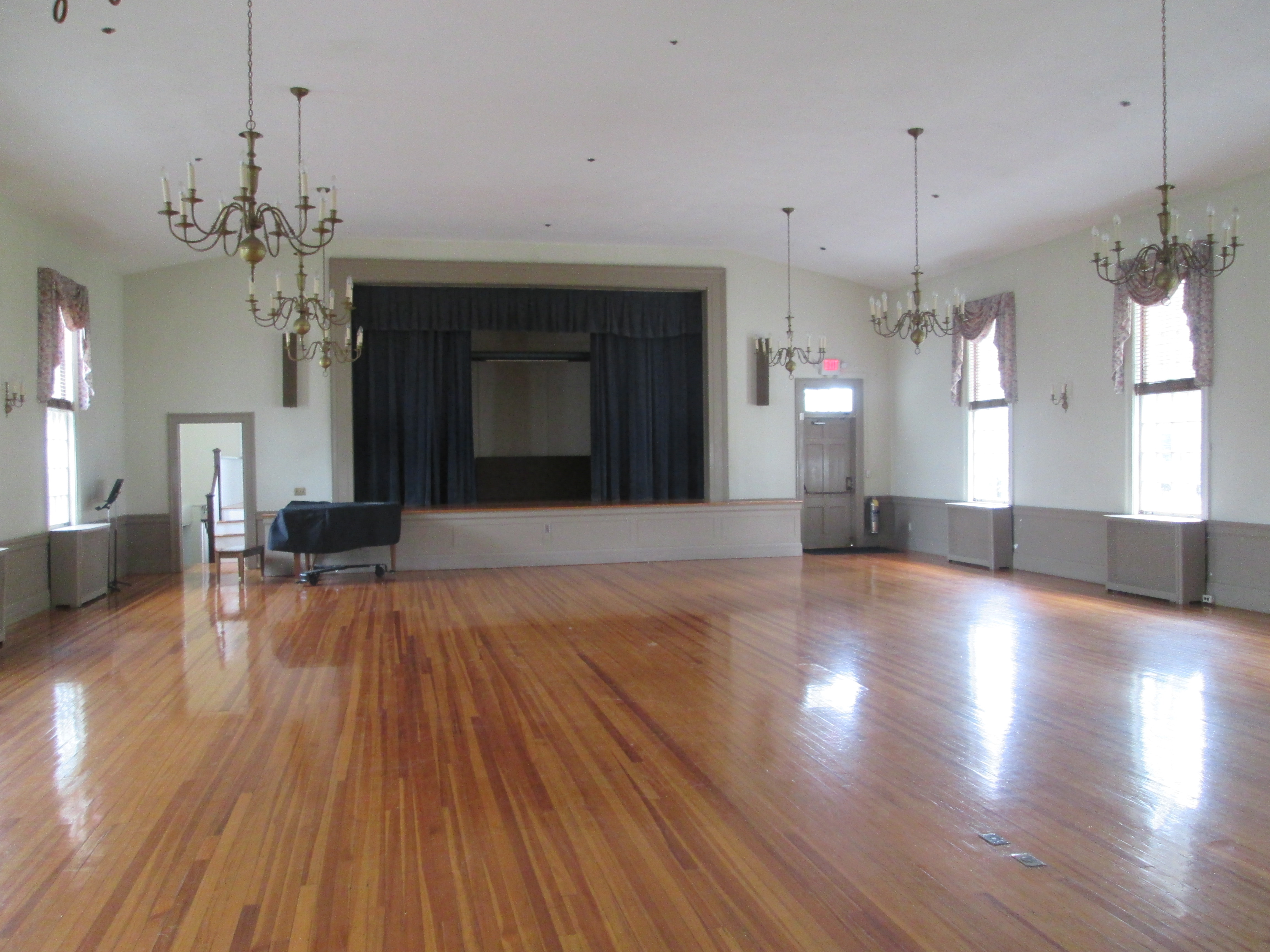
The smell of the wood floor of the Parish Hall, and the stage where we would put on our Sunday School plays.  And the huge kitchen with the giant 8-burner stove and hundreds of plates and cups for church suppers.
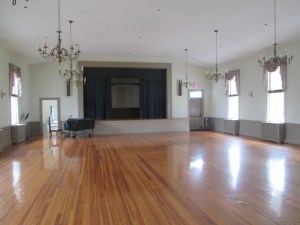
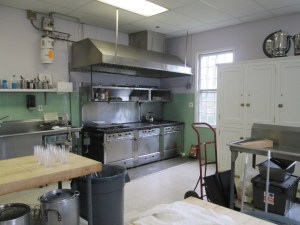
IMG_1380IMG_1395

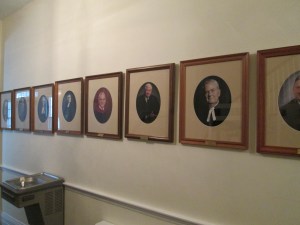
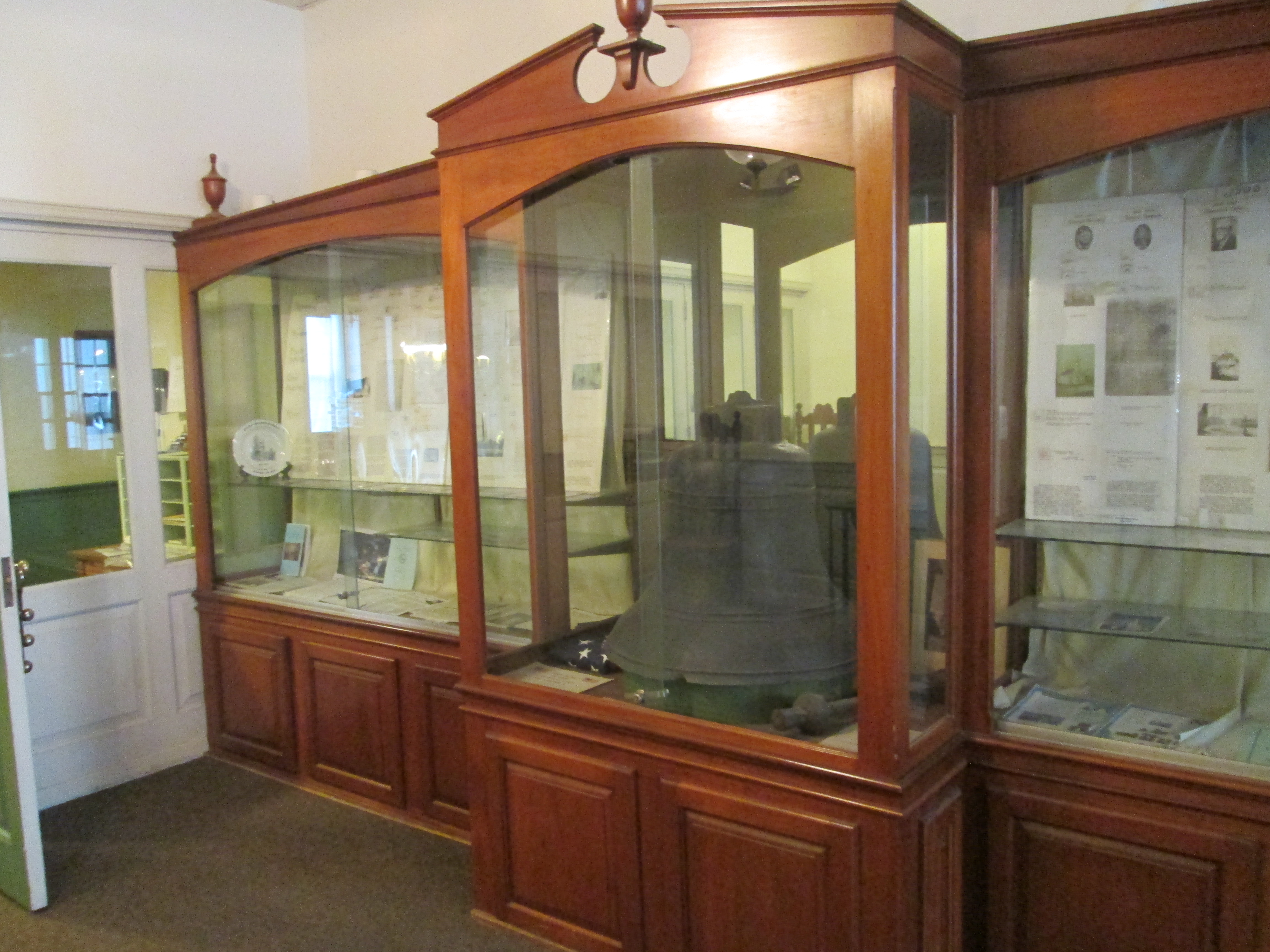
The photographs of the previous ministers – all lined up along the wall along with the bulletin boards announcing paryer groups and various events.  The old bell that had cracked while ringing one Sunday.

IMG_1398 IMG_1397 IMG_1396

Behind the stage was the “Cradle Roll” for the babies and underneath the Parish Hall were the old Sunday School rooms and a tunnel that led to the “newer” part of the church – built in 1958.  I have a vague recollection of them putting in the block with the dates when they built that addition.

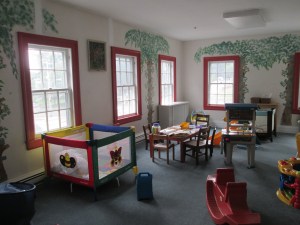
IMG_1382 IMG_1381

IMG_1345 IMG_1346

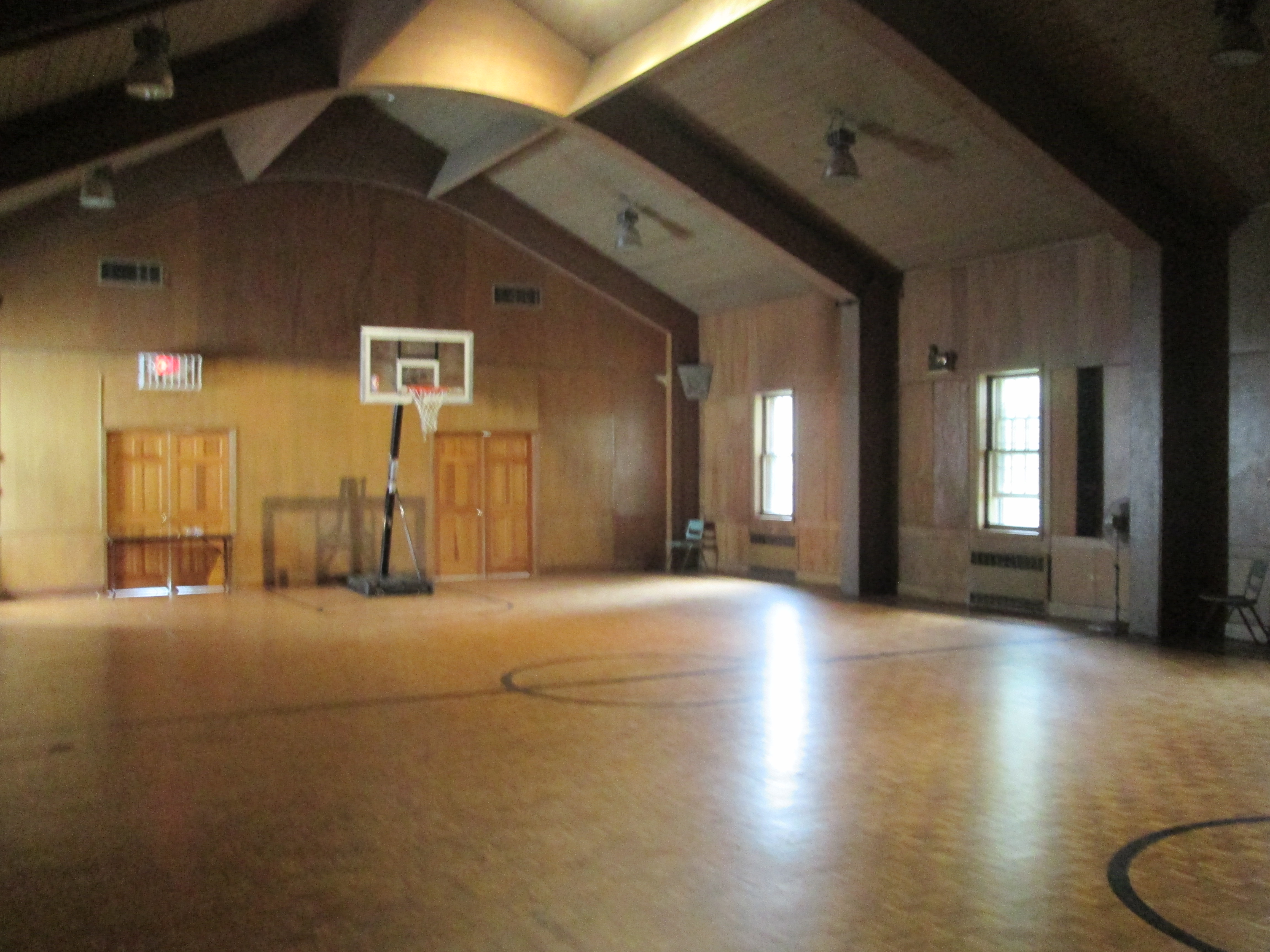
The new addition was built with expansion of the Youth Program in mind – there was a full-size basketball court, another kitchen, various classrooms and a “TUXIS” room.

IMG_1383 IMG_1384

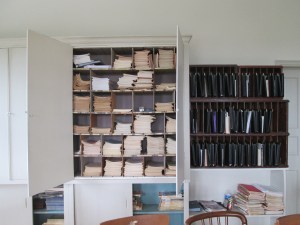
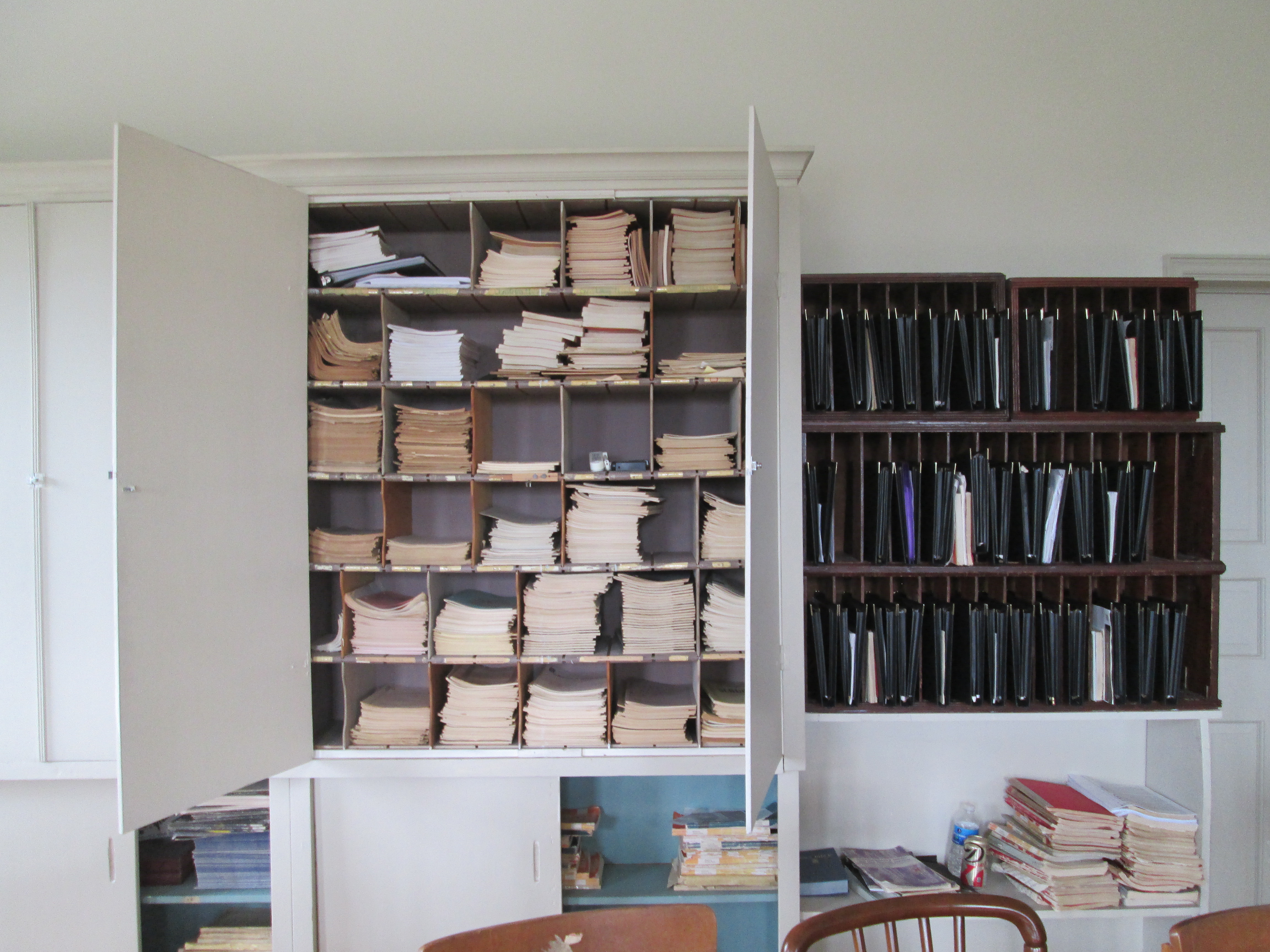
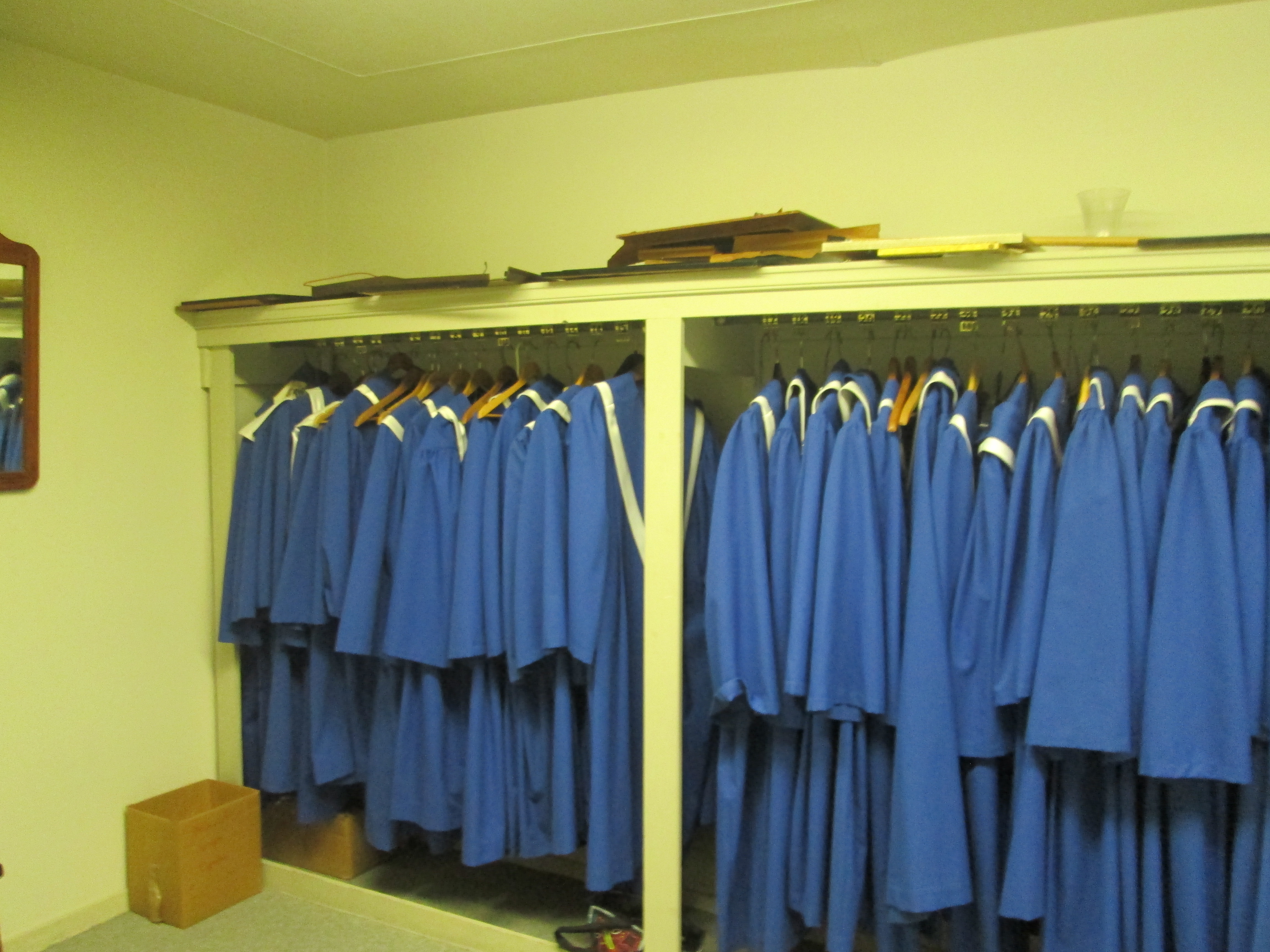
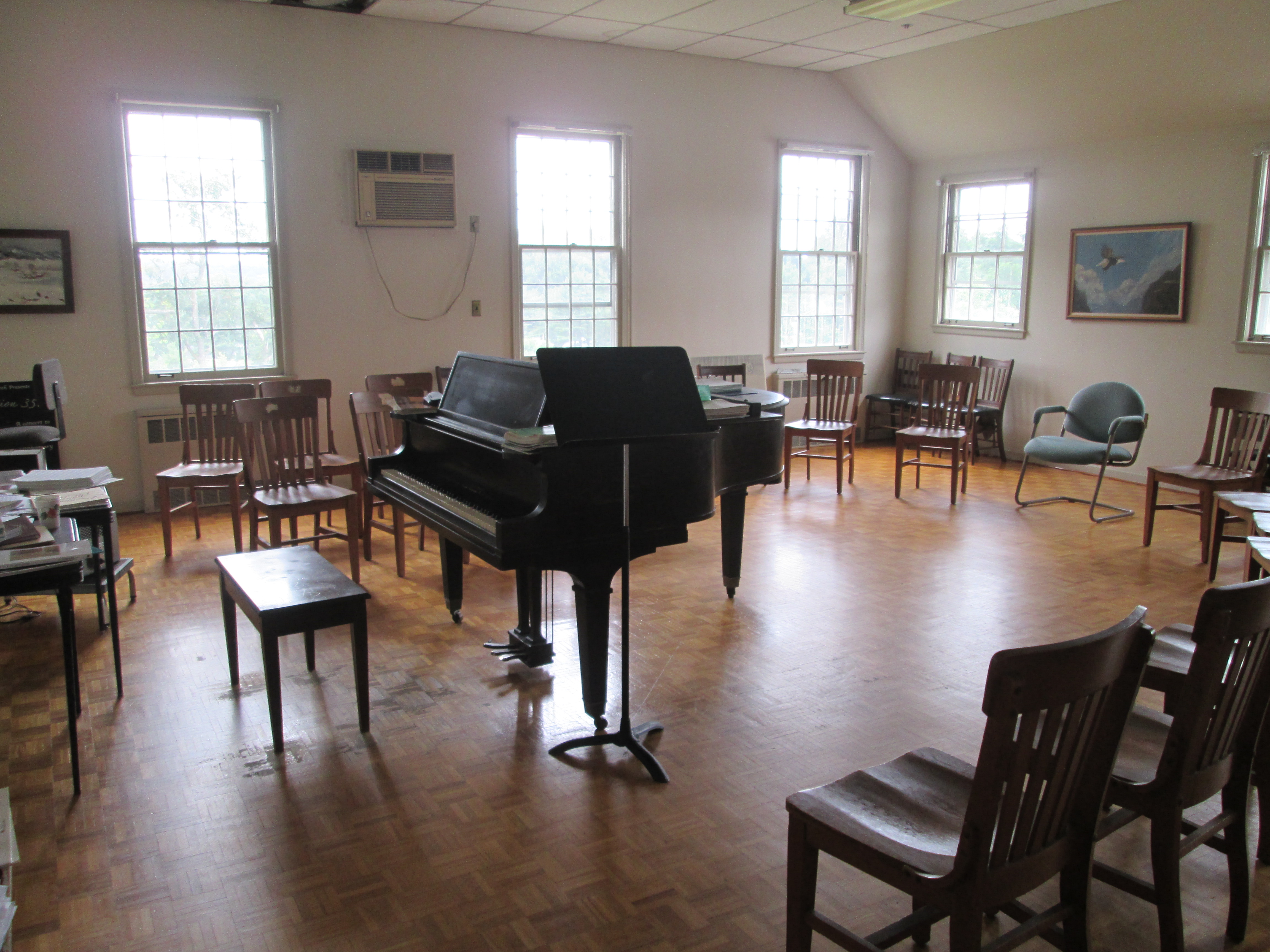
Up the main stairs, there was the choir room – still looking exactly the same with the robes hanging in their compartments and the shelves of choir music and folders.
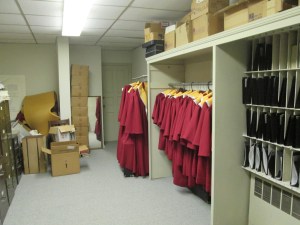
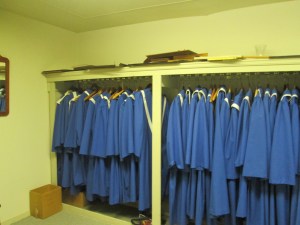
IMG_1386 IMG_1385 IMG_1388 IMG_1389

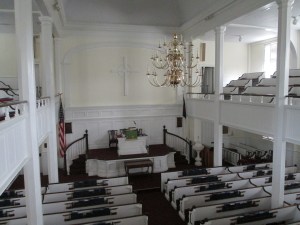
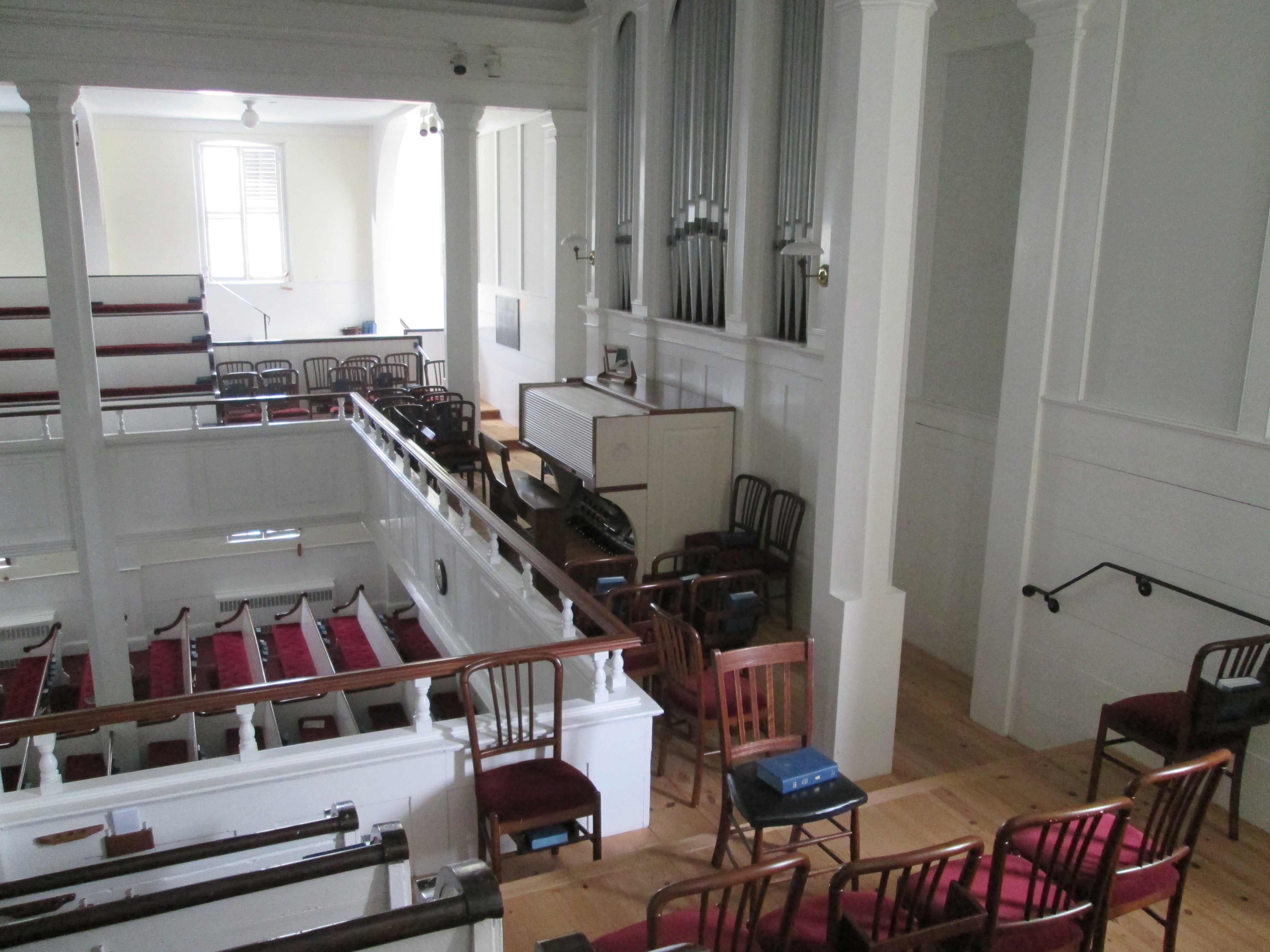
The Sanctuary is the oldest part of the church – and at one time, it was the entire building.  Not much has been altered.  At some point, the seat cushions were added.  A chandelier has been hung from the ceiling and, contrary to the traditional austere Presbyterian decor, a cross was installed over the altar about 10 years ago.  I spent most of my time in the sanctuary in the choir loft, where I sang alto in the church choir.  A beautiful new pipe-organ was installed in 1982 and the choir loft redesigned, just in time for my wedding.  (The wedding was lovely, the marriage rather ill-fated…)
IMG_1393 IMG_1392 IMG_1390 IMG_1393

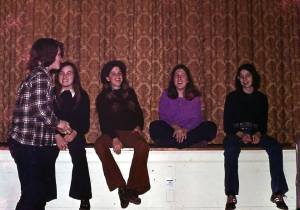
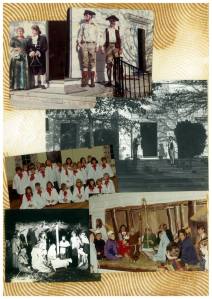
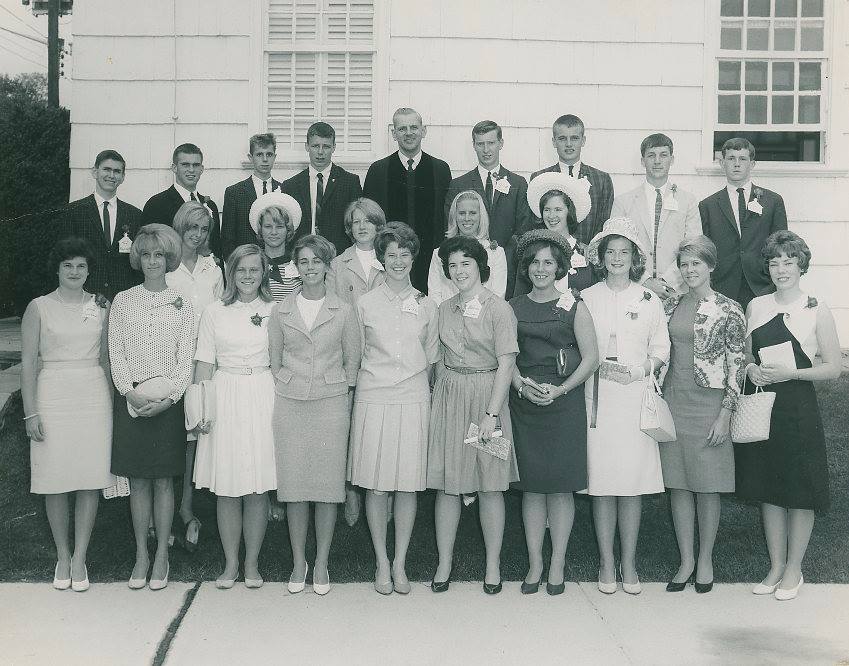
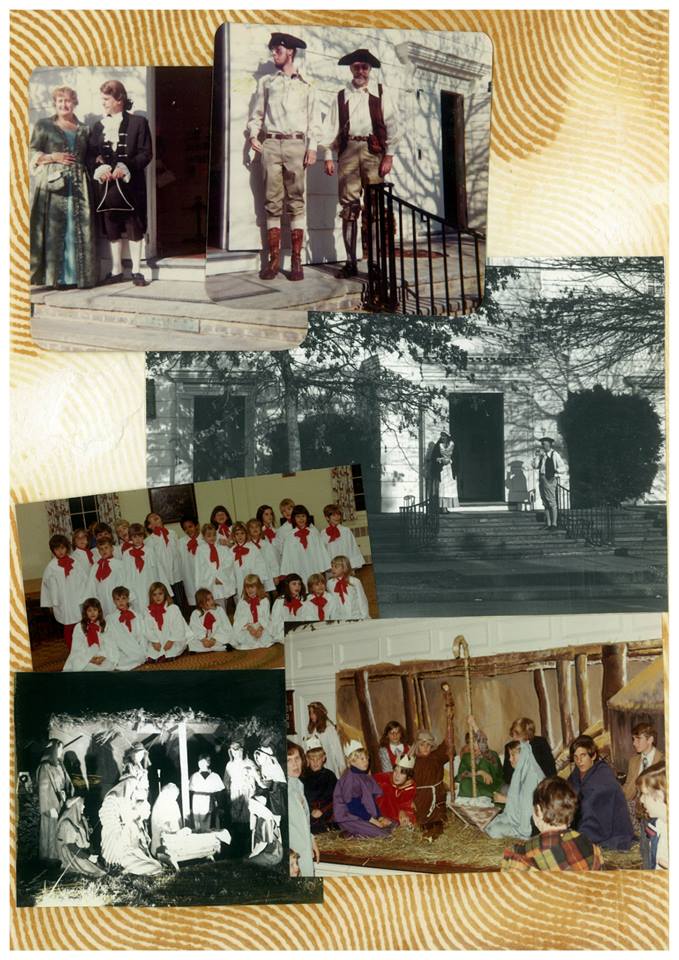
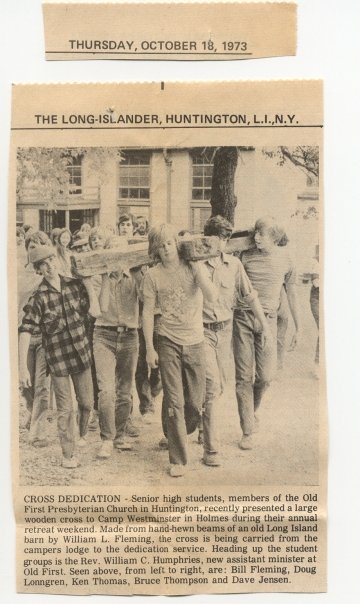
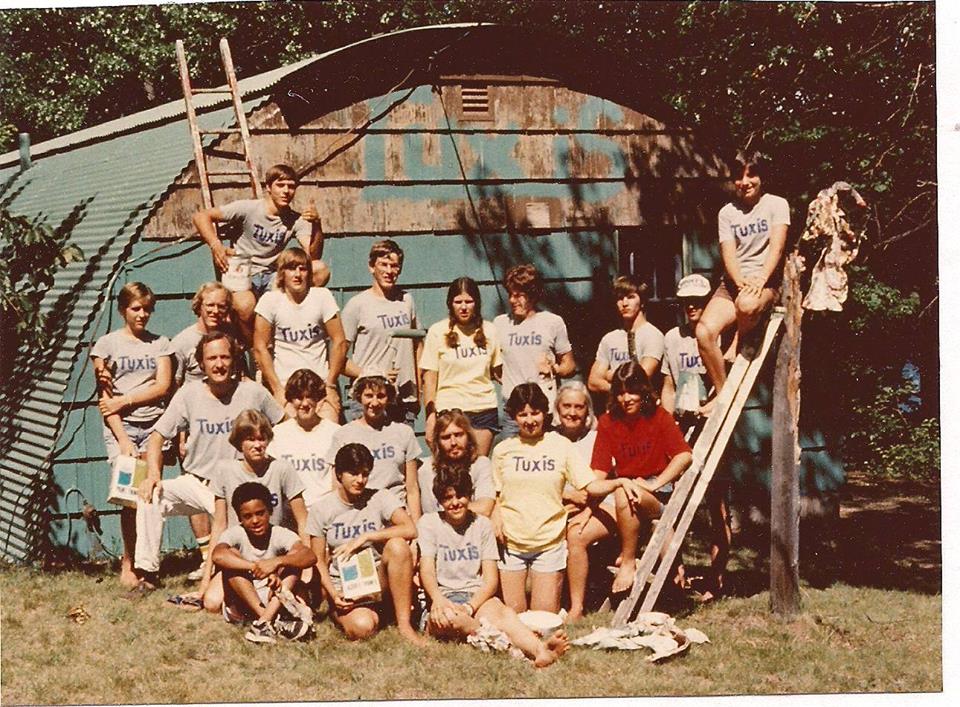
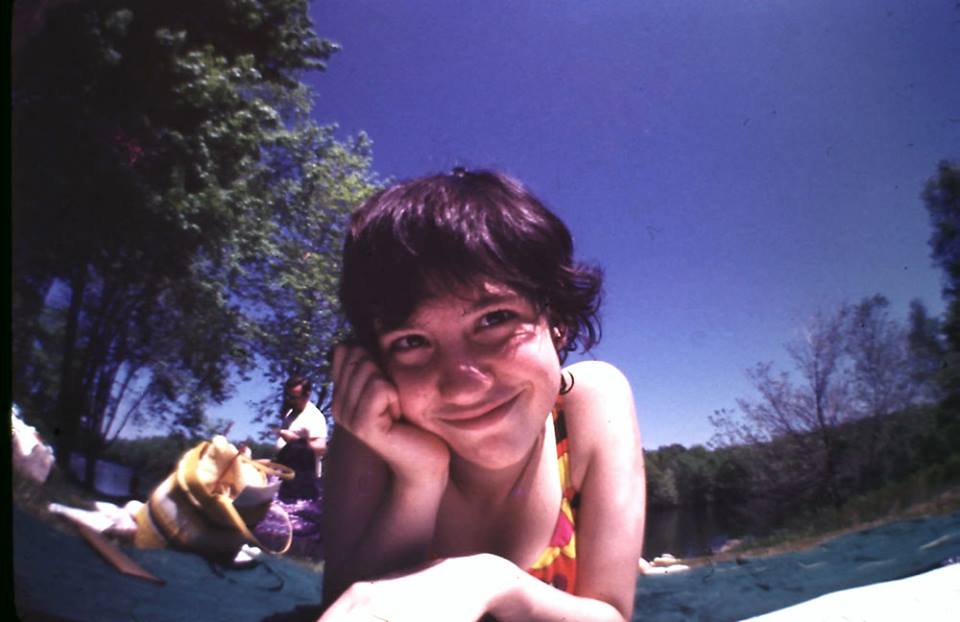
What was TUXIS and why was it so important?  Well, it was a community.  A community of young people from varying circumstances and belief systems, who were at various places in their spiritual journey.  And it was a safe place to come and feel that you mattered.  We were fortunate to have wonderful youth ministers who built that community, who listened to young people with great consideration and love and who showed us, by word and deed, what it meant to “be the hands and feet” of Christ.  Many pictures were shared of those times.  We had camping and beach trips, trips into New York City, work-sessions, presentations and performances, discussions, singing and dancing, tears and laughter.

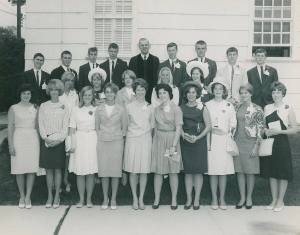
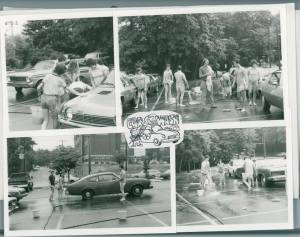
Confirmation 1974 Confirmation 1 Car wash Burt W

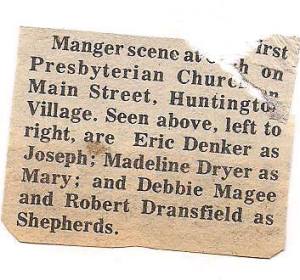
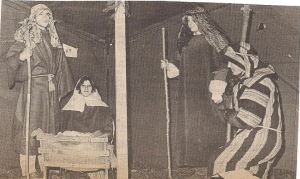
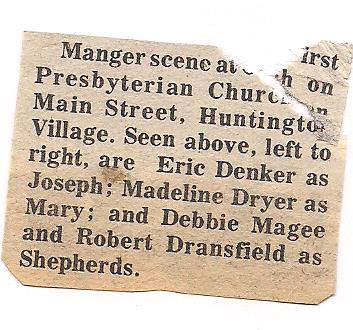
Manger scene 2 Joseph Manger scene Linda M

Sitting on stage TUXIS Group w Doug OFC various OFC MOntage cross bearing Campe Westminster TUXIS sign RetreatMe at beach

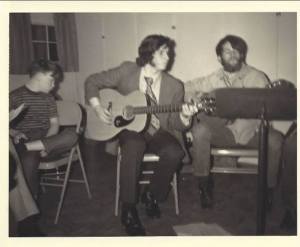
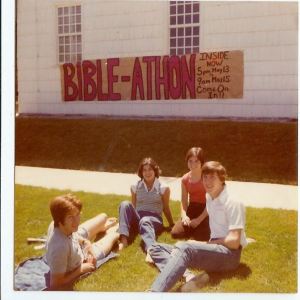
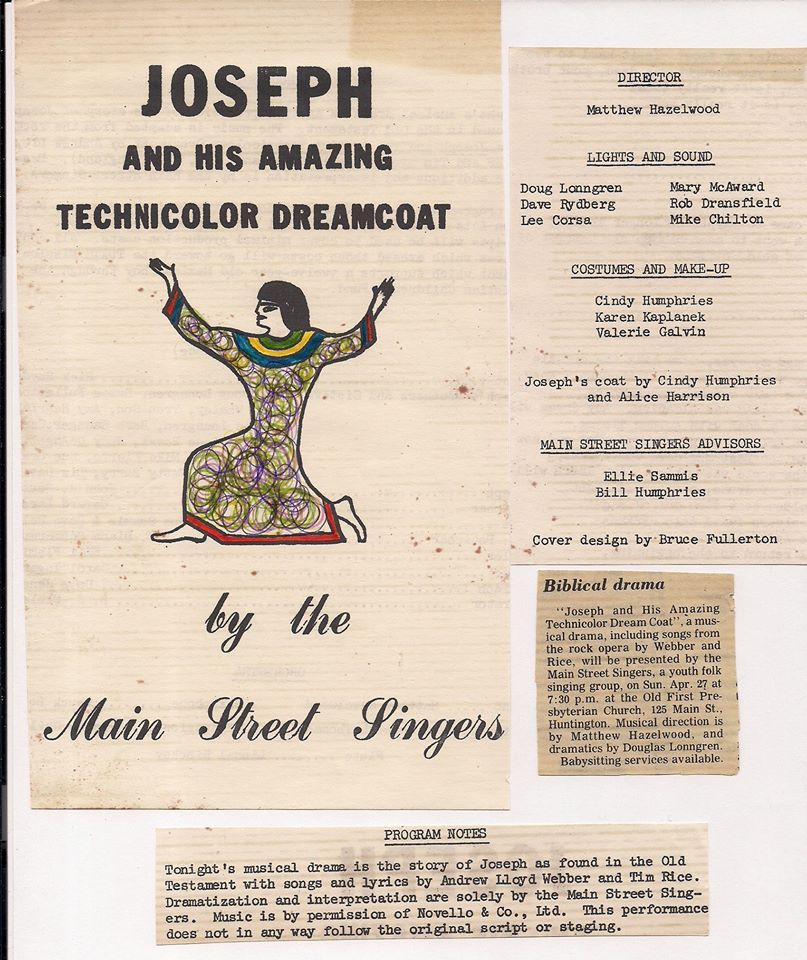
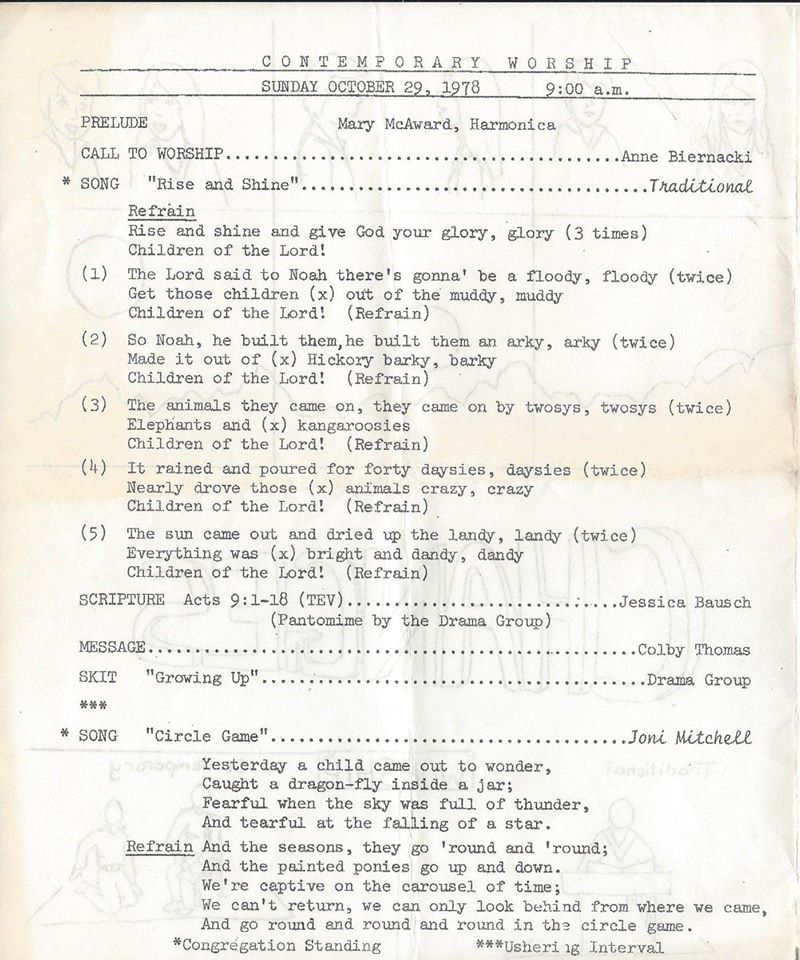
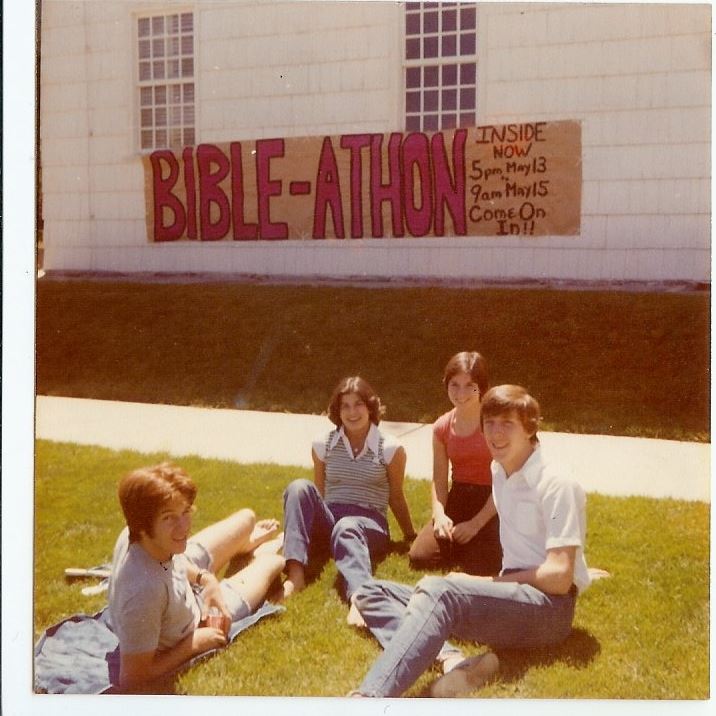
We put on our own “Contemporary Worship Service” once a month, featuring more modern songs and our own singing group called “The Main Street Singers.”  There was even a “Bible-a-thon” to raise money.

Contemporary worshipHymns Hot Biblethon 2 Bible-a-thonNewsletter Sunday School Singing in sanctuary

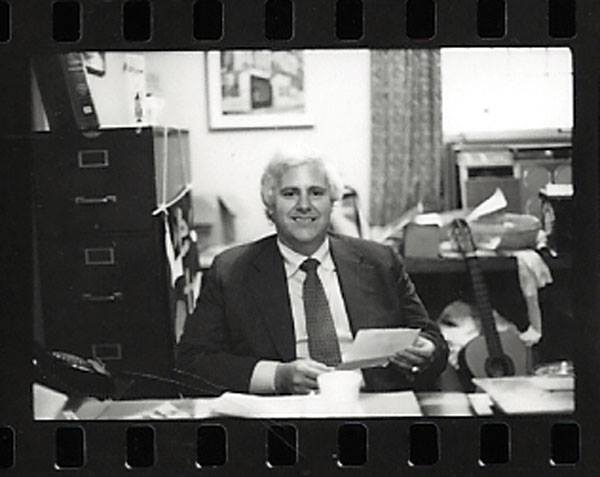
We had three youth ministers during “my” TUXIS time.  Don Dempsey was hired at the beginning of my 9th grade year.  There were so many of us that we had a separate group for the 9th grade called “Niners.”  Don was 24, young, idealistic and rather a hippie.  There were stories about him mowing a peace symbol into the front lawn of his house and an incident where the police were called to the manse, because the neighbors didn’t realize he had moved in yet and thought his gathering of TUXIS young people (complete with candles because the electric had not been turned on yet) was a bunch of hippie-weirdos.  Turns out the stories were true – I got in touch with Don, who is still a Presbyterian minister and he had many memories.  We all loved him, but he was summarily fired after 9 months.  The session then hired Howard Warren.  Howard was “my” TUXIS leader and my brother Doug’s as well.

Howard

He was a gentle man, in his mid-thirties, who seemed to know how to handle both the radical young people and the stuffy and staid members of the session.  He had a way of leading us to the “right” decision without us feeling like we were being told what to do.   After Howard left, we had Bill Humphries who came to us right out of seminary, with his very young wife, Cindy.  Bill was youth minister for about 10 years, and was the TUXIS leader for my younger brothers Mike and Tom.
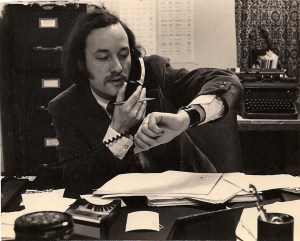
Bill

One very important person who could not attend was a woman name Suzie Viemeister, who was like the mother of us all.  She came on every trip, was there every Sunday evening and her home was a place of refuge for a number of young people who had had a falling out with their parents and needed a place to crash.  She is in her 80s now, but still spry and joyful.

Suzie VSuzie V now

When we all finally showed up at the church, there were many hugs, many remembrances and some tears.  Howard – loved by so many of us – passed away from complications due to AIDS in 2003.  Ironically, he turned out to be far more radical than Don Dempsey ever was.  After he came out of the closet (“exploded out” as some say!) he became an outspoken advocate for inclusion of all in the church.  The Presbytery tried to silence him ; they tried to take away his ministry (my father was furious at this) but Howard persevered and was known as “God’s Glorious Gadfly” for his unrelenting insistence that the Kingdom of Heaven was for everyone.  (Read more about Howard HERE.)

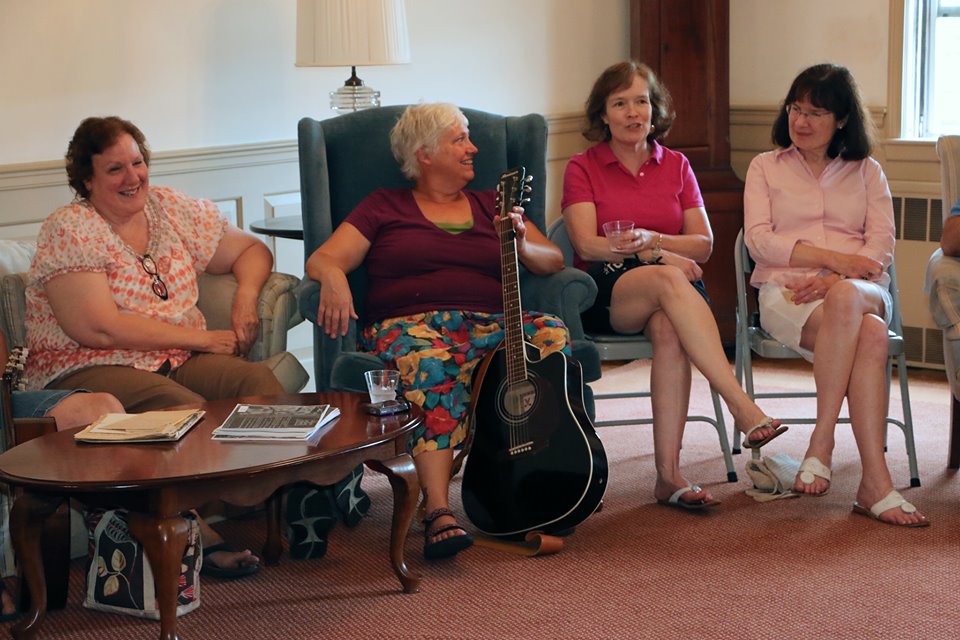
Some of us had gathered for dinner the night before.  Now we shared more food and memories and music and had a communal worship led by Bill Humphries.

IMG_1326 IMG_1324 IMG_1323 IMG_1322

Reunion worship Reunion watching reunion singingIMG_1405 IMG_1407

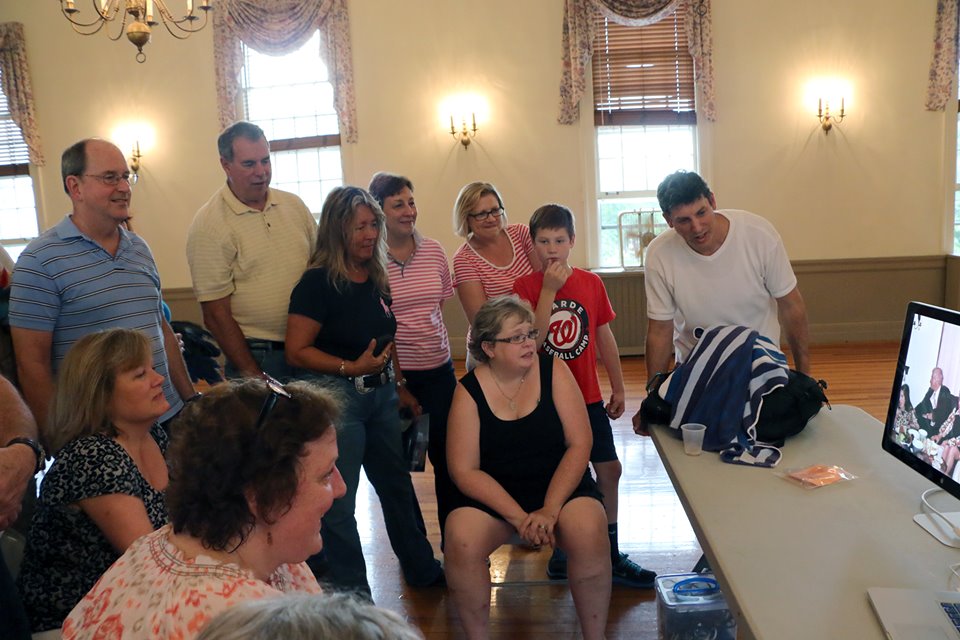
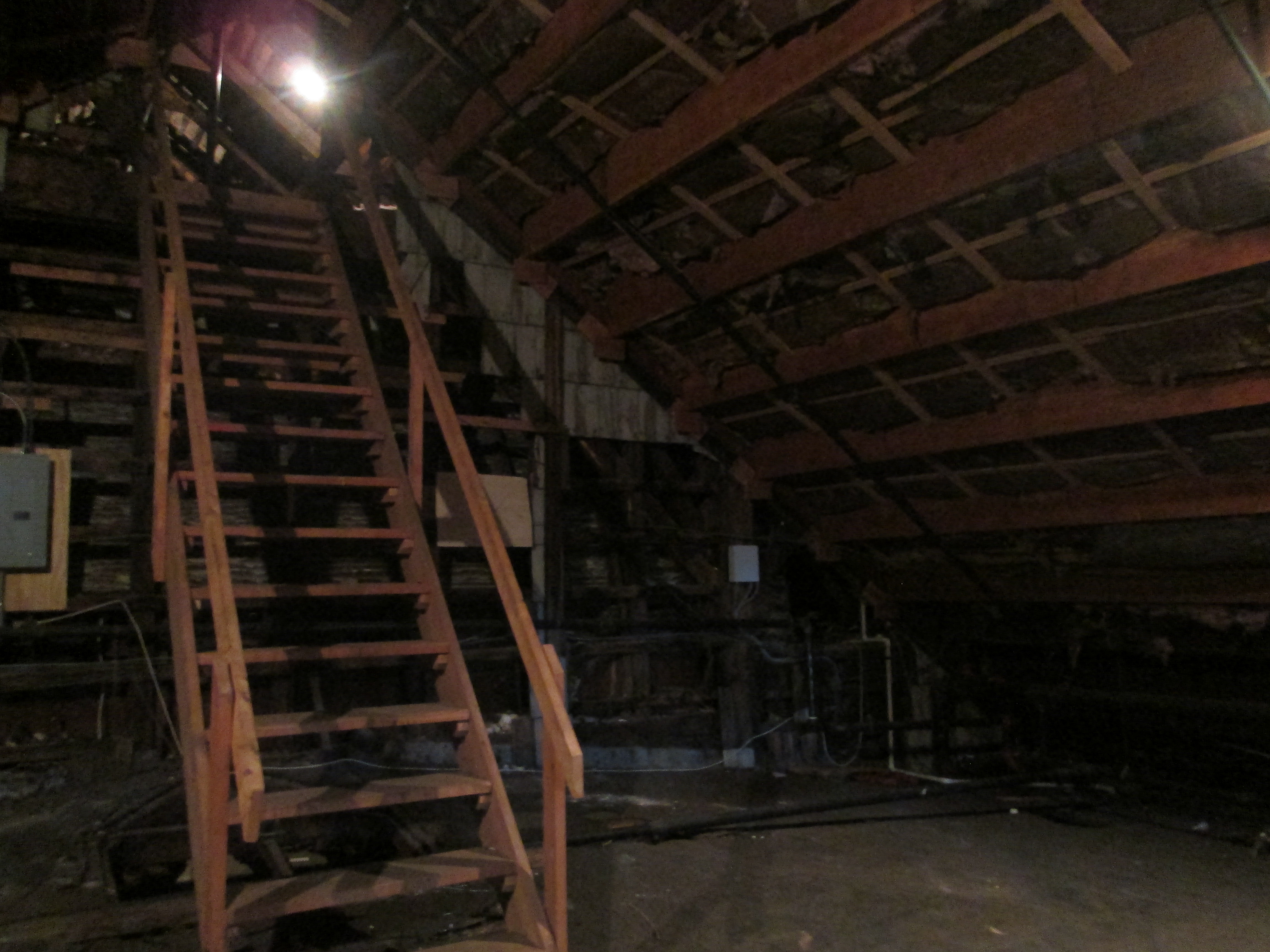
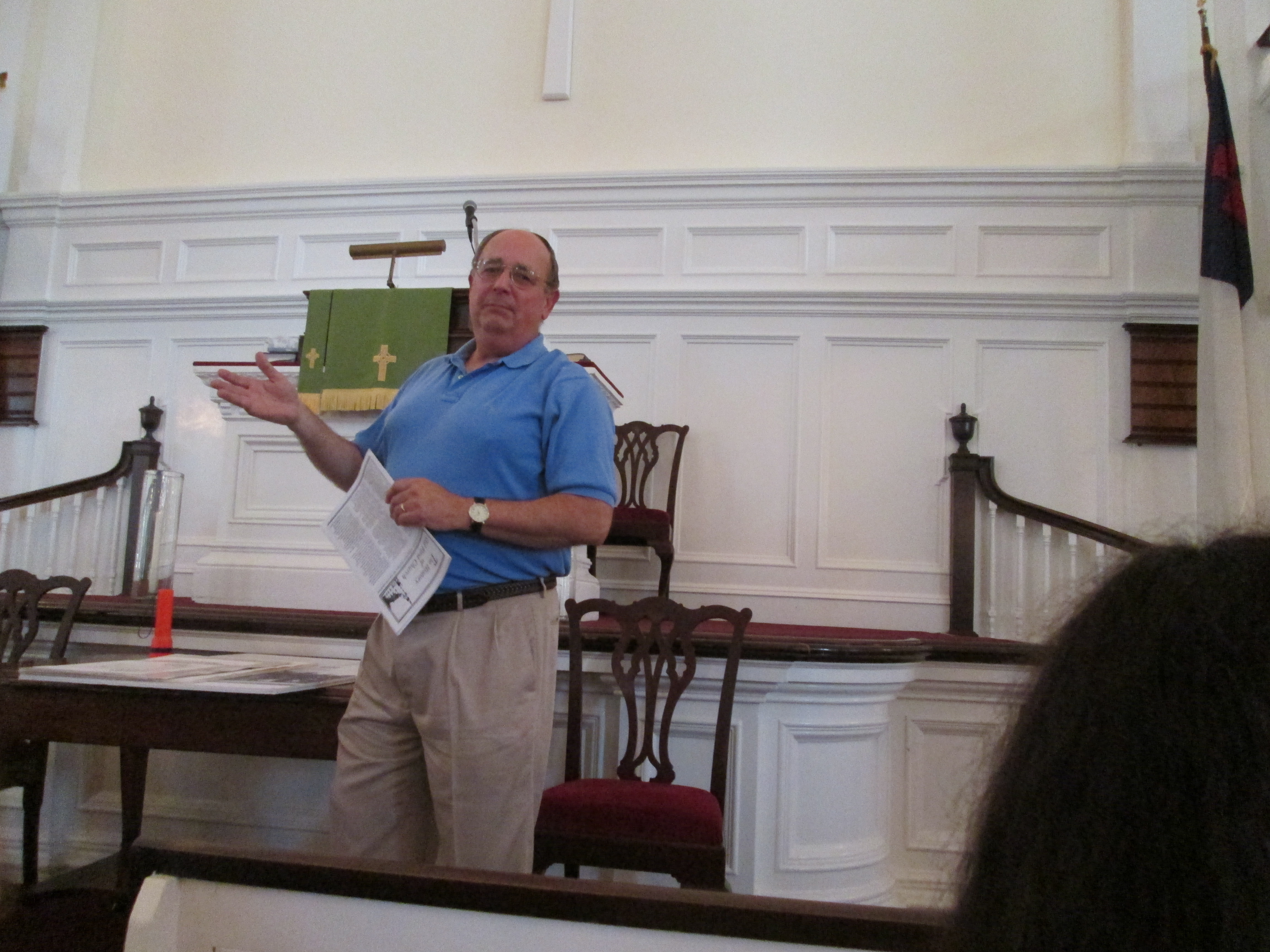
We were then lucky enough to have a brief talk about the history of the church from John Collins, who was a member of TUXIS and is very much involved with the Huntington Historical Society.  And…we got to climb up into the steeple, which, since the installation of the new organ, now involves a trap door over the choir room, a scramble above the ceiling of the sanctuary and then a rickety climb to the top.  It was pretty awesome…I hadn’t been up there since I was a very little girl.

IMG_1419 IMG_1418 IMG_1415 IMG_1414 IMG_1413 IMG_1411 IMG_1410 IMG_1408

Everyone who attended the reunion was deeply moved by the gathering.  And I was near tears when I was given a card, signed by everyone, thanking me for organizing the event.  It was a wonderful way to recall a very important part of my life.

reunion group

At the end of the worship service, people wanted to sing “Pass It On.”  This is a cheesy song, with a cheesy tune and lyrics that don’t quite scan.  But we all used to sing it with great gusto and I had a guitar and we all sang it again.  I am not ashamed to say that I broke up a little when we got to the last verse.  Thank you, dear Divine Spirit, for the fellowship of TUXIS.

It only takes a spark to get a fire going,
And soon all those around can warm up to its glowing;
That’s how it is with God’s Love,
Once you’ve experienced it,
Your spread the love to everyone
You want to pass it on.

What a wonderous time is spring,
When all the trees are budding
The birds begin to sing, the flowers start their blooming;
That’s how it is with God’s love,
Once you’ve experienced it.
You want to sing, it’s fresh like spring,
You want to pass it on.

I wish for you my friend
This happiness that I’ve found;
You can depend on Him
It matters not where you’re bound,
I’ll shout it from the mountain top!
I want my world to know
The Lord of love has come to me
I want to pass it on.
A Zambian Wedding!

Standard
A Zambian Wedding!

Last weekend, I was privileged to be invited to the wedding of my housekeeper’s daughter.  Weddings in Zambia tend to be very big deals – even among the lower-income people.  People of means who are invited are expected to purchase a suitable gift – in fact, Mary asked me beforehand what gift I would get and how much it would cost!  A traditional gift is cookware, or something for the kitchen and I got a very classy and serviceable casserole dish that could be put on the stove or in the oven and had a 15-year guarantee.  Mary seemed pleased with my choice.

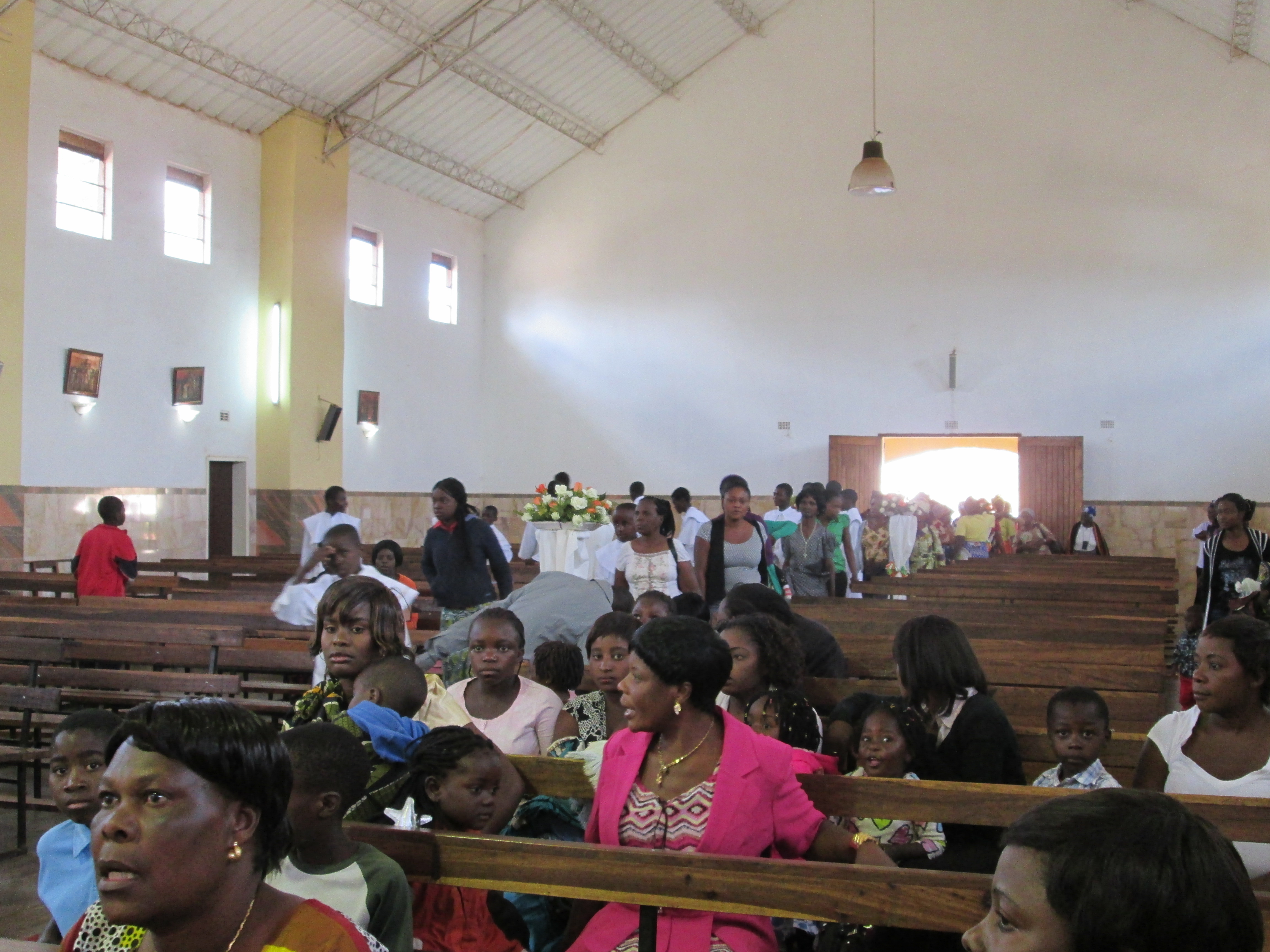
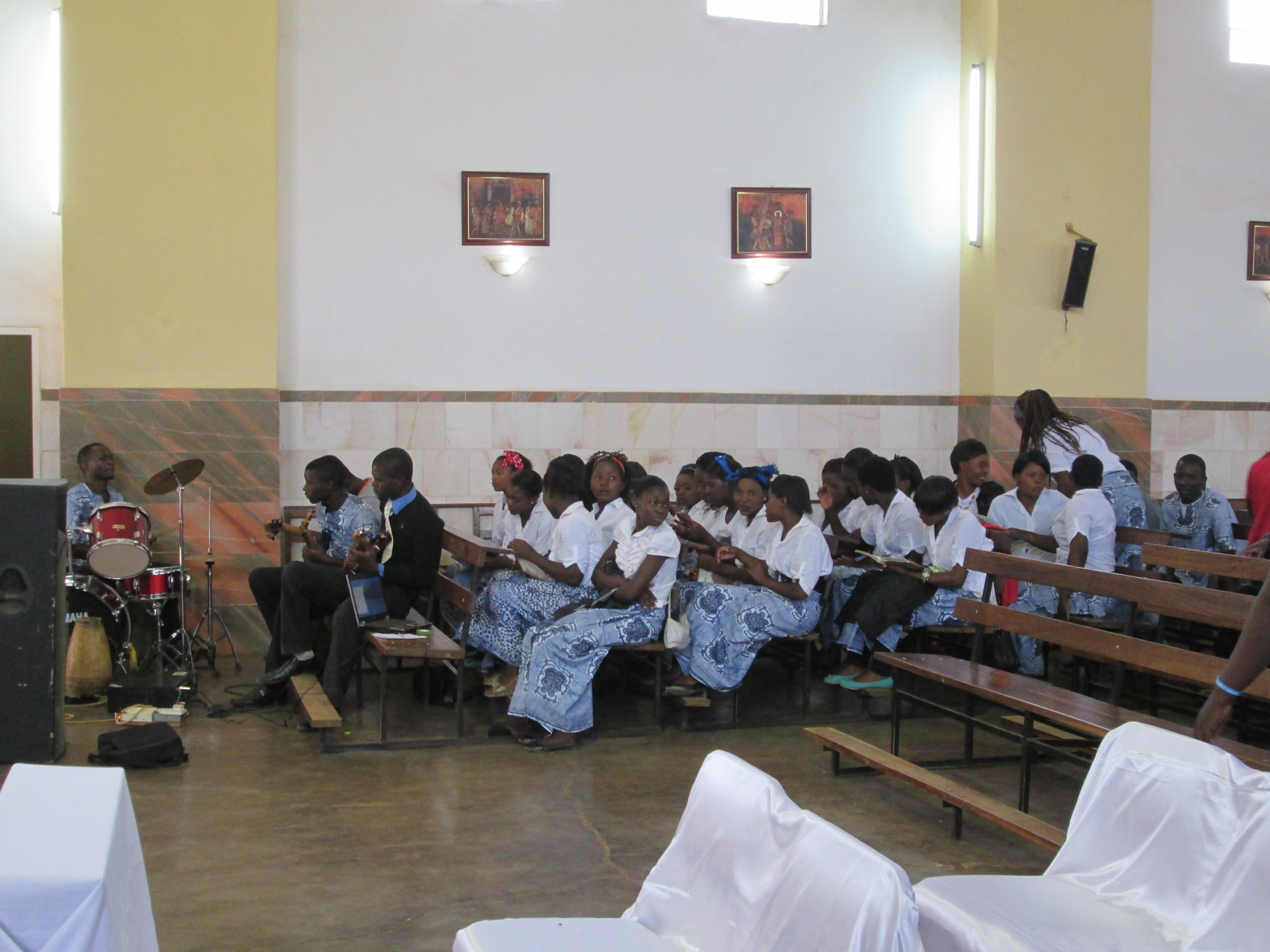
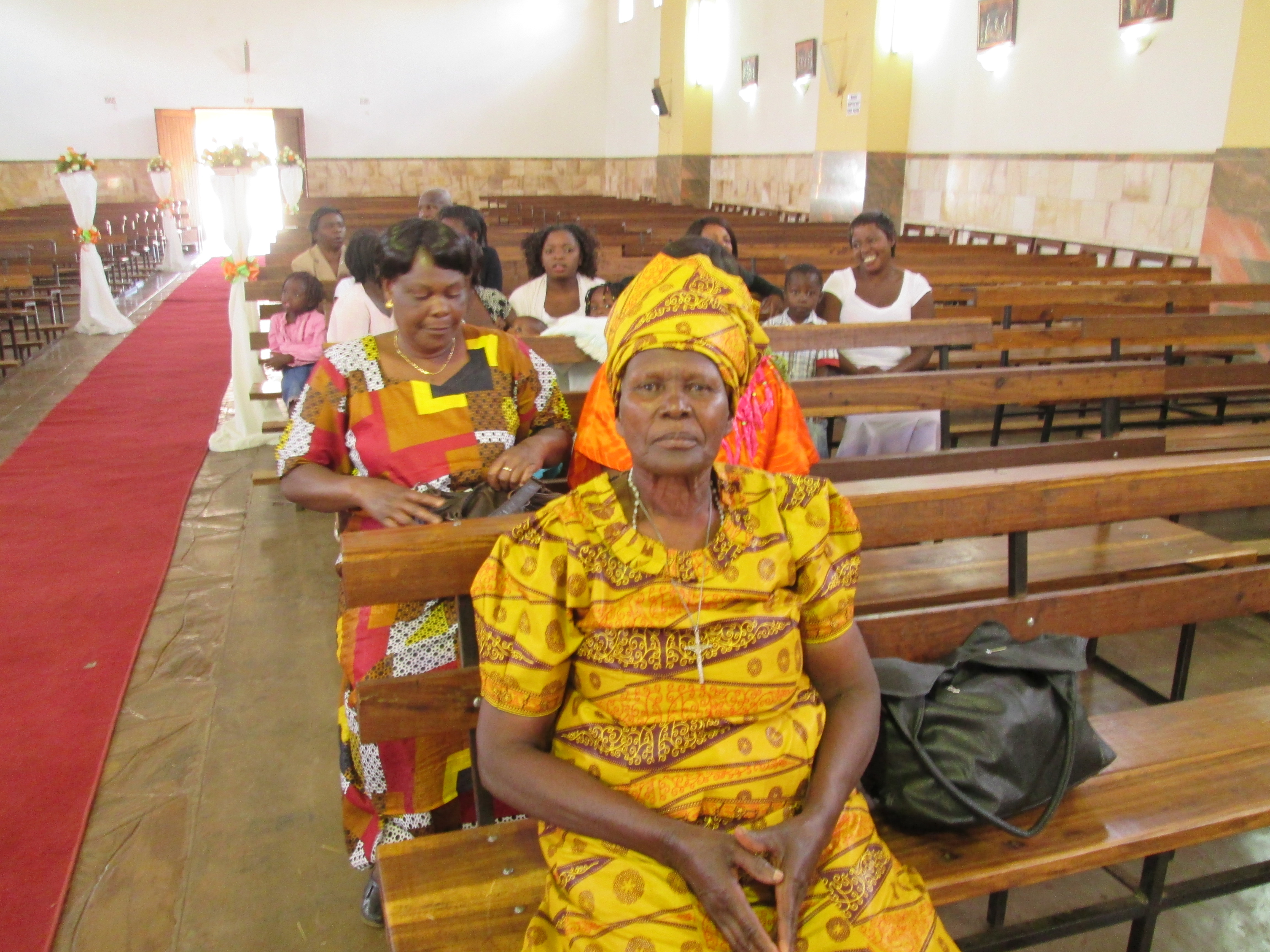
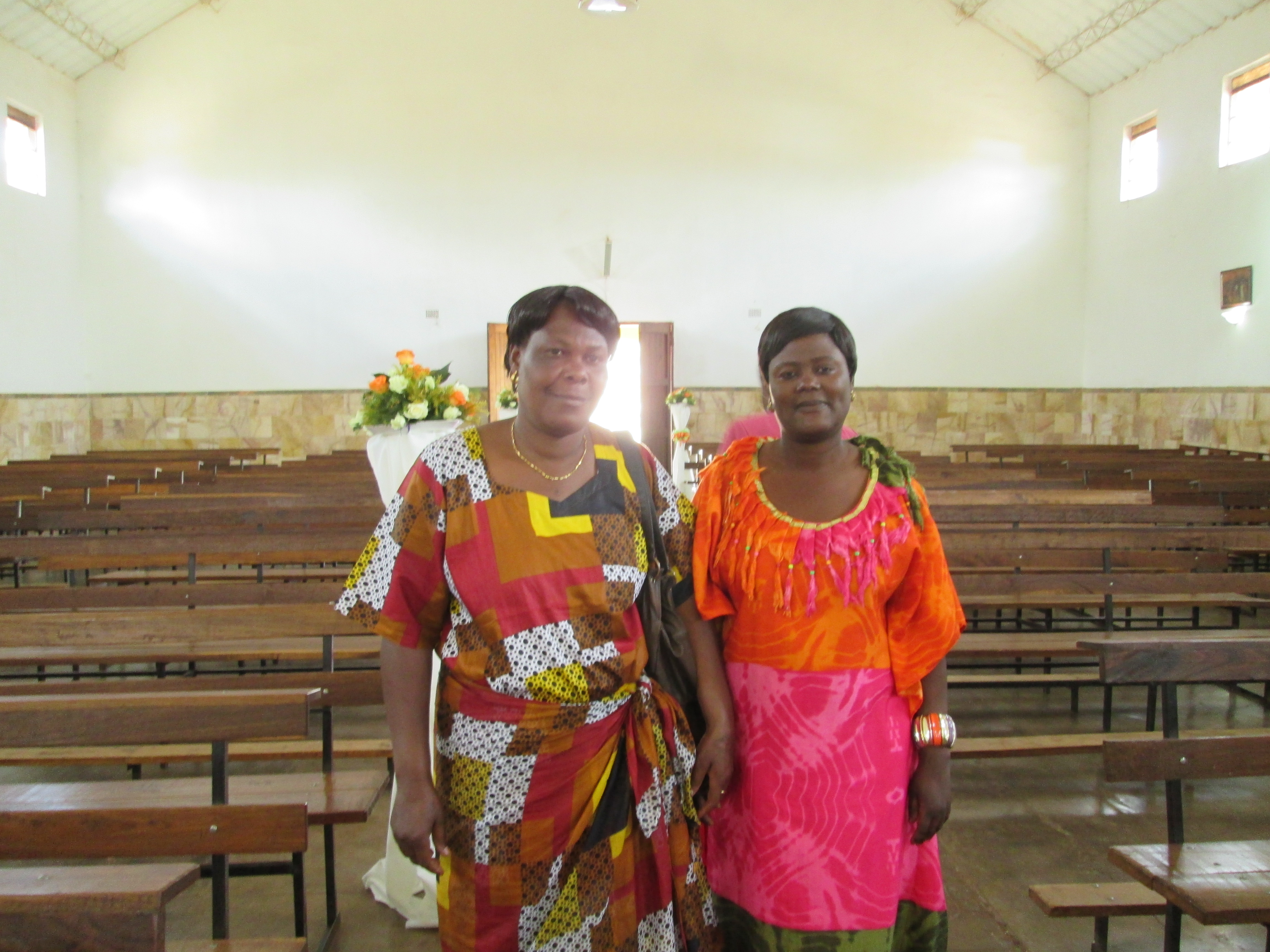
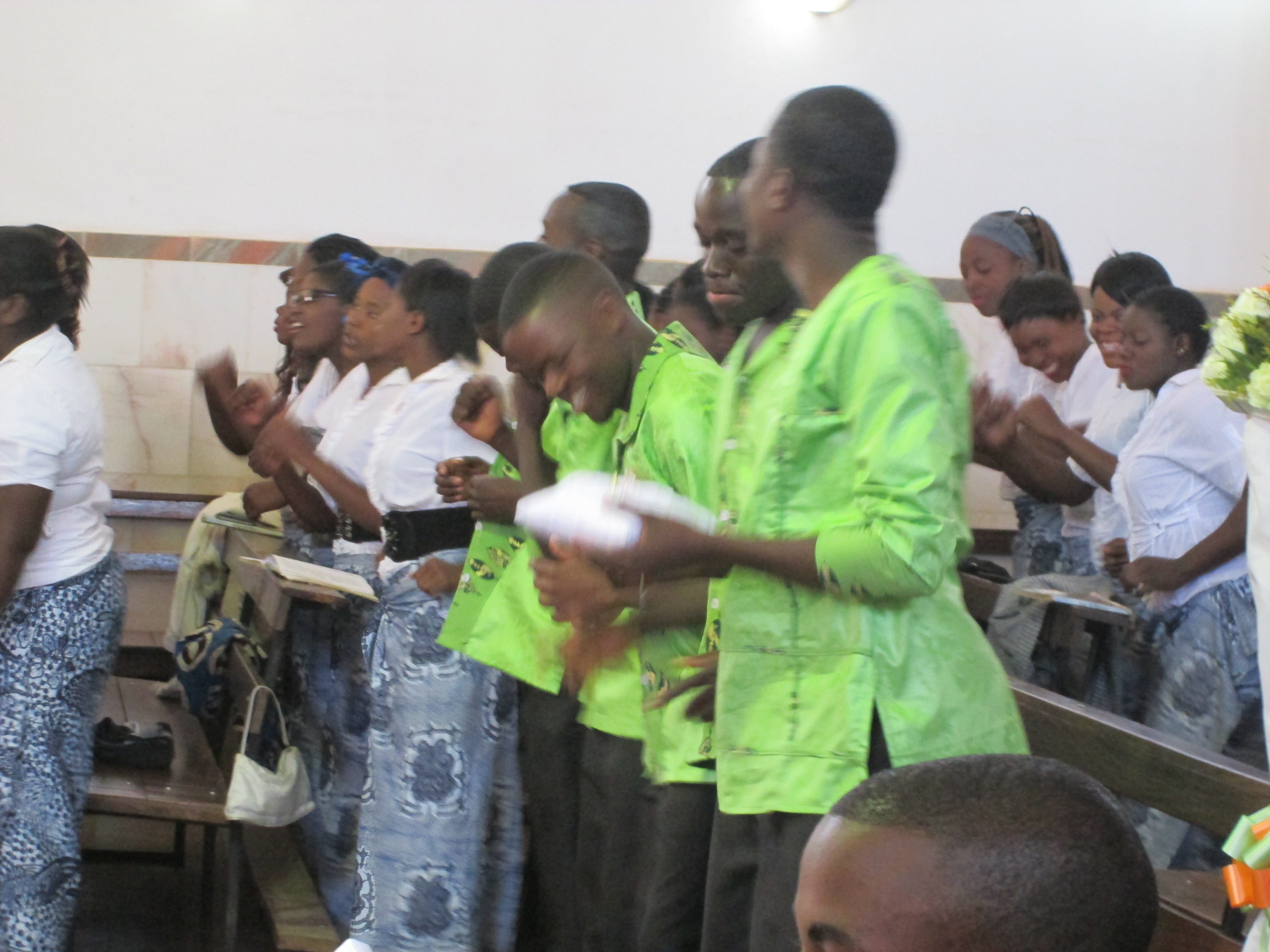
The first part of the wedding was a full mass in the Catholic Parish right down the road.  Mary insisted that I sit up in front with her and the family and introduced me to everyone as “her friend.”  I was the only non-Zambian there, not to mention the only white person.  Everyone was very friendly and welcoming and shook my hand in the traditional Zambian way – a shake, then a grasp of the thumbs and then another shake.  People filed into the church, dressed in their finest.  As mother of the bride, Mary had had a beautiful outfit made for the ceremony.  Her mother was also colorfully attired, and had a headdress to match.  Most of the men were in western-style suits.   There was a choir, complete with a drum set and two guitars.  At first I thought their voices were amplified, but then I realized that they were singing along with a recording, which reverberated throughout the church.

IMG_1767 IMG_1764 IMG_1763 IMG_1761 IMG_1760

The groom was escorted in and sat by himself in the front seat.  He looked very handsome and very young.  I asked Mary if she thought she would cry during the ceremony.  “Oh…no, I don’t think so,” she said.

IMG_1768

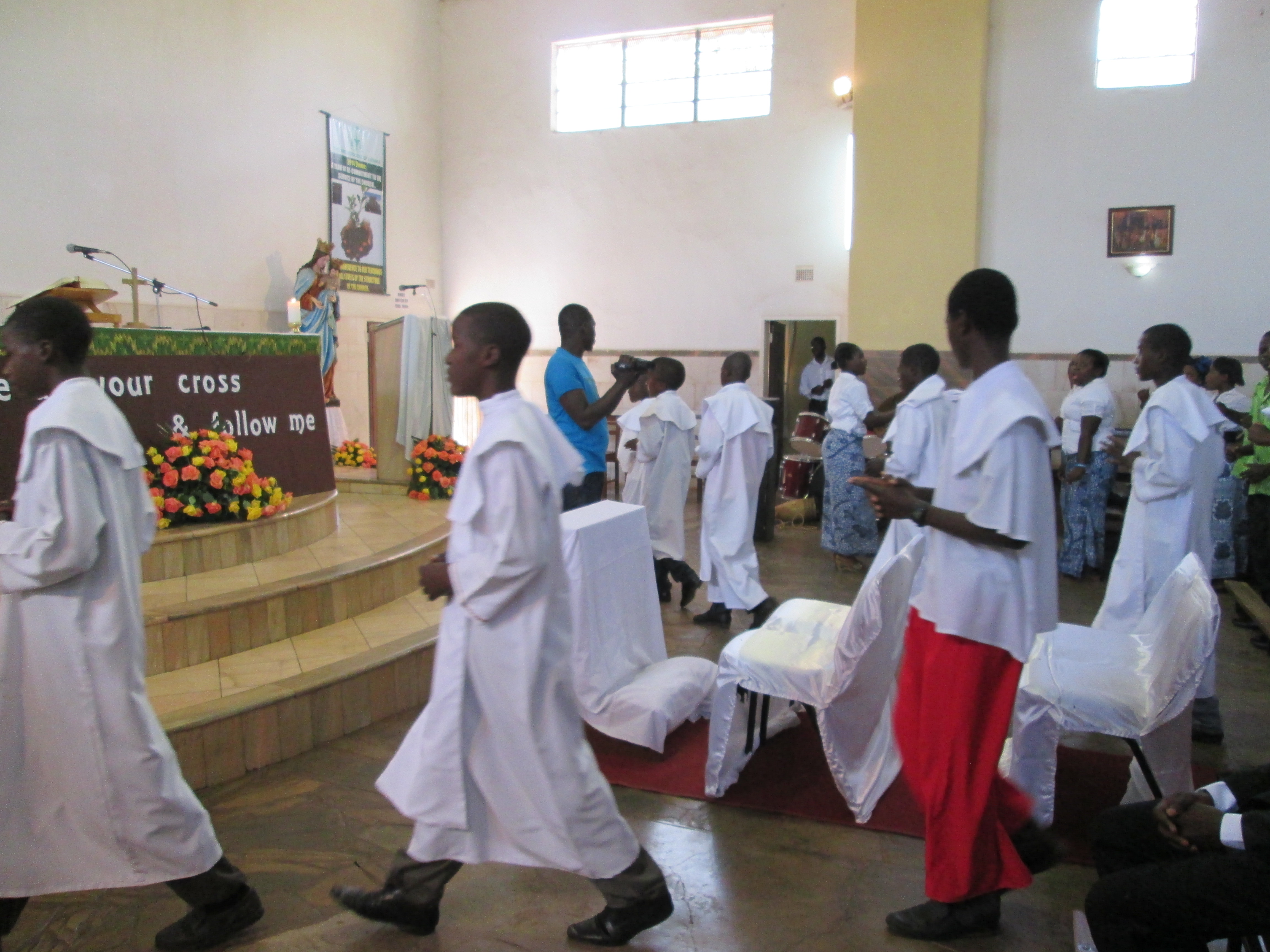
The music started and the acolytes, altar boys and priests all came down the aisle.  They danced as they came – the music was loud and rhythmic and many of the congregation also danced and sang along.

IMG_1776 IMG_1773 IMG_1772IMG_1791

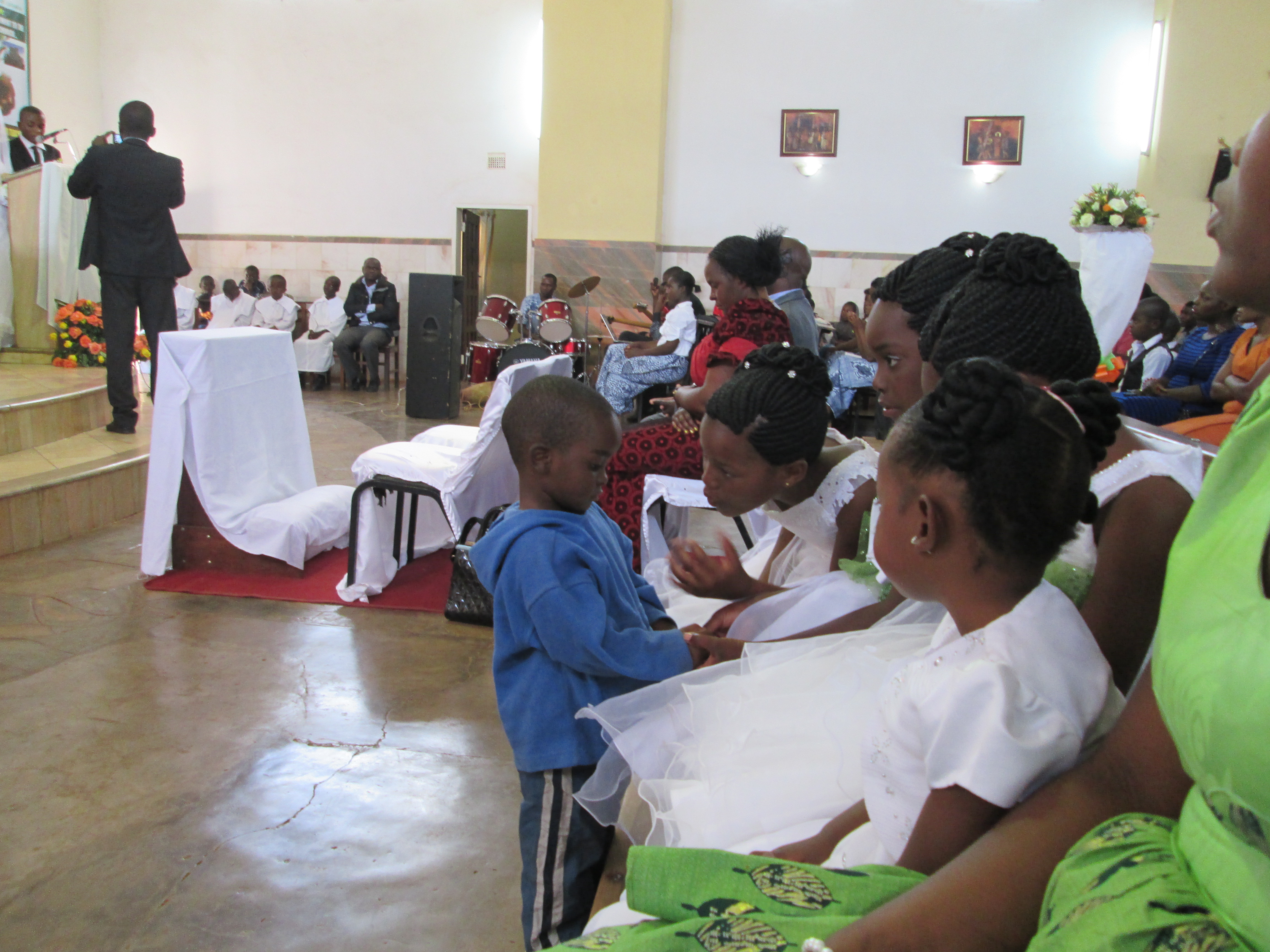
The flower girls and boys came dancing down, and then the bridesmaids and groomsmen.  The color scheme was green – all the dresses had been made locally.  Everyone was smiling and dancing and singing and moving.

IMG_1779 IMG_1771IMG_1781

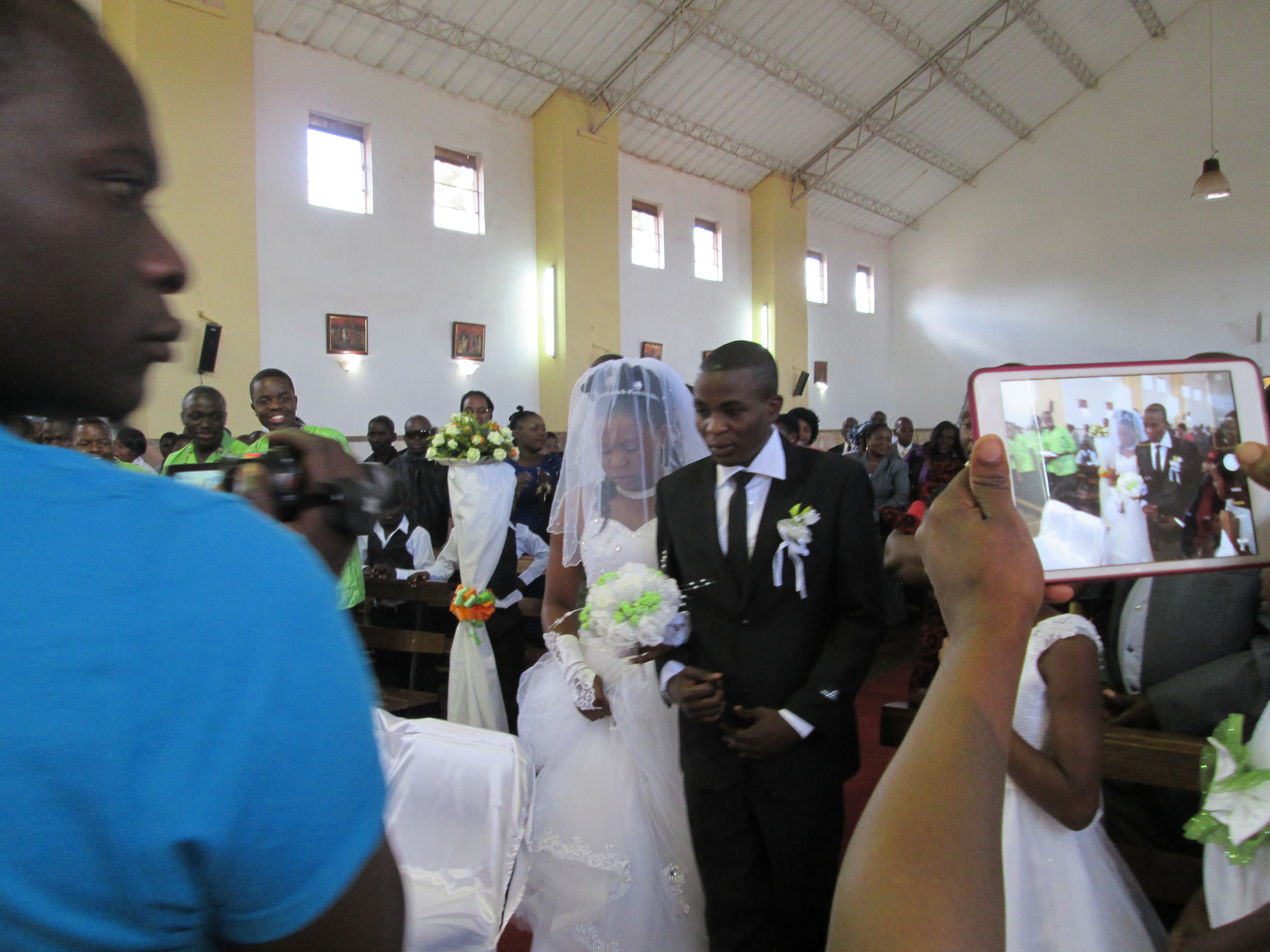
Finally, it was time for the bride to enter.  The groom left his seat and went down the aisle to escort her to the altar.  And suddenly, most incongruously, the African music stopped and there came the strains of Wagner’s wedding march, played on the organ!  The bride was demure and shy and dressed in a frothy white wedding dress complete with a veil.  It was hard to get any pictures, because as they walked down the aisle, almost everyone was standing in front and around them, snapping photographs.  This continued throughout the entire service. Nobody seemed to find this the least bit strange.

IMG_1780 IMG_1783

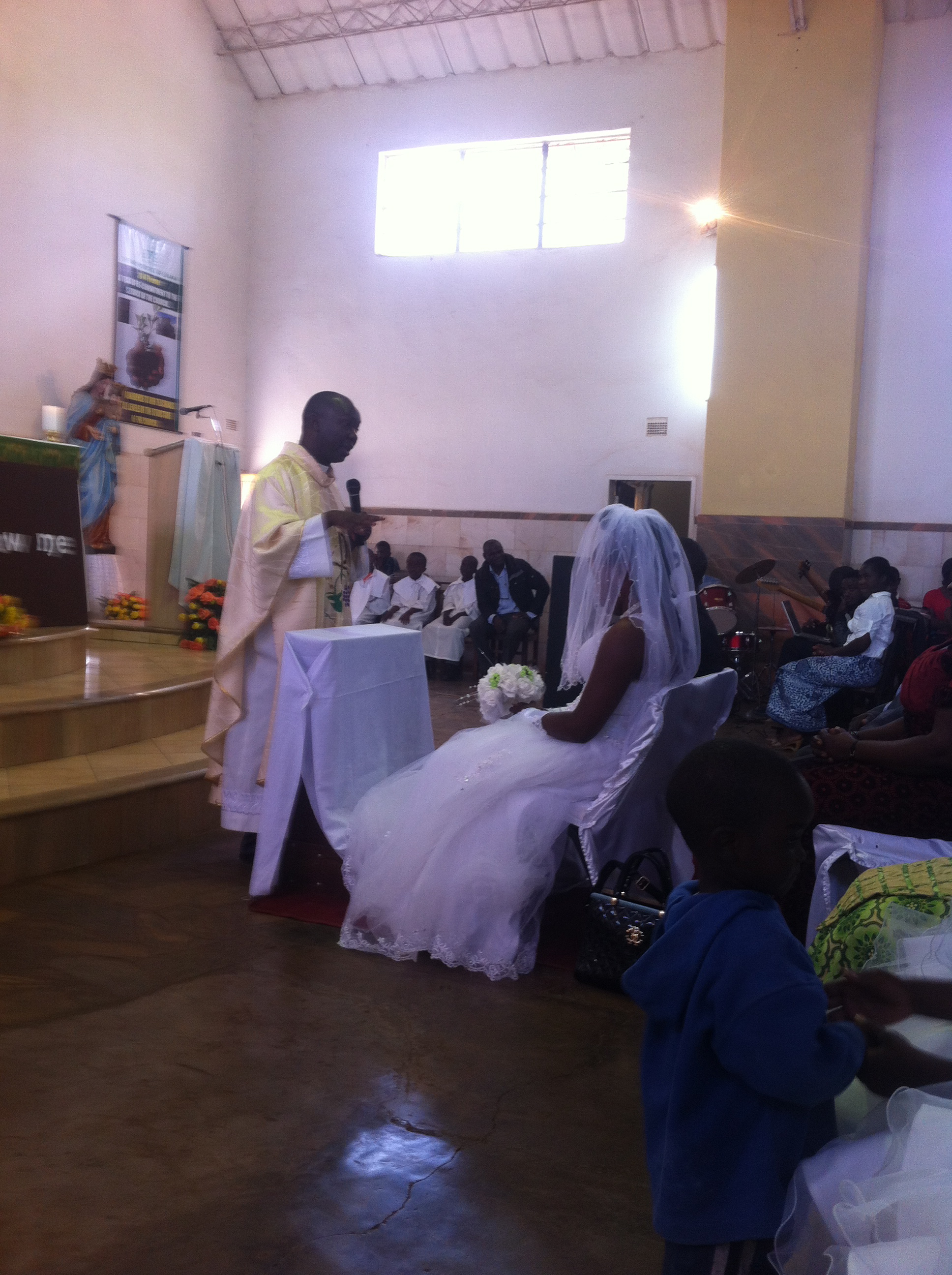
There were several scriptures and several more songs, which almost everyone knew.  I only knew one – a very African-tinged version of “How Great Thou Art” and I sang along with great gusto.  Finally the priest came down to address the couple.  His sermon was half in English and half in Nyanja.  His speech talked about how they should forgive each other and be kind to each other.  He was very good, making the couple and the congregation laugh a number of times.  He made a point of telling them that it was time to “say goodbye” to past boyfriends and girlfriends and had them wave “bye-bye” to the young men and women in the choir and the bridal party!

IMG_0371

There was communion and a few more songs and then finally,  there were the vows – not much different than wedding vows in any other church, except instead of saying “I do,” they answered simply “Yes” to the questions.  When he pronounced them married, the church exploded with yells and cheers and the particular joyous ululating sound made in Africa at all times of joy and celebration.  Two of the bridesmaid had confetti in a can that they sprayed over the couple. (I had taken some videos of both the ceremony and the reception, but unfortunately, they all came out without any sound…a great disappointment.  There is really no way to describe in words the atmosphere of the dancing!)

Then everybody individually went up to the newlyweds to hug and kiss them and congratulate them on their marriage.  Mary hung back until everyone had had their turn (myself included) and then she went to hug her daughter and her new son.  When she turned back towards me, her eyes were wet.  “Oh, Mary,” I said. “You are crying!”  “My daughter,” she said.  “My daughter – now she is gone.”

I drove Mary’s mother and several aunts to their house after the ceremony.  Everyone would rest for a few hours until the reception.  I came back later to pick them up – everyone had changed into clothes more suitable for a party and dancing.  On the way to the reception, Mary’s mother asked me how long I would stay in Zambia and I told her maybe one more year.  “I miss my people,” I said.  She took my hand.  “We are your people now,” she said.  We passed by the house of the Zambian President, Michael Sata.  He has reportedly been ill and I asked Mary’s cousin if they knew anything about his health.  “Who cares?” she responded.  “Sata doesn’t care about us!  We take care of ourselves.  We always have!”

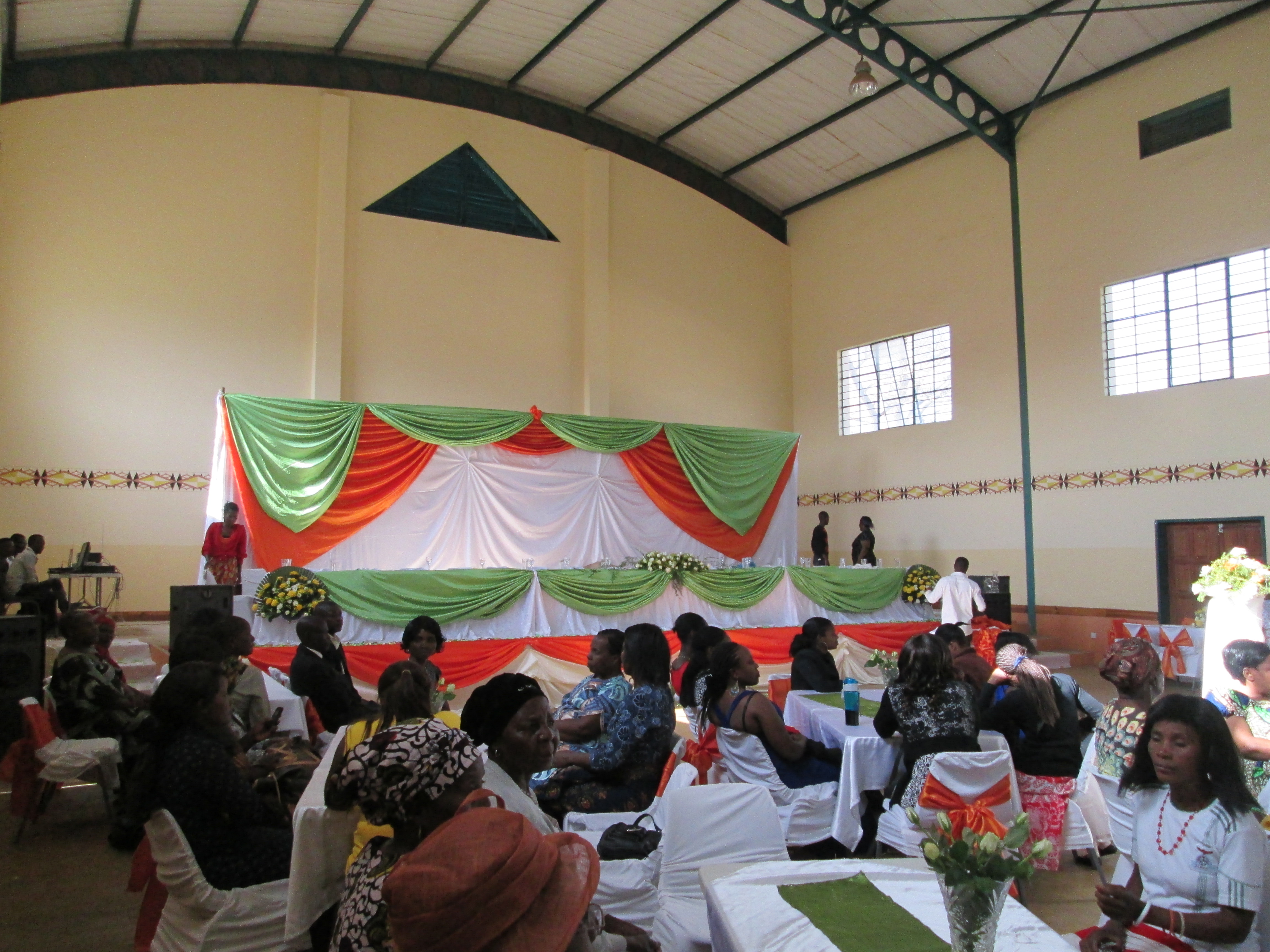
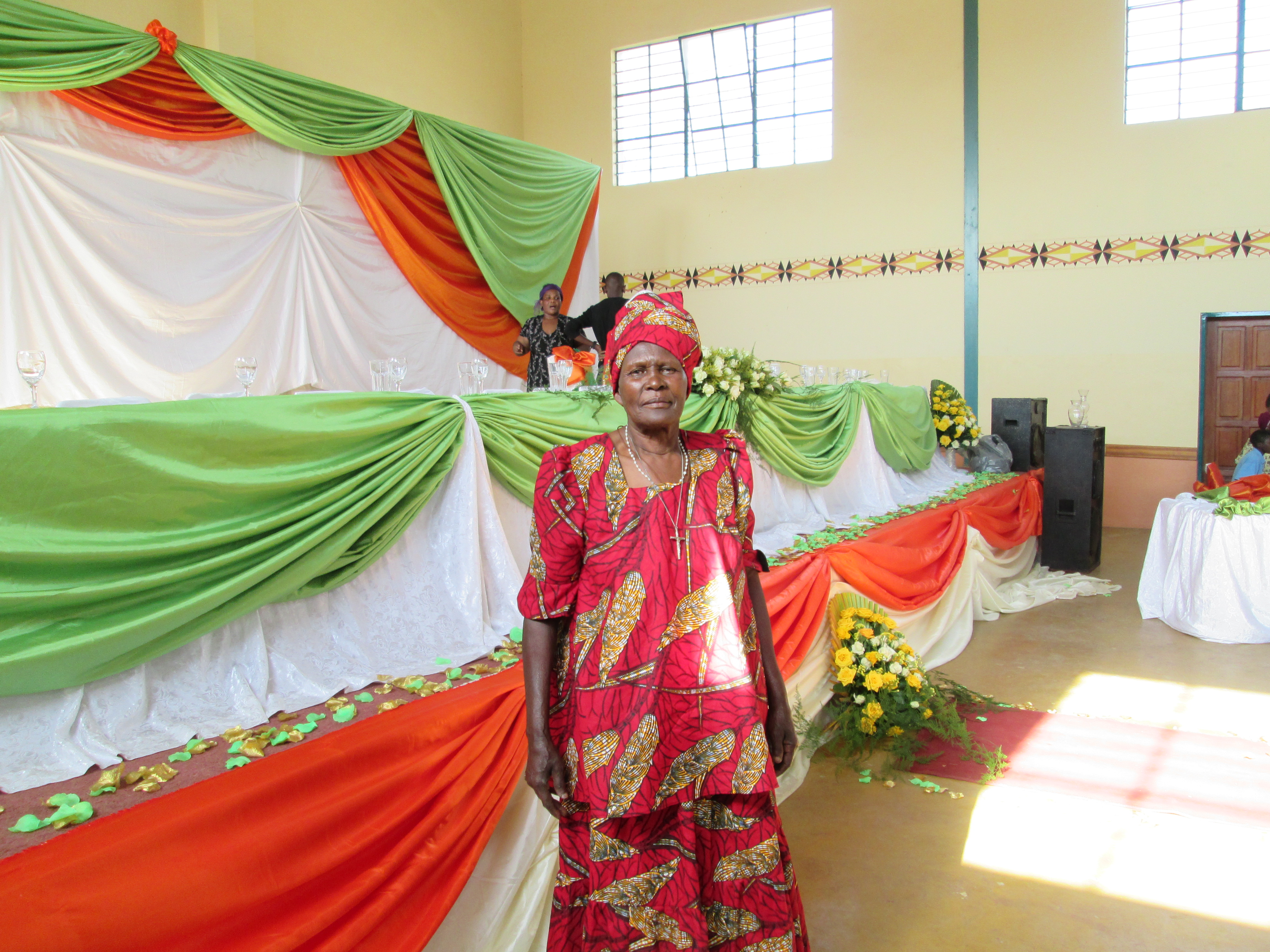
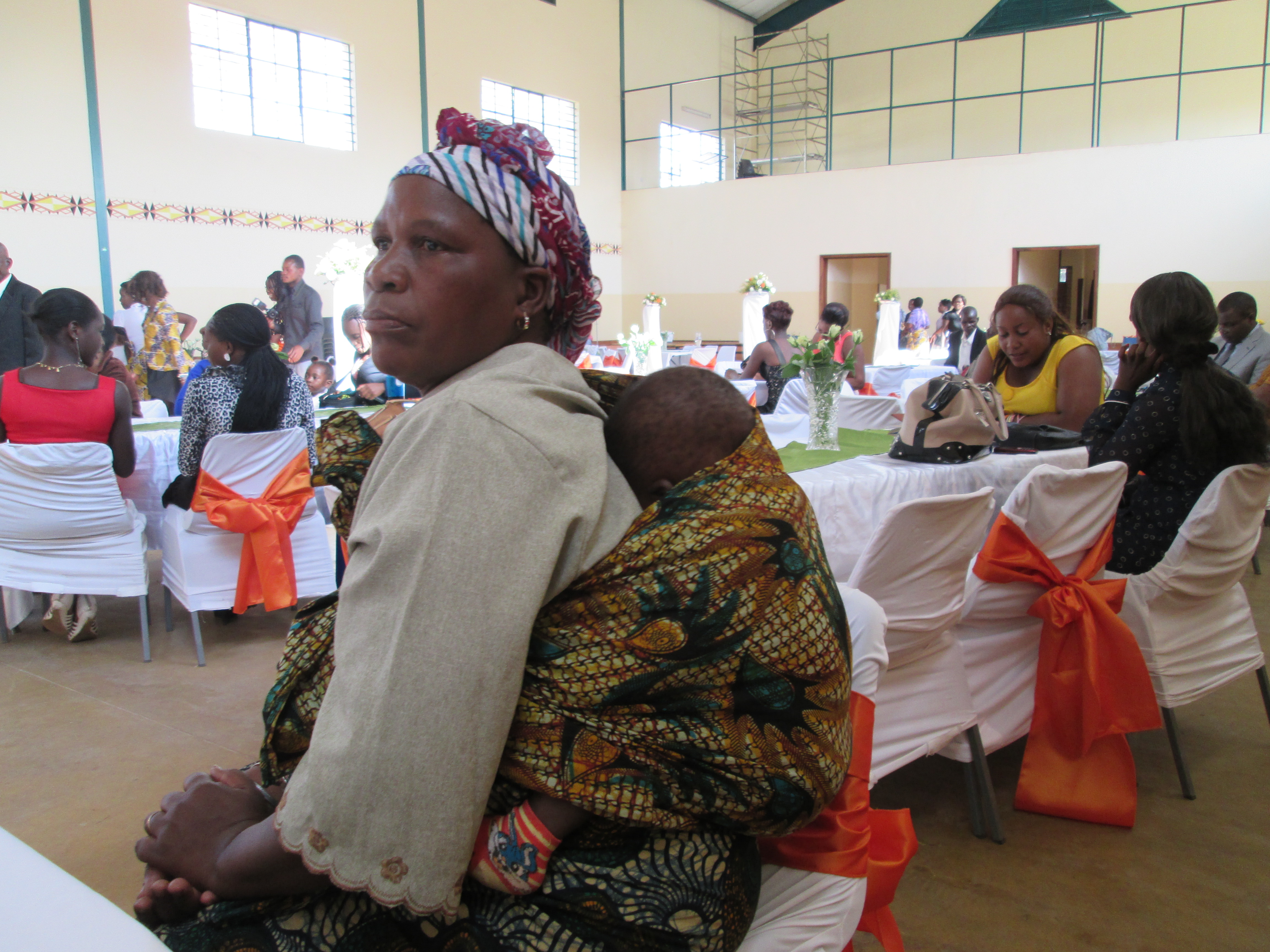
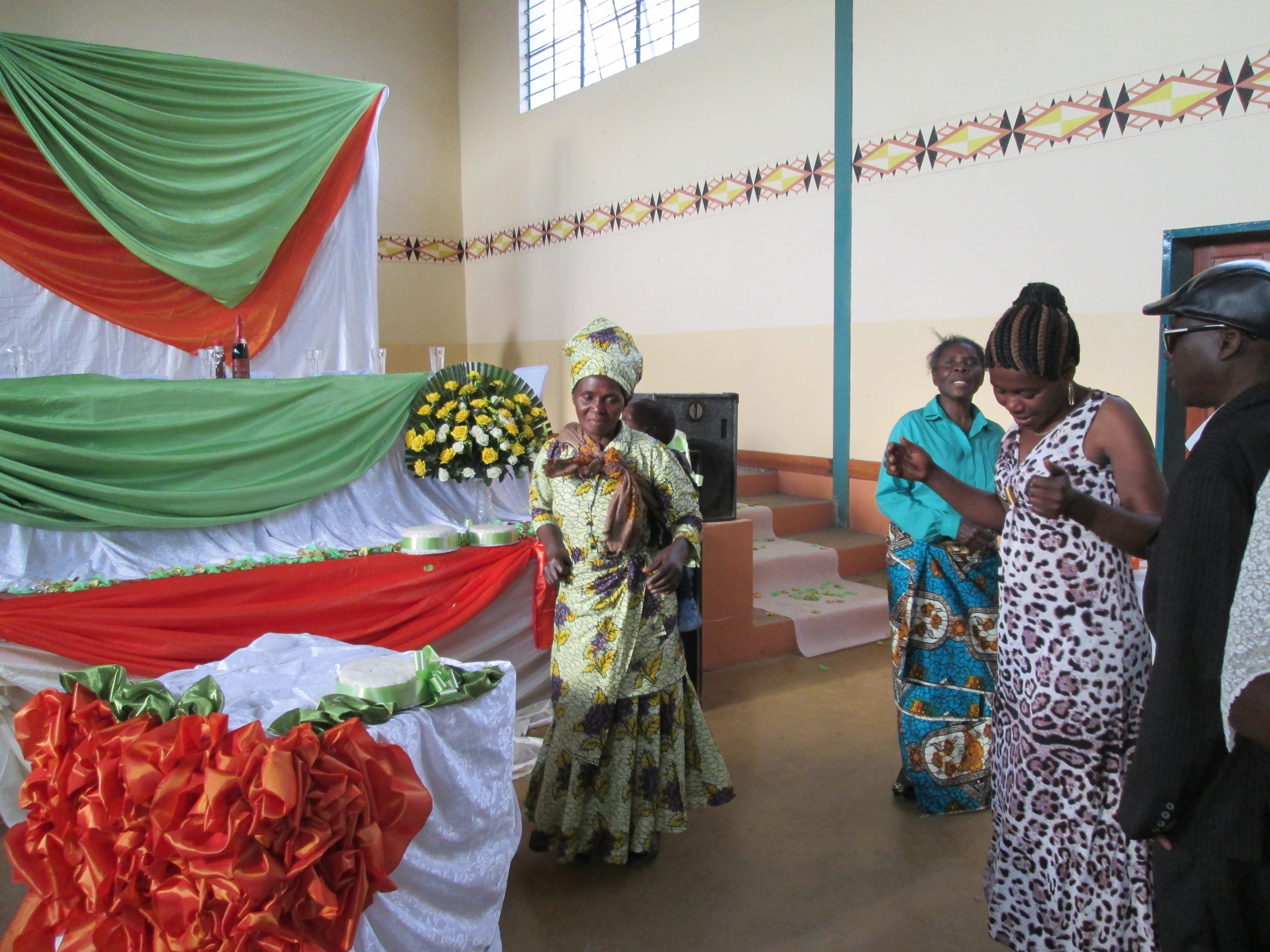
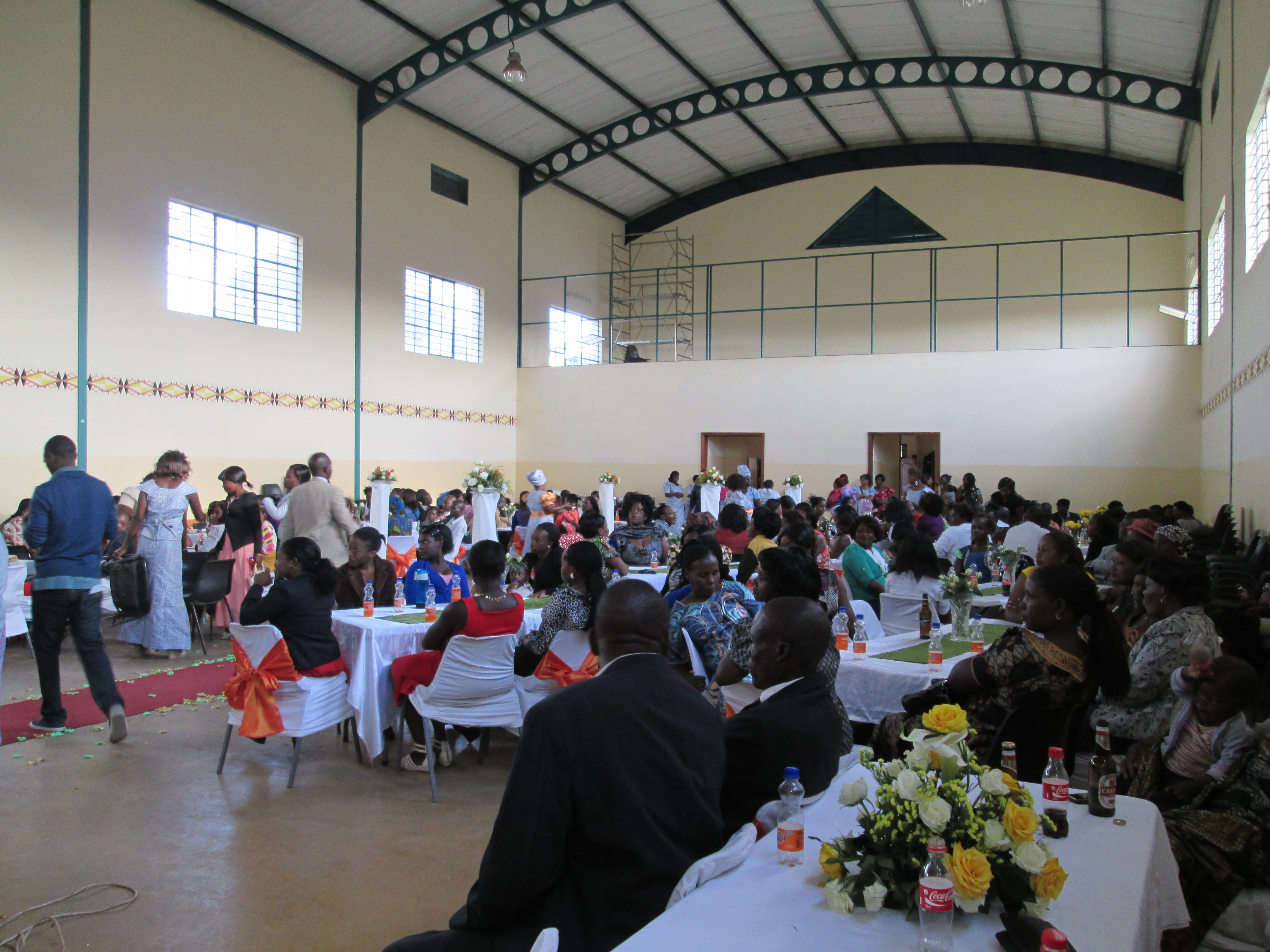
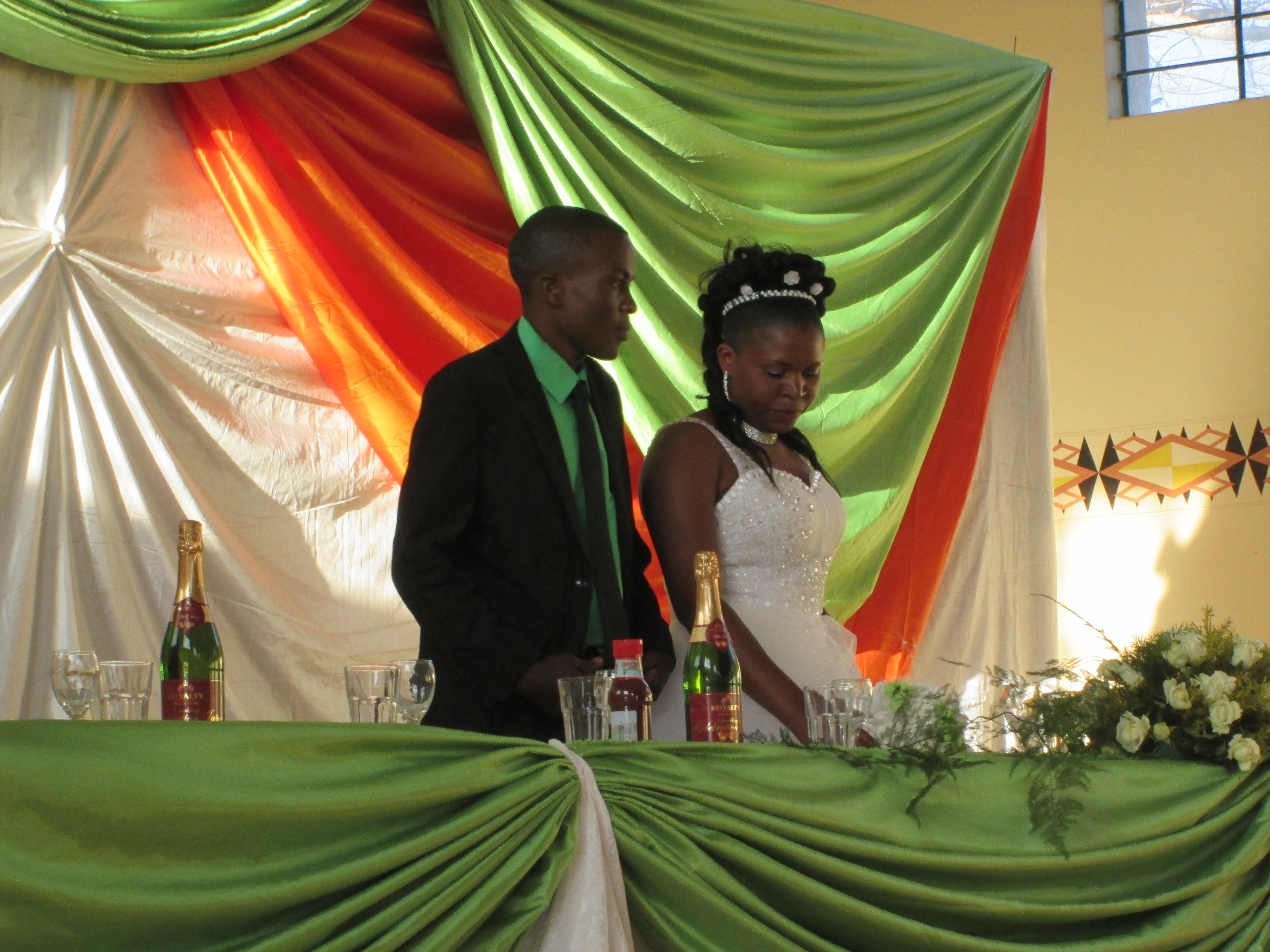
The reception was held in a big hall owned by another church halfway across town.  Everything had been decorated in green and orange and some of the decorations were still being put up.  People slowly filled the place.  Babies were carried in chitenge cloth tied around the mother’s backs.  Children were everywhere. People were dancing, talking, laughing.

IMG_1793 IMG_1796 IMG_1800IMG_1792 IMG_1798 IMG_1816 IMG_1803 IMG_1813

There was a DJ playing music and after a while, some women came around with trays of soda – Coca-Cola or Orange Fanta.  I had a Coke – the first time I’ve had one in years.  I had forgotten how sweet it is!  Mary had changed into a very smart-looking suit.  Everyone was anxious for the wedding party to arrive.

IMG_1806 IMG_1807 IMG_1808

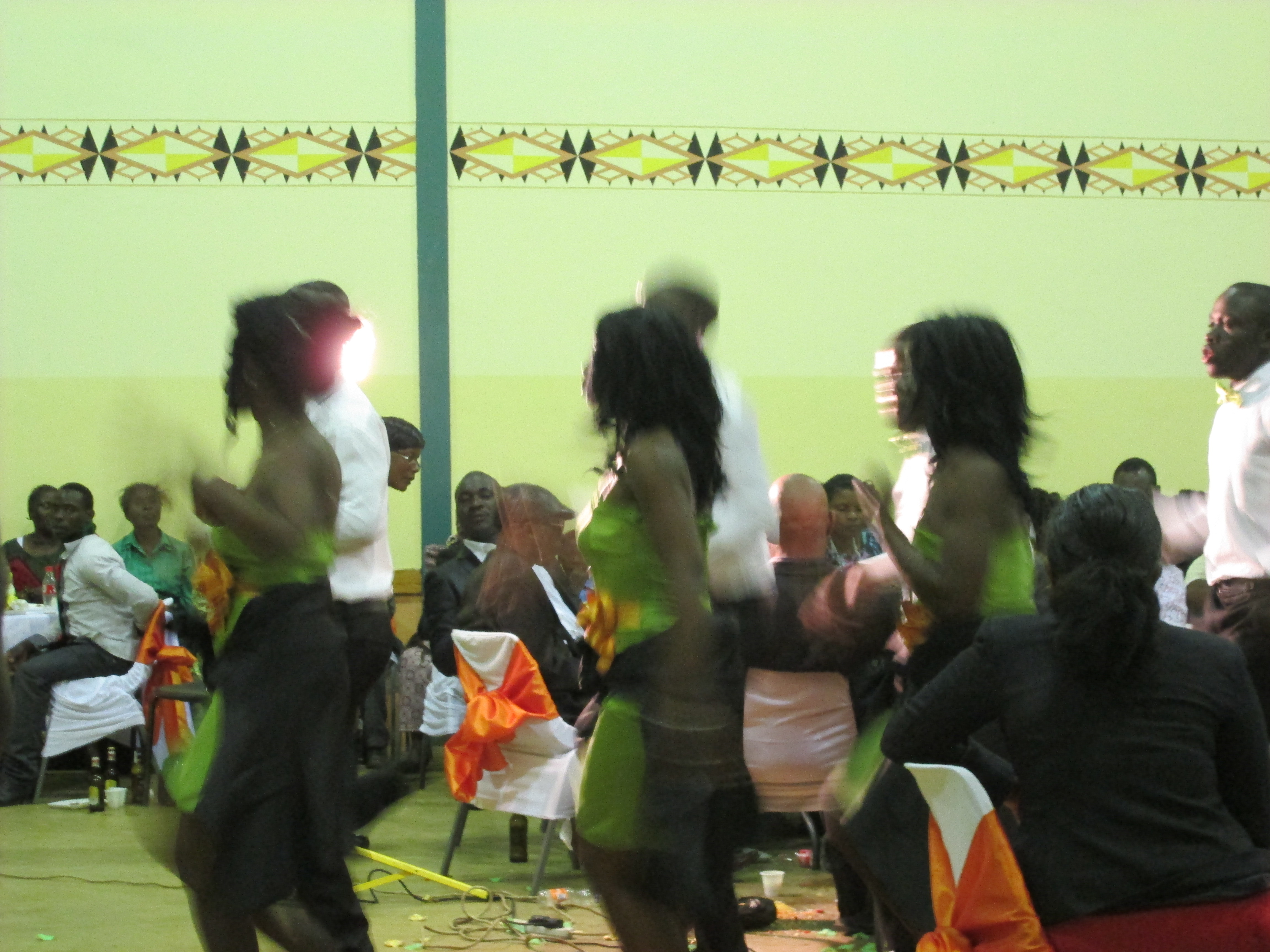
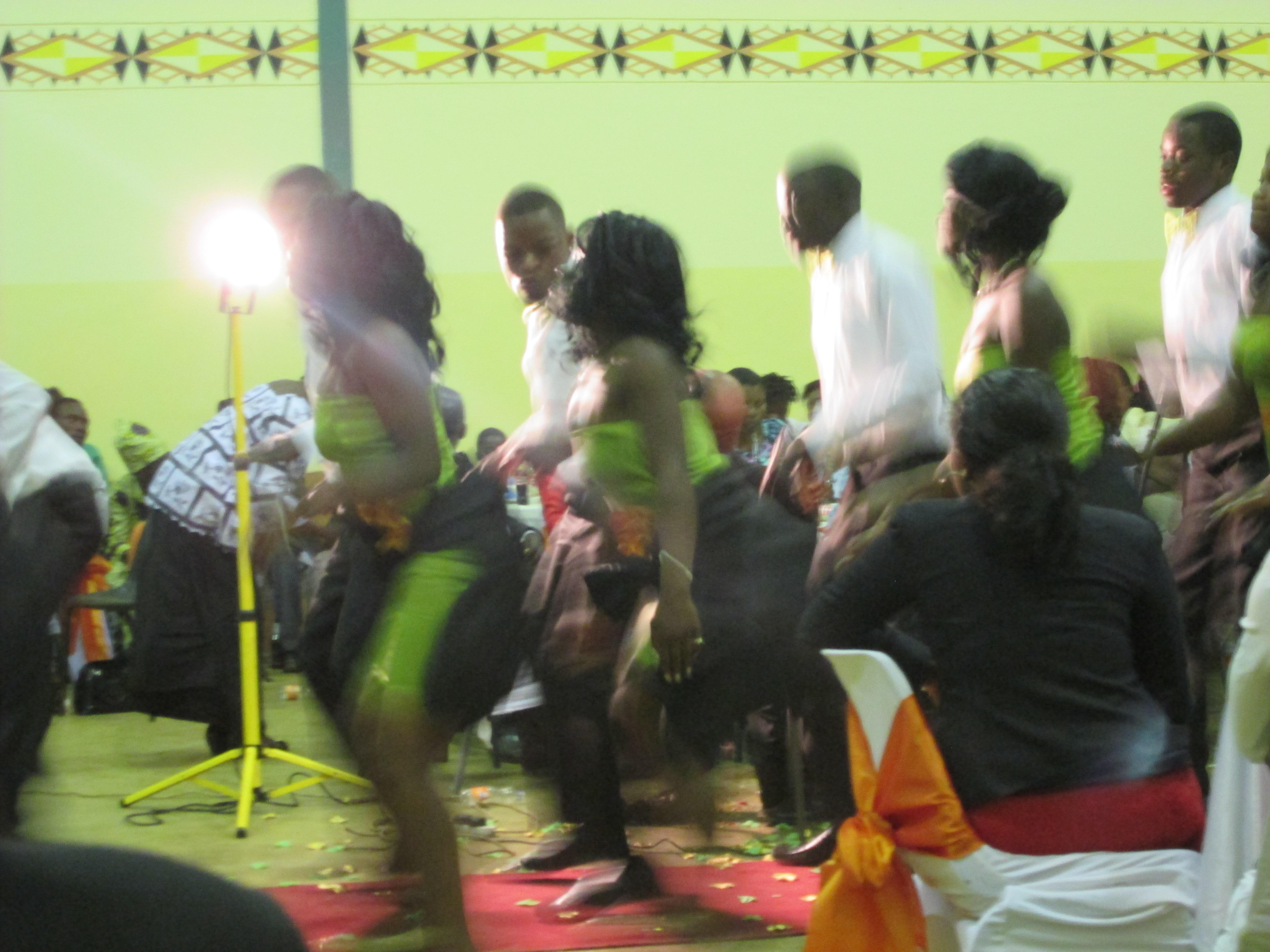
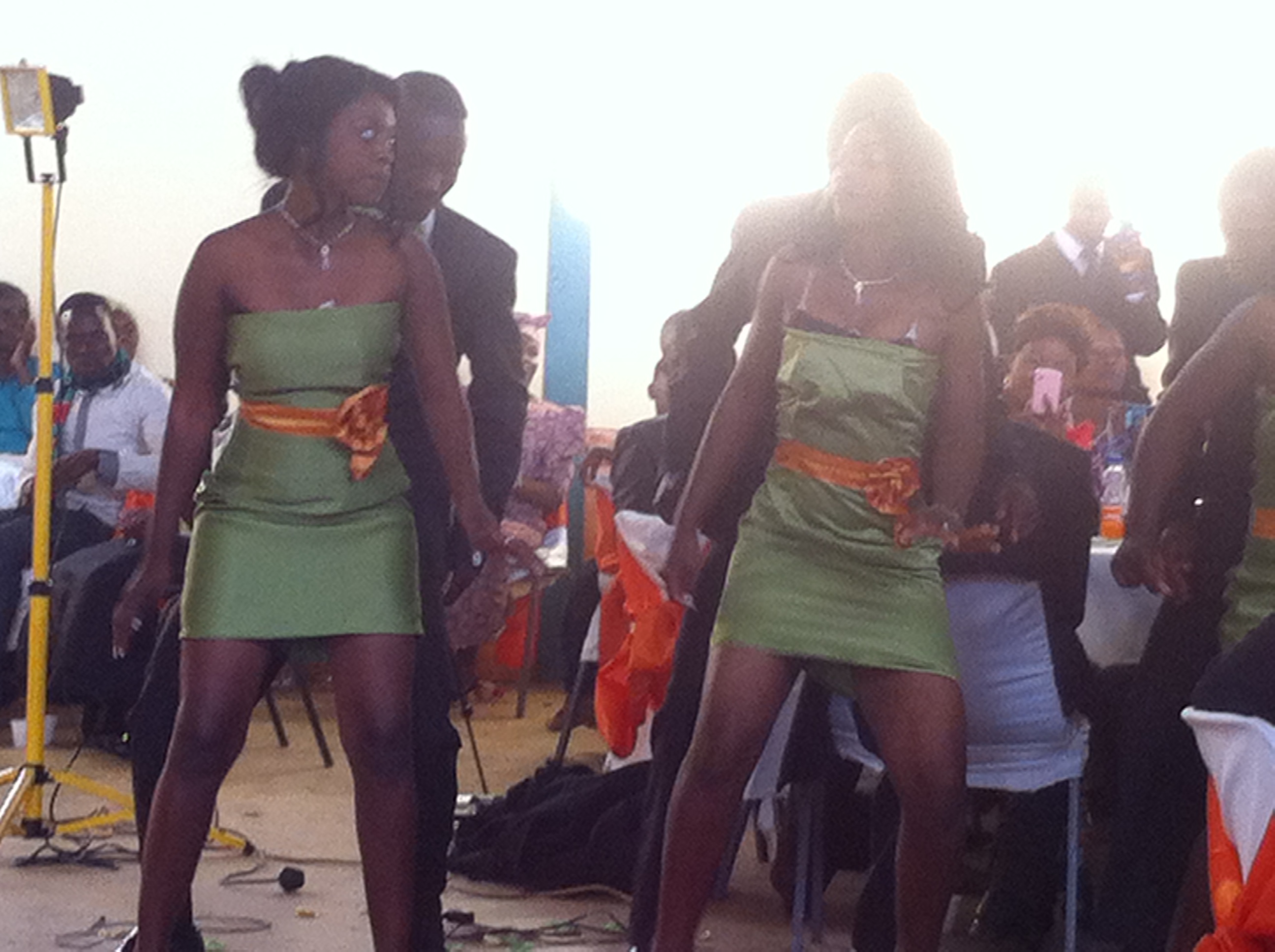
Finally, the MC announced their arrival.  They danced in and you could see that they had spent months rehearsing.  Each “pair” of bridesmaids and groomsmen did their own little dance.

IMG_1830 IMG_1831IMG_0381 IMG_0382 IMG_0385 IMG_0388

The bride and groom finally arrived to more ululation and noise!  They maintained a quiet dignity…and I thought they must be exhausted from all the festivities.

IMG_1823 IMG_1818

The MC introduced all the bridal party, announcing that each one was “single and free to mingle!”  They then left and changed into different outfits – much more suited to the kind of “mingling” that had been mentioned.  More dancing ensued, joined by many of the guests.

IMG_0404 IMG_0409 IMG_0403

Food was served – a simple meal, but certainly good.  I was also given a cup of home-made punch with fruit in it.  After one sip, I could tell it packed quite a wallop. I couldn’t even imagine what it must have cost to put the whole party together, buy the dresses, rent the hall, order the food and drink…but as I said, Zambian weddings are a big deal.

IMG_1825 IMG_1817

Finally, the bride and groom did their “ball dance.”  Again, the African music stopped and a slow pop-tune was played.

IMG_1835

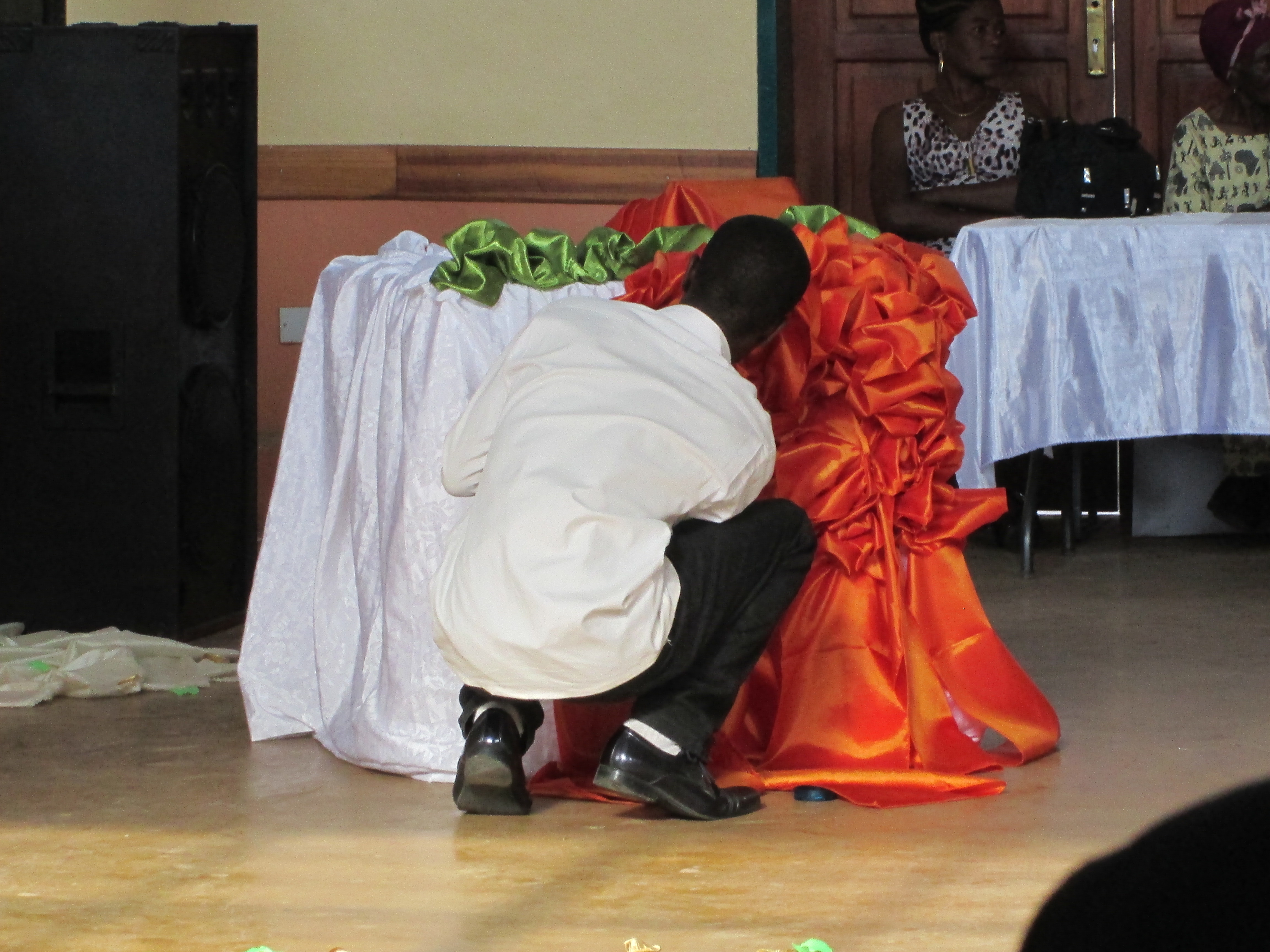
The cake was cut, and the bride and groom knelt in front of Mary and presented her with a portion of the cake.  I found this particularly moving.

IMG_1832

There was more dancing and everyone was moving to the beat.  I got up to dance and was immediately swept into the circle by Mary’s cousin and mother and then by several of the groomsmen.  One of the women tried to show me the correct way to shake my bottom, which is a huge part of dancing here.  I tried my best!  It was a fabulous time and I felt very welcomed!

When I saw Mary the next Monday, she told me how everyone was so happy to see me dance and that people had remarked that I “really knew how to dance!”  Which is not something I’ve ever heard before, but it sure was fun.  I was so glad to be invited and be made a part of Mary’s family.

IMG_1841

One short day in the Emerald City…I mean, Paris!

Standard
One short day in the Emerald City…I mean, Paris!

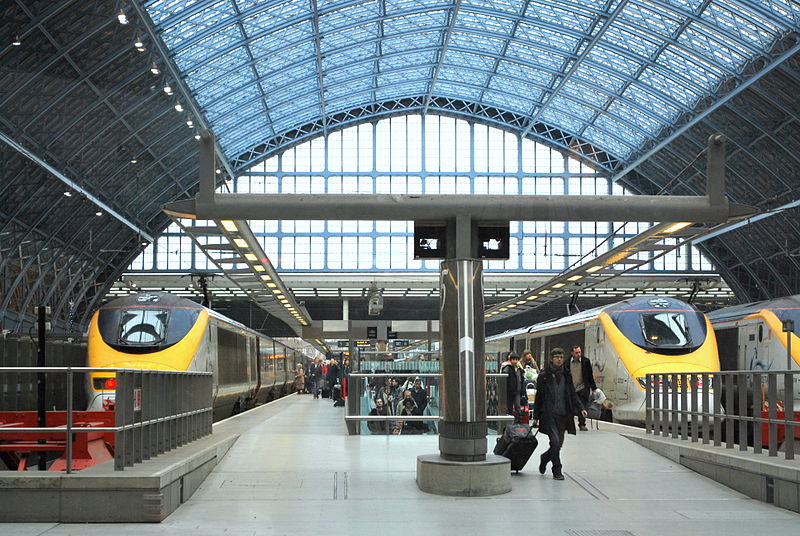
When I was in London last month, I decided to take a day trip to Paris.  Why?  Because I could!  There is something very cool about boarding a train in London and coming out in the heart of Paris just a little more than two hours later.  And, if you book far enough ahead of time, the fares for the Eurostar high-speed rail are pretty inexpensive.  I took the earliest train from London St. Pancras, which leaves at 7:00am.

Eurostar web map ok St_Pancras


I got to the station in plenty of time to grab a coffee and a croissant.  I meant to exchange some money for Euros, but I didn’t have time…I figured I’d do that when I got to Gare du Nord.  The train was comfortable and I napped most of the way.  When we arrived in Paris, I immediately went to the nearest Bureau du  Change and inserted my debit card into the machine – as I have done many, many times before in many, many places.  Only this time, the machine gave me this message:

“Transaction défendue. Carte retenue.”

Which means “Transaction denied.  Card retained.”

I stood staring stupidly at the machine for at least a minute.  Then I went over to one of the women behind the change booth.  “Your machine kept my card,” I told her.  “Cards are a 12% commission,” she replied.  I tried again.  “The machine didn’t give me my card back!”  She looked at me with a bored expression. “That’s not our machine,” she said.

I went back to the machine and looked at it again.  My card had not magically reappeared.  I went to the second booth and changed the measly £30 (pounds) I had into €30 (Euros) which theoretically should have been about €37, but there apparently was a 10% commission on cash.  Whatever.  I tried one more time to find out what to do about the card-consuming machine.  This time, I was told, “There’s a number on the machine you can call.”

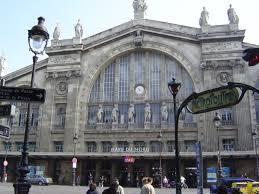
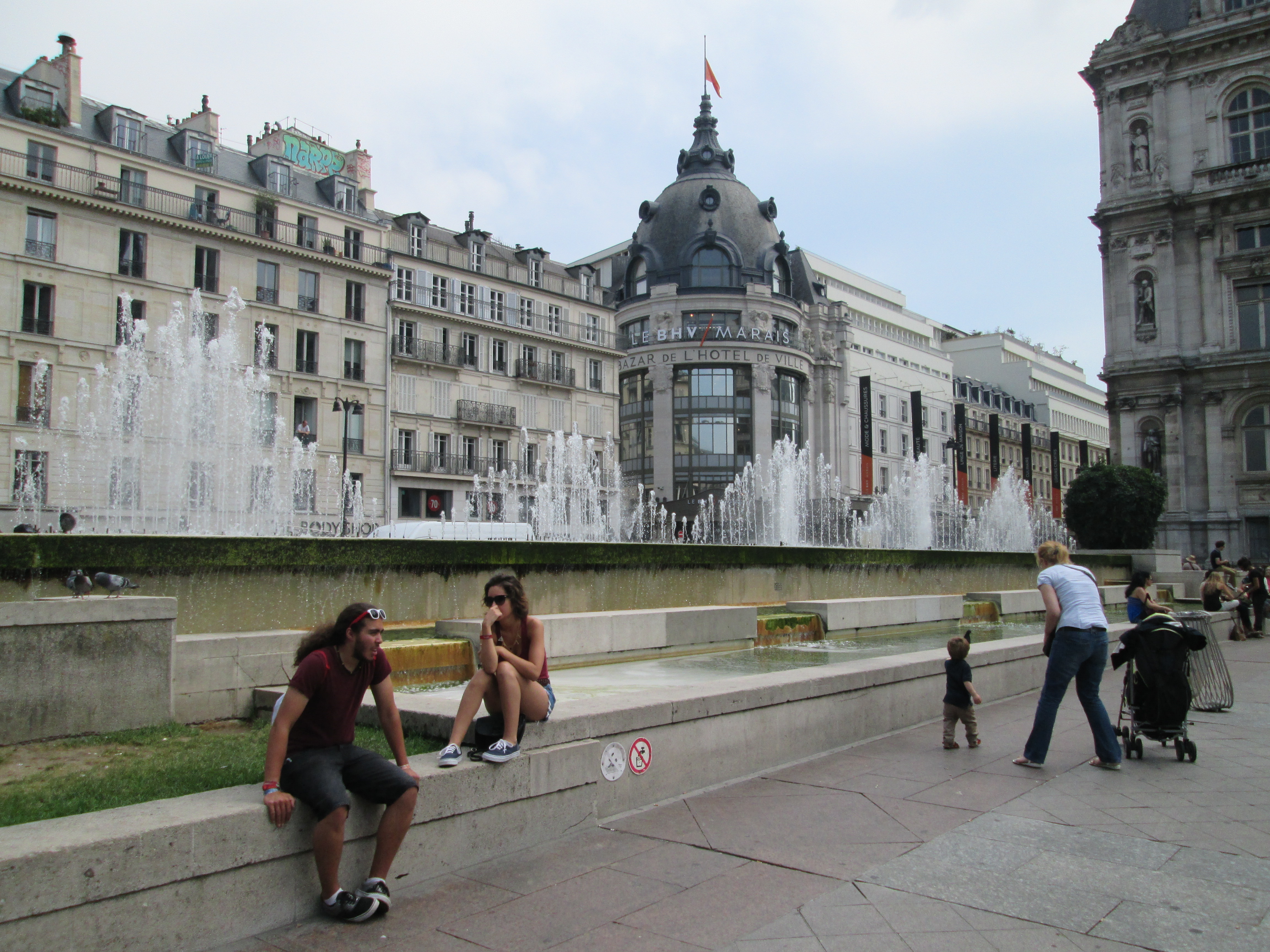
Figuring that trying to get someone out there to open up the machine and return my card would likely eat into most of my day, I decided to forget it.  I now had a bit of cash, I had other credit cards and most places took credit anyway.  I walked out into the bright Paris sunshine and started to walk towards Notre Dame Cathedral and the Sienne.

Gare du nord Gare du nord 1

I have a love-hate relationship with Paris.  It is not a very friendly city.  People are brusque and sometimes downright rude. The streets can be crowded and confusing.  But – you are never more than 500 meters from a metro station…and wherever you walk, you see gorgeous architecture, fountains and statues.

IMG_1600 IMG_1602 IMG_1603 IMG_1604 IMG_1605 IMG_1607 IMG_1610 IMG_1609


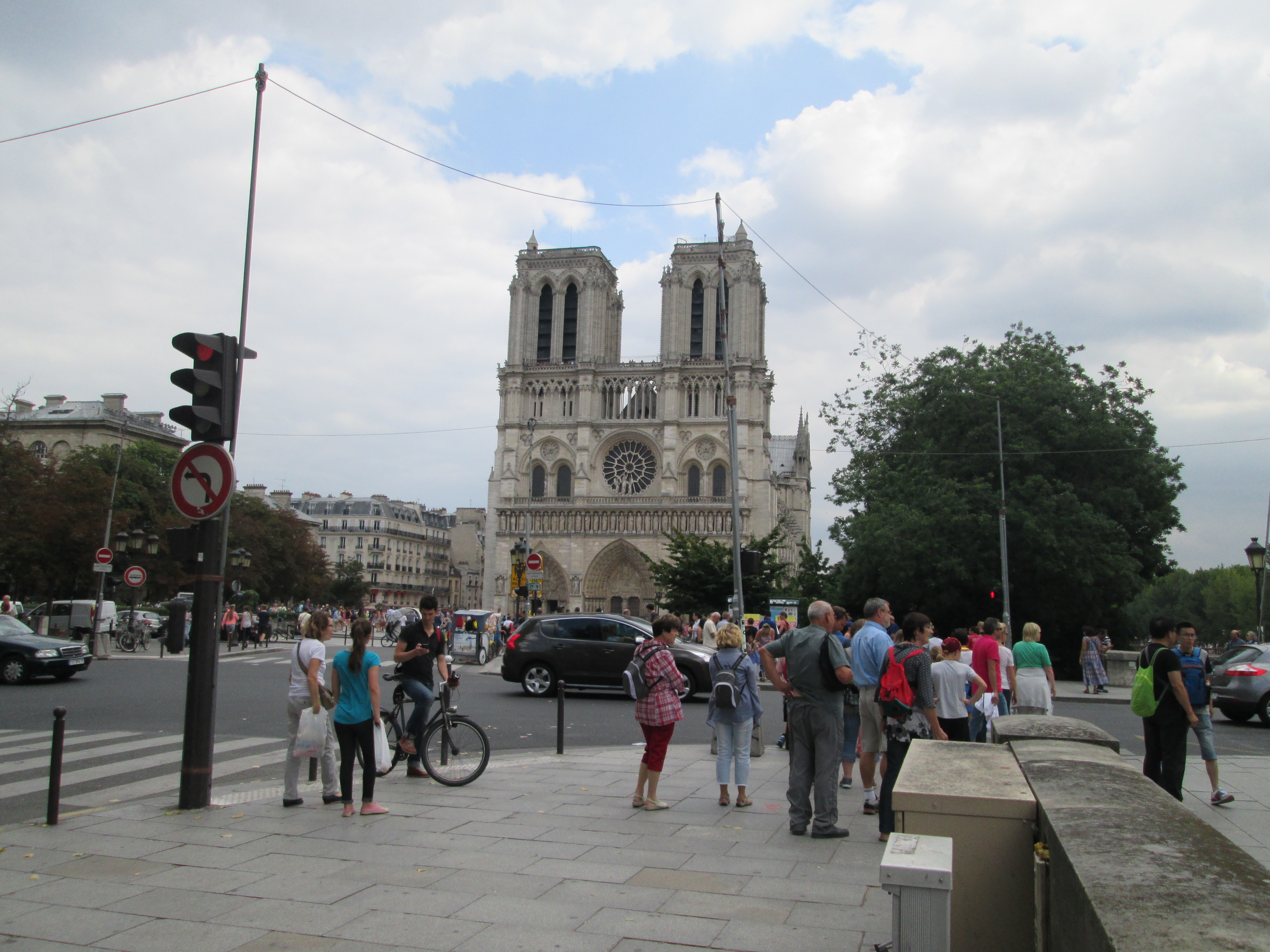
It was a hot and sunny day and I stopped frequently to sit, take pictures and just soak in the busy-ness of Paris.  Finally I reached Notre Dame Cathedral.

IMG_1615 IMG_1614 IMG_1617


IMG_1619 IMG_1612


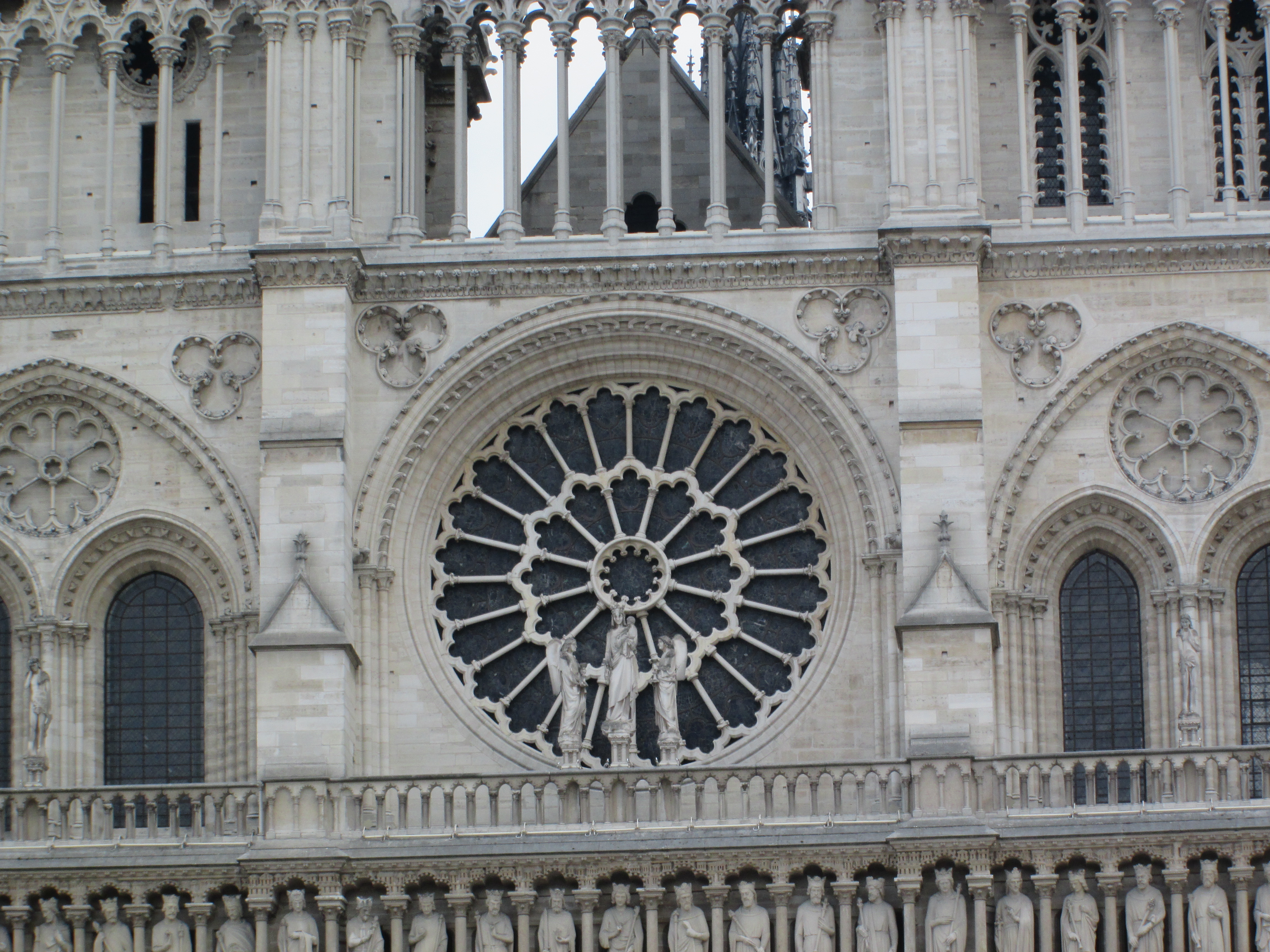
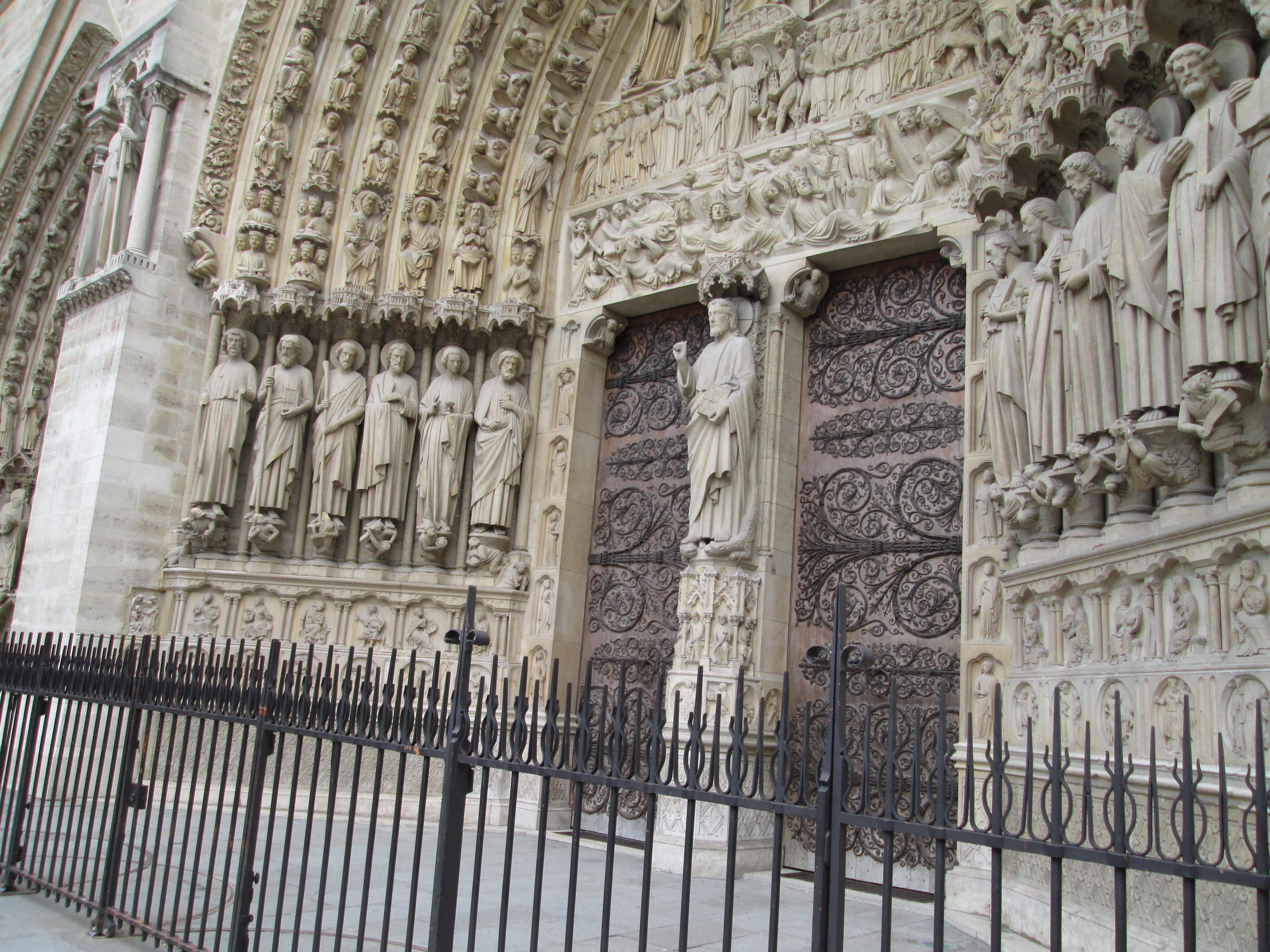
Entrance to the cathedral is free, but the line snaked all the way around the block…and I have been inside before.  I love the square, though and the magnificent statues around the arches of the doors.

I found a little cafe a couple of blocks away and had a lunch of home-made pâté, crusty bread, poached salmon with potatoes and red wine.  I mentioned my problems with the cash machine to the waiter and he told me he thought all the machines at Gare de Nord were faulty.  Luckily, this place took American Express.

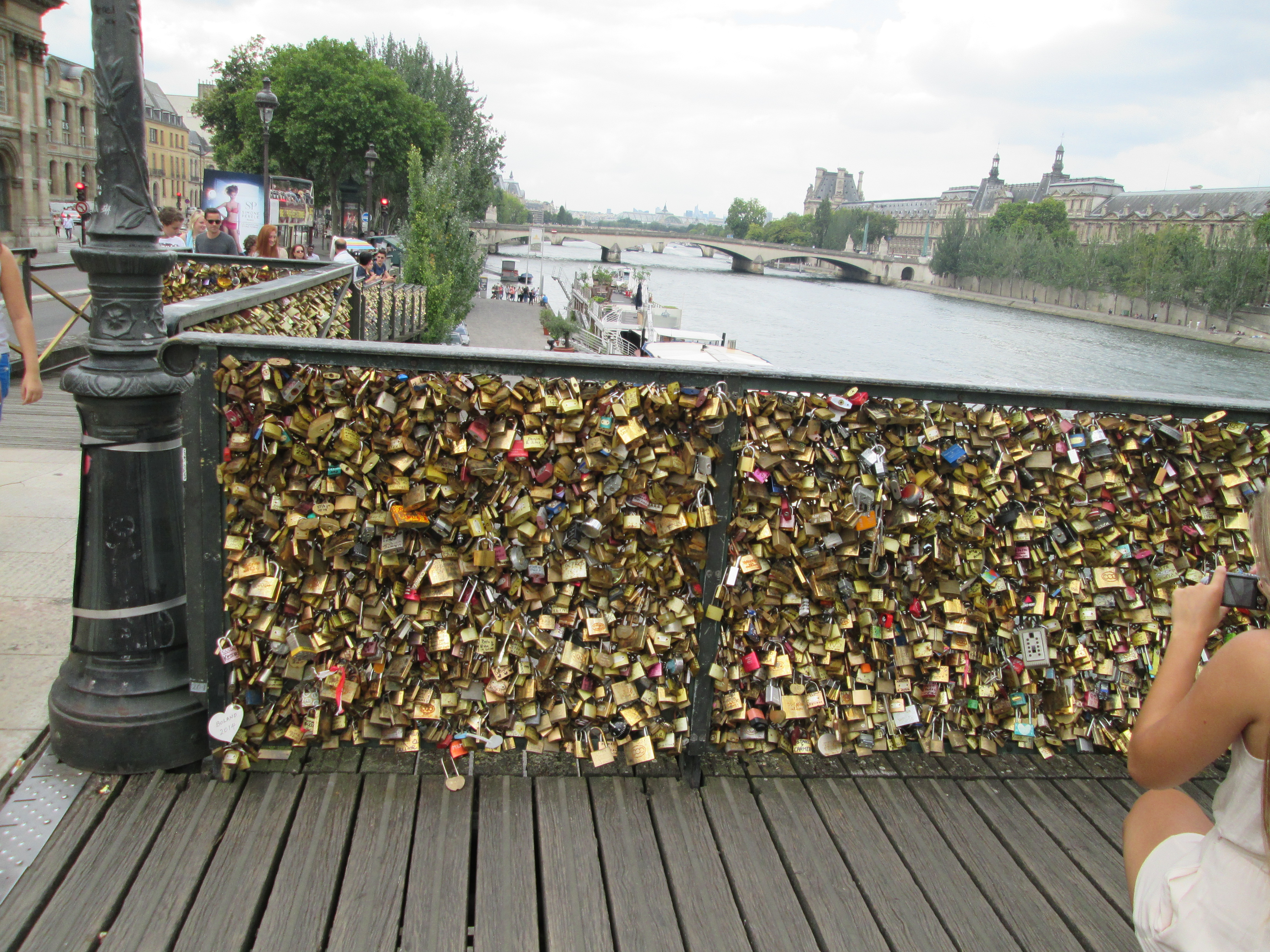
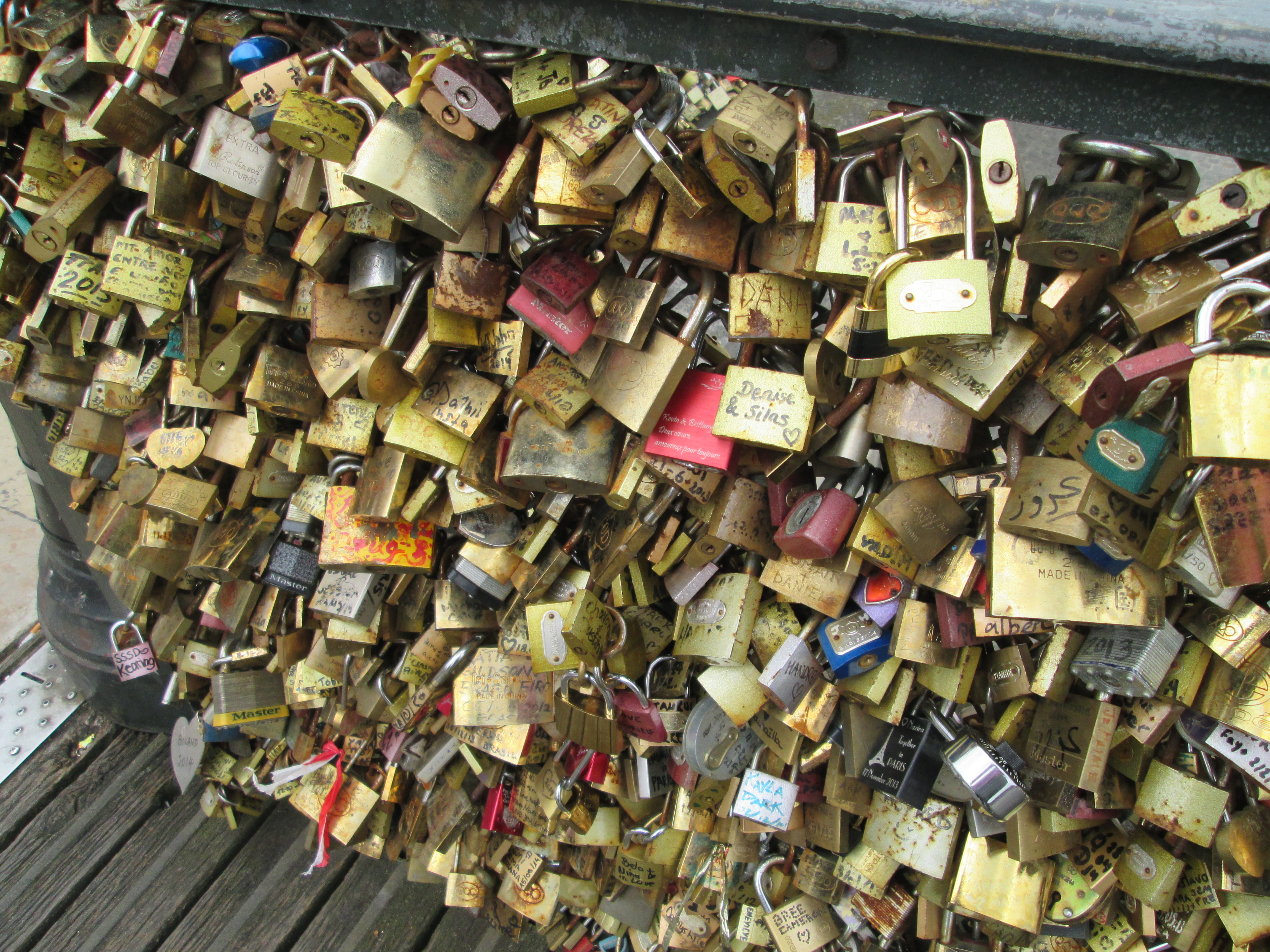
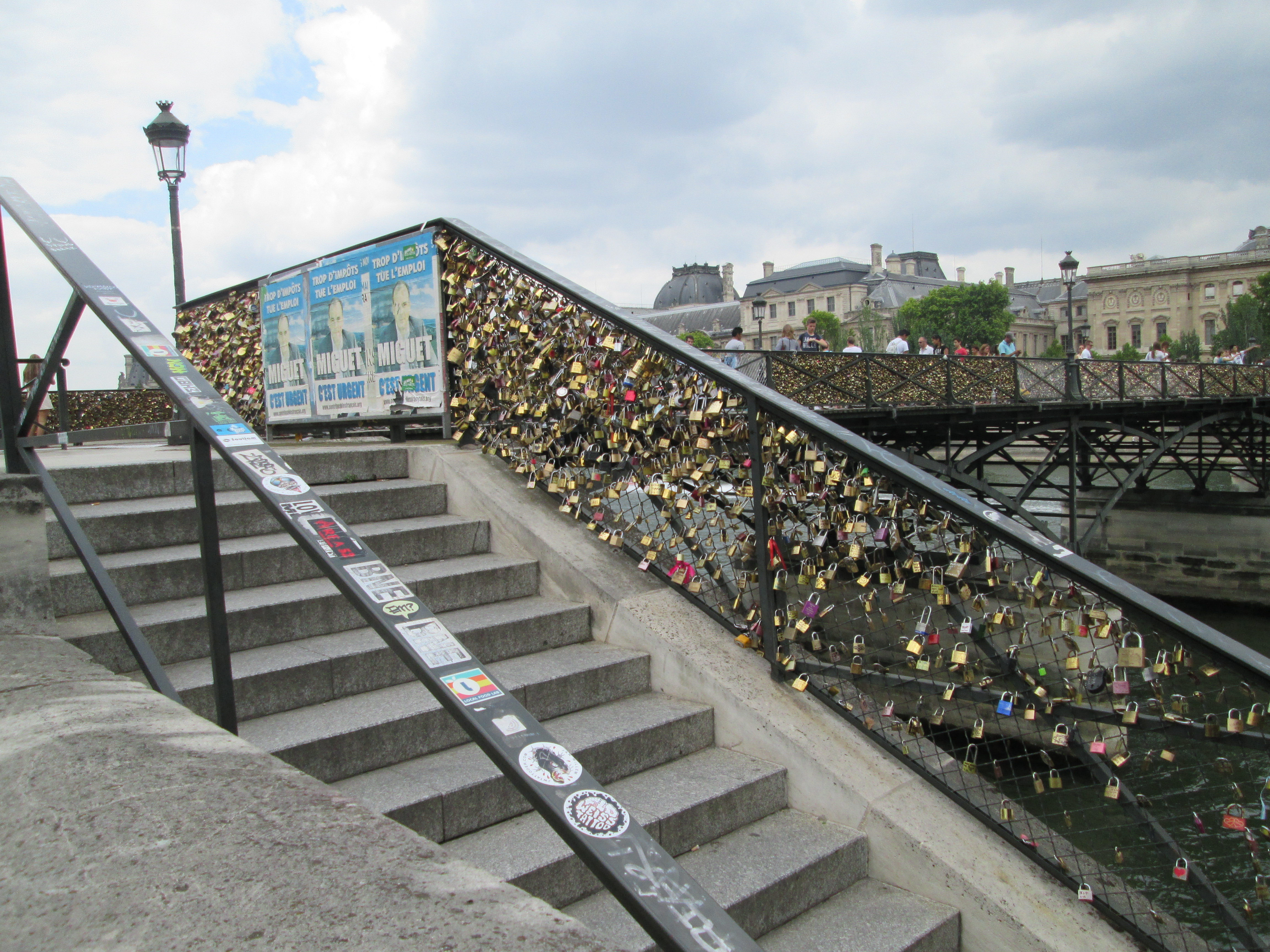
I then continued my walk along the Sienne.  There are beautiful bridges and a walkway right down by the river.  One of them is the famous “Pont des Arts” where it has become a tradition for lovers to “lock up” their love by putting a padlock on the bridge and then throwing the key into the river.   IN recent years, this has become a problem, as there are now so many locks on the bridge that there is danger of collapse and rust from the locks is leaching into the Sienne.  Apparently, a portion of the railing actually did collapse this past June and was replaced by plywood.  There has been talk of trying to ban the practice of placing locks, but to my eyes, this has not had much effect.

IMG_1623 IMG_1624 IMG_1621

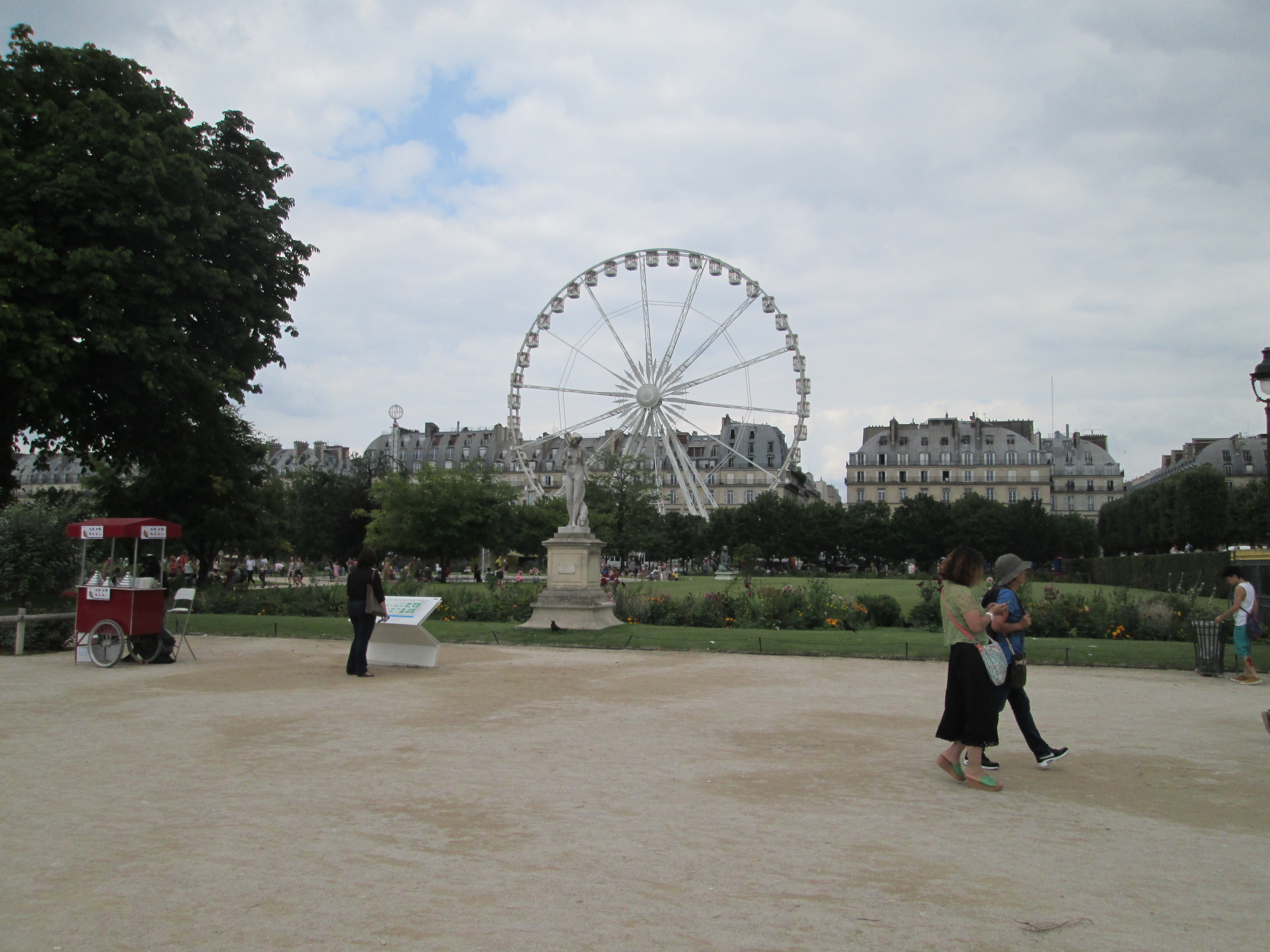
I continued walking until I came to the Tuileries Garden.  This used to be part of the Tuileries Palace, which was destroyed during the French Revolution.  The Gardens are now open to the public, with many beautiful fountains, statues and plantings.  It is a popular place to walk, sit, read, get a bite to eat and just hang out.

IMG_1626 IMG_1628 IMG_1629 IMG_1627 IMG_1630 IMG_1631 IMG_1632 IMG_1633 IMG_1634 IMG_1635


I found a public toilet at the end of the garden.  Unlike London, which prides itself on its many available, clean and free public toilets, Paris’ facilities will cost you 2 euros.  $2.65.  To have a pee.  I was outraged.  However, I didn’t think anyone would take kindly to my using a bush in the public garden…so I coughed up my €2.

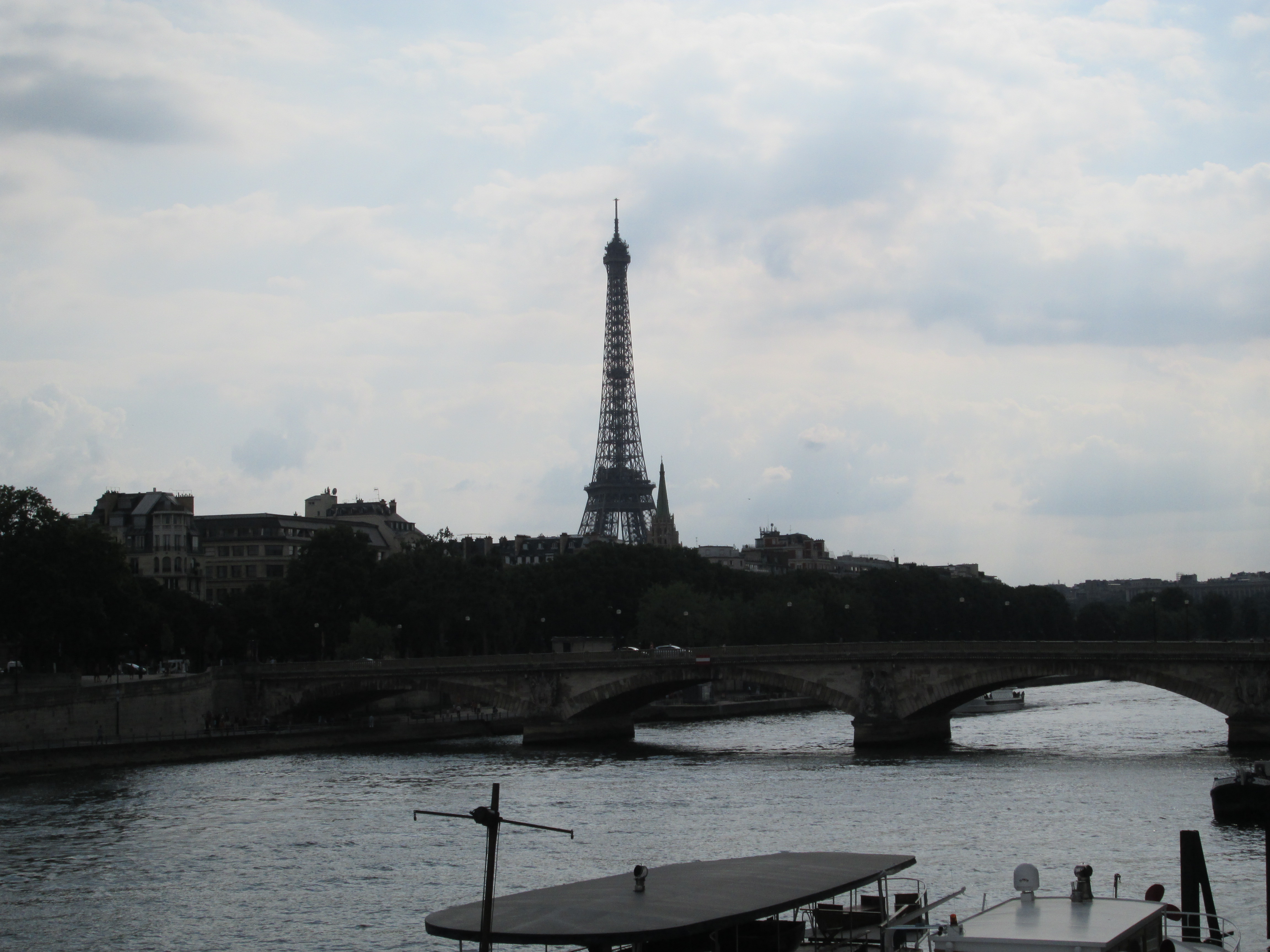
By this time, I could clearly see “la tour Eiffel” in the distance.

IMG_1646

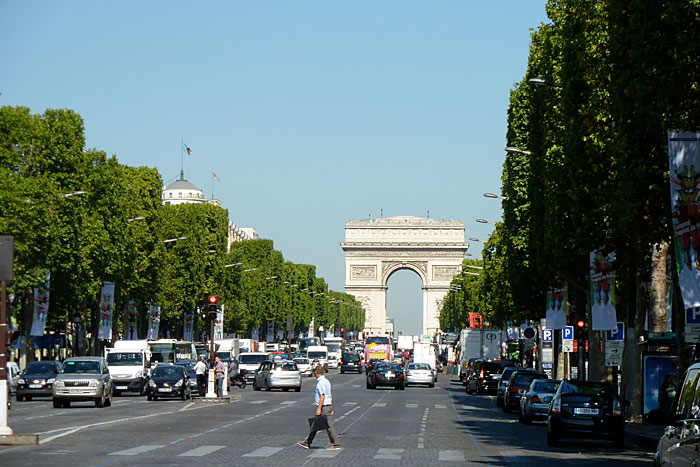
I continued out of the Tuileries and along Avenue des Champs-Elysées…that very famous street with the Arc de Triomphe at the end.

arc-de-triomphe-Champs-Elysees

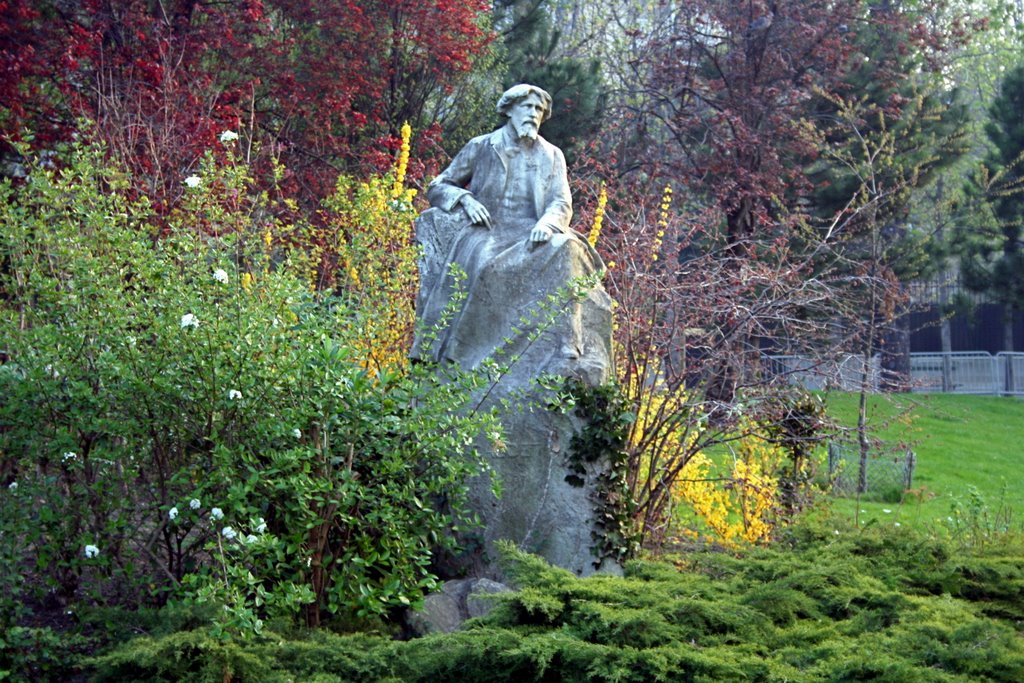
There was a lovely side section along the Champs-Elysees called “Allée Marcel Proust” with some benches, green grass and a couple of statues dedicated to the writer.  I got myself a fruit drink from a vendor, spread my scarf out in the shade and lay down.

Proust Proust 2

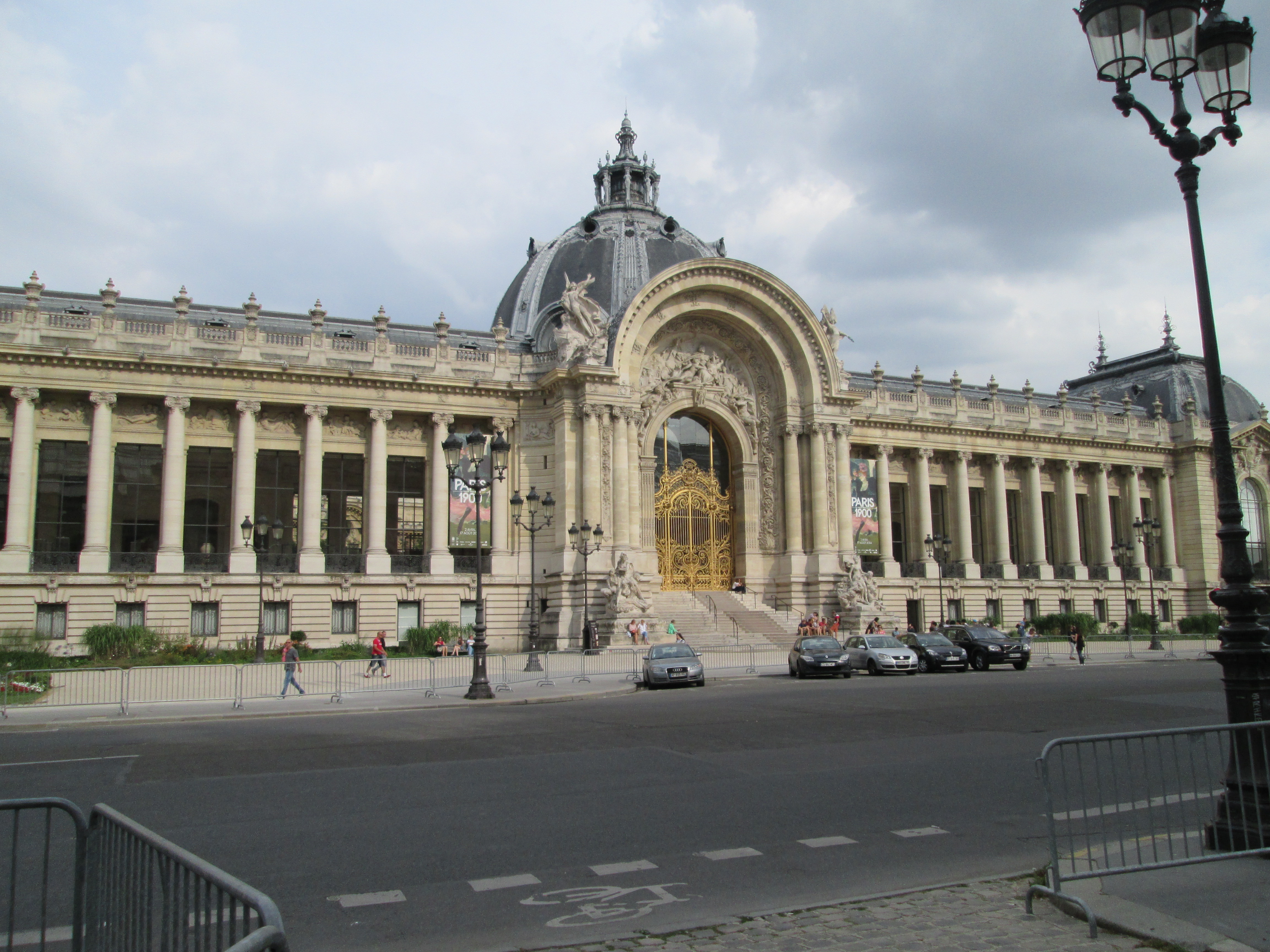
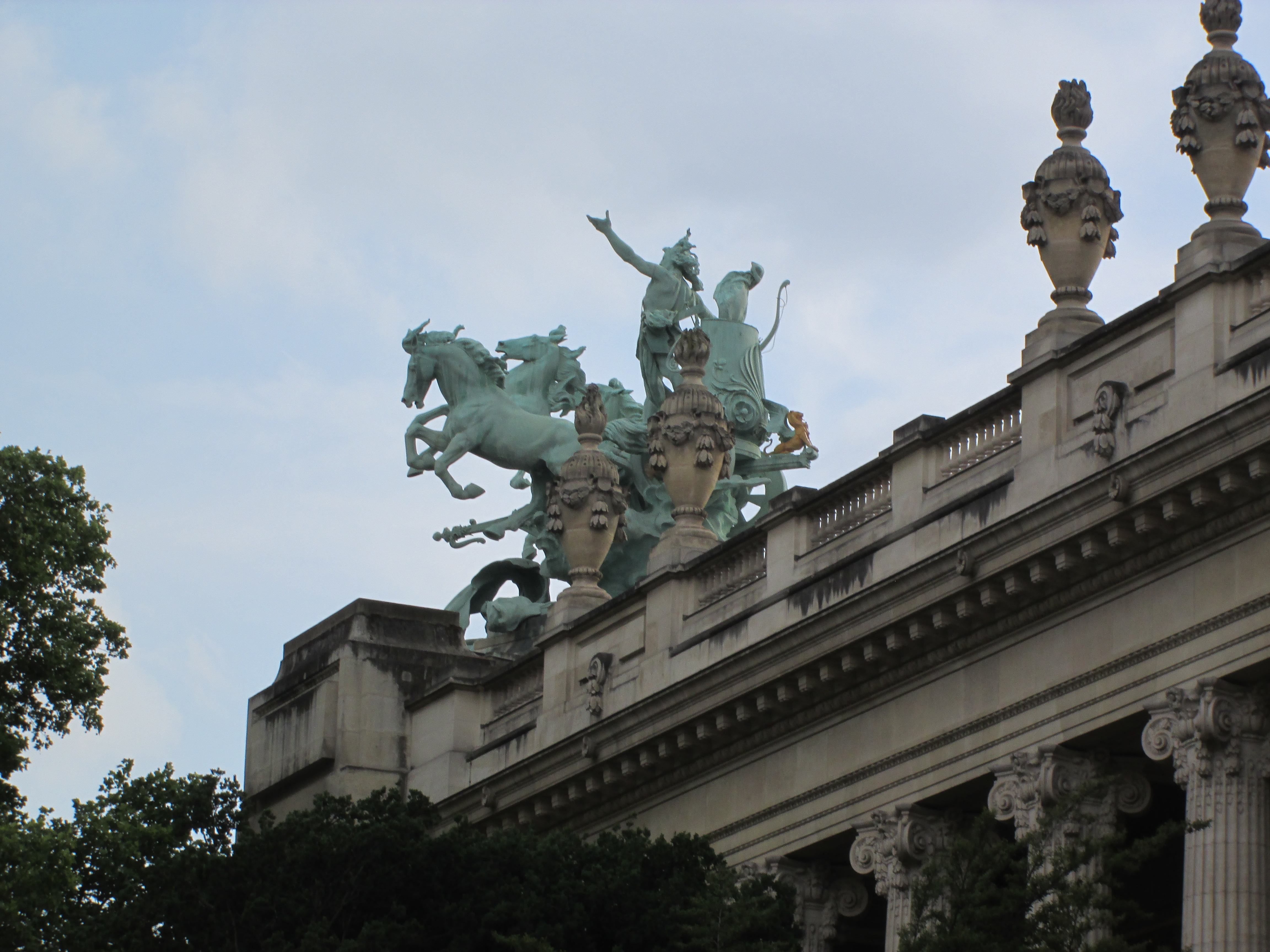
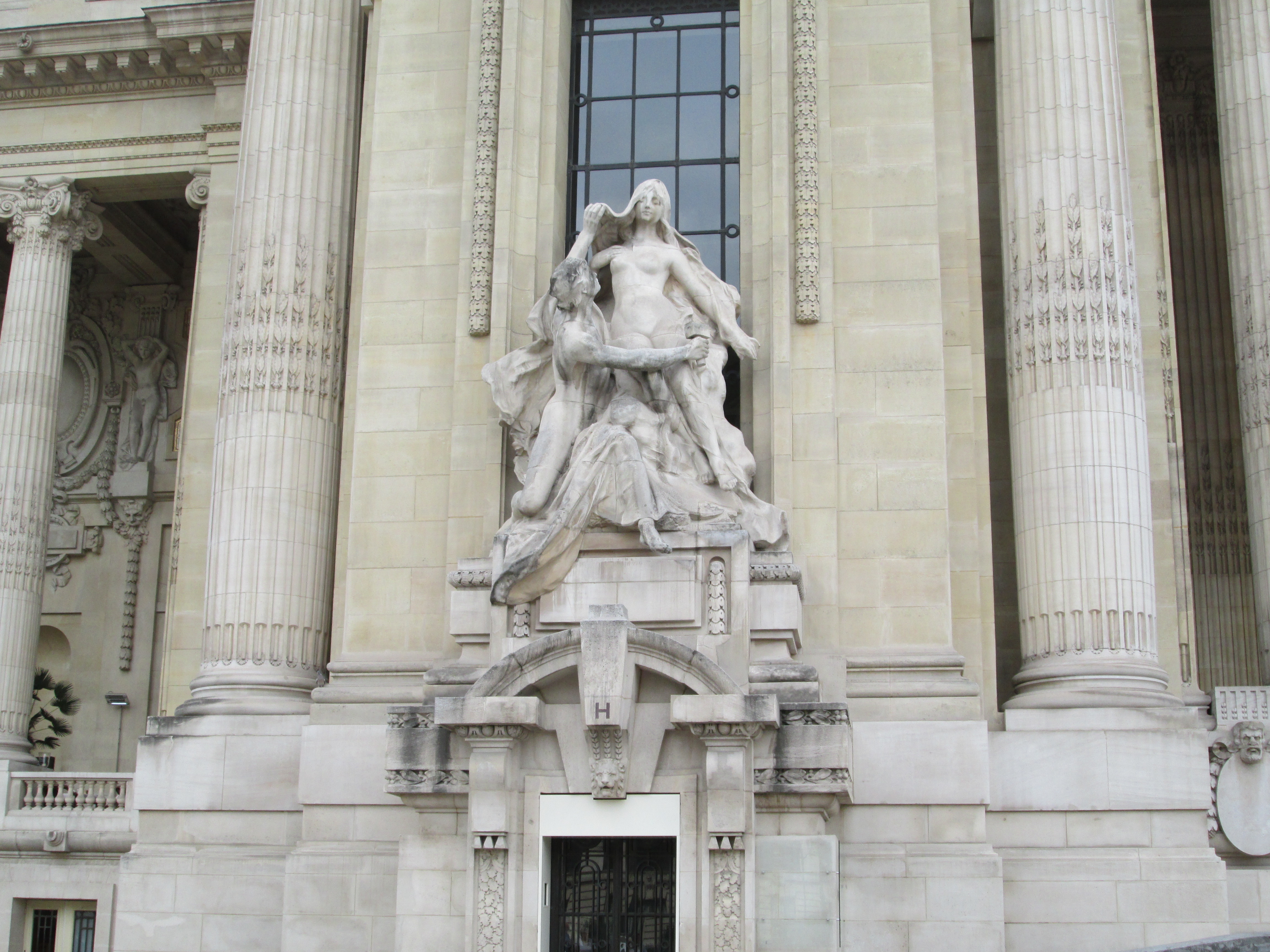
When I woke up, it was a bit cooler.  I continued to walk, past the Grand Palais and the Petit Palais and across the Sienne again.  I made my way down to the pedestrian walkway right on the river and stopped at a cafe for a cappuccino and some people-watching.  I was right by the Pont Alexandre – such a beautiful bridge.

IMG_1642 IMG_1643 IMG_1644 IMG_1645 IMG_1647 IMG_1648 IMG_1649


By now it was getting to be late afternoon.  I decided to re-cross the Sienne one last time and find myself a new place for dinner.  I had dearly wanted cassoulet, but it was really too hot for it, so I opted for some delicious French onion soup and a huge salad Niçoise (tomatoes, tuna, hard-boiled eggs, Niçoise olives, and anchovies with a vinaigrette dressing.)  Accompanied by crusty bread and wine, of course!

I took the Metro back to Gare de Nord, went through passport control and found my seat in a half-empty train.  I dozed most of the way back to London and thought what a great thing it had been – to go to Paris for the day.

IMG_1616


Iceland!

Standard
Iceland!

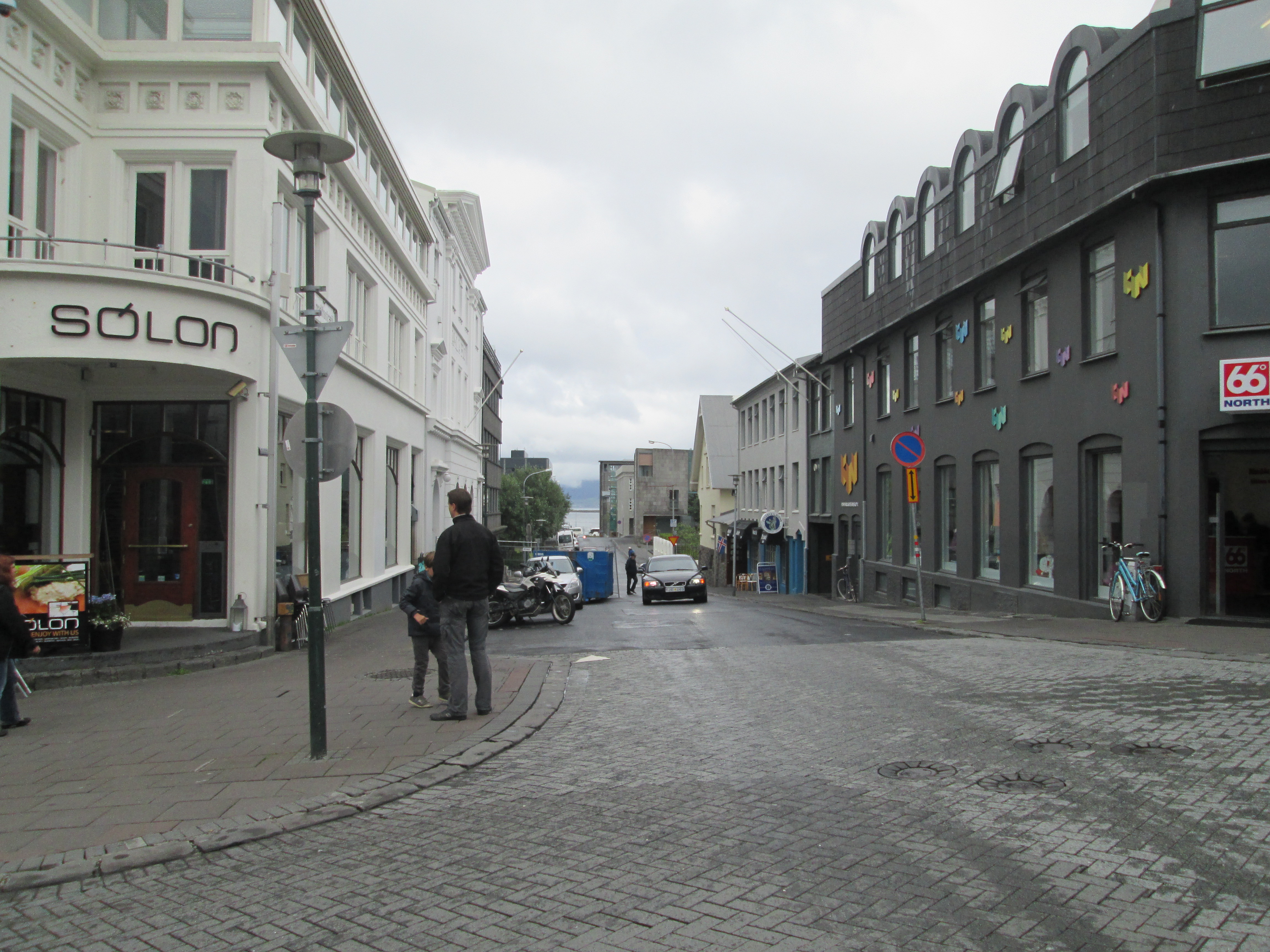
On my way back to Zambia after my summer holidays, I decided to spend a week in London, seeing some old friends.  Because of the way airline tickets are priced, I needed a one-way ticket from Boston to London and because one-way tickets can be ridiculously expensive, I decided to fly with Icelandic Air, who has (by far) the most reasonably priced airfare to London.  The caveat: you make a stop in Iceland.  The cool part: you can stop over in Iceland for as long as 7 days without paying any more for the plane ticket.  So – I decided to do just that and spend a full day and night in the “Land of Fire and Ice.”

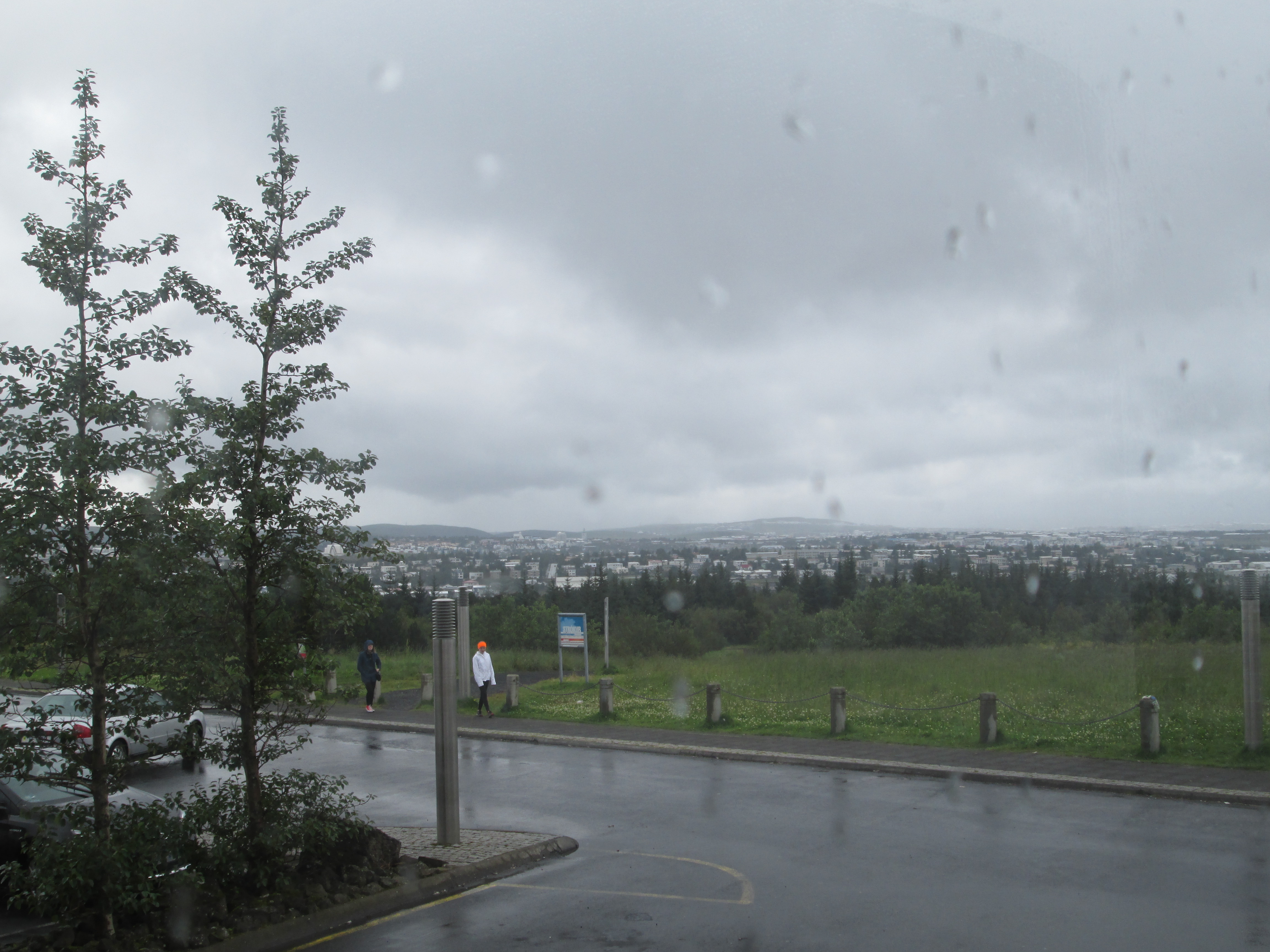
The plane landed at midnight and the sun was just sinking below the horizon.

IMG_1196

There was a bus to take people to their various hotels and hostels…everyone got on together and then we were taken to the city center, where we boarded smaller buses to take us to our respective lodgings.  My bus driver welcomed me to “the best county in the world!”  By the time I got to my hostel, it was 2:00am (Iceland time) but the place was warm and welcoming and the desk clerk was happy to give me my room key and show me where everything was located. 

I stayed at a hostel called “Hlemmur Square” which was a very comfortable “upscale” hostel with a full kitchen on each floor, very comfortable beds, a full bar and an optional breakfast in the morning.  Oh, and free wifi – always a good thing.  I found my room and found a free (bottom) bunk and got myself sorted.  Each bed had lockable drawers underneath, a reading light and a plug for charging phone, iPad, etc.  Very nice.  When I woke up, the sun was high in the sky and this was the view from the room windows.

IMG_1483 IMG_1482

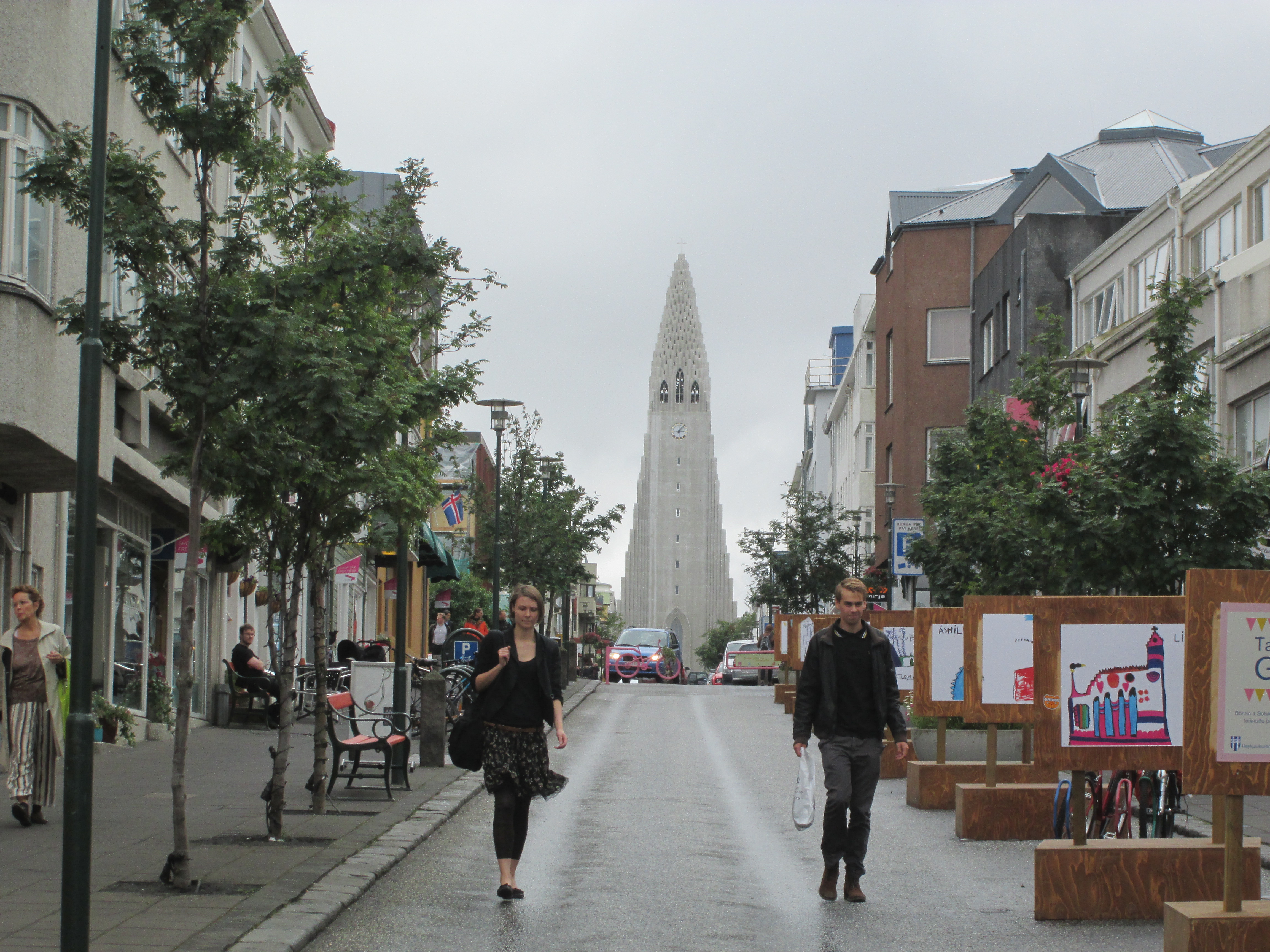
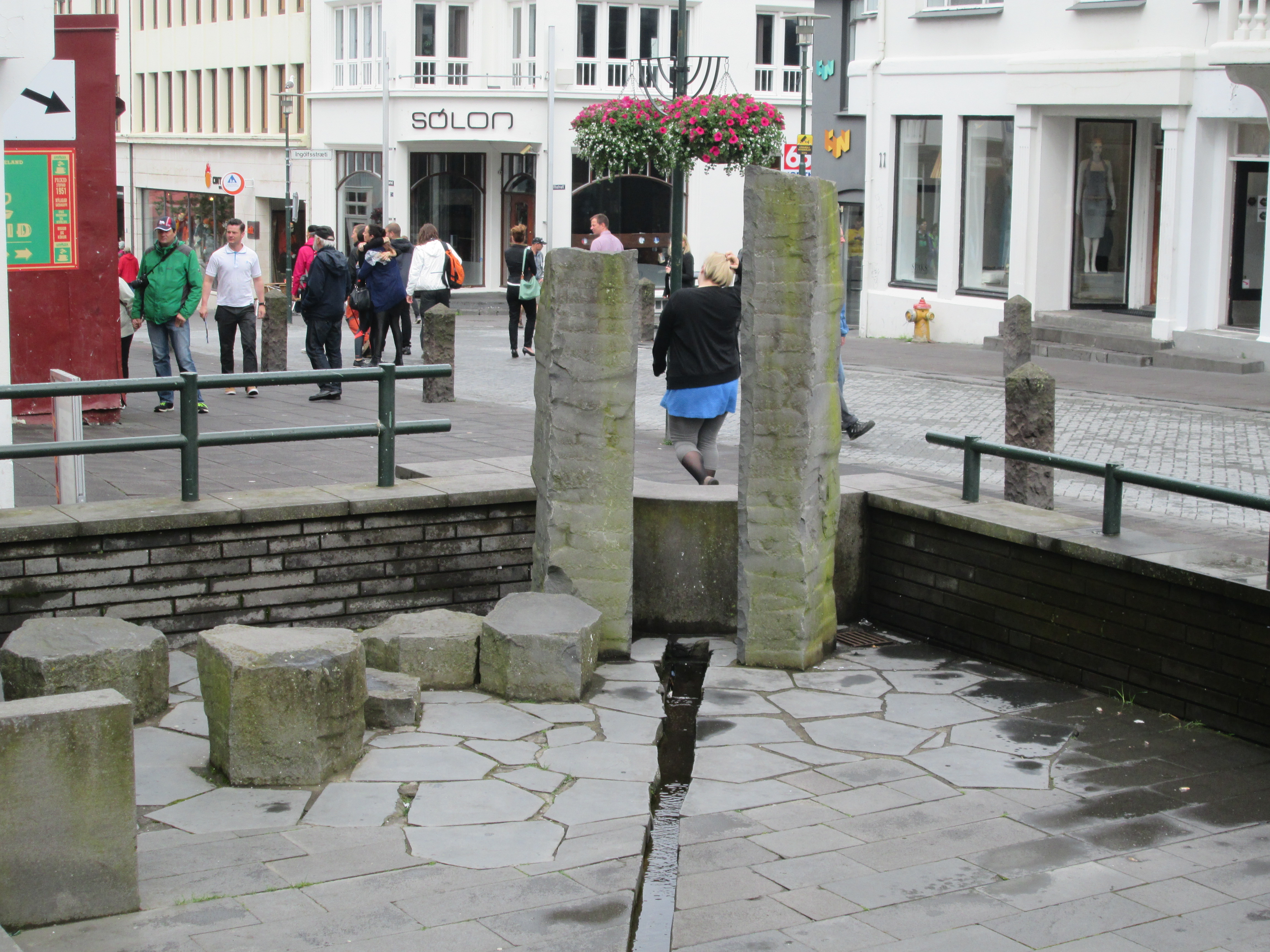
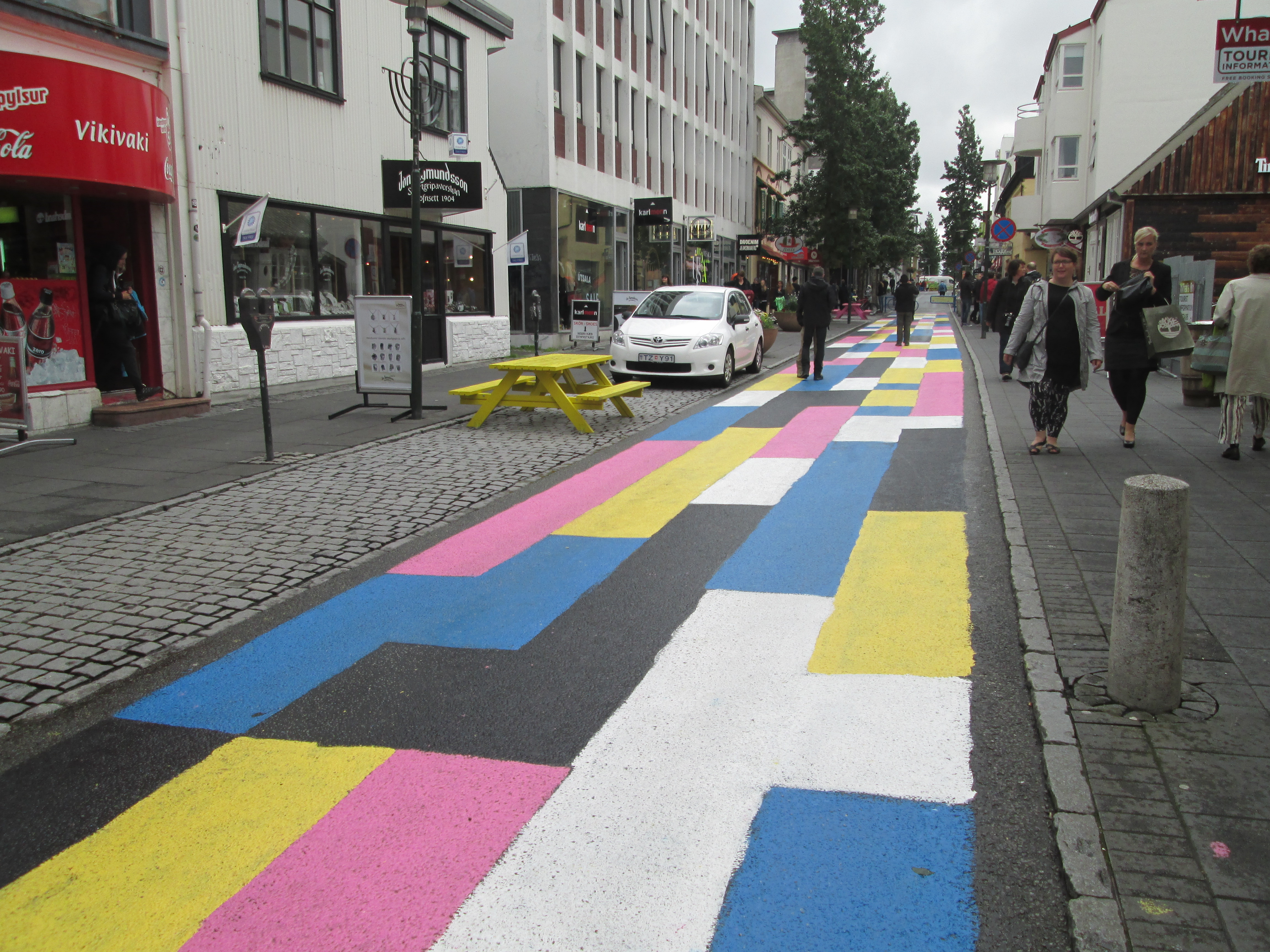
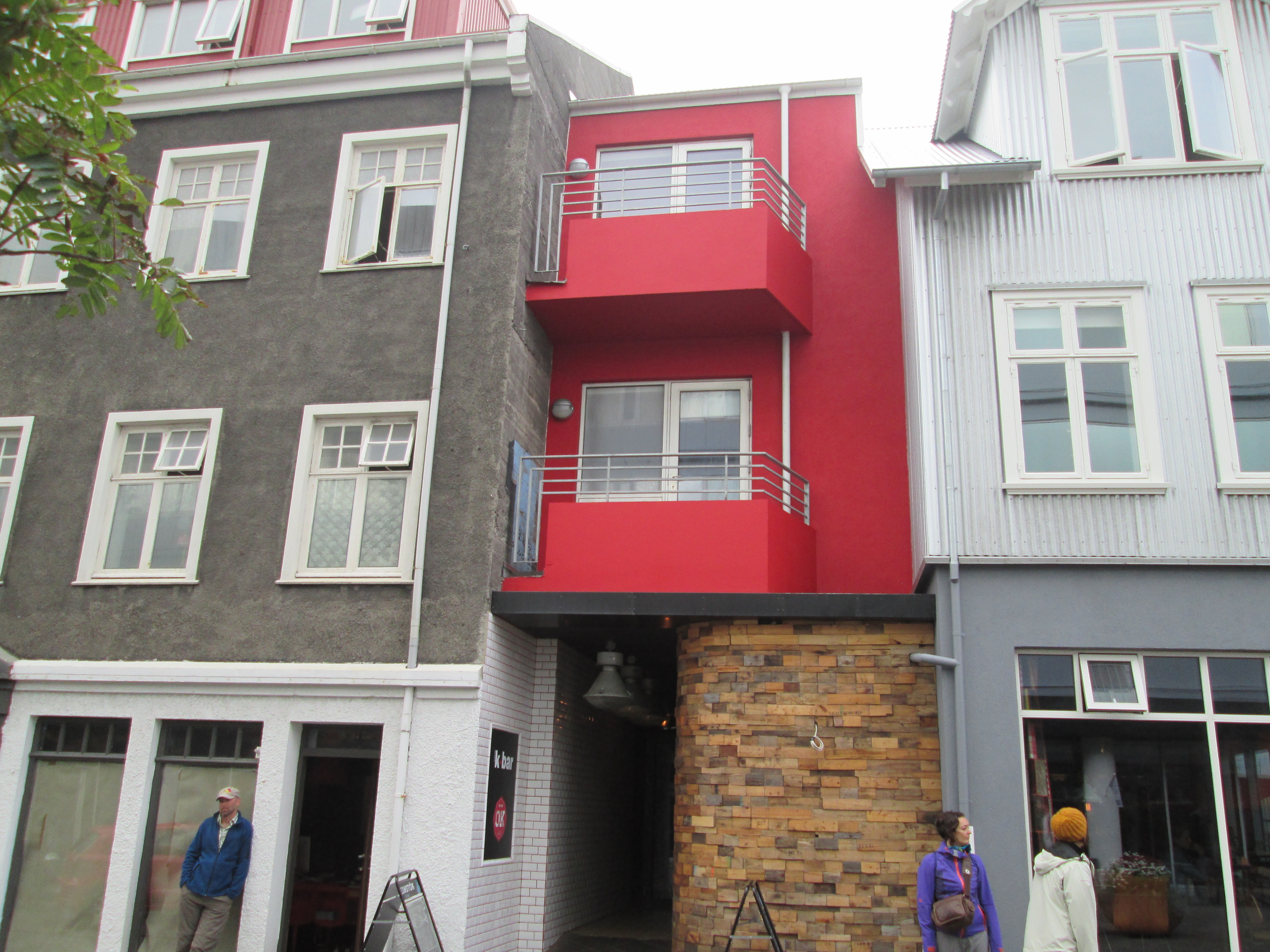
I had pre-paid for a “Hop-On, Hop-Off” bus tour around the city and also a late-afternoon/evening tour of the “golden circle” which had some incredible sites and views.  It was raining on and off as I walked down towards the town center.  The hostel was in a great location, on a street with shops and cafes and many of the streets were designated for pedestrians. 

IMG_1465 IMG_1466 IMG_1468 IMG_1469 IMG_1472 IMG_1471 IMG_1470 IMG_1478

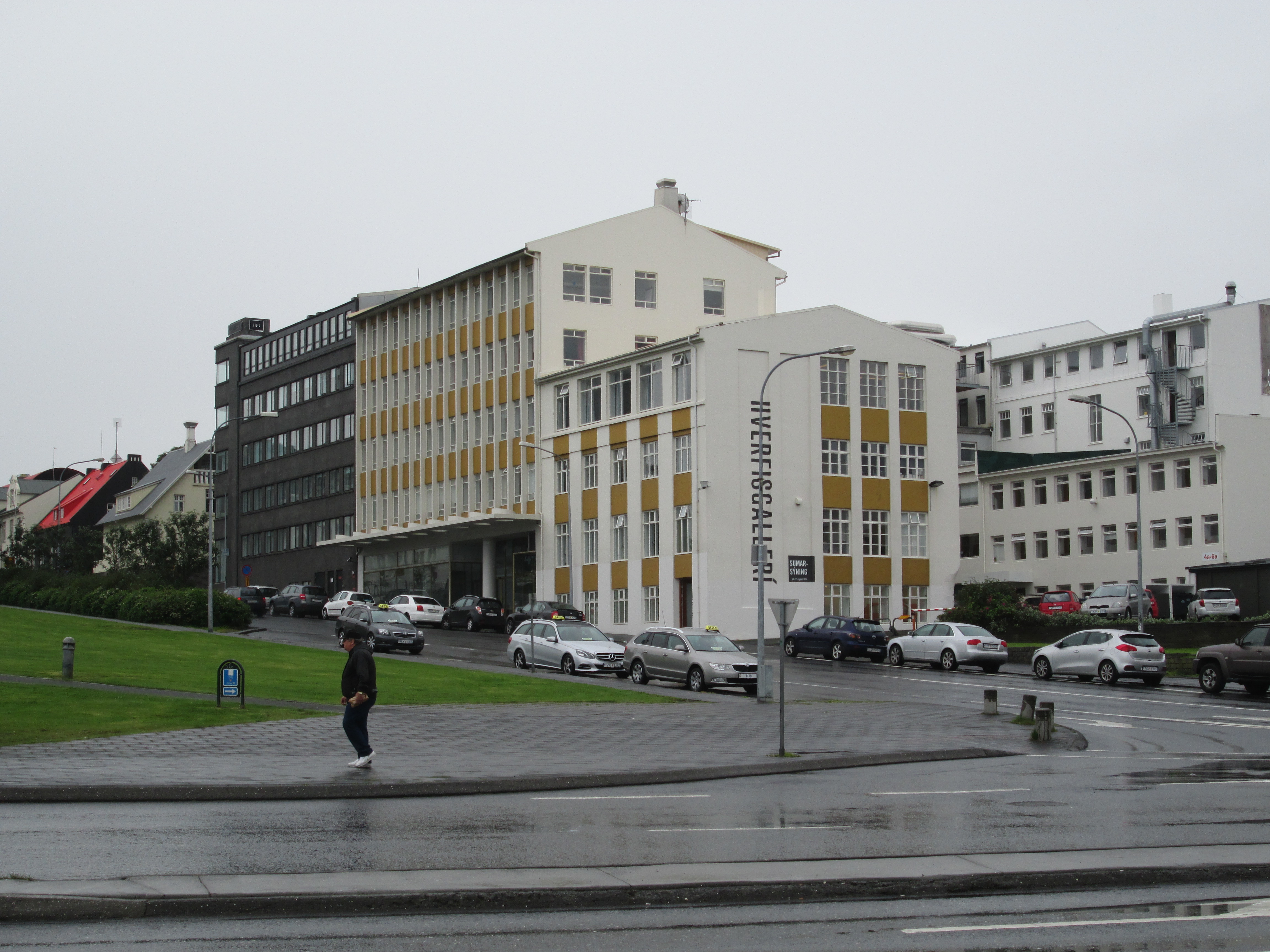
The street that my hostel was on was called Laugavegur, which means “wash road.”  It used to lead to the hot springs in Laugardalur, where women in the olden days took their laundry for washing.  It is the primary commercial artery of downtown Reykjavik and one of the oldest shopping streets. There is a modern statue at the foot of the street, depicting a woman laboring up the hill with buckets of water.  Apparently, this statue was removed at one point, because the city thought it was “too modern.”  But it was later returned.  I liked it a lot.

IMG_1462 IMG_1461

IMG_1479

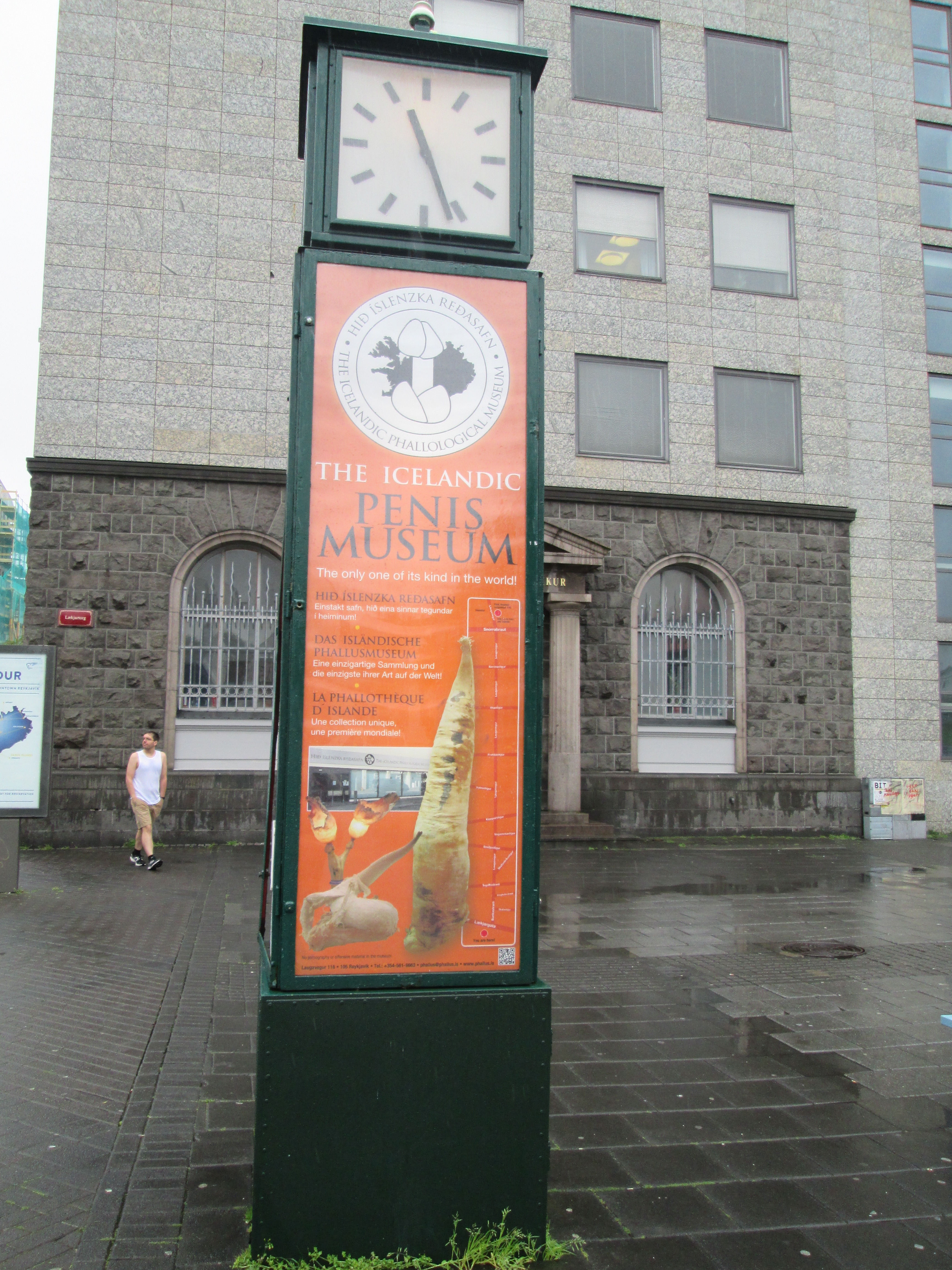
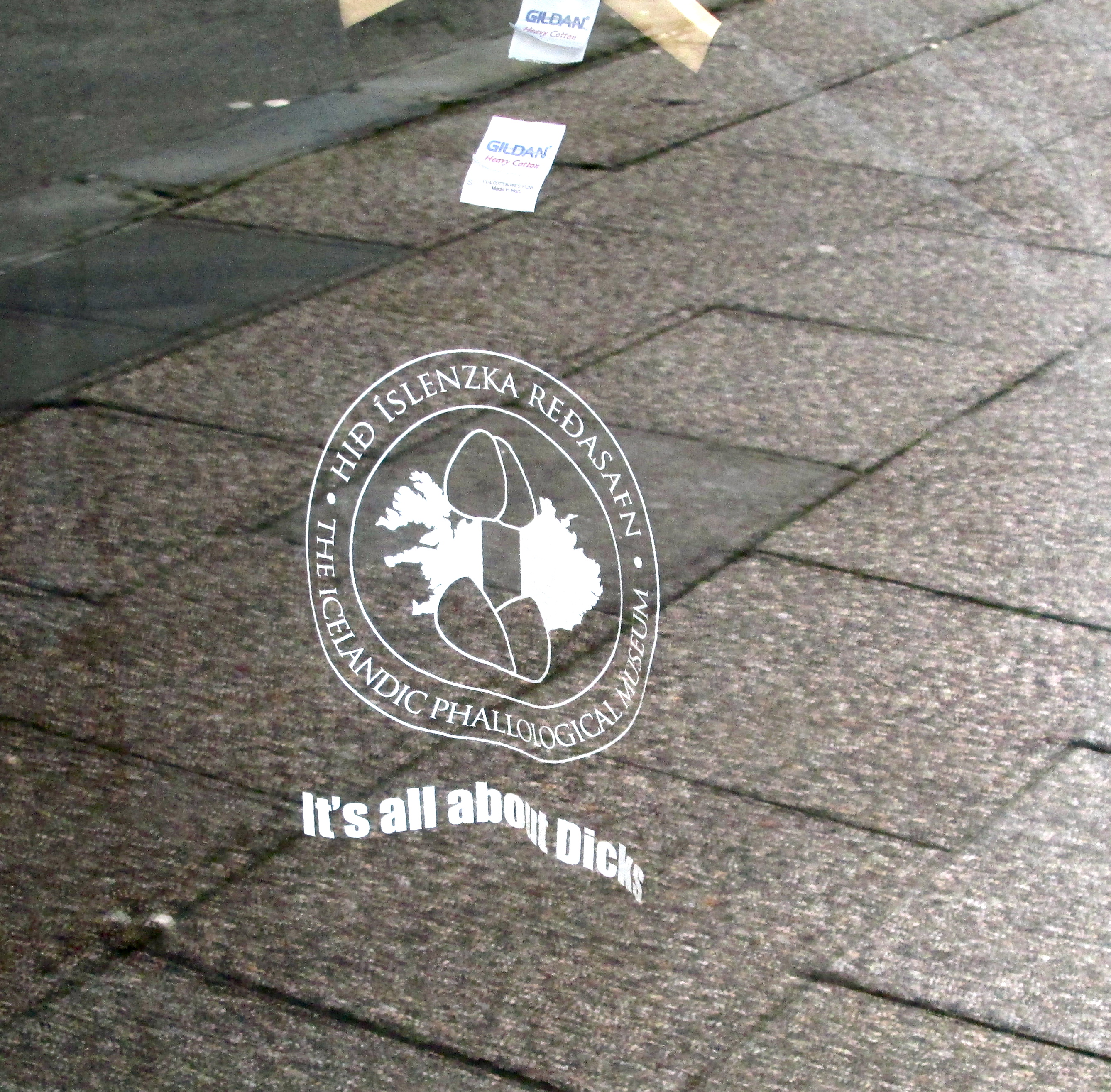
Laugardalur is also the location of the Icelandic Phallological Museum.  That’s right.  It’s a museum devoted to penises.

IMG_1480 IMG_1444

It is not quite as risque as it sounds…it has 280 examples and samples of penises from many species land and sea animals, including (they say) Icelandic elves and trolls.  It apparently has a couple of human specimens as well.  You can read more about the museum HERE.

Unfortunately, I did not have the time to go in…but I did take a few pictures from the street.

IMG_1484 IMG_1485 IMG_1487 IMG_1486

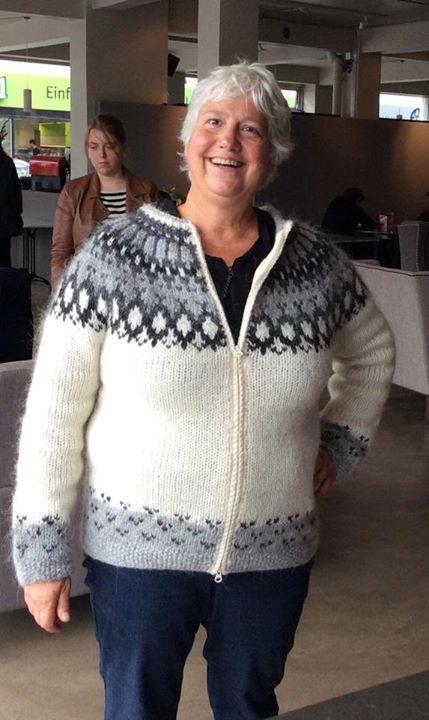
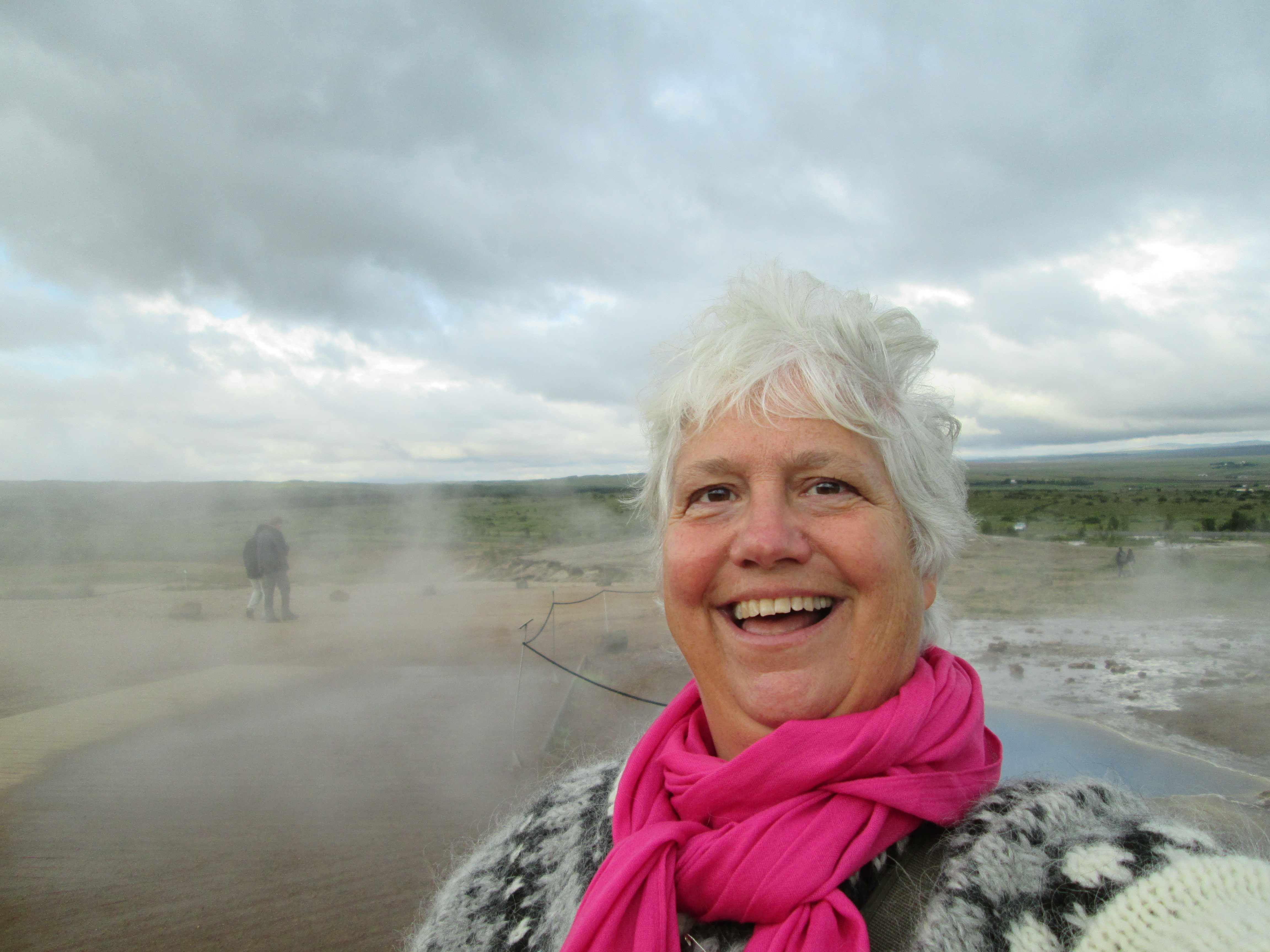
It was a bit colder than I had expected…and I was chilled from being in the rain.  I had always wanted one of those cool Icelandic sweaters.  So – I did my part to stimulate the Icelandic economy.

Sweater

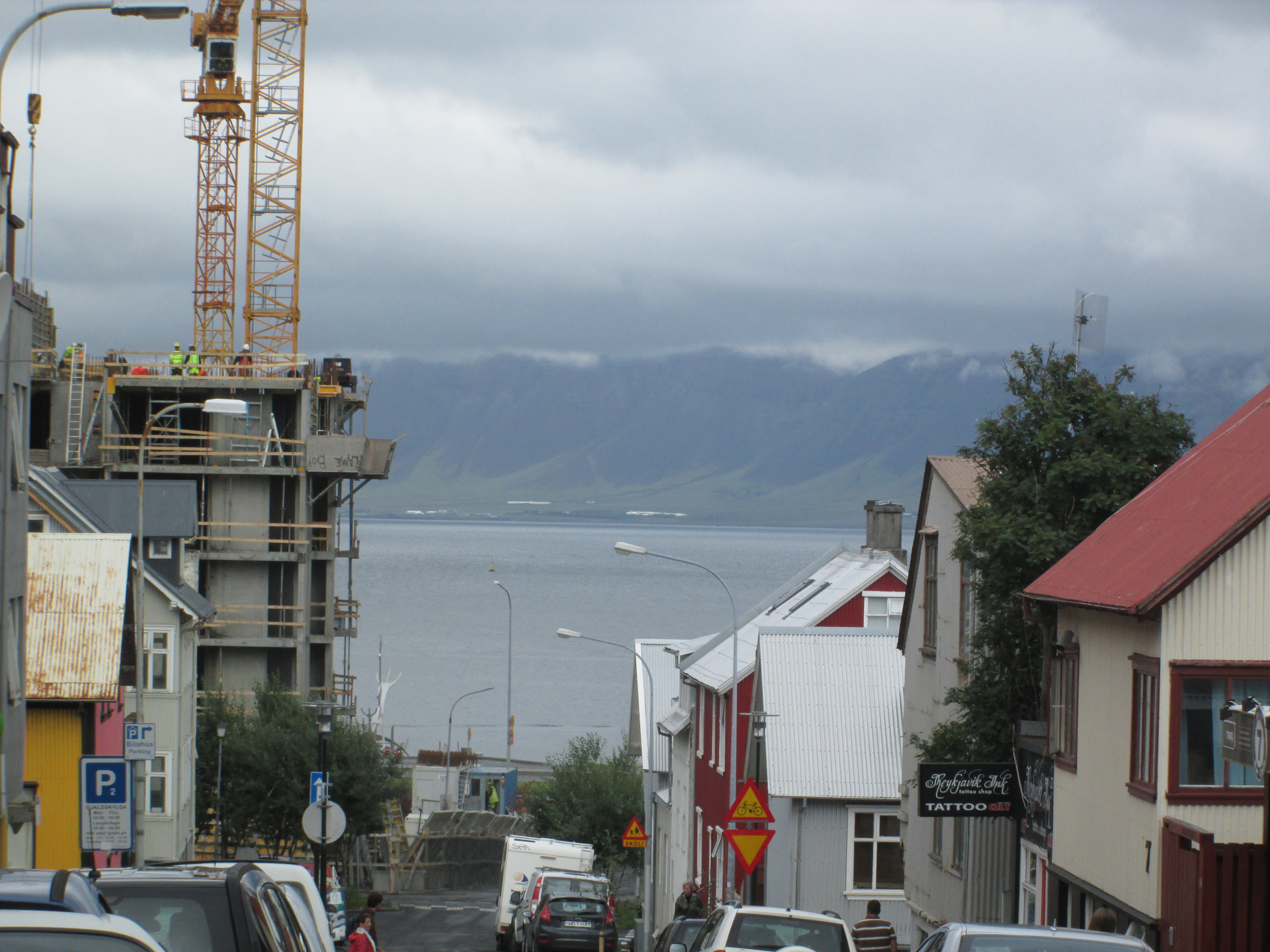
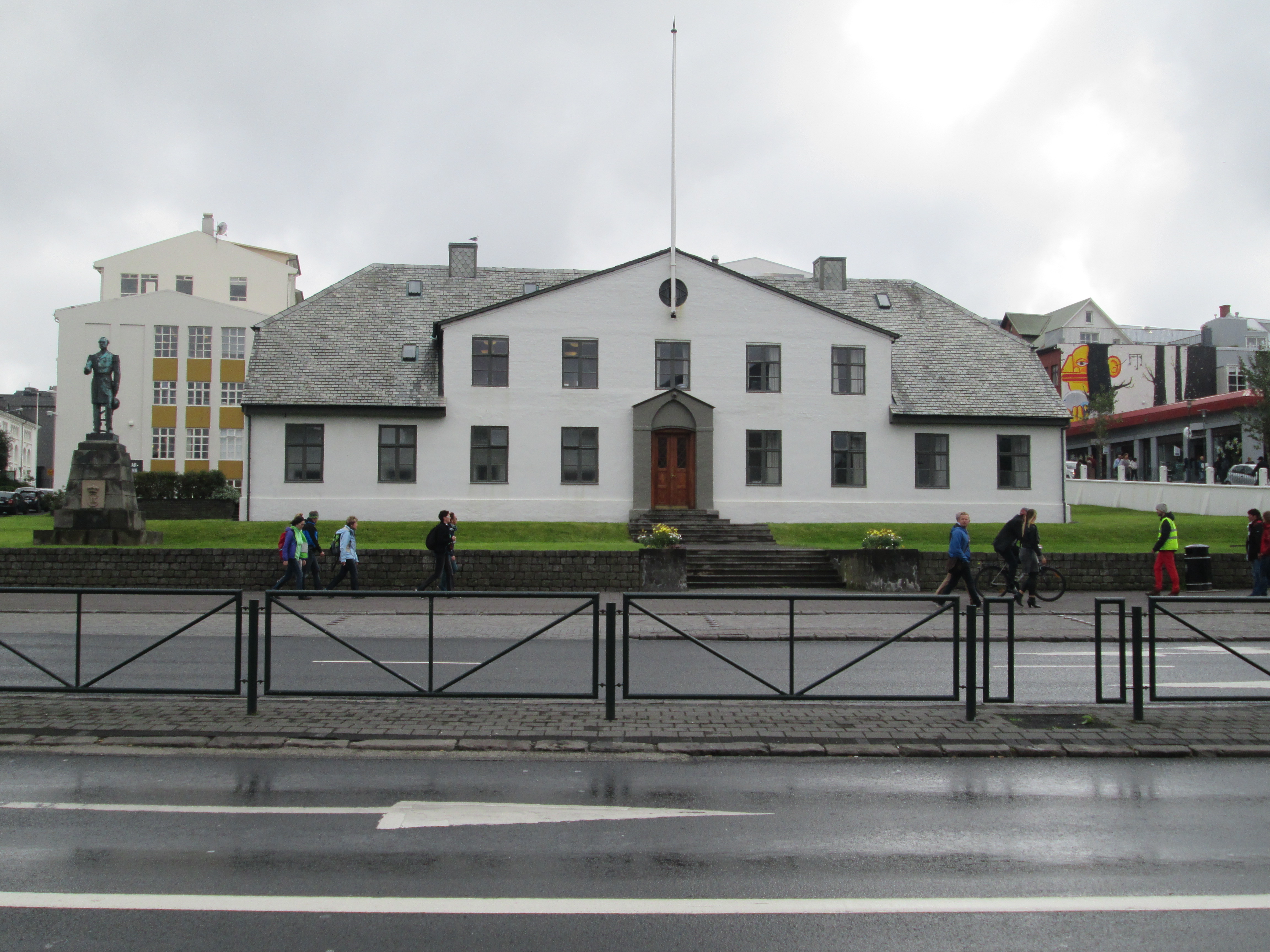
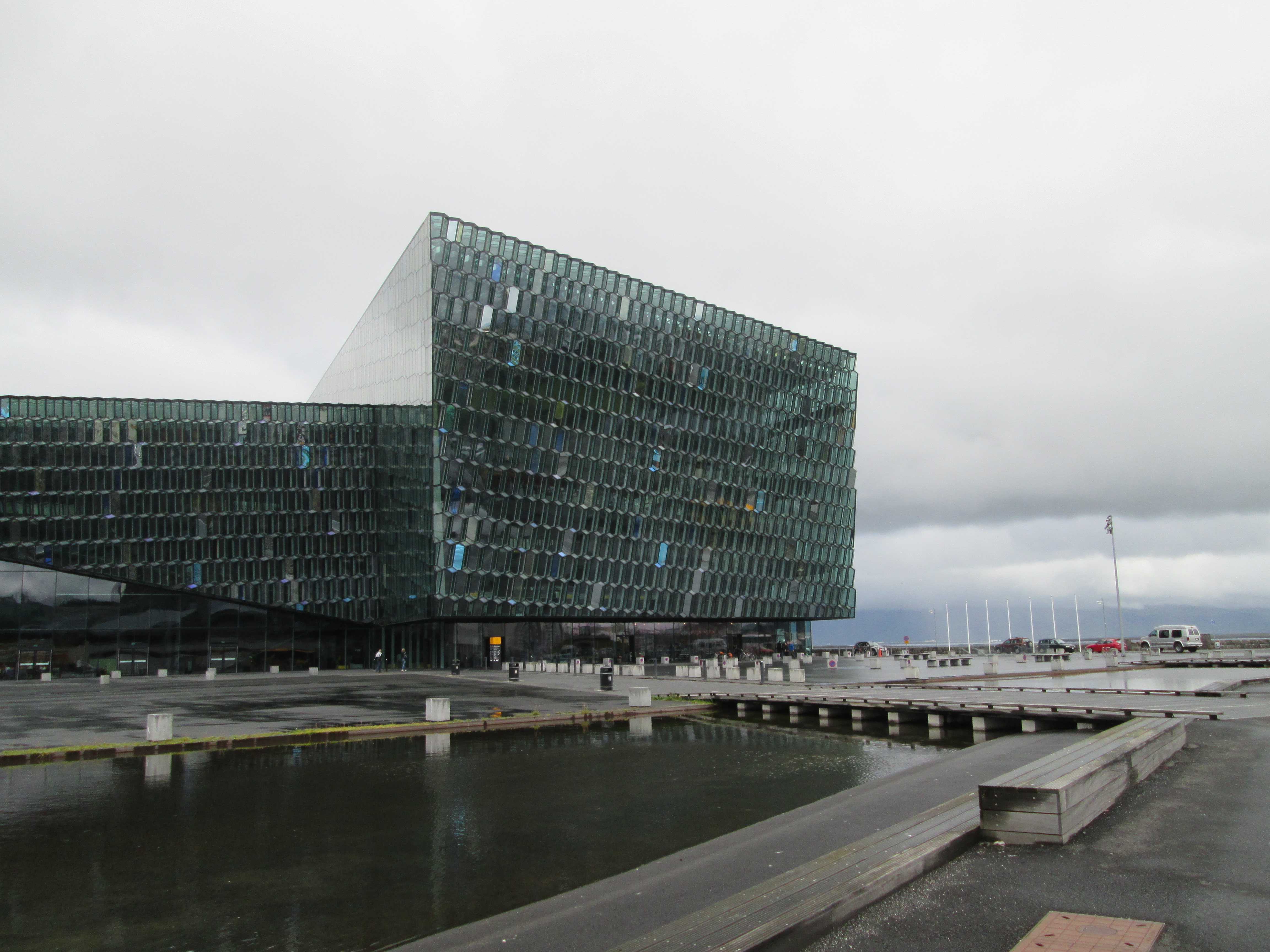
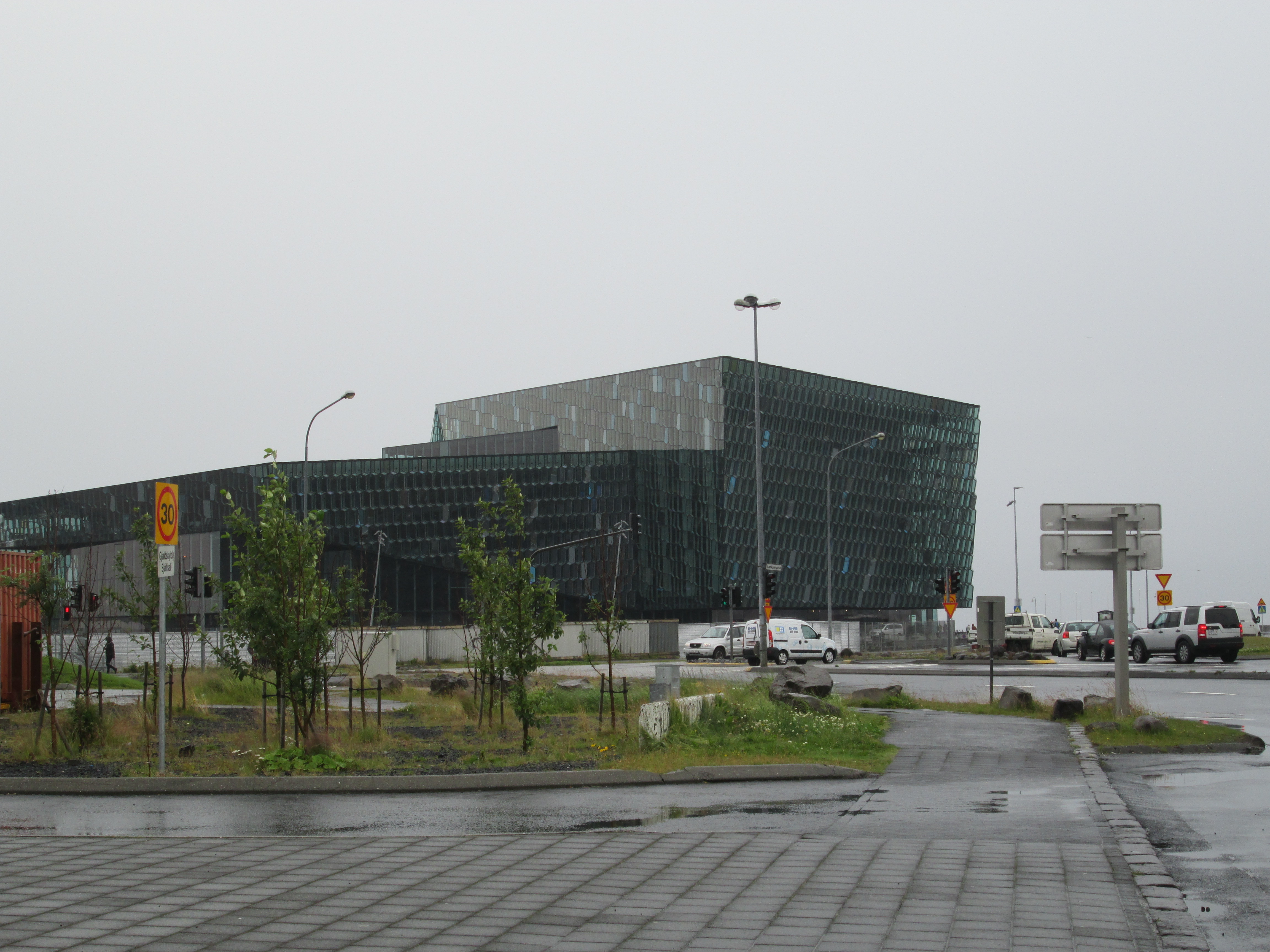
I probably could have skipped the “Hop-On, Hop-Off” bus tour.  The city is quite small and I had slept in, so didn’t really have time to do any of the “hopping on and off” that I would have liked.  However, it gave me a good sense of the city of Reykjavik, a little history and some interesting buildings, statues and other historical bits and bobs. 

IMG_1477 IMG_1463 IMG_1460 IMG_1459 IMG_1455 IMG_1451 IMG_1448 IMG_1447 IMG_1446 IMG_1445

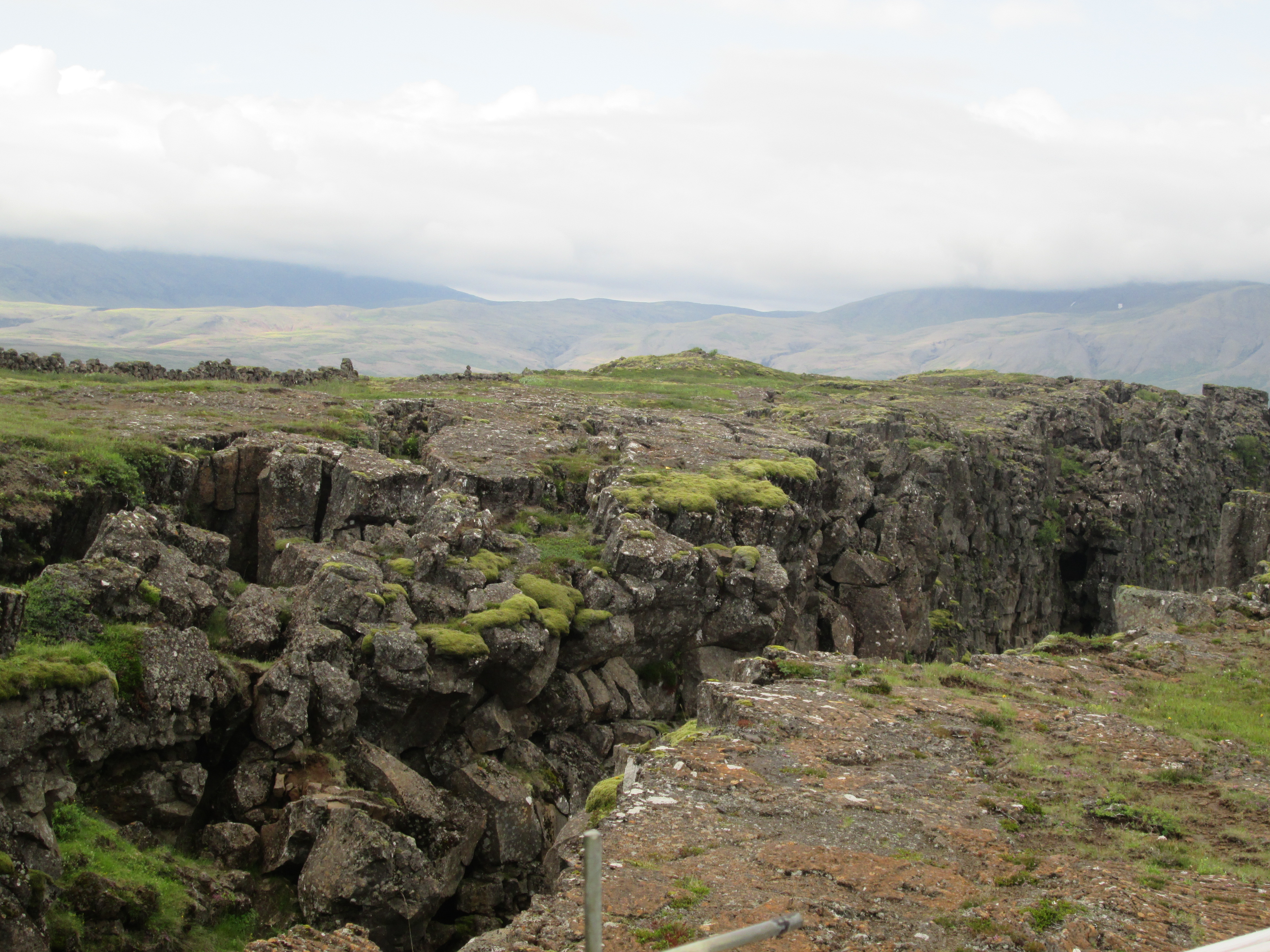
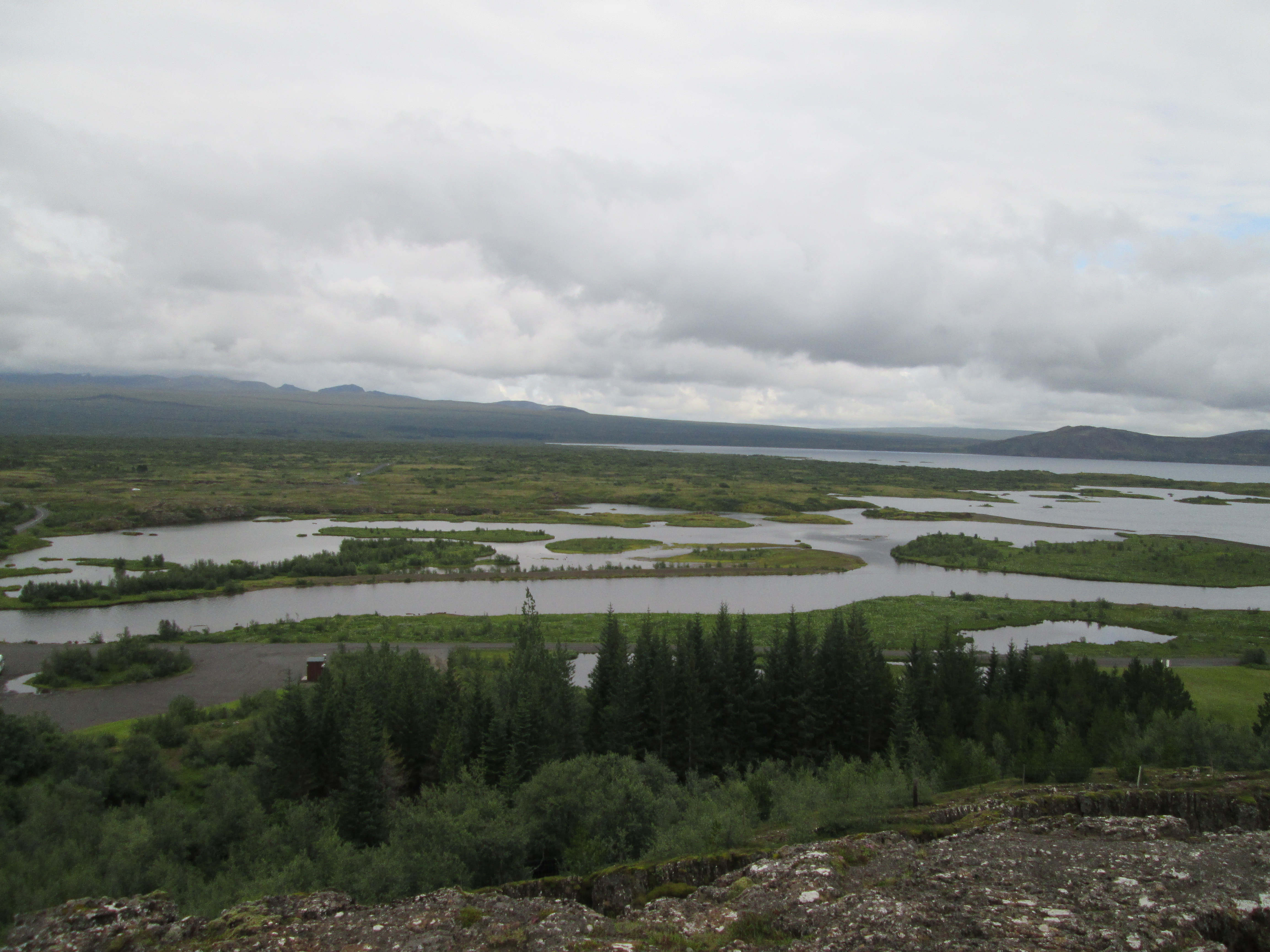
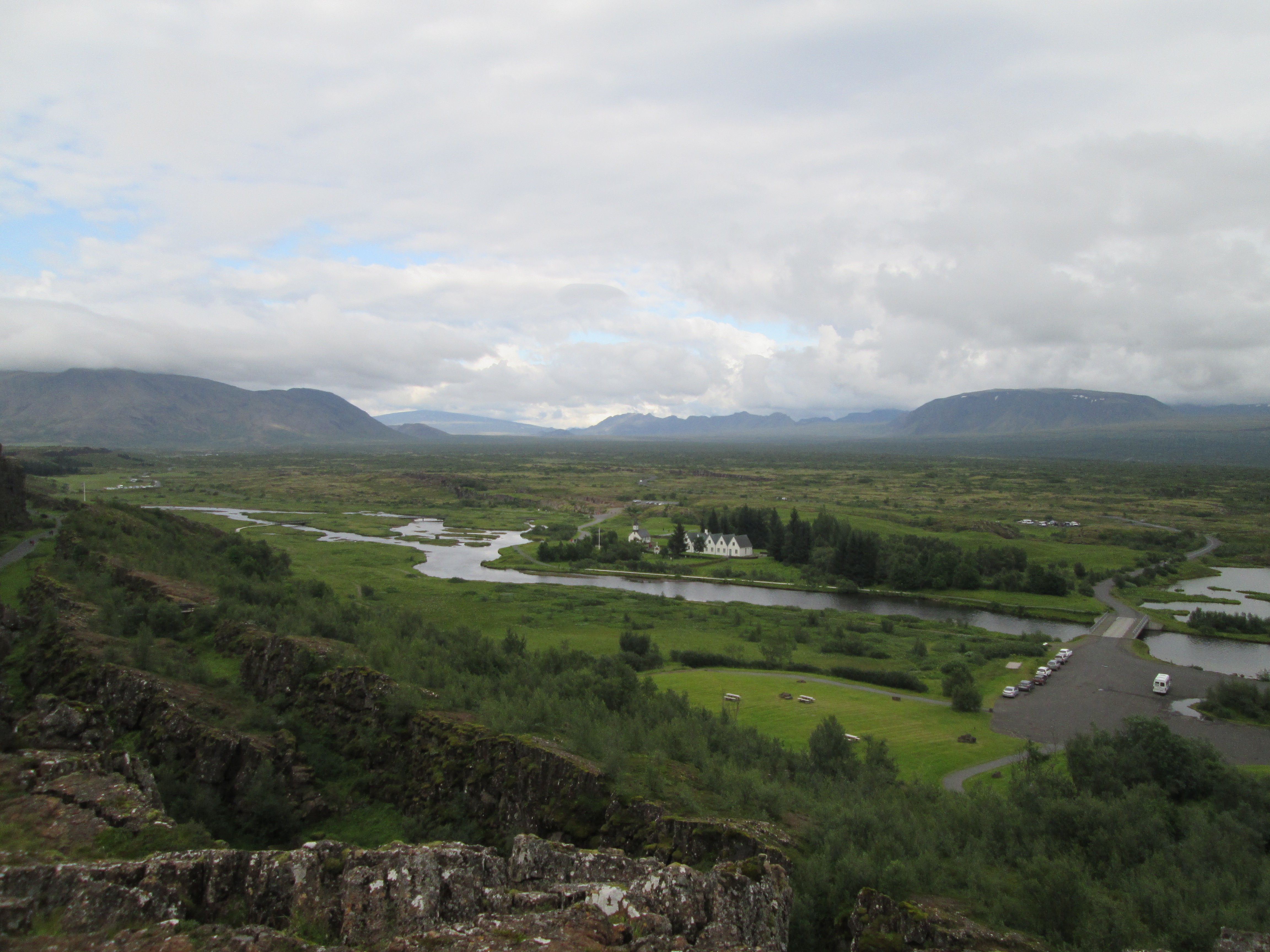
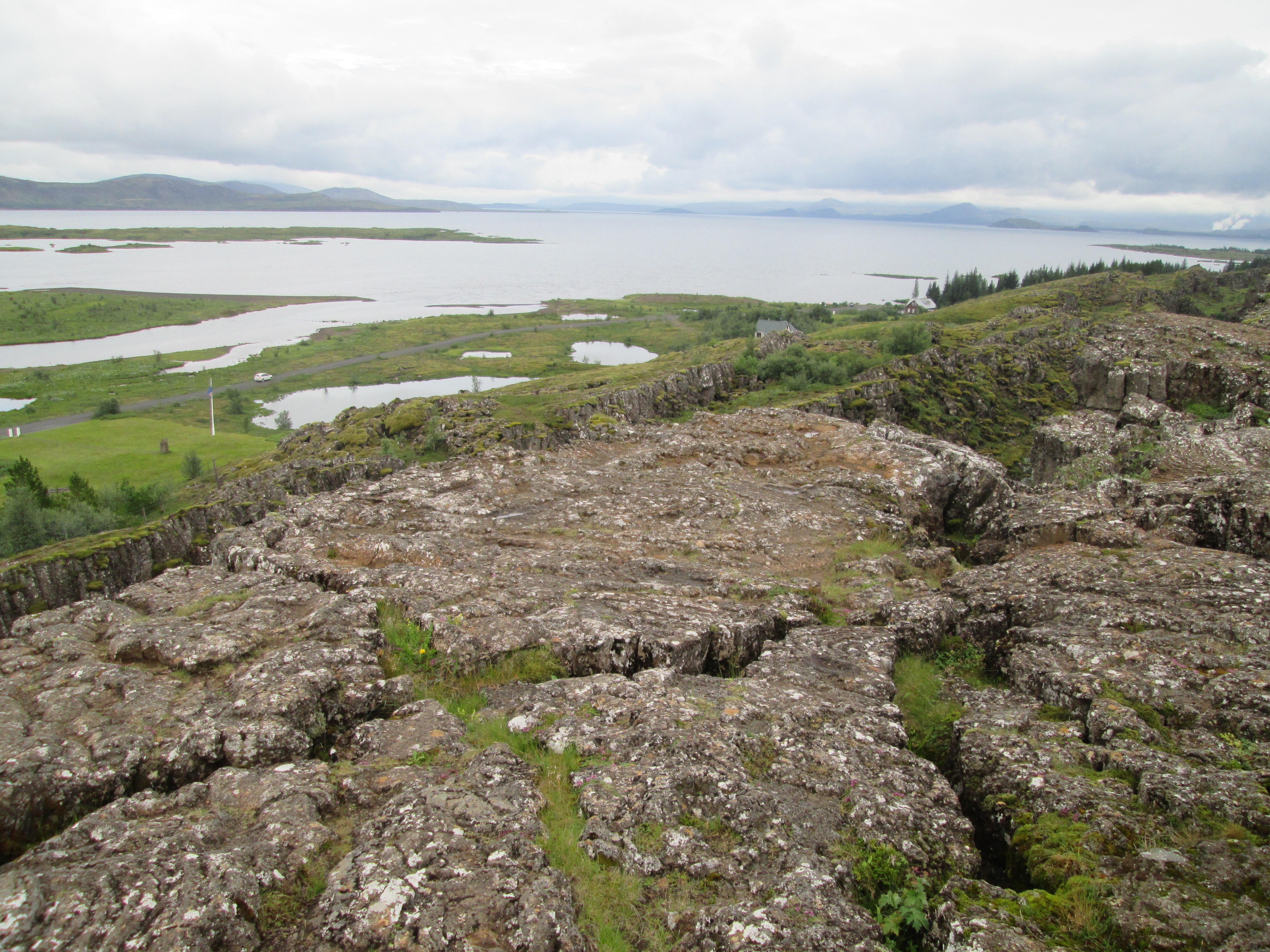
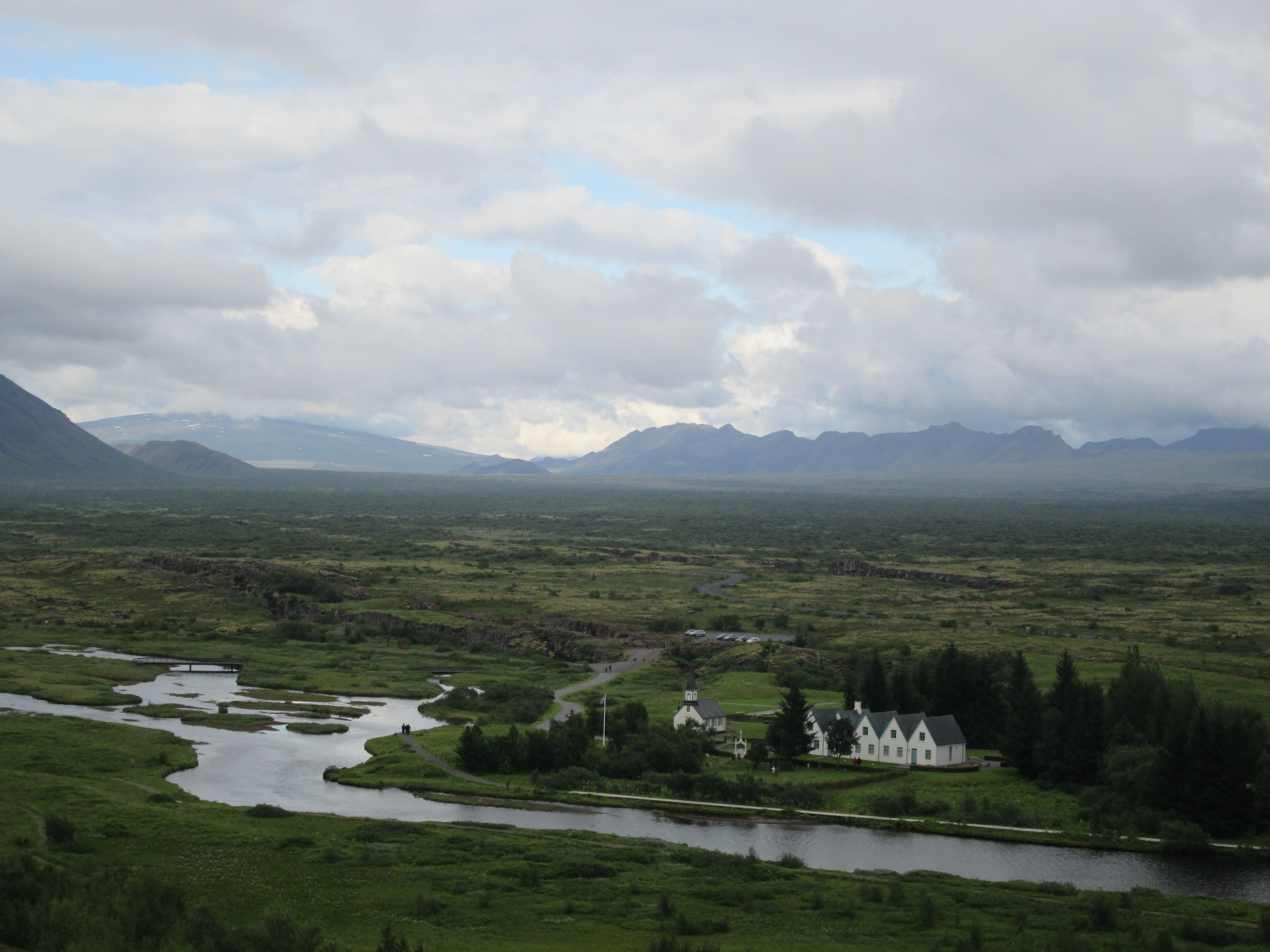
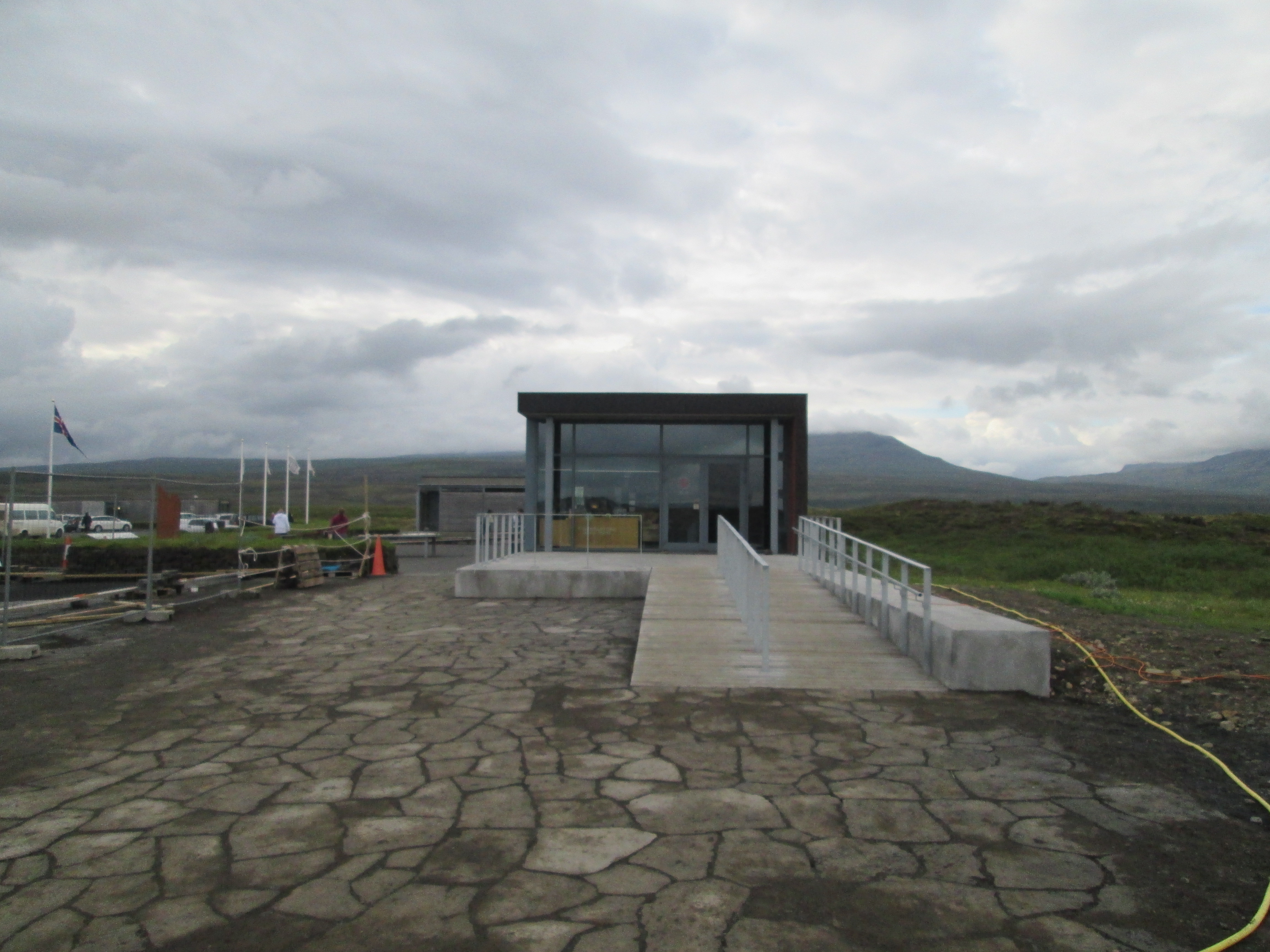
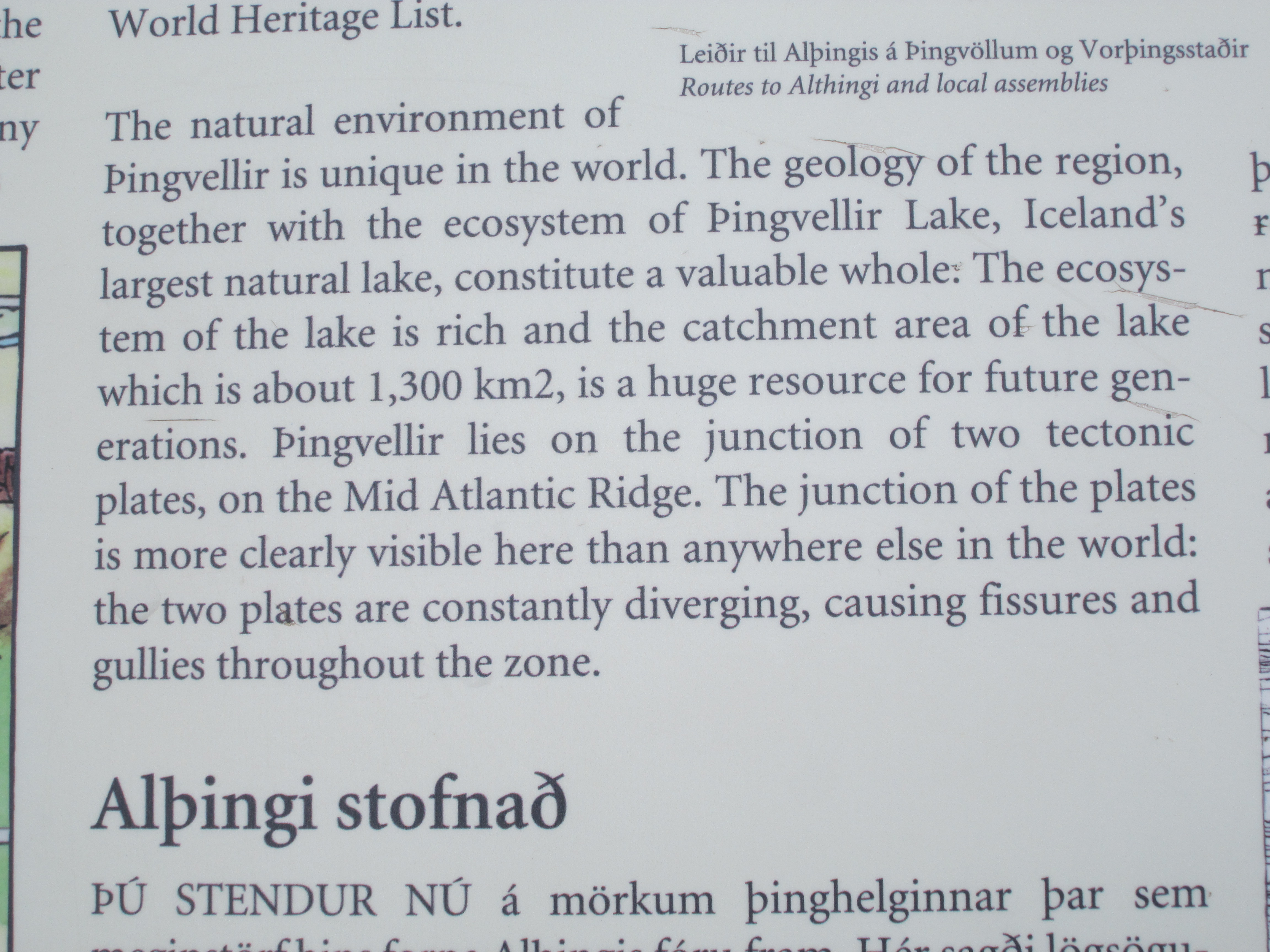
I had a quick bite to eat at a cafe and then it was time for my “Golden Circle Tour.”  This was a small van, with a driver who was also our guide.  First stop was Thingvellir National Park, where the great Atlantic rift is slowly pulling Iceland apart – and it is clearly visible.  Every year, Iceland expands by 1 centimeter in either direction.  “Soon,” our guide joked, “We will become a major world power.”  It was pretty amazing to see the rift and imagine the land moving, slowly but inexorably.

IMG_1493 IMG_1494 IMG_1496 IMG_1497 IMG_1495 IMG_1503 IMG_1507 IMG_1501

Thingvellir National Park is also the site of Iceland’s first Parliment in the year 930.  There are still ceremonial events held here.  It became a National Park in 1928 and there are numerous hiking trails and camp sites.  The rift has formed the largest natural lake in Iceland.  Many of the rifts are very deep and have incredibly clear water, making them popular with SCUBA divers.  The width of the little gift shop is supposed to show how far the plats have moved apart in the last 1,000 years.

IMG_1498 IMG_1500 IMG_1508IMG_1510

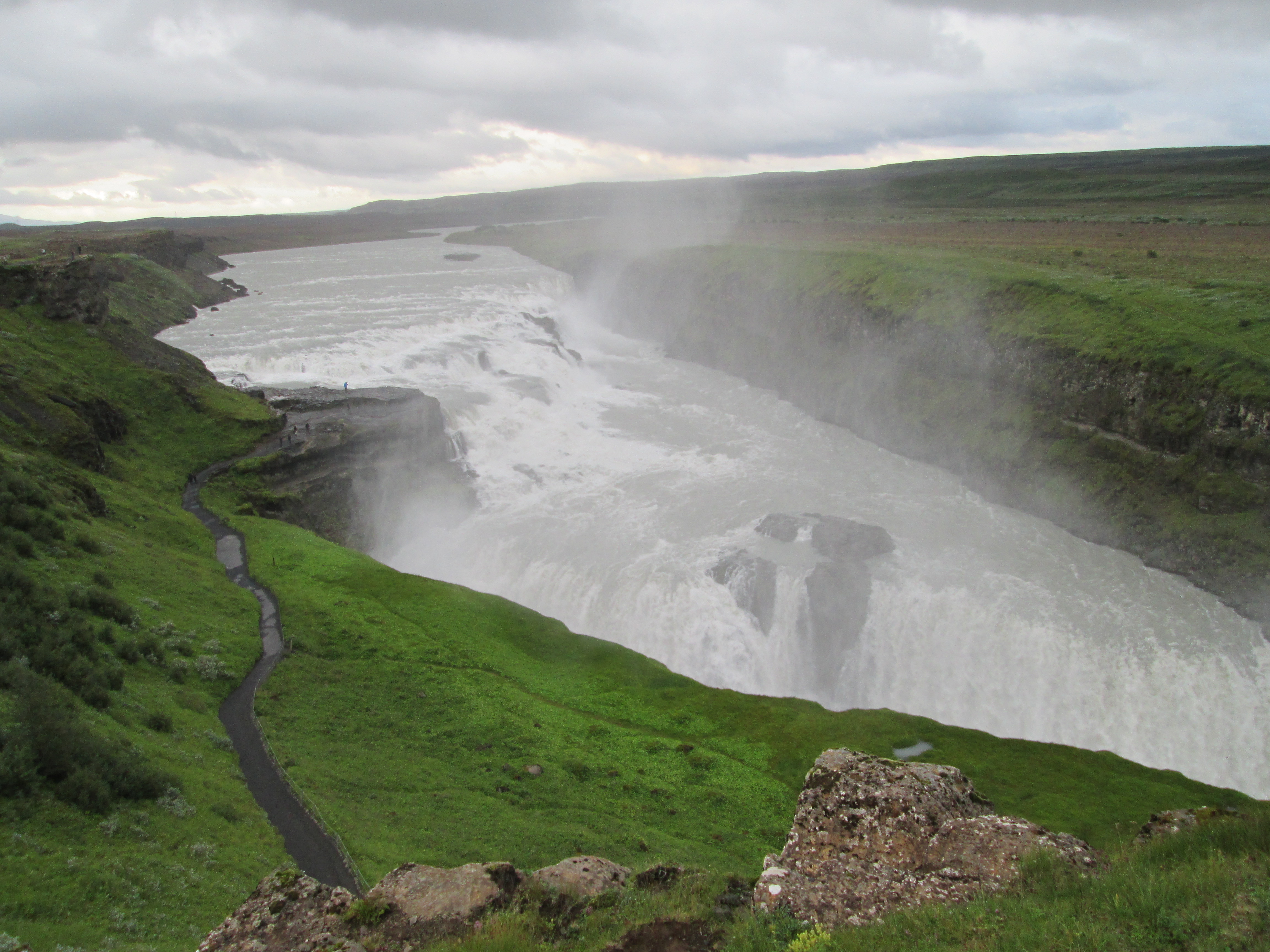
The next stop was Gullfoss Waterfall (meaning “Golden Falls.”)  This was stunningly beautiful, with an interesting history. .

During the first half of the 20th century,  there was much speculation about using Gullfoss to generate electricity. During this period, the waterfall was rented indirectly by its owners, Tómas Tómasson and Halldór Halldórsson, to foreign investors. However, the investors’ attempts were unsuccessful, partly due to lack of money. The waterfall was later sold to the state of Iceland. Even after it was sold, there were plans to utilize Hvítá, which would have changed the waterfall forever. This was not done, and now the waterfall is protected.

Sigríður Tómasdóttir, the daughter of Tómas Tómasson was determined to preserve the waterfall’s condition and even threatened to throw herself into the waterfall. A stone memorial to Sigriður, located above the falls, depicts her (rather severe) profile and the story is that she actually saved the waterfall…although this may not be entirely true.  There are paths built so you can walk along the top of the falls and steps to climb lower down.  By this time, the sun was trying to appear and it was really a spectacular sight.

IMG_1545 IMG_1544 IMG_1543 IMG_1542 IMG_1541 IMG_1535

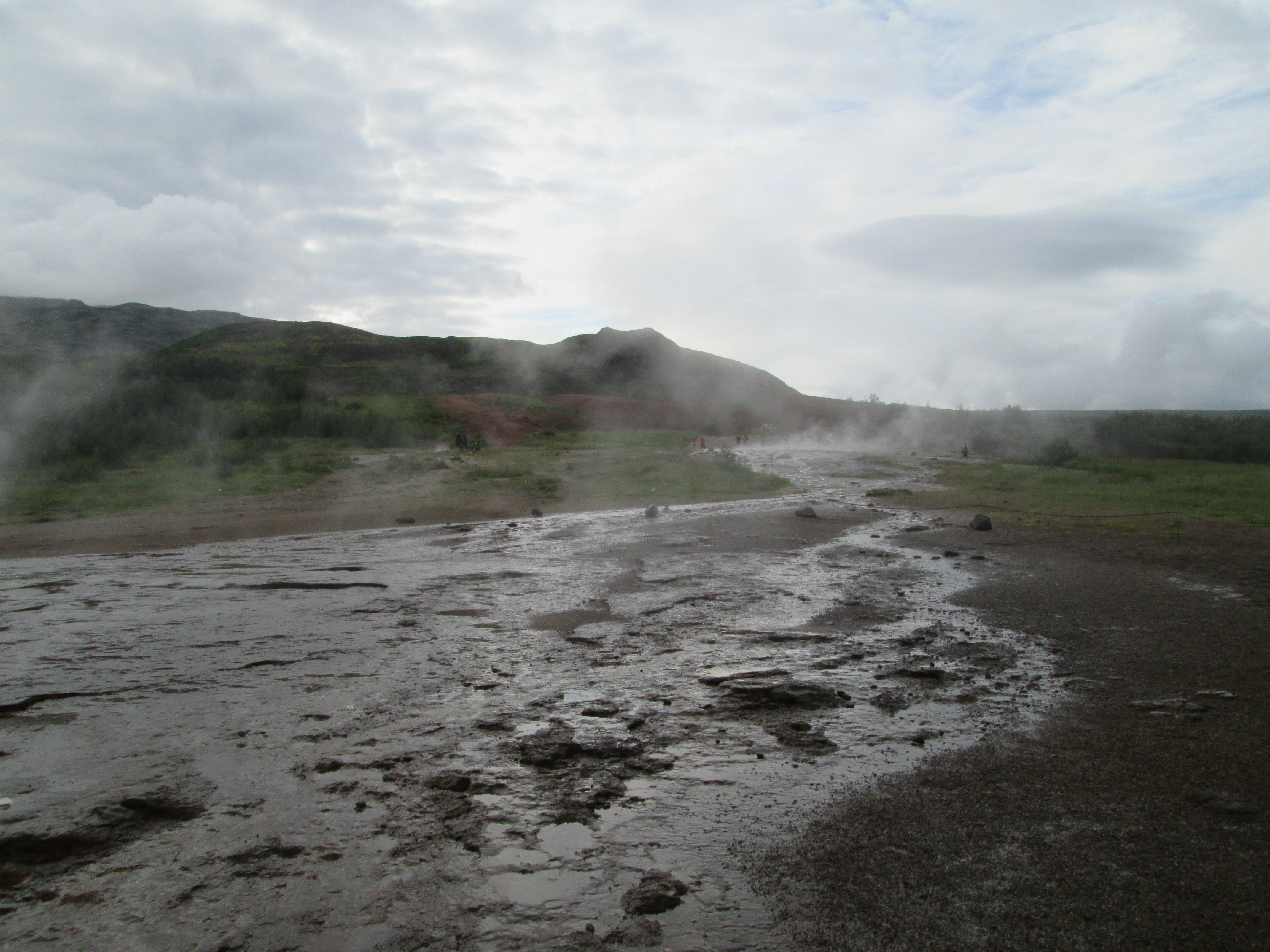
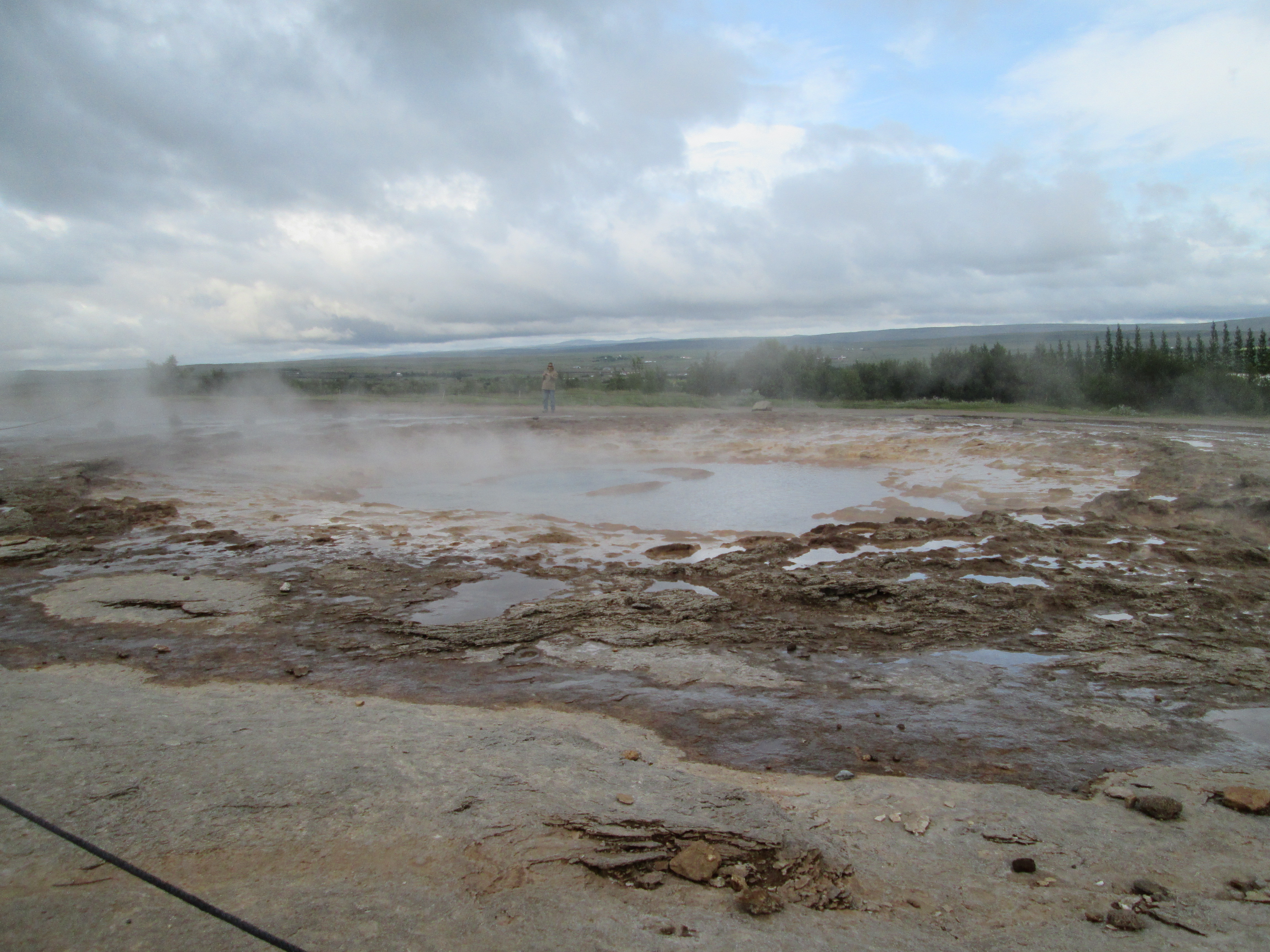
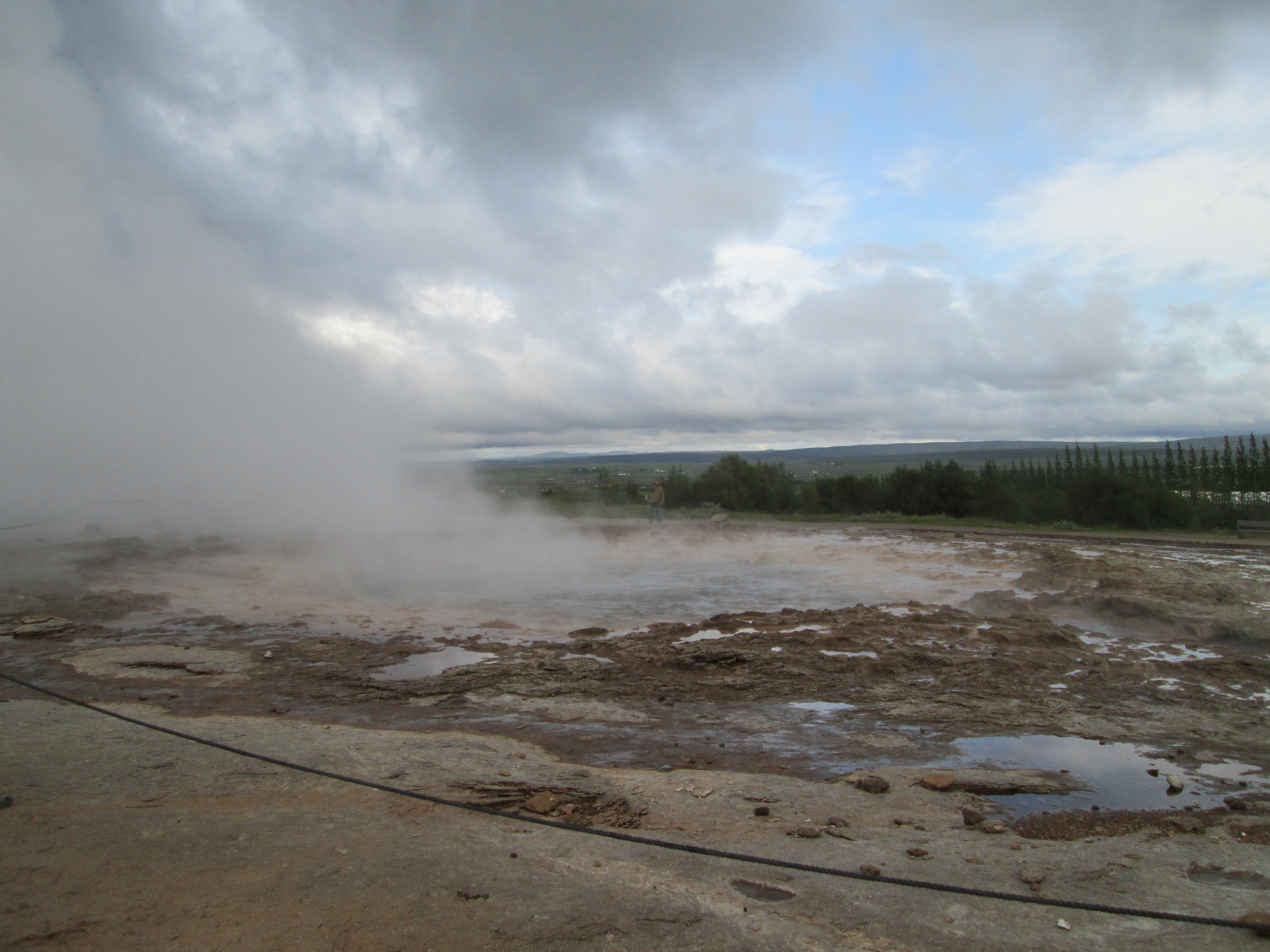
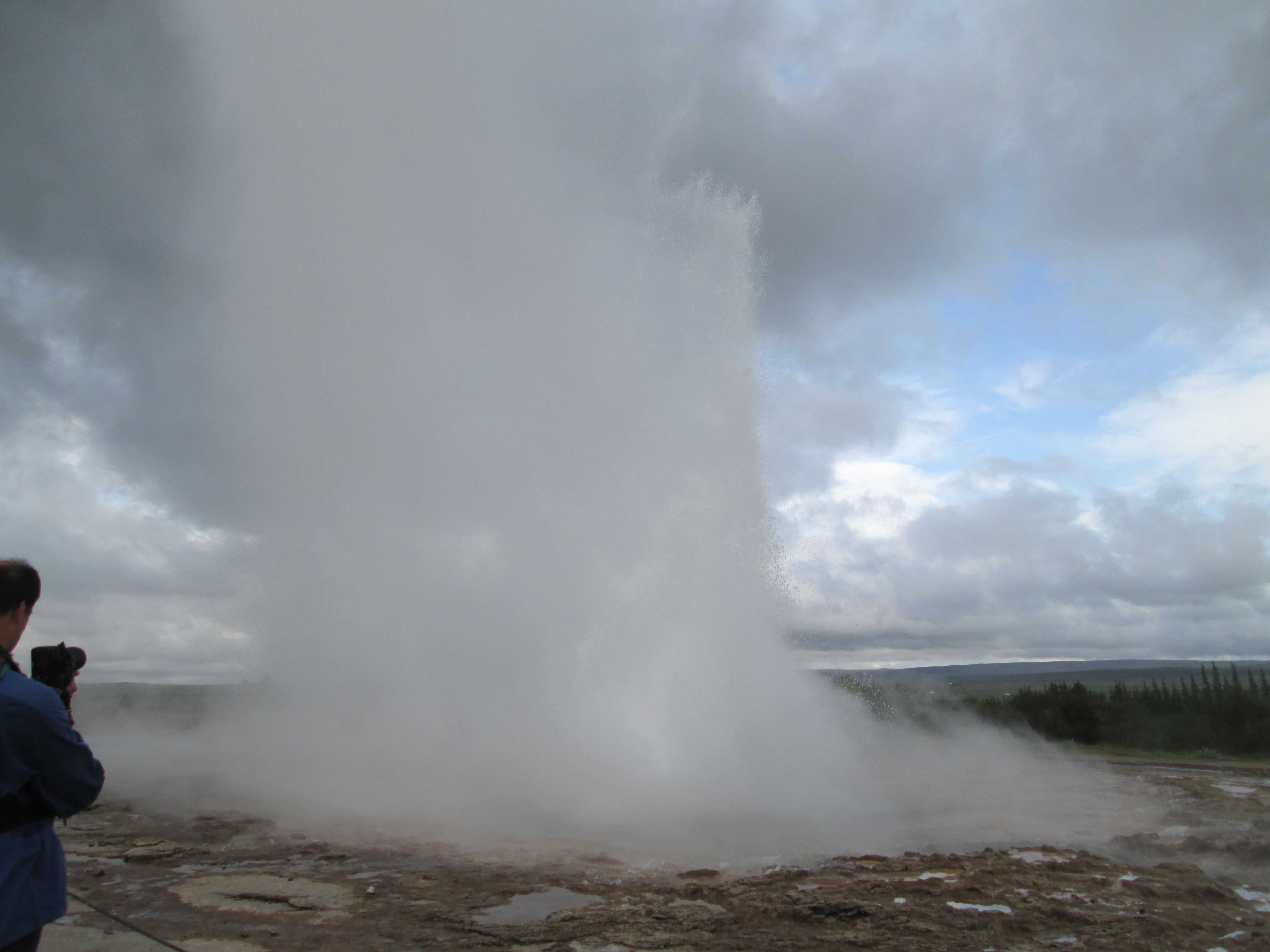
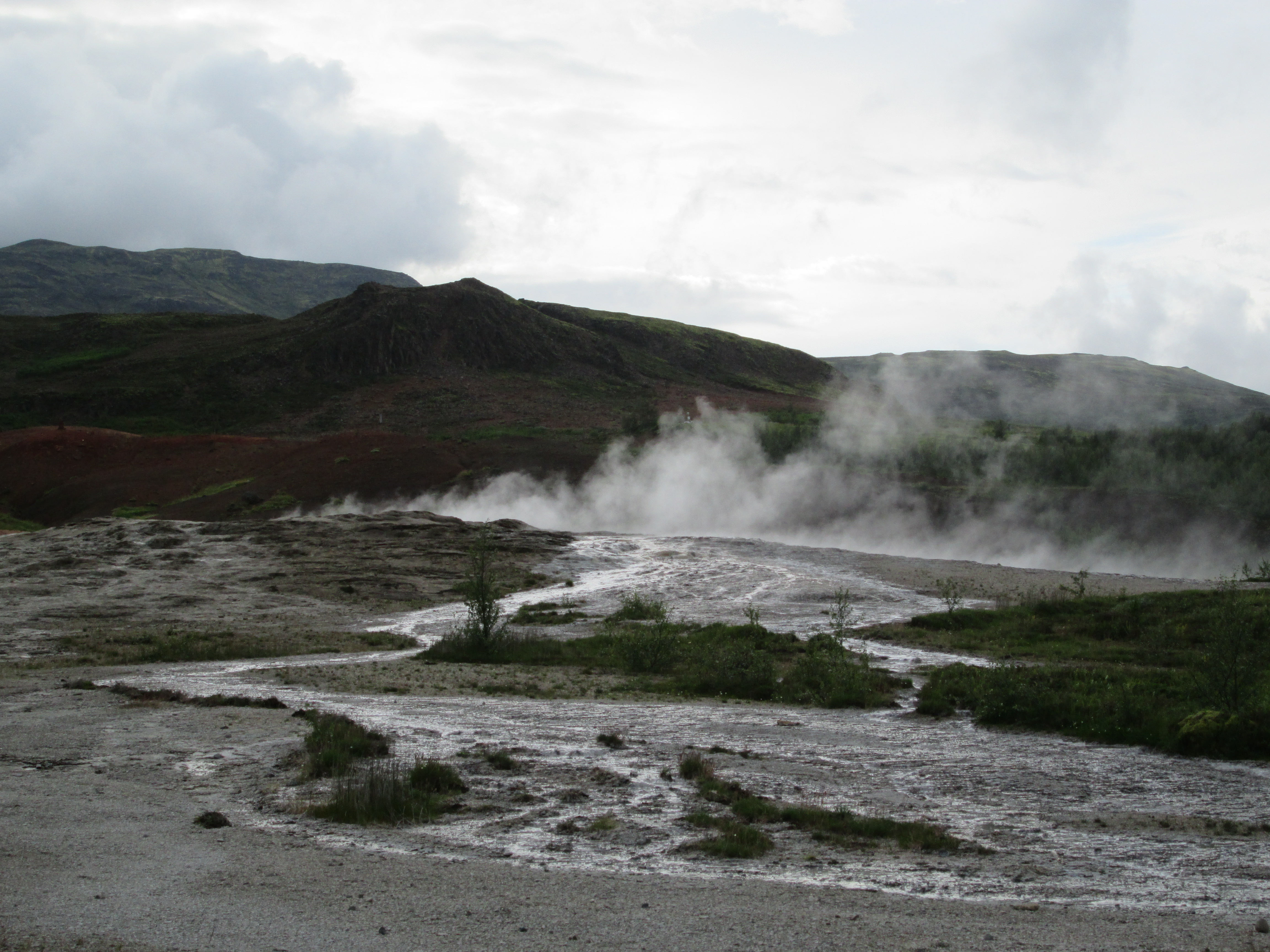
Finally, we arrived at the Great Geysir (pronouced “geezer.”)  This was the first geyser described in a printed source and the first known to modern Europeans. The name Geysir itself is derived from the Icelandic word “geysa” which means “to gush”, the verb from Old Norse.  There were actually several geysers, some more “regular” than others.  Most of them had names. You could smell the sulphur and feel the heat from the steam rising out of the ground.  We were warned not to get to close to the active ones. There were several pools of hot water that were almost unbelievably blue.  It was pretty cool.

IMG_1528 IMG_1526 IMG_1524 IMG_1523 IMG_1522 IMG_1521 IMG_1520 IMG_1519 IMG_1517 IMG_1516 IMG_1515 IMG_1514 IMG_1512 IMG_1511

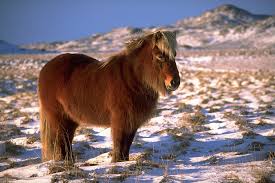
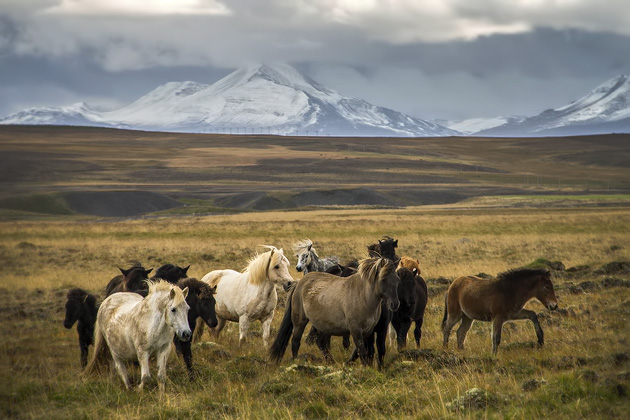
We were able to have a bite to eat at the cafe there and then it was time to head back.  The sky was still very light and the scenery was stunning.  We passed several herds of Icelandic “ponies” (although they call them “horses” – there is no word for “pony” in Icelandic.)  These are sturdy little creatures who can be trained not only to walk, trot and canter/gallop, but also to do an ambling gait called a “tölt” and a fast paced called a “flugskeið” or “flying gait.”  Up until relatively recently, there were no roads outside the city and these horses were the primary means of transportation.  They come in many colors and in the winter, they grow long, wooly coats. They still play a large part in Icelandic life.   (These pictures are from the internet…I was not able to get close enough to take any good pictures of the horses!)

winter horse horse Wild Icelandic Horses horse 1

I was sorry to leave Iceland after such a short visit.  I plan to return when I can have a more leisurely trip (and visit the Penis Museum…)

And then, I was off to London!

Dar and Durban

Standard
Dar and Durban

It’s hard to believe that I’ve been in Zambia for almost a year.  Tonight I fly back to NYC for 4 weeks of vacation…and then I’ll return at the end of July via Iceland and London!

mschoralgroup

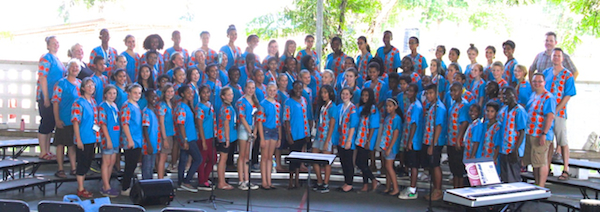
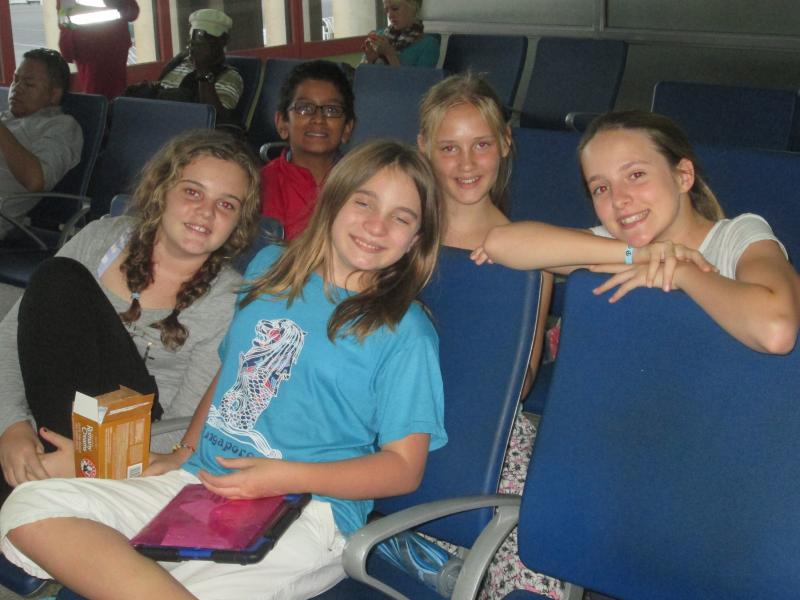
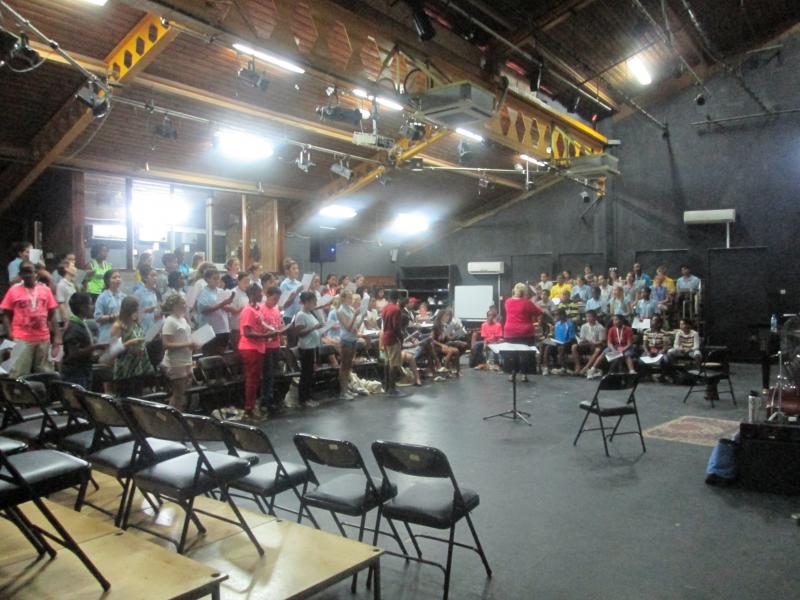
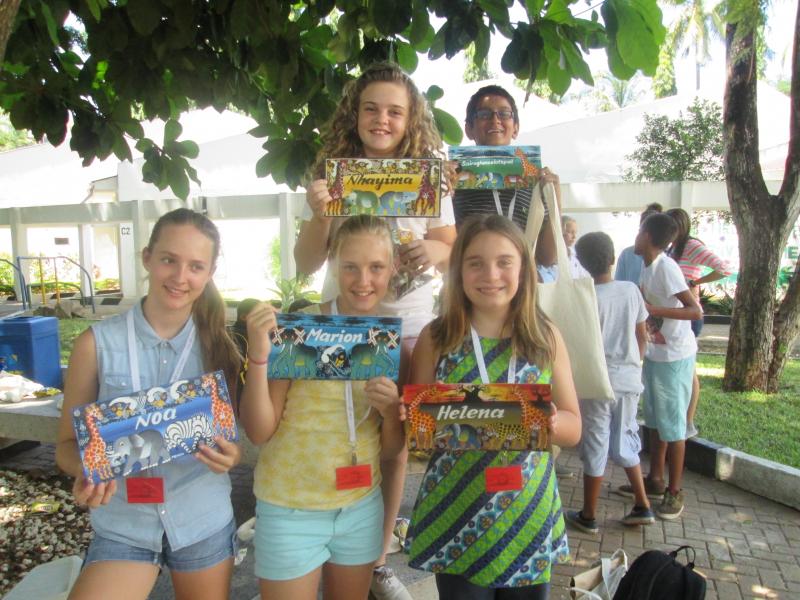
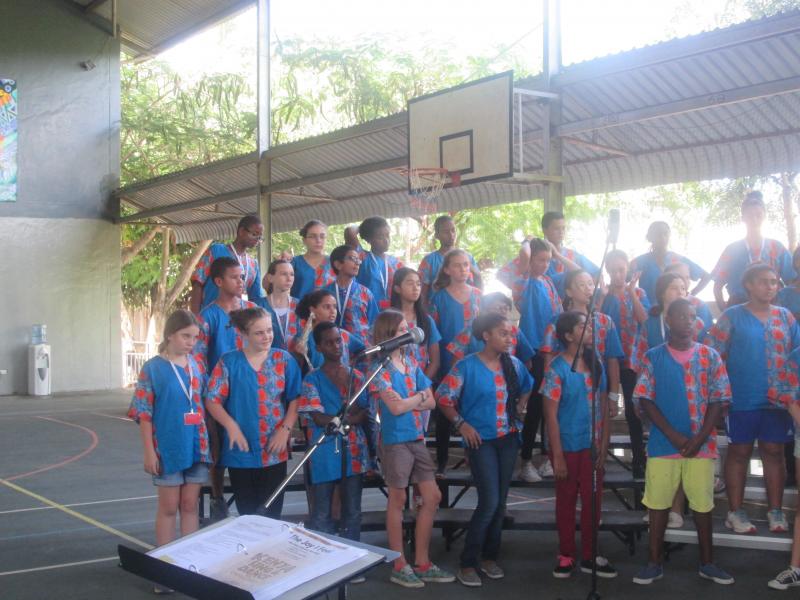
At the end of April, we took a small group of middle school students to Dar es Salaam for a choir festival.  They were very excited about the trip, as none of them had ever been on a plane without their parents before!

IMG_0634 IMG_0633 IMG_0626 IMG_0625


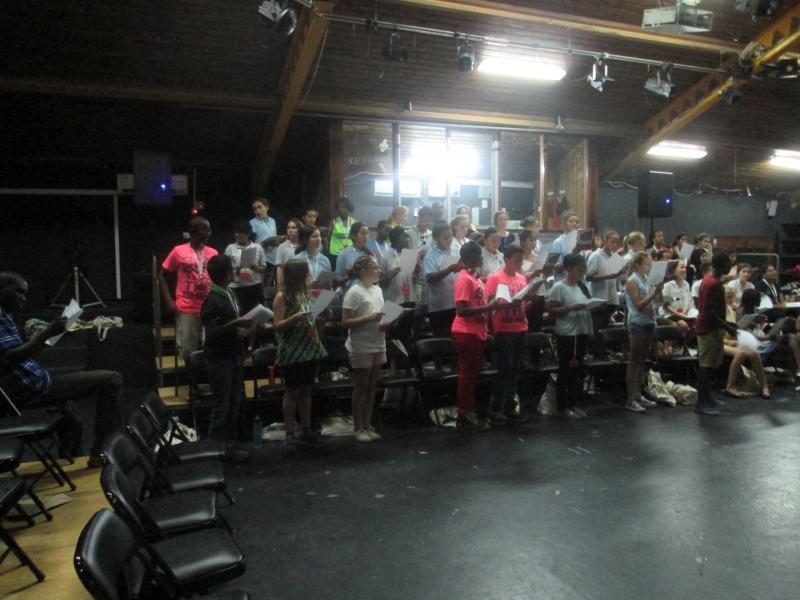
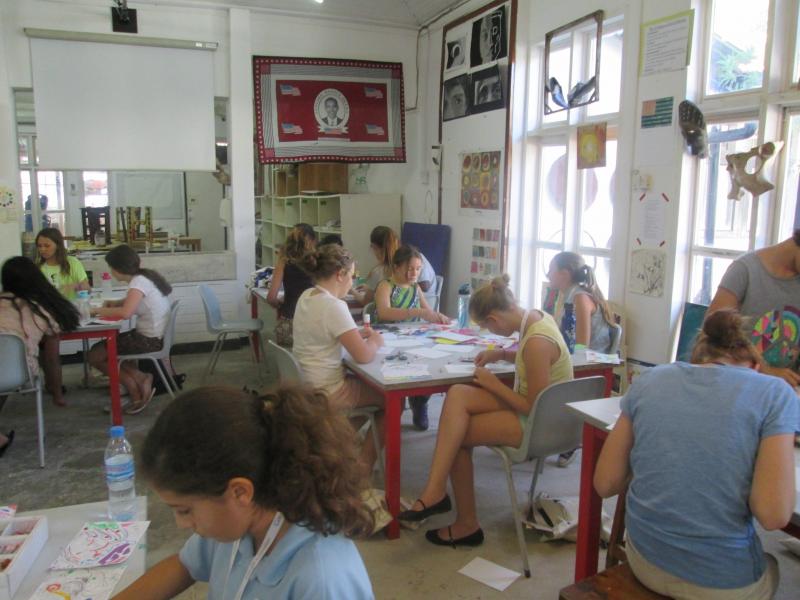
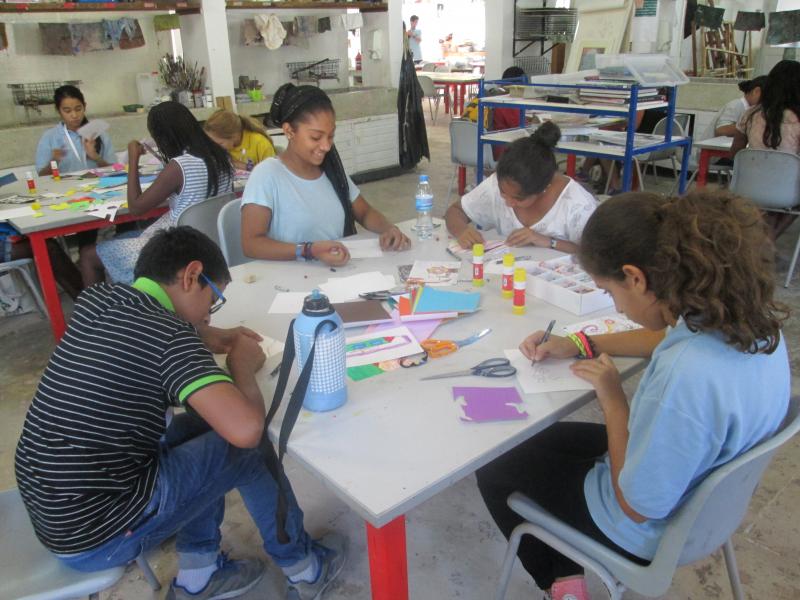
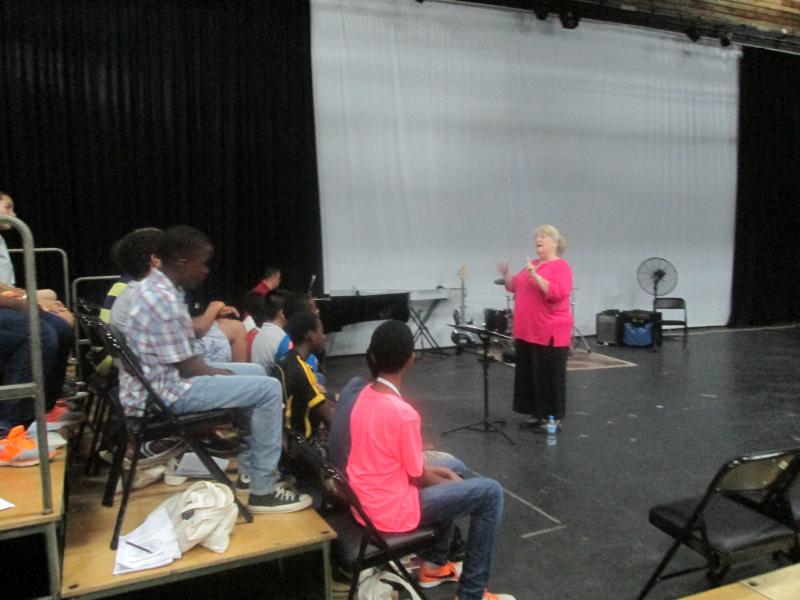
This was the first real “East African Middle School Choir Fest” and they had imported a conductor and music educator from the University of Florida.  She was terrific and really knew how to work with the kids to build their confidence and get them sounding good.  Six different schools were represented. There were also workshops in drumming, dance and art.

IMG_0685 IMG_0687 IMG_0688 IMG_0696 IMG_0706 IMG_0697 IMG_0680 IMG_0669 IMG_0663 IMG_0656 IMG_0652


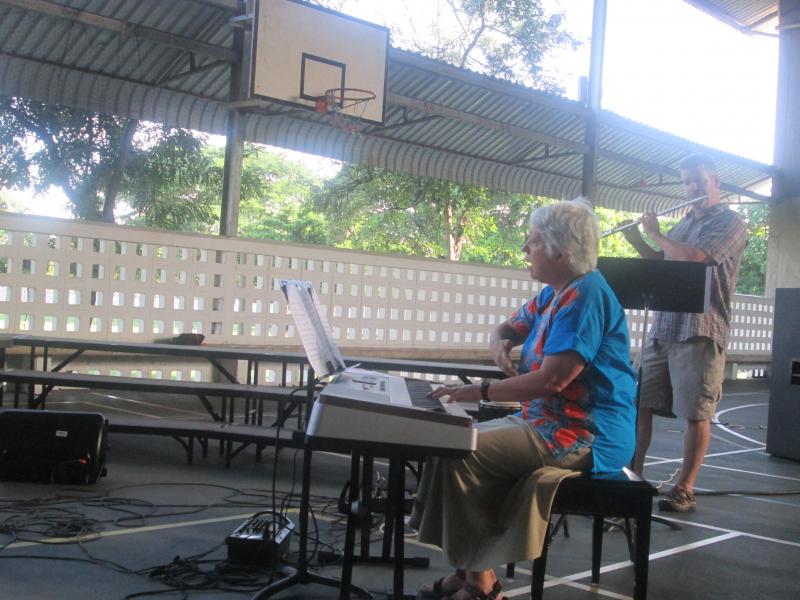
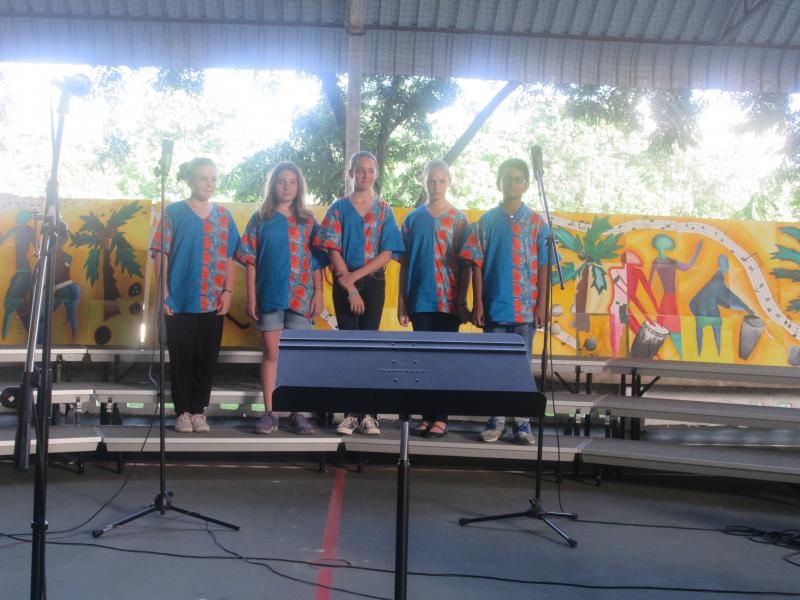
At the concert, each school performed separately before the large choir took the stage.  My 5 kids did a great job!  We sang a Russian folk song called “The Little Birch Tree” and the other teacher who came with us accompanied us on the flute.

IMG_0734 IMG_0732 IMG_0722 IMG_0719 IMG_0712 IMG_0743 IMG_0739


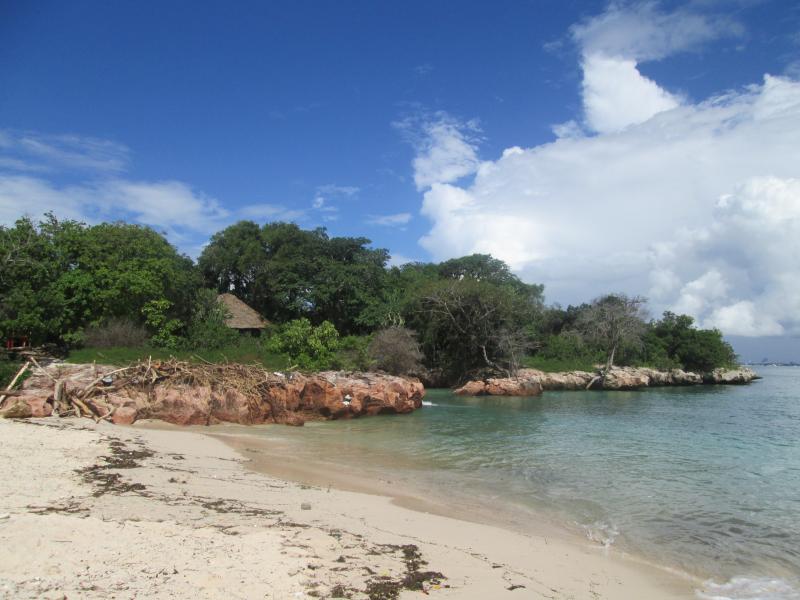
I found Dar es Salaam to be almost intolerably hot and humid.   However, on the last day, we went to Boyongo Island – a national park.  The water was crystal clear and it was beautiful.

IMG_0748 IMG_0758 IMG_0777 IMG_0769 IMG_0757 IMG_0779 IMG_0760


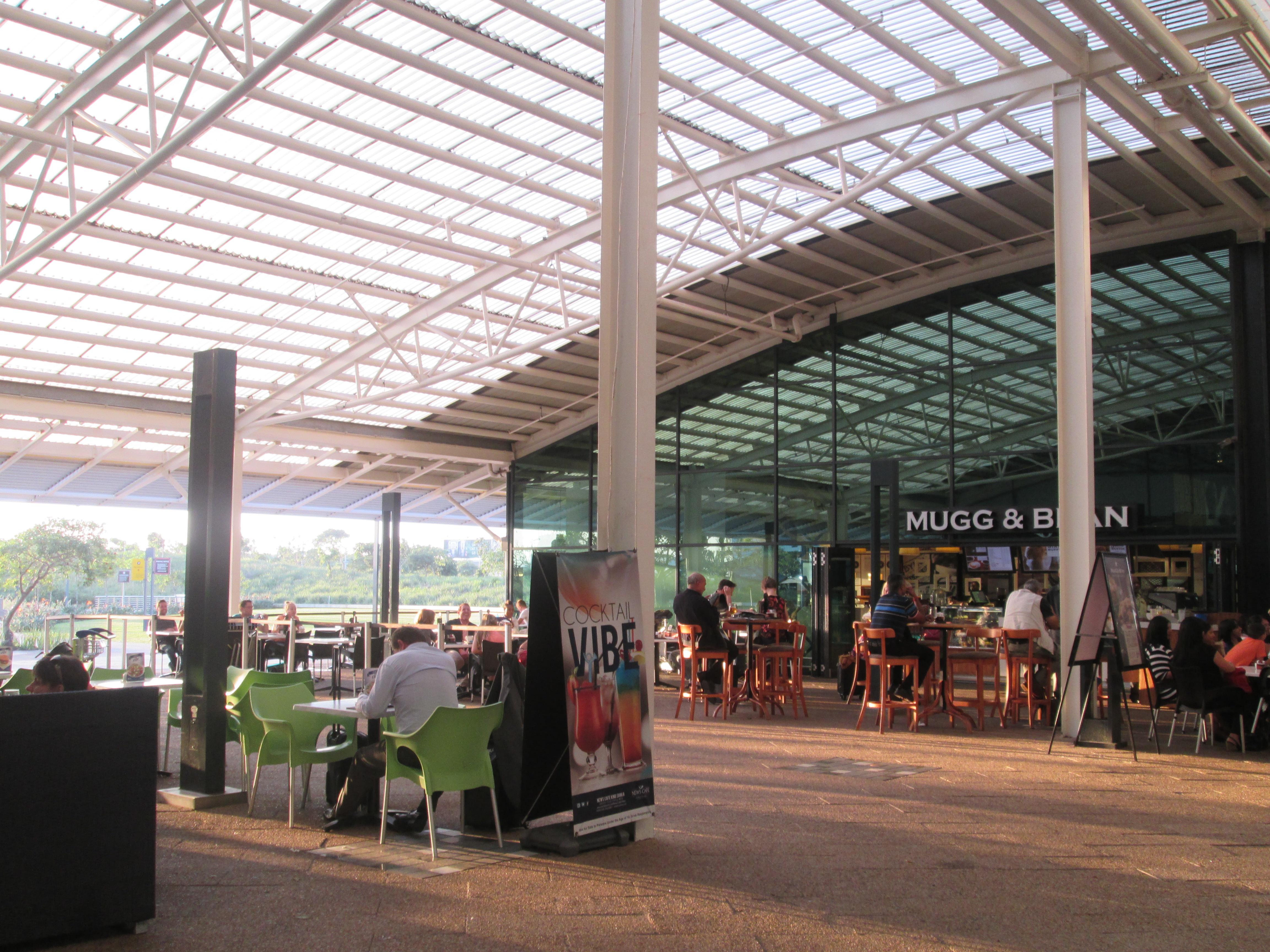
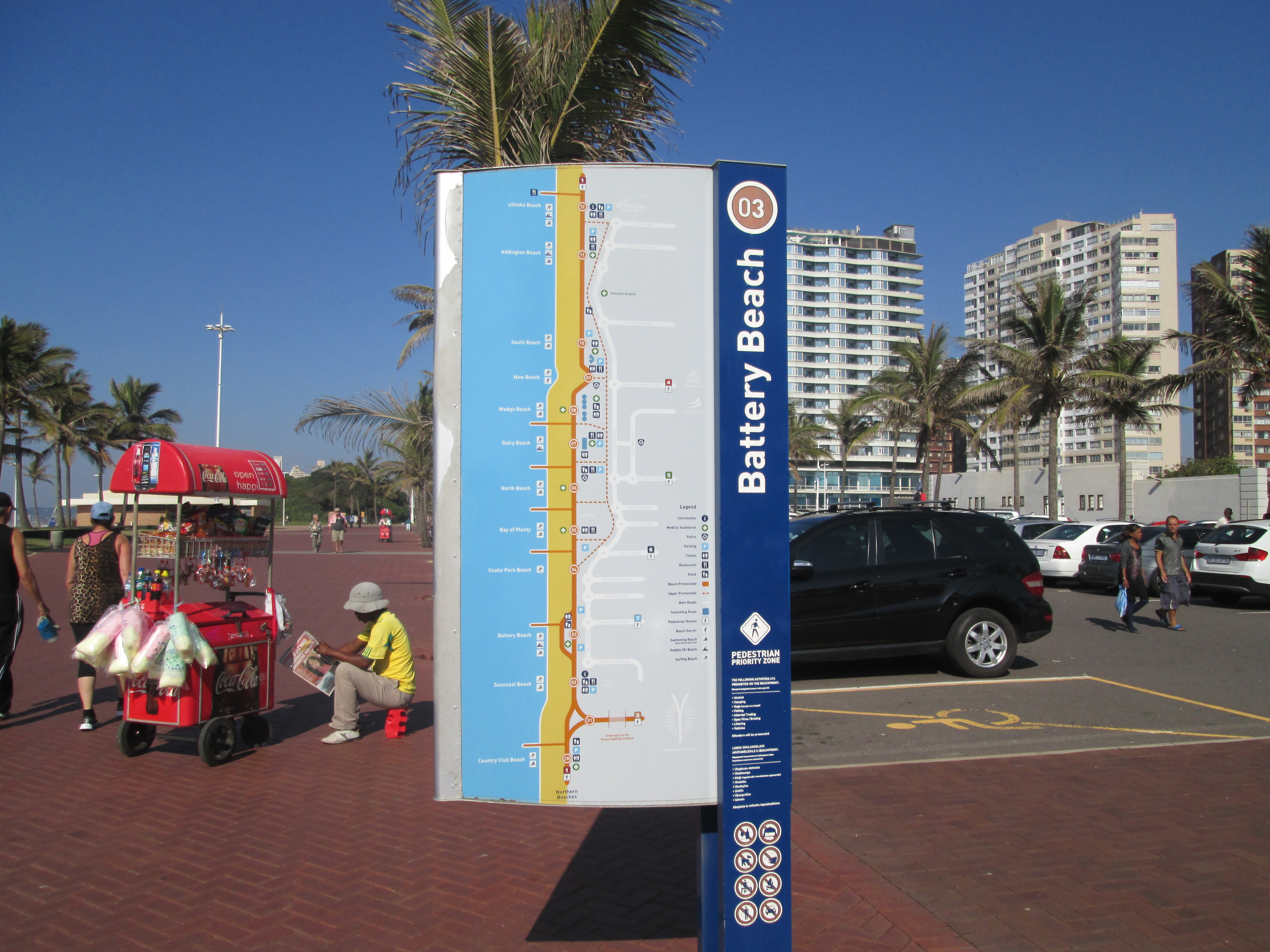
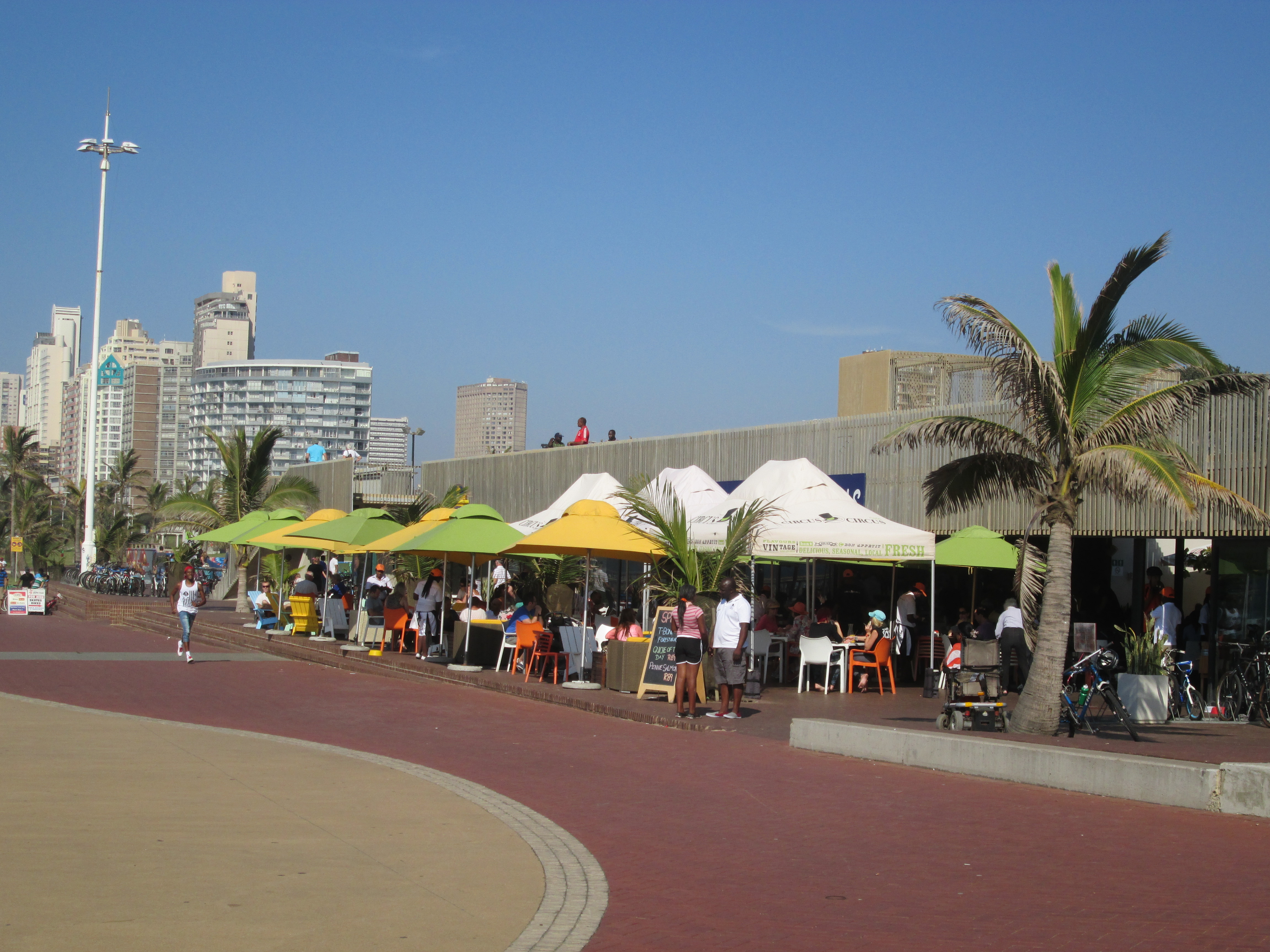
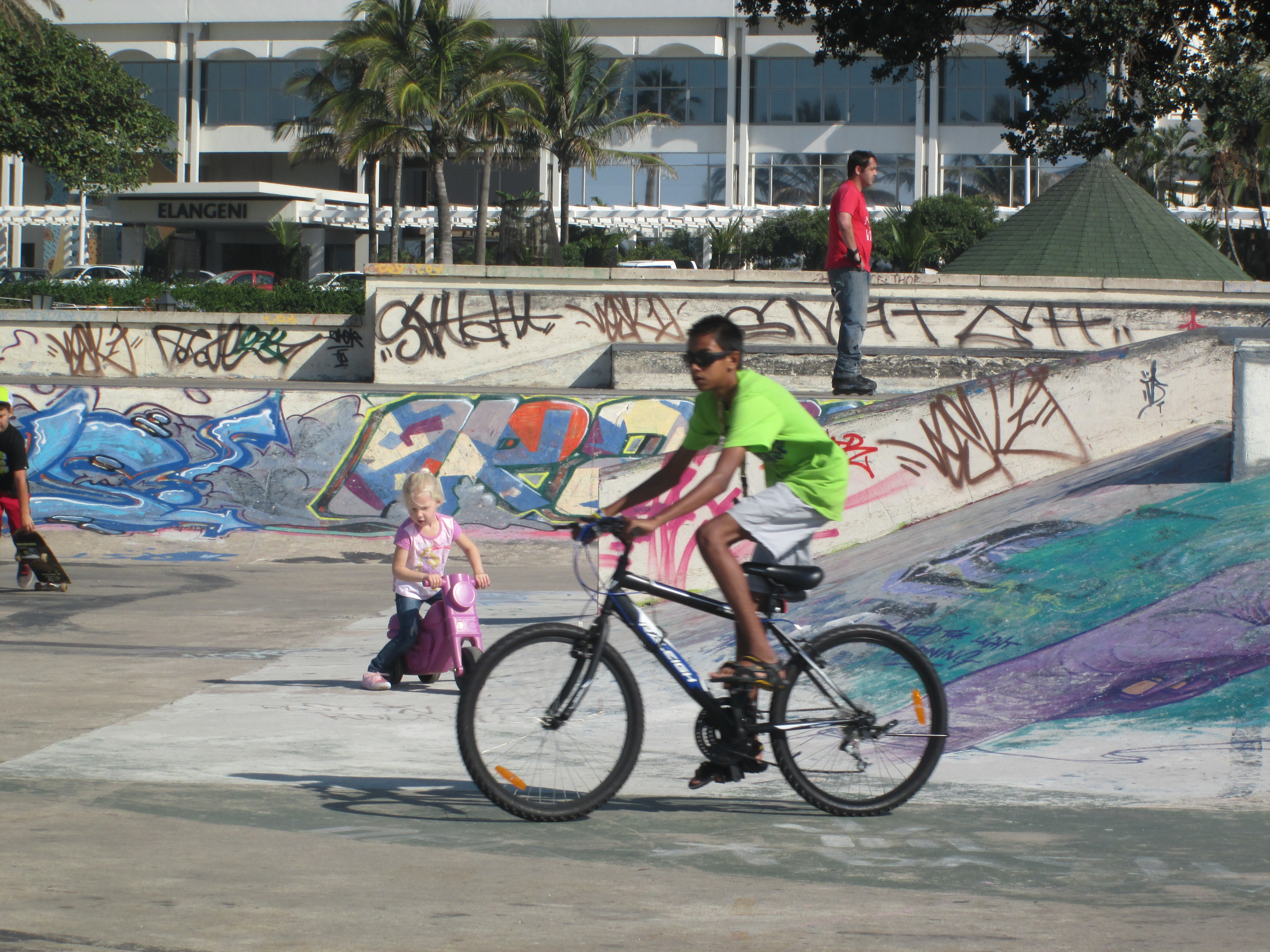
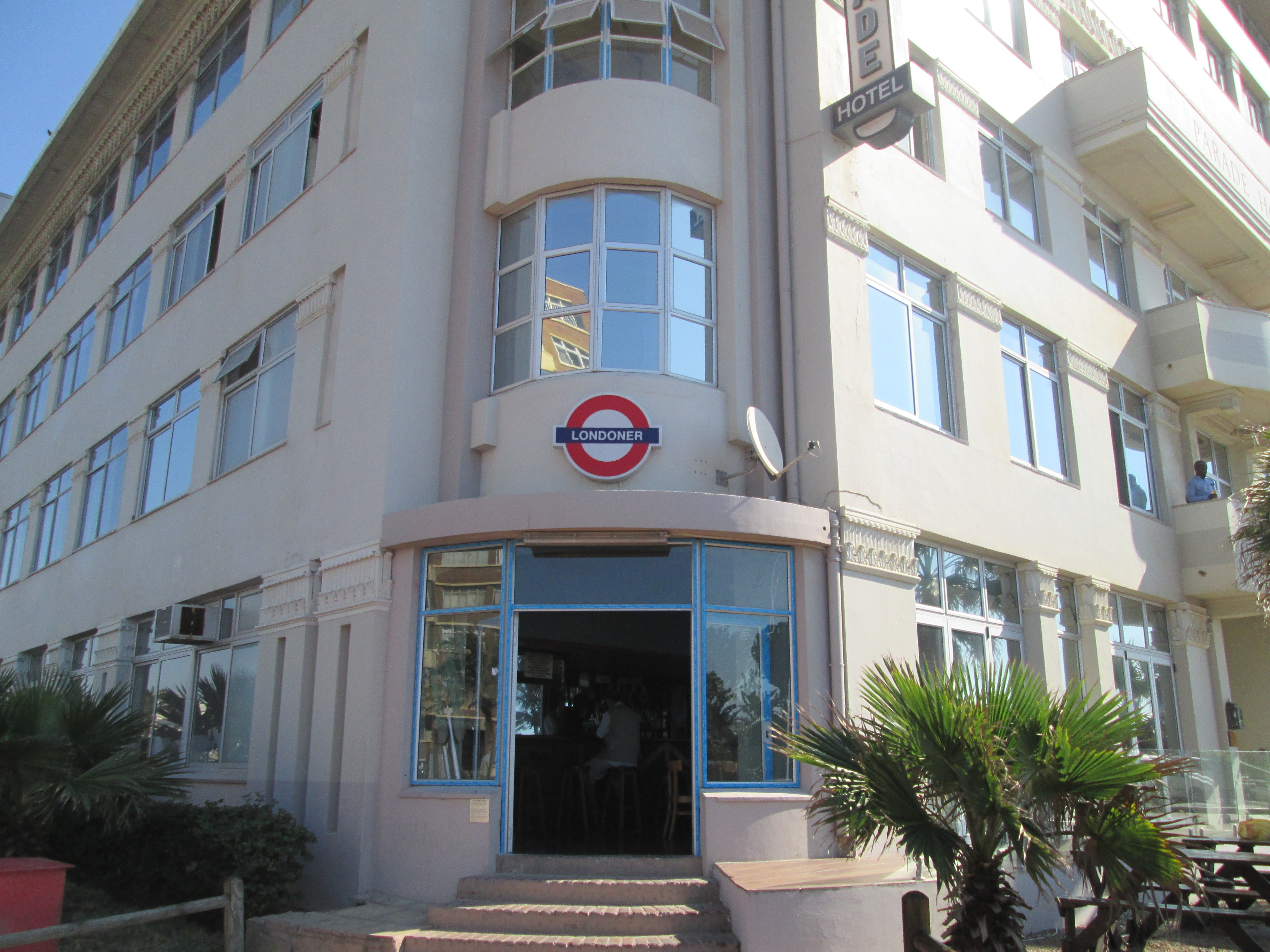
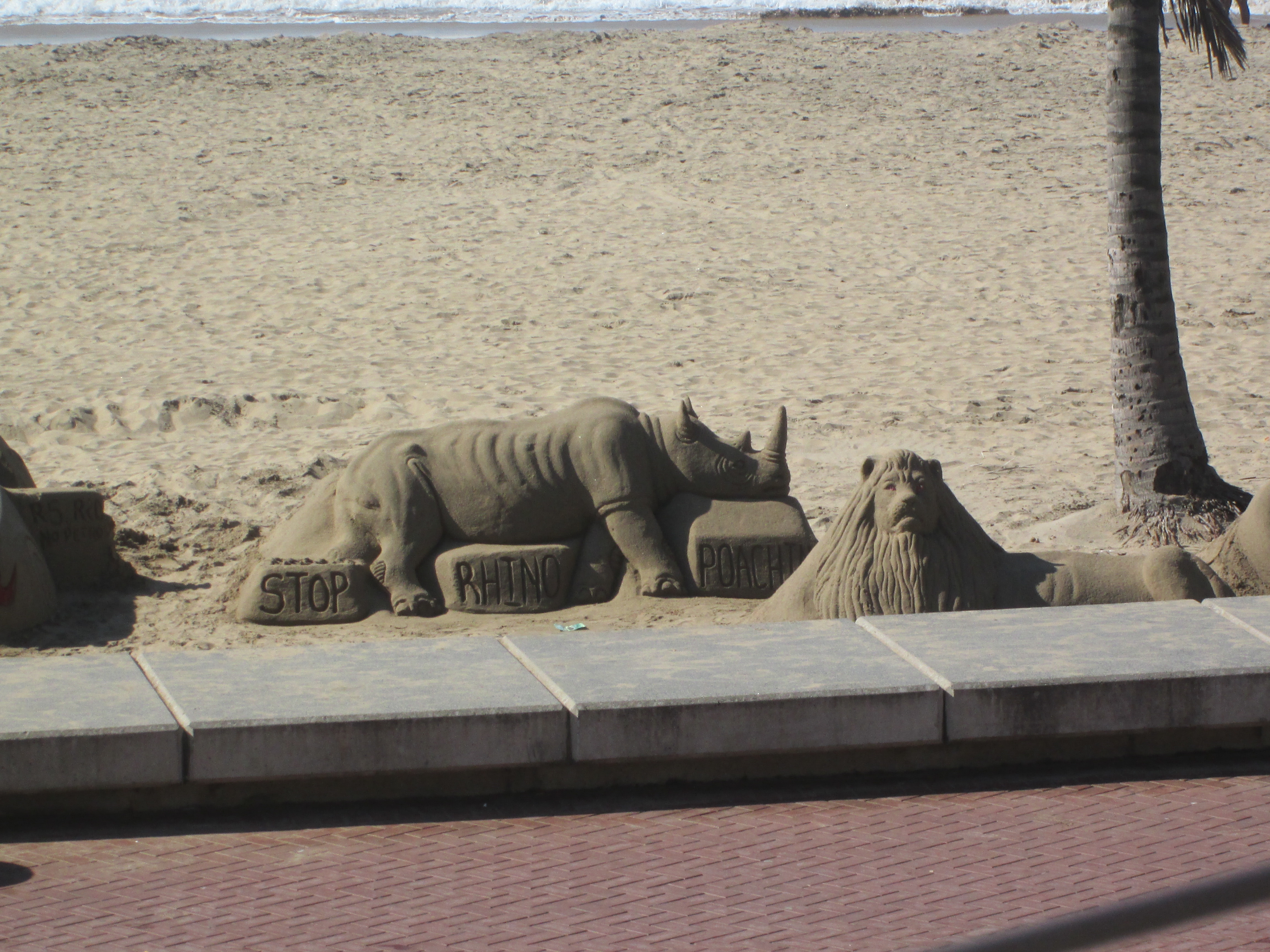
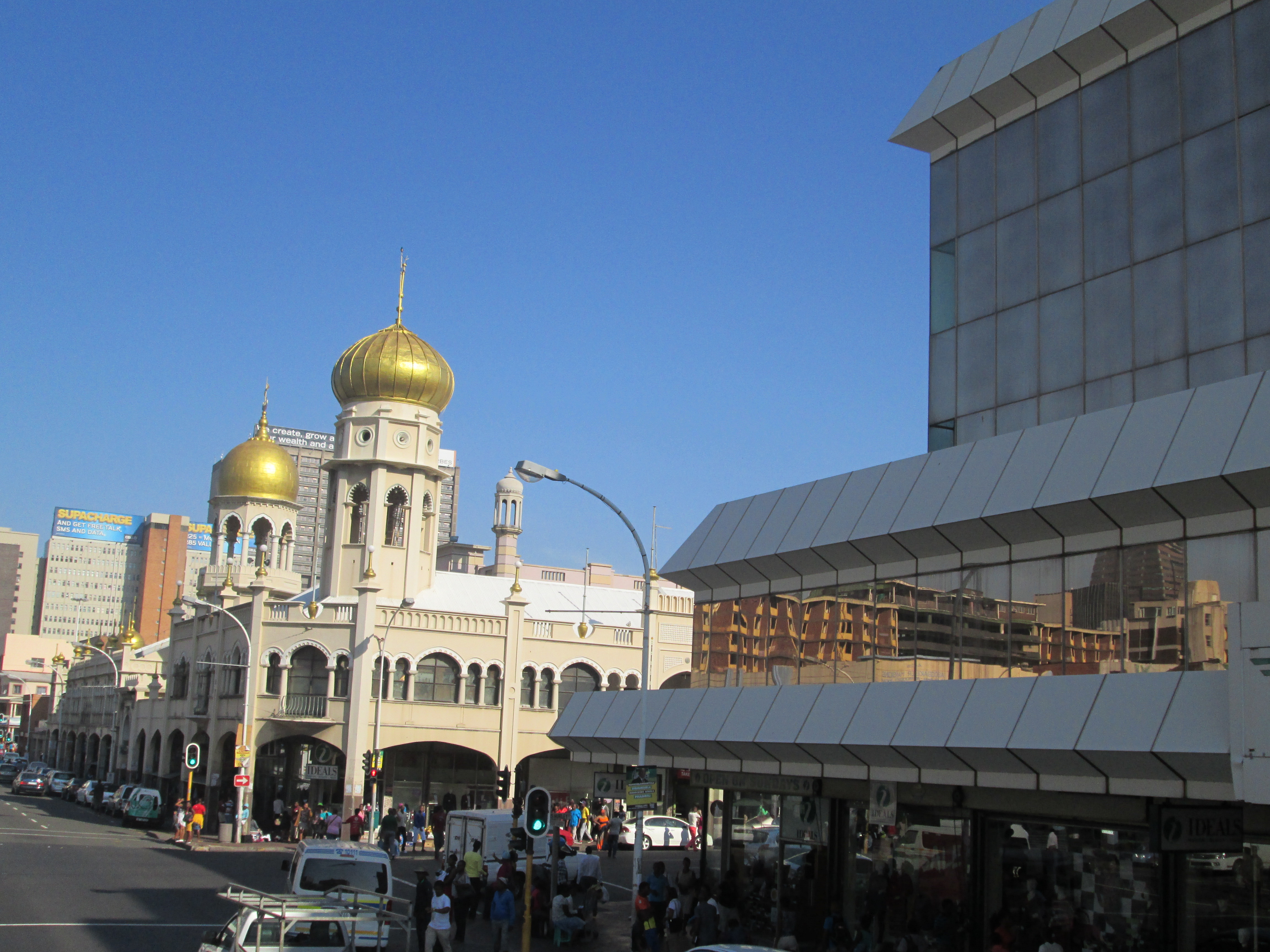
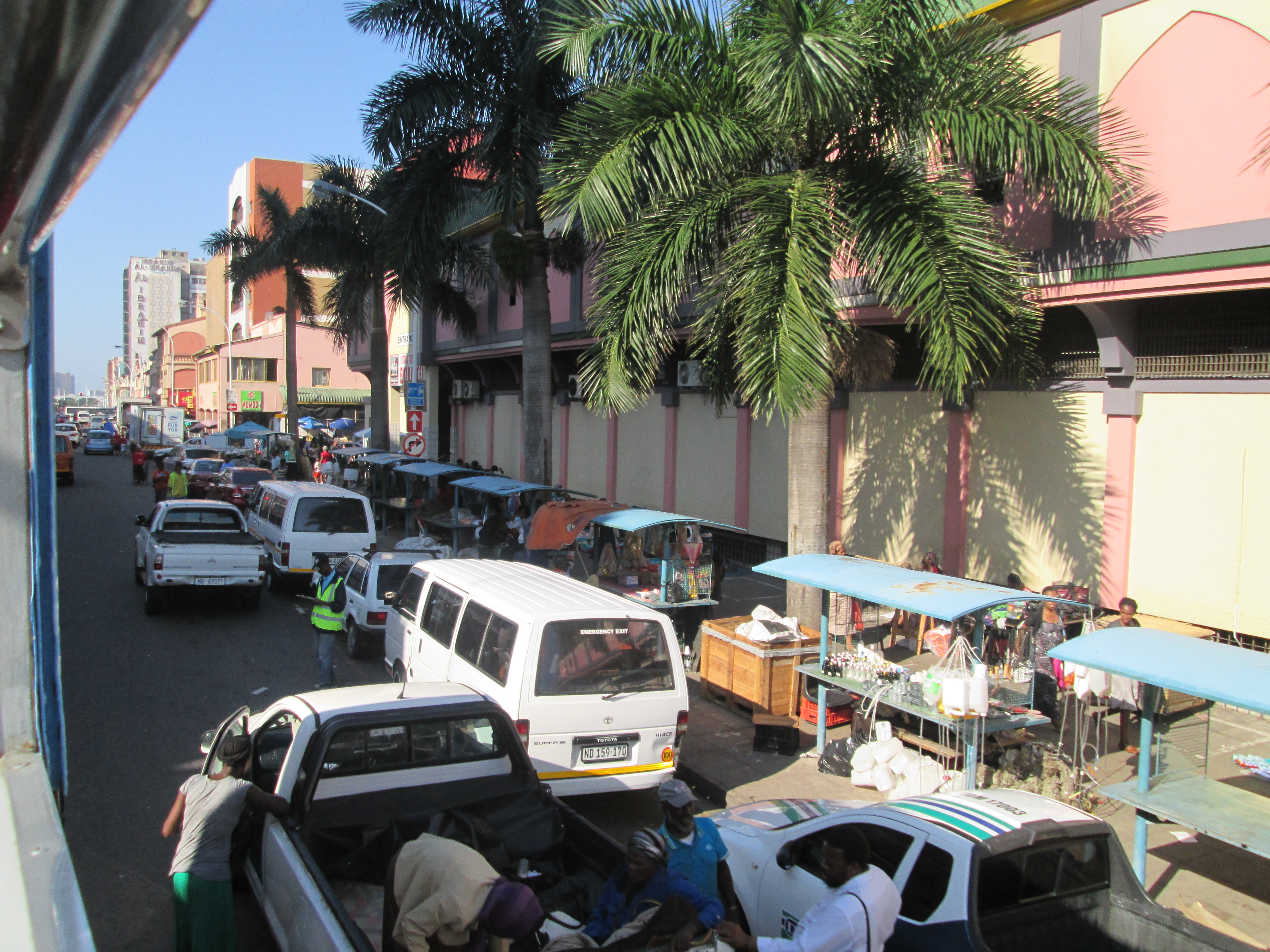
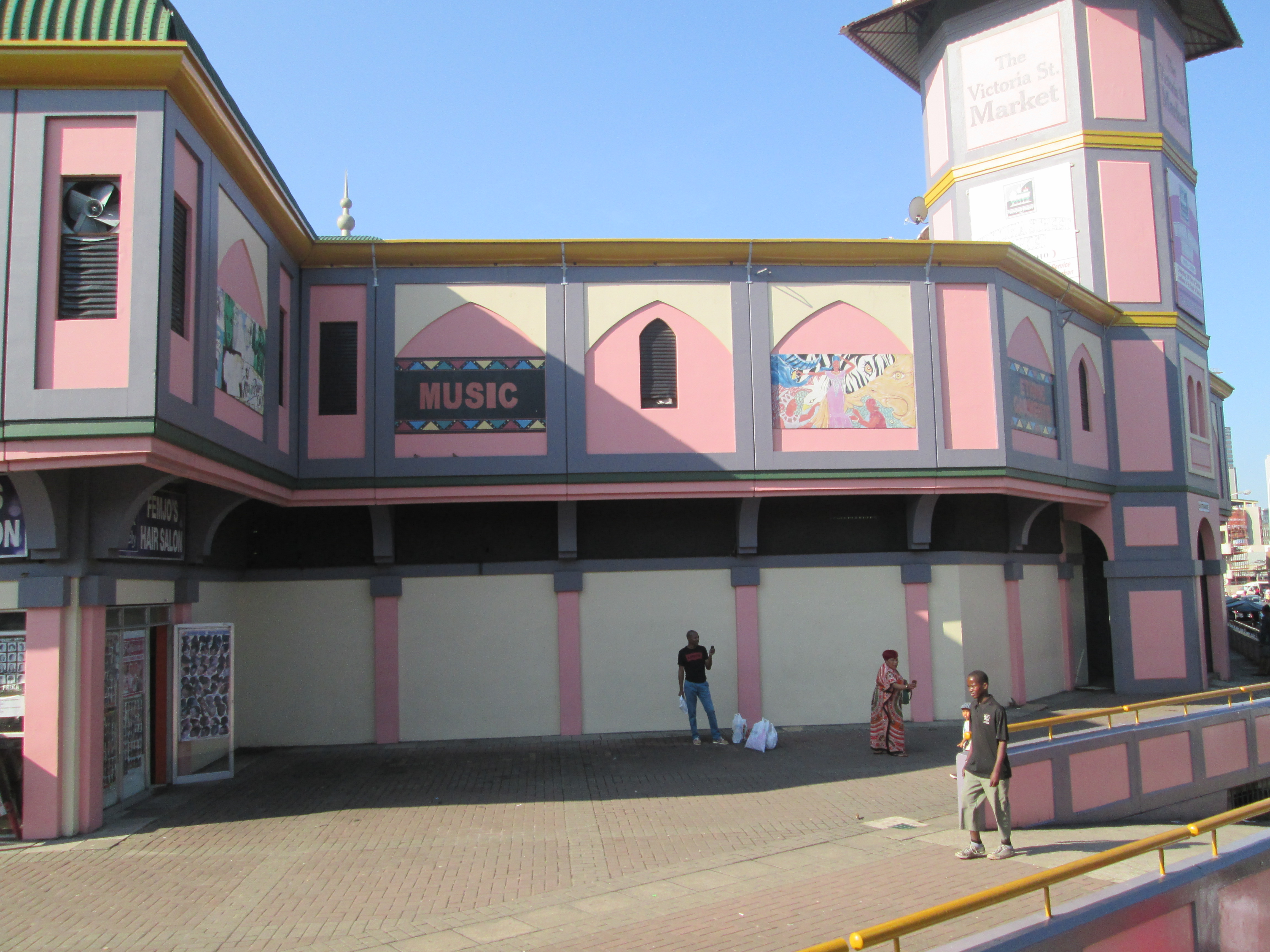
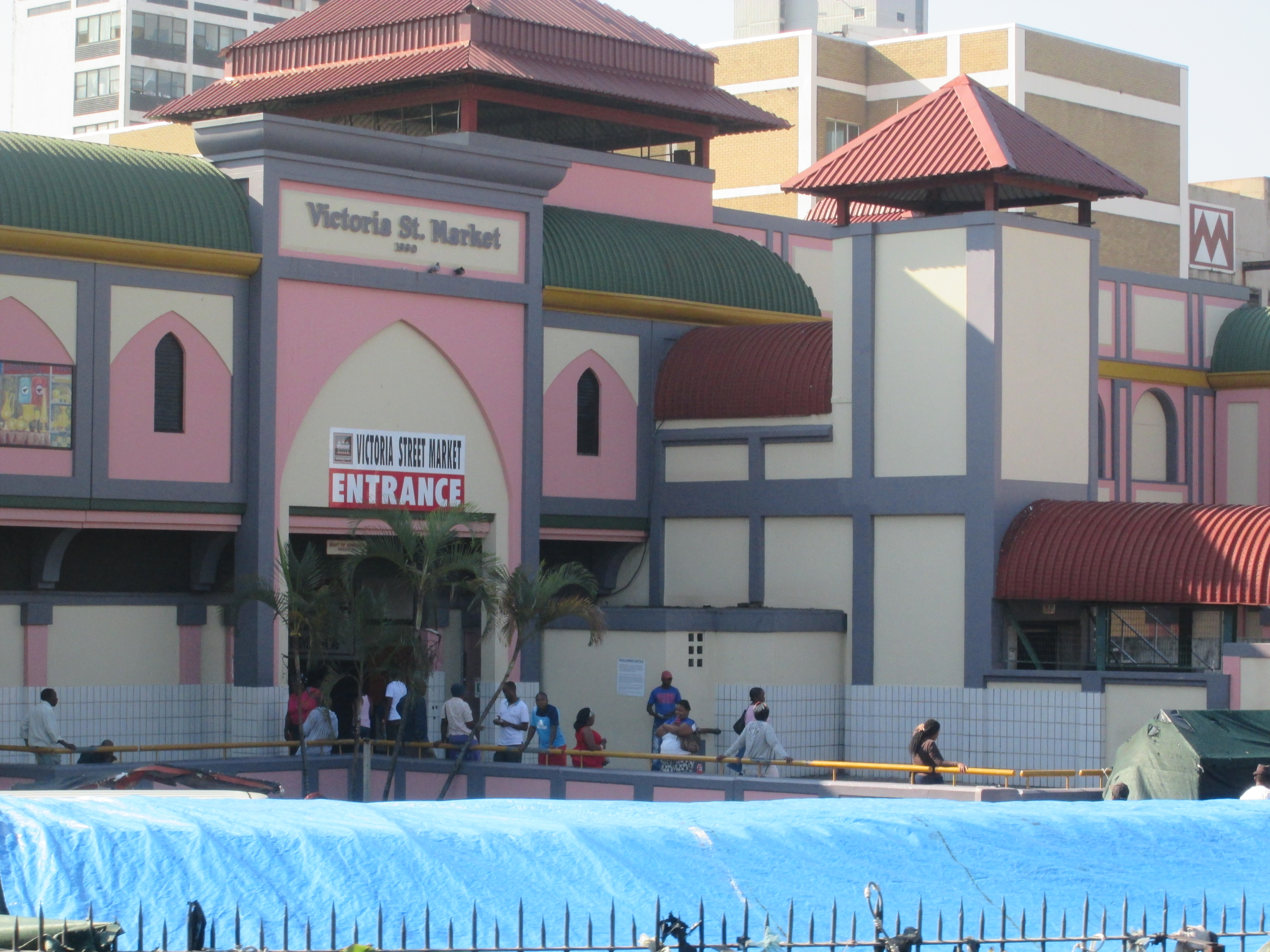
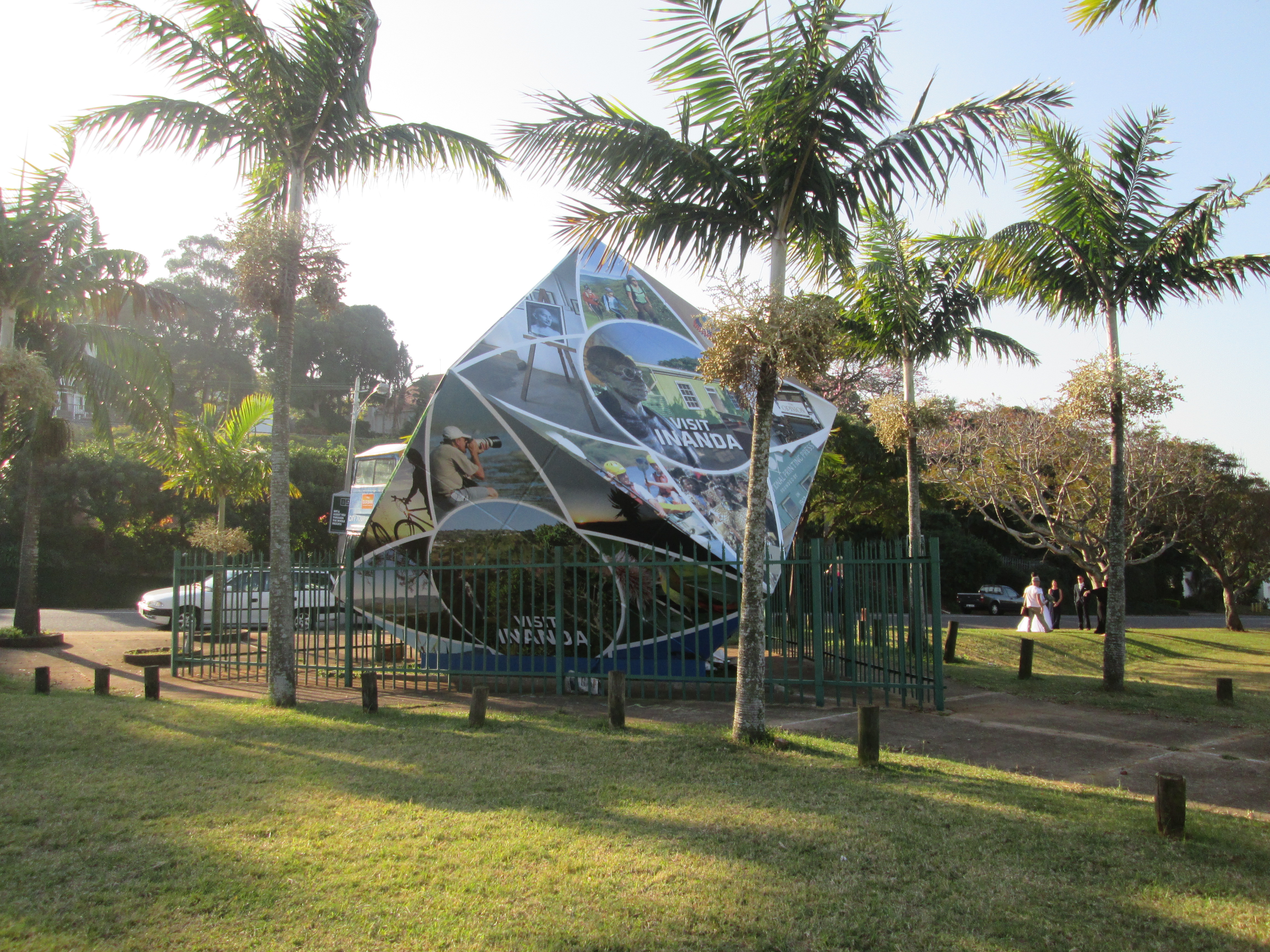
At the end of May, we had a long weekend and I took a short jaunt to Durban, a city of the coast in South Africa.  Unlike the hustle and bustle of Cape Town and Jo’burg, Durban is a bit more provincial and laid-back.  The airport reminded me of St. Pancreas Station in London and there was even a hotel with the London “Underground” symbol over the door.  The weather was absolutely perfect and I walked for several miles along the beach, where there are restaurants and shops and plenty of interesting people (and monkeys!) to watch!  Durban is also home to several huge sports arenas.

IMG_1094 IMG_1100 IMG_1103 IMG_1104 IMG_1107 IMG_1112 IMG_1114 IMG_1115 IMG_1116 IMG_1118 IMG_1119 IMG_1120 IMG_1122

I took an bus tour on the “Ricksha Bus.”  Unlike the larger bus tours, this one had a live tour guide who carefully explained all the sites and buildings we were passing.  More than once, she mentioned that such-and-such a building was “very, very old” which usually meant it was built in about 1910 or so.  It was funny that “very old” was only a hundred years.  Durban is still has specific areas divided by class, religion and race, although there does not seem to be a great deal of tension.

IMG_1128 IMG_1132 IMG_1135 IMG_1139 IMG_1140 IMG_1143 IMG_1148 IMG_1150 IMG_1164 IMG_1159 IMG_1158 IMG_1154 IMG_1152 IMG_1151

Our bus guide!  She was lovely.

IMG_1170


We stopped at a beautiful viewpoint above the city.  There was a wedding party up there, taking pictures.

IMG_1171 IMG_1174 IMG_1178 IMG_1168

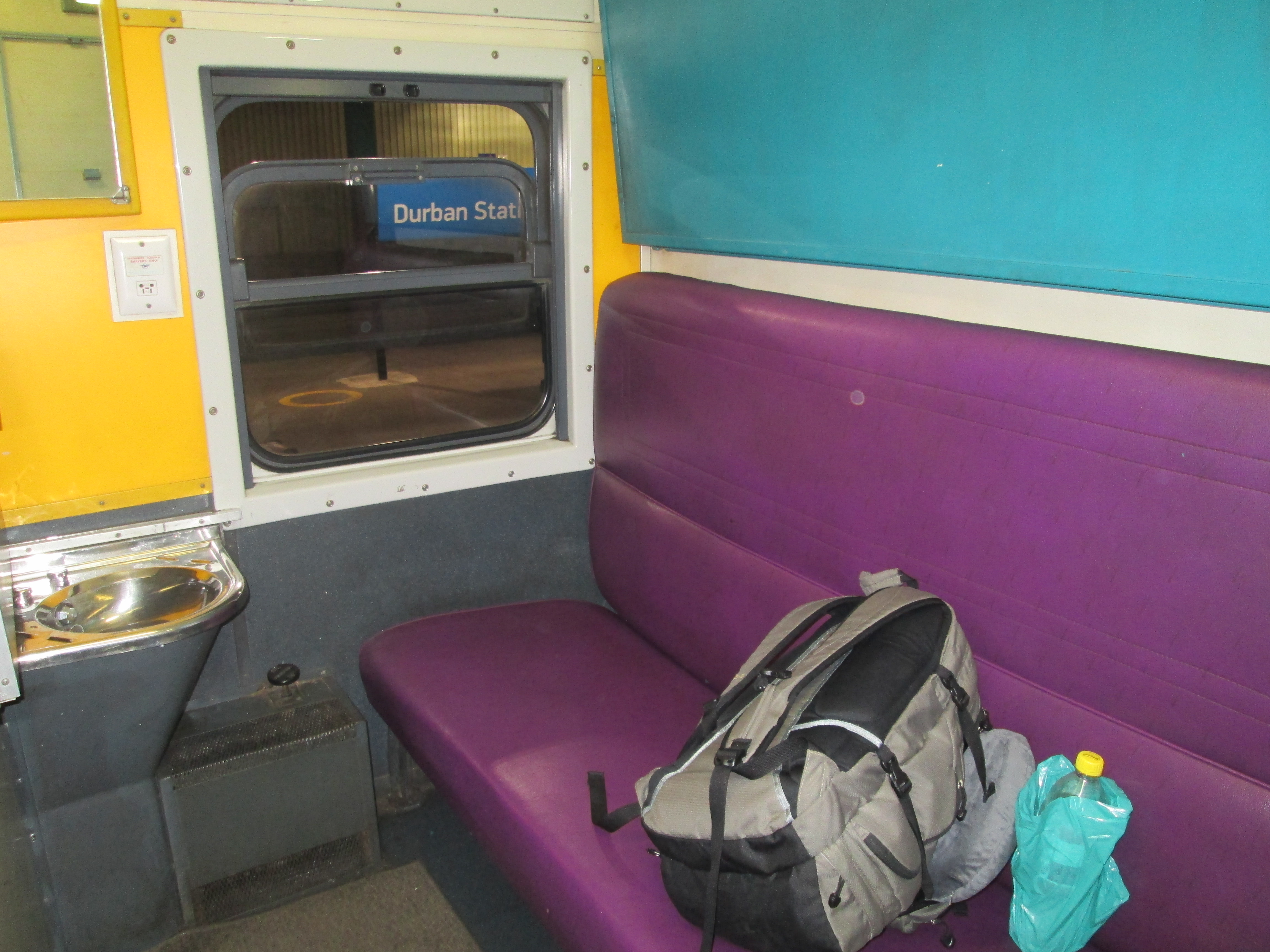
I stayed in a lovely B & B in a room with its own private garden terrace and a huge soaking tub!  Then I took the sleeper train back to Jo’burg…enjoying the slow pace of the train and the scenery.  I booked two beds, so I had my own compartment.  It is an extremely cheap way to travel and you can see so much of the countryside and meet interesting people.  At about 6:00am, I was awakened by someone walking down the corridor calling “Coffee, coffee, coffee!  Morning coffee!”  I slid open my compartment door and there was a staff person with a tray of cups; I gave her 7 rand (about 65 cents) and was given a hot cup of coffee with milk and sugar already added.  I sipped it while I watched the sun come up through my window and the train rumbled along towards Jo’Burg.

IMG_1191 IMG_1192 IMG_1196


It was a very relaxing break…I may have to return!

IMG_1184 IMG_1182IMG_1096


The shiny city of Dubai

Standard
The shiny city of Dubai

Every four or five years, certain educators who don’t have enough to do and want to feel important get together to “revise” either the curriculum, the standards or the basic methods of how to teach. Last week, I was sent to Dubai to attend an educational training centred around the newest iteration of the “Middle Years Program” which is being adopted by many international schools.  I had only been to Dubai on lay-overs when changing planes, so I was excited to be able to see a bit more of the city.

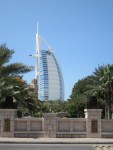
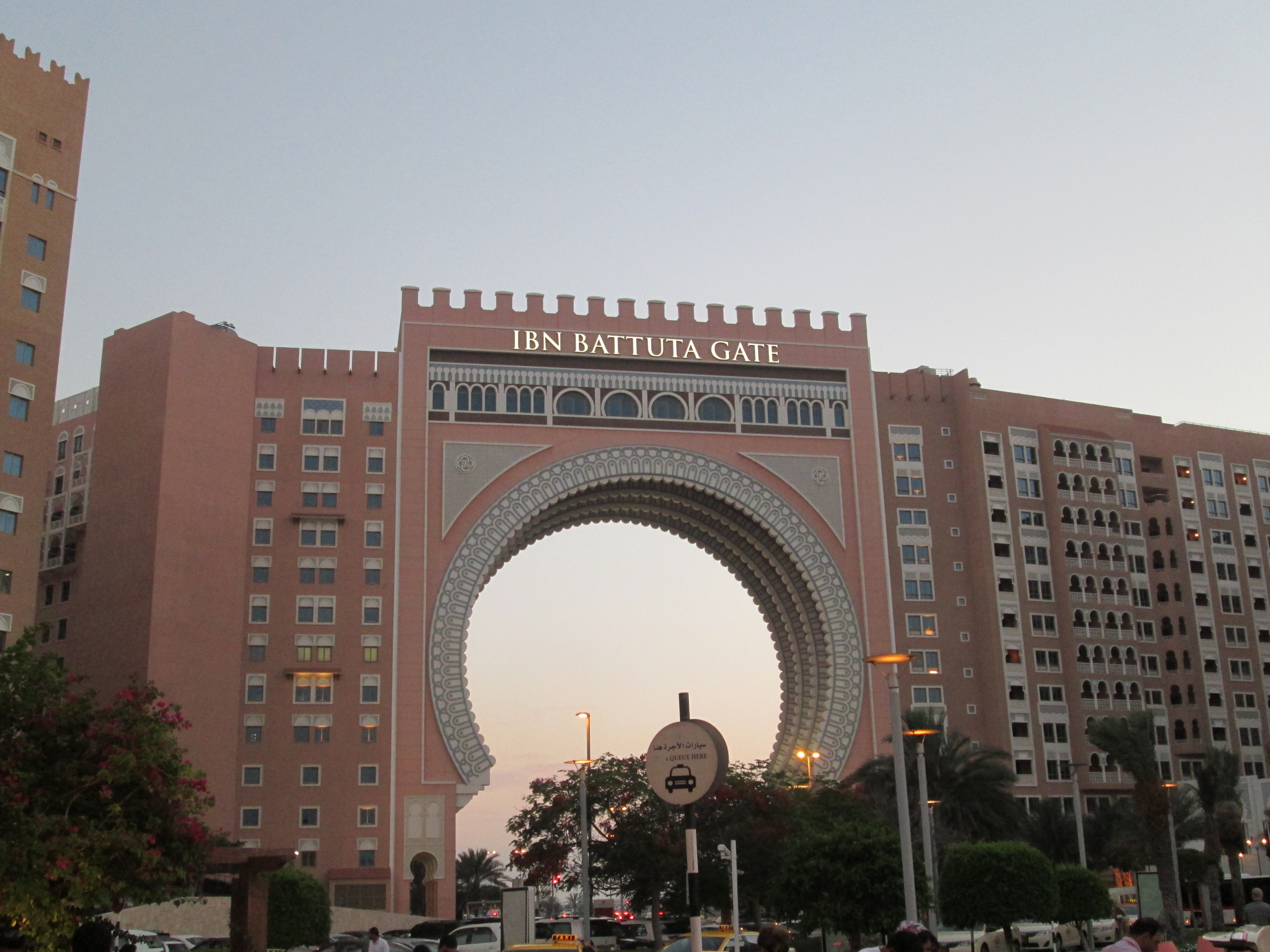
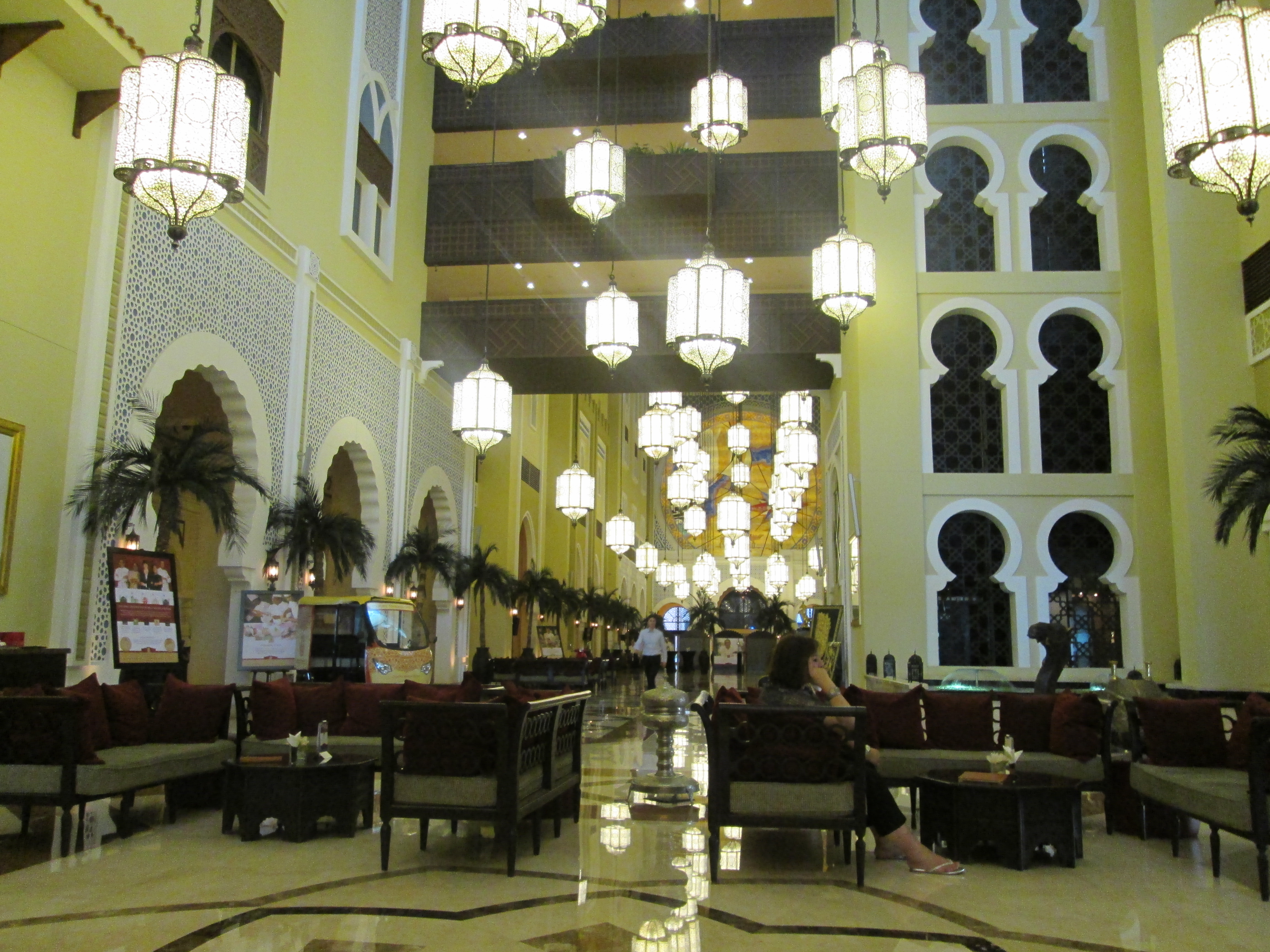
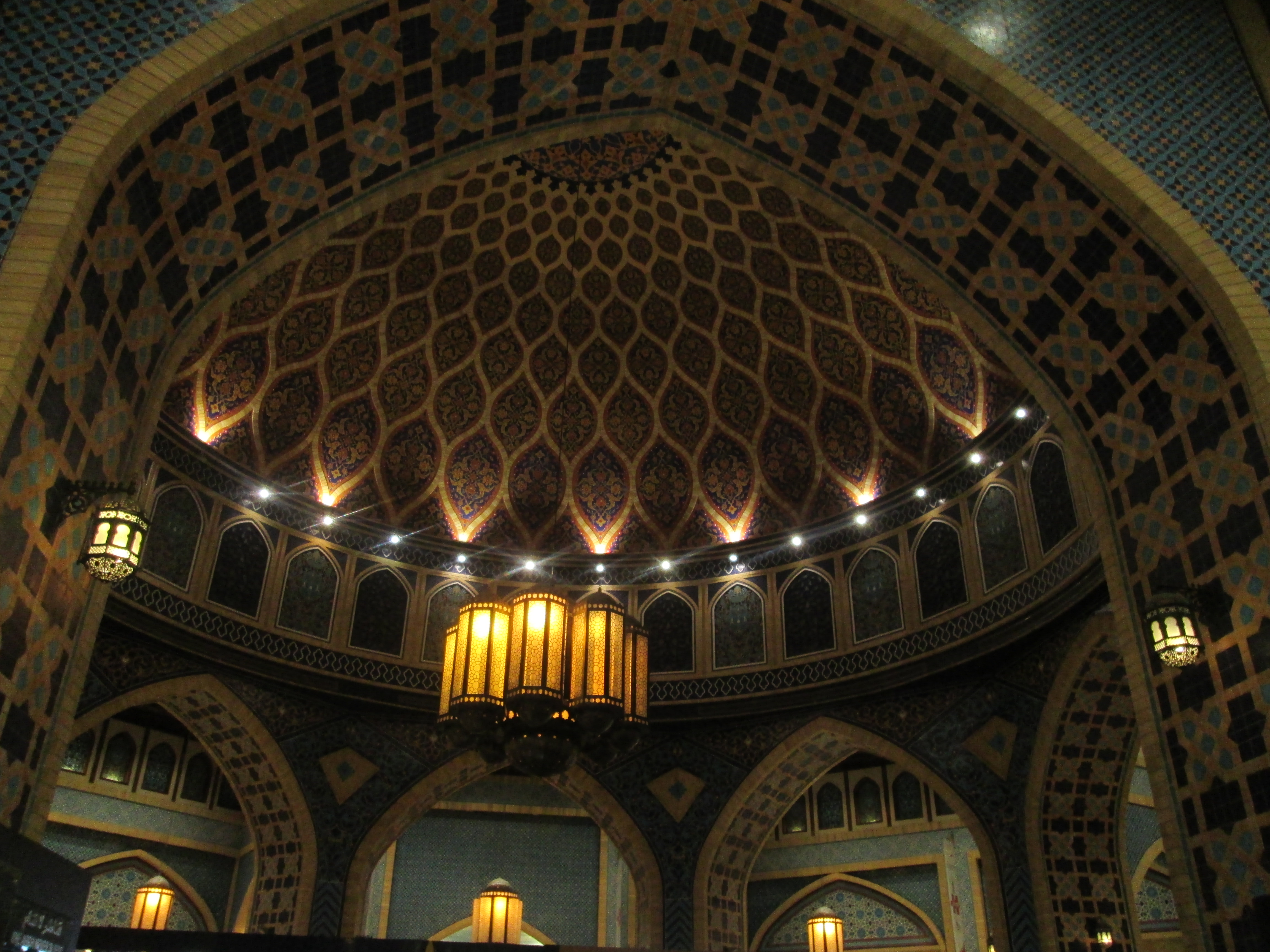
I had been booked into a hotel called “Mövenpick Ibn Battuta Gate” a 5-star hotel a bit outside the city.

IMG_1067

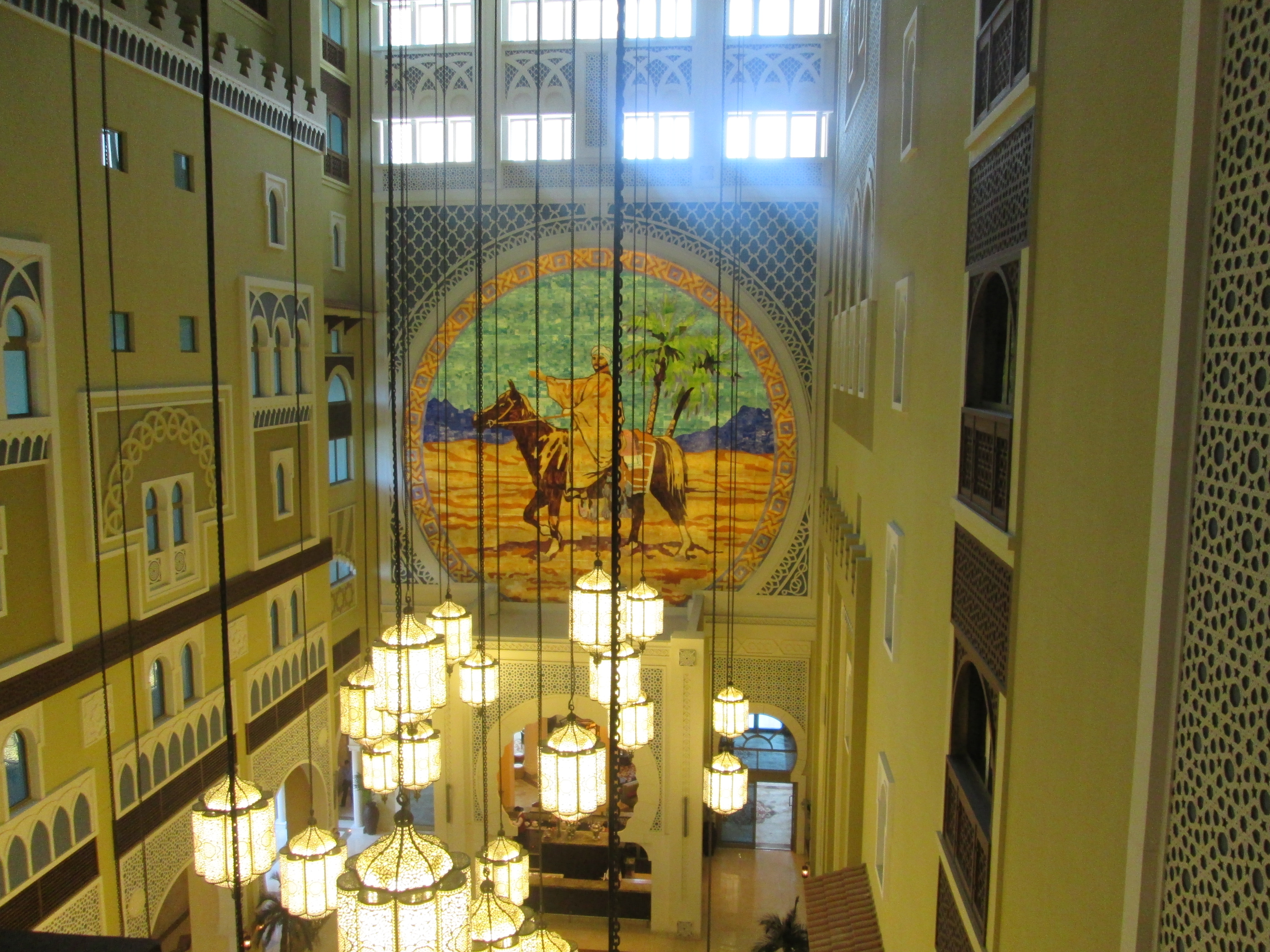
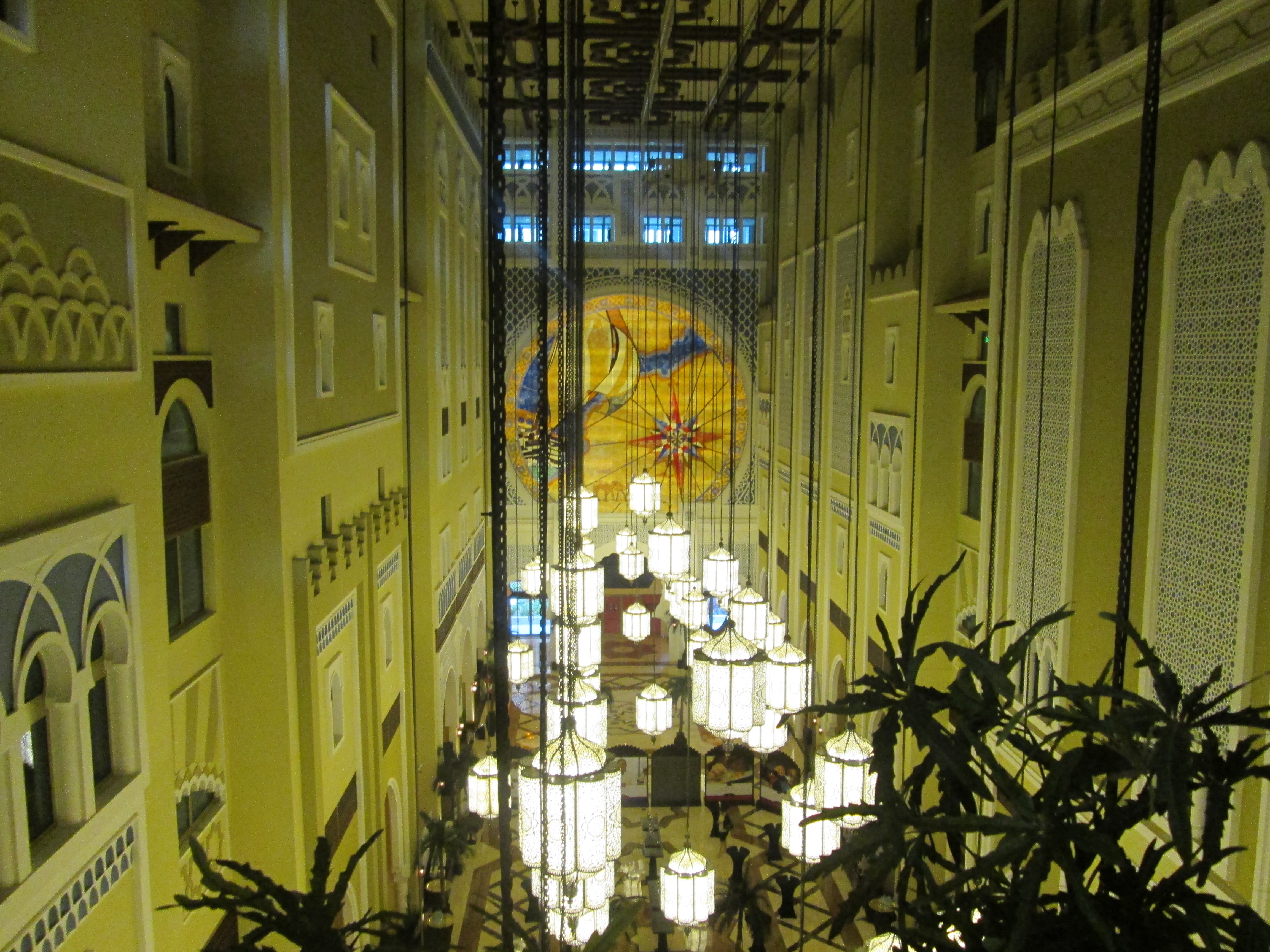
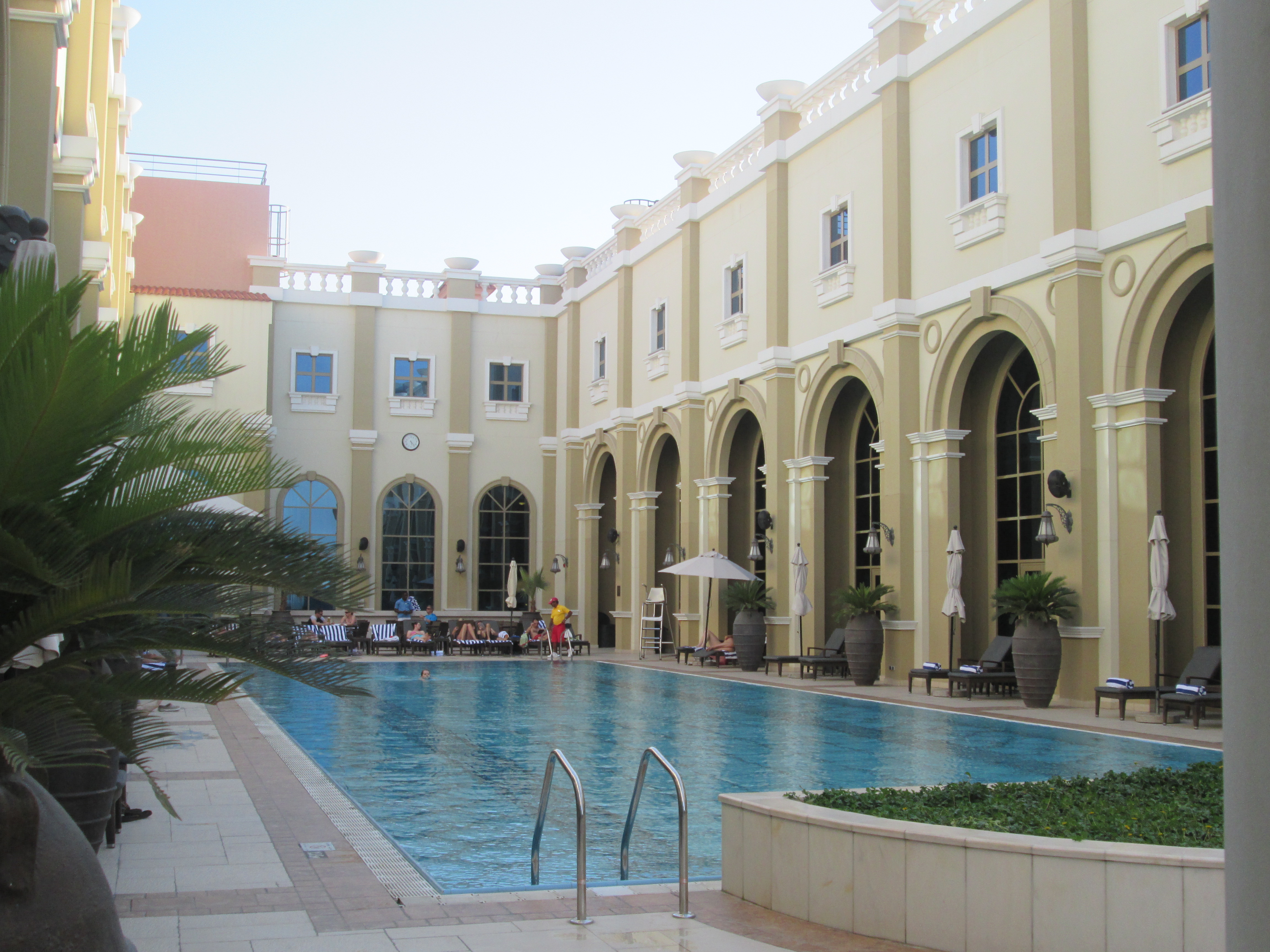
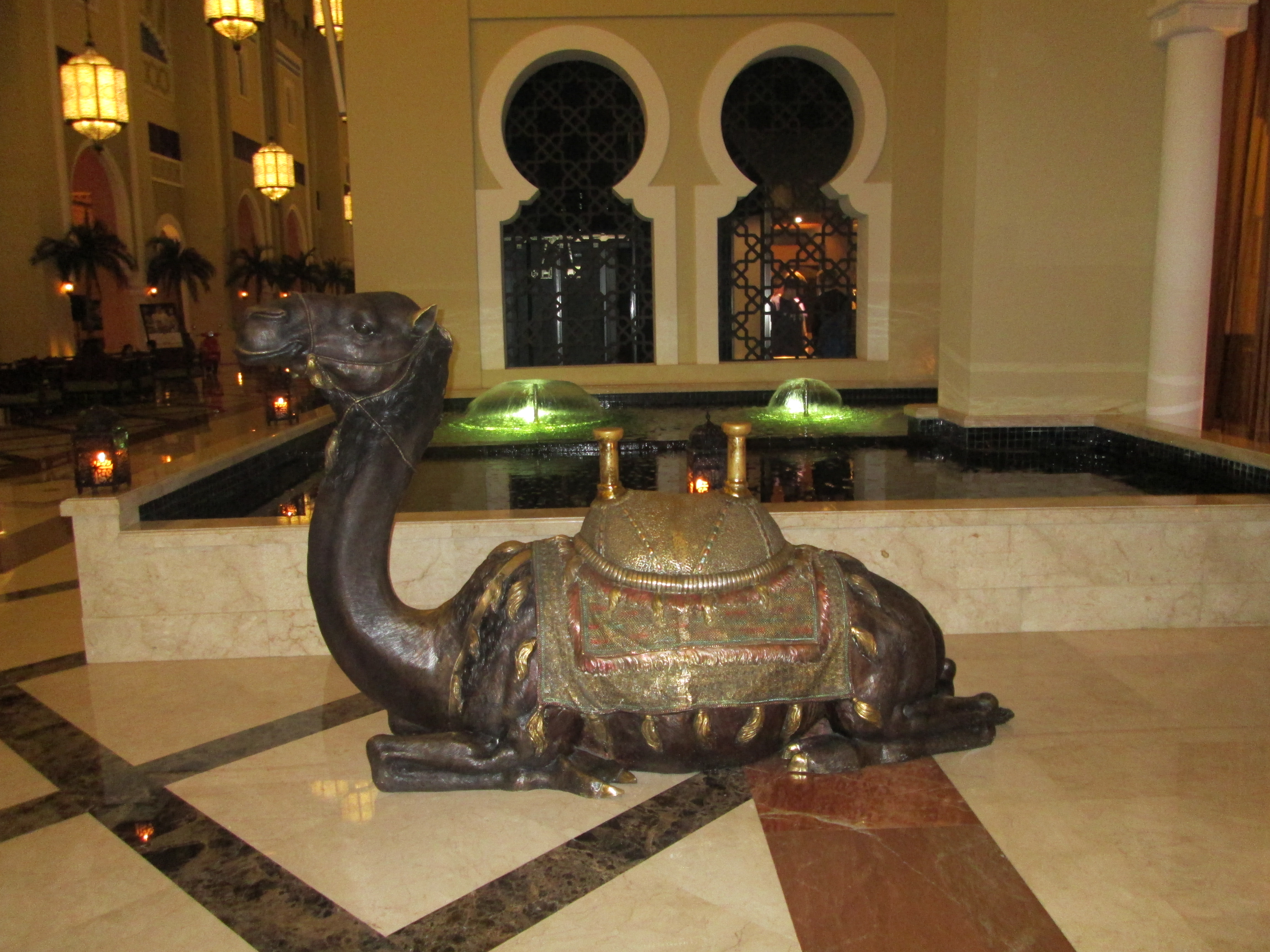
Since I am usually a traveler on a budget who stays in hostels where you have to make your own bed, bring your own towels and share a bathroom down the hall, this was quite a treat.  As the cab drove up to the entrance, one person leaped to open the car door for me and another took my bag to bring it up to my room.  The hotel had a huge lobby and atrium  decorated with Arabic themes and lighting.  There were a number of restaurants, a couple of fountains, a roof-top pool, plenty of places to sit and a fairly extensive coffee bar.  Oh, and several life-size statues of camels.

IMG_0910 IMG_0911 IMG_0914


IMG_0912IMG_1046IMG_1035

When I got up to my room, I found that the large flat-screen TV was on with a message, which welcomed me by name to the hotel and to Dubai and informed me that if I needed anything – anything at all – I had only to ask.  The room was spacious and cool and the bathroom had both a waterfall shower and a large tub, plenty of towels of all sizes, slippers and a bathrobe.  In addition,  there was a bidet and also a sprayer attached to the toilet so you could be sure that your bottom bits were sparkling clean.  (Every toilet in Dubai had these sprayer-attachments, including the ones in the malls and the airport.  Apparently, the people of the UAE  like be sure that they have very clean tushies.)

I had taken an overnight flight, so I availed myself of the shower and then a substantial nap.  When I arose, I was ready to try to see a little bit of the city.  I had a lovely latte in the coffee bar downstairs and then grabbed a taxi to the nearest stop on the “Big Bus” tour.  This cost about twice the amount of any other “Big Bus” tour I have taken – Dubai is a very expensive city!

The tour had a choice of 10 languages.

IMG_0968

Dubai is both the name of the Emirate (there are seven Emirates in the UAE) and the name of the city.  It is not the capital of the United Arab Emirates (the capital is Abu Dhabi) but it is the largest in population and has become somewhat of a world hub of commerce and culture. Although the economy was originally built on the oil industry, the emirate’s main revenues now come from tourism, aviation and real estate.  It is likely the most “westernised” city in the UAE.

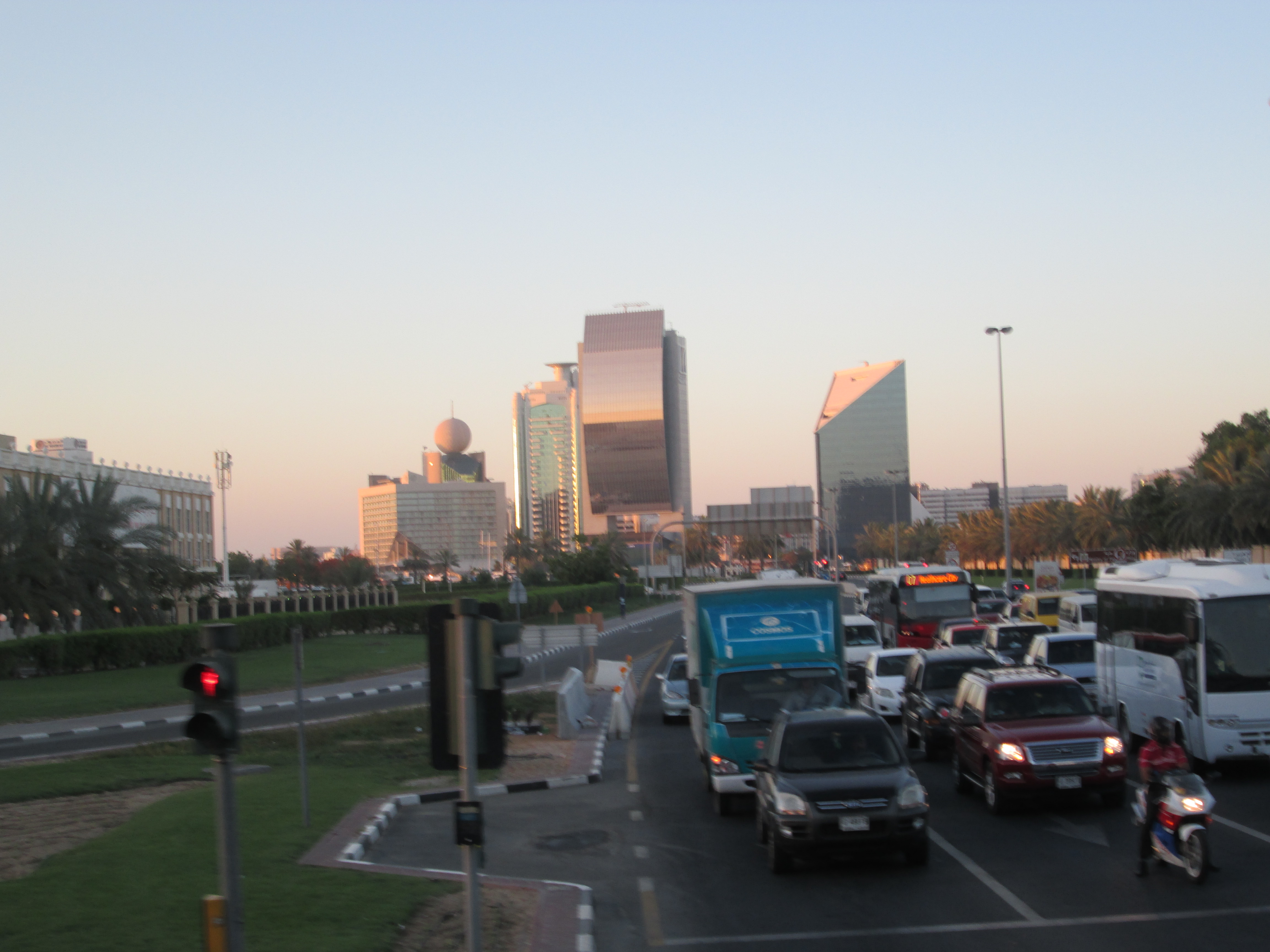
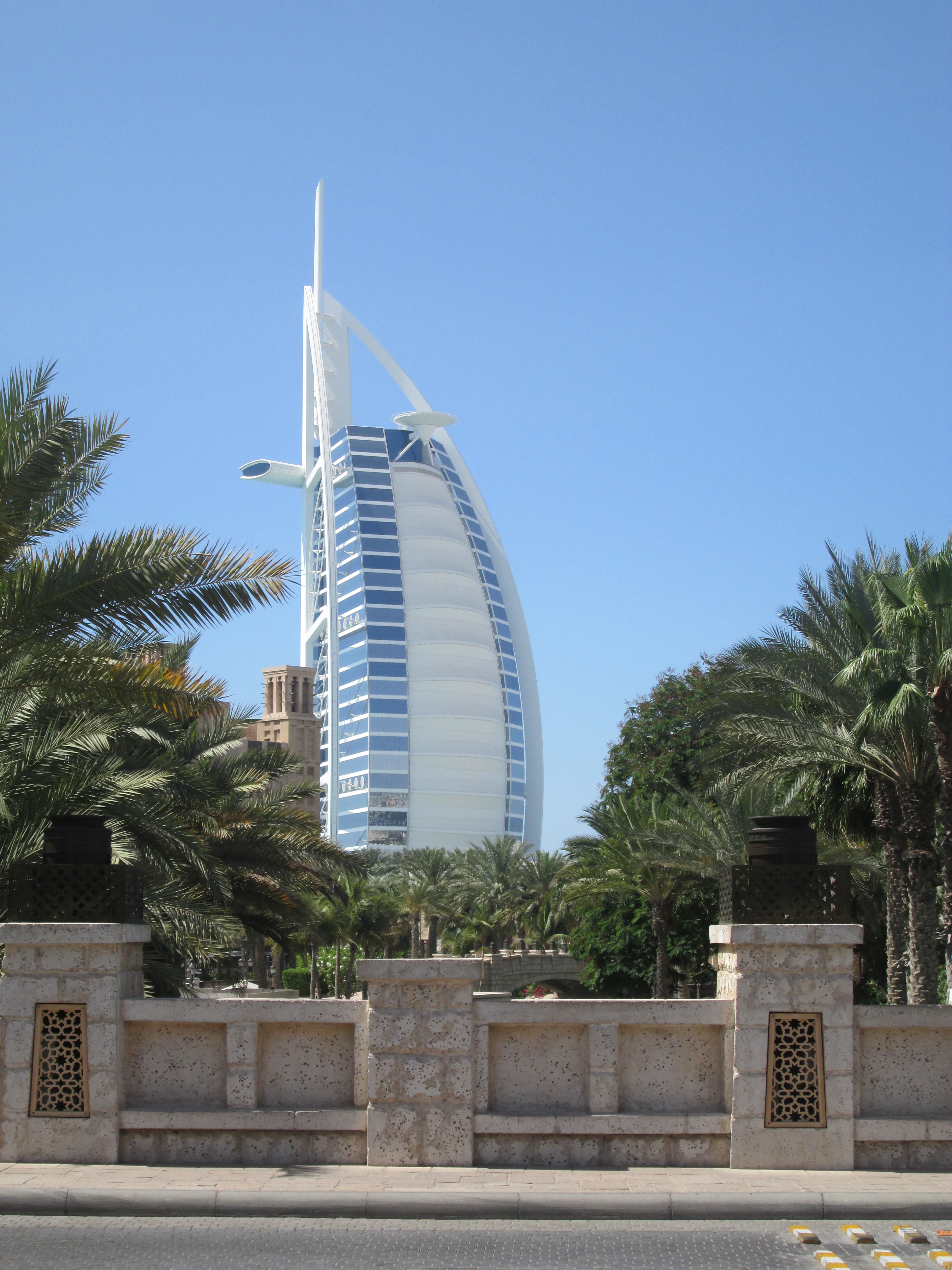
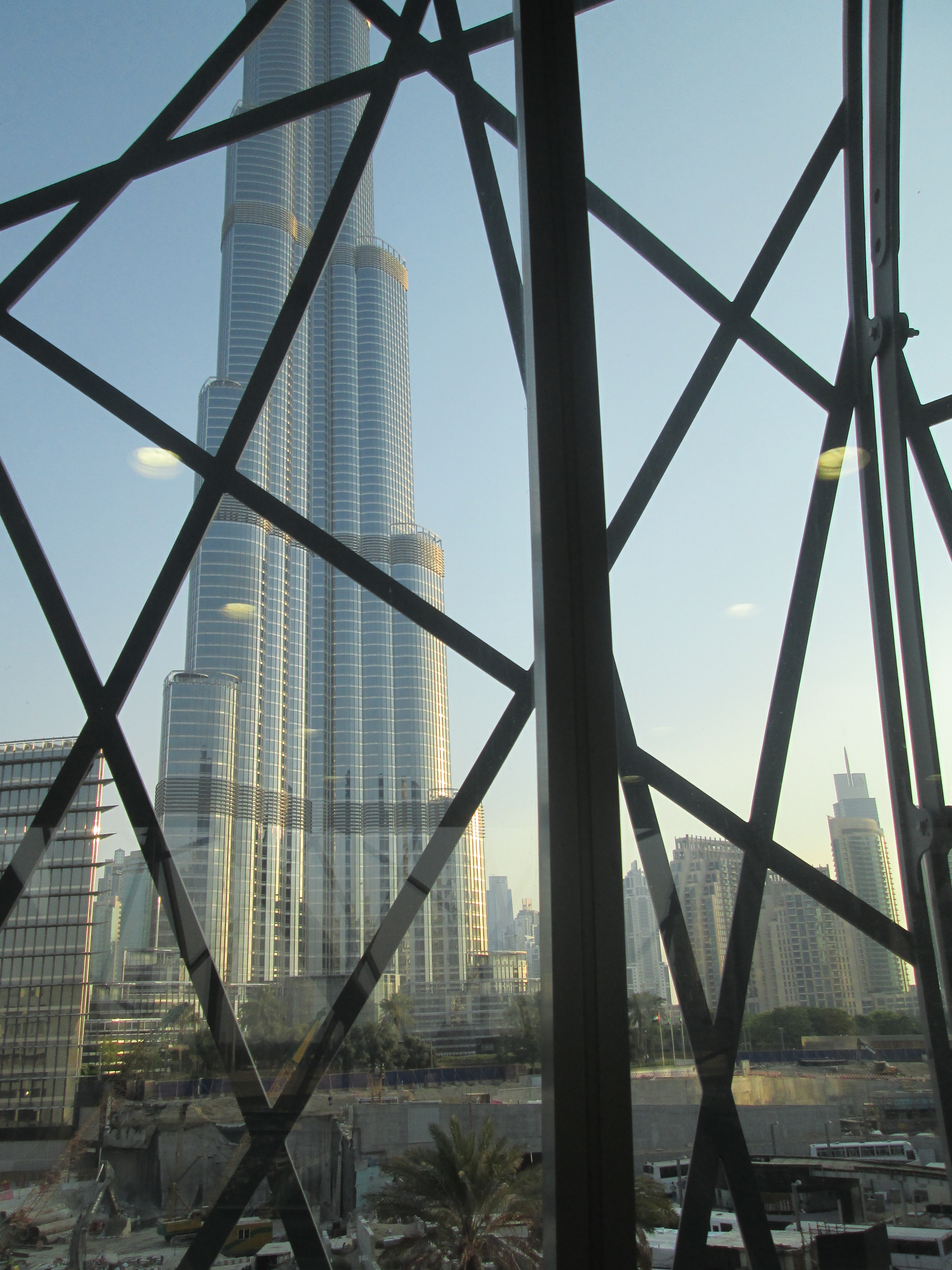
The skyline of Dubai is known for its skyscrapers and high-rise buildings, in particular the world’s tallest building, the Burj Khalifa. There are also man-made islands and some of the largest shopping malls in the region and the world.

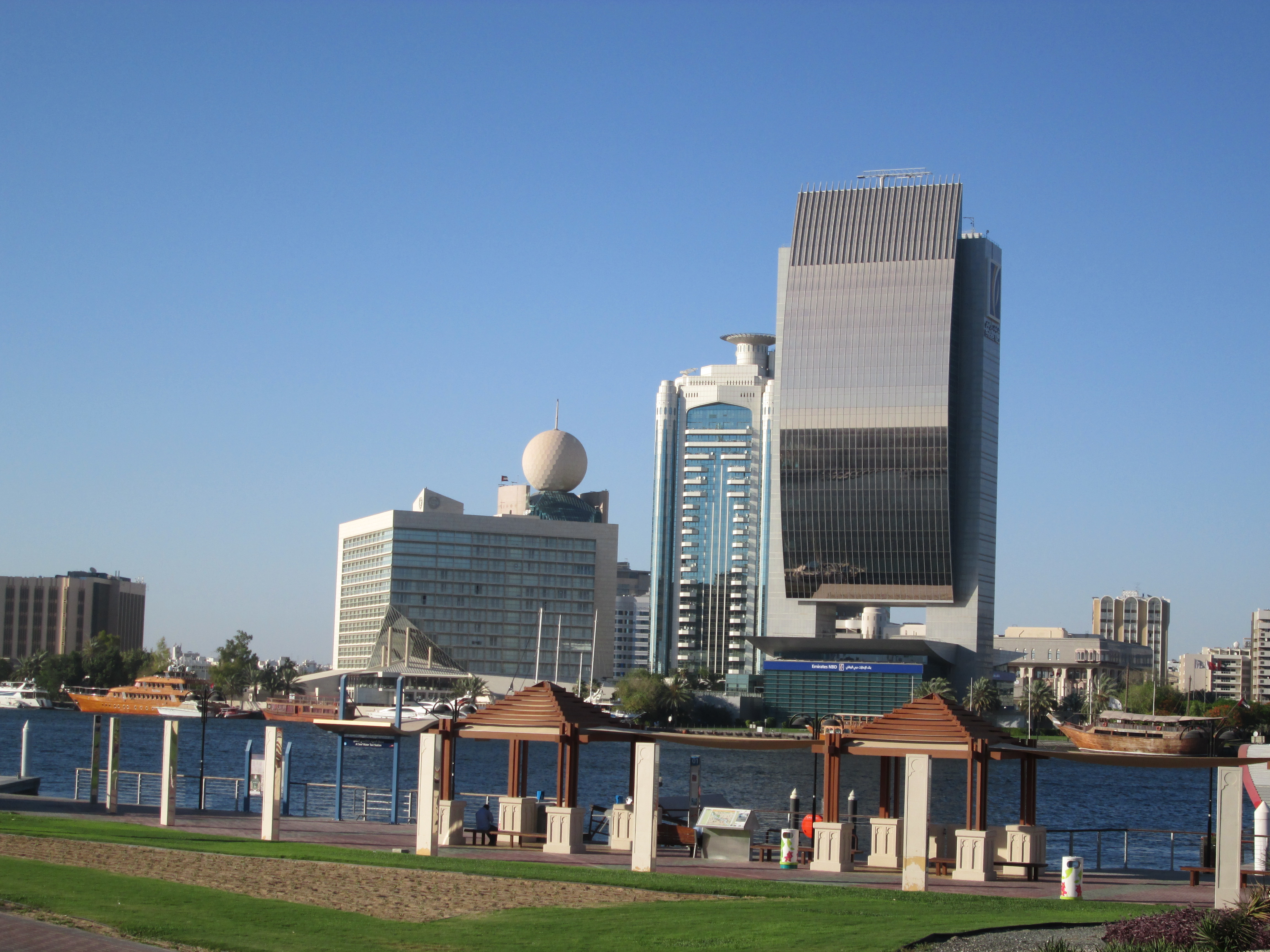
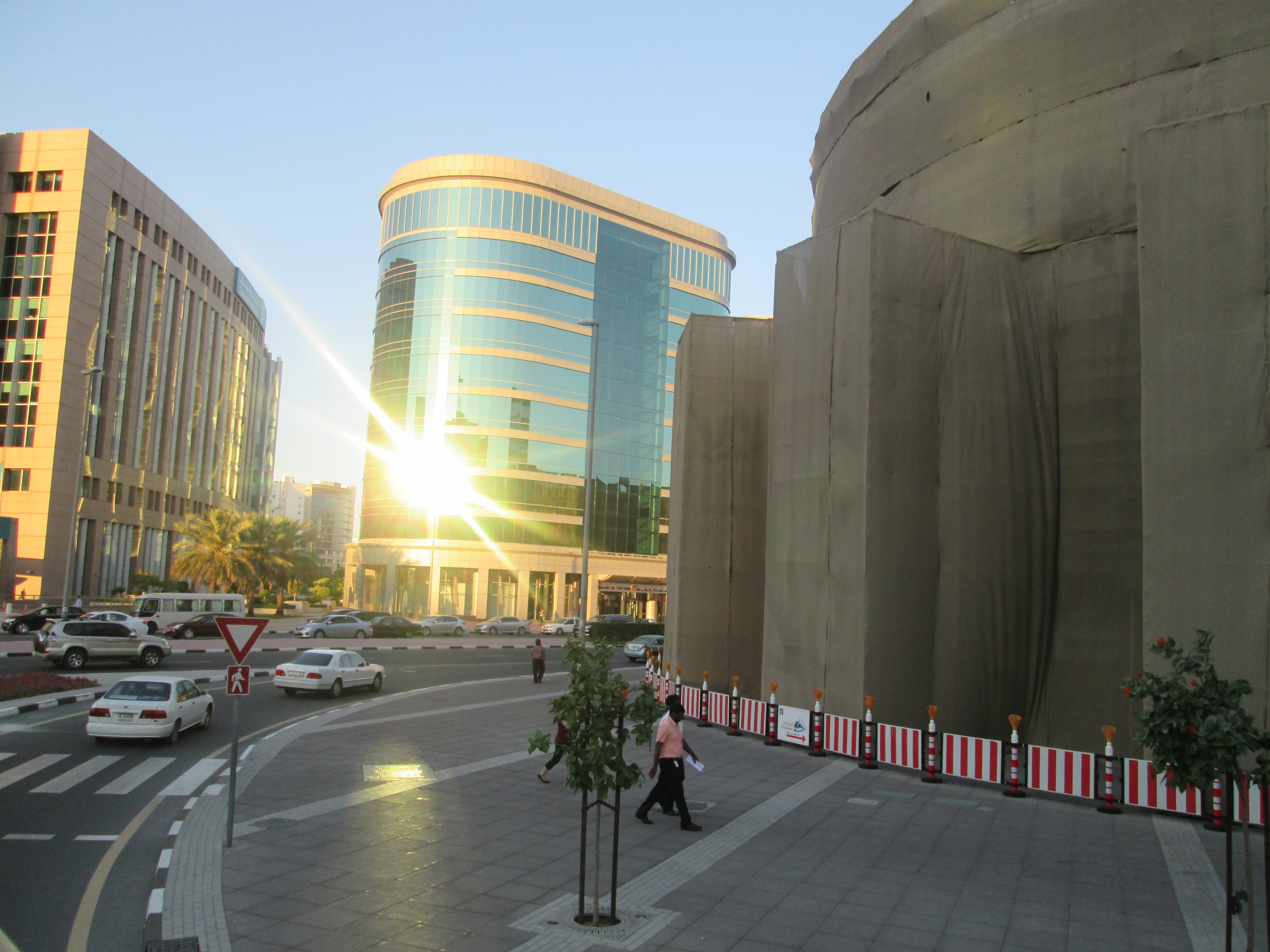
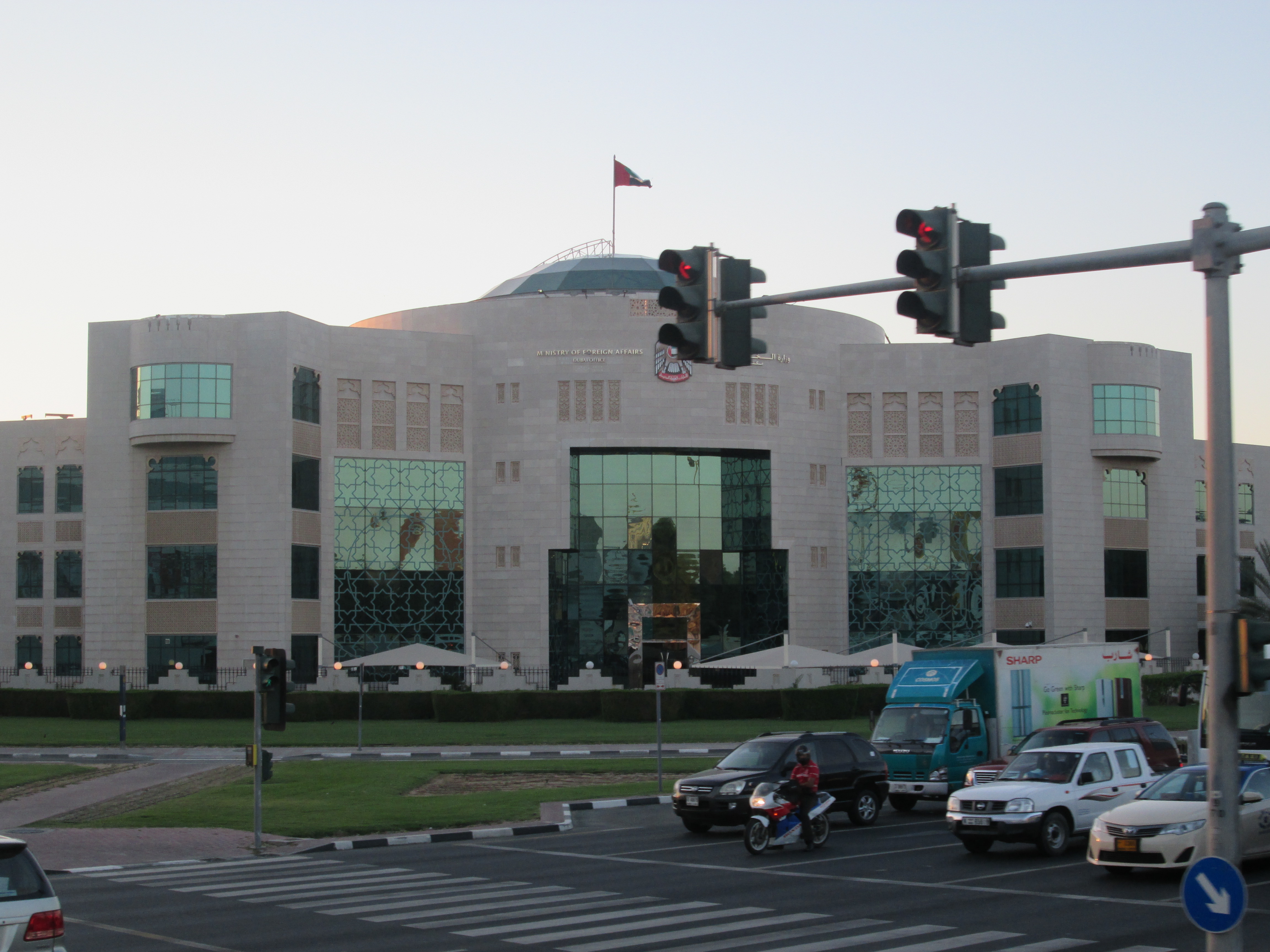
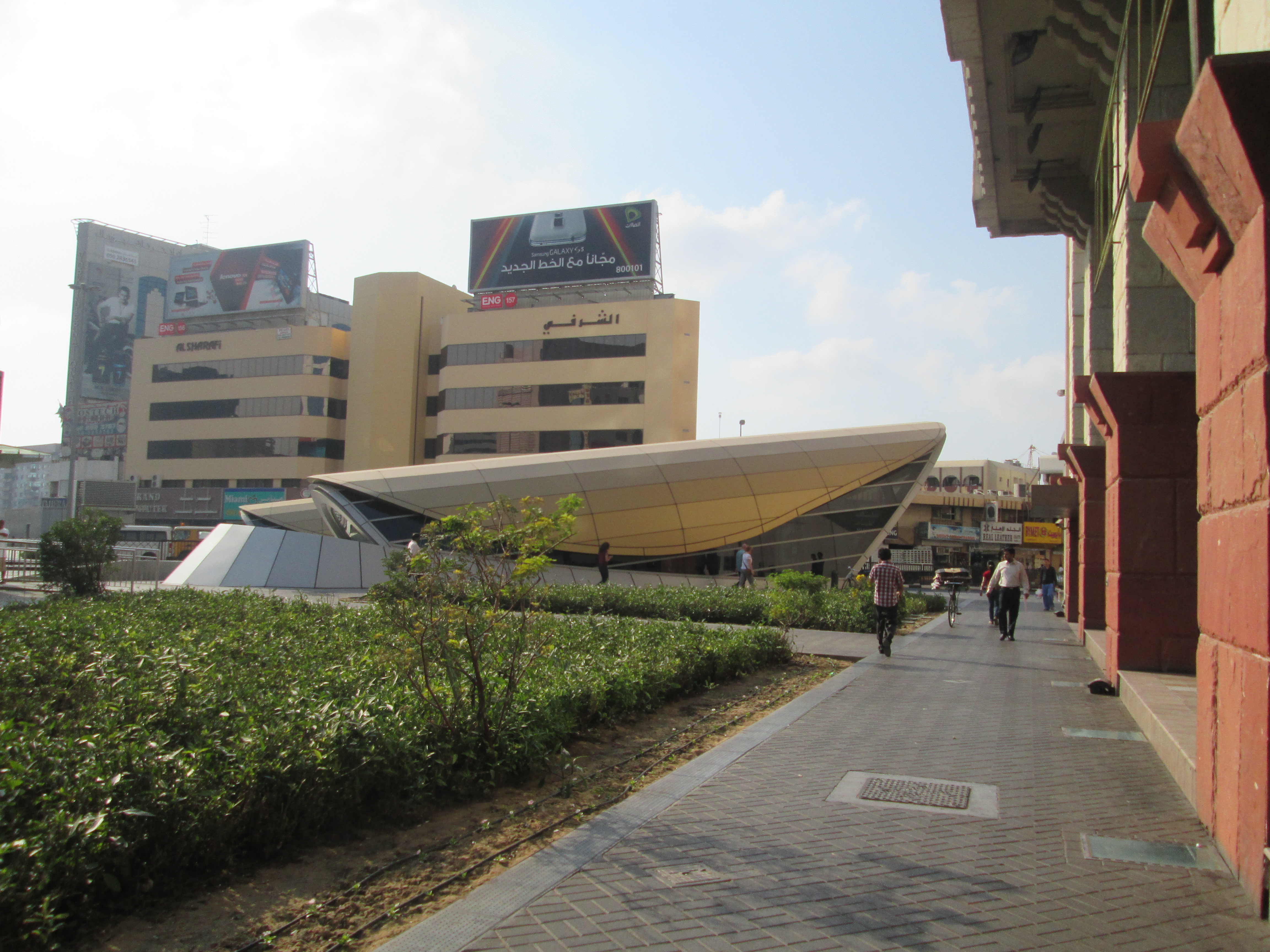
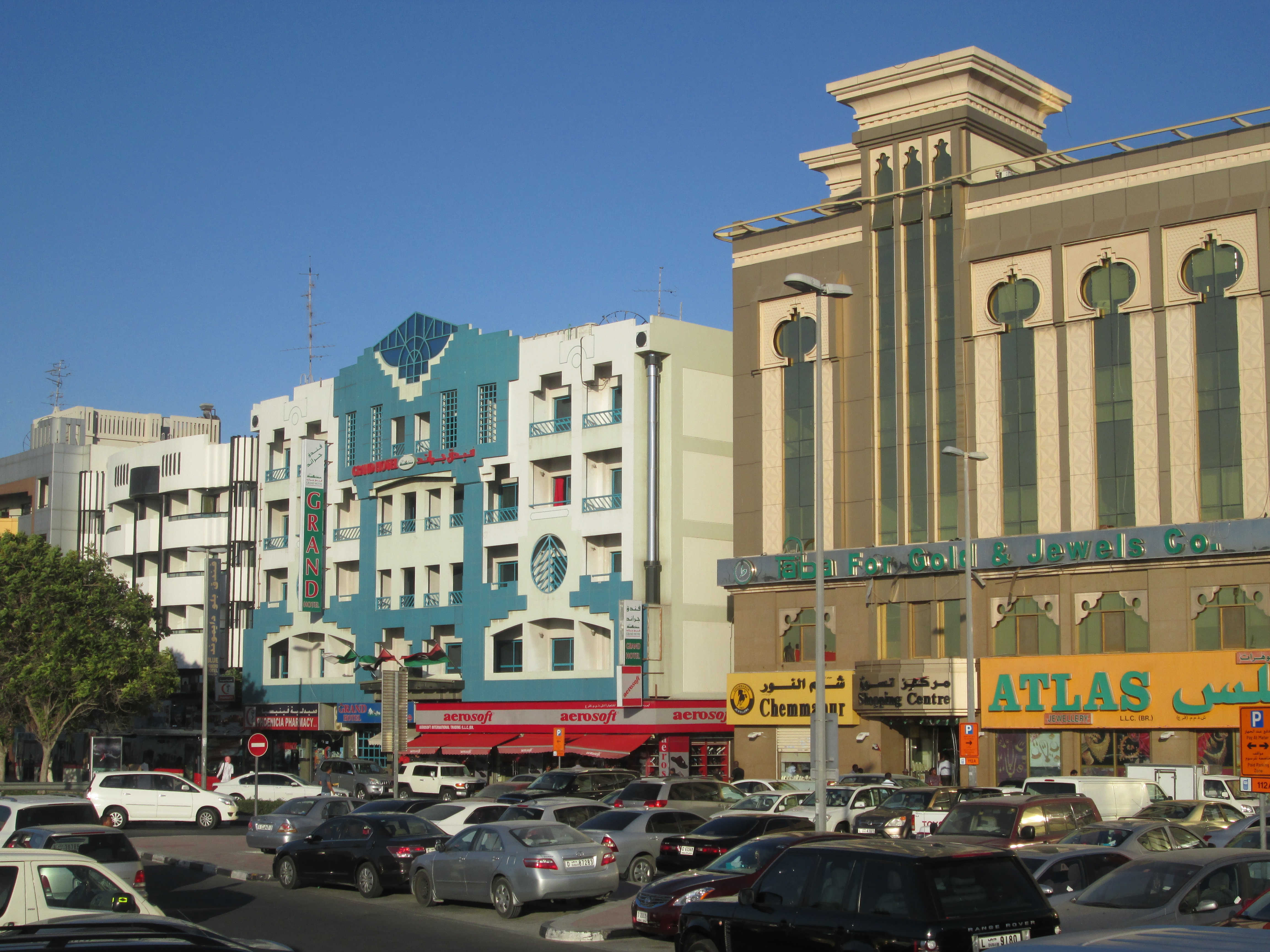
It is a very shiny city, with lots of glass and steel.  I also noticed that the architecture includes curves and angles not common to western cities.

IMG_0952IMG_1045 IMG_0958IMG_0975 IMG_1021 IMG_1020 IMG_1023 IMG_1026 IMG_1028 IMG_1032 IMG_1029IMG_0930

The metro system is fairly new (and also quite shiny.)  It was easy to navigate, cheap (less than $2.00 from one end to the other) and spotlessly clean.  The tracks and stations were purpose-built and are fully automatic.  It was first opened in 2009 and has been extended since that time. The stations are pod-like and looked to me like some kind of fantastic beetle, although I have since discovered that the shiny exterior was meant to evoke the ancient trade of pearl-diving, which sustained Dubai before the discovery of oil.  There is a very interesting article on the design and construction of the metro system HERE. 

IMG_1031IMG_1068

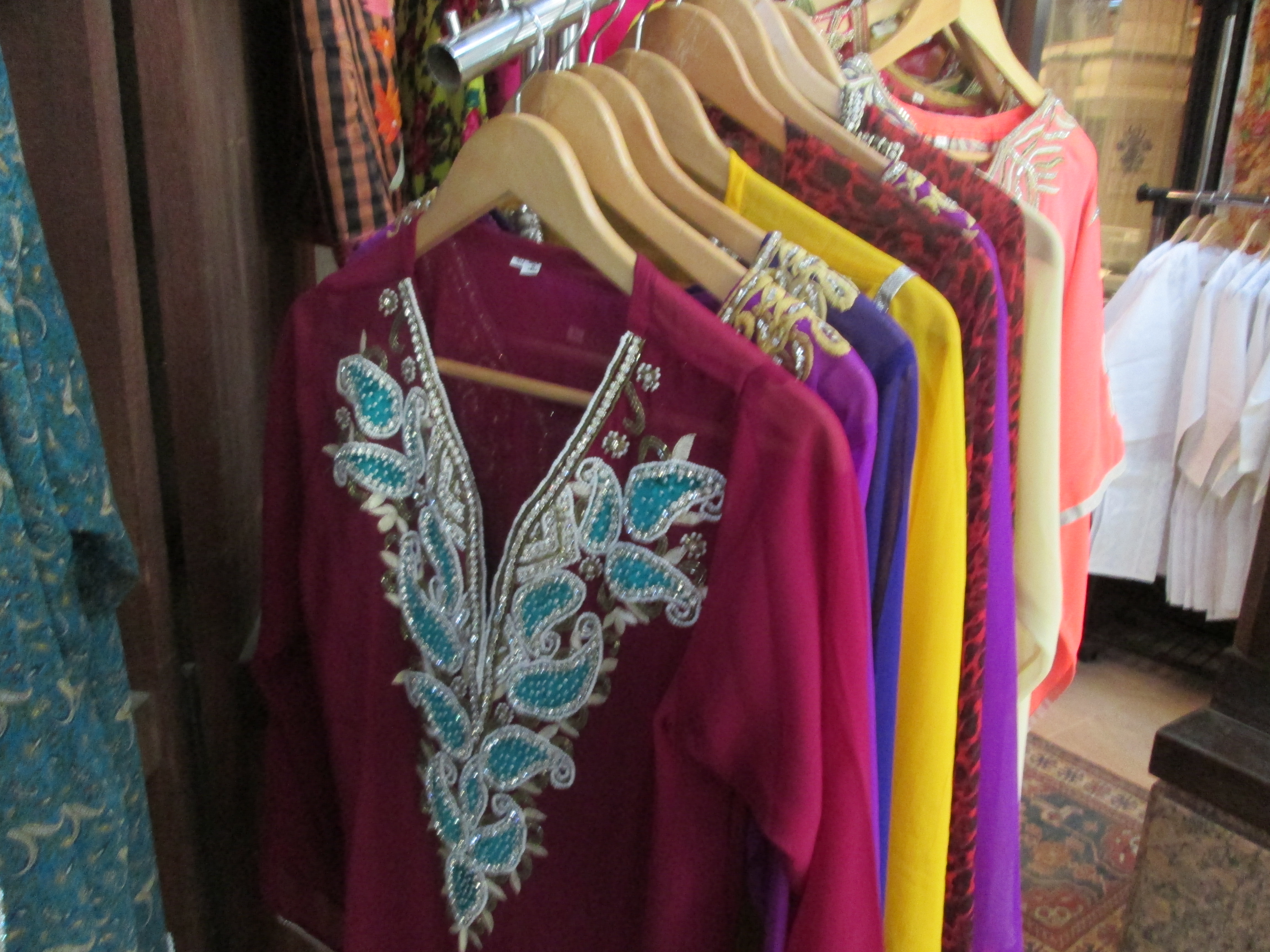
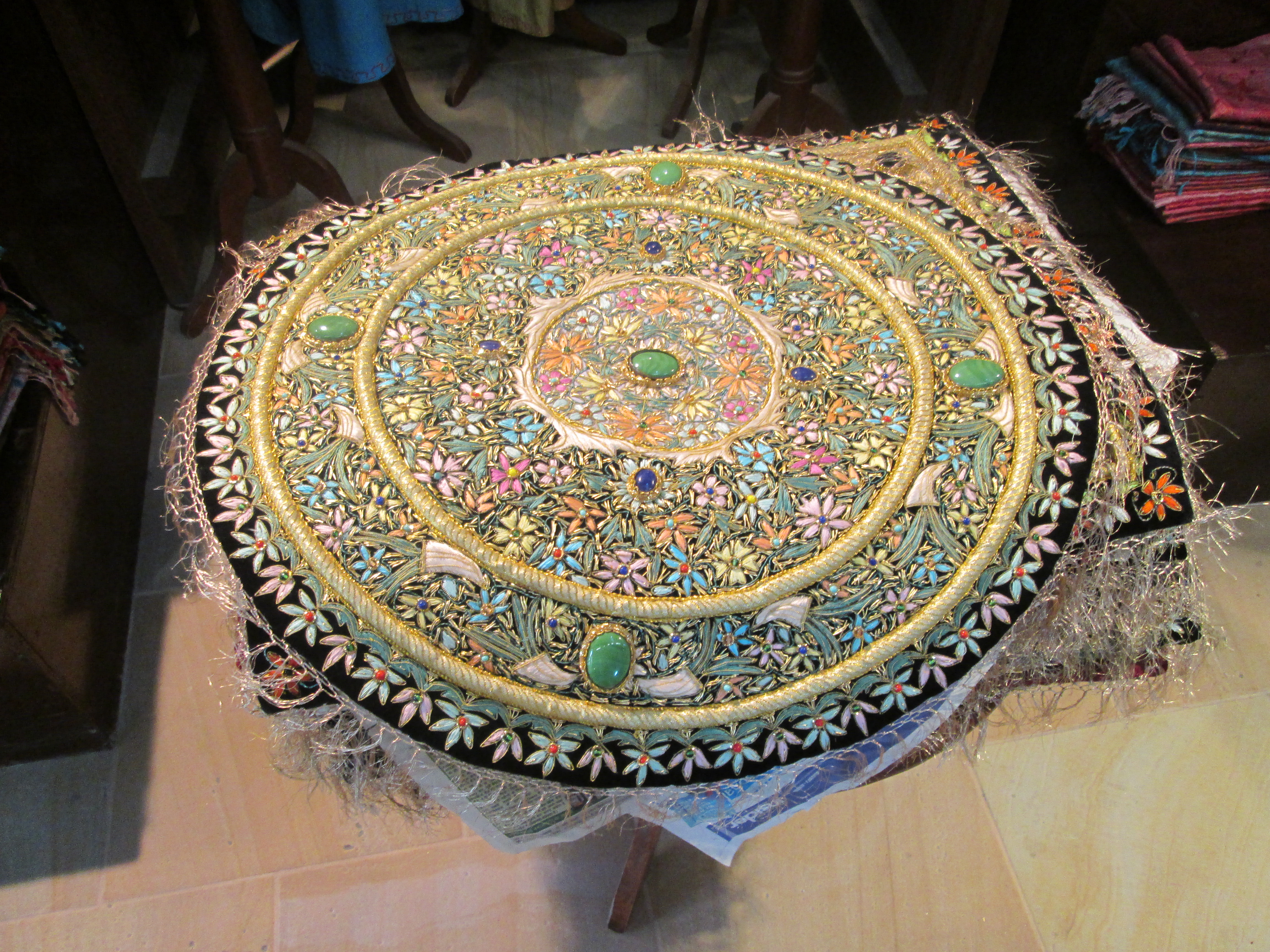
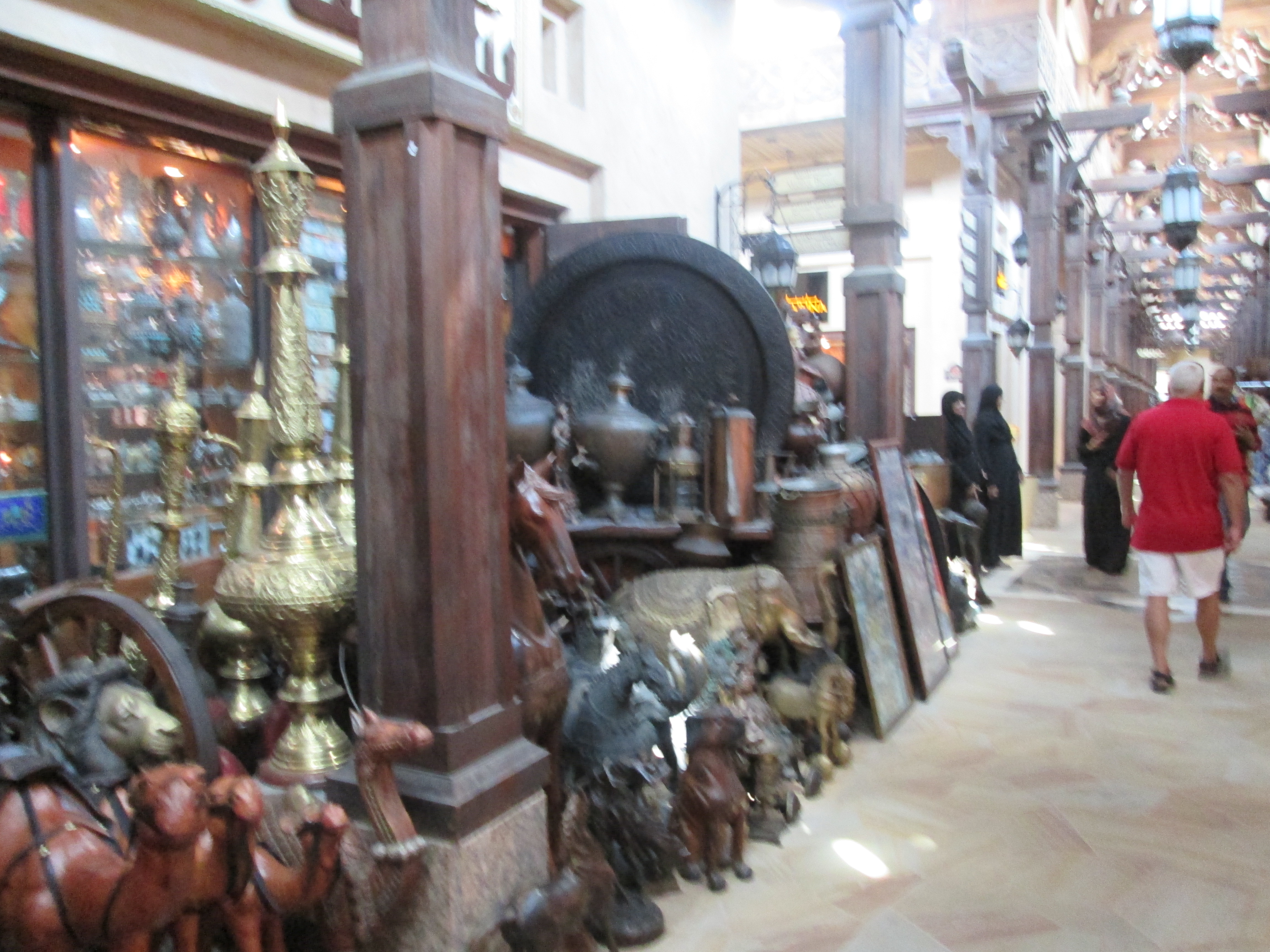
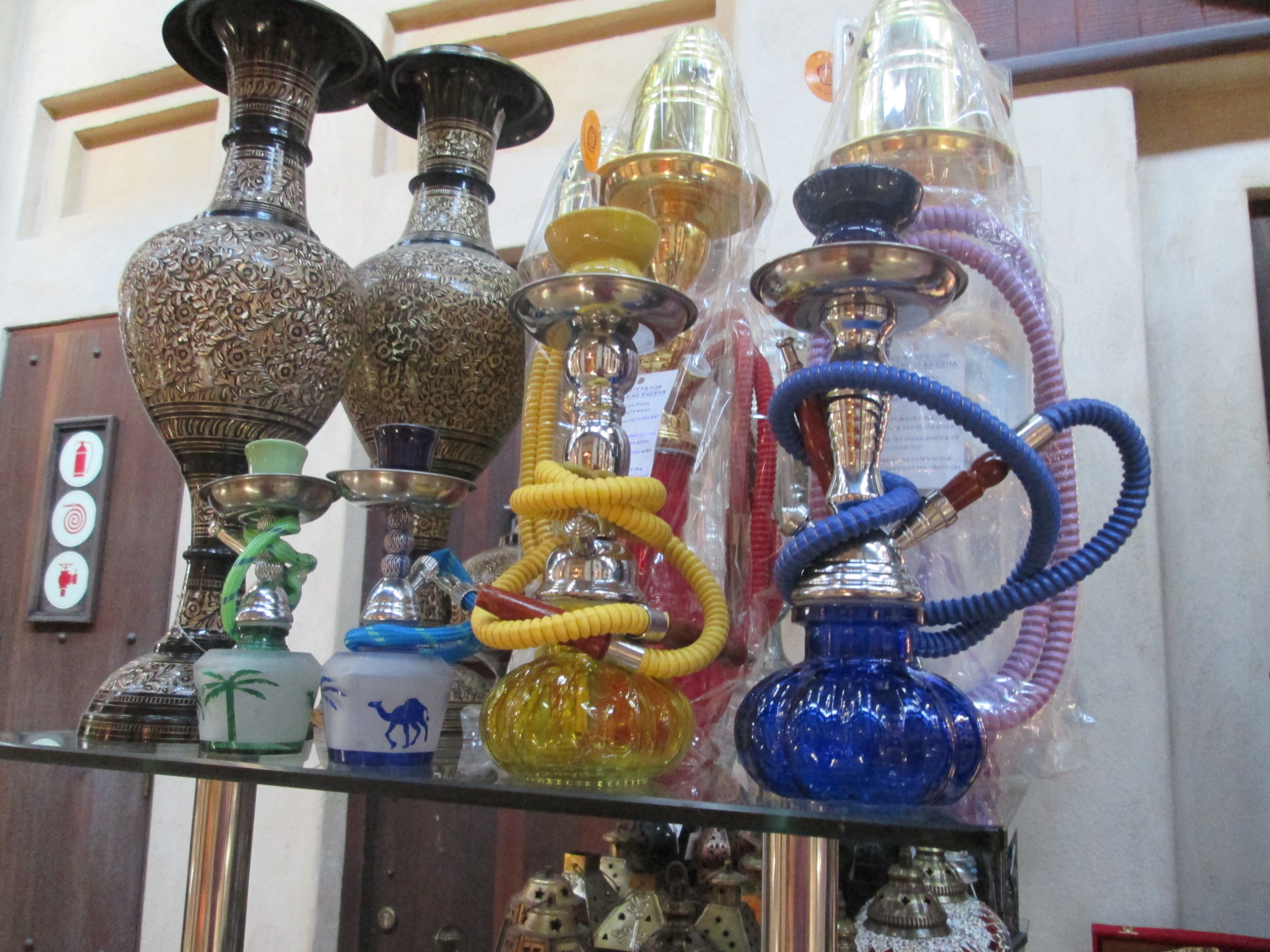
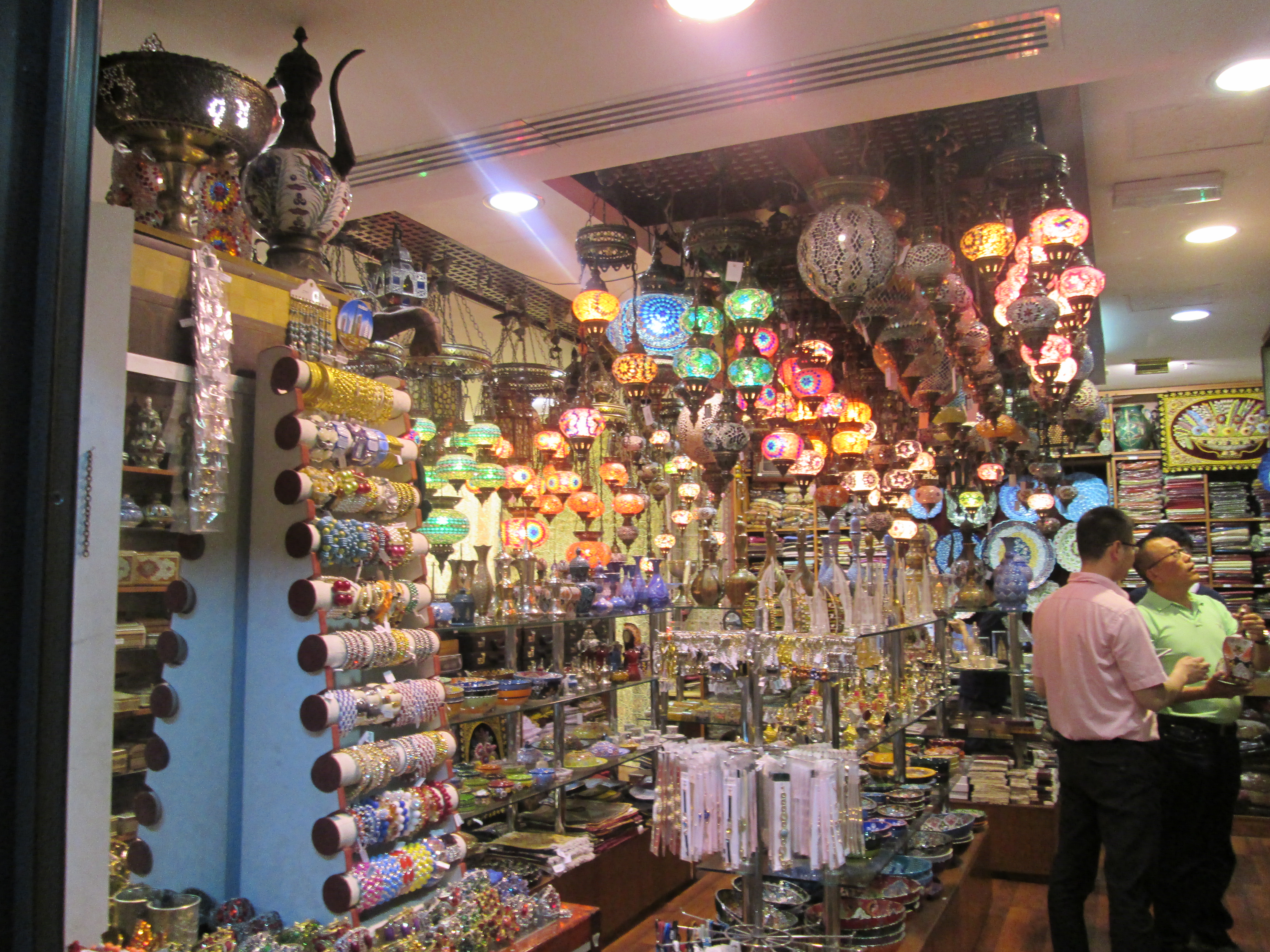
One of the stops on the Big Bus was an indoor “souk” or market.  Usually these are outside, or a group of individual stores, but this one was self-contained.  What struck me was how incredibly colourful it was.  I didn’t buy anything…but I sure enjoyed looking.

IMG_0918 IMG_0920 IMG_0921 IMG_0922 IMG_0923 IMG_0925 IMG_0926 IMG_0927 IMG_0928

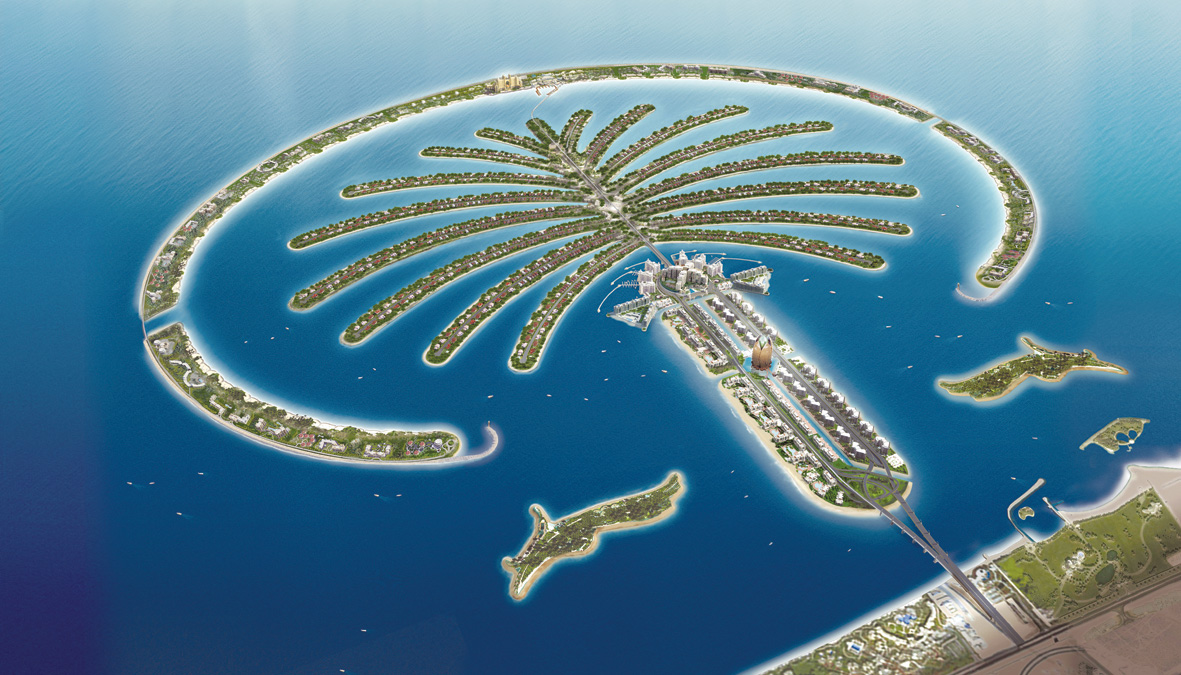
We went out onto the island of Palm Jumeirah.  This is a fully man-made island in the shape of a date palm tree.  Here is what it looks like from the air:

The-Palm-Jumeirah

There is a tunnel from the top of the “palm tree” to the arches that serve as a break from the sea.  There are highly-desirable villas and apartments on the “palm fronds” and a ridiculously expensive hotel  called “The Atlantis”  on the curved breaks.  The entire island was built using sand sprayed up from the ocean floor and with ecological sustainability in mind.  It was pretty fantastic, actually.

IMG_0945 IMG_0941

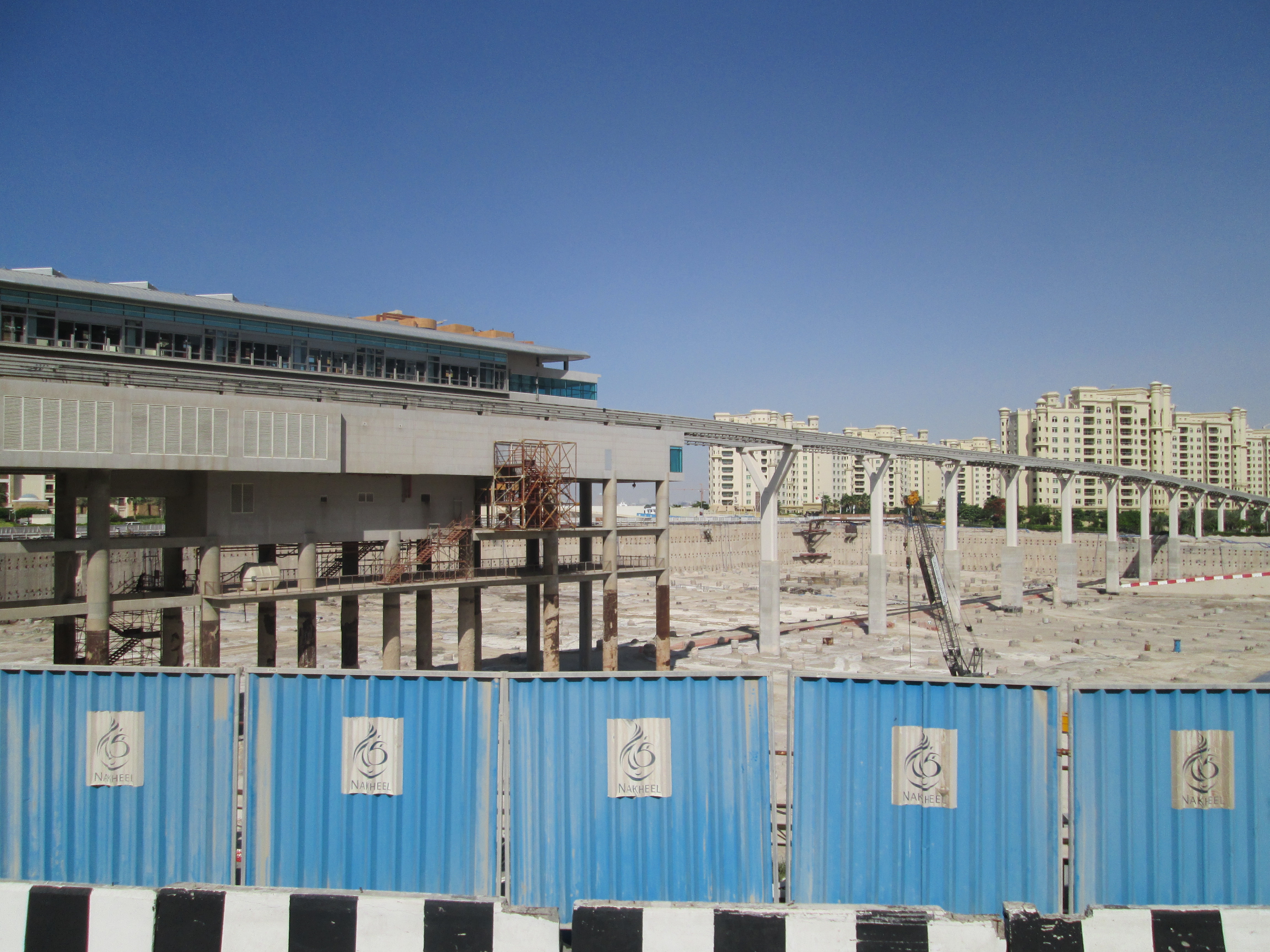
There was construction of a planned extension to the metro going on.
IMG_0946

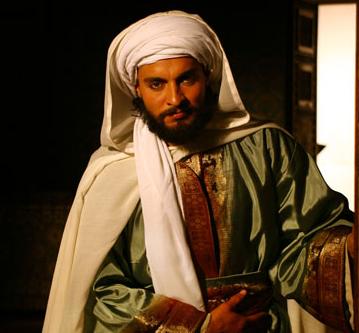
Dubai is known for its malls.  A mall is a mall is a mall, but being Dubai, these malls were a bit…well…shinier.  The one near my hotel had a theme.  The Ibn Battuta Mall was across from my hotel.  Ibn Battuta was a 14th-century Moroccan explorer and scholar known for his extensive travels.  Over a period of thirty years, Ibn Battuta visited most of the known Islamic world as well as many non-Muslim lands.

ibnatuta ibnBattutaMap

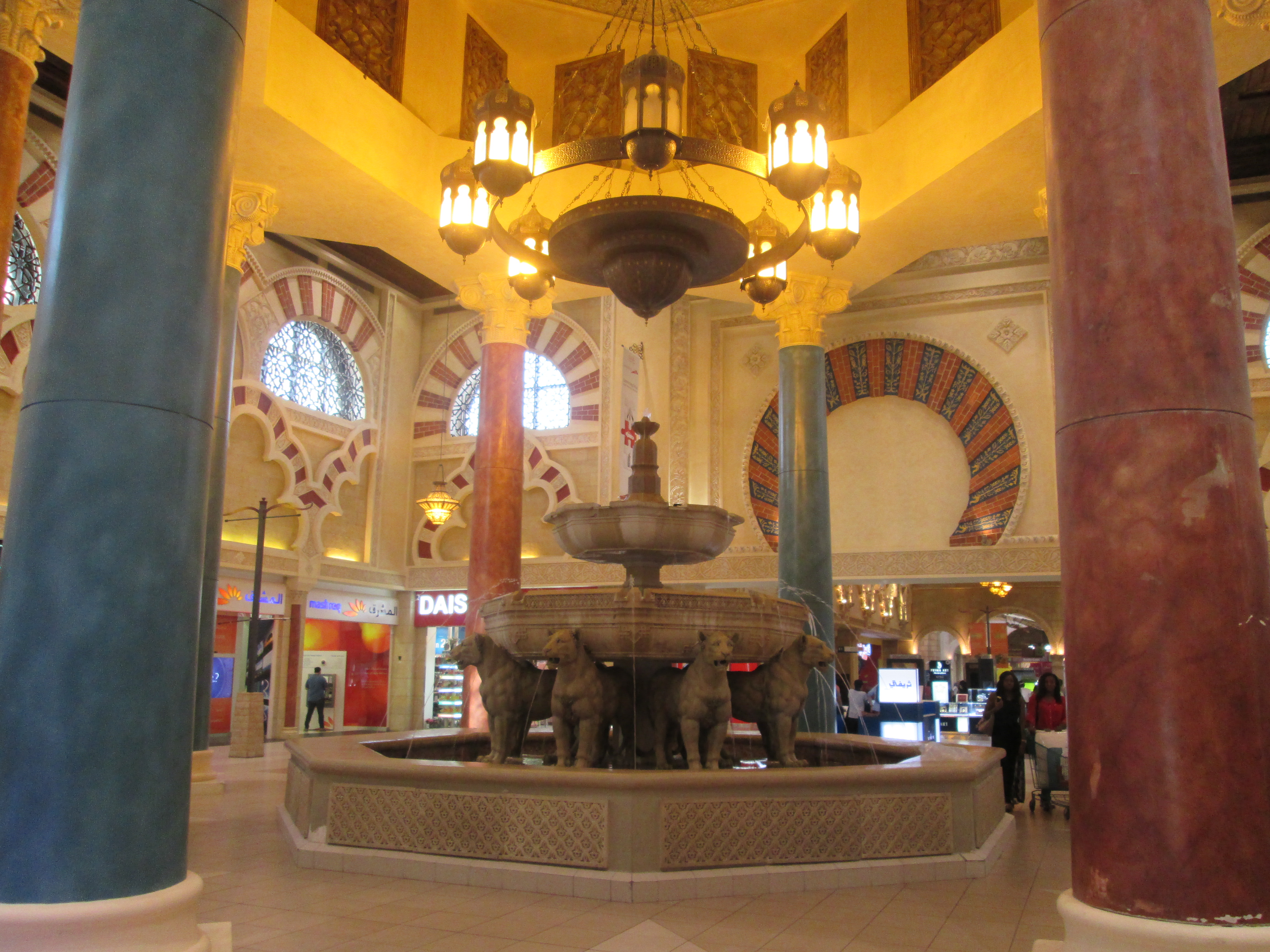
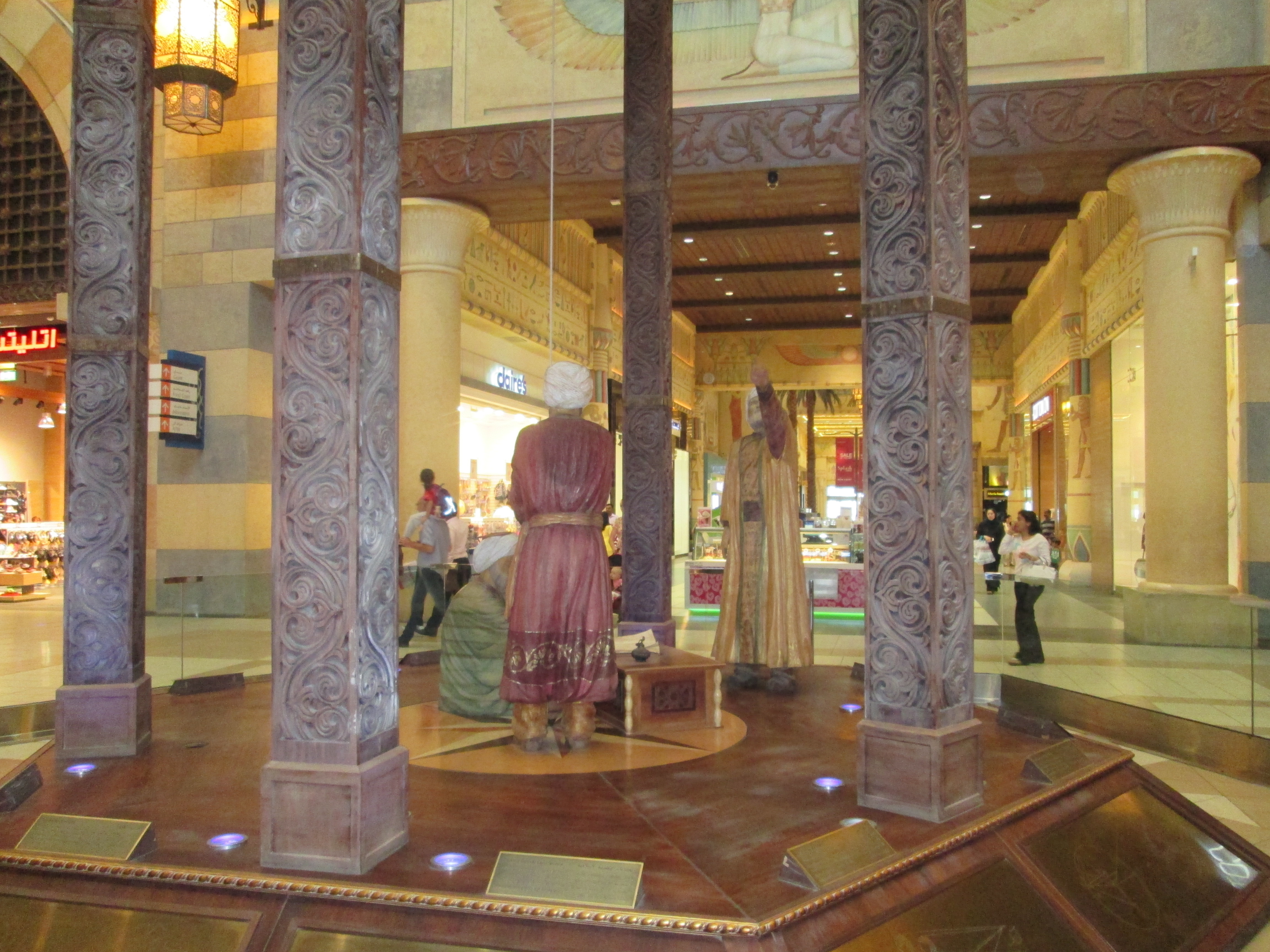
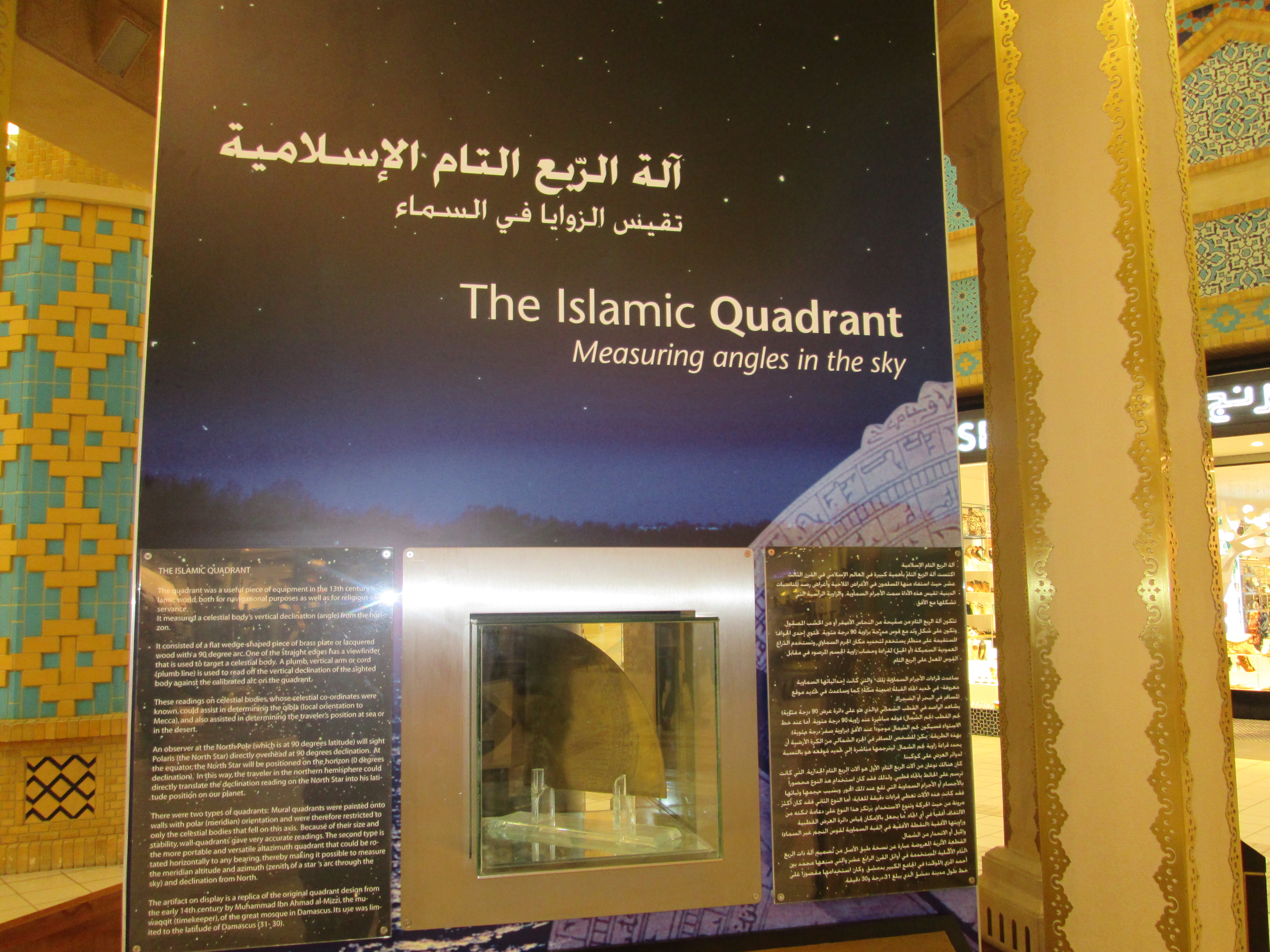
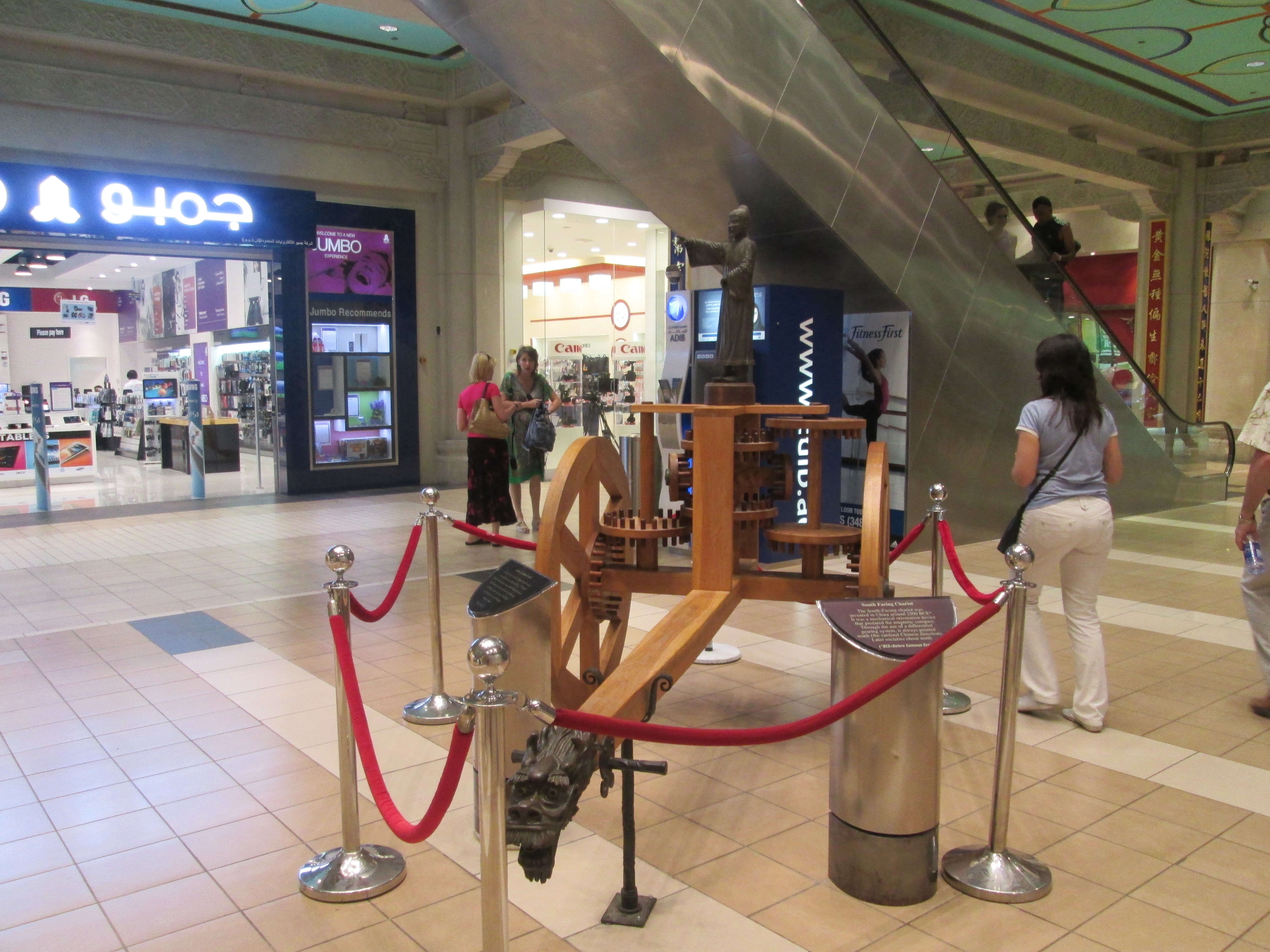
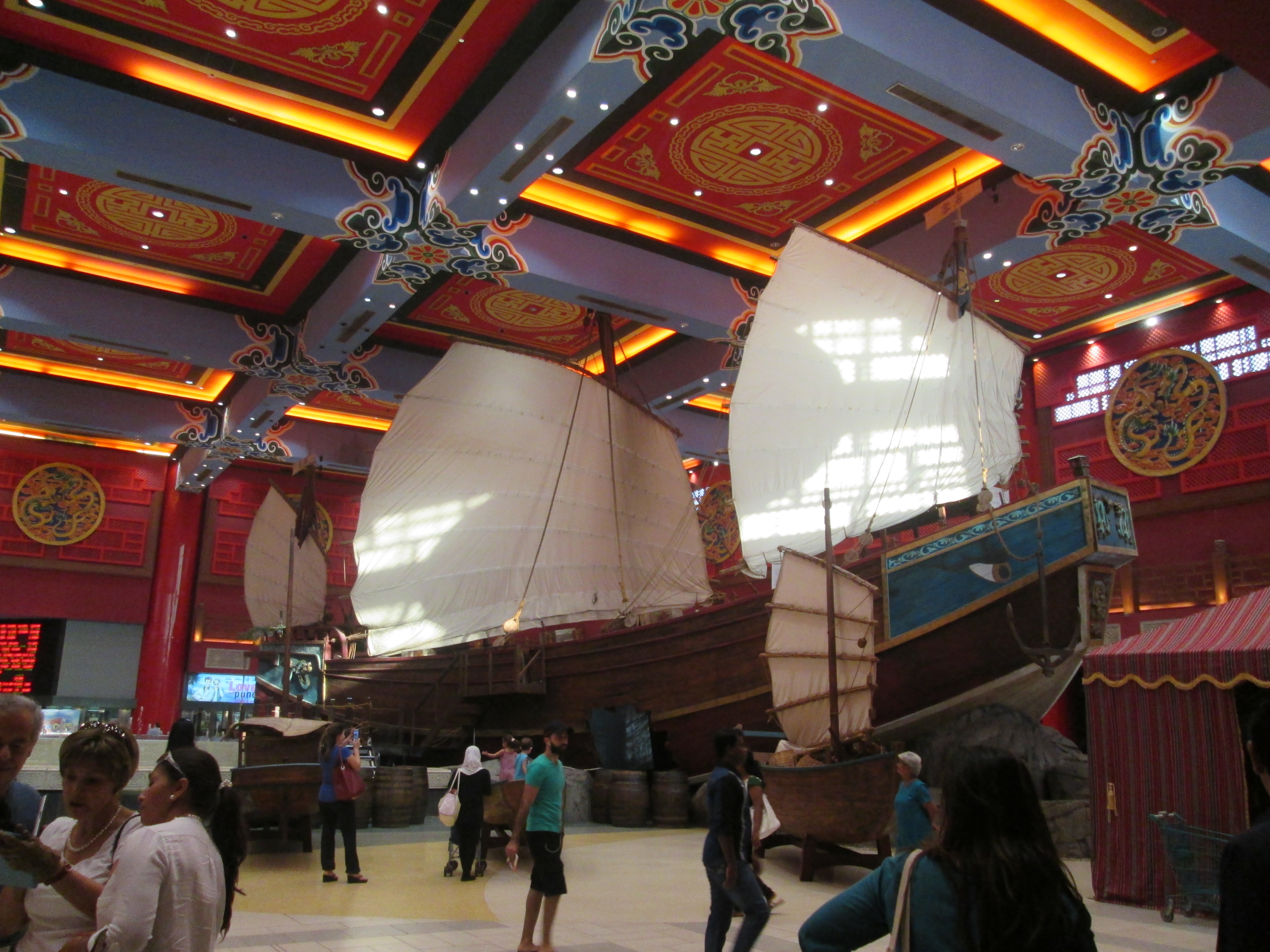
The mall is “themed” according to the countries he visited and there was an interesting exhibit in the very centre, describing many of the inventions and discoveries made in the Arab world during this time.  It struck me that although I consider myself well-educated and certainly well-read, I had never before heard of this great adventurer and explorer.

IMG_1050IMG_1051IMG_1053IMG_1054IMG_1055IMG_1056IMG_1063IMG_1062

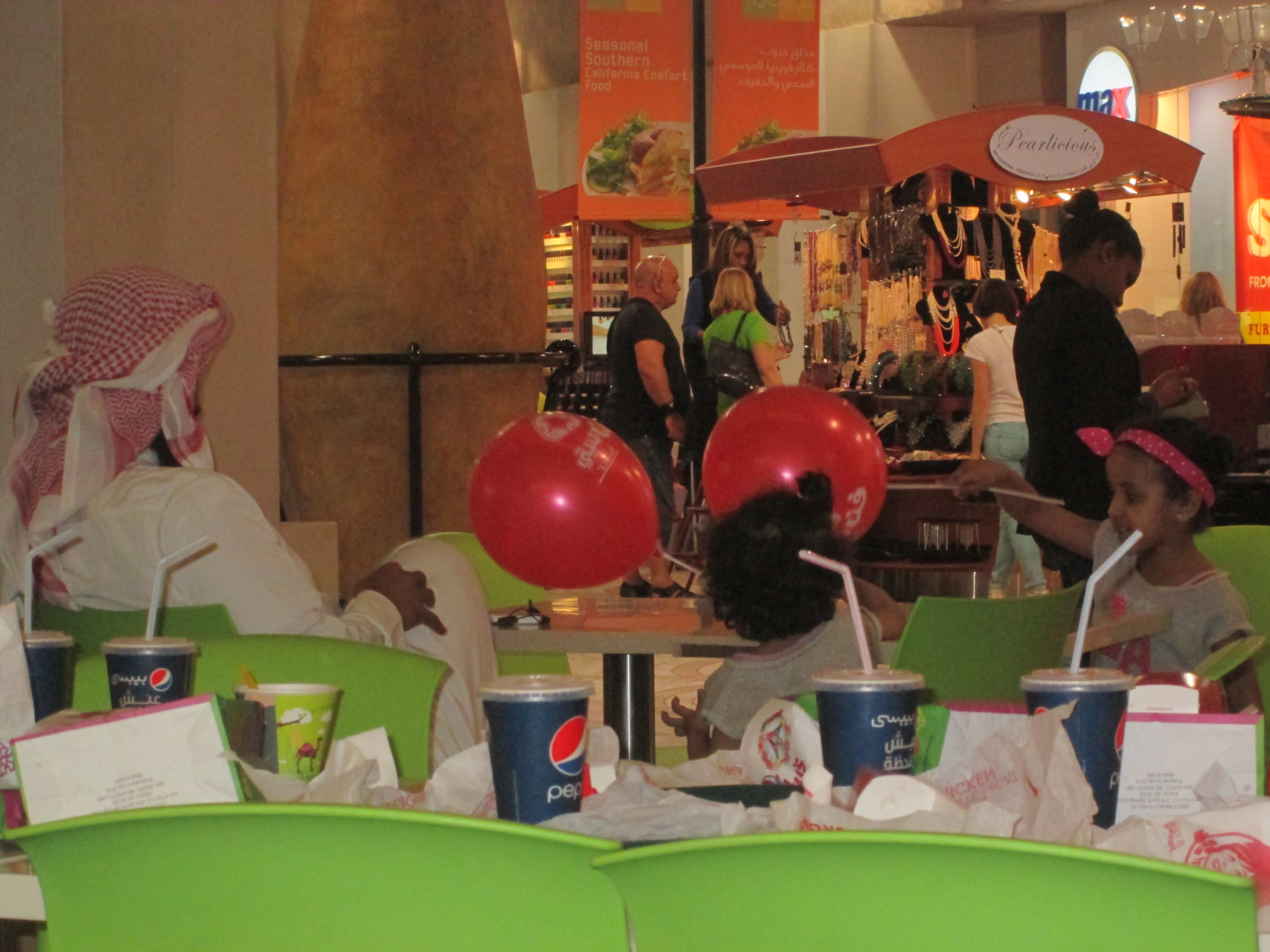
It was a bit incongruous to see so many western-based stores smack up against Arabic culture, dress and decor.  There was a huge 14-screen movie complex right in the middle of the mall…surrounded by an ancient sailing ship and a guy on a life-size elephant.  And behind the elephant, there was a Cinnabon.  The food court had American chain restaurants as well as more traditional fare, and there were people in all kinds of dress – from traditional Arabic robes and full burka to women in shorts and halter-tops (although these are supposedly discouraged.)  I watched one traditionally-dressed father sit exhausted at a table covered with McDonald’s wrappers while his two little girls shrieked and played with balloons until his burka-wearing wife returned with a huge shopping bag and berated him for allowing the girls to run wild.

IMG_1057 IMG_1058 IMG_1060 IMG_1061

IMG_1066

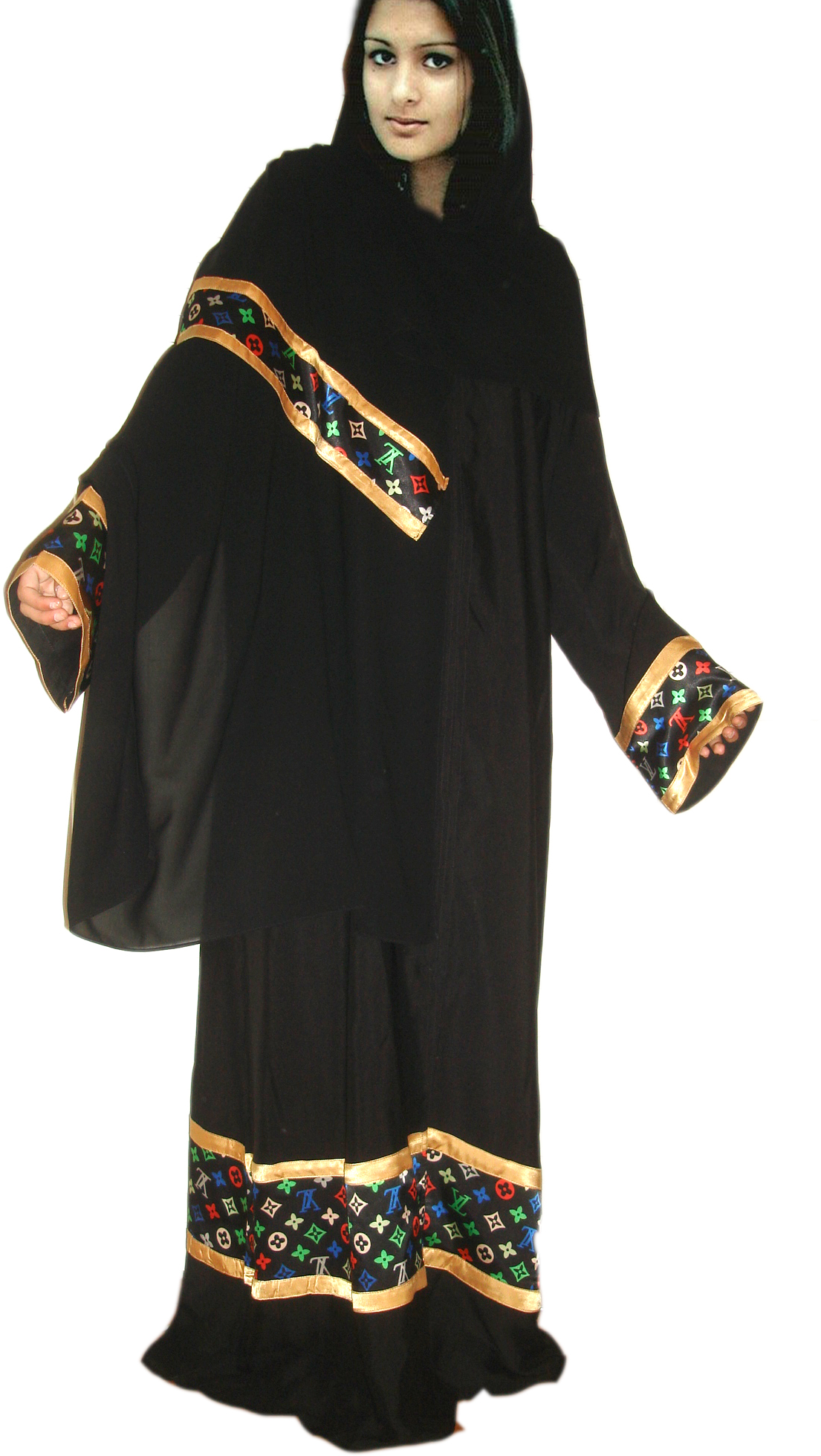
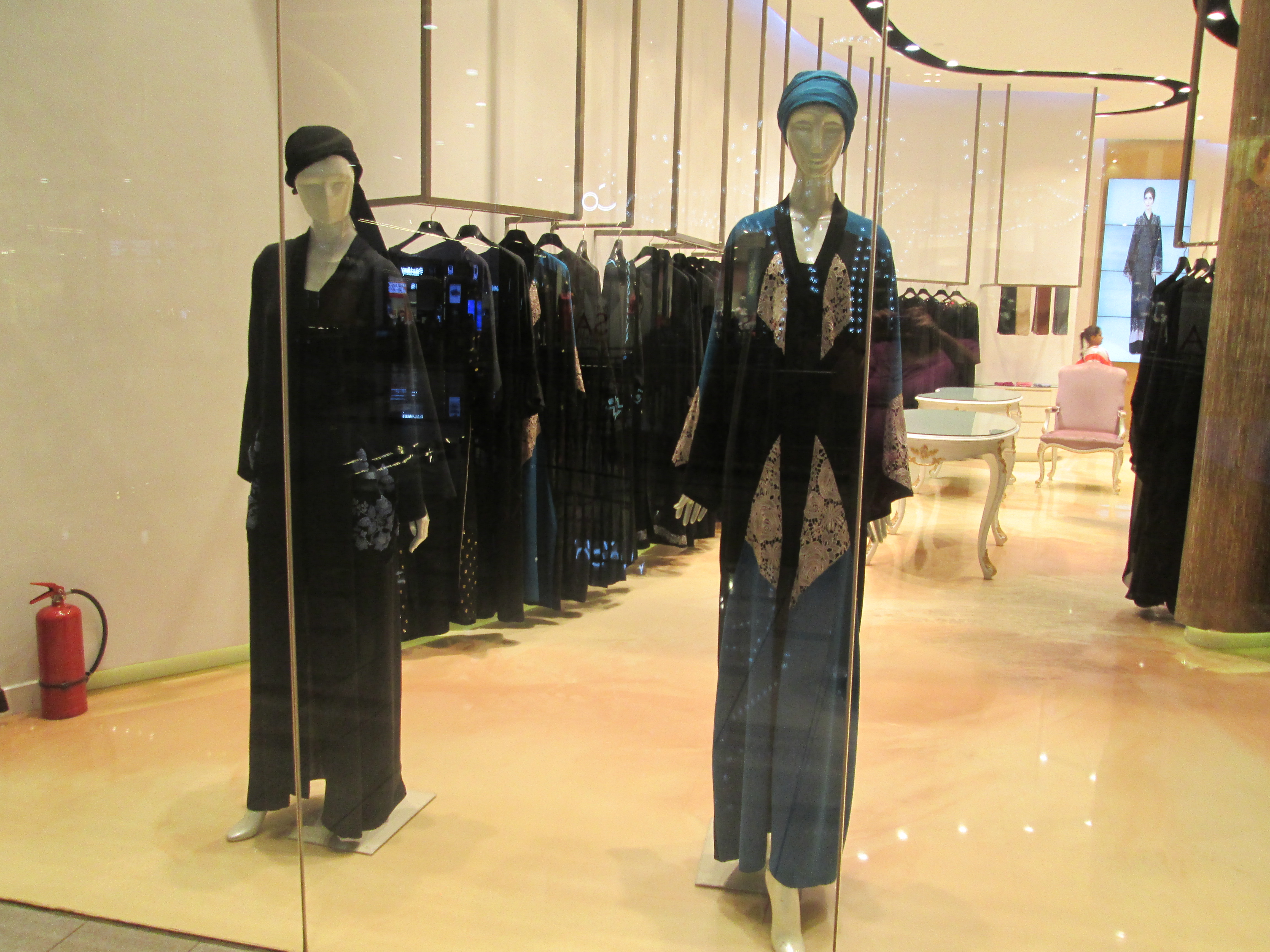
Although Dubai is less restrictive about dress than some other Arabic cities, you still see plenty of women dressed in full hijab, some with just a head-covering and some with the veil that hides the entire face except for the eyes.  Westerners who visit Dubai do not wear the head coverings, but my colleagues who worked at schools in some other places in the UAE like  Ajman and Sharjah told me that almost everyone wears an abaya there – you feel out of place without one.  “Abaya” means “cloak” and is a garment you wear over your regular clothes.  These can be quite fashionable. Here’s one designed by Louis Vuitton!
Abaya LV


To be honest, I can see the attraction of covering up.  You never have to worry about a bad hair day, or about someone leering at you, or feeling too “fat.”  You don’t have to worry about how you sit, how you walk or if you’ve got your make-up on.  And in the bright, hot sun, it make sense to cover your head – I had a light-weight scarf that I used when walking.
Black is the common colour for hijab amongst Arab women (although the Hindu women wear brighter colours) and I saw an advertisement posted in the ladies room for a product designed to “Keep your blacks really black!”  Some women also decorate their “blacks” with sparkly sequins and glittery stones. I also saw a young woman in the bathroom sitting on the counter, her head scarf pushed off, talking on her iPhone and smoking a cigarette!

IMG_1087

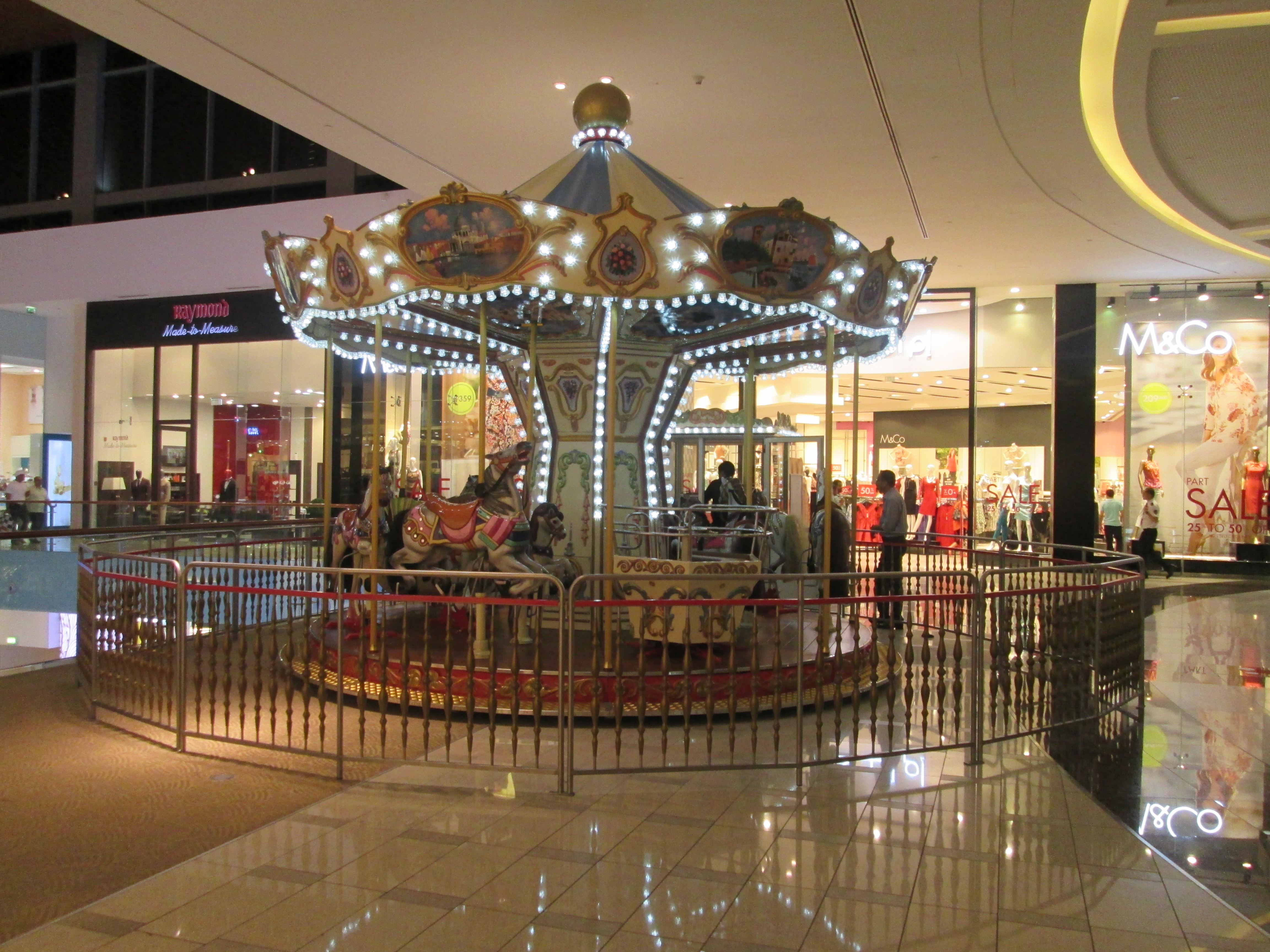
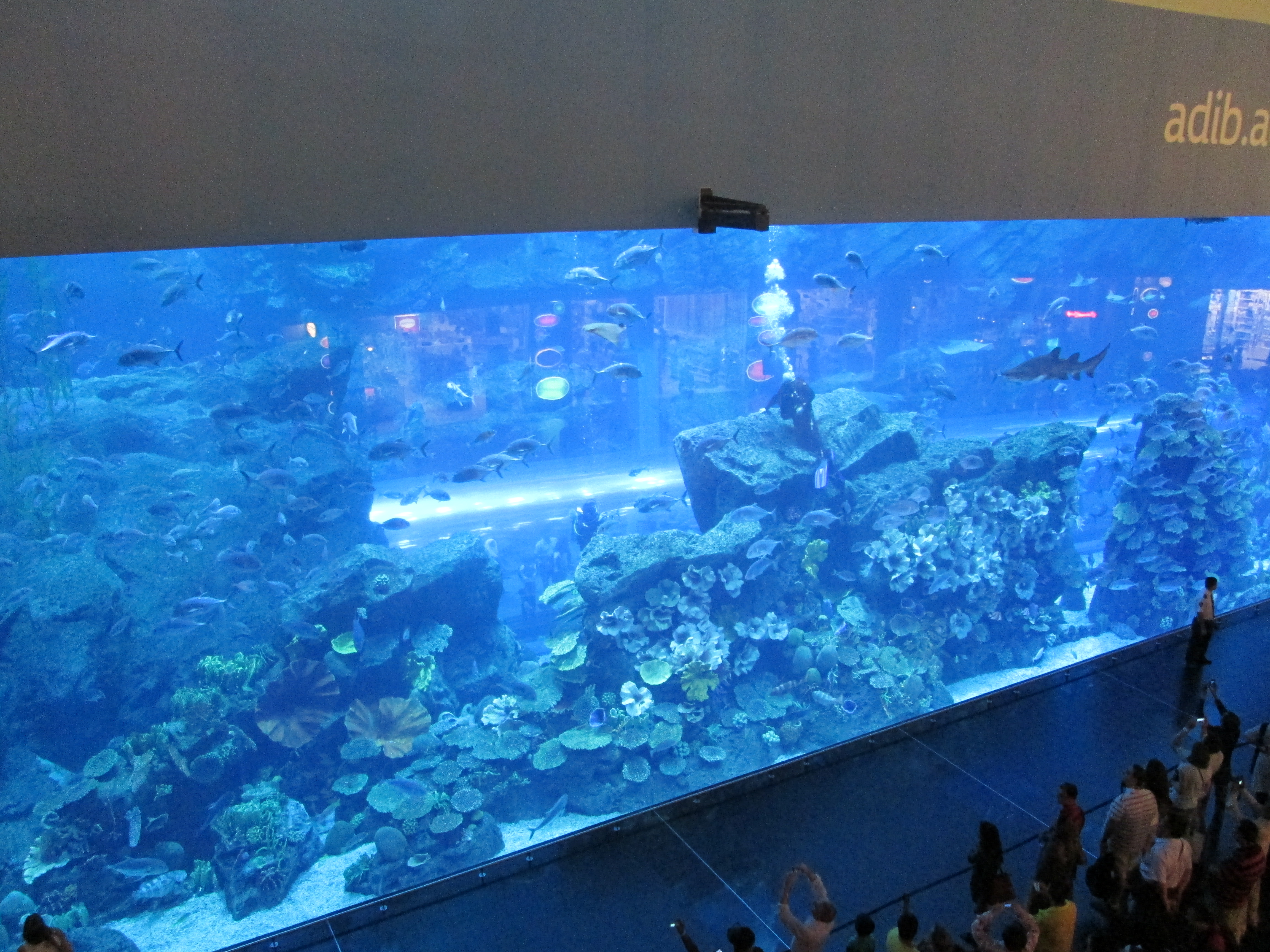
The Dubai Mall was about three times as large as the Ibn Battuta.  This place had a merry-go-round and full-sized dinosaur skeleton in it.  Also an aquarium.  A full-sized aquarium.  In the mall.

IMG_1088

IMG_1086 IMG_1084 IMG_1083


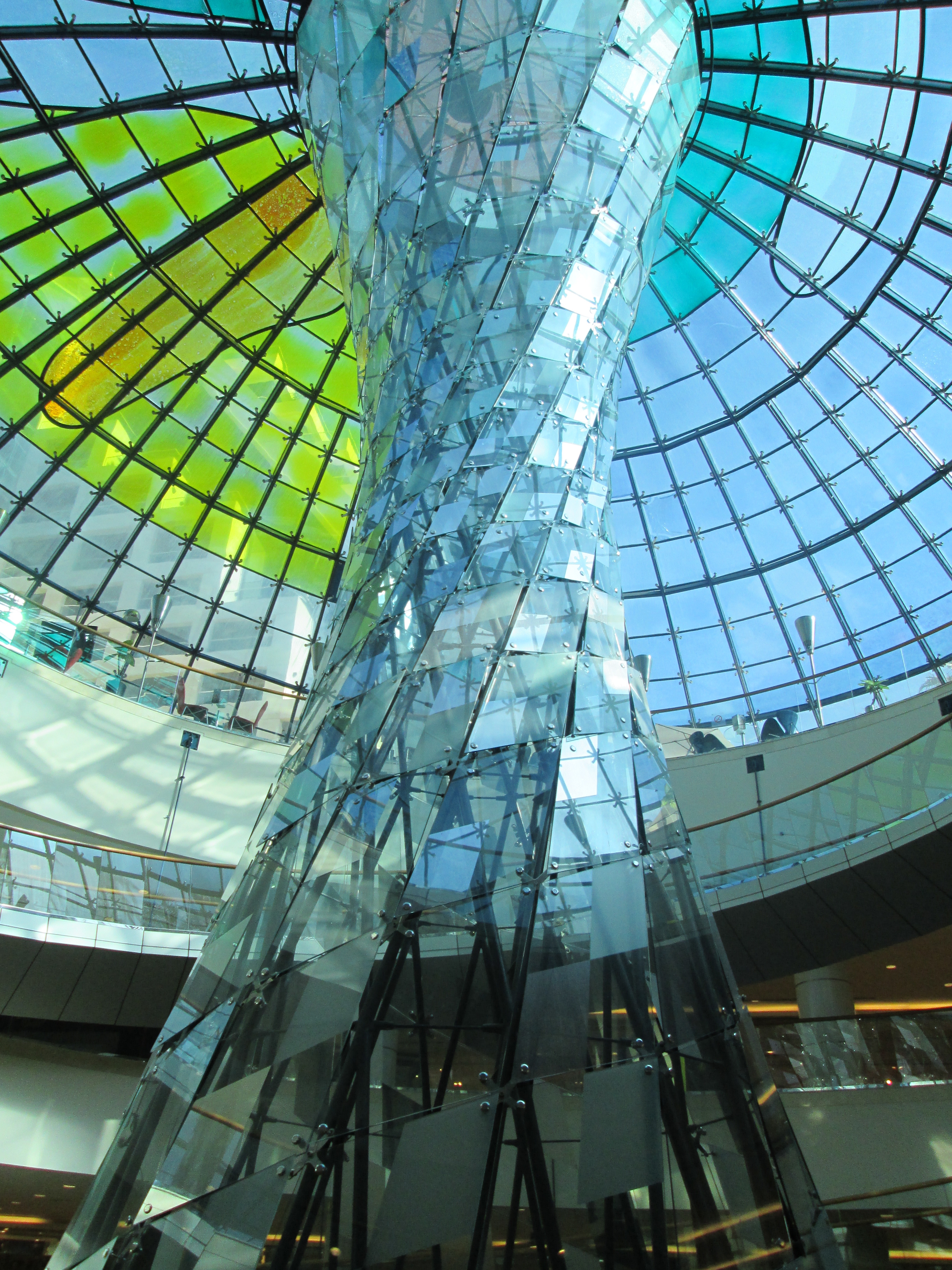
There were some fantastical glass statues and sculptures as well as decorative windows and passageways.

IMG_1078IMG_1075IMG_0964 IMG_0961

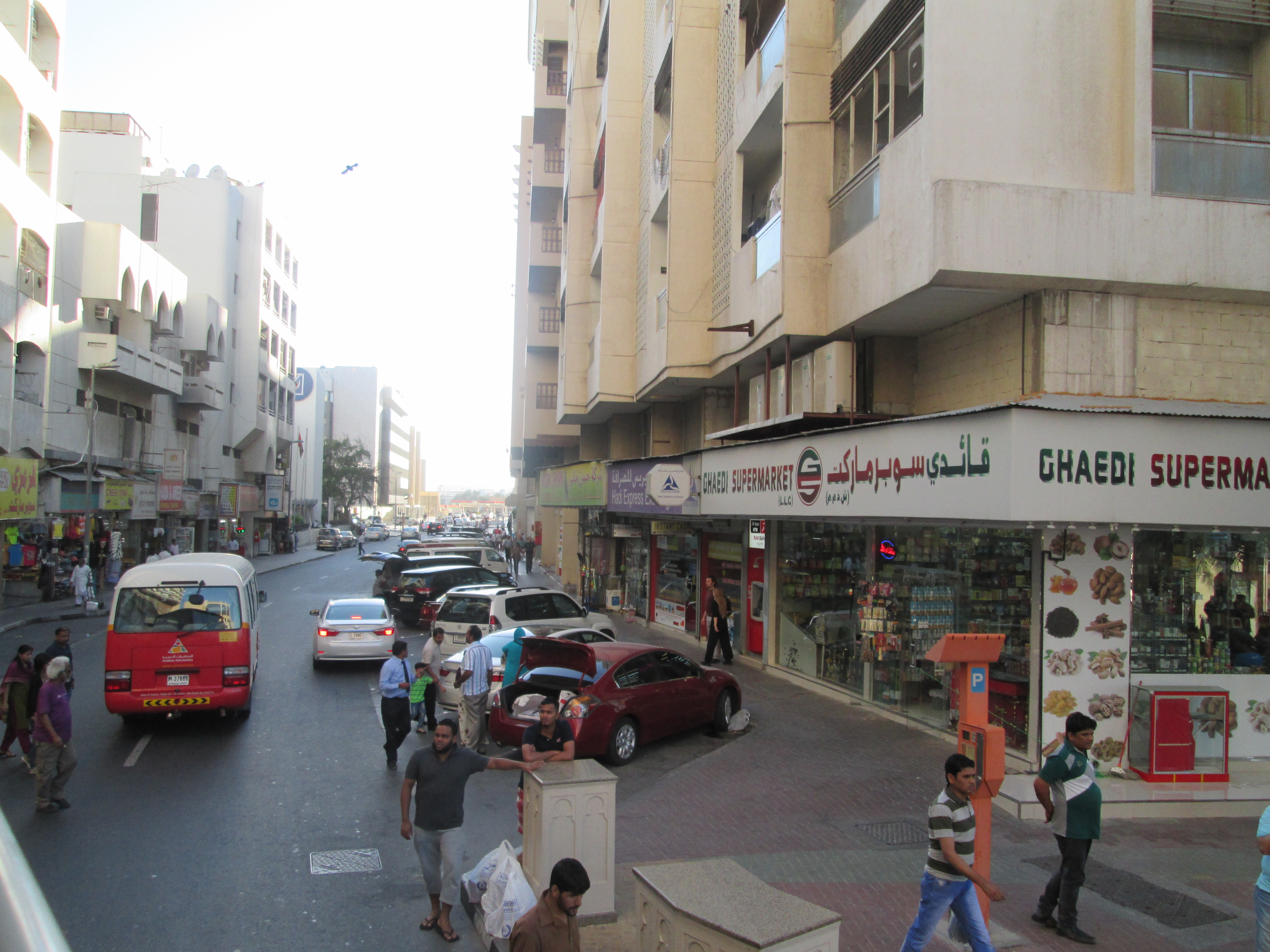
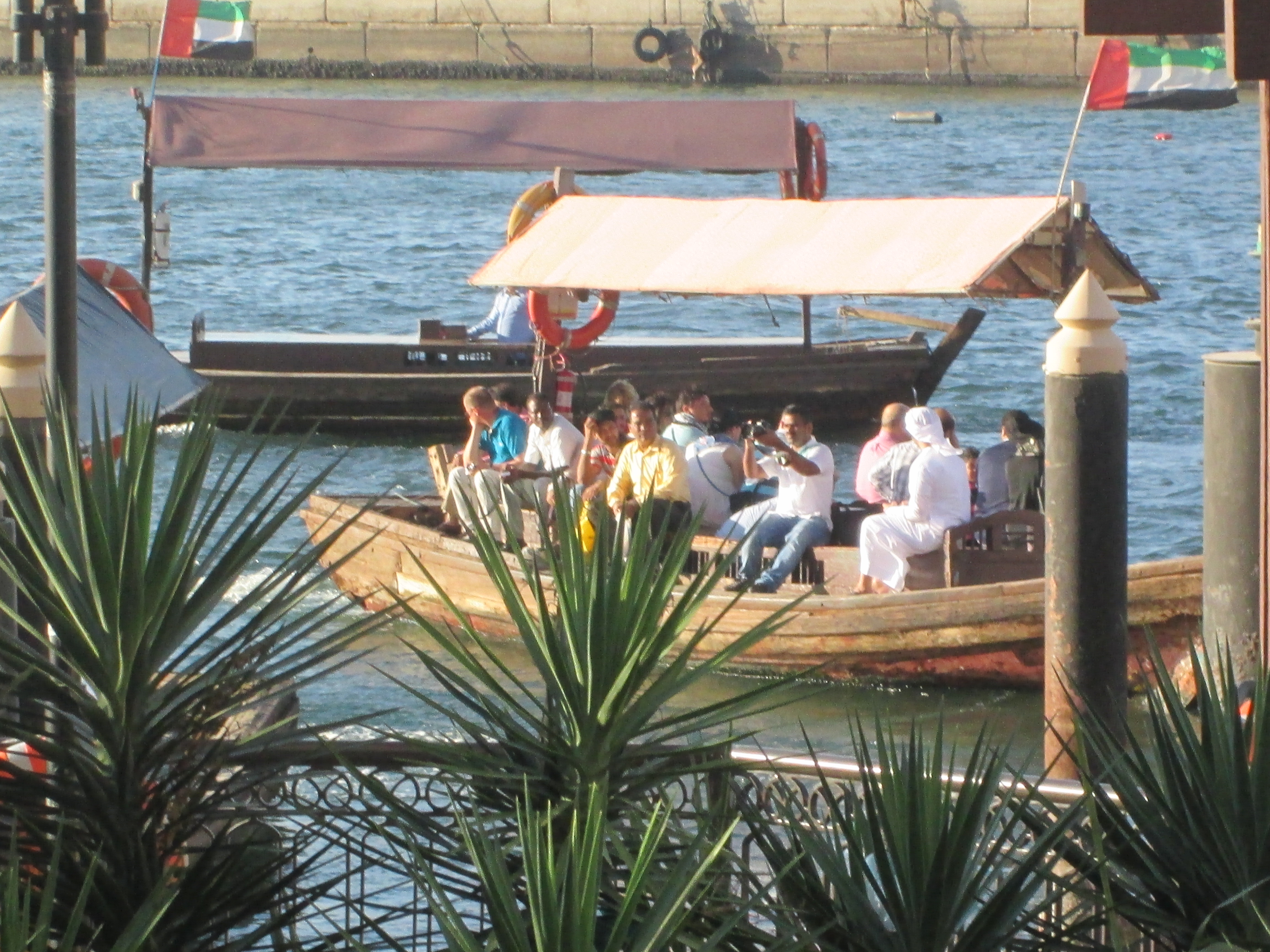
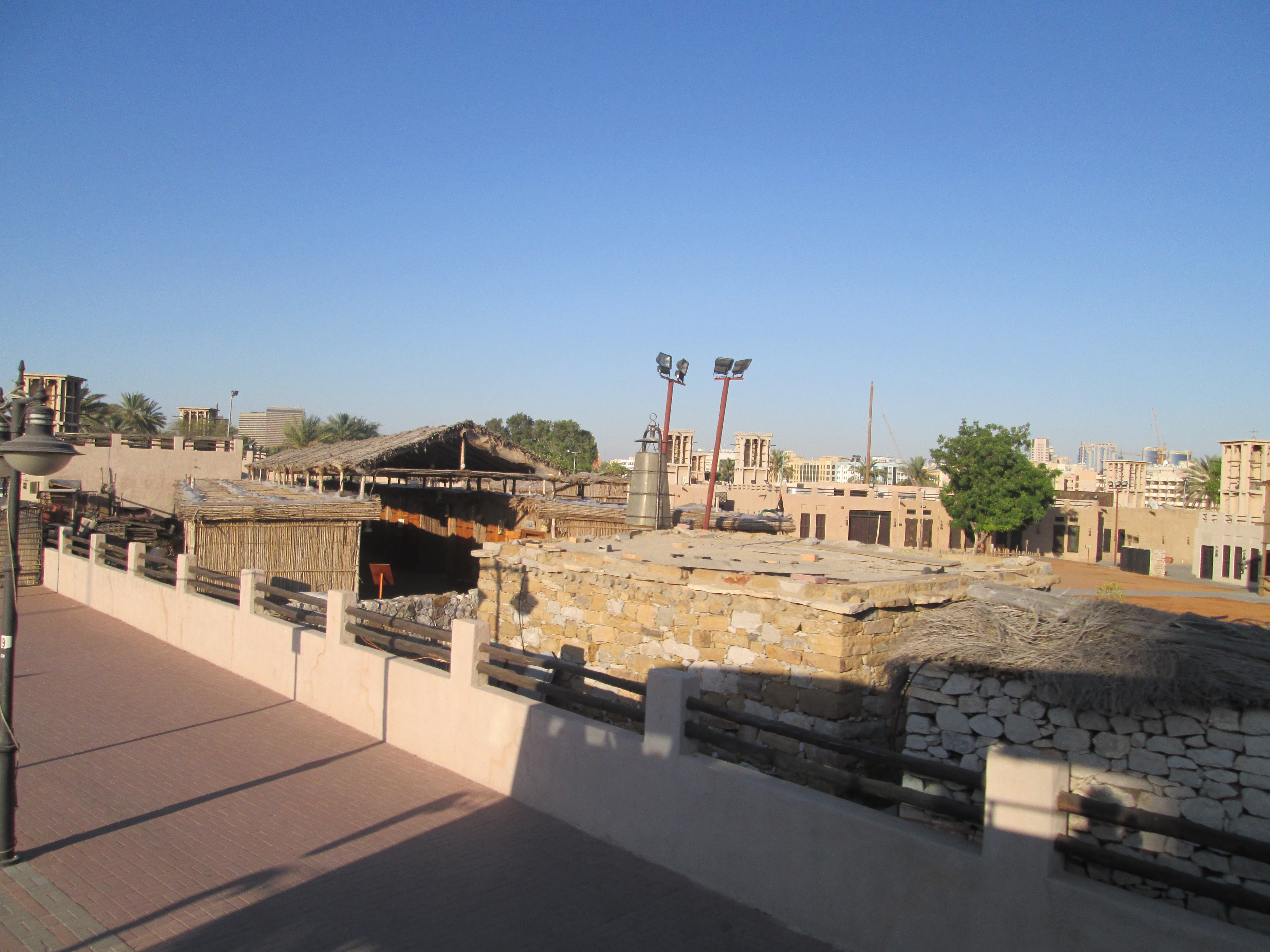
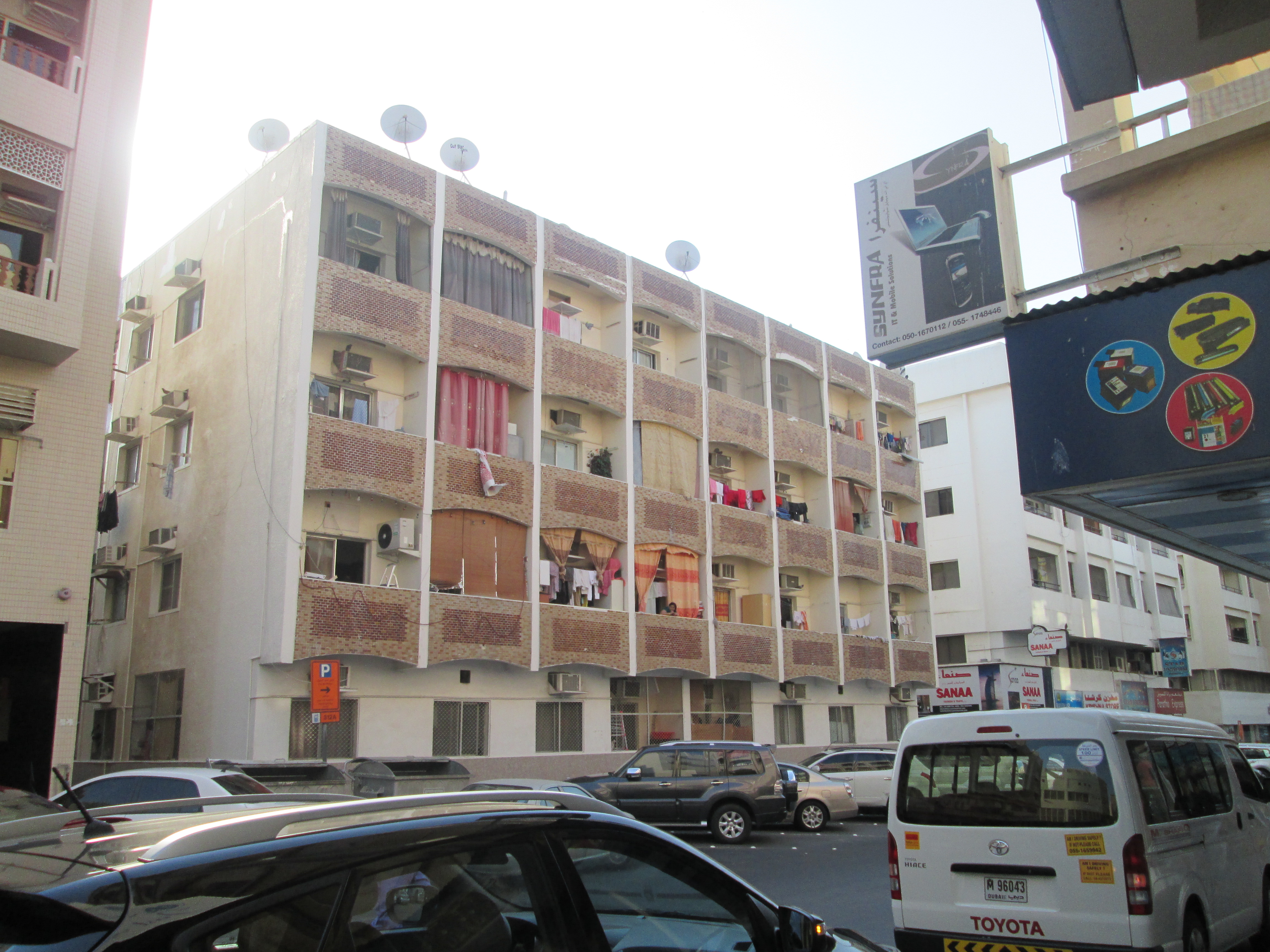
The Big Bus took us down into the older part of the city, with smaller stores and residential areas.  There is a creek which flows through Dubai and is the life-blood of the city.  You could take a water-taxi (an “abra”) across to the other side.  Boats and barges were lined up with their wares stacked on the shore.  Traffic signs were in English and Arabic (as almost everything is in Dubai) and although Arabic is the “official” language, most people also have at least some English.  In listening to conversations and announcements on the trains, I realised how many English words come from the Arabic language.  Some common ones: algebra, cotton, zero, spinach, sofa, orange, mummy, lemon, giraffe, candy, artichoke and alcohol…and many, many others.

IMG_1011 IMG_0991 IMG_0990 IMG_1000 IMG_0996 IMG_0986IMG_1071IMG_1001IMG_0951

Although the air is dry in Dubai, the mid-day temperatures can get very hot.  These are air-conditioned bus stops!

IMG_0971


I spent the next two and a half days at the Greenfield  Community School, learning the intricacies of the “new and improved” MYP, hearing buzzwords like “up-skill,” “synergistic,” “dynamic” and “standardised assessment” and trying to bite my tongue.  I did not always succeed.  However, the host school was very welcoming and the catering company had pretty good food.  And, as always, it was good to hob-nob with my fellow wizards…

IMG_1043 IMG_1041 IMG_1040 IMG_1038 IMG_1037 IMG_1036

I found the people of Dubai invariably friendly, helpful and welcoming.  I did not feel out of place as a “westerner” and enjoyed exploring the incredible architecture and browsing in the malls.  I would like to return when I am not tied to a conference and spend some time down by the creek, shopping in the souks and taking an little cruise along the water.  As it was, I enjoyed sitting in the outdoor lounge on my last evening, having the “special drink of the day” and an assortments of tapas and feeling the desert breeze on my face.

IMG_1049 IMG_1048

IMG_1007

The Harare International Festival of the Arts

Standard
The Harare International Festival of the Arts

HIFA

The Harare International Festival of the Arts (HIFA) is one of Africa’s largest international arts festivals. Established in 1999,  the festival takes place each year in late April or early May in Harare, the capital of Zimbabwe. The week long festival encompasses five principal disciplines: theatre, music, dance, fine art, and poetry.  I was lucky enough to be able to attend for 4 full days.

Zimbabwe is a country in deep trouble.  It declared independence in 1980 and Robert Mugabe, seen at the time as a hero by many people, was elected Prime Minister.  For the first decade of his administration, it seemed as though Zimbabwe would emerge as a modern power, with decent health care and education for all citizens,  integration and cooperation between people of various races and a thriving economy.  However, after about a decade, Mugabe seemed to lose his grip on reality.  He blamed his countries woes on vague “conspiracies” and “sabotage” and made some extremely questionable decisions.  He has been “elected” seven times, although the last few elections were challenged.

zimbabwe

Zimbabwe has gradually deteriorated into a country with an 80% unemployment rate, no health care, no education and no industry.  They experienced “hyper-inflation” and in 2008, the government started printing bills in denominations up to 100 billion dollars.  Shortly afterwards the economy completely crashed and now Zimbabwe has no currency at all – they use American dollars and also accept Botswanian Pula, South African Rand or Euros.

GraphHyperinflation_2008_notes

The city is crumbling – sidewalks falling apart, trash strewn everywhere, shops boarded up and people trying to sell trinkets or cheap food on the street, or begging outright.

In the middle of all this is HIFA…an incredibly organised, internationally diverse, wildly successful festival.  And so…maybe there is hope for Zimbabwe after all…because the HIFA was amazing.  Six days of music, dance, drama, poetry and artists literally from all over the world.  Everyone working at the Festival was friendly, welcoming and helpful.  There were shuttles organised to take you to different venues and they ran on time and on a schedule.  The acts were all great – hugely diverse in scope and style.  Performers of all ages, colours, nationalities and everything else.

So, let me tell you about what I saw!  (And this is only a small sample of what was going on!)

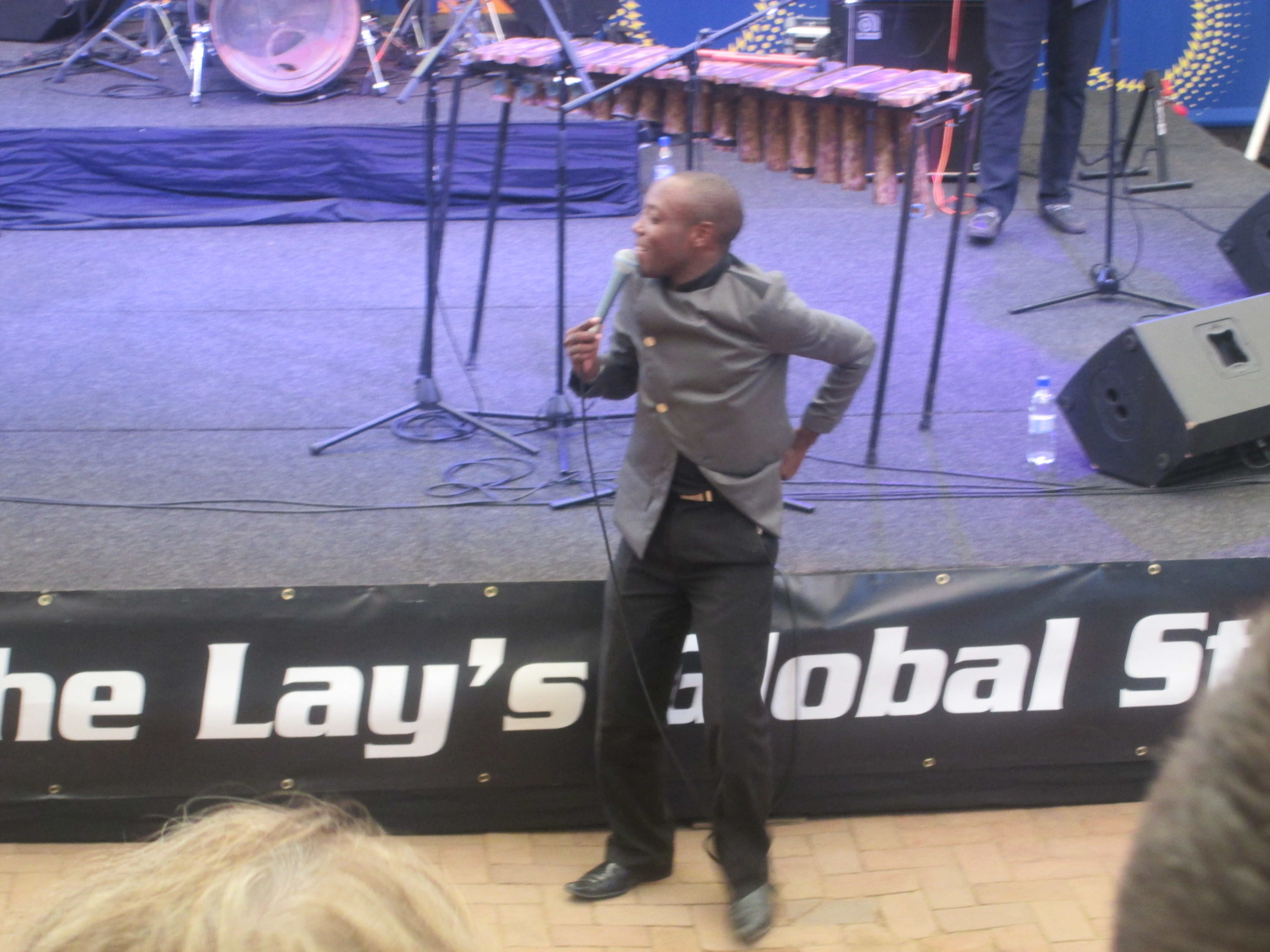
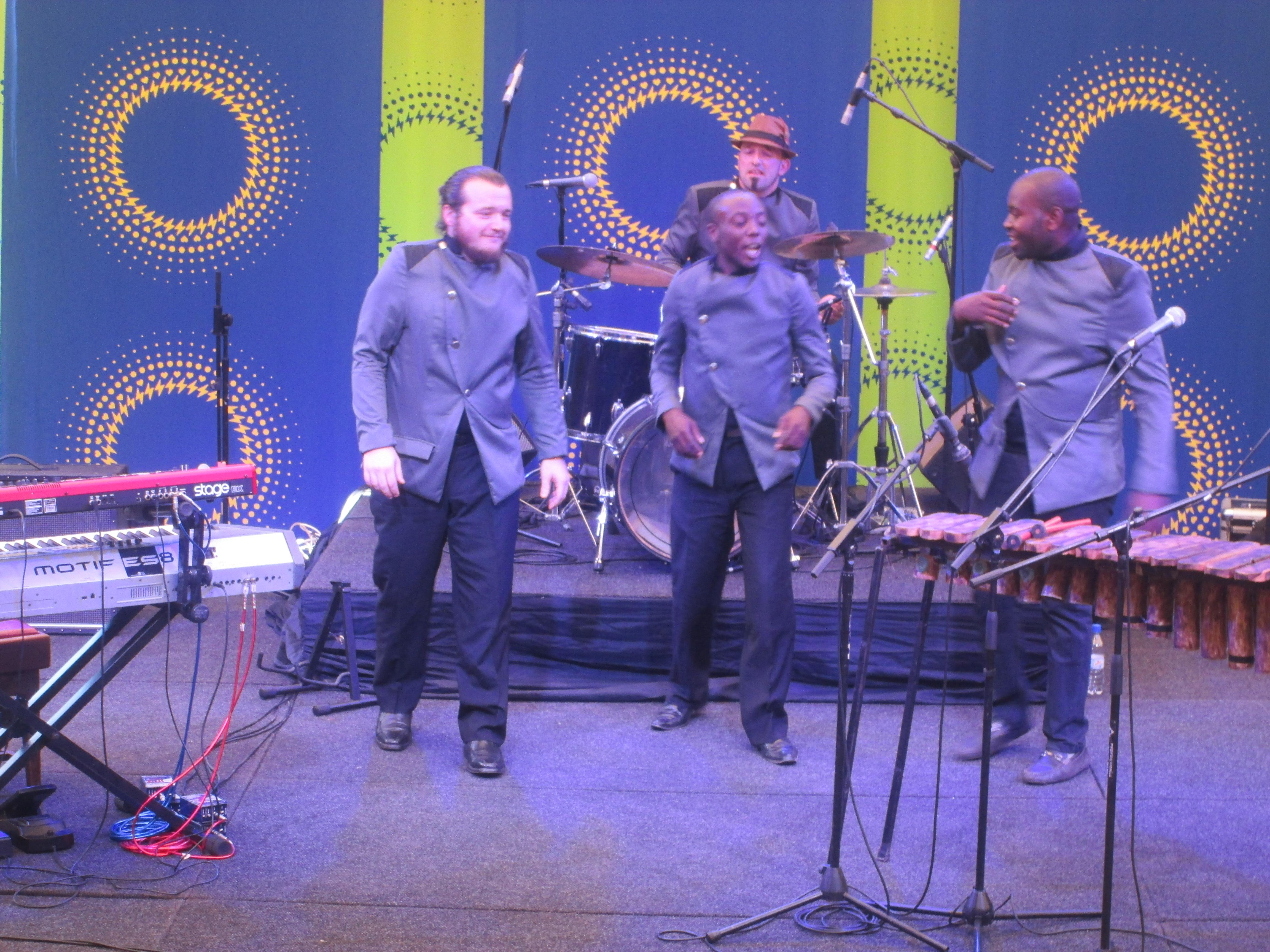
Zimboita was a quartet of musicians blending Zimbabwean and Italian music.  They were terrific and got everyone on their feet and dancing.

IMG_0789 IMG_0790 IMG_0797 IMG_0796 IMG_0800

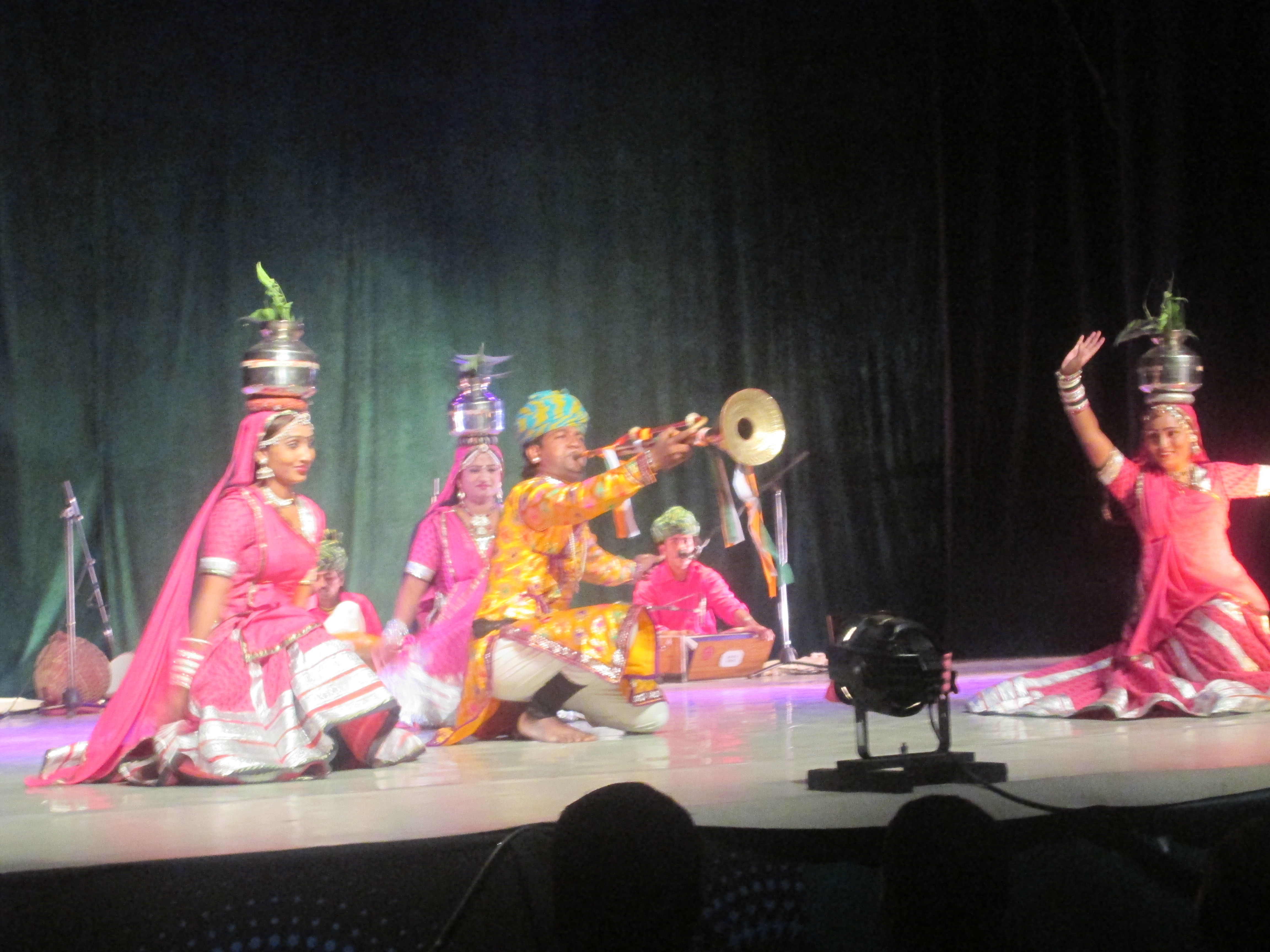
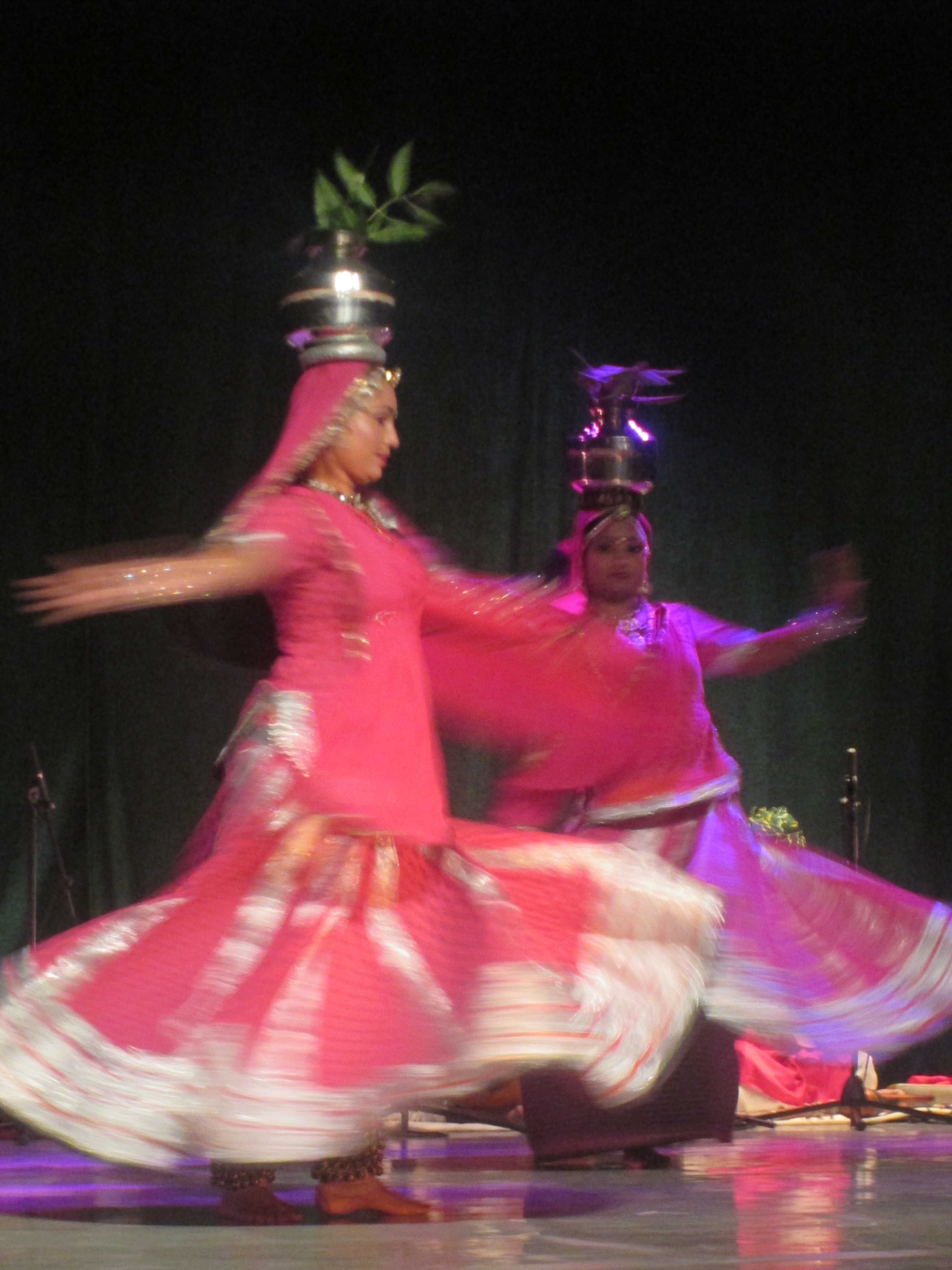
There was an Indian Dance Troupe…they advertised themselves with a picture of someone breathing fire and holding a snake.  However, apparently the theatre nixed the fire and customs nixed the snake.  So they did many dances which involved balancing many bowls and other objects on the head.  It was kind of cool…especially when in the middle of one dance, one of the musicians ran out into the centre, blew this huge horn and then ran off again!

IMG_0846 IMG_0837 IMG_0836 IMG_0834

There was a magic show called “My Father’s Hat,” which was wrapped in a one-man play about the magician, his son and his father.  The performer gave me a ride back to the Main Gate afterwards and told me that the story was 99% true…that his father had been an expert magician and had actually died while doing his act!

IMG_0850 IMG_0848

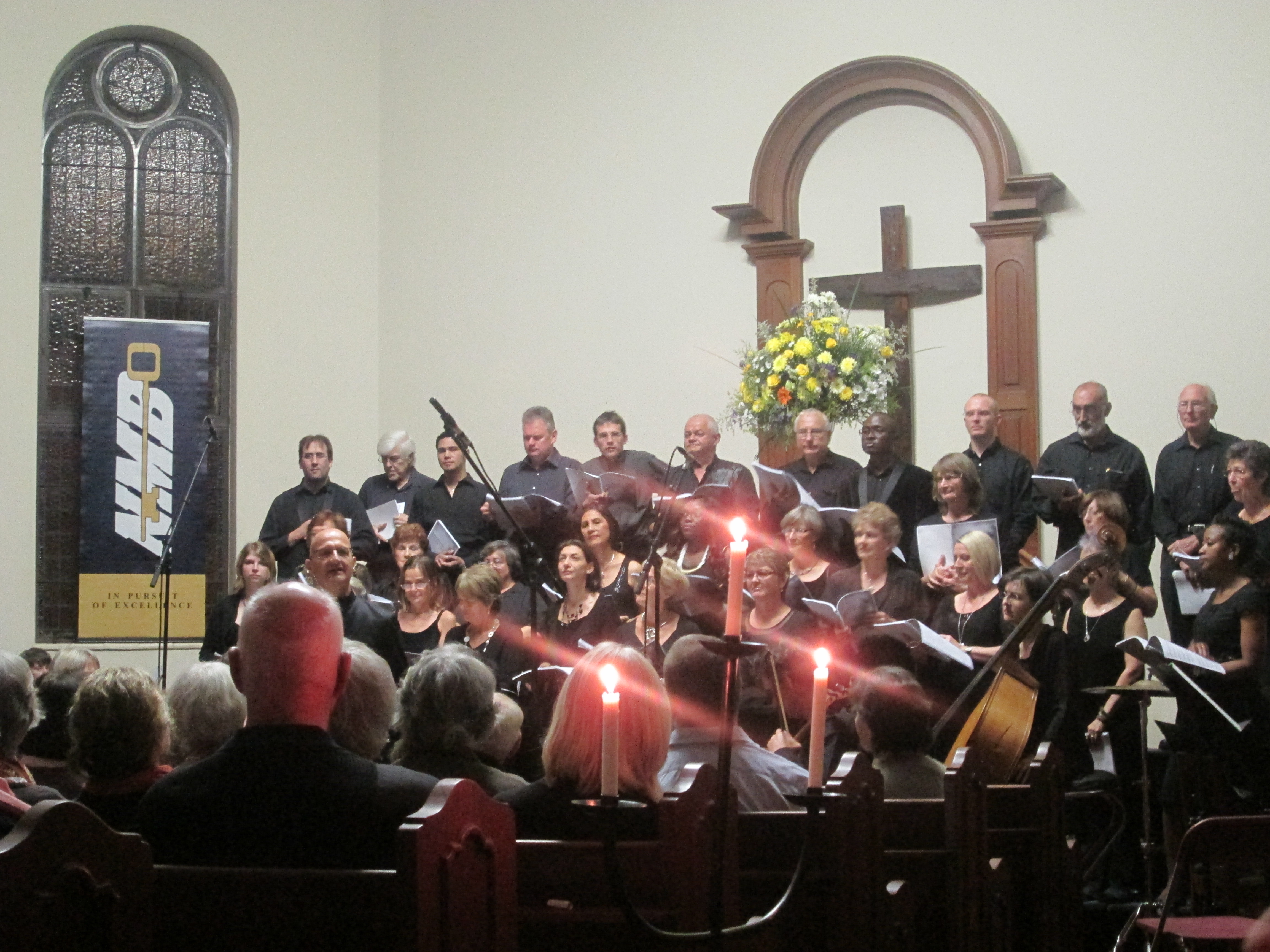
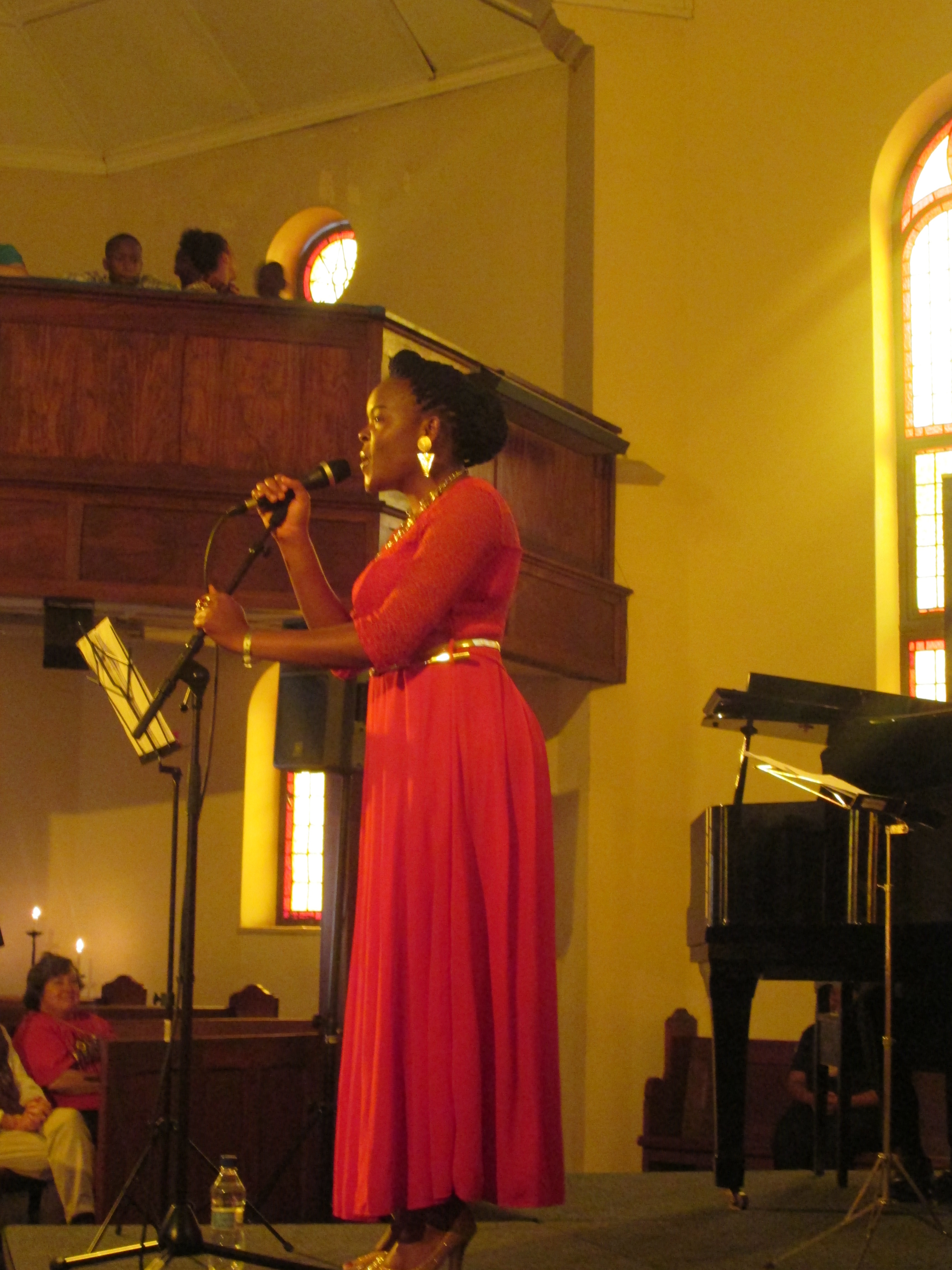
There were some fantastic classical performances held in a wonderful old church with exceptional acoustics.  I heard world-famous opera stars in recital, three of the Bach unaccompanied cello suites, a choral/orchestral work called “Stabat Mater” and an incredible solo pianist who juxtaposed some of Bach’s preludes and fugues with more modern pieces…and somehow made it all fit together.

IMG_0812 IMG_0804 IMG_0861 IMG_0864 IMG_0878

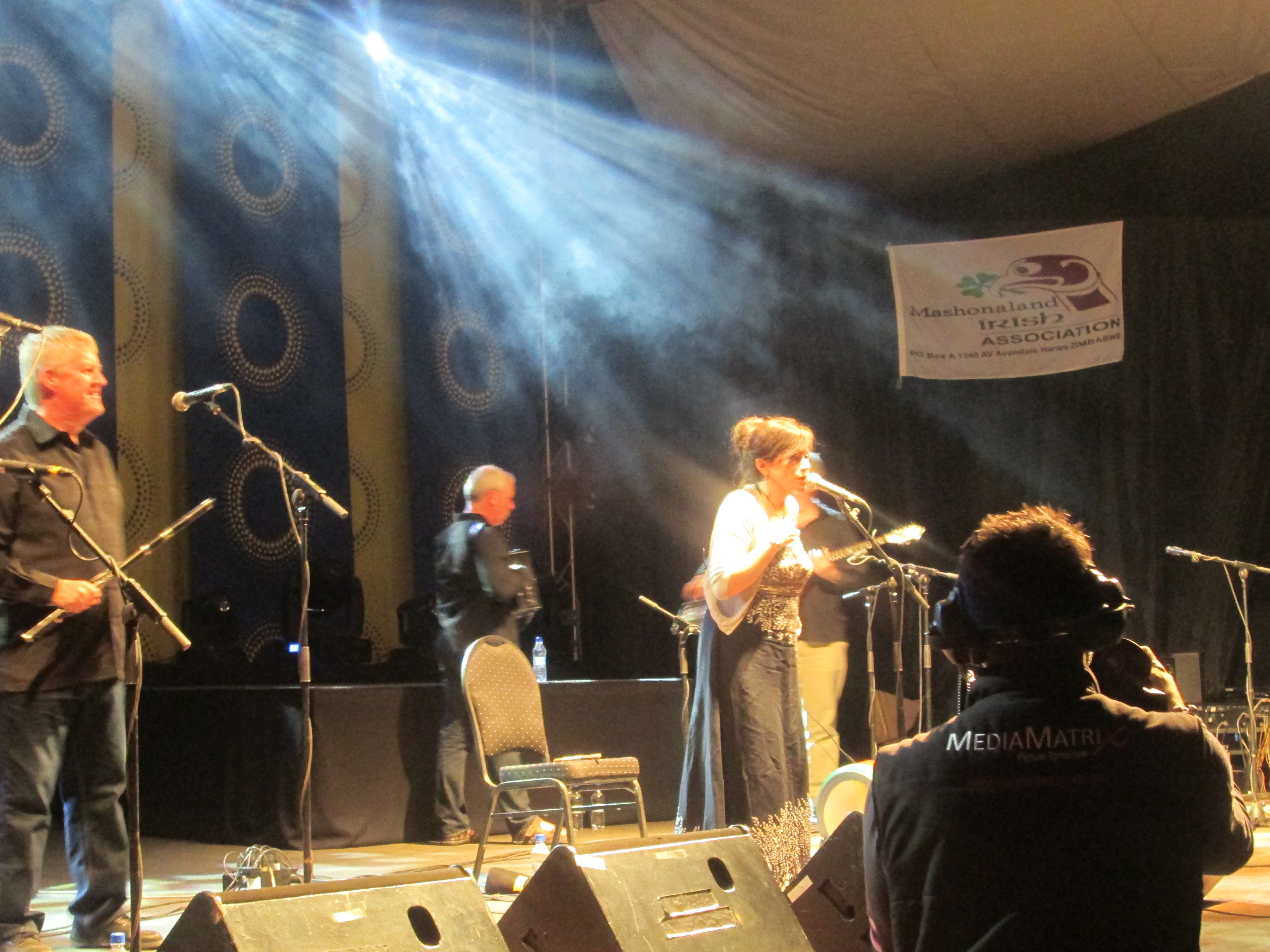
On the main stage, there was a bona-fide Celtic band that got everyone singing and dancing.  The only thing missing was a keg of Guinness.

IMG_0852 IMG_0857

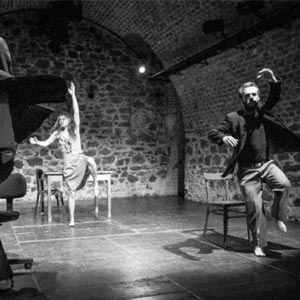
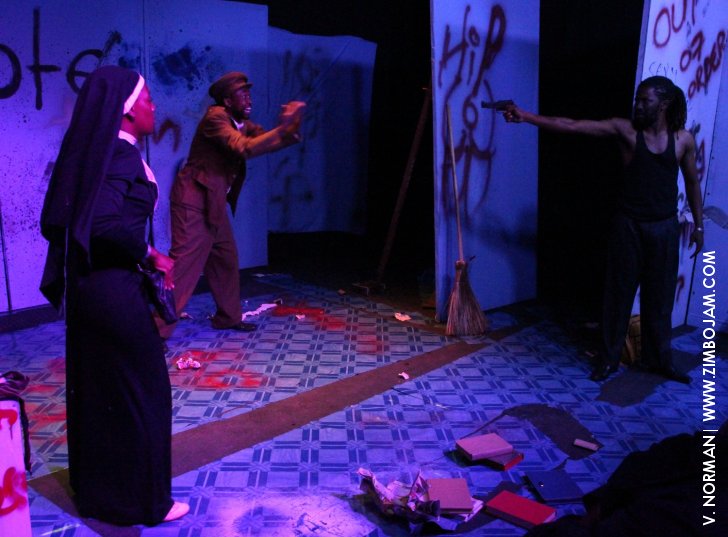
I saw a couple of very interesting dramatic productions…one was about a suicide attempt gone wrong and was set in a decrepit public toilet.   It was called “The Gods You Built” and revolved around the loss (and invention) of belief systems. Another one combined acting with dance – which I wasn’t sure would work, but it did.  It was called “Brothers in Blood ” and was about the strained and often paranoid relations between Muslims, Jews and Christians after apartheid.   Both plays reminded me of some of the stuff I saw at the Edinborough Fringe Festival – a little edgy, a little risky and a little thought-provoking…just like theatre is meant to be. (Pictures from HIFA website)

Brothers-in-Blood TheGods

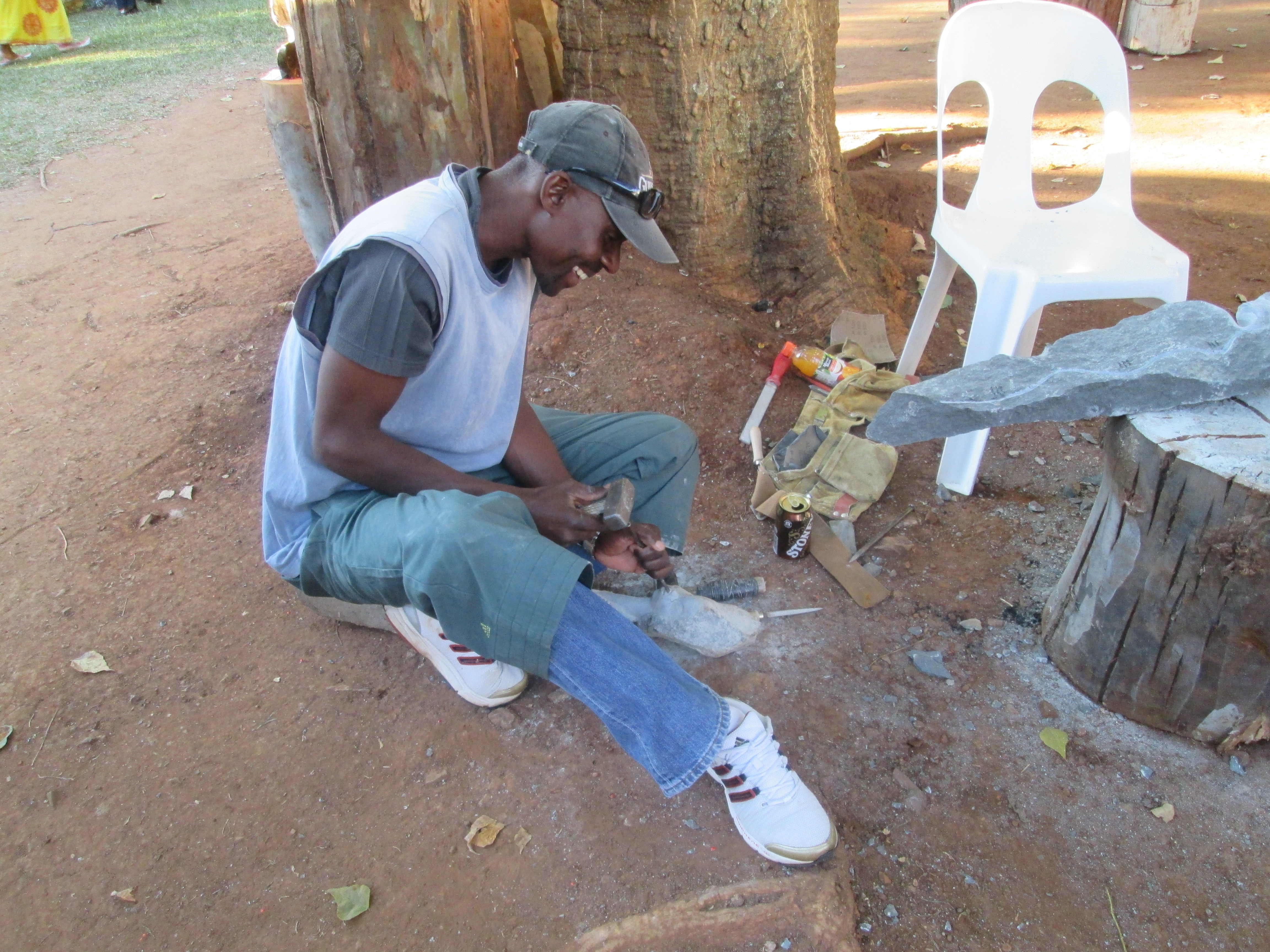
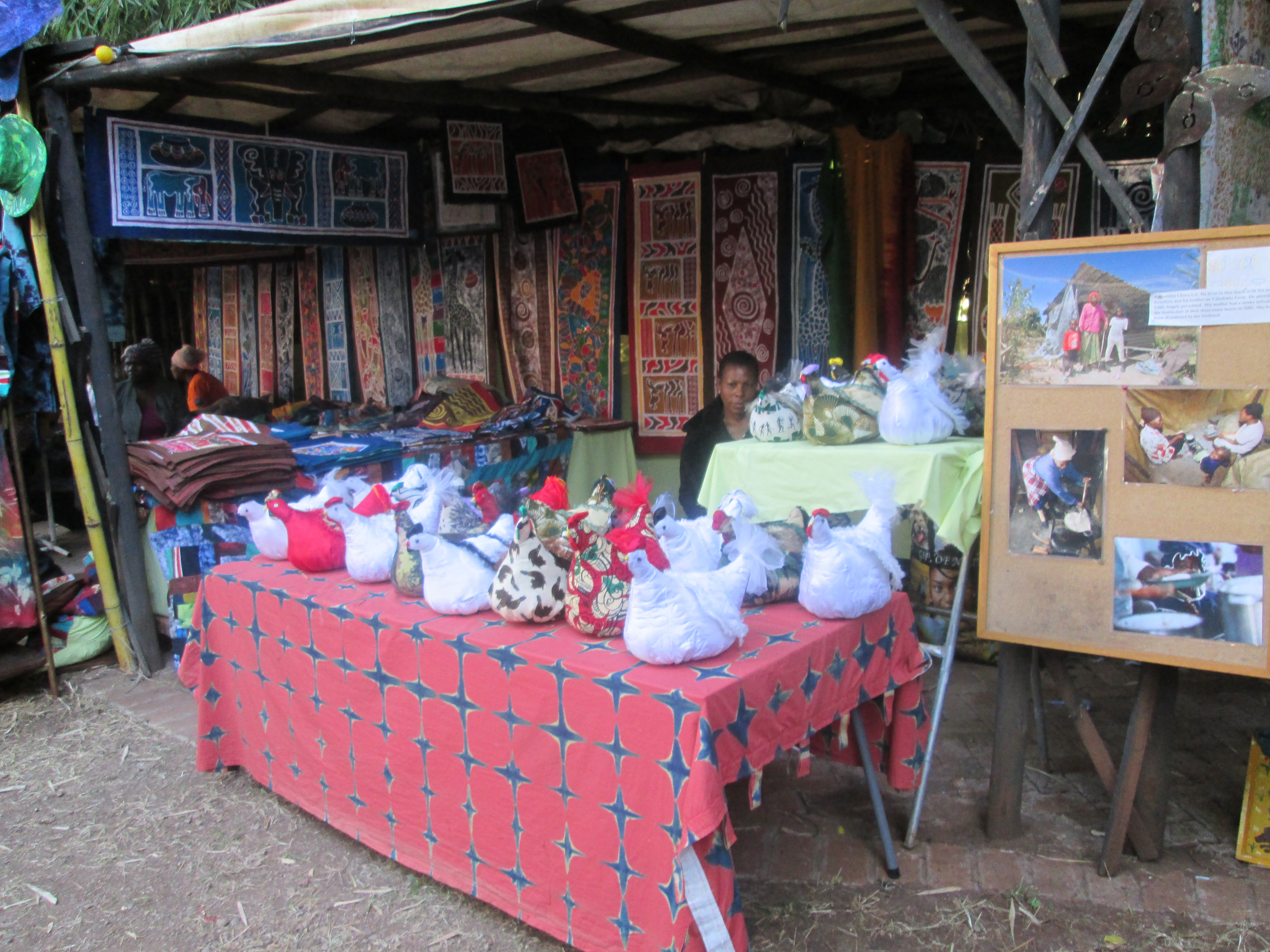
And then there was the craft market. I wanted a truck to take home some of the gorgeous stone statues.

IMG_0824 IMG_0821 IMG_0820

They were also selling marimbas of all sizes and other instruments.

IMG_0818

IMG_0814

The whole craft market was alive with colour and bustling with activity.

IMG_0825 IMG_0829

Many items were made from “recycled” materials.  You could get necklaces and keychains made from the now-useless money.  And this hat is made from….video tape!

IMG_0830

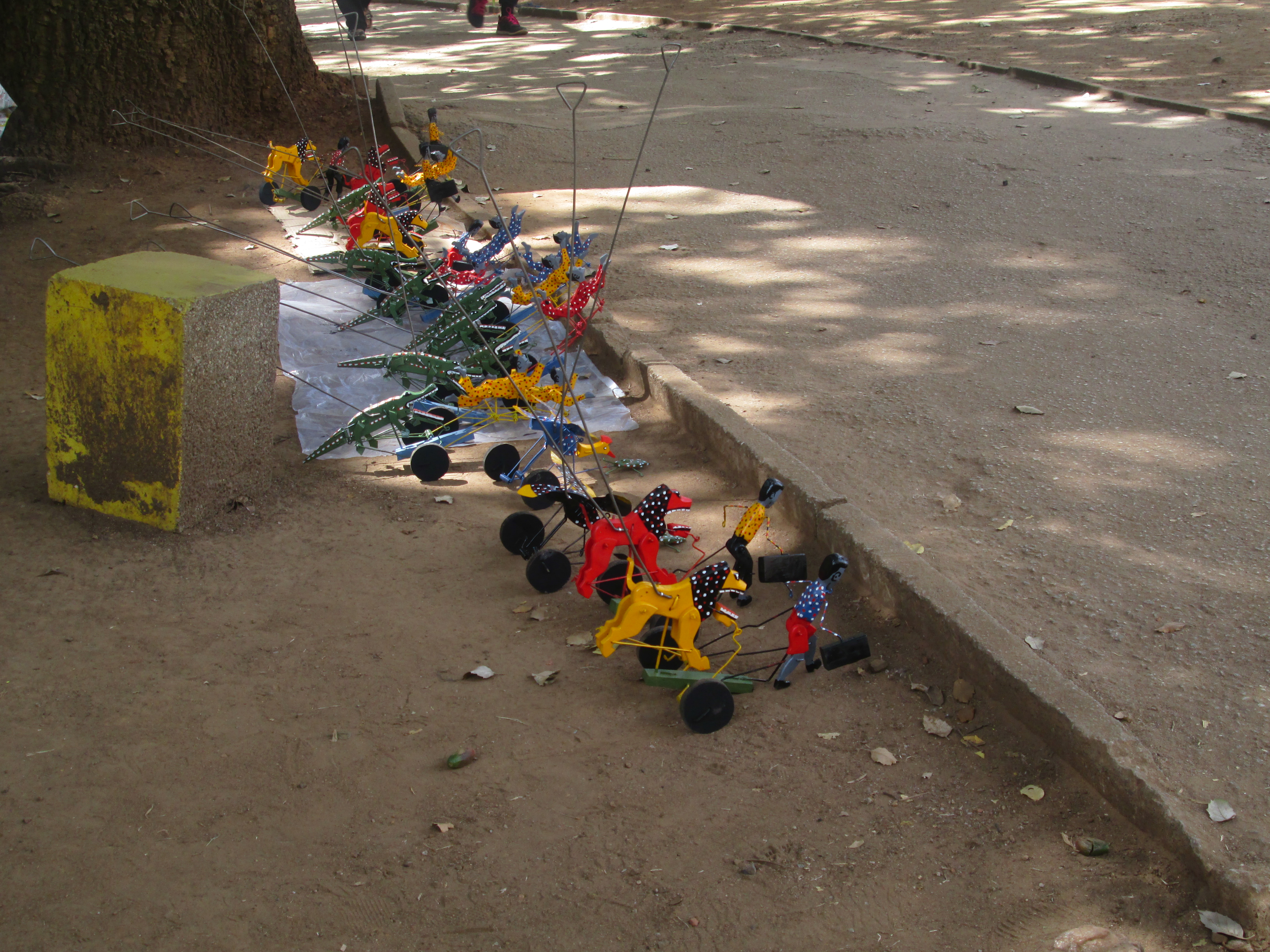
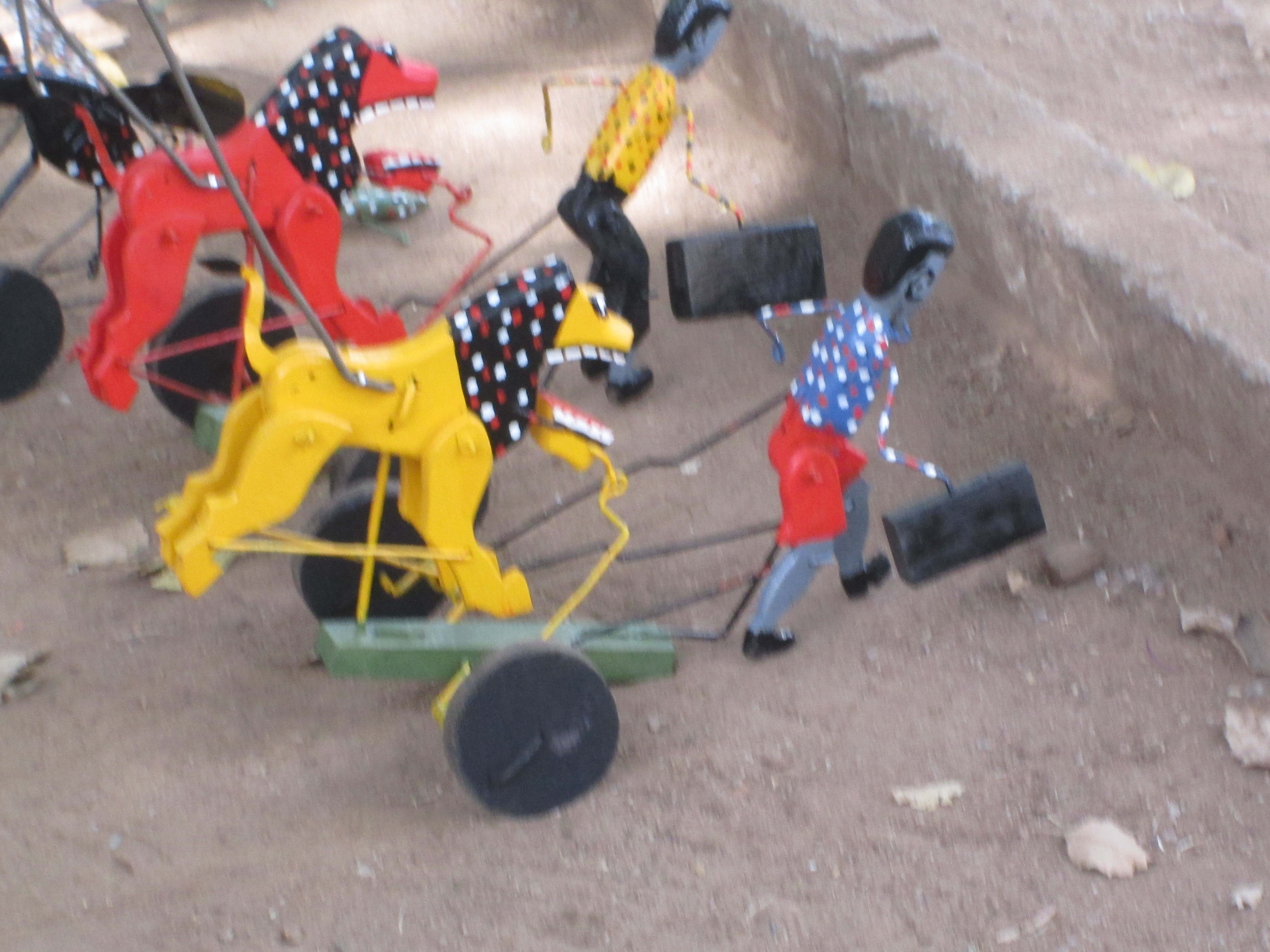
And I loved these toys…hand-carved.  Notice how the lion is going to bite the man in the butt…but never quite catches up!

IMG_0880 IMG_0881

I saw a Chinese dance troupe from Nanjing made of up children aged 8 – 12…they were called The Little Red Flower Art Troupe.  They were very good but a little creepy in their perfection.

The-Little-Red-Flower-Art-Troupe

Also several singers…one jazzy, one more folky.

IMG_0886

I have to say that the most impressive act I saw was a solo guitarist.  Originally from Persia, by way of Russia, Germany, the USA and finally Canada he made the guitar sound like everything from a freight train to an orchestra.  A very talented young man.

IMG_0870

A colleague of mine had also come to HIFA and she introduced me to Paul and Rex, a fantastic couple who currently live in Lusaka, but have a home in Scotland, where they were married a few years ago.  They talked about their home country, Nigeria, and spoke with some sadness about how neither of them would (or could) ever return.  We had a wonderful dinner with them the first night and then kept bumping into them at various events!

IMG_0869 IMG_0868 IMG_0802

On the last day, I spent a few hours just sitting in the main courtyard, listening to the music and watching the people around me.  It was an incredible 4 days and I am looking forward to next year.

IMG_0882

IMG_0866 IMG_0865