The Bo Kaap and the Noon Gun

Standard
The Bo Kaap and the Noon Gun

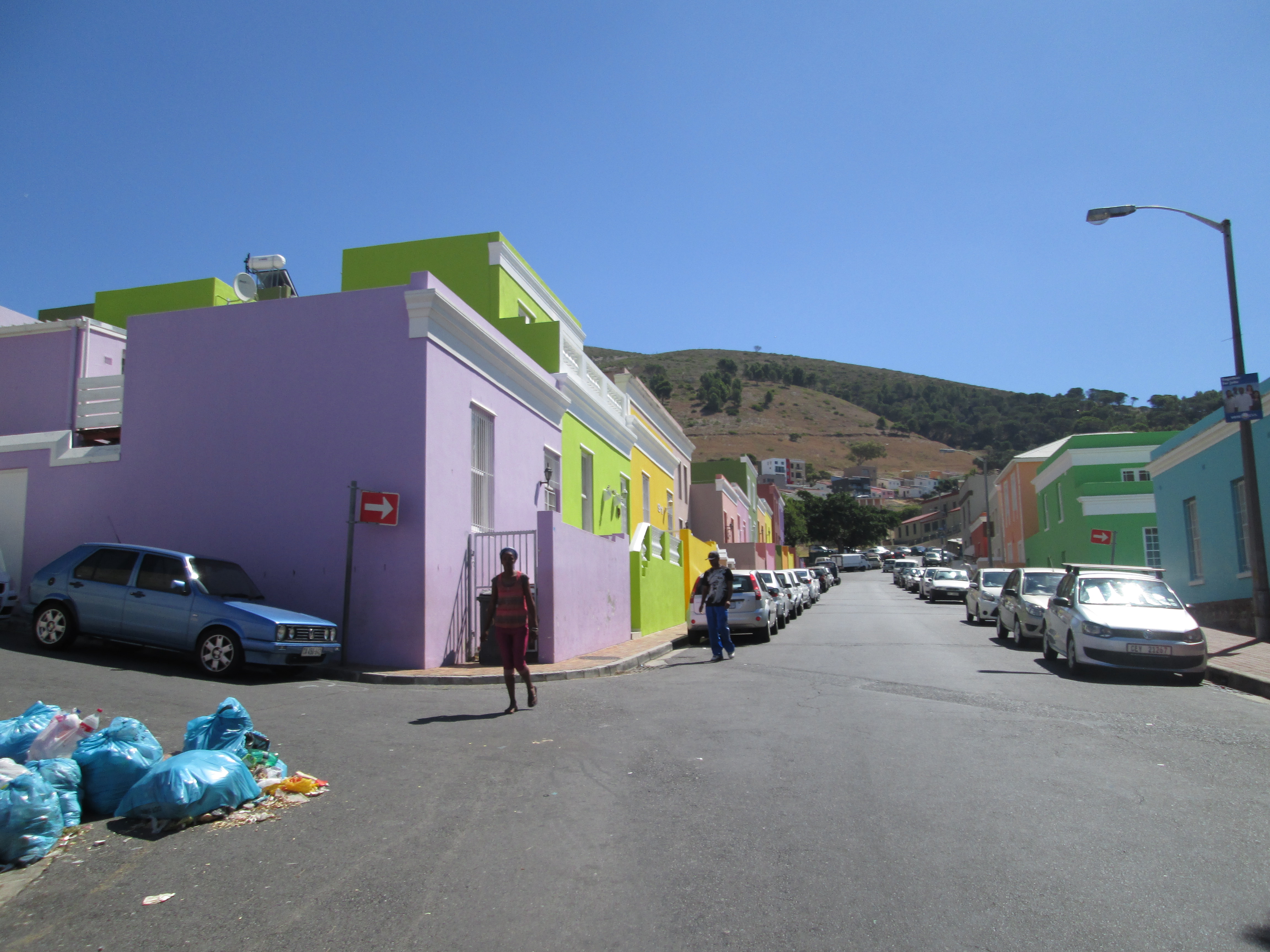
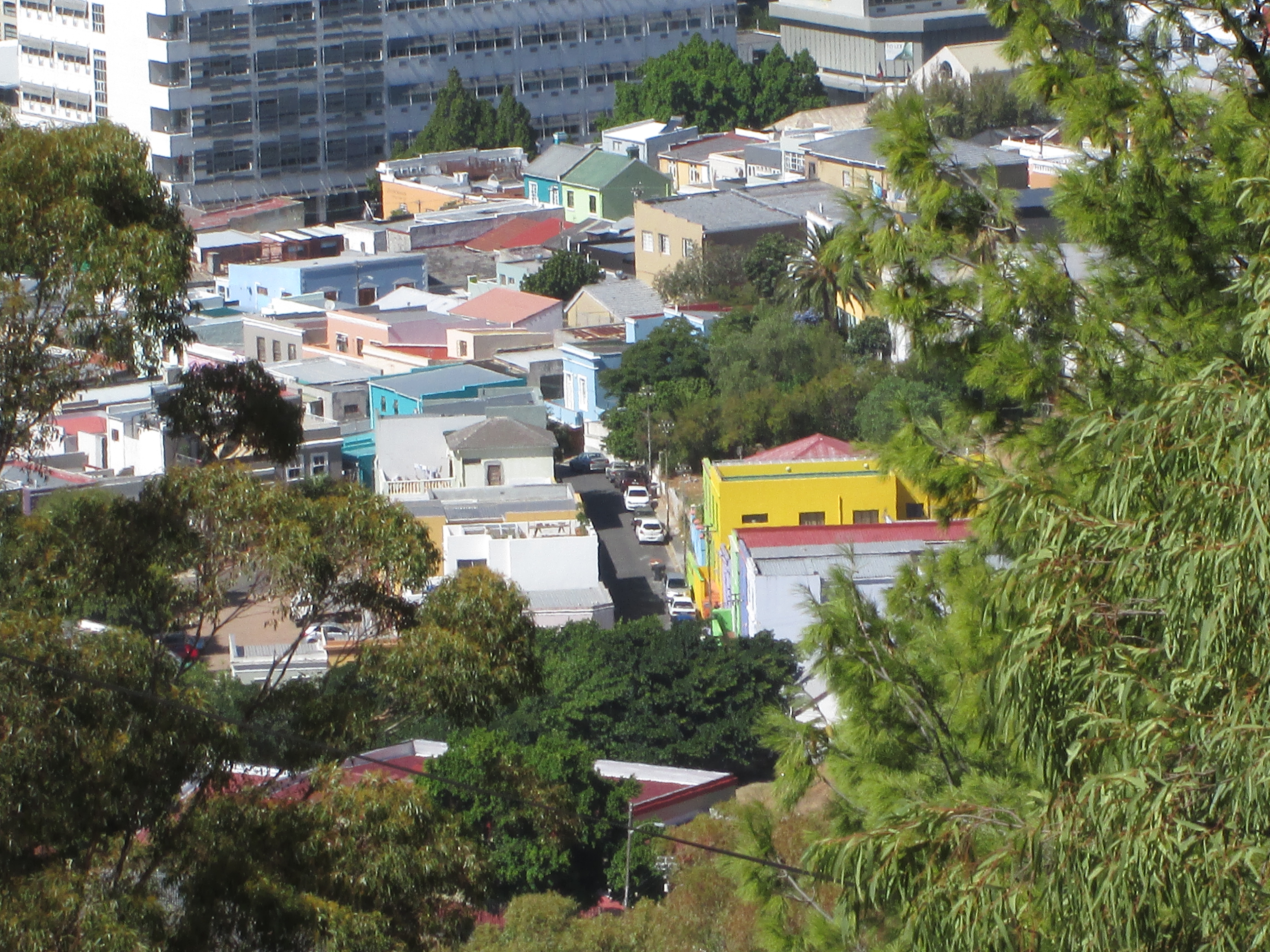
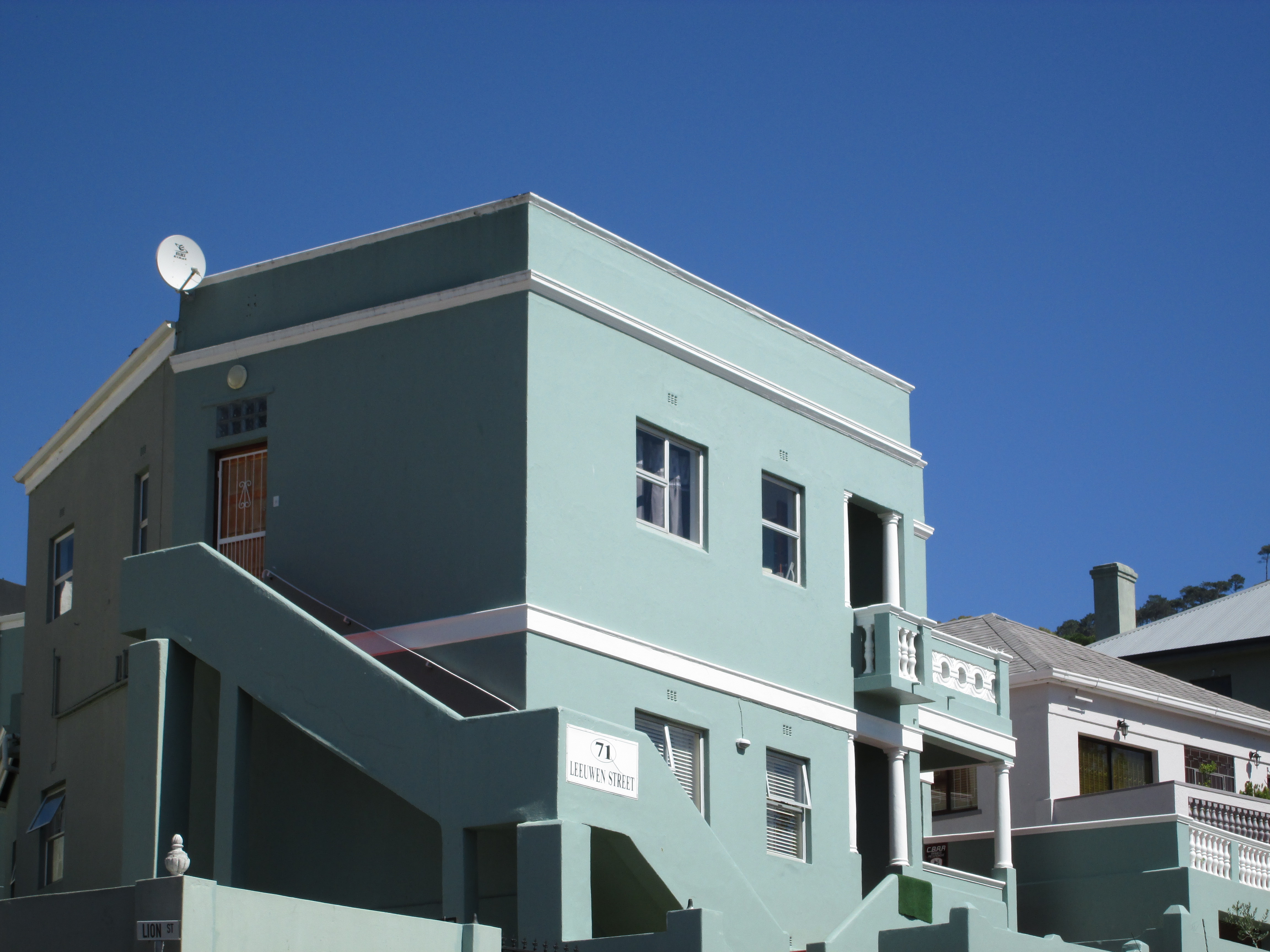
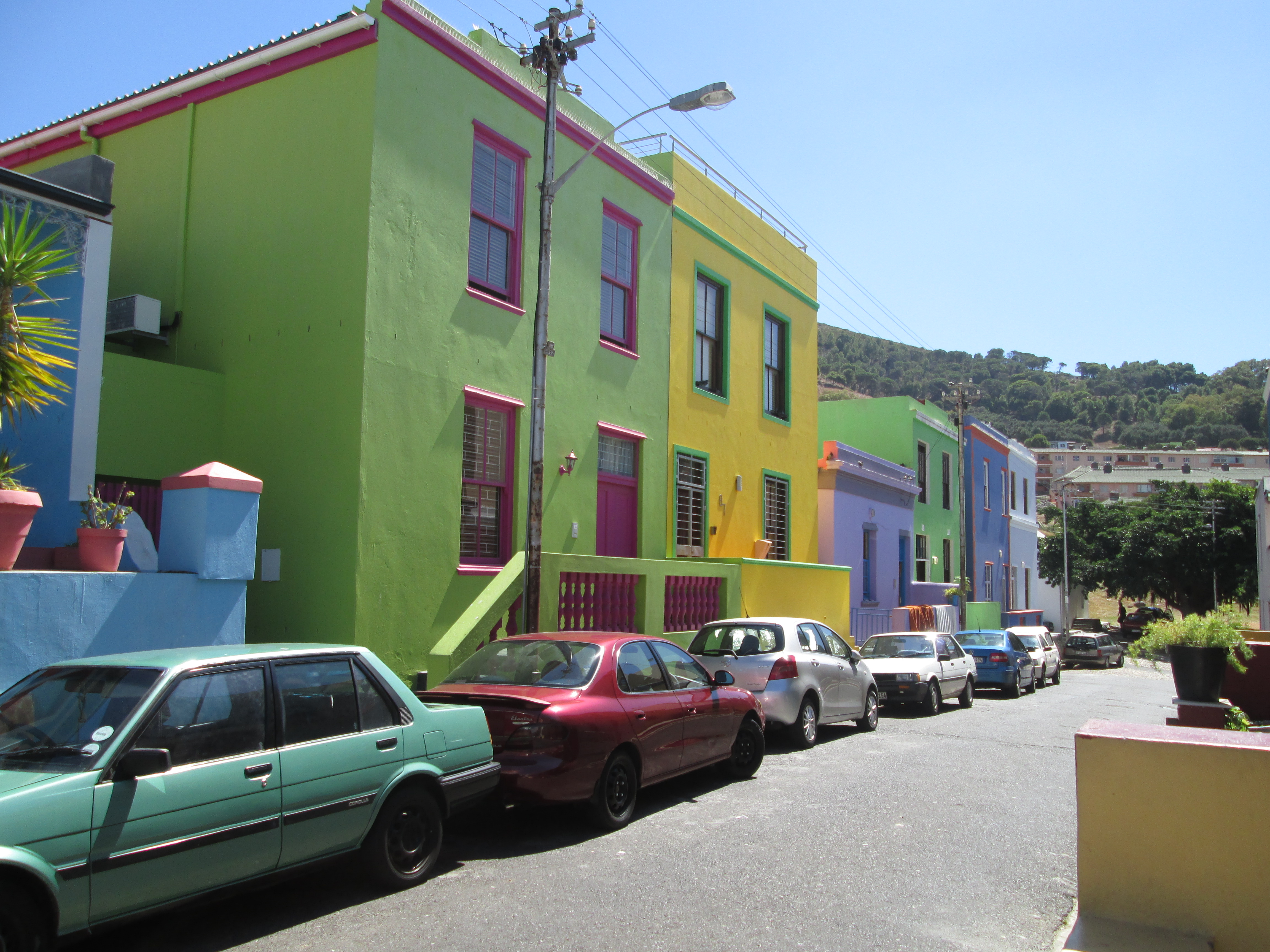
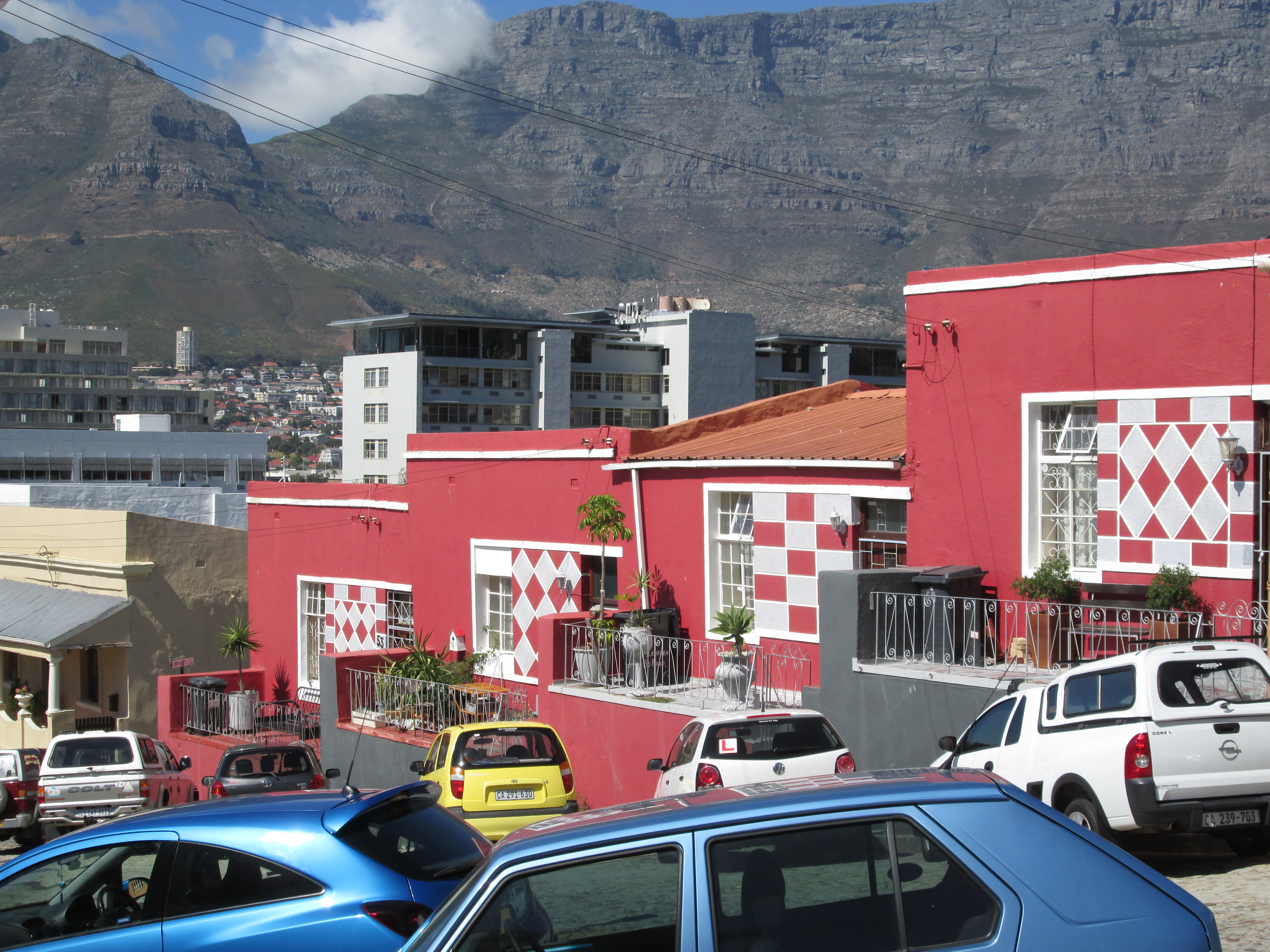
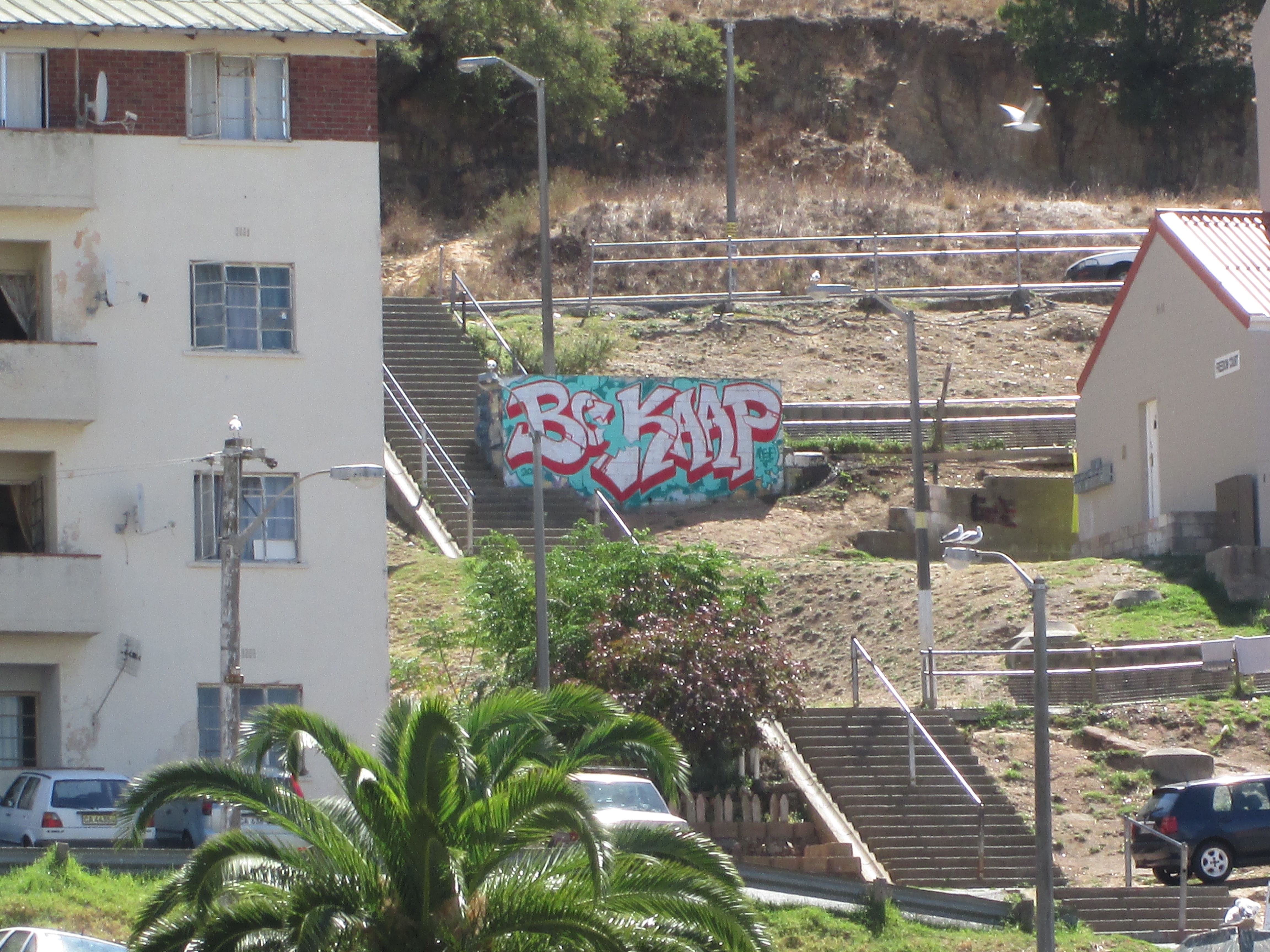
When I was in Cape Town a few weeks ago, I stayed in an area of the city called the “Bo Kaap” which means “Upper Cape.” The area is noted for its colourful houses, cobbled streets and interesting history.  It is located basically on the side of  Signal Hill, which means there are steep climbs and lots of terraced houses.
IMG_0431 IMG_0430 IMG_0162 IMG_0417

The area is also sometimes known (somewhat erroneously) as “The Malaysian Quarter” as this is the place where the former slaves (some from Malaysia, but many from elsewhere) settled after slavery was abolished.  Because they were required to wear and live drab circumstances when enslaved, after they gained their freedom, they made sure  their houses and clothing were brightly coloured.
IMG_0161 IMG_0160

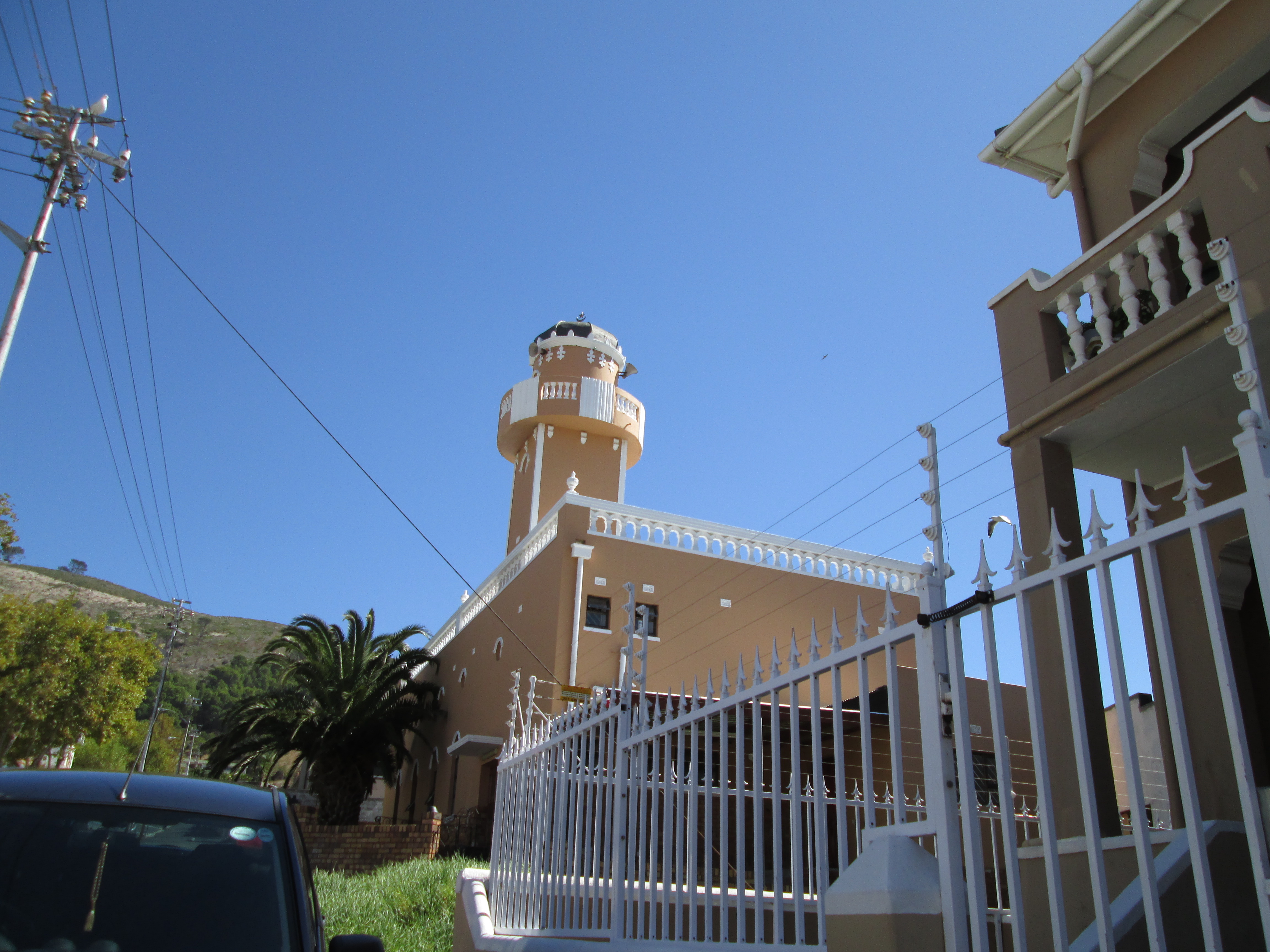
The Bo Kaap is the centre of Cape Town’s Muslim community, with no less than nine mosques in this one small area (less than 6,000 people.)  Some of the mosques were tiny, but there were two or three with the capacity to broadcast the call to prayer over loudspeakers.  Although there are (I think) 5 daily “calls” only the ones at dawn, noon and sundown seemed to be broadcast.  My B & B was at the top of the Bo Kaap so I heard the calls loud and clear.  The prayers are done live – first there would be one, breaking the silence – an ancient, eerie kind of music, sung with great passion and vigour.  And then, as that one died out, another mosque would broadcast their call – with the singer doing his best to show at least as much “prayerfulness” as the first.  And then, a couple of mornings, I heard a third singer get into the act.

Since, theoretically, all the calls should be happening simultaneously, I could only assume that some kind of friendly competition was going on.  Sort of an “anything you can pray, I can pray louder” type of thing.
IMG_0159 IMG_0157 IMG_0164


The people of the Bo Kaap were incredibly friendly and welcoming.  It is not (yet) a big tourist area…and although there is some worry about gentrification, the area still retains much of its 19th century charm.  I was very happy to have stayed there – as the proprietor of my B & B said when I commented on how lovely the area was, “It’s a special place, isn’t it?”
IMG_0432 IMG_0434

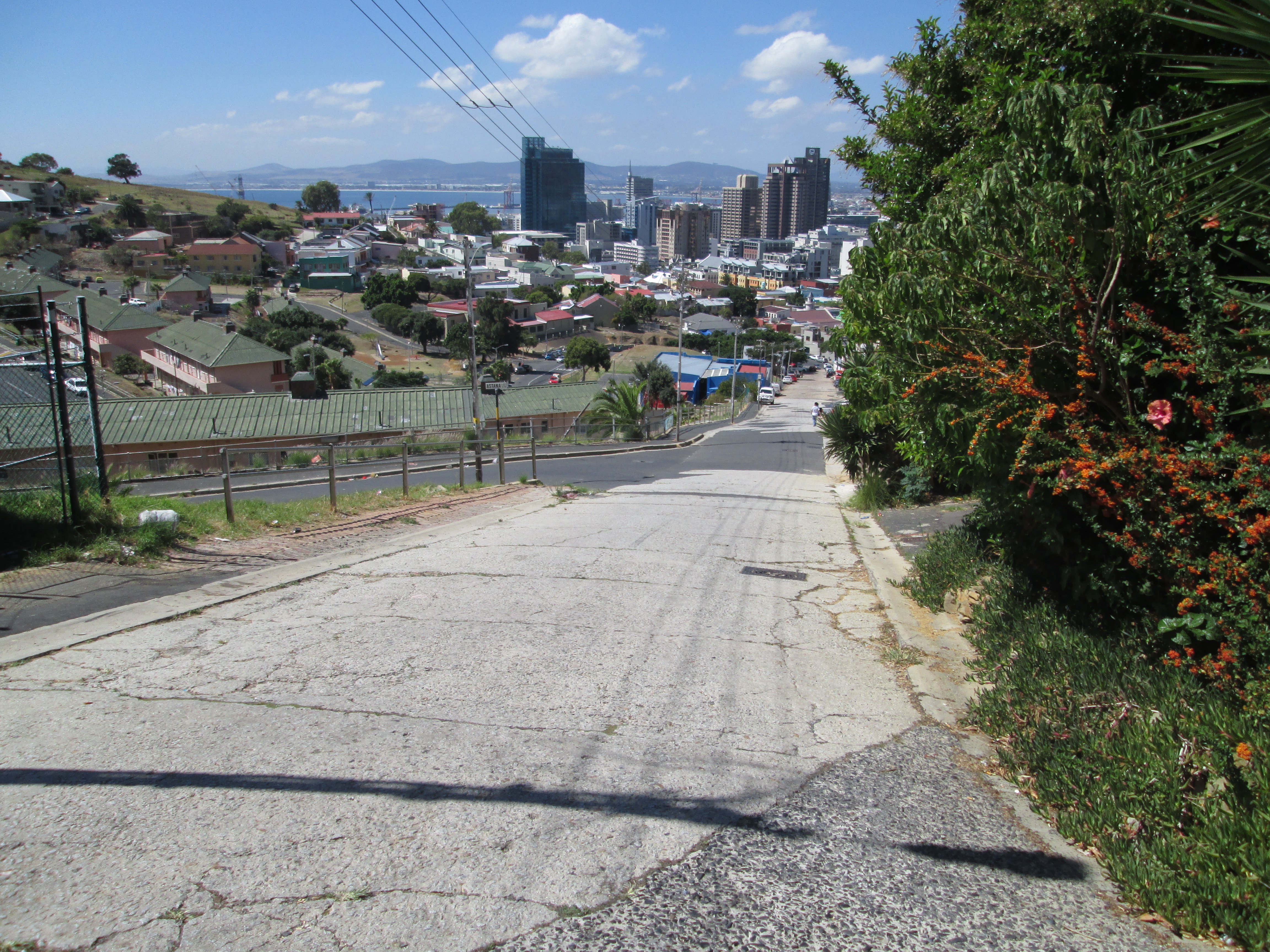
This is the hill I had to walk up to get to the B & B.  It was even steeper than it looks.
IMG_0433


But THIS is the view I had from the terrace:
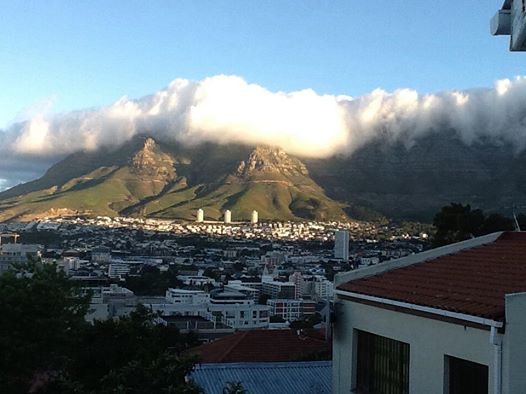
Cape Town Day Cape Town night


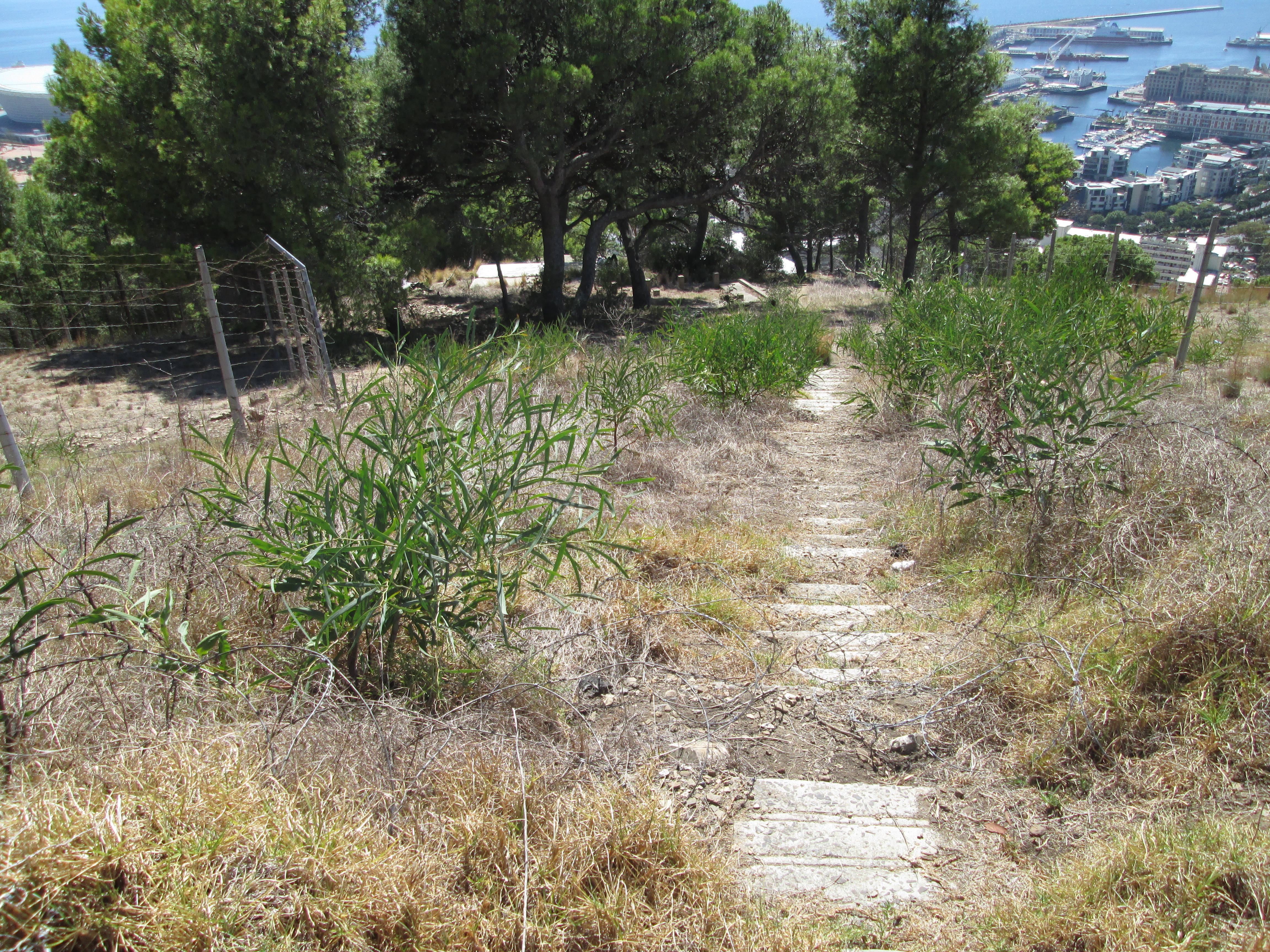
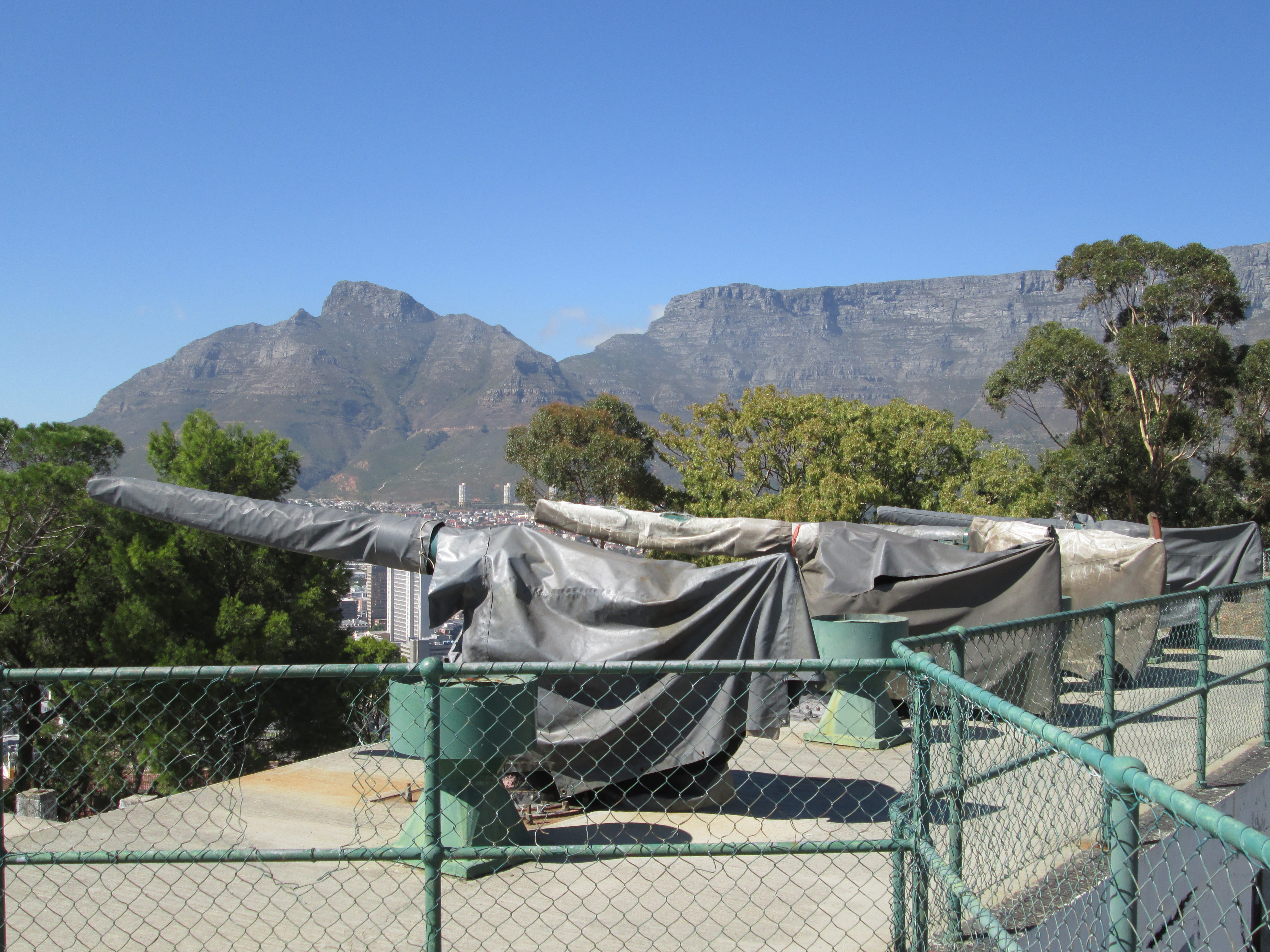
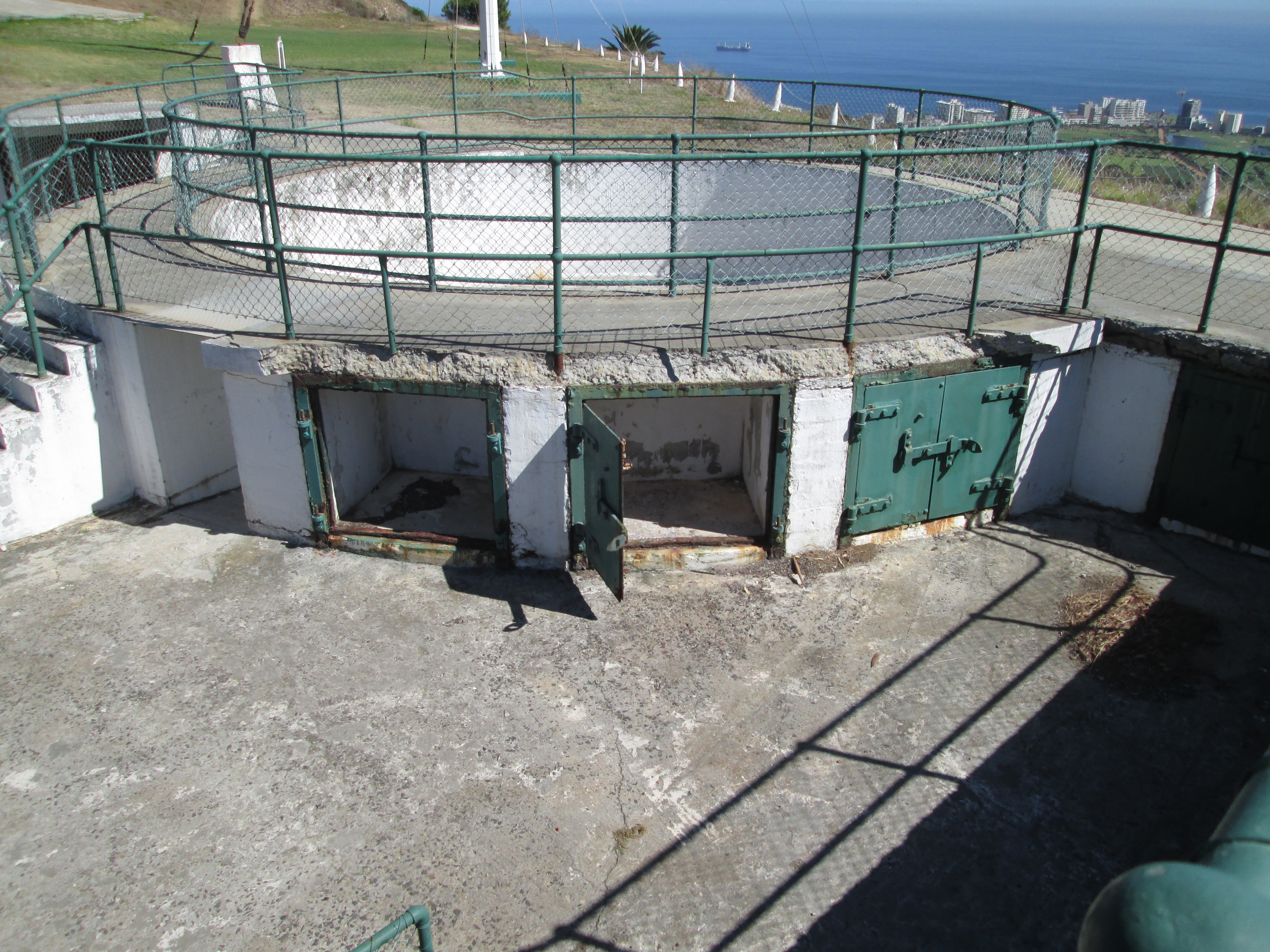
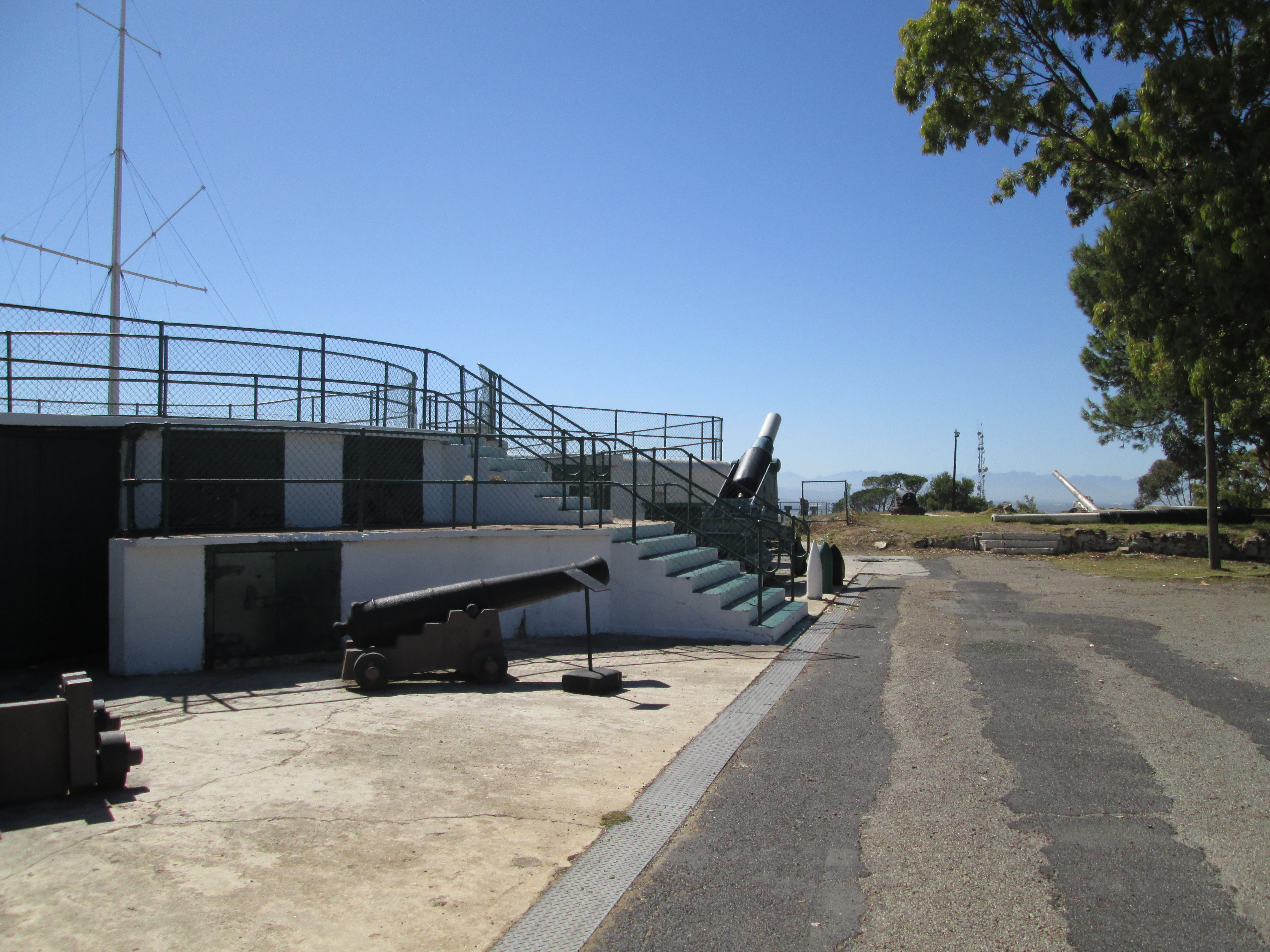
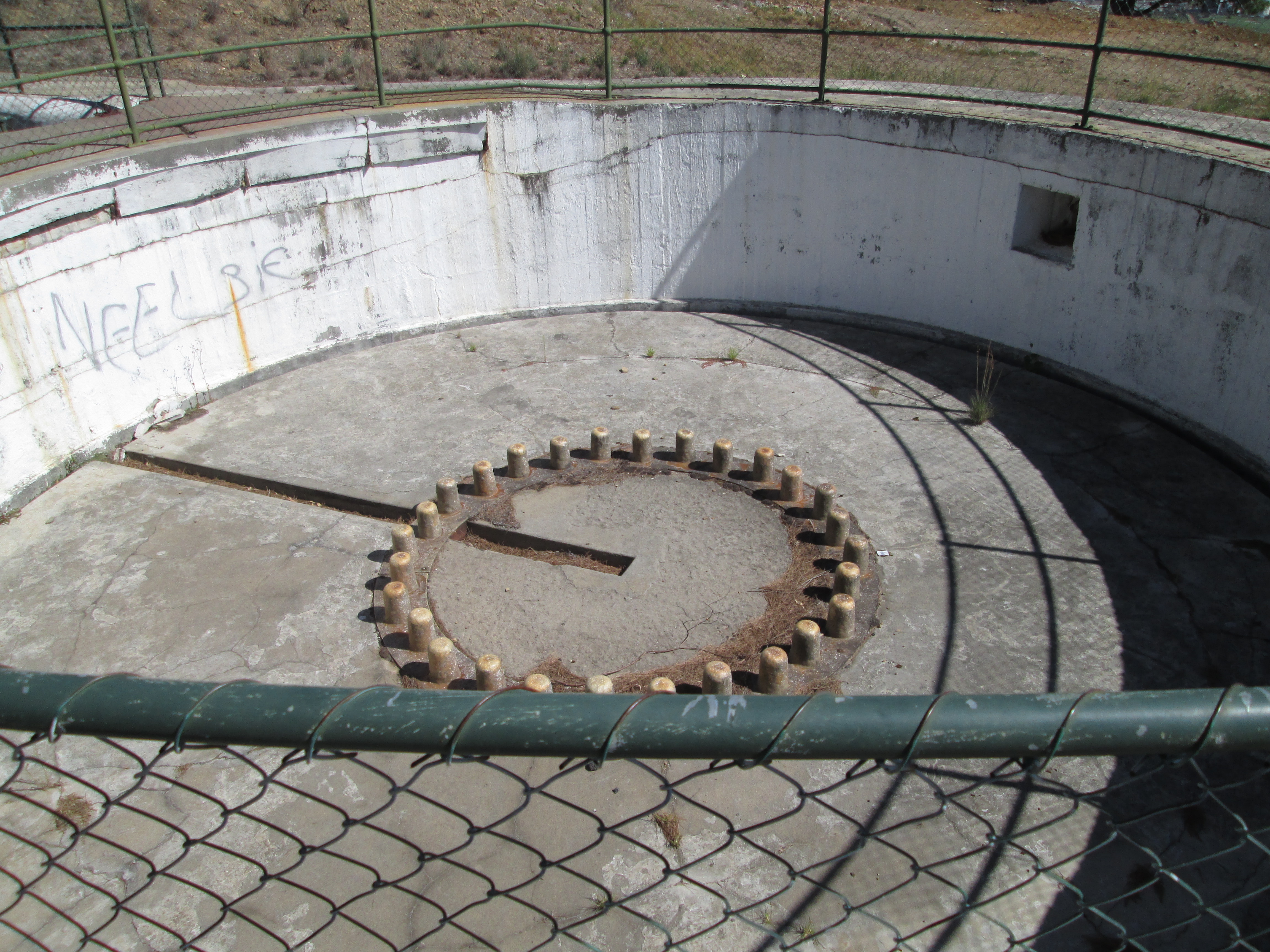
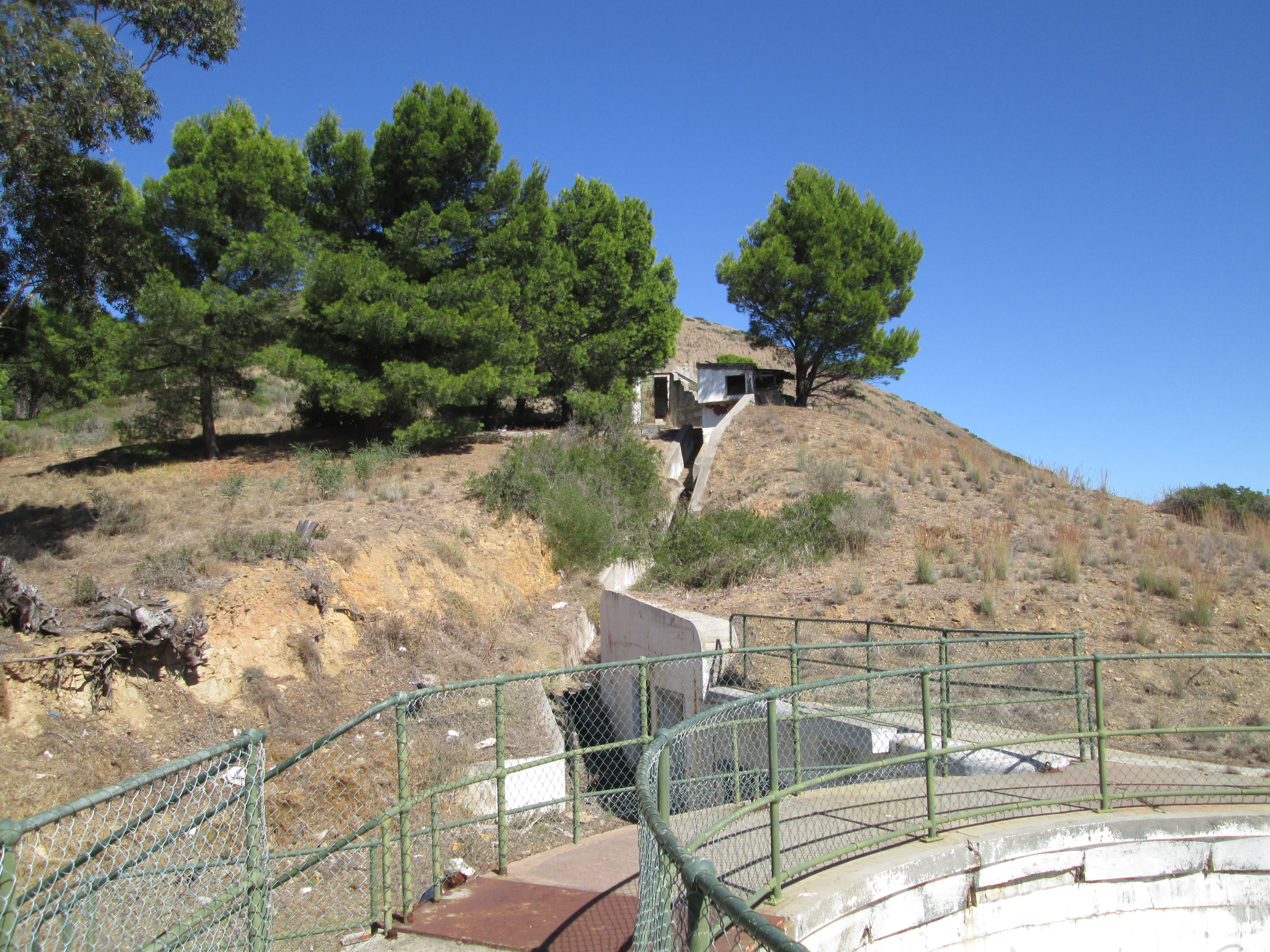
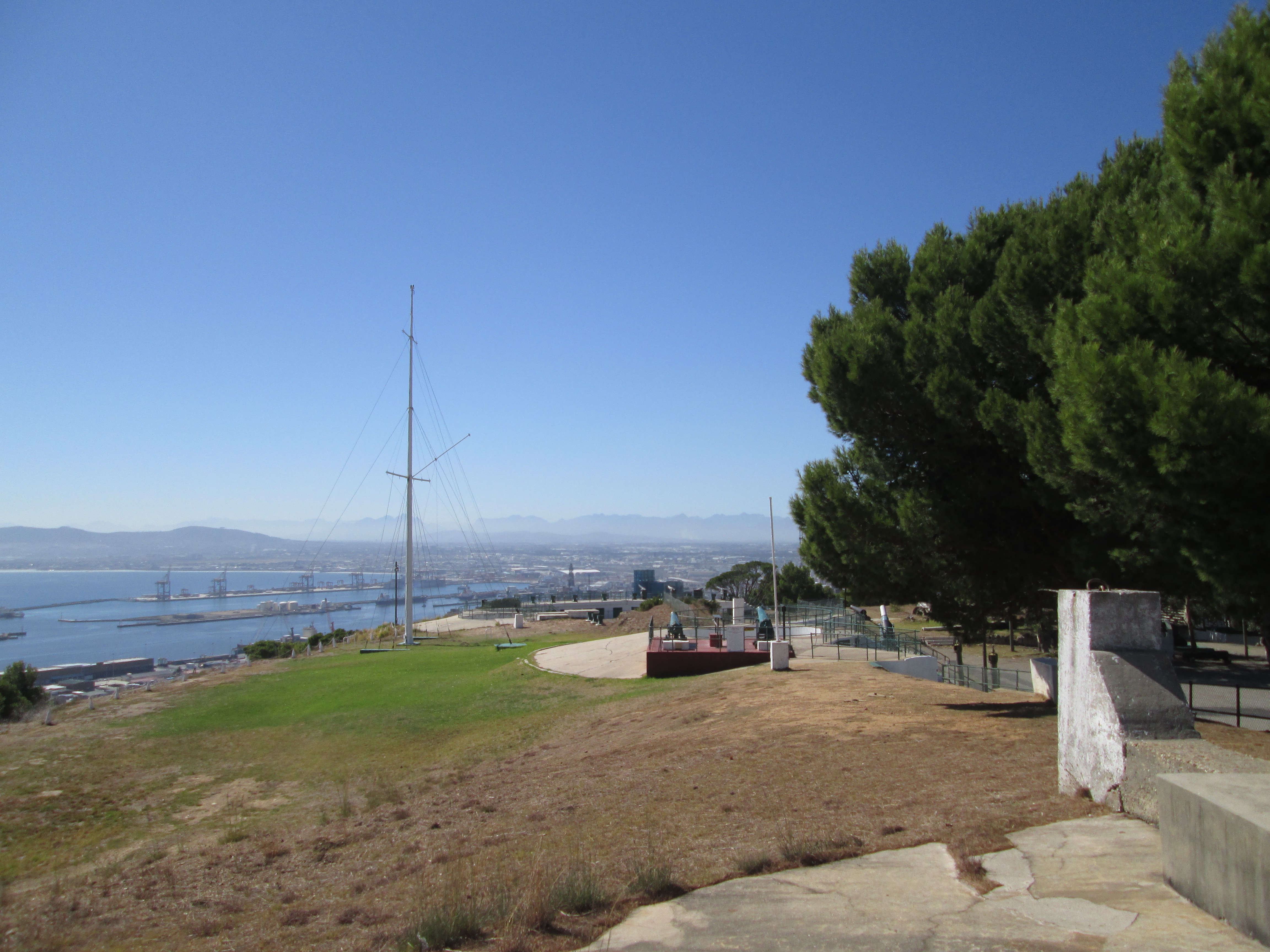
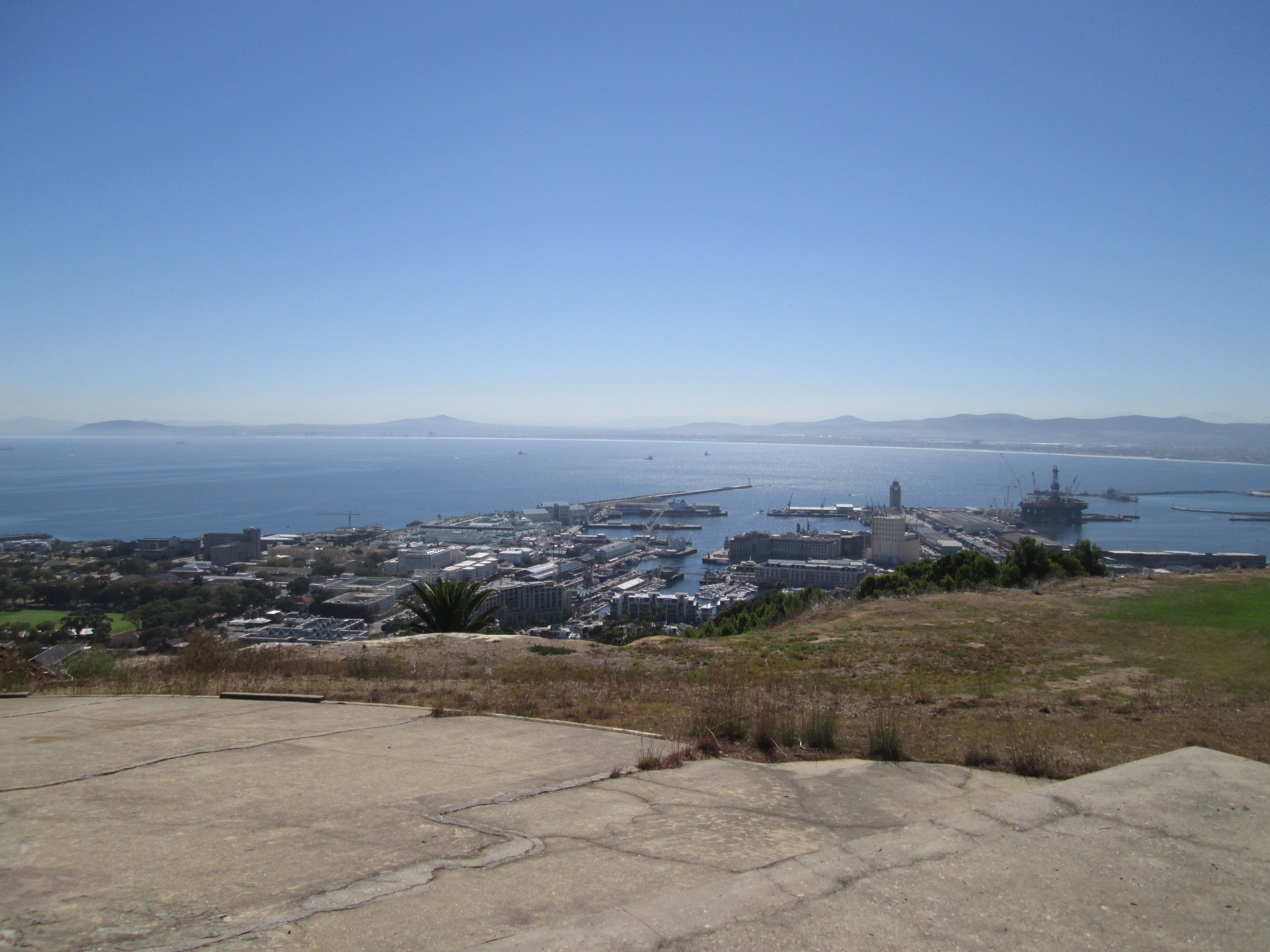
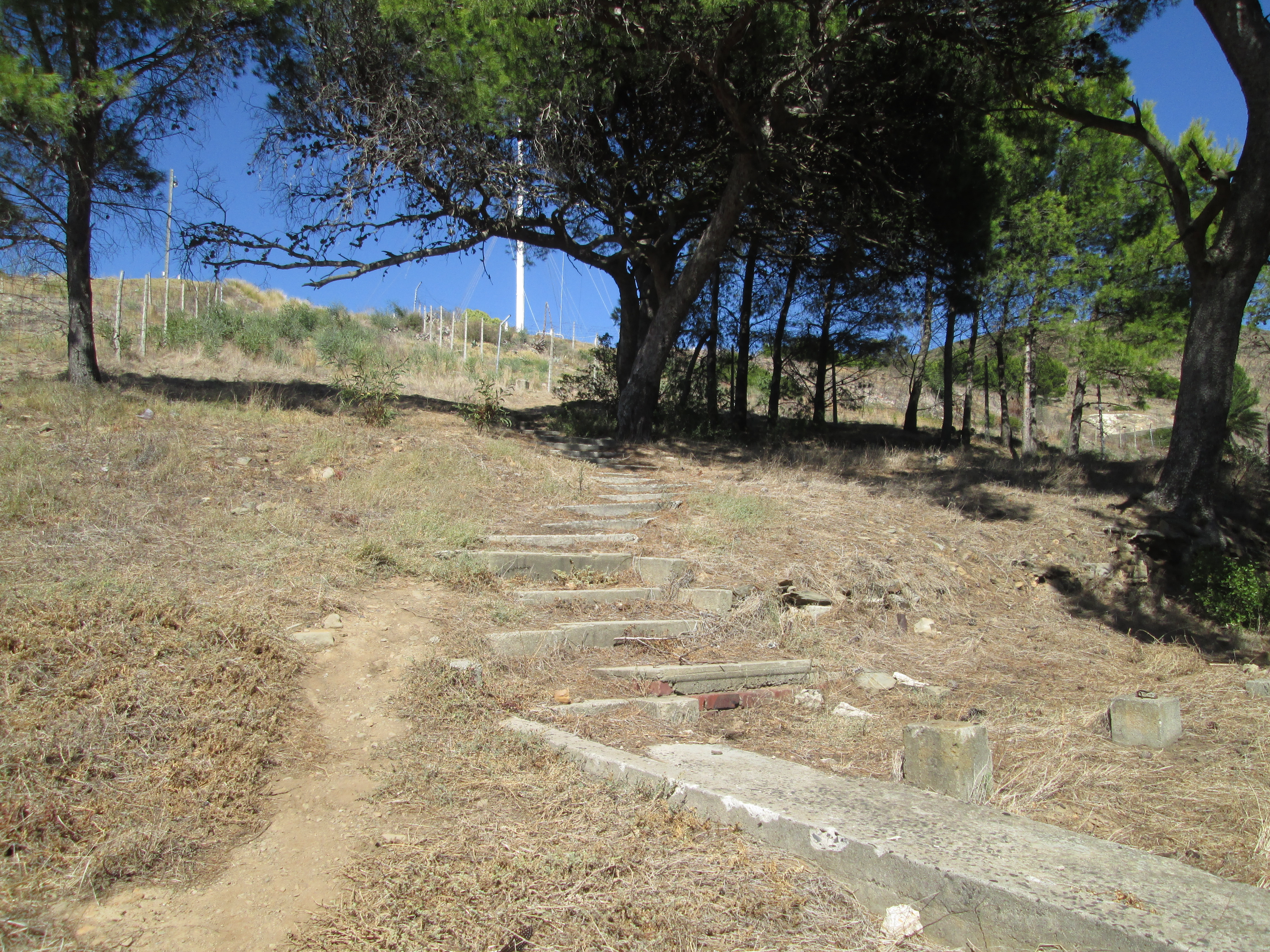
On the far edge of the Bo Kaap, about halfway up Signal Hill, you can find the “Noon Gun.”  This is a very old tradition in Cape Town – they shoot a cannon off precisely at noon every day but Sunday.  They’ve been doing this since 1806.  It is somewhat of a tourist attraction. I walked around the side of the hill and up a path and some  stairs to where the armoury was.  The stairs were very much dis-used, apparently most people come up the road.  But I managed to find my way.  There were many old cannons and cannon-related items up there and the view was terrific.
IMG_0400 IMG_0428IMG_0401 IMG_0404 IMG_0403 IMG_0408 IMG_0411 IMG_0412 IMG_0414 IMG_0413


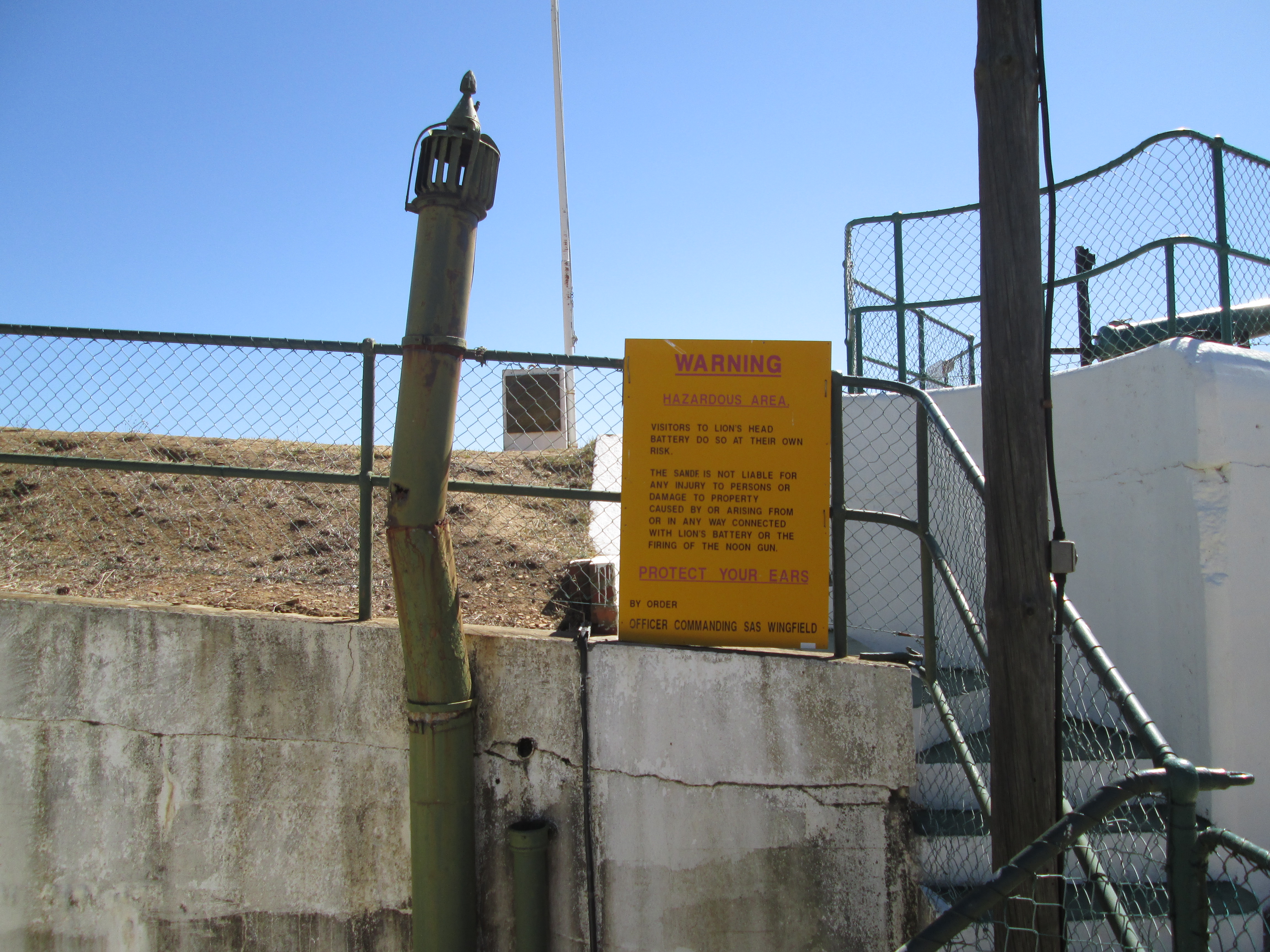
A sign informed me that this was to be the 65346th firing.  Other signs warned people to “cover their ears” and stay well
away from the firing zone.

IMG_0405 IMG_0409 IMG_0407

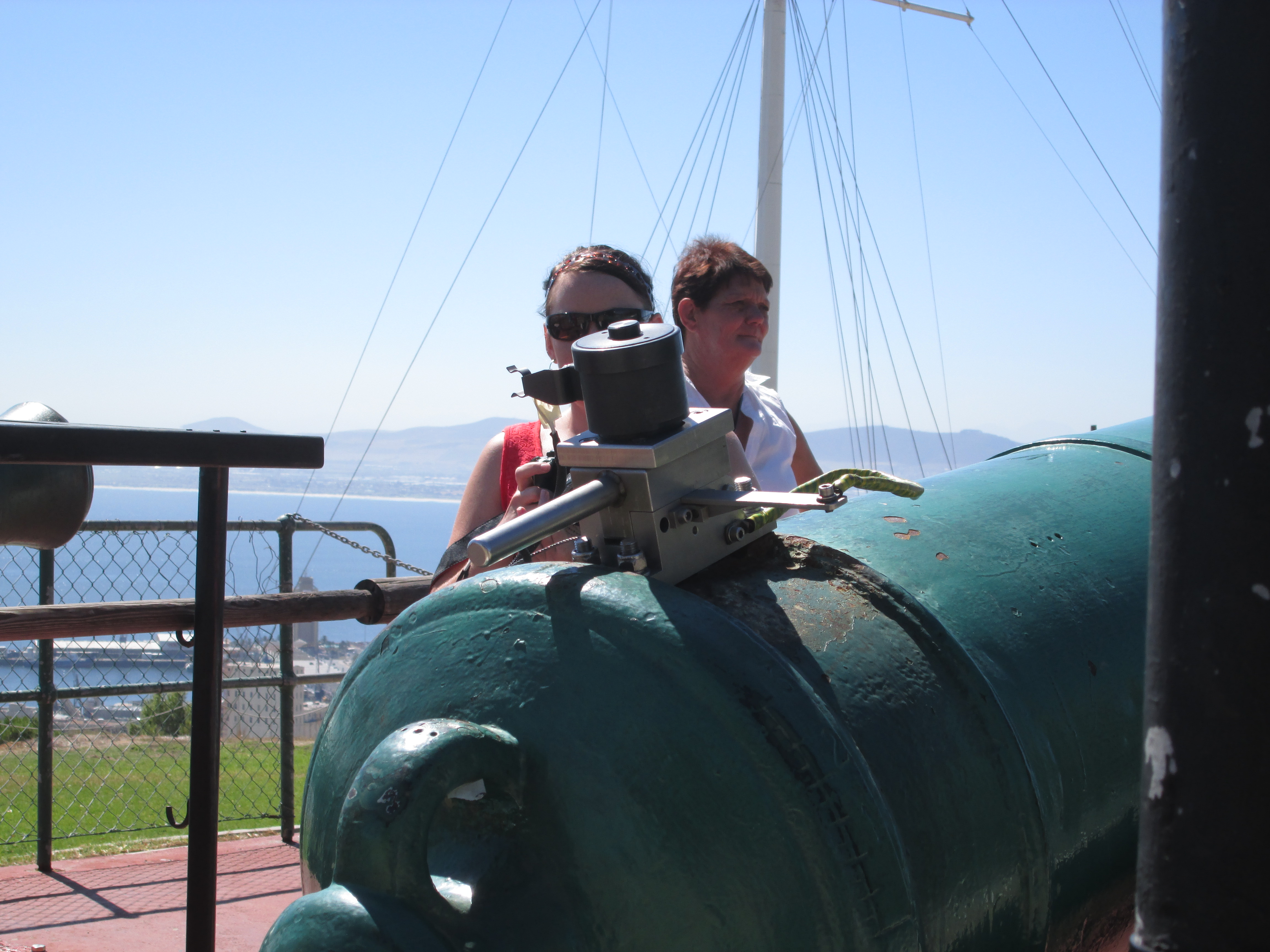
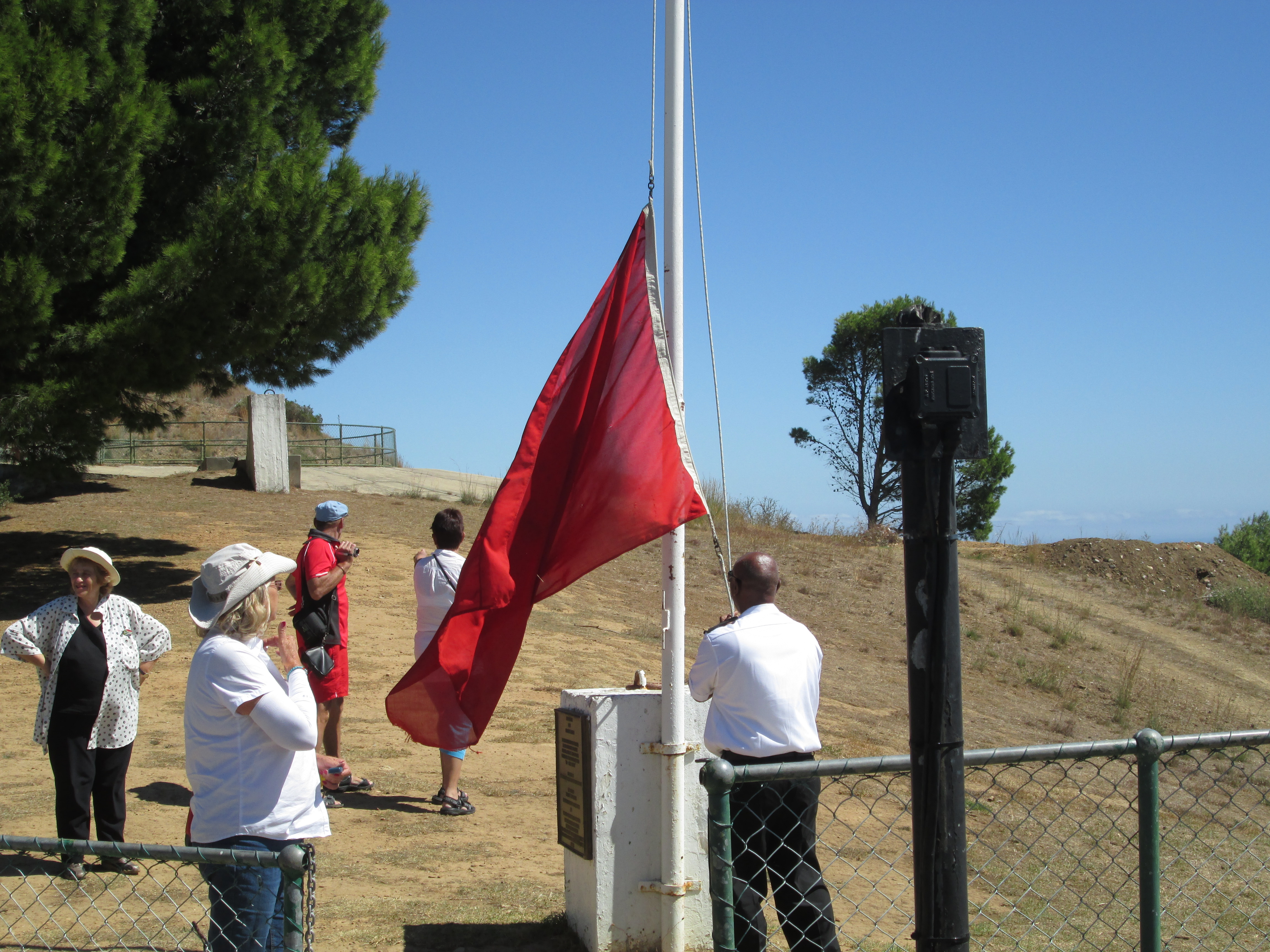
At about 11:30, they began to prepare to shoot the cannon.  A few people drove up in cars and there was a small tour bus.  An officer came out and gave us a bit of background history.  These are the oldest cannons still being fired in existence.  The timing is done with absolute precision – through an electrical charge that is connected to a facility in Greenwich, England!  And though they only shoot one cannon, there is a “back-up cannon” loaded that can be set off manually, in case the first cannon doesn’t work.  He raised a flag and showed us how he put the charge into the cannon.  It is a bag filled with gunpowder, tamped down into the barrel of the cannon with a wooden plunger that looked as though it may well have been in use in 1806!
IMG_0422 IMG_0424 IMG_0425 IMG_0426 IMG_0427

When the cannon went off, it was deafening…and pretty cool.  No doubt that everyone in Cape Town knew that it was noon!

I had planned to have lunch at this cafe called “The Noon Gun Cafe” at the bottom of the hill, but found that it had been closed for the past 8 months!  I passed another little restaurant on the way down and found it booked to capacity with a tour bus!  So, I made my way down the Bo Kaap and ended up having a wonderful lunch in a little corner Indian cafe…excellent lamb Biryani and naan.  Then I climbed back up to my B & B for a swim and a nap!

I do think that when I return to Cape Town, I will stay in the Bo Kaap once again. It felt like home.IMG_0394


A Zambian Opera…

Standard
A Zambian Opera…

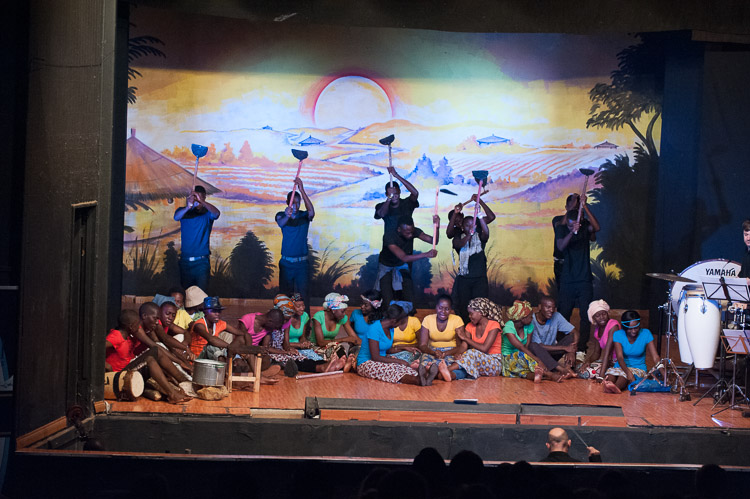
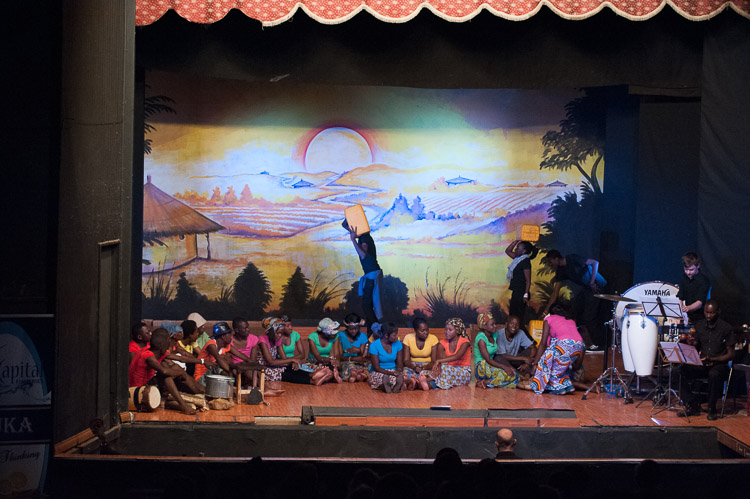
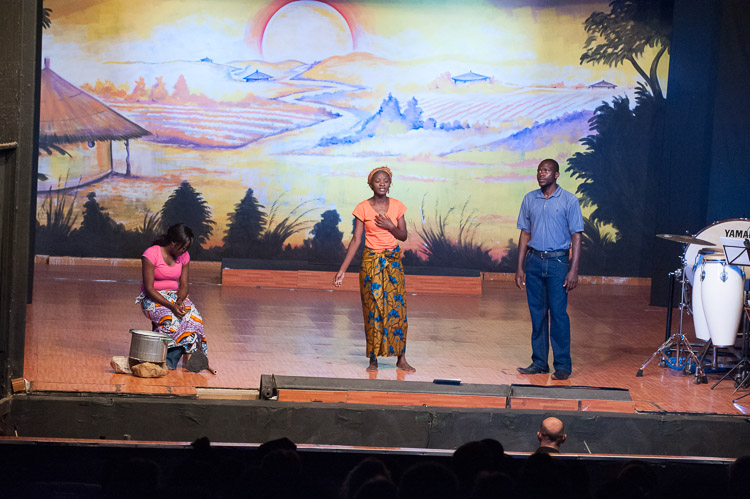
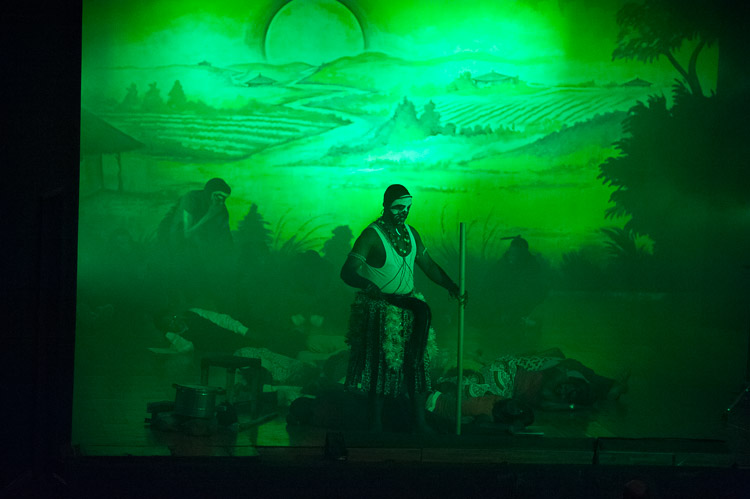
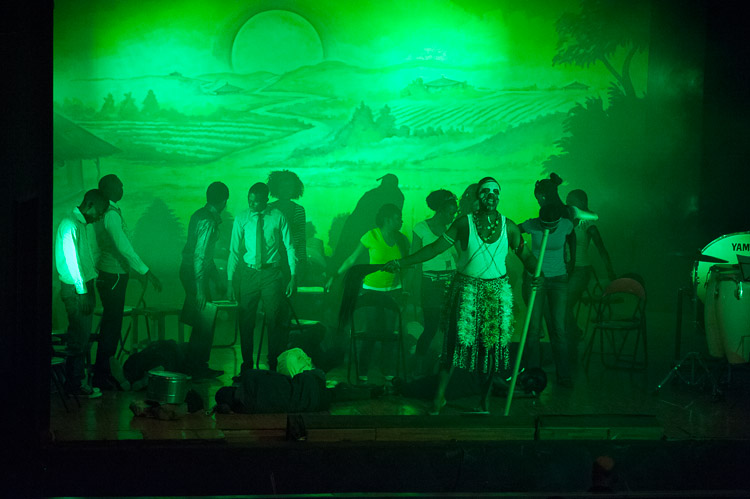
Last night, I had the privilege of attending one of only three performances of “Damyna, Damyna” an original Zambian opera composed by long-time Zambian resident Peter Langmead, with an all-Zambian cast.  It may very well be the first opera ever performed in Zambia.
(All photos copyright Langmead & Baker 2014)

1382142_464994786935615_1299826460_n

Opera has long been considered (by many) to be the pinnacle of musical performance.  When you do an opera, you’ve hit the height of cultural success .  And Lusaka’s emerging Zambian middle-class wants culture.  A performance of “The Magic Flute” or “La Boheme” might have sufficed – but Mr. Langmead wanted this opera to speak to contemporary Zambians, with contemporary music.  So the music was decidedly “modern” and the story explored the conflicts between life in a rural village and the attractions and challenges of living in the city.  And being a real, bona-fide opera, the story also had romance, intrigue, a big secret, mistaken identity, betrayal, jealousy, drunkenness, sexual innuendo, emotional distress and finally, resolution.

The opera was staged in the Lusaka Playhouse, a small theater that has seen better days, but has surprisingly good acoustics and sight-lines.  Incredibly, an long-forgotten orchestra pit was discovered under the stage, found to be still usable and opened up for this performance!

The-Lusaka-Playhouse-orchestra-pit-is-uncovered-for-the-first-time-in-30-years 1912317_452212561547171_304932677_n

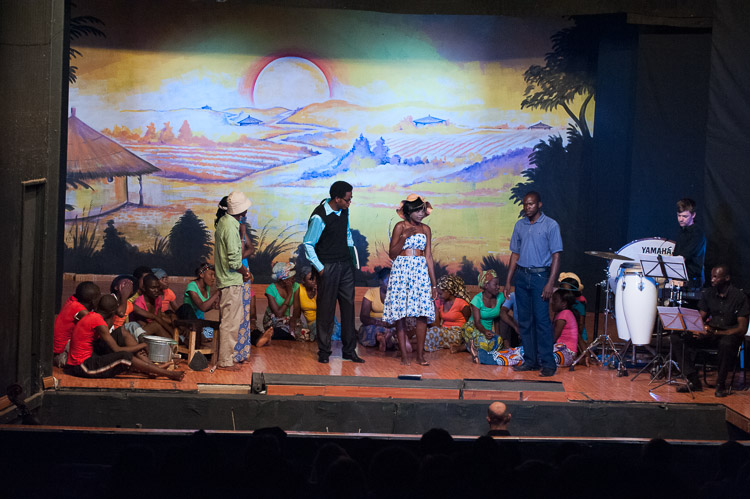
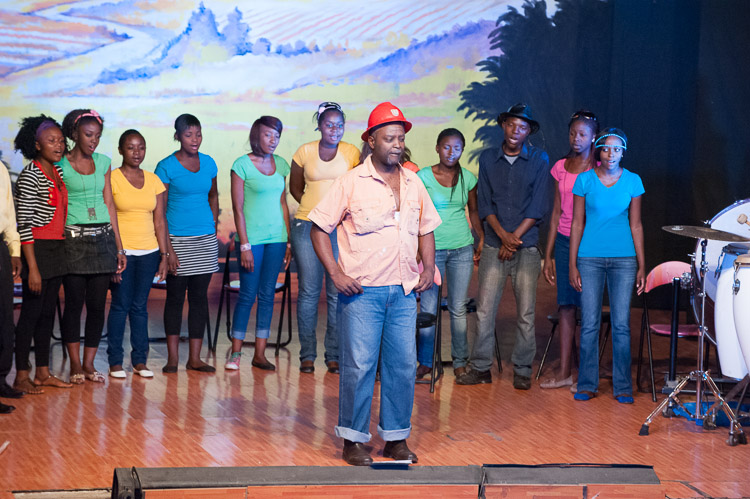
The cast was made up of local singers and instrumentalists, a local church choir for the chorus, a dance troupe called “Team Jiva” and  several guest artists from the Stuttgart Philharmonic Orchestra and Music Academy in Germany and was  conducted by renowned conductor Theo Bross.  It was very clear that none of the performers had ever attempted anything like this before.  Their excitement and nervousness were both evident.  The rehearsals had been going on for several months

998144_450344425067318_1535720120_n 1902064_463024977132596_627569503_n 1800295_460378884063872_734658845_n 1908252_462360663865694_770259877_n 1908479_452068161561611_2071591403_n 1947899_461042000664227_864098963_n 1978750_463662853735475_1564766726_n970544_408532289248532_163988590_n Perf_040414_5_of_56_ 1620962_456878254413935_1300240065_n 1004517_461685743933186_430610859_n

The story starts with the village waking up and the chorus singing about Damyna; how she was rescued from being sold to a moneylender by her aunt and raised as a sister to Por Phiri, who believes her to be his real sister.

Perf_040414_20_of_56_ Perf_040414_22_of_56_Perf_040414_18_of_56_

Damyna and Por Phiri appear and it becomes clear that they are in love with each other, but because they believe themselves to be true brother and sister, they cannot marry.  They sing about how they are “best friends.”

Perf_040414_23_of_56_

Por Phiri’s mother sings about why she has kept up this deception – in order to keep peace in the family and avoid difficulty.

Perf_040414_26_of_56_

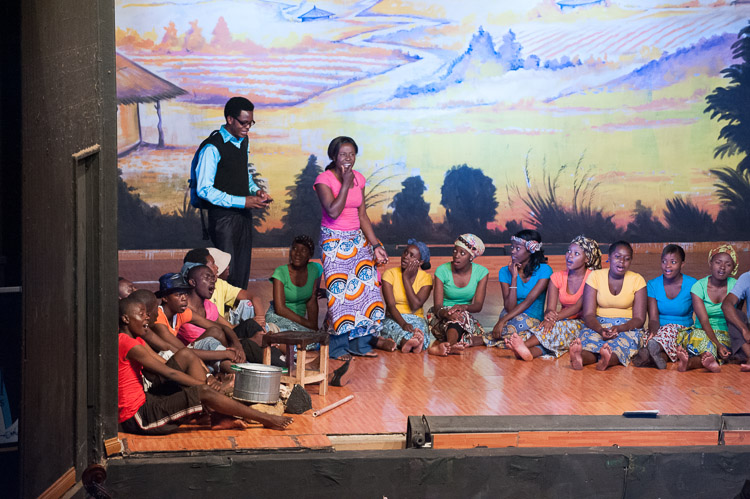
Two farming consultants from the city arrive in the village, in a fancy car.  The villagers see them coming and sing about why these rich people might be coming to their poor village.  “Perhaps they will build us a school!”  “Definitely NOT!”  “Perhaps they will build us a swimming pool!  It would be cool to have a pool!”  Everyone is very interested in the city people and their fancy clothes…and it is clear that the woman (a white European) is attracted to Por Phiri and the man (an African) very much enamored of Damyna.  (Note how the woman is dressed in order to appear “white and European.”)  The dancers in the background dance to show how the African consultant and Damyna are falling for each other.  However, Damyna is obviously a bit jealous of Por’s attraction to the European woman, singing about how that woman has “small breasts, not as big as mine!”

Perf_040414_27_of_56_ Perf_040414_33_of_56_ Perf_040414_35_of_56_

The village witch doctor, not knowing that Damyna and Por are not really siblings, decides to help things along.  He conjures some spirits, casts a magic spell and when everyone wakes, it seems his charms have worked and love has bloomed.

Perf_040414_31_of_56_ Perf_040414_29_of_56_

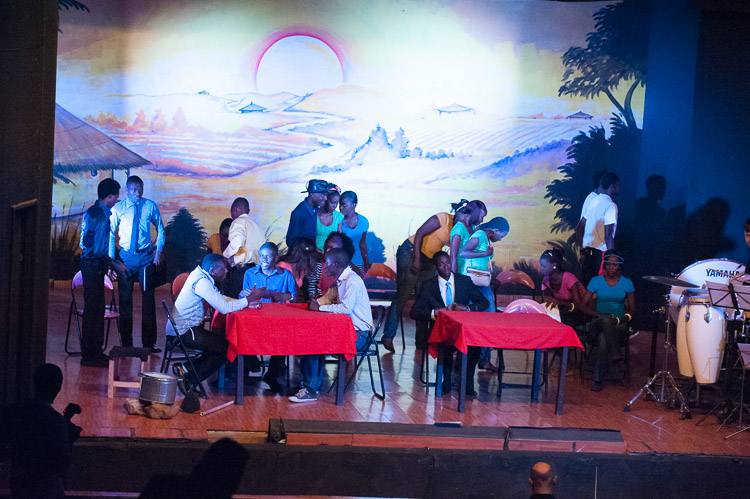
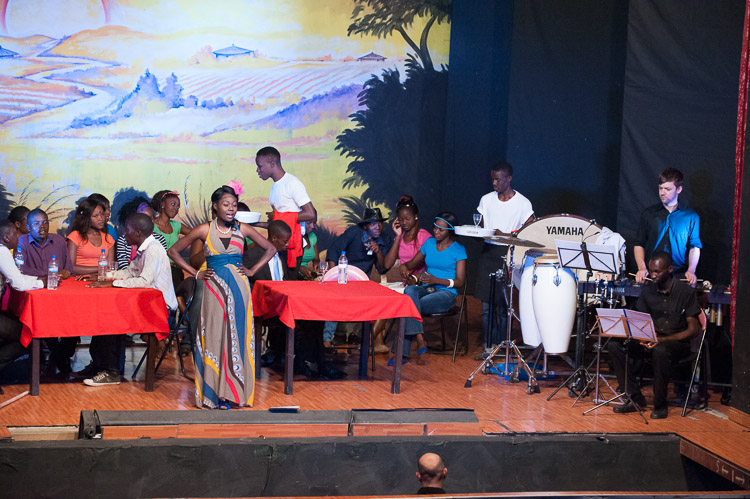
The second act opens at a cafe in town.  The chorus sings “Here we are in town” as the proprietors of the cafe declare how excellent their establishment is.

Perf_040414_37_of_56_ Perf_040414_39_of_56_

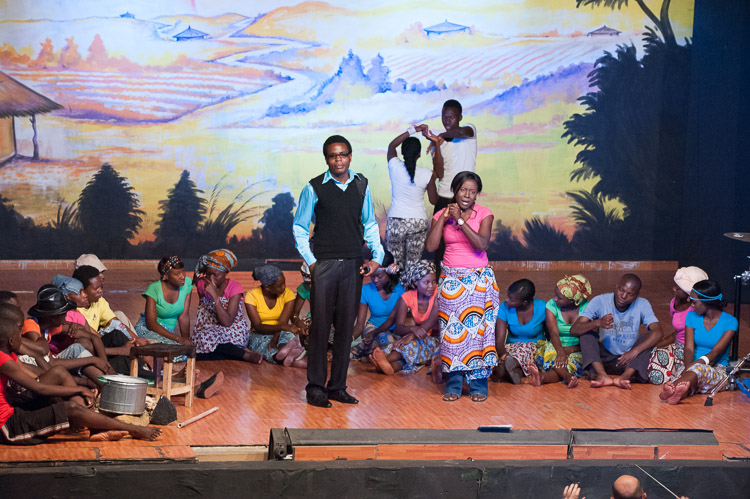
The two couples are getting to know each other, but it is clear that Por and Damyna still have feelings for each other.  The witch doctor, realizing his mistake, tries to set things right, but is foiled by Damyna’s aunt’s estranged husband showing up and declaring himself to be the father of both Por and Damyna, as he boasts of having sex with both women.  The men in the chorus sing about how they wish they could have as much sex as this guy while the women sing their disgust with his boastful drunkenness.

Perf_040414_45_of_56_

But the aunt has the last word, when she calls her husband a pathetic excuse for a man and tells him that he is NOT the father of Por Phiri after all.  The witch doctor undoes his spell.

Perf_040414_42_of_56_

Damyna and Por are not brother and sister after all and are free to marry.

Perf_040414_56_of_56_

I loved this opera.  I loved it because of the love and effort that went into making it.  I loved it because of the ownership of the performers and the obvious delight each of them showed in performing.  I loved it because it was done in an old, inadequate theater by nervous and excited Zambians, so proud to be performing an opera – an opera! – for fellow Zambians, many who had dressed to the nines to come to the performance.  (I saw at least one mink stole, lots of jewelry and high-heels…and suits on the men.)

And I loved the obvious joy and unaffected enthusiasm on the part of the performers.  After the last chord had been sung and the orchestra played the last cadence, the entire cast burst into wild whoops of joy and ran off the stage, pumping their fists in the air.  Not very “professional?”  Maybe.  But you know what?  They’d just performed an OPERA.  A real OPERA.  In  Zambia.  About Zambians.

(I was reminded more than once of Scott Joplin and his only known opera called “Treemonisha.”  Scott Joplin, best known for his ragtime music, was America’s first published black composer.  He wanted ragtime to be taken seriously, not just thought of as “coon music” or “jive music” and so he wrote an opera using a wide range of musical styles, including ragtime and he spent the last 10 years of his life trying to get the opera published and performed.  Like “Damyna, Damyna,” the plot also dealt with superstition, romance, adopted children, betrayal and the conflict between old and new.  The opera had one concert “read-through” in 1915 and then was lost until 1970, when it was rediscovered (thanks, in part, to the movie “The Sting” which used many of Joplin’s works.)  It received its world premiere in 1972, in Atlanta and now is considered an historically significant musical work, with performances all over the world.  It would be wonderful to see “Opera Z” tackle this work for their next performance.)

After the performance, I met Peter Langmead, the composer, and told him how much I had enjoyed the performance.  I think it was a great occasion.  My hat is off to the singers, the orchestra, the dancers and everyone who helped make the show happen.

10153105_467713046663789_1307124501_n


,


Lion’s Head and Table Mountain

Standard
Lion’s Head and Table Mountain

Cape Town is a beautiful city with the ocean on one side, mountains on the other and arts, culture and excellent food in the middle.  This makes it the “best of all possible worlds” in many respects.  The biggest, and most famous of the mountains is called “Table Mountain” – so named because of the flat top.  The extensive clouds that cover it are sometimes referred to as the “tablecloth” although there is also a legend about a pirate smoking his pipe up there. IMG_0129

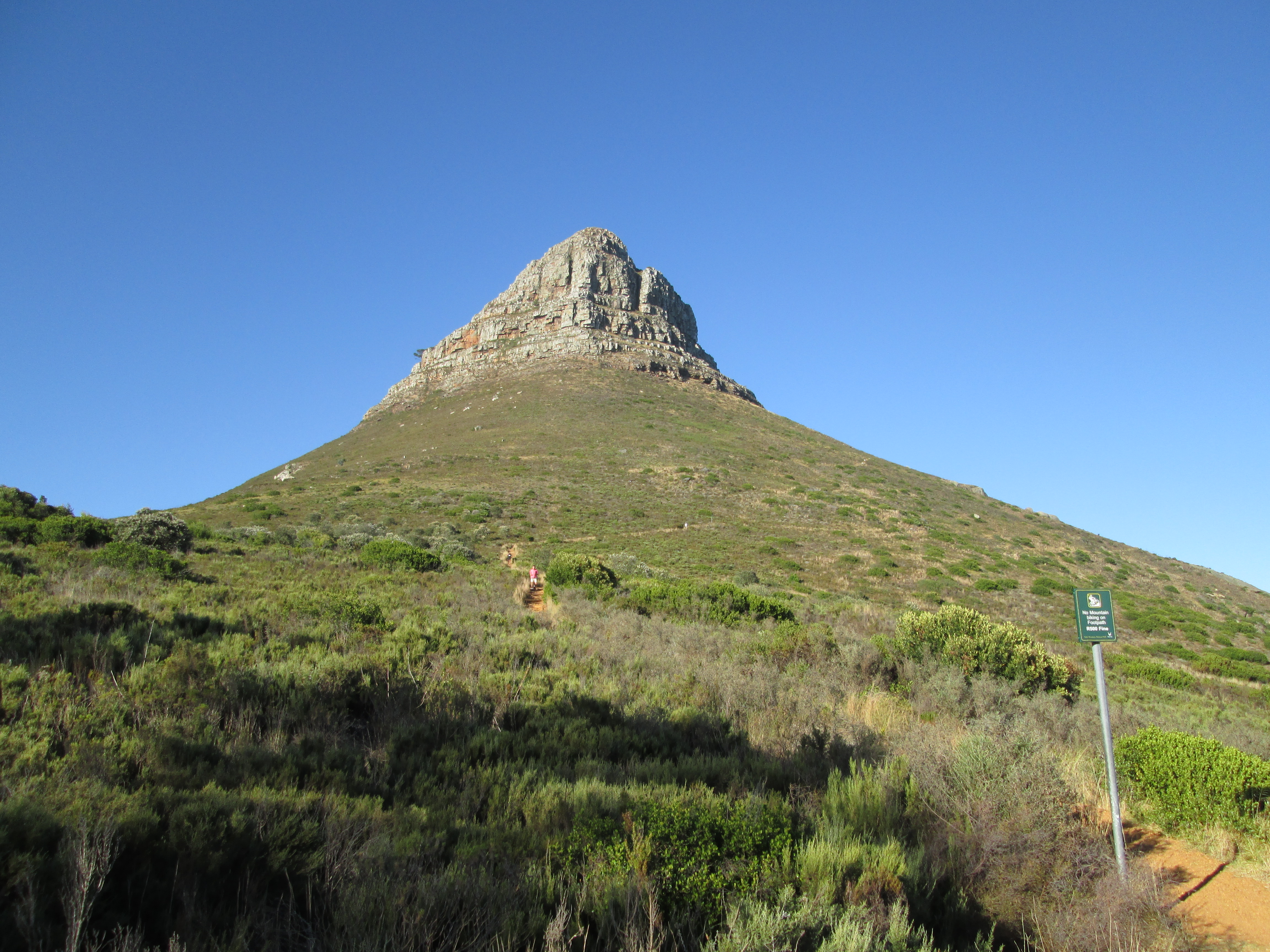
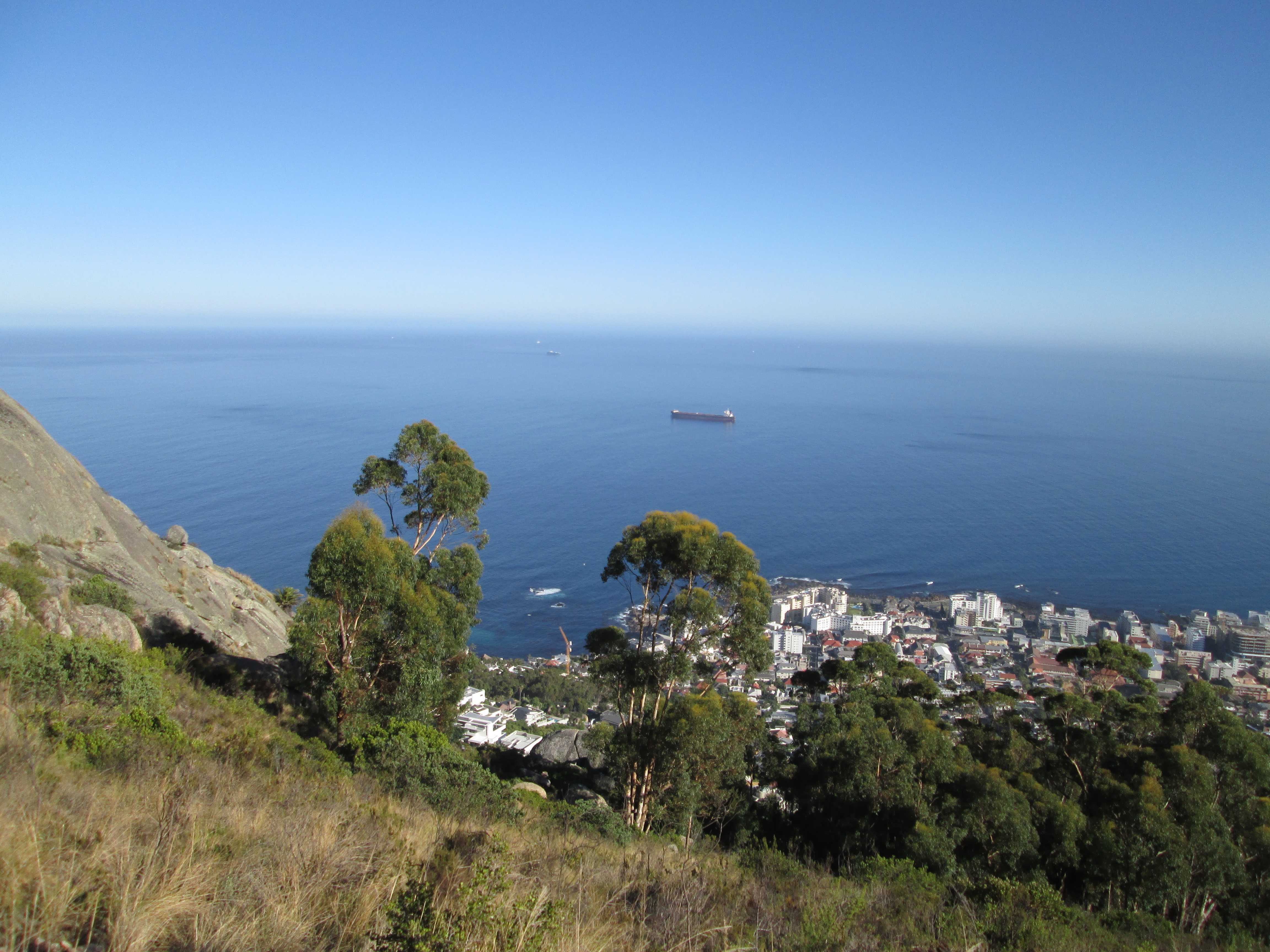
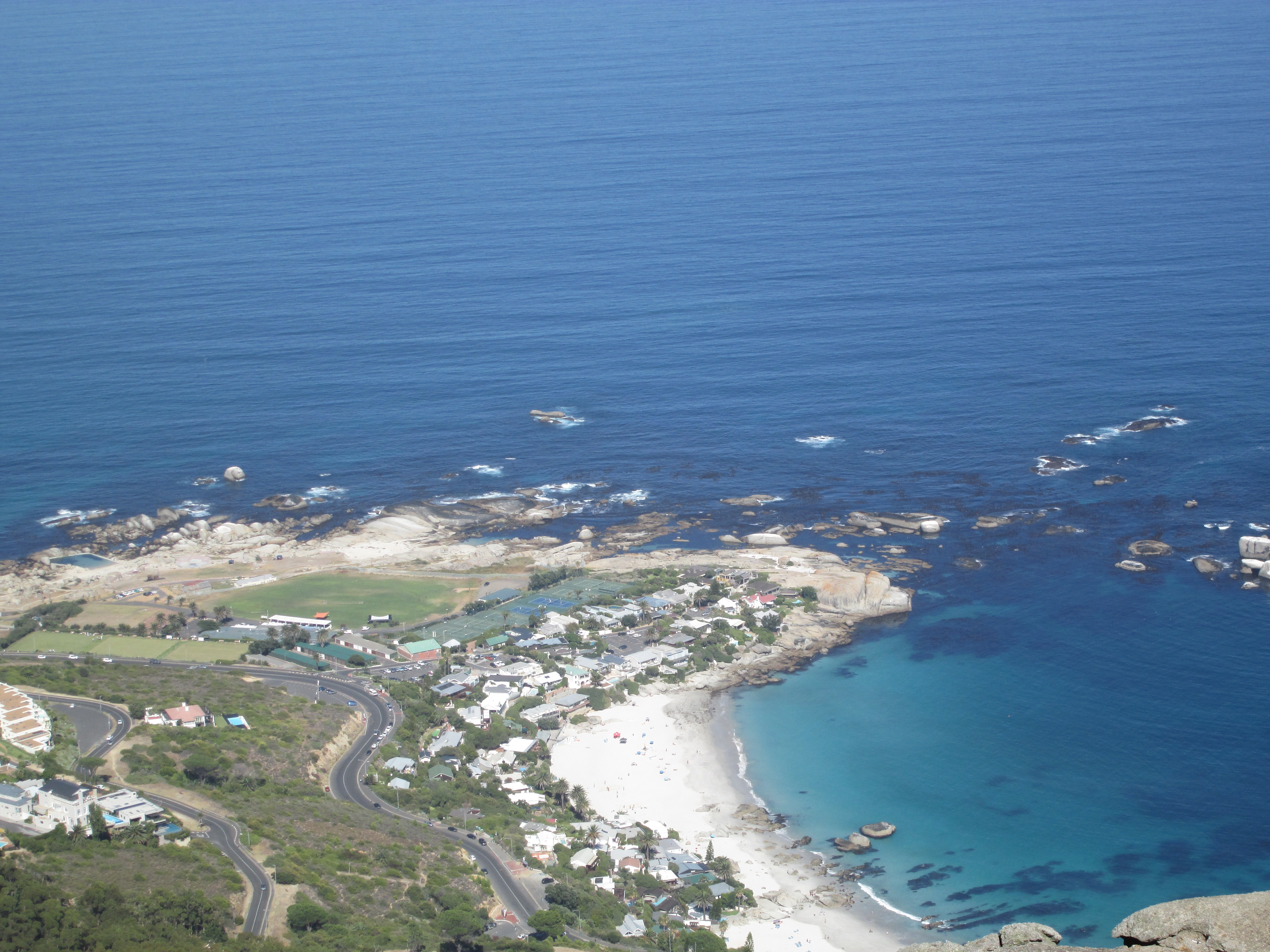
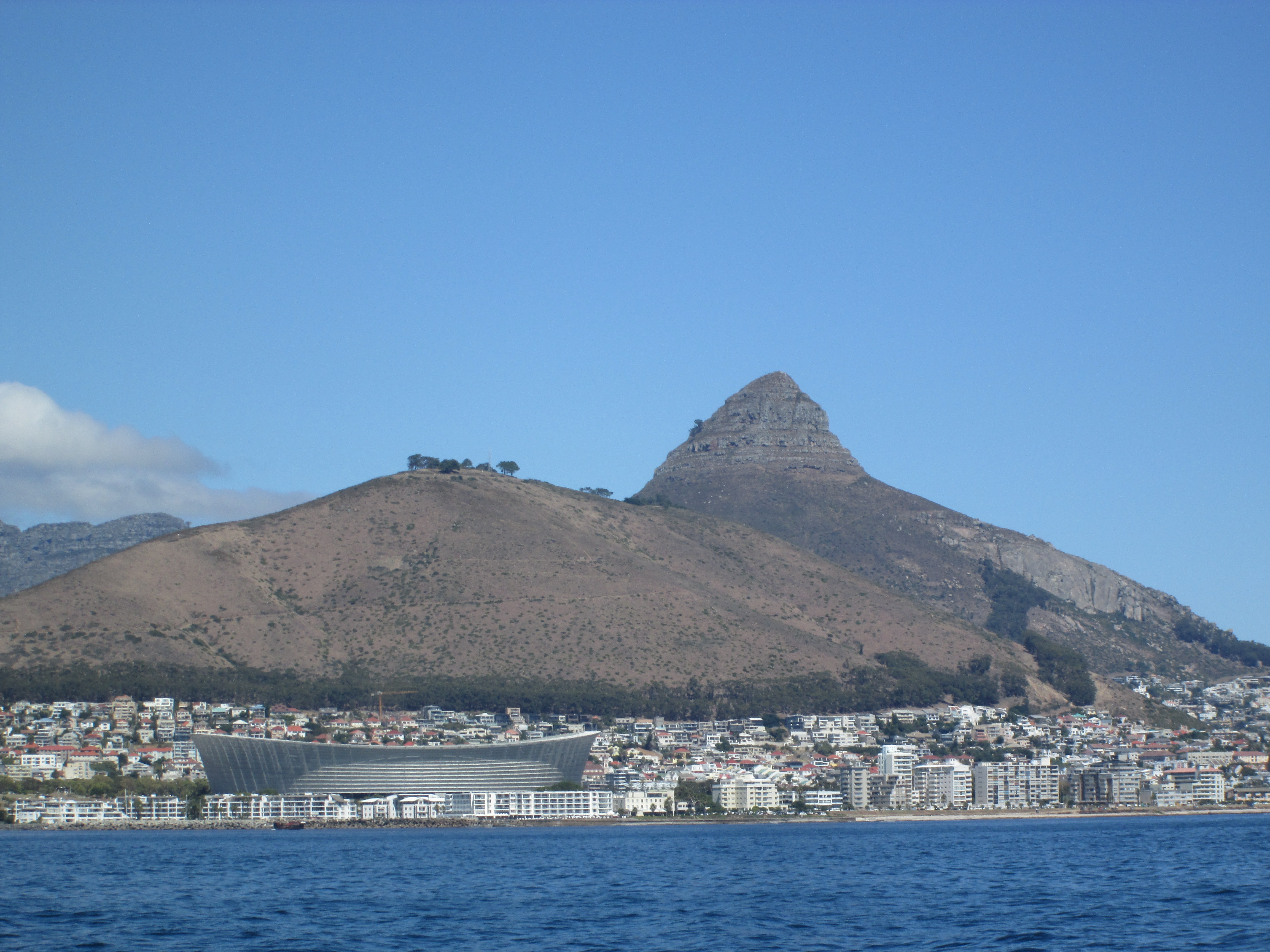
Lion’s Head is a monadnock, and a very popular hike.  It is right next to “Signal Hill” which is sometimes called “Lion’s Rump” and when seen from the water, you can how the two hills resemble a resting lion – his head to the right and the rest of him stretched out behind.

IMG_0370

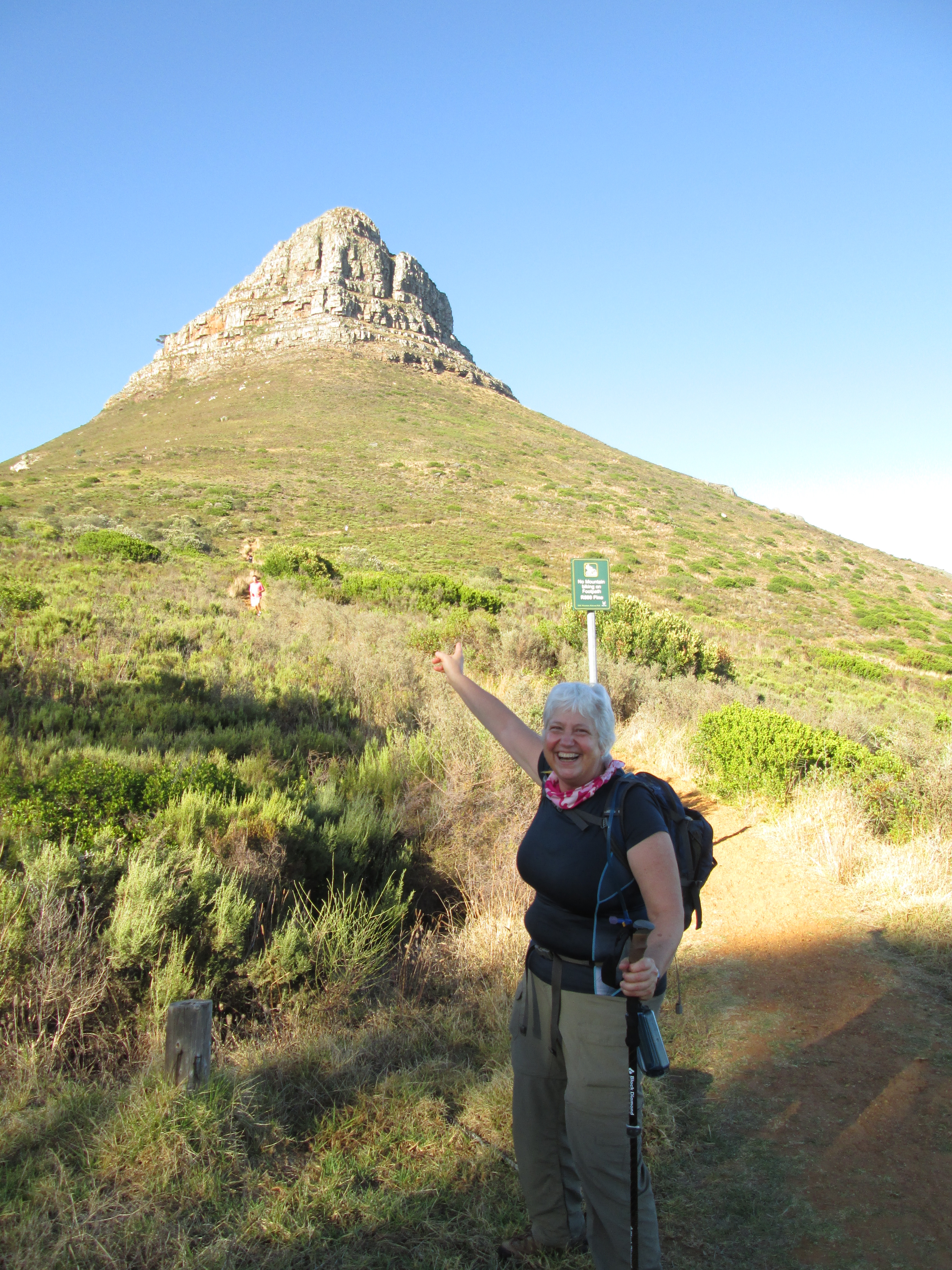
I had decided that I wanted to climb Lion’s Head – supposedly not that difficult.  I had been advised not to hike alone, so I engaged a guide – a very nice young woman named Jo, who had lived in Cape Town all her life.  We started out at about 8:00am…it was a beautifully sunny day.

IMG_0136 IMG_0135

IMG_0134 SA-premier-vineyard2


The path was not hard, but much steeper than I had anticipated….and I realised that it had been well over a year since I had done any real climbing.  It was frustrating realising how out-of-shape I had become.  But I kept going, anyway!

IMG_0138 IMG_0139 IMG_0140

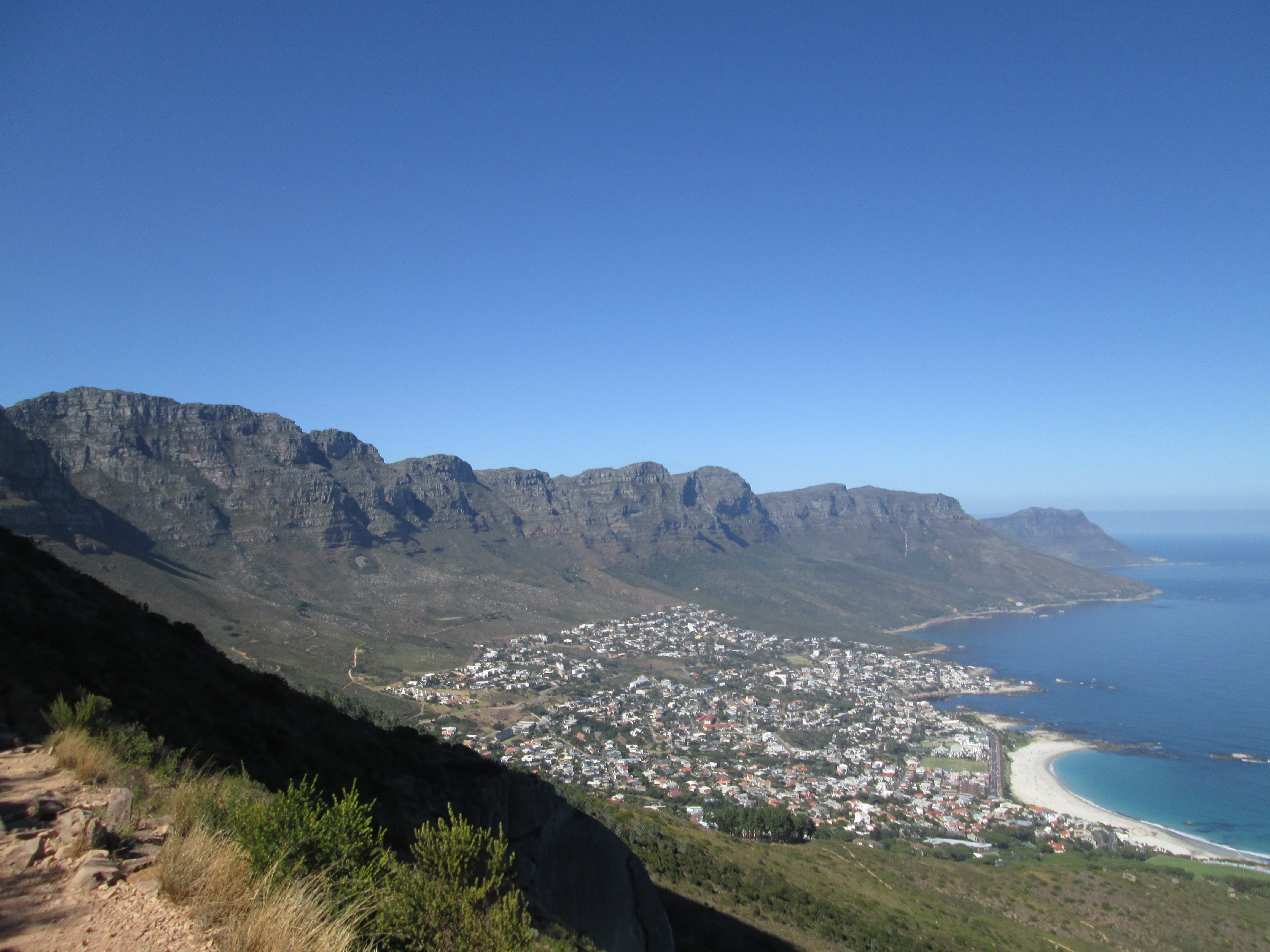
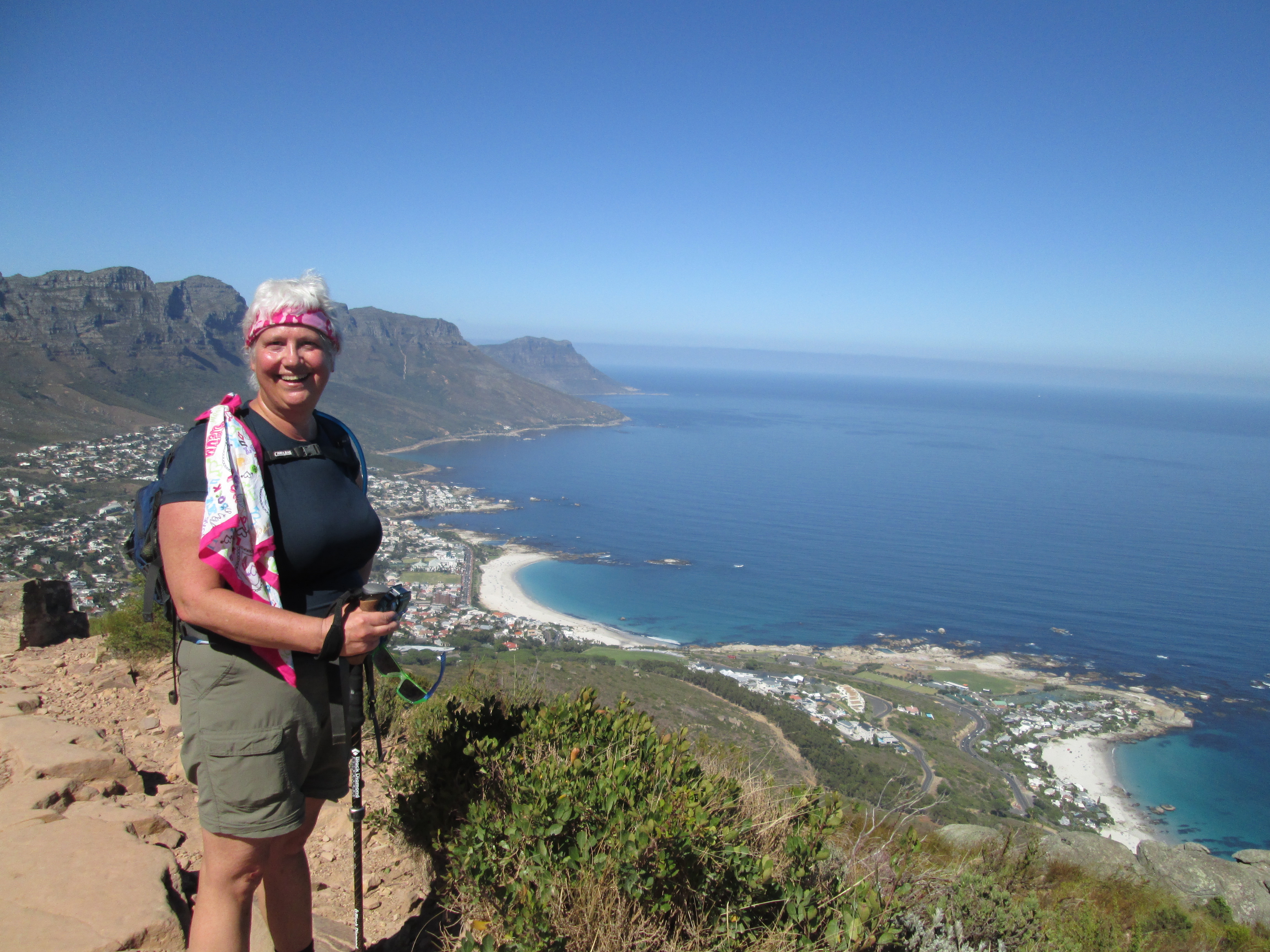
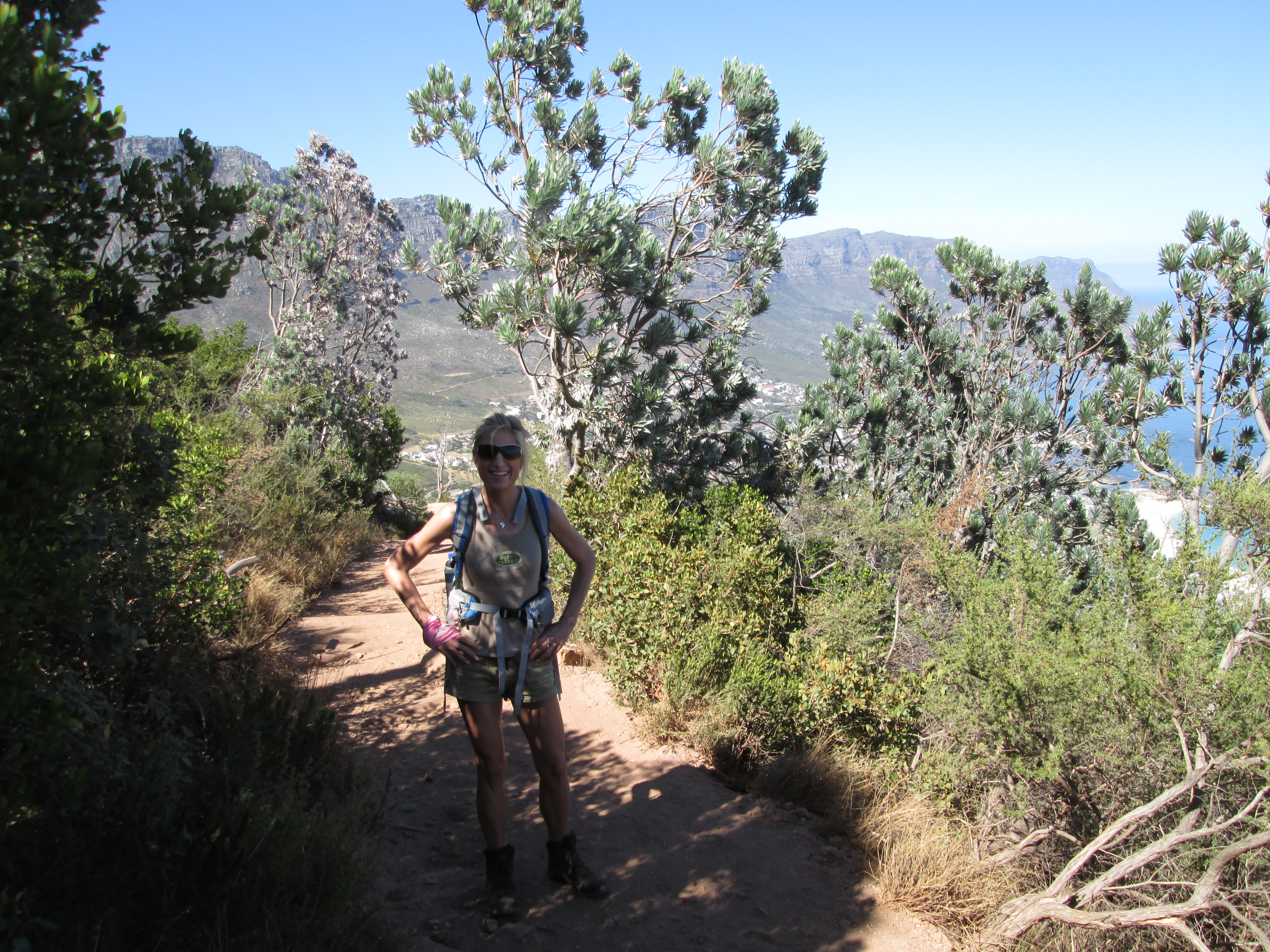
The trail wound around the mountain, so you could get views from all sides.  It was really spectacular.

IMG_0143 IMG_0146 IMG_0147 IMG_0145


About two-thirds of the way up, as the trail became a little more rocky and a lot steeper, I began to feel queasy…not like myself at all.  At first I thought it was just because I was hot, tired and out of shape.  And then I realised, with mounting dismay, that the burrito I had had for supper last night (at a somewhat dodgy Mexican place in town) was – shall we say – making itself known.

Oh, dear.

I mentioned this to Jo and she said she knew exactly which Mexican place it was and shook her head  in sympathy!  By this time, I was frantically looking for a bush…and praying that I did not disgrace myself on my first visit to Lion’s Head!

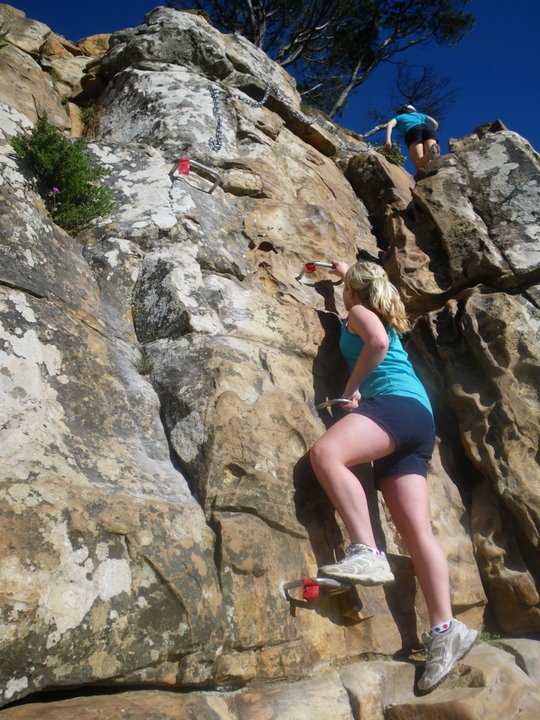
Meantime, we were coming up to the last part of the hike – which involves chains and ladders bolted into the side of the rock.  (These are from another website, but they give you a general idea…)

Ladder lions_head_chains_13


I (wisely) decided to forgo the summit this time.  We sat and rested on a bench near the turn to the ladders.  Jo produced a banana, some energy gels and then – miraculously – a couple of Imodium A-D.   And we headed back down…slowly and carefully.

IMG_0148

(My ever-patient guide, Jo)

IMG_0149 IMG_0150


I was sorry not to get to the top, but it was still a great hike – and after some more fluids and rest, I felt more like myself again and ready for the rest of my time in Cape Town!

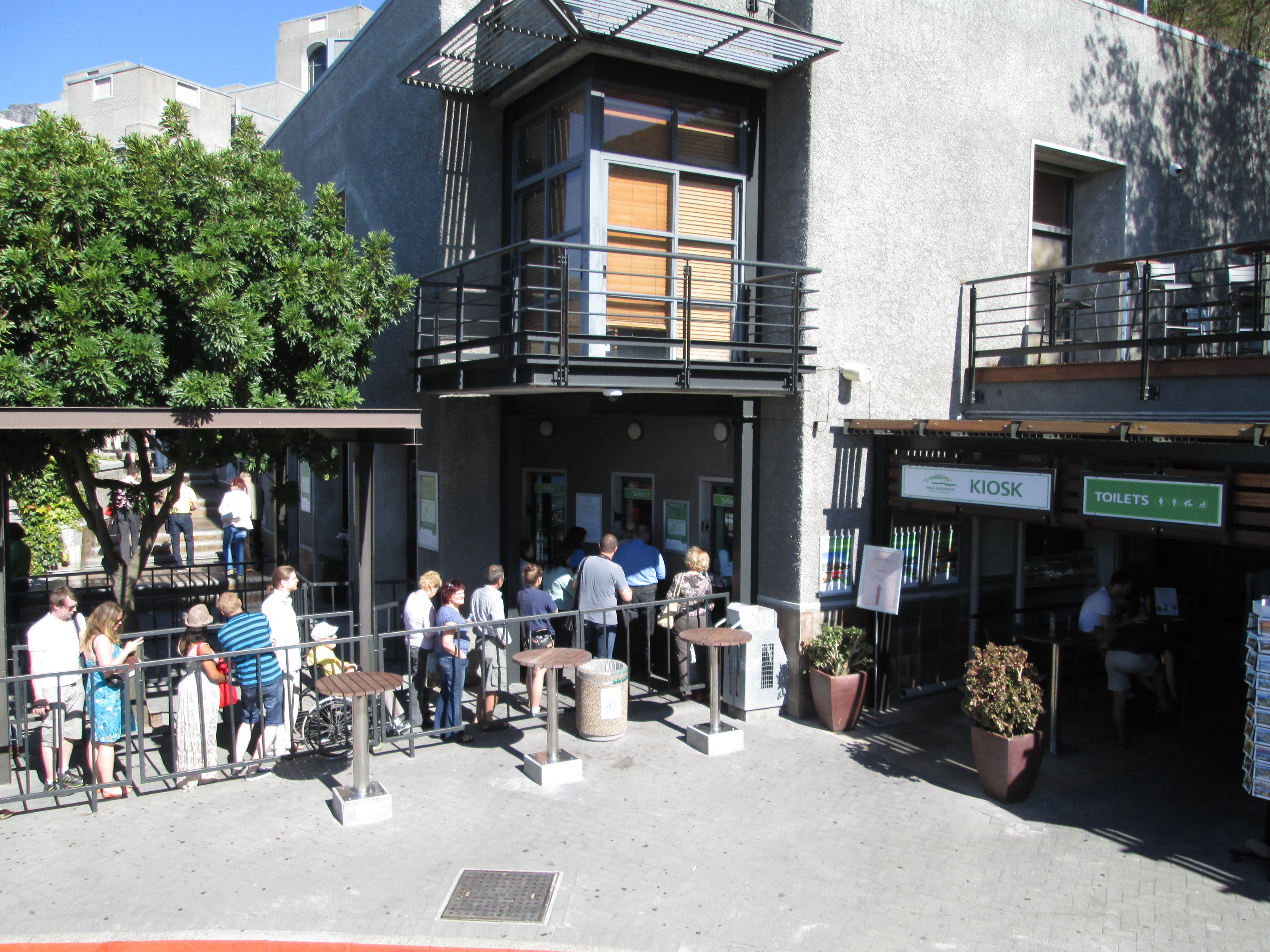
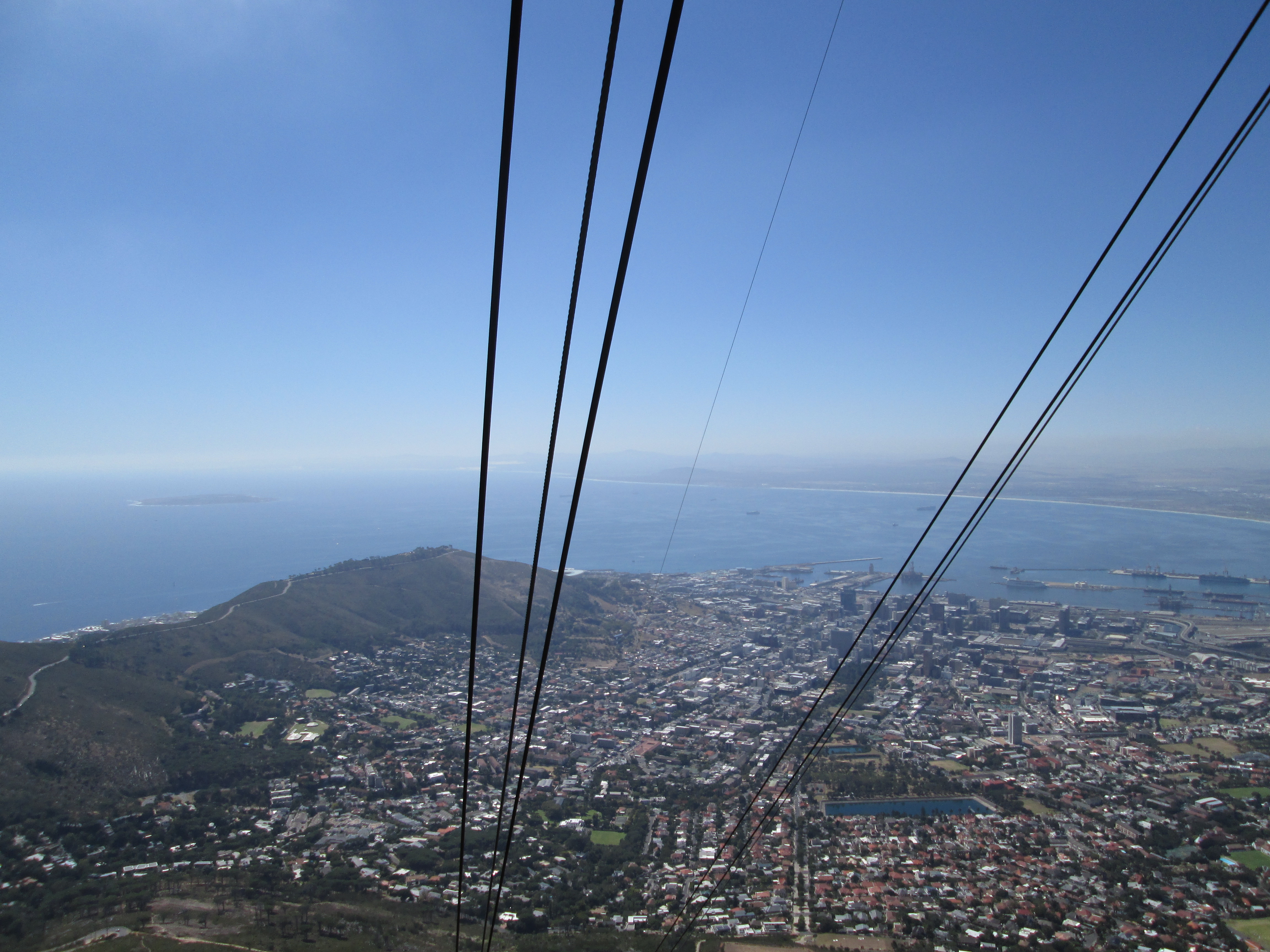
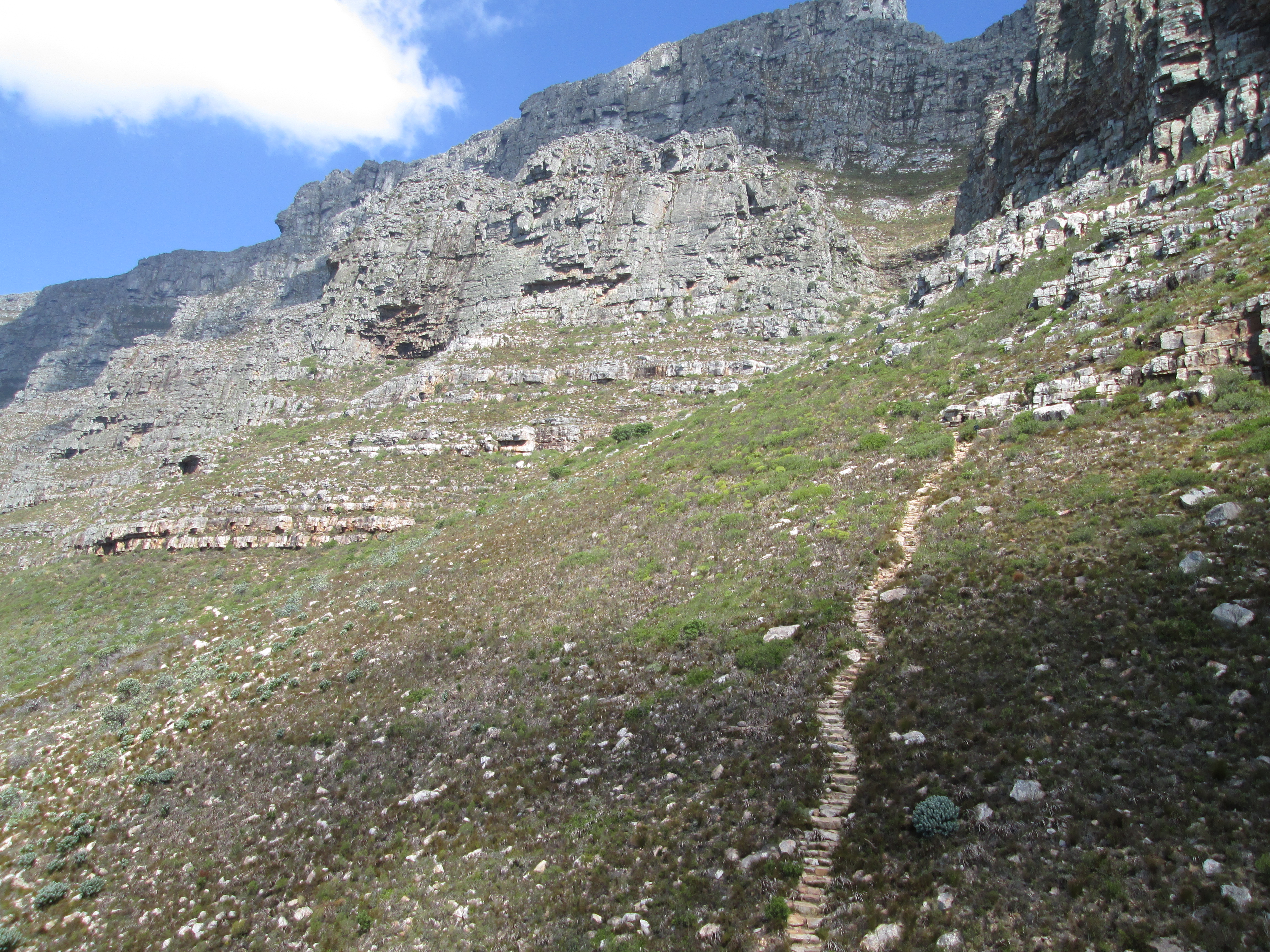
I had been tempted to hike Table Mountain…but that would have been a full-day hike.  So I decided to take the cable car up, instead.  This was one of the stops on the “hop-on, hop-off” bus tour. The cable car ride is very quick – less than 5 minutes – and the interior of the car rotates so everyone gets a view.  One of the hiking trails goes directly under the cable car.

IMG_0261 IMG_0256

IMG_0220 IMG_0219 IMG_0218 IMG_0217 IMG_0216 IMG_0215


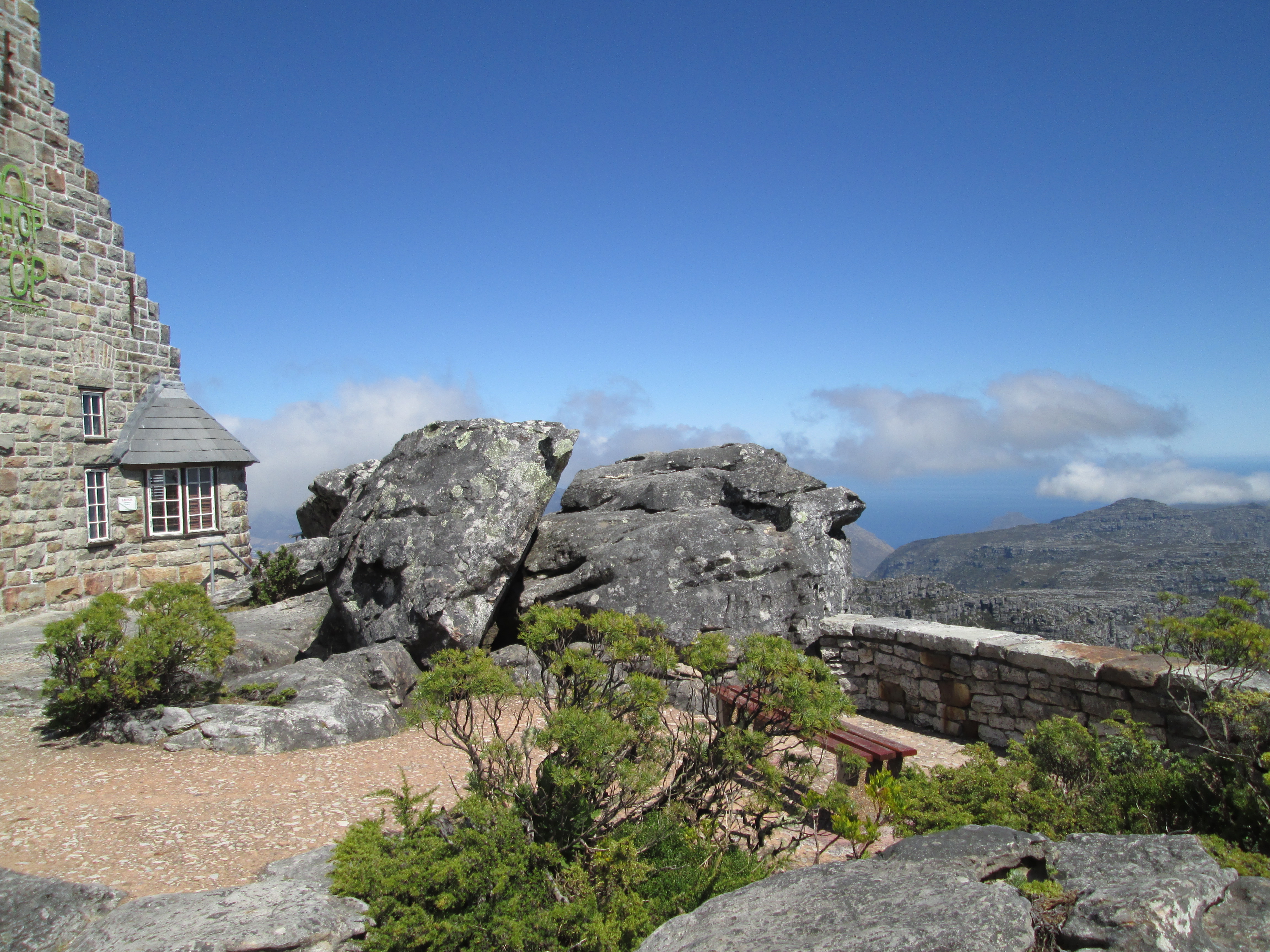
The top of Table Mountain had a gift shop, a pretty decent cafe, and many trails and walks going off in all directions.  The tables in the cafe had descriptive tops, with facts about Table Mountain.

IMG_0221 IMG_0222 IMG_0223 IMG_0226

There was also wildlife…including birds that were bold as brass as they tried to sample your lunch…

IMG_0224

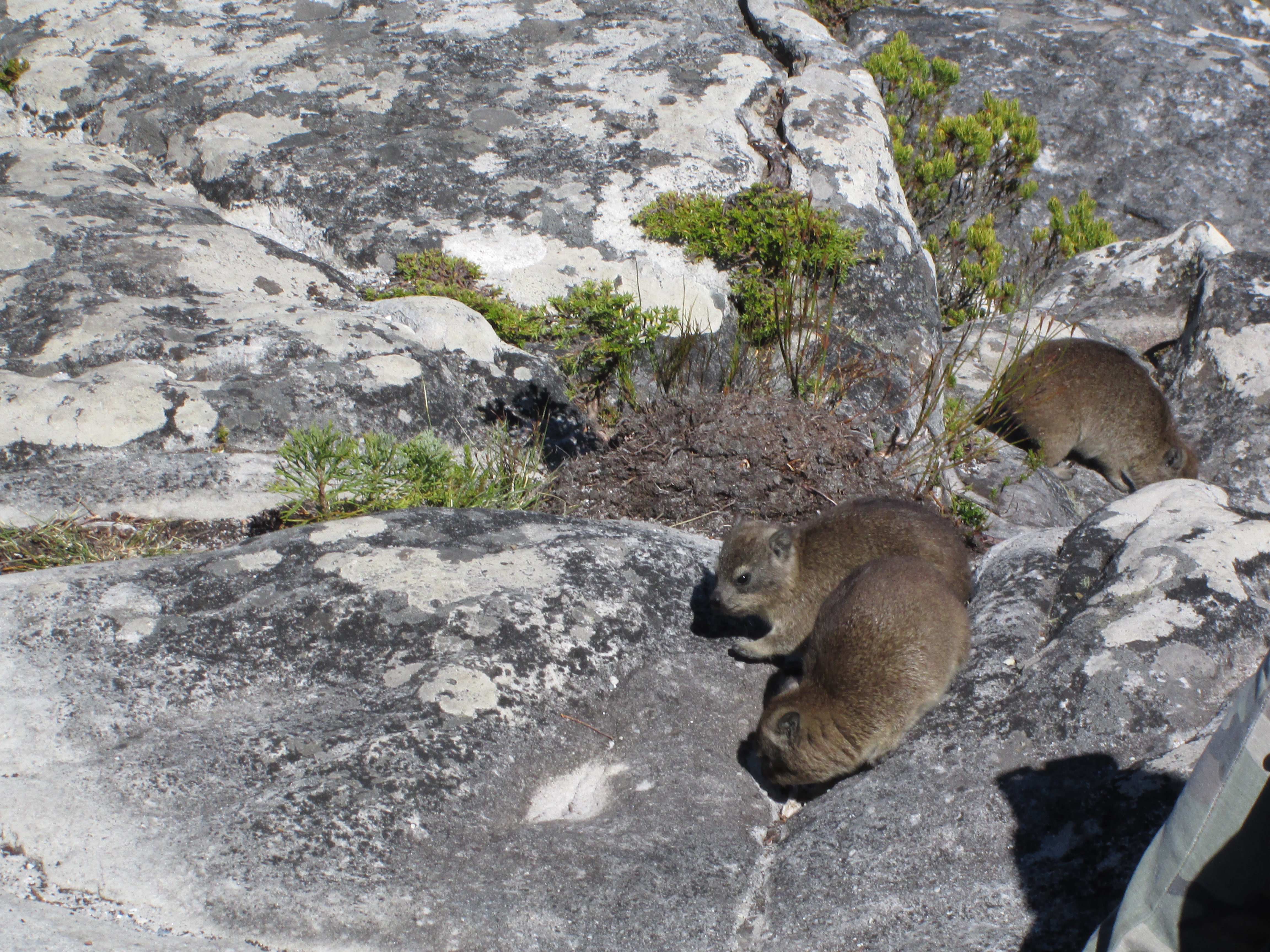
And “dassies” – which look like kind of a cross between a hedgehog and a hamster.  They are known as the “rock hyrax” and their closest living relative is the elephant!  They were very friendly and not afraid of humans at all.  They hung out on the rocks, foraging for food and waiting to see if any of the tourists dropped a morsel.

IMG_0236 IMG_0234


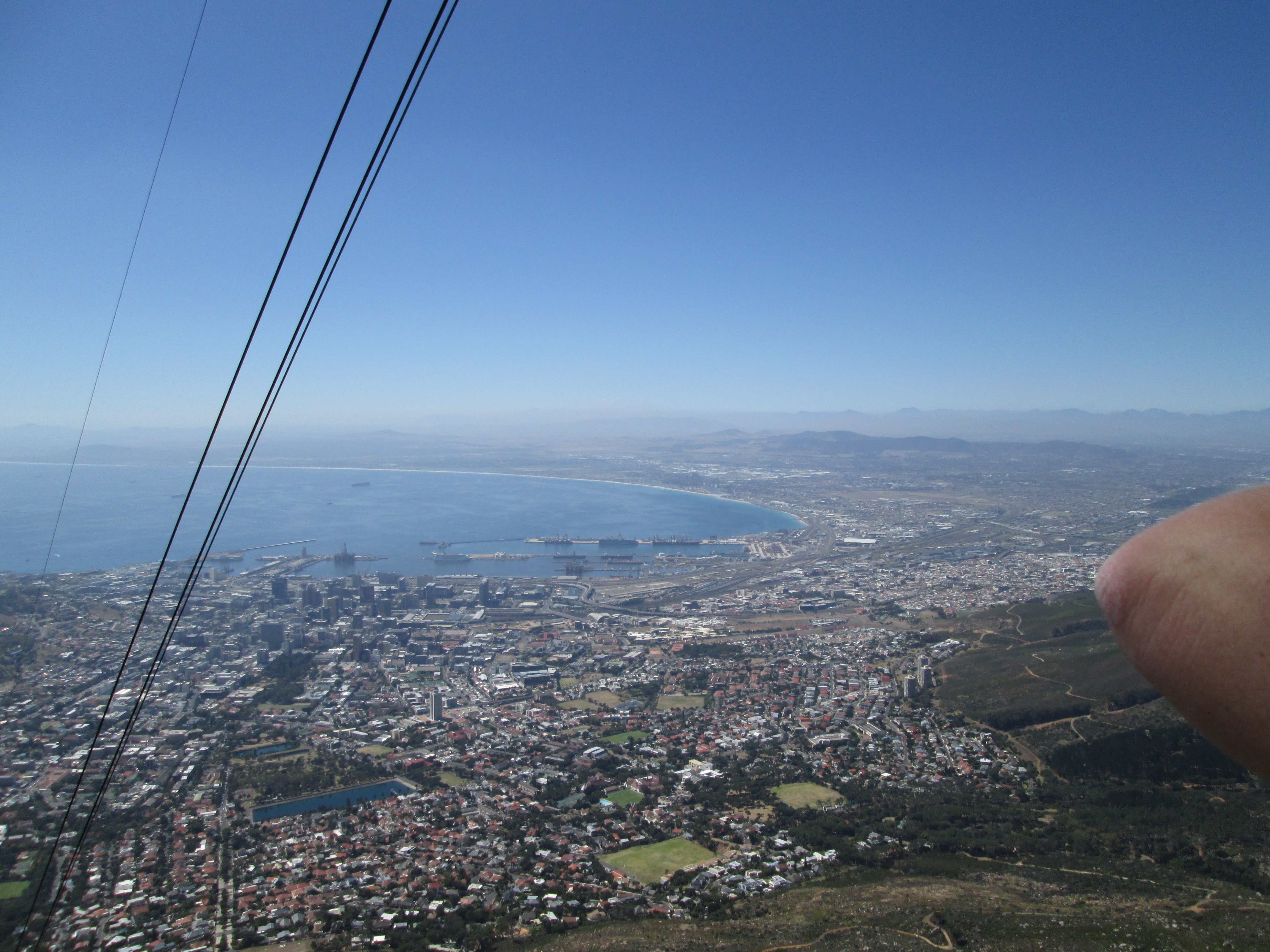
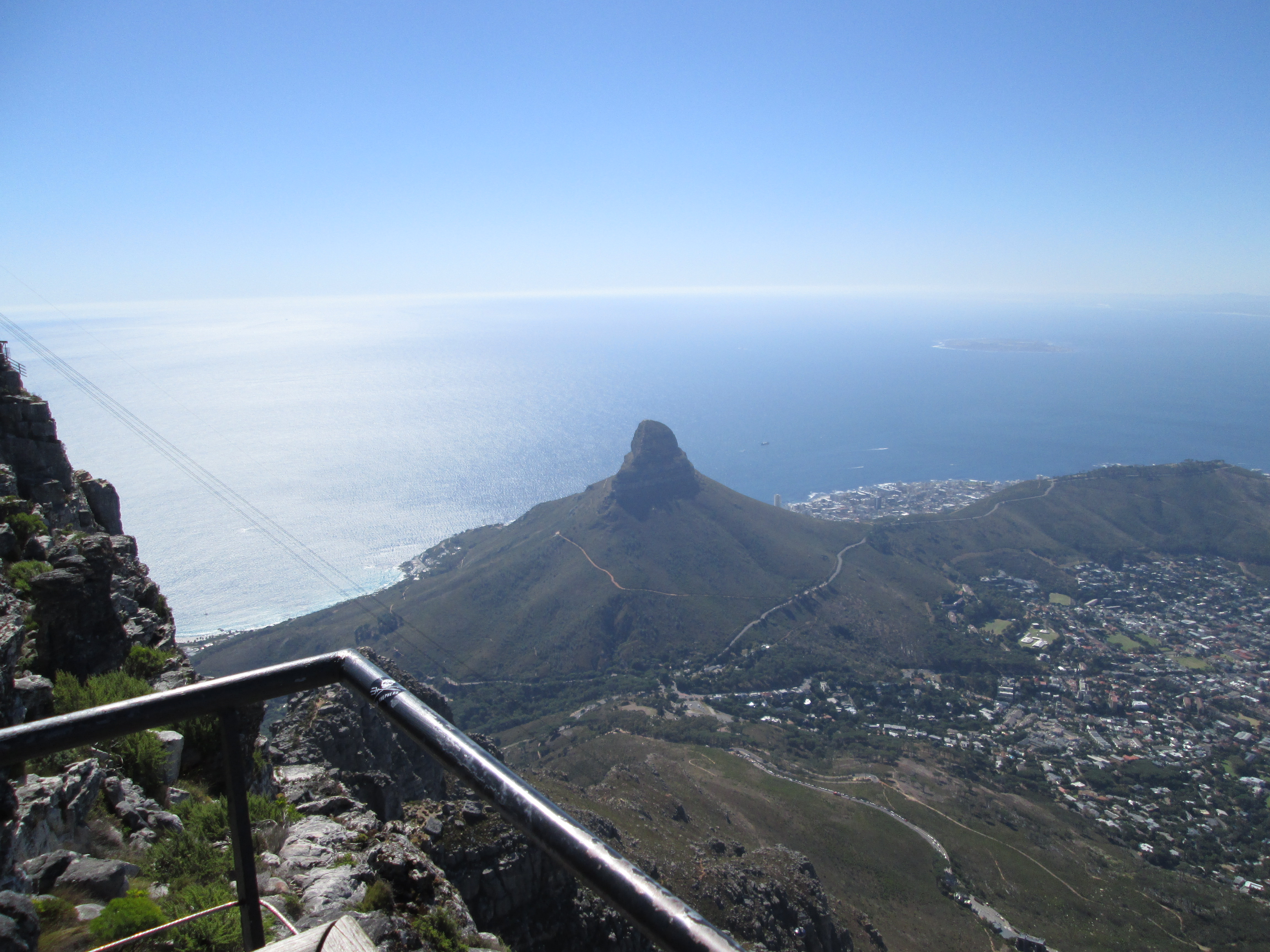
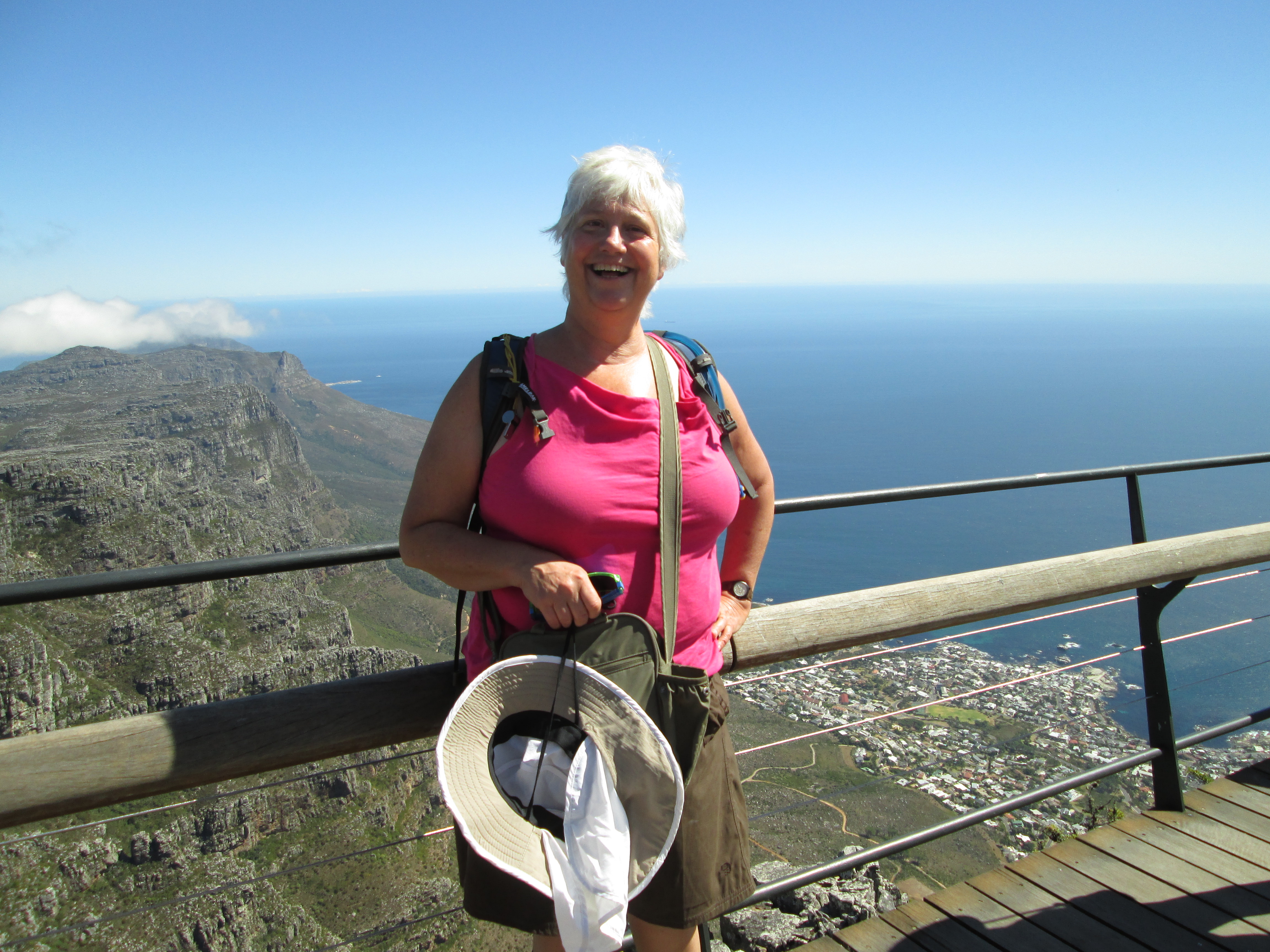
The views were amazing.  You could see Lion’s Head and Signal Hill, of course and the entire city spread out in front of you.  In addition, you could see the range of mountains behind Table Mountain, stretching all the way to Cape Point.  Part of this range is known as “The 12 Apostles” and they are very popular with hikers.  (No one knows why they are called “The 12 Apostles” and it is even stranger since there are actually 17 of them!)

IMG_0238 IMG_0240 IMG_0242 IMG_0244 IMG_0245 IMG_0250 IMG_0251

This is a view of “The 12 Apostles” from the bottom

IMG_0269

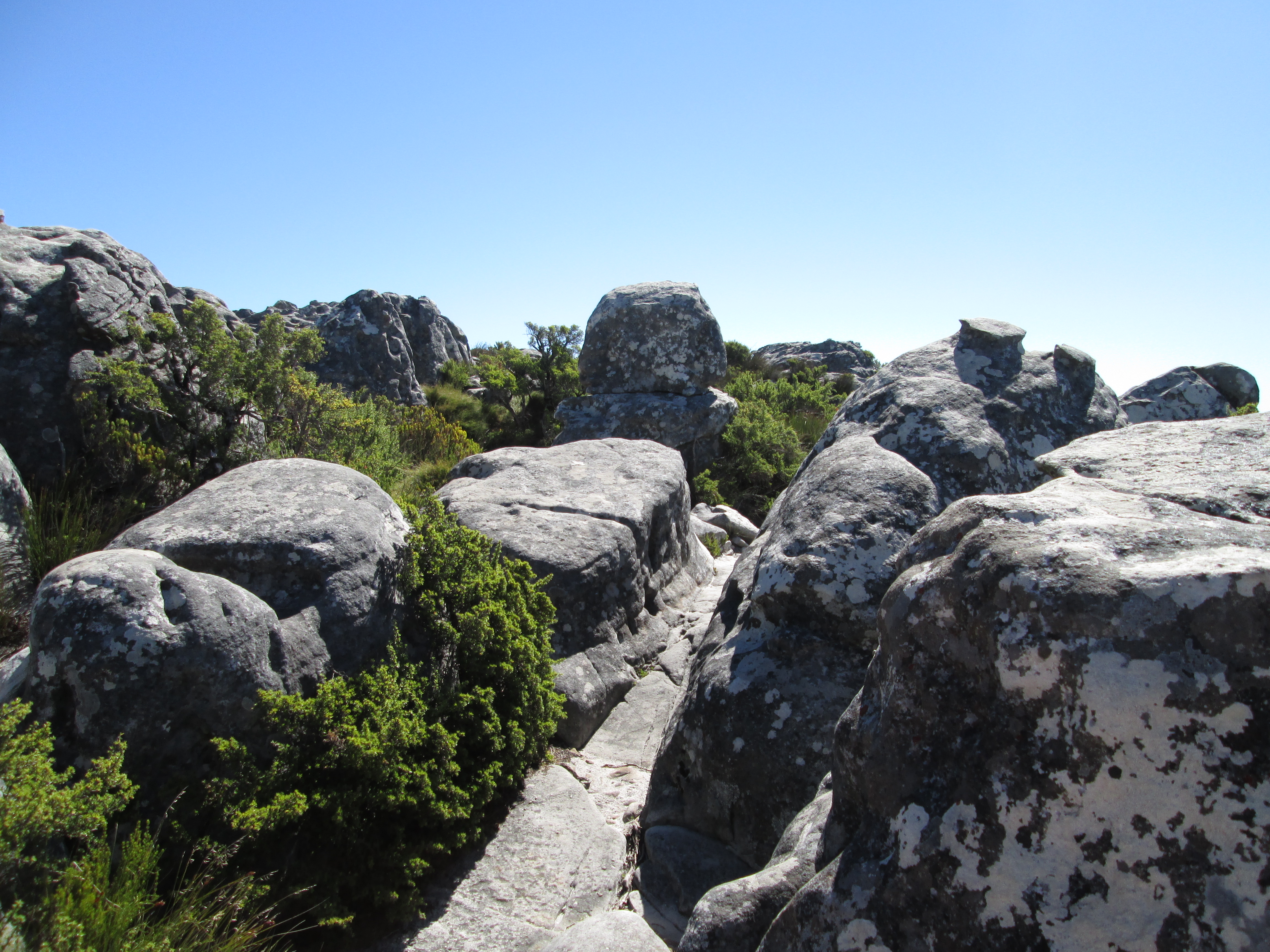
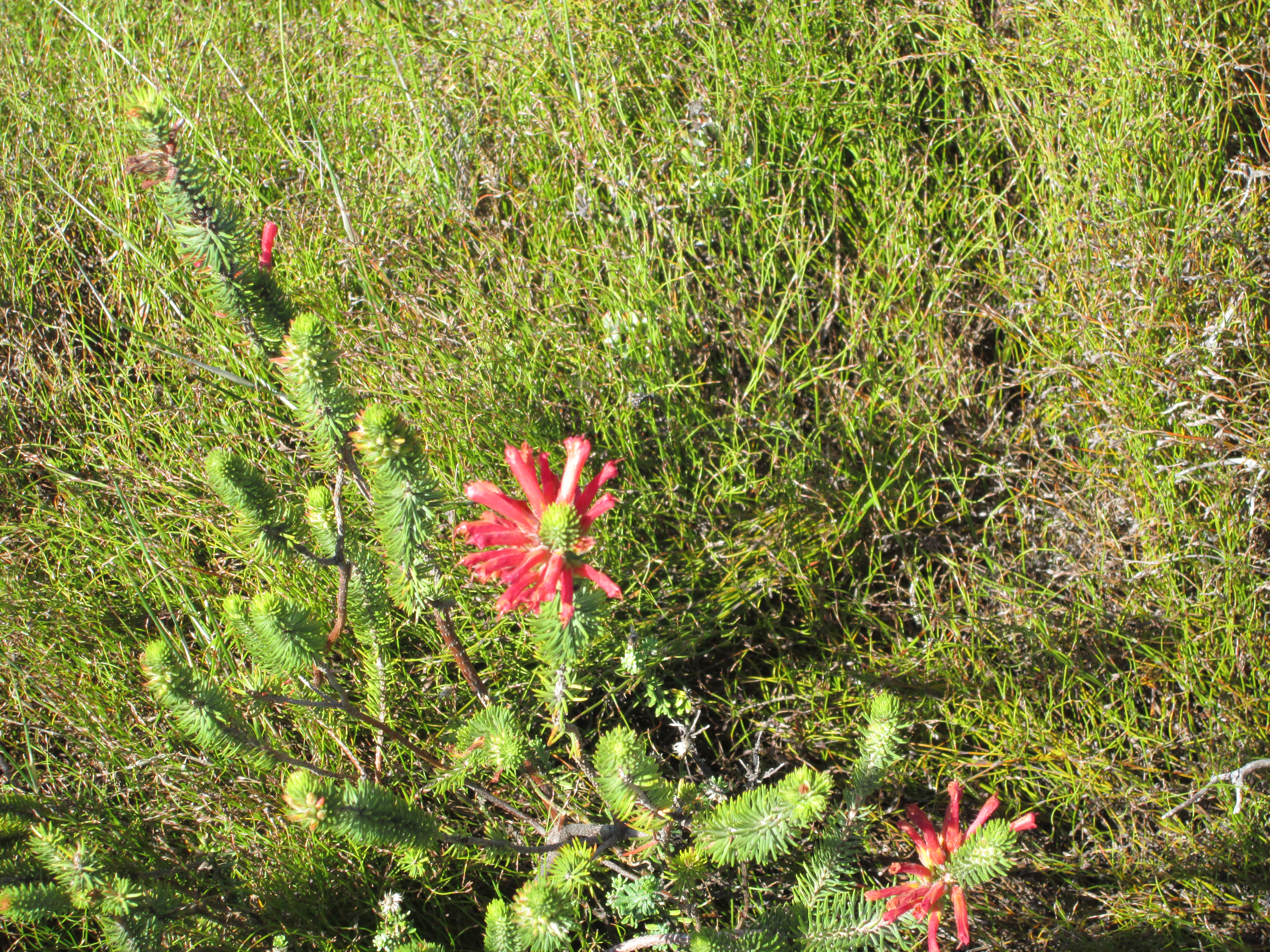
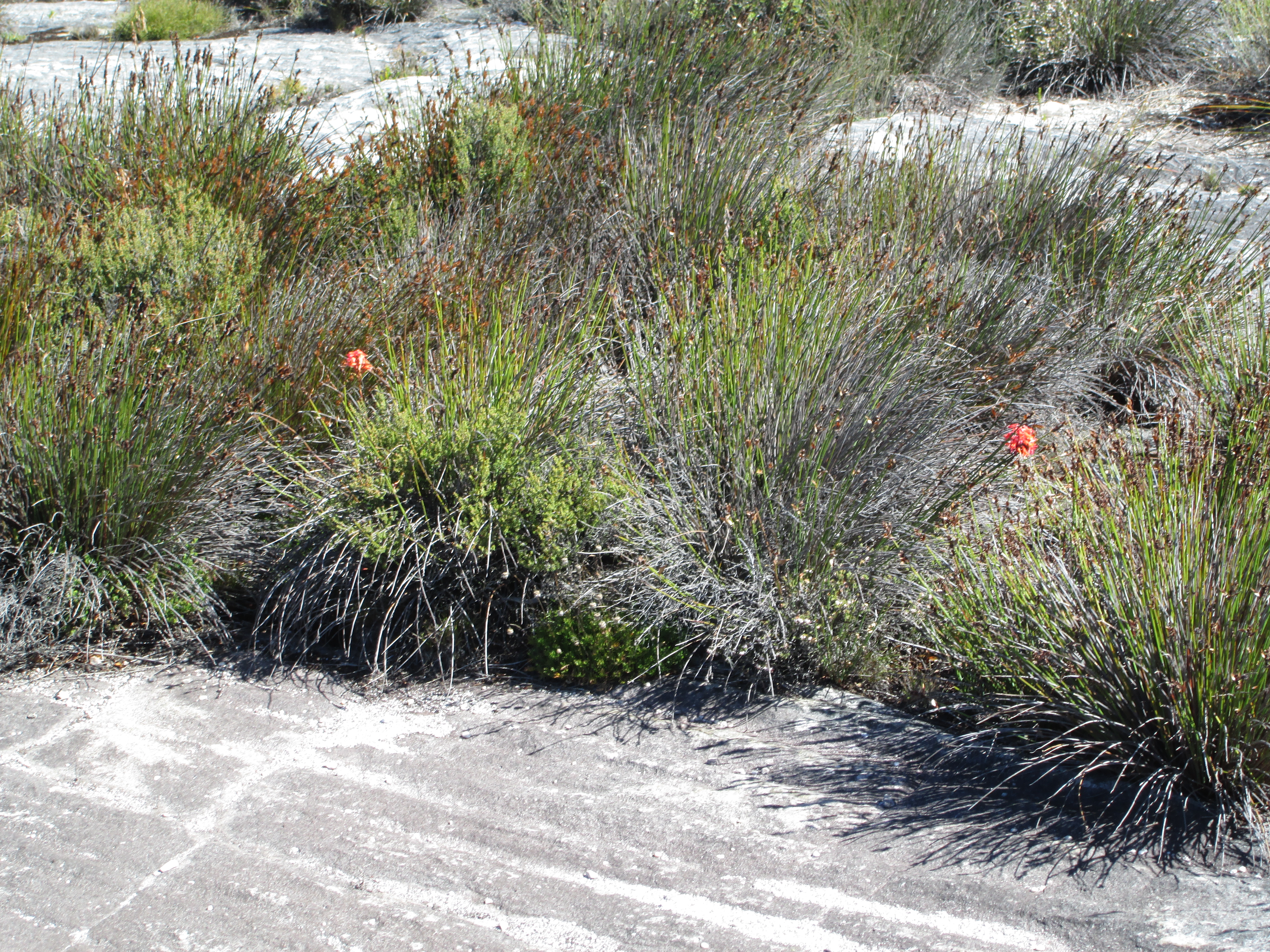
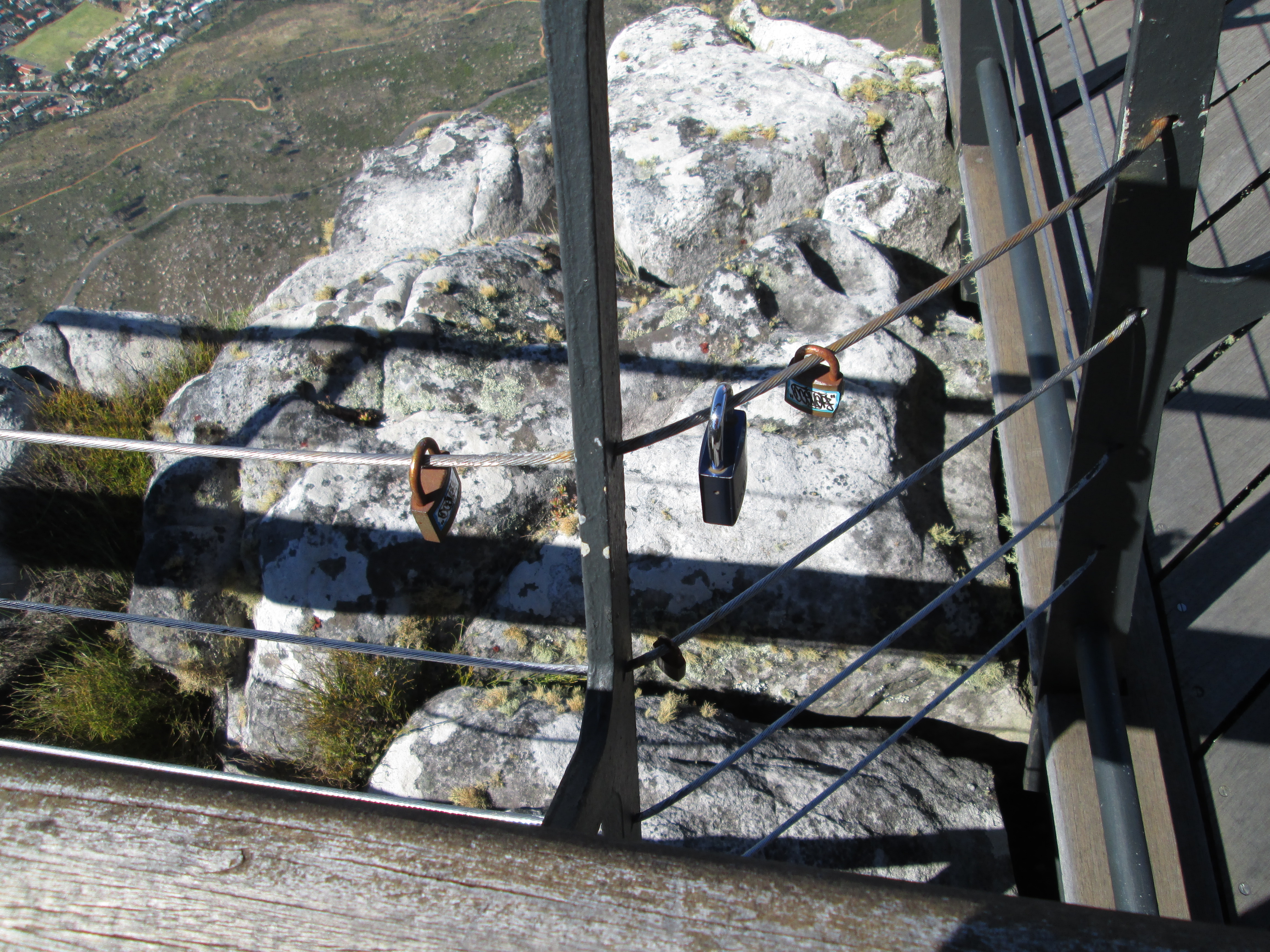
Lots of beautiful flowers and other flora in the rocks.  And locks…padlocks on the view-point fences.  Apparently this is a tradition on the tops of other mountains, too.

IMG_0249 IMG_0247 IMG_0246 IMG_0252 IMG_0253 IMG_0255 IMG_0256


I loved the mountains of Cape Town and really hope to return to do some serious hiking in the not-too-distant future!

IMG_0229

Jo’burg to Cape Town via the Premiere Classe Train

Standard
Jo’burg to Cape Town via the Premiere Classe Train

2014-03-13 13.01.20

I love train travel.  It seems to me a much more civilised mode of transportation than a plane, where you are jammed into a seat with no legroom and no way to move around, stretch, chat, grab a bite to eat and maybe meet your fellow passengers.

There is a wonderful website called “The Man in Seat 61” which details how to travel all over the world without ever setting foot in an airplane.   It is a terrific resource for anyone who likes train travel…I used it when I traveled from Amsterdam to London.  (Passenger train ride, over-night ferry to another waiting train and right into St Pancreas Station!)  It also describes how to take “great train journeys world wide” including the Trans-Siberian Railway, the Orient Express and the “Blue Train” from Jo’burg to Cape Town, which is the journey I took.

Well, I didn’t take the actual “Blue Train” (it costs almost $1,000 one way!) but I took that same journey – same scenery, same size train cars, same full-meal service – but less than a quarter of the price.  There is also an even cheaper option, called the “Tourist Class” train.  However, I decided to treat myself a little and go with the “Premier Classe.”   I was not disappointed.

For overnight train travel, the important thing to remember is that the journey is the thing…as much as the “getting there.”  The Premier Classe train is like a little hotel on wheels, with all expenses paid.  No traffic, no hassles, plenty of room to stretch your legs, a fully-stocked bar car, delicious meals and big windows in the lounge to look at the scenery.

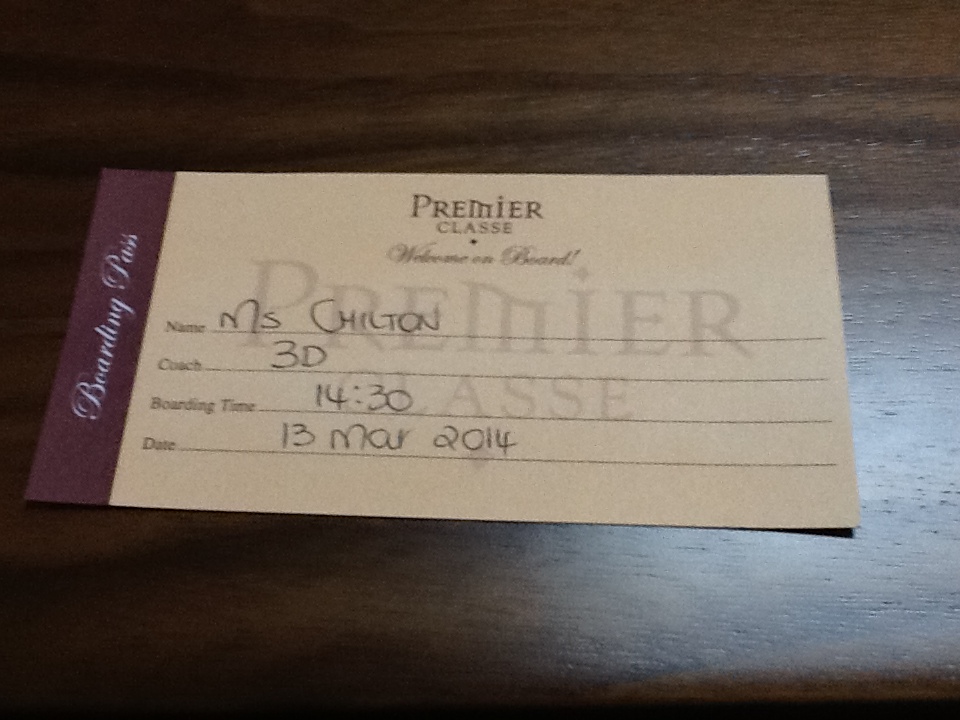
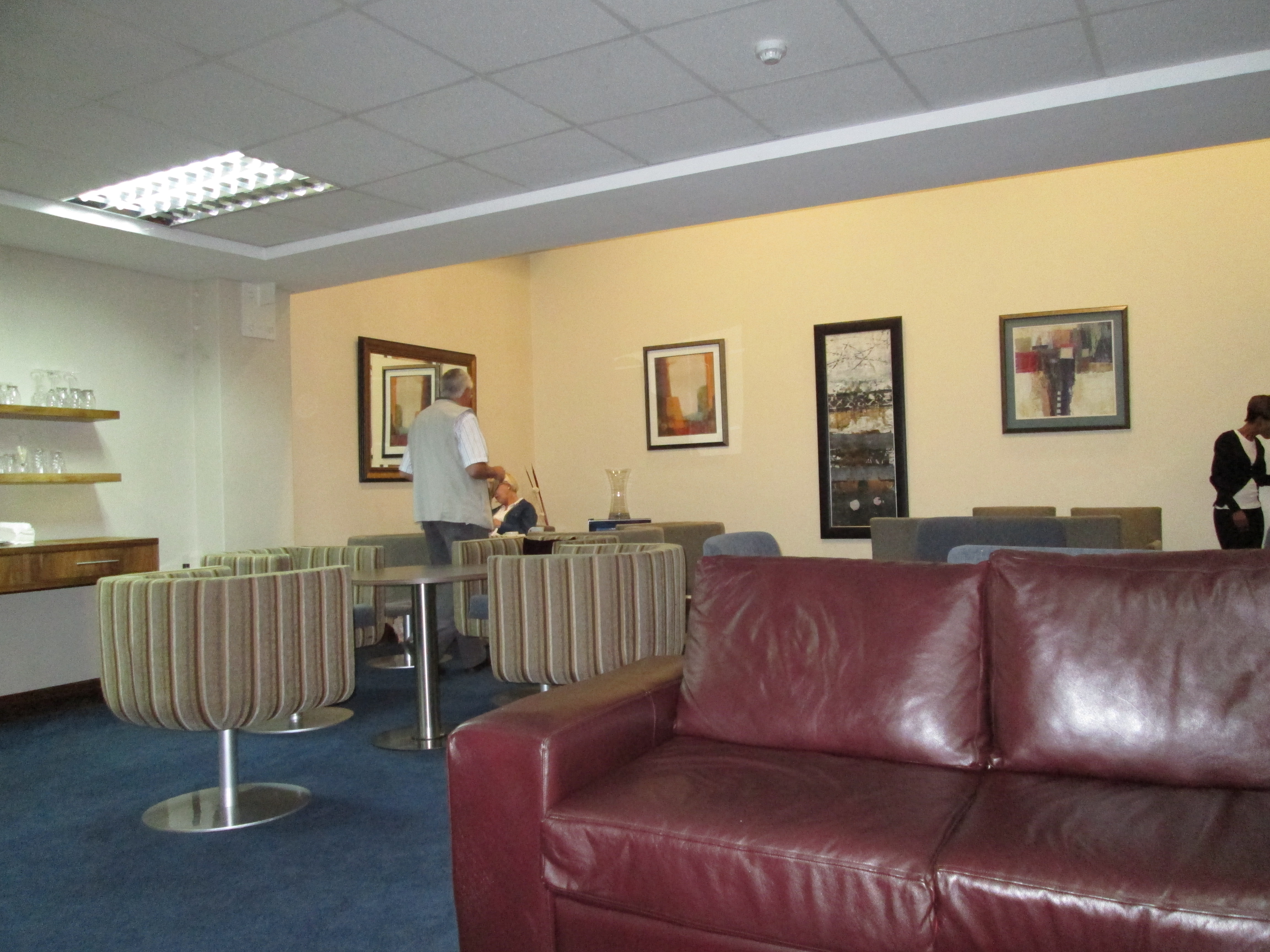
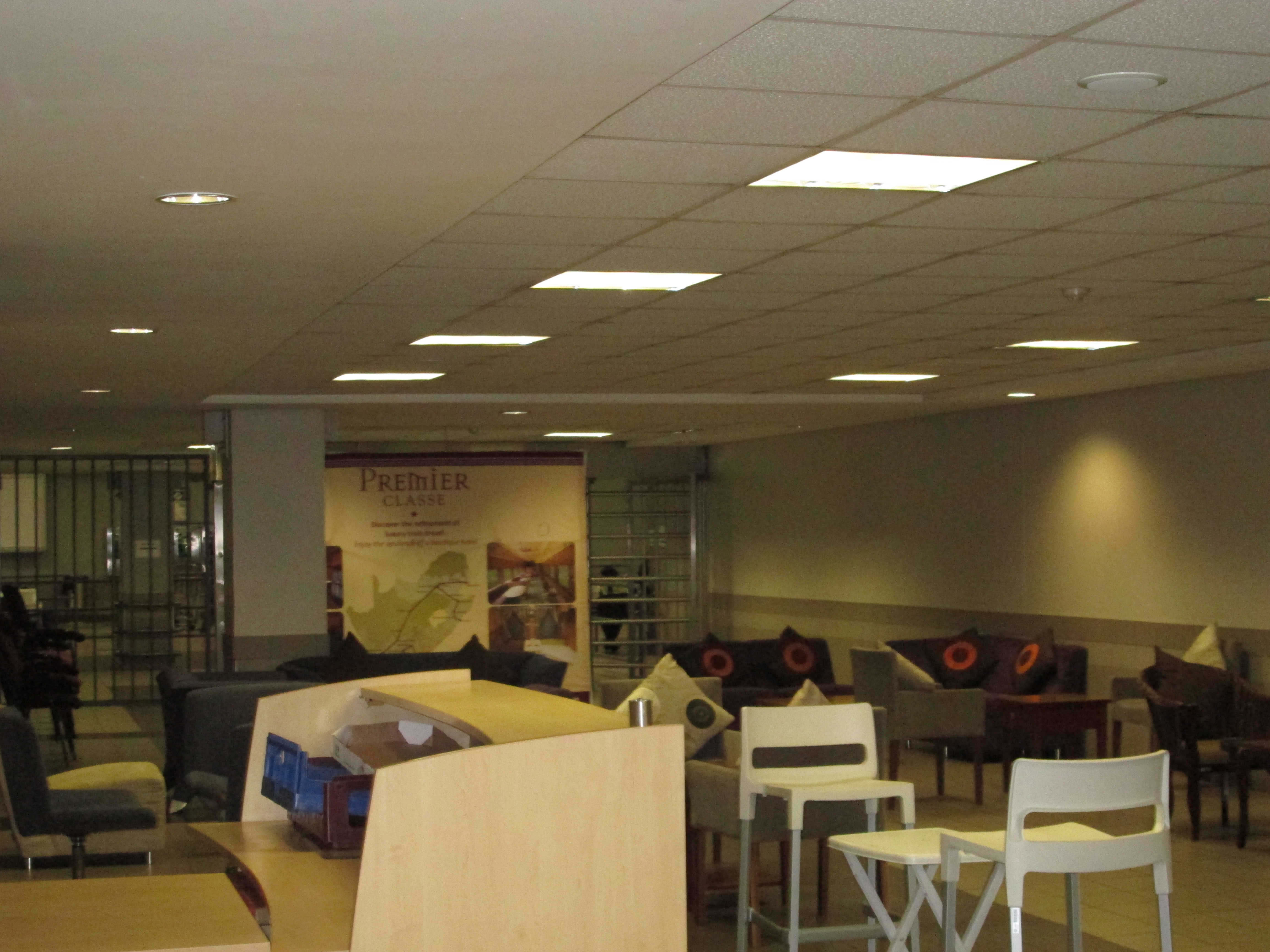
We started out in the Premiere Classe Lounge, with complementary coffee and tea and a light lunch.  I got there early and was welcomed warmly, my bag tagged and my boarding pass issued.  It was fun talking with the other passengers as they arrived.  There were people from all over the world and some locals who had lived in Jo’burg or Cape Town all their lives and simply decided to take a train ride.

2014-03-13 12.30.13

IMG_0061 2014-03-13 13.01.29 IMG_0062

IMG_0063 2

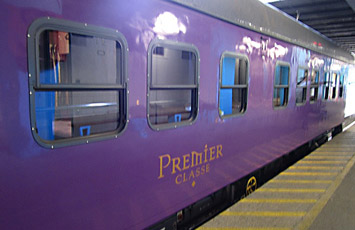
The porters took our bags and delivered them to our private “rooms” on the train and then we were allowed to board.  The train was bright purple on the outside…which pleased me.

IMG_0064SA-premier-classe-ext


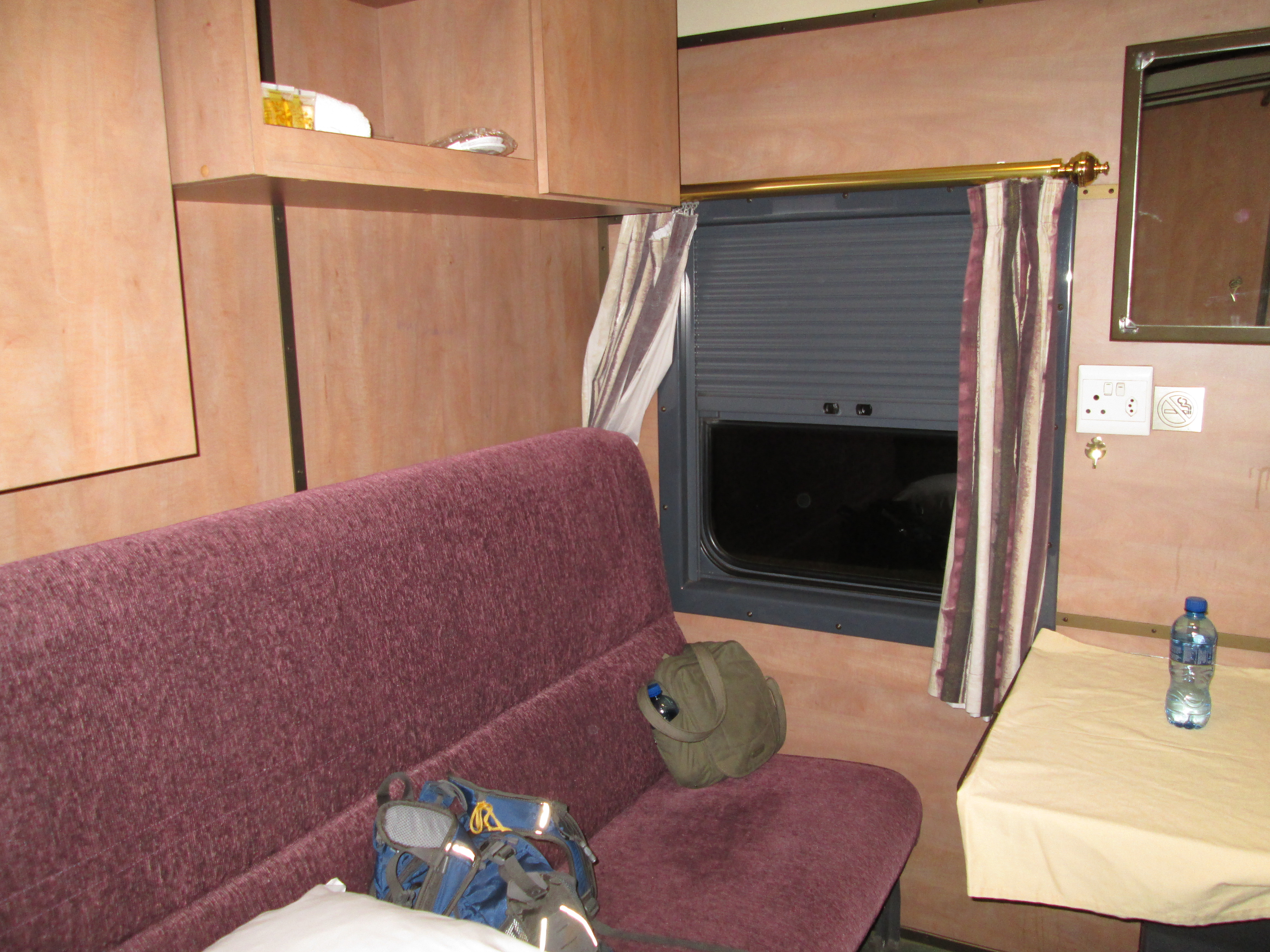
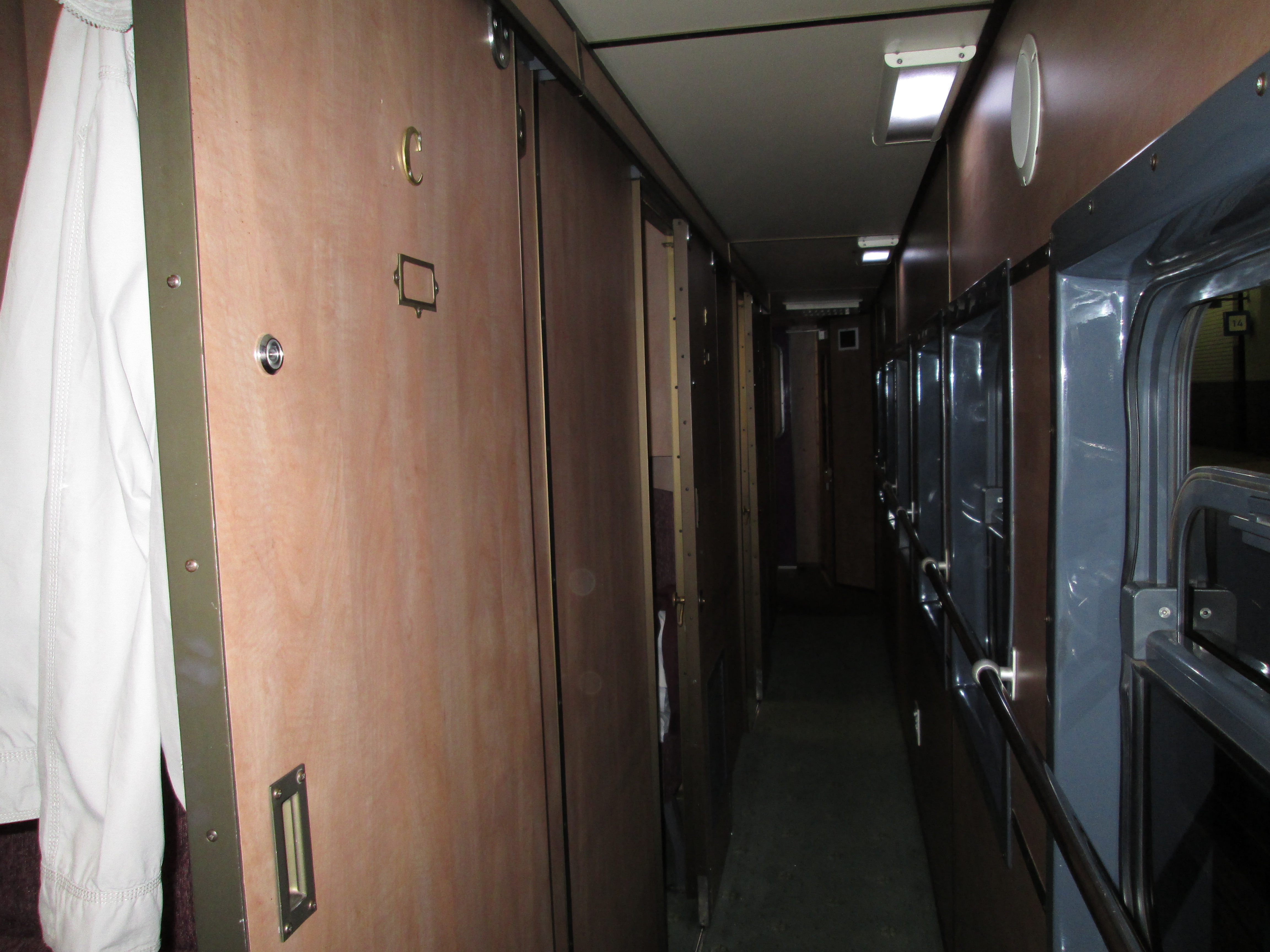
All Premier Classe passengers get a private sleeper. Solo travellers get a “coupé” with one lower berth and couples get a compartment with two lower berths. Each compartment has a washbasin, towels, soap, shampoo, shower gel, mineral water and slippers!  There was a toilet at the end of each car and a shower just along the corridor.  The windows opened for plenty of fresh air.  I found my compartment, with my bag placed neatly inside.

IMG_0068


IMG_0069

We were all invited to the dining car for complimentary champagne and an assortment of snacks.

IMG_0071 IMG_0070

As we were all chatting, we suddenly realised that the train had started to move.  We were pulling out of Jo’burg, passing some of the other (less classy) trains and leaving the city behind.

IMG_0072 IMG_0073 IMG_0075


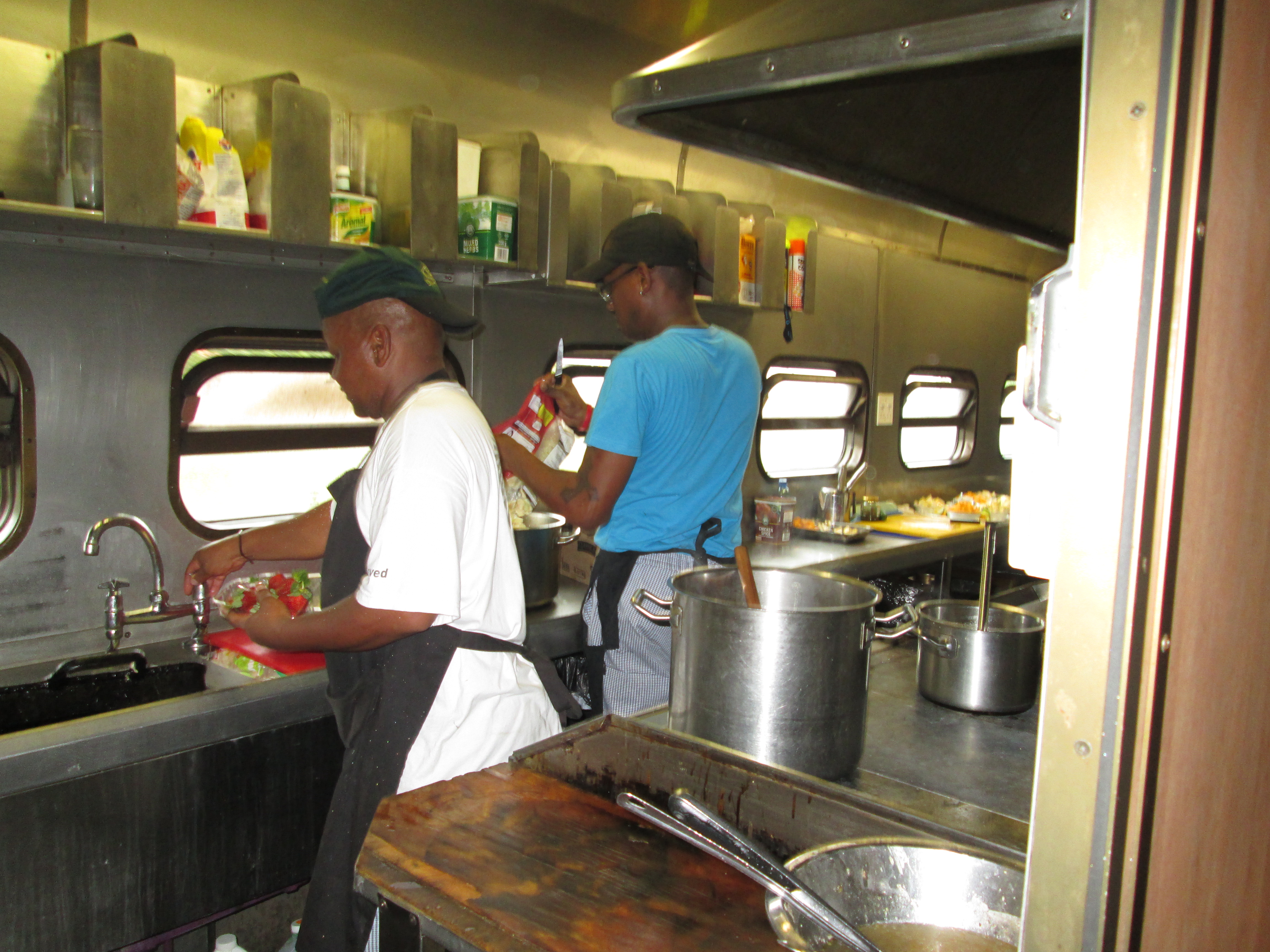
There was a full kitchen in between the dining car and my car, and the chefs were already working to prepare dinner.  After about an hour, formal “tea” was served, with delicious chocolate cake.

IMG_0076

IMG_0074

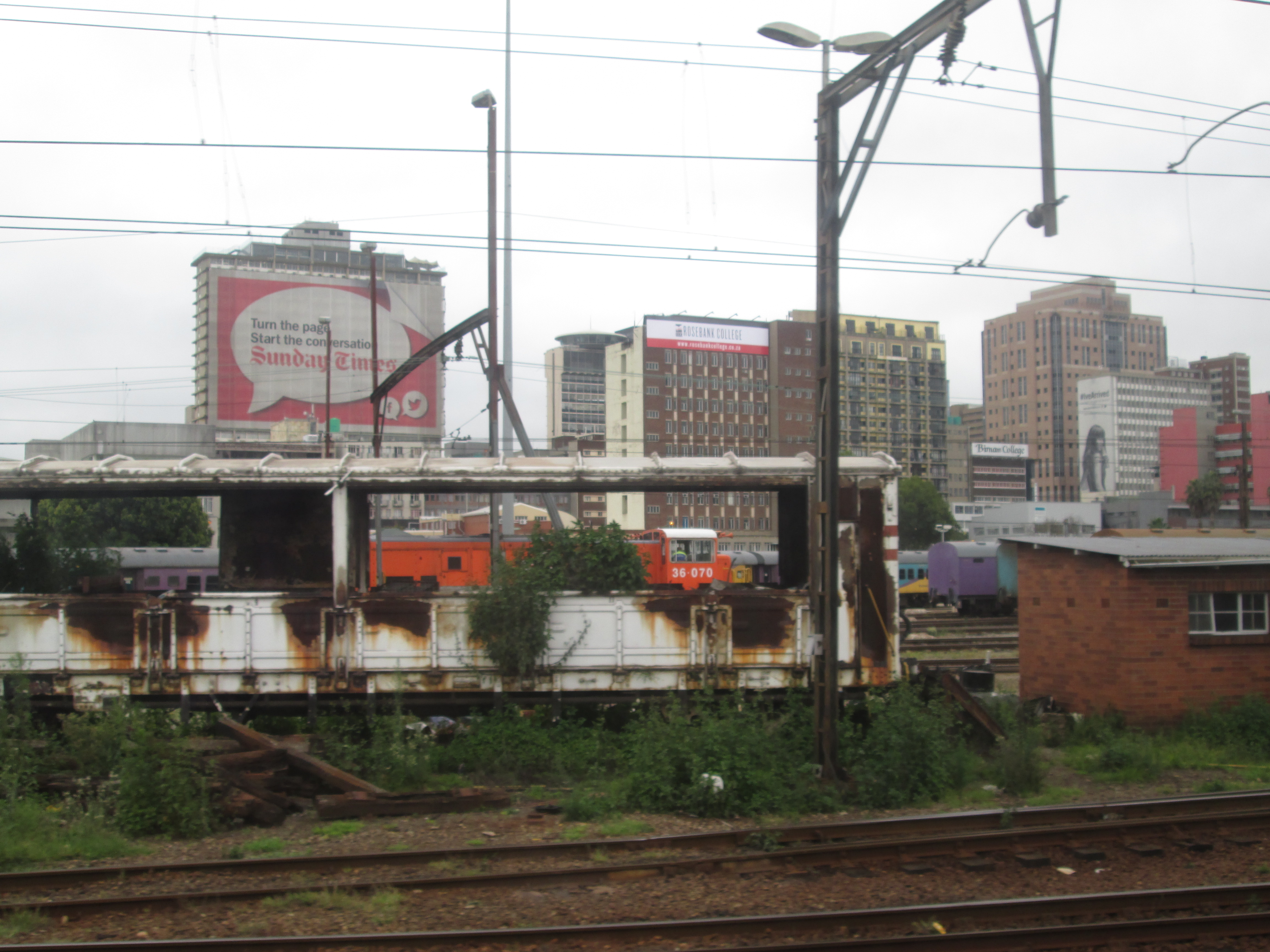
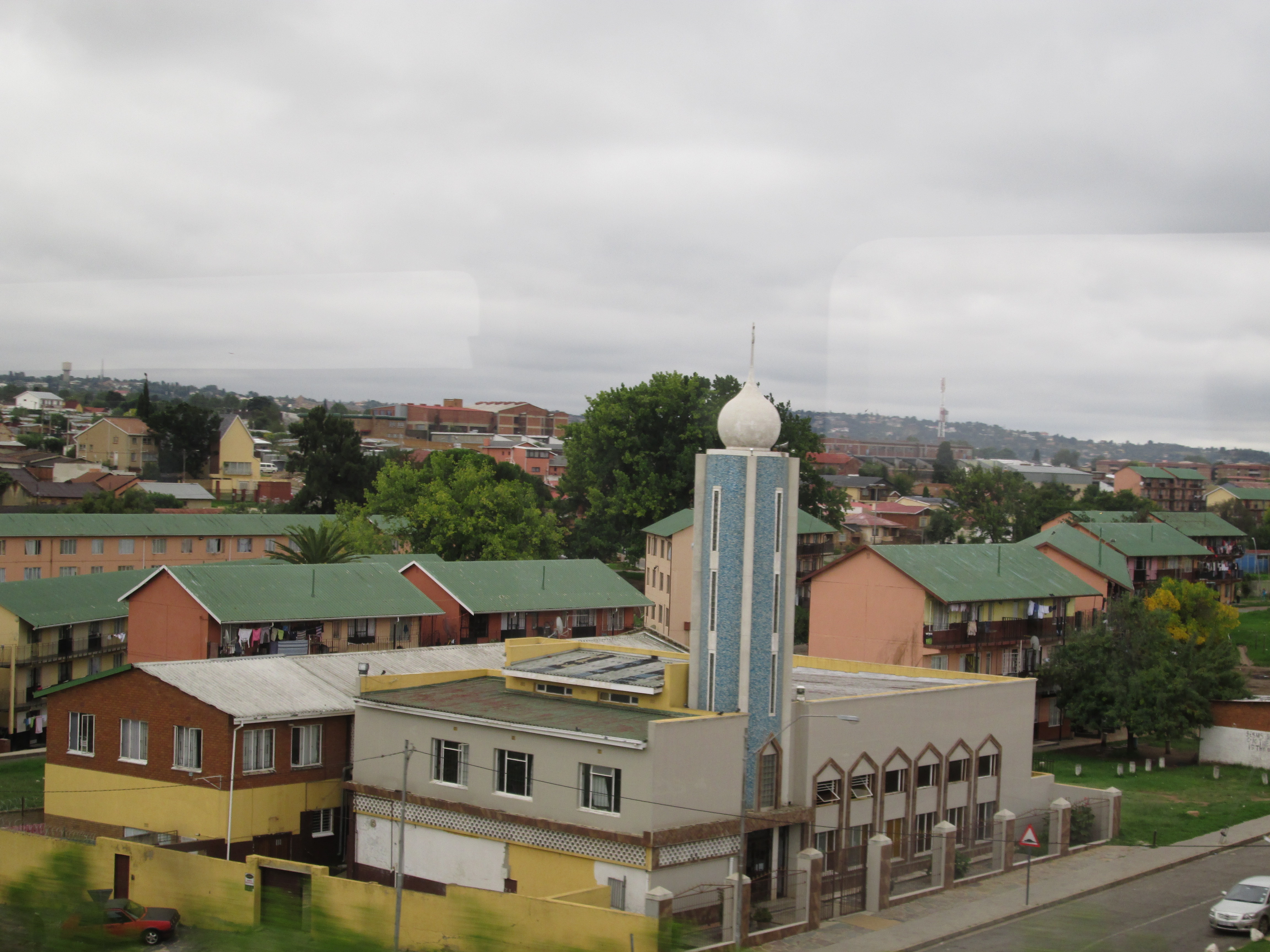
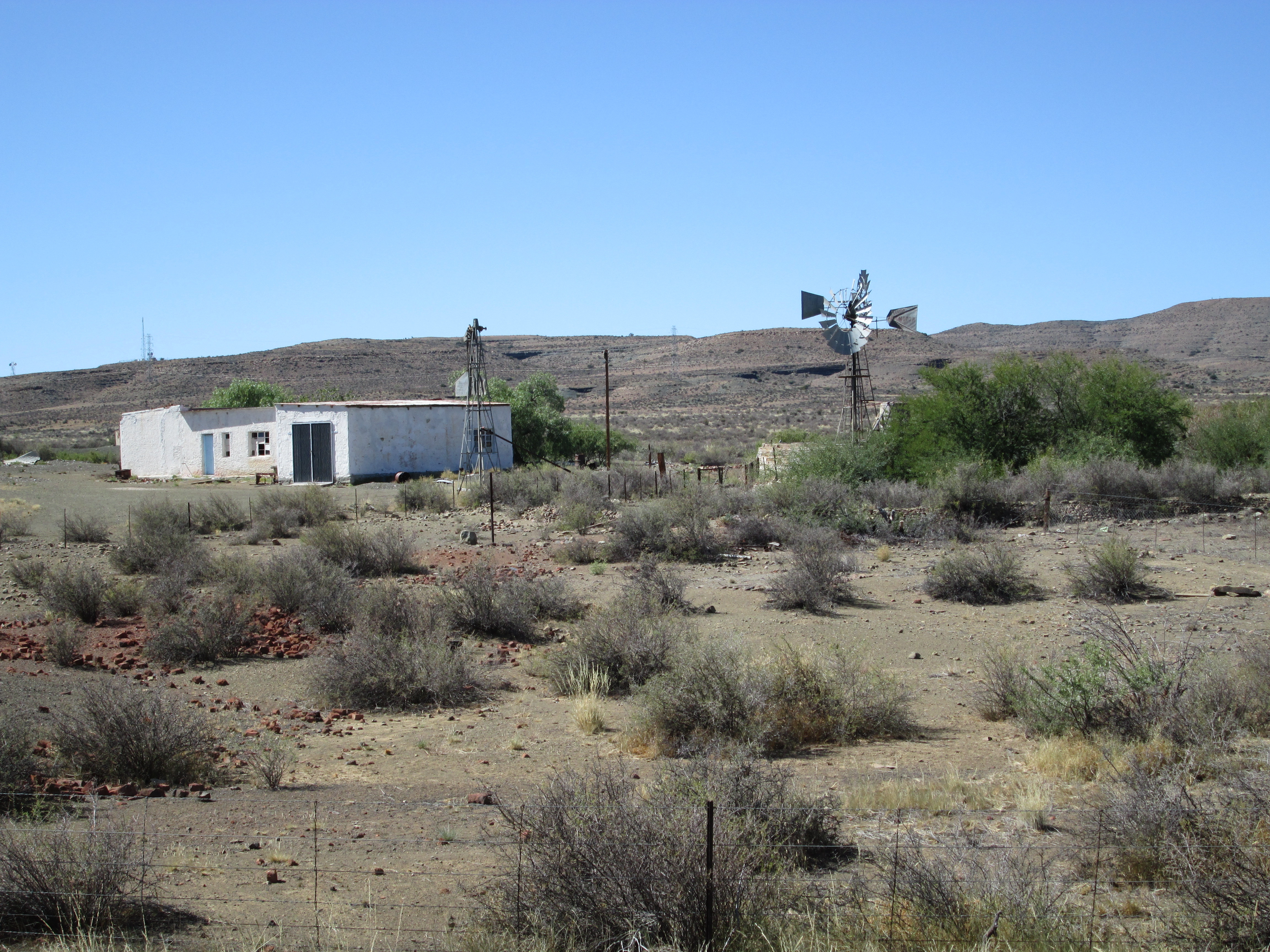
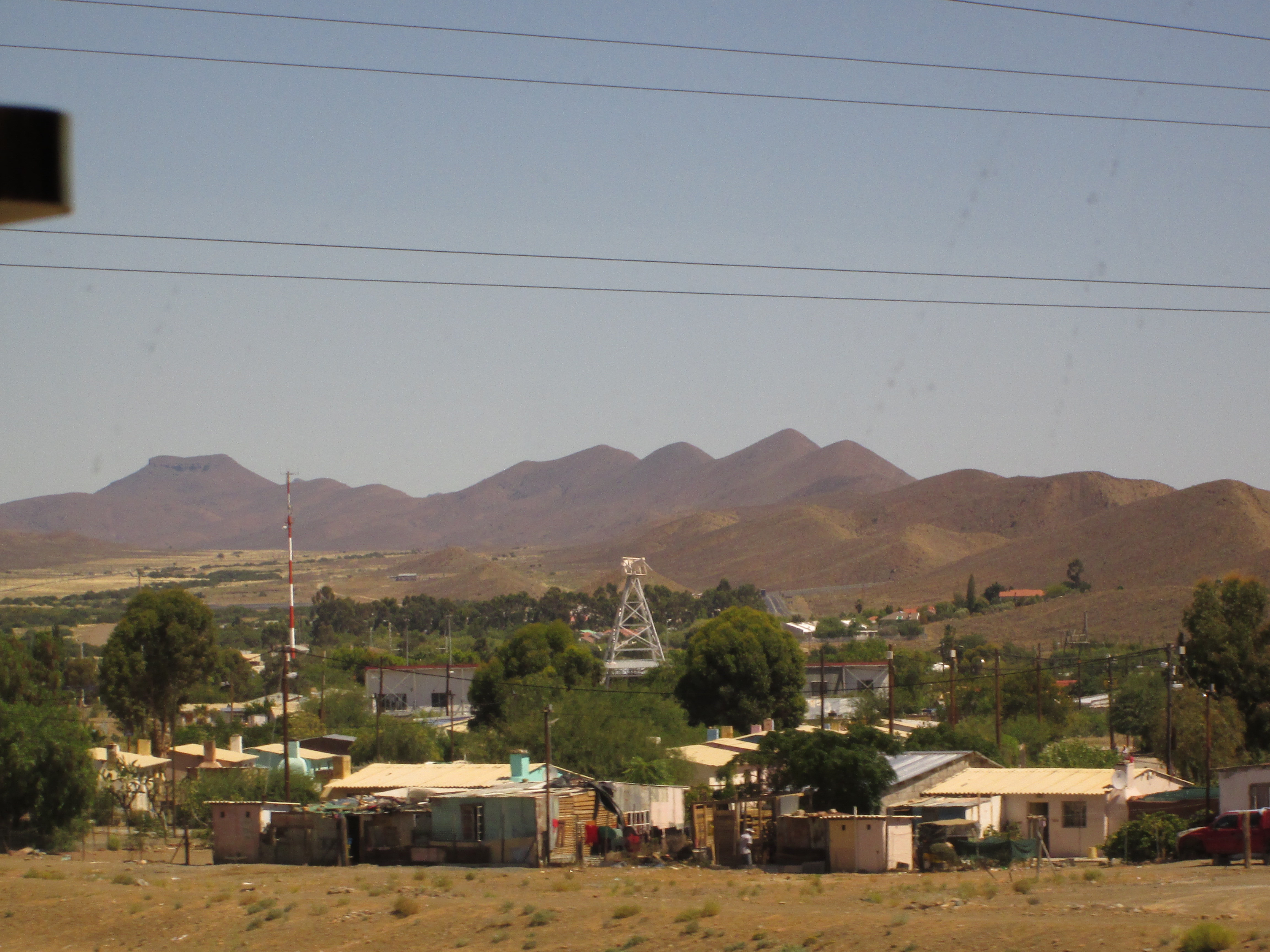
The city scenes gave way to shanty-towns, fields and farms.

IMG_0077 IMG_0078 IMG_0079 IMG_0080 IMG_0087 IMG_0088

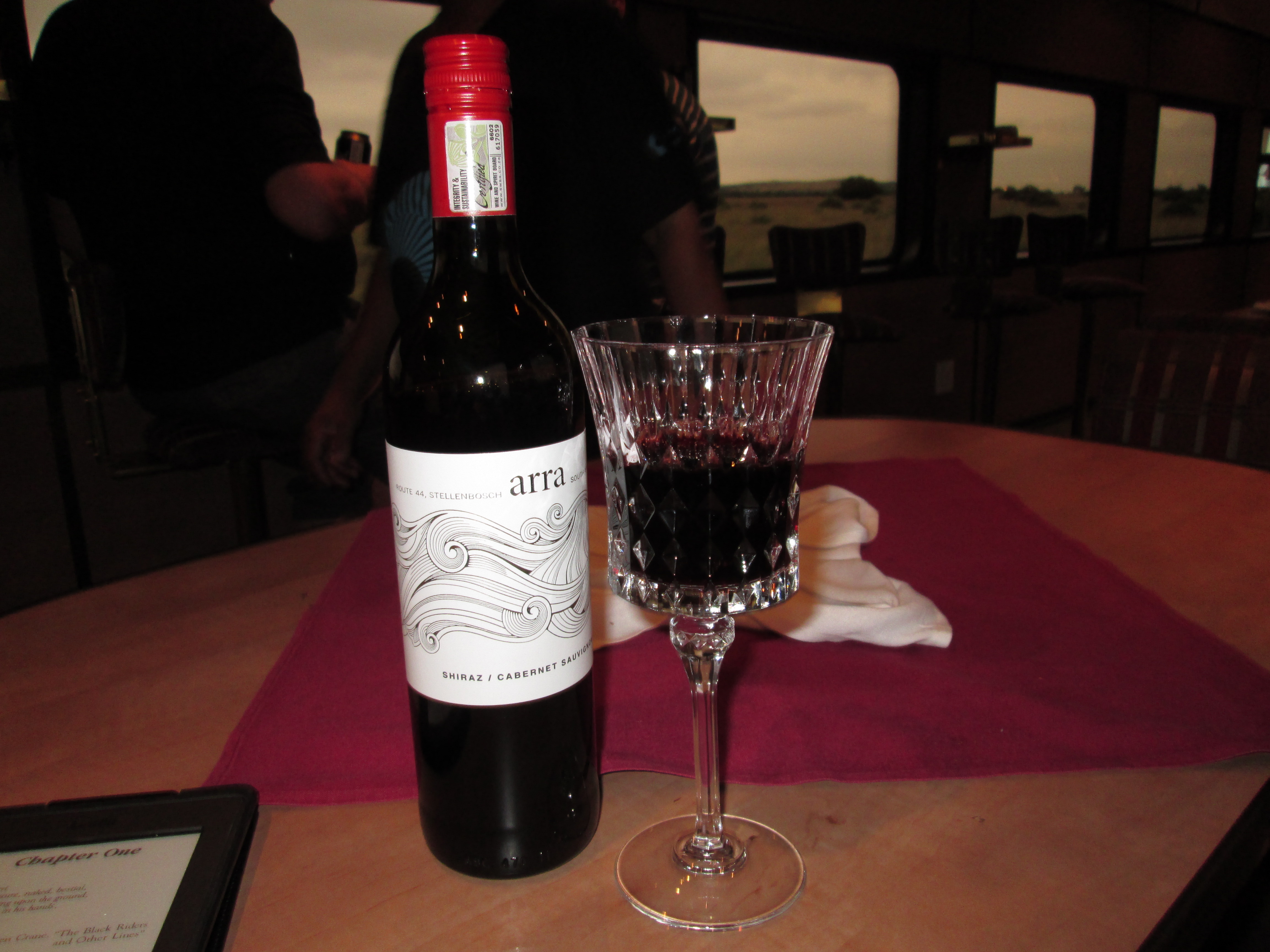
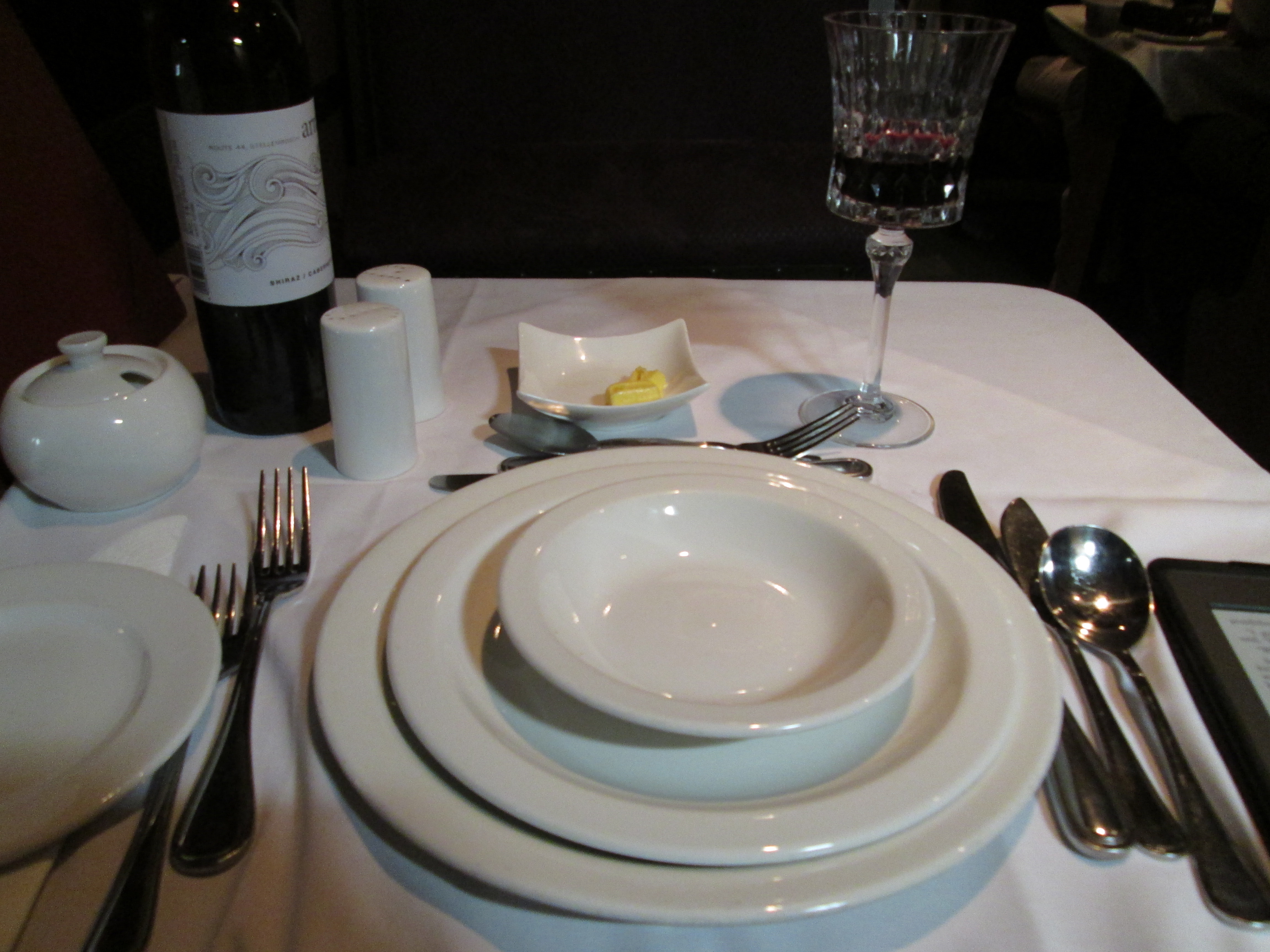
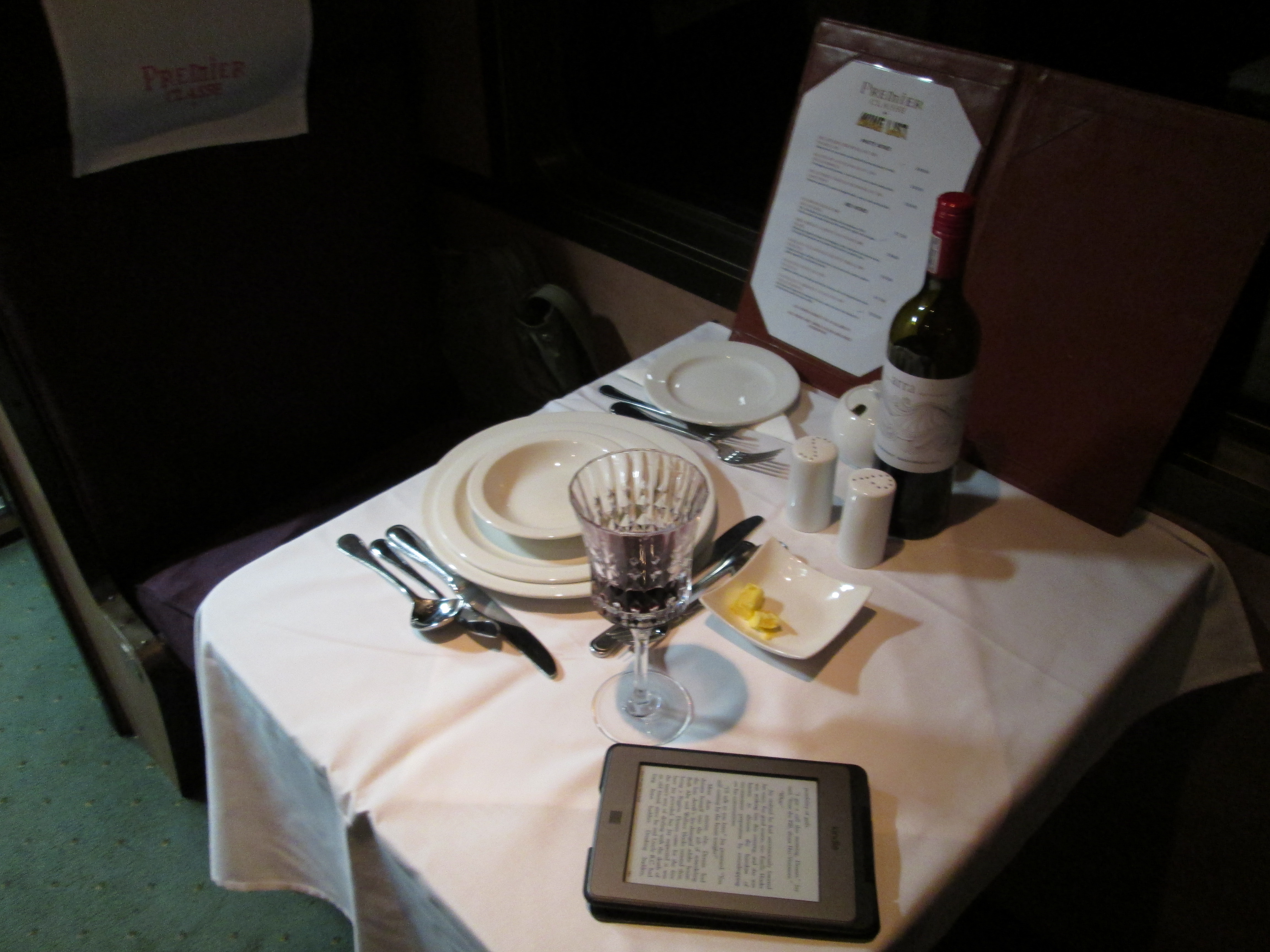
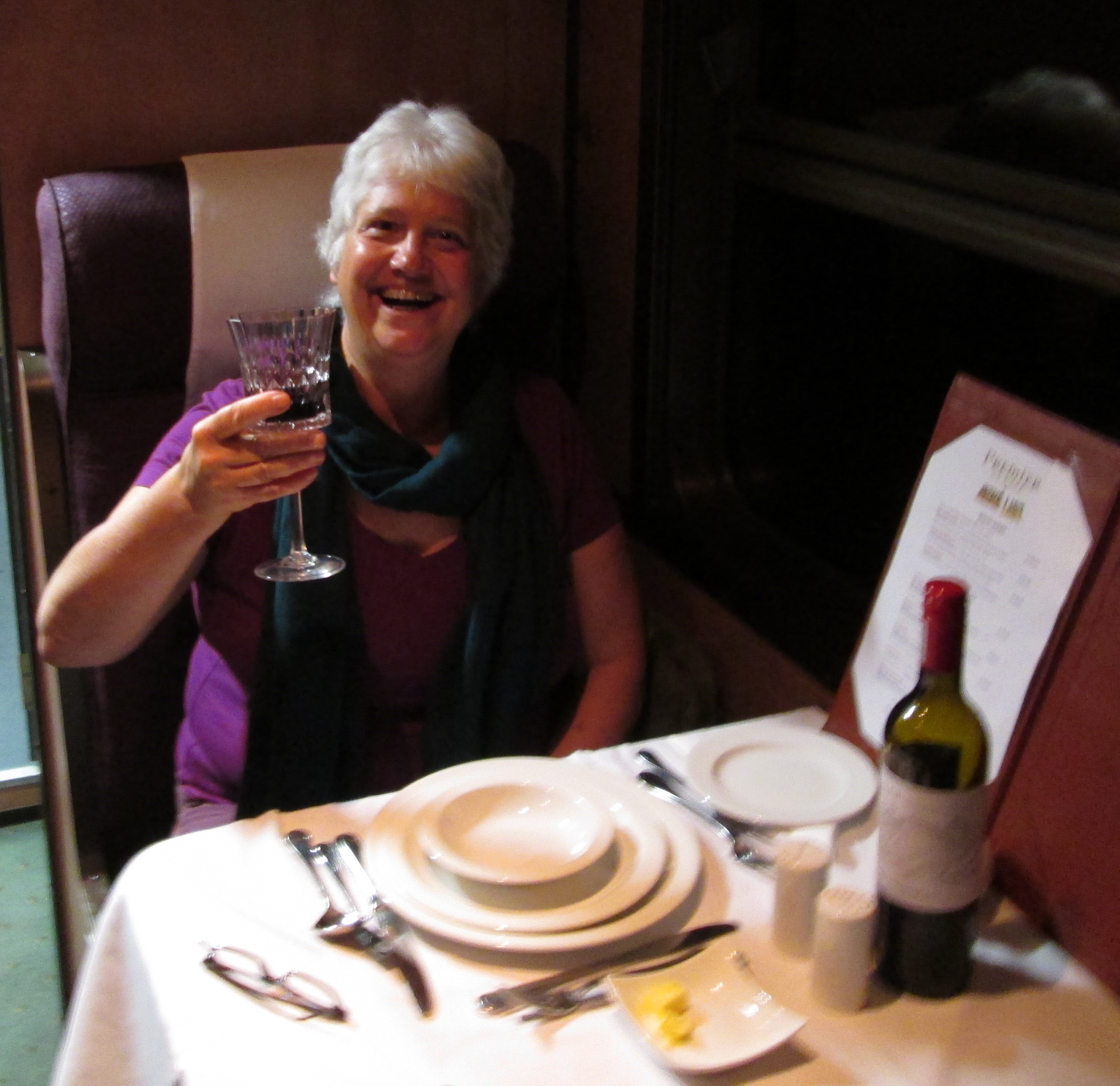
I was asked if I would mind having dinner at the “second seating” and of course that was fine.  I made my way to the lounge for a glass of wine and discovered that I had to purchase it by the bottle.  Somehow, I made do.  (There was an excellent wine list – South Africa is known for its fine wine!)

IMG_0081

I chatted with the other passengers who were also “second seating” and watched the sun set.

IMG_0090IMG_0092

Finally we were called to dinner – a five-course gourmet meal.

IMG_0095 IMG_0096 IMG_0097

There was some kind of butternut soup, a fish course, a salad, roasted vegetables, steak and tira misu for dessert…which I usually don’t like, but this was delicious.  And then they came around with a cheese tray.  By the time I was finished, it was close to 10:00pm and I was ready for bed. When I got back to my compartment, it had all been made up into a lovely bed, with a comfy duvet and fluffy pillows.  You can see the little sink in the corner, with the night-table folded up.

IMG_0099


I washed up and hit the hay, the train rumbling through the night.  I had no trouble falling asleep, but I did have a funny moment when I woke in the middle of the night.  I wanted to go use the toilet and went to open the door; but it wouldn’t open!  It seemed like it was locked!  I jiggled the handle and pushed harder, but it was stuck tight!  Maybe they locked us in our compartments at night?  Maybe there was a call button or something!  How could I get out of this room?

Of course, when I woke up all the way, I realised that the door was meant to SLIDE open…as I had slid it closed to go to bed.

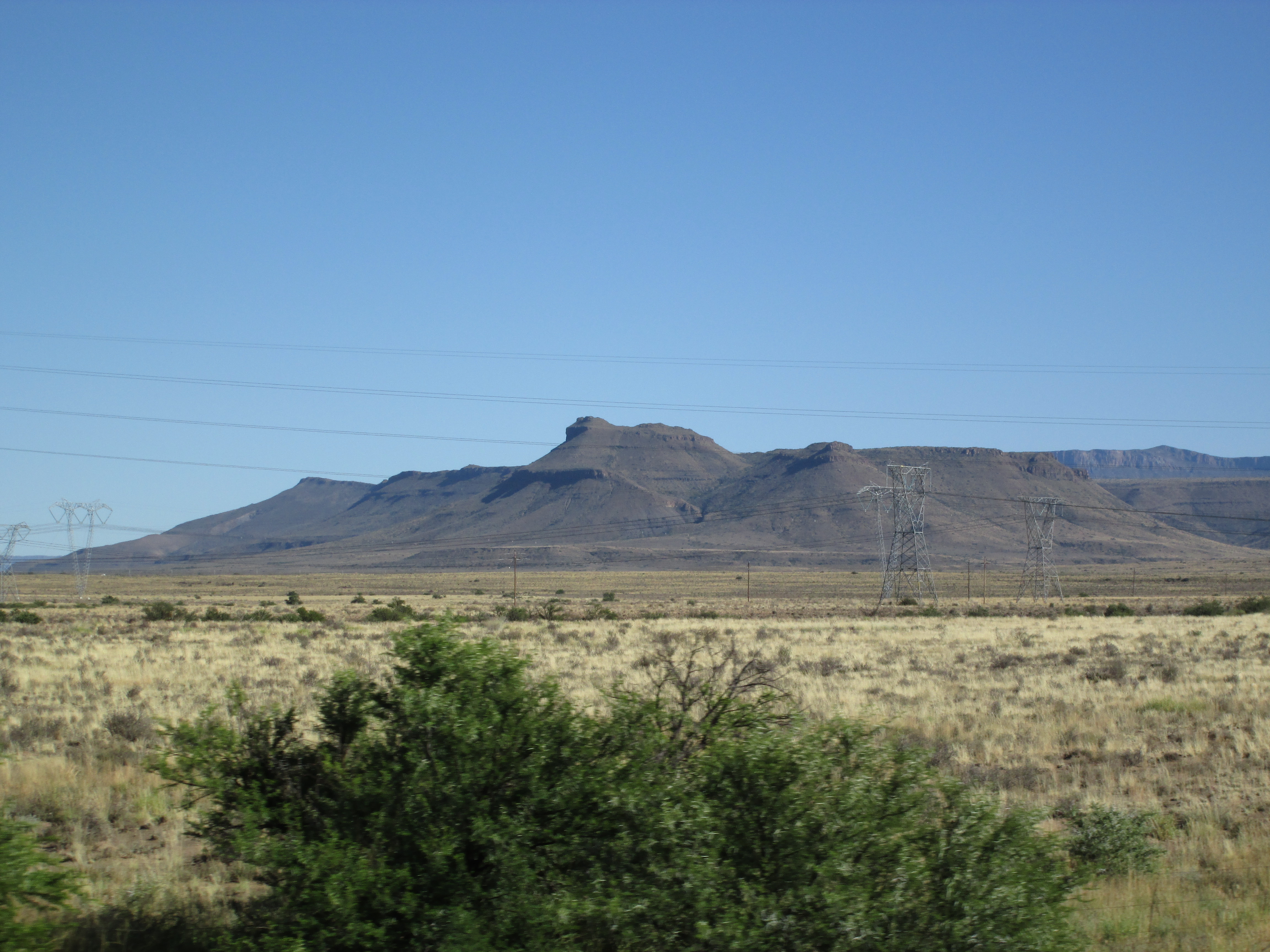
In the morning, the sun streamed through the window and the scenery had changed.  Now there were mountains in the distance.

IMG_0100 IMG_0102 IMG_0103 IMG_0104 IMG_0105 IMG_0106


I went to get coffee in the dining car and here experienced my only disappointment with the trip.

Instant coffee.  

Alas.  I made do with tea, and resolved to write the owner of the train and suggest that he serve bona-fide brew.  (I did write him and got a very nice response back!)

Breakfast was eggs, bacon, sausage, beans toast, juice and grilled tomatoes.  A proper “English breakfast” in other words.

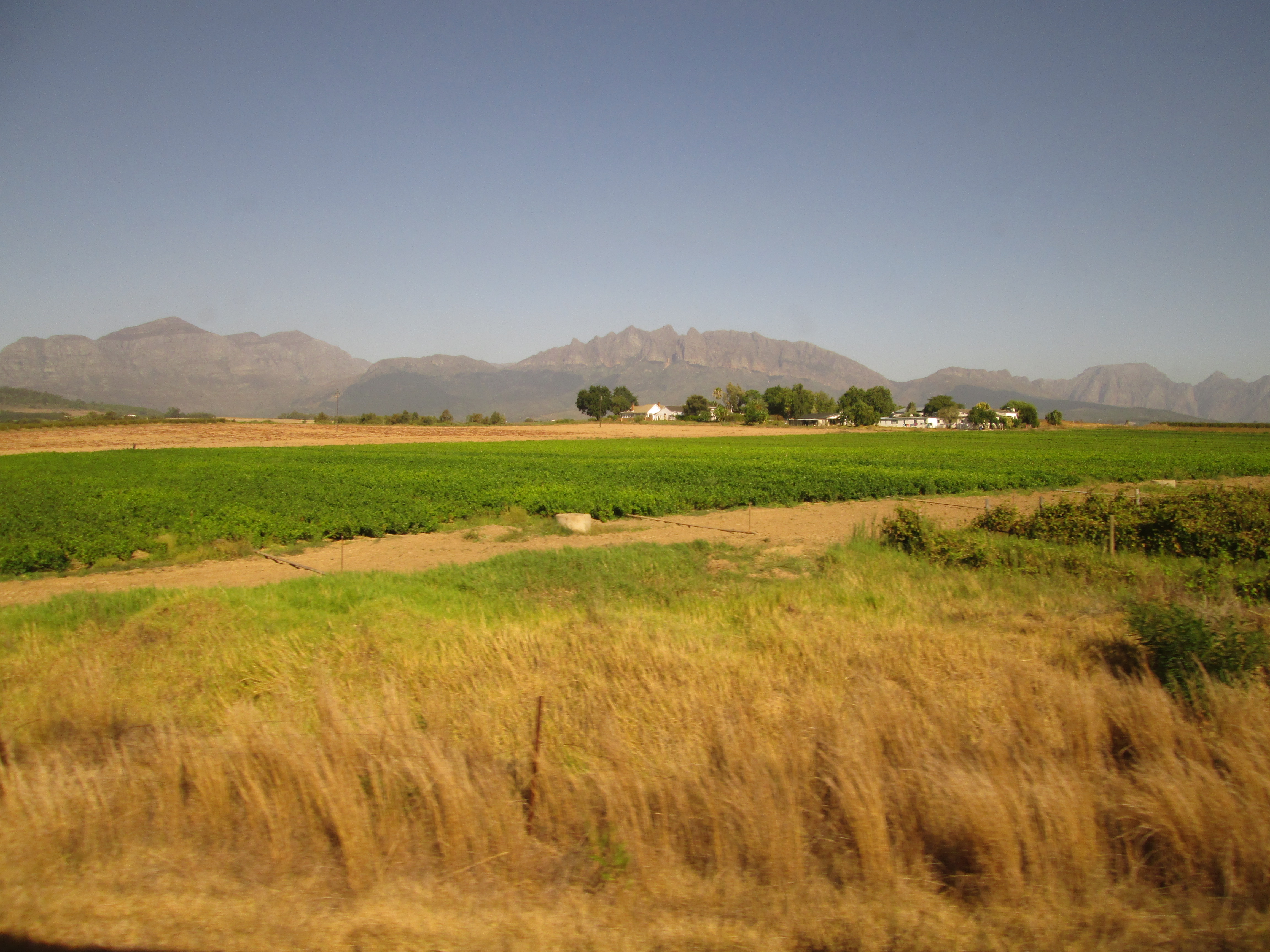
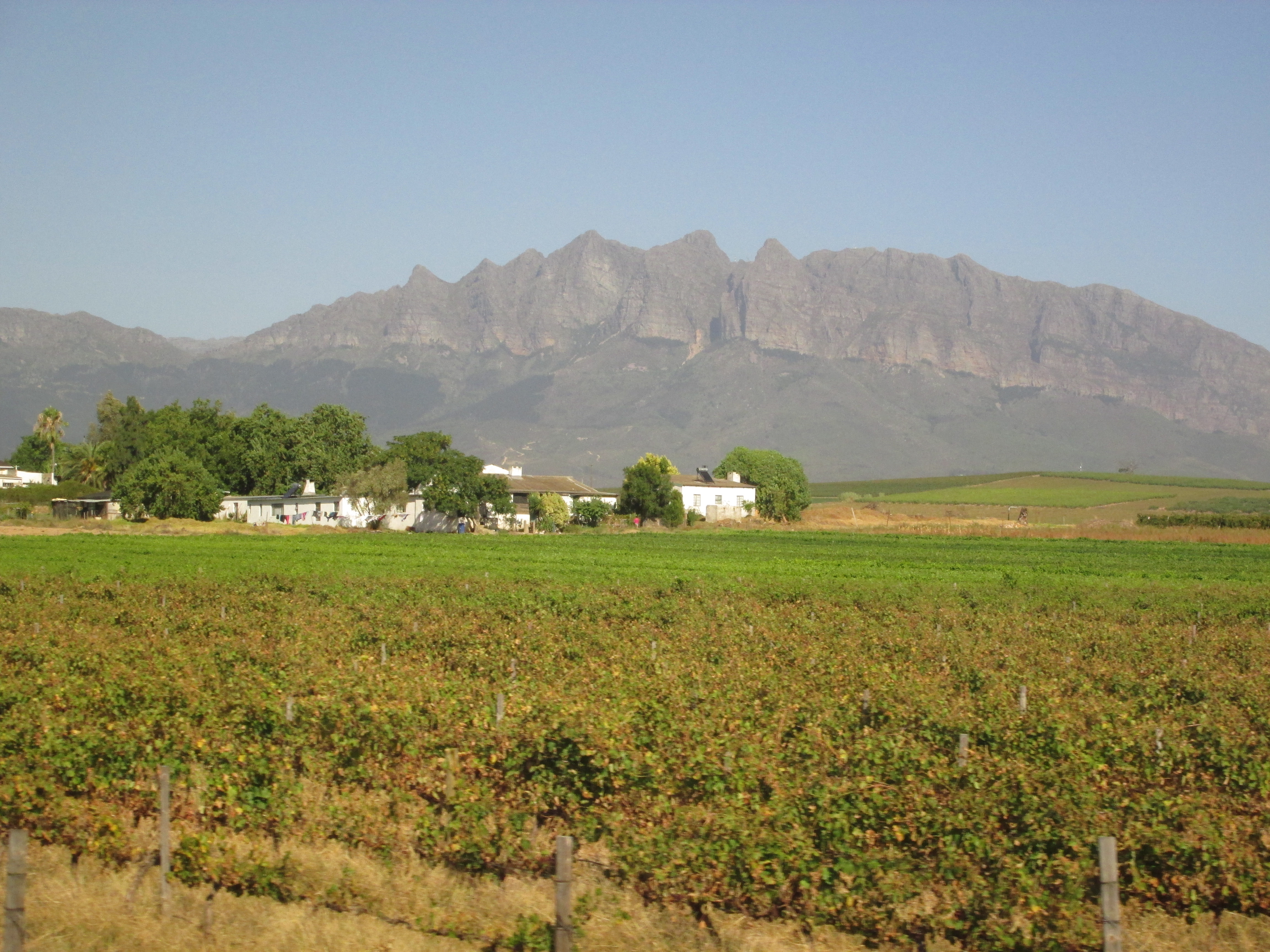
Now we began to see some of the vineyards of the area and smaller towns on the outskirts.

IMG_0107 IMG_0108 IMG_0110 IMG_0116 IMG_0117 IMG_0119SA-premier-vineyard2

At lunch, I was seated with another solo passenger, and we split a bottle of very nice white wine.  He was an older gentleman who had lived in South Africa all his life and it was very interesting to talk to him about the changes over the past 30 years.

Finally, we began to see the outskirts of Cape Town.  We passed several little buildings that looked like tiny forts – I was told that they had been built by the British, to protect their lands.

IMG_0126

IMG_0124IMG_0120

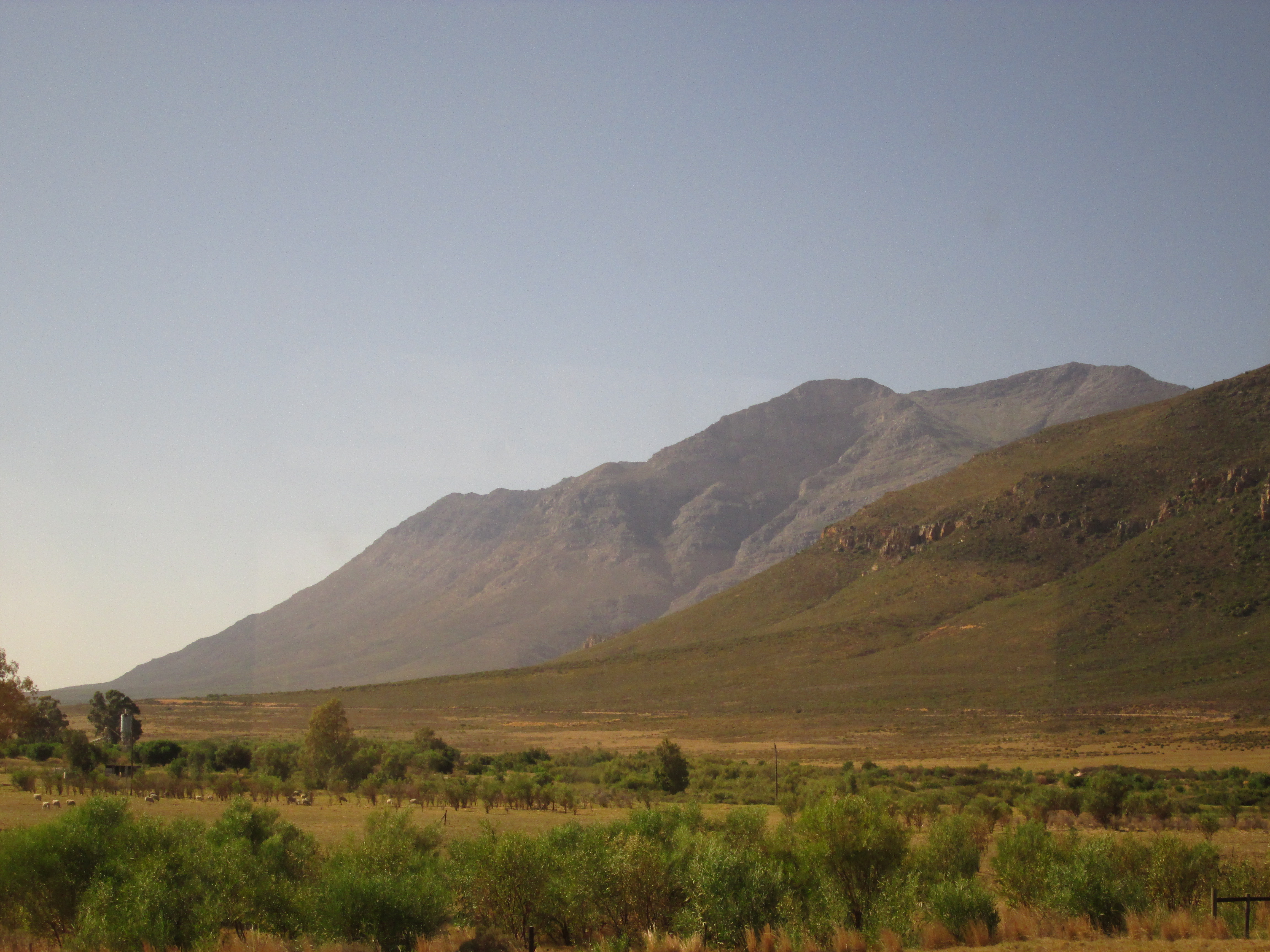
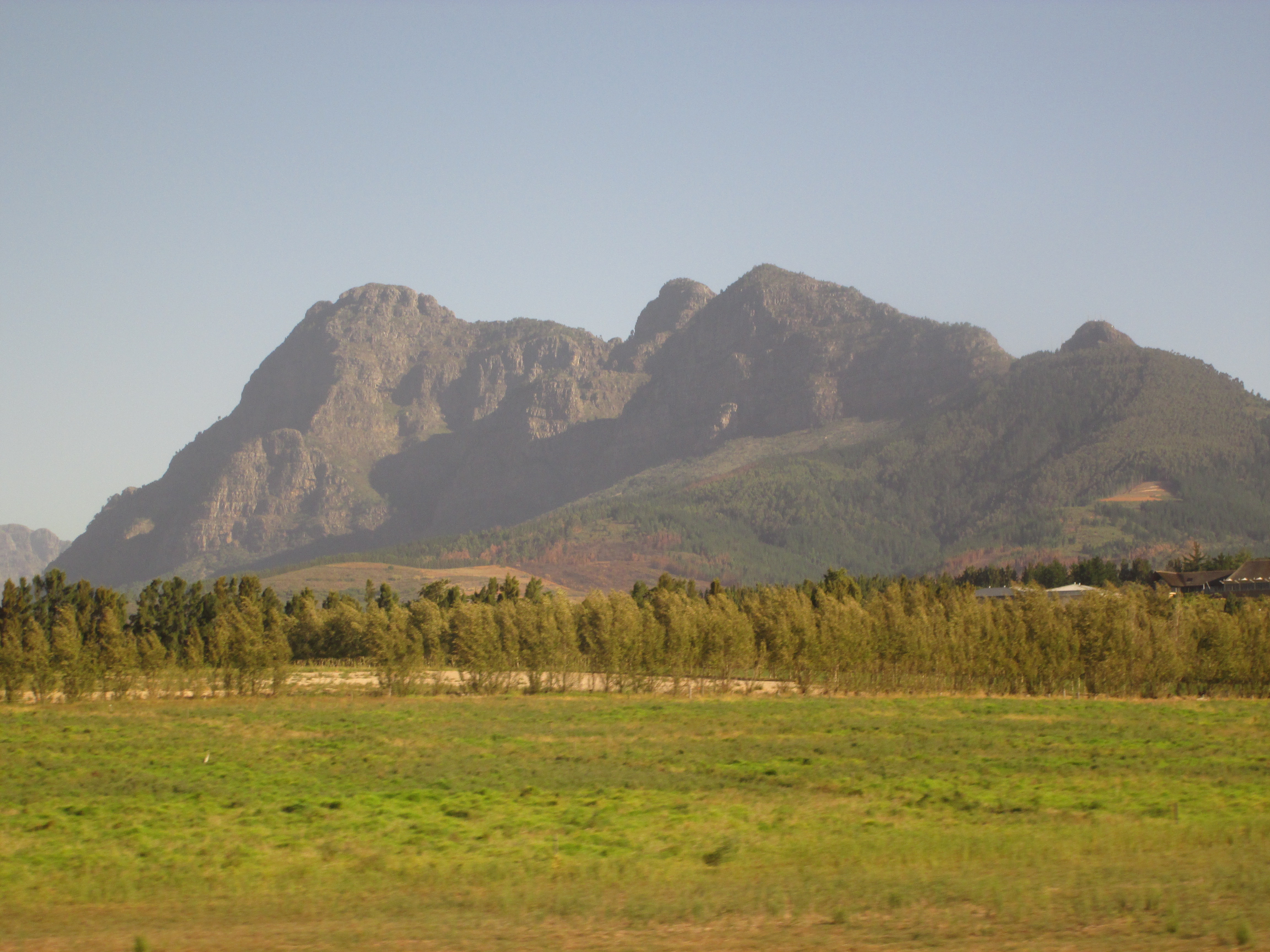
And then we could see Table Mountain and Lion’s Head – Cape Town’s famous mountains…all covered in clouds.

IMG_0121 IMG_0123 IMG_0129


It was wonderful hearing the train slow down and finally stop…after 27 hours.  The porters came and got our bags and brought them into the lounge area at the station.  One of the staff at the station called me a taxi and I was whisked to my B & B up on the side of “Signal Hill” t0 start my adventure in Cape Town.

IMG_0127


White-water rafting on the Mighty Zambezi.

Standard
White-water rafting on the Mighty Zambezi.

IMG_0540

The last day of my vacation was in Livingstone.  I had already seen the falls the day before and wanted to do something special on my last day.  My first choice was going to be an all-day safari in Chobe, Botswana…but at the last minute, that fell through.  The tour company suggested that for special price, I could do rafting in the morning and a river cruise in the evening.  So, I thought…why not?  I was a good swimmer, I liked the water and I had never been white-water rafting.  I would give it a go!

(Yes, I am aware that I am blogging out of order.  I did lots of interesting and exciting things on my vacation…and will get to them all in due time.  But this is fresh in my mind!  And a good story…)

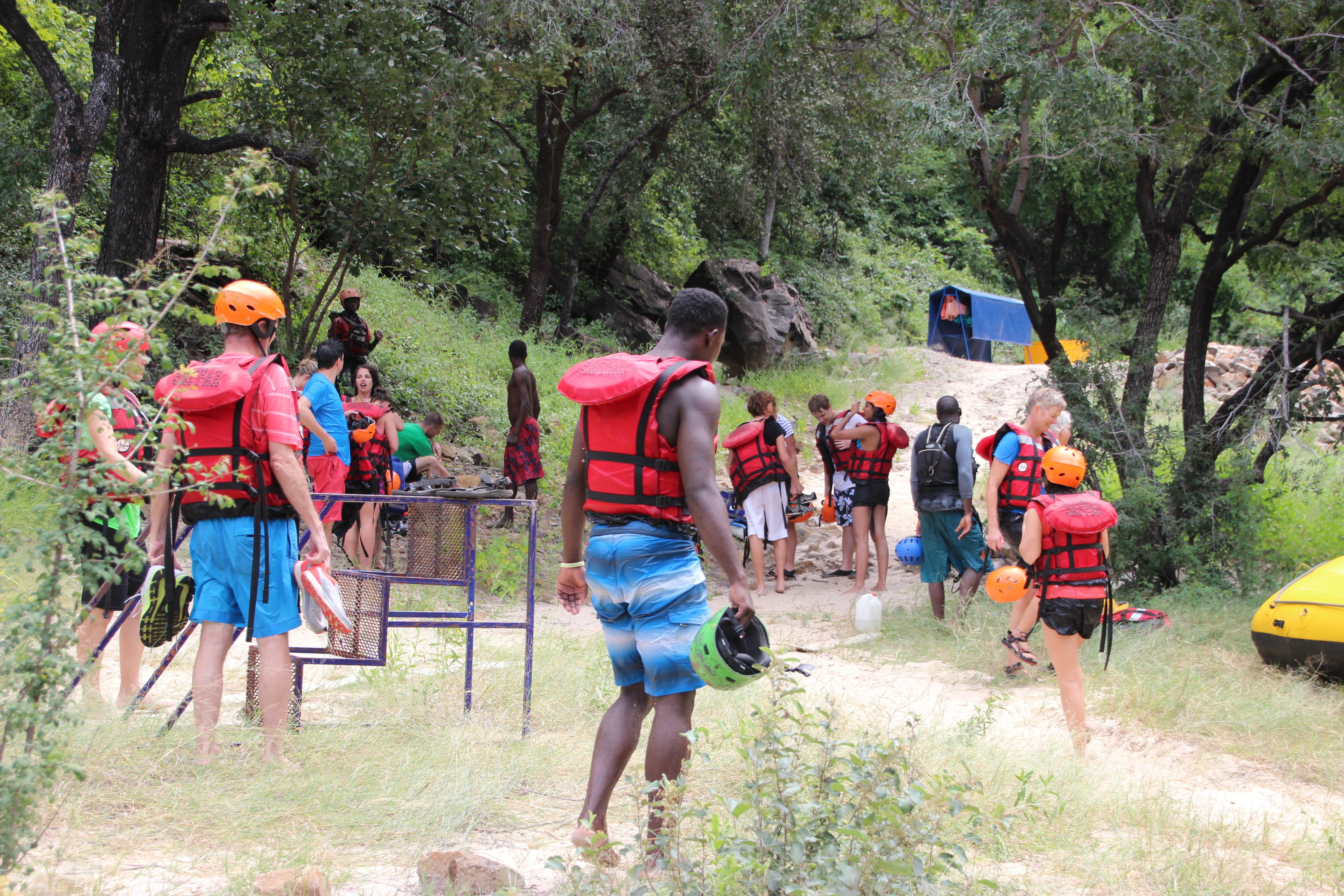
I was picked up at my hotel at 8:00am and taken to where the rafting “activity” started.  There were 14 of us in the group, some singles, some couples, a few small groups traveling together.  We were fitted for life-jackets and helmets and informed that because of the “high water” we would be starting at Rapids # 14 instead of #1.  The first 13 were just too high right now.  This also meant that instead of walking down a nicely graded flight of stairs, we would be walking down what amounted to a steep, rocky wash down the gorge.

I was wearing flip-flops.  But they were TEVA flip-flops and I had already paid.  (Note:  I had asked what I needed to wear/bring and was not told about any special foot-wear.  Very annoying, especially since I am a stickler for the right shoes!)

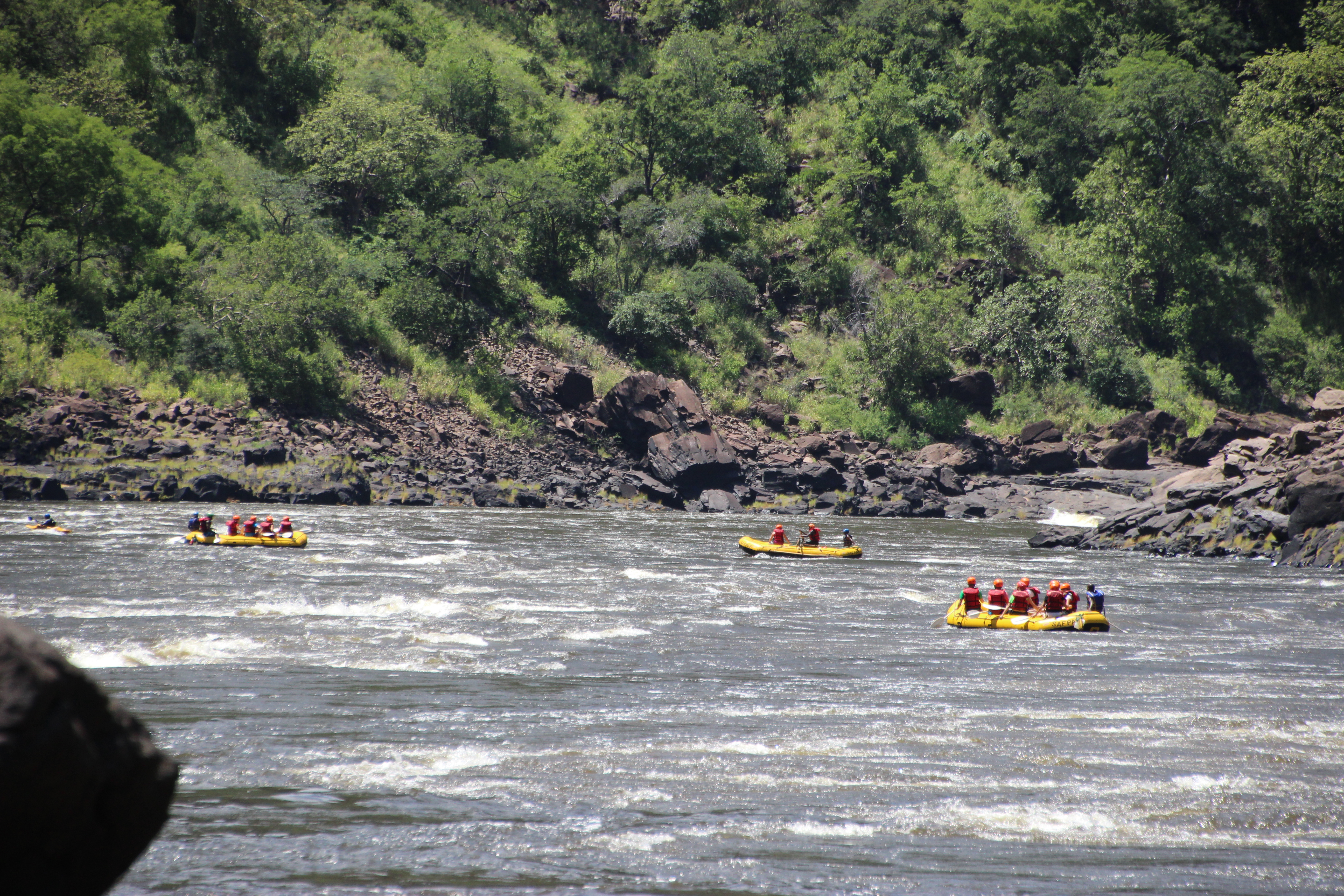
Anyway.  I made it down the gorge without falling, twisting my ankle or loosing my shoe.  I did most of it by holding onto the shoulder of one of the guides as we picked our way down.  I was not the only one who had trouble…and we were all sweating buckets by the time we finally got to the put-in.  We could see the rafts all inflated – each raft holds 8 people; plus there was a “safety boat” and two little tiny kayaks (“trick kayaks” they called them) that would accompany us.  In addition, they had guys taking pictures and videos all along the way.  We were given some instructions about what to do if the boat capsized and told not to panic if it happened.

Ha.

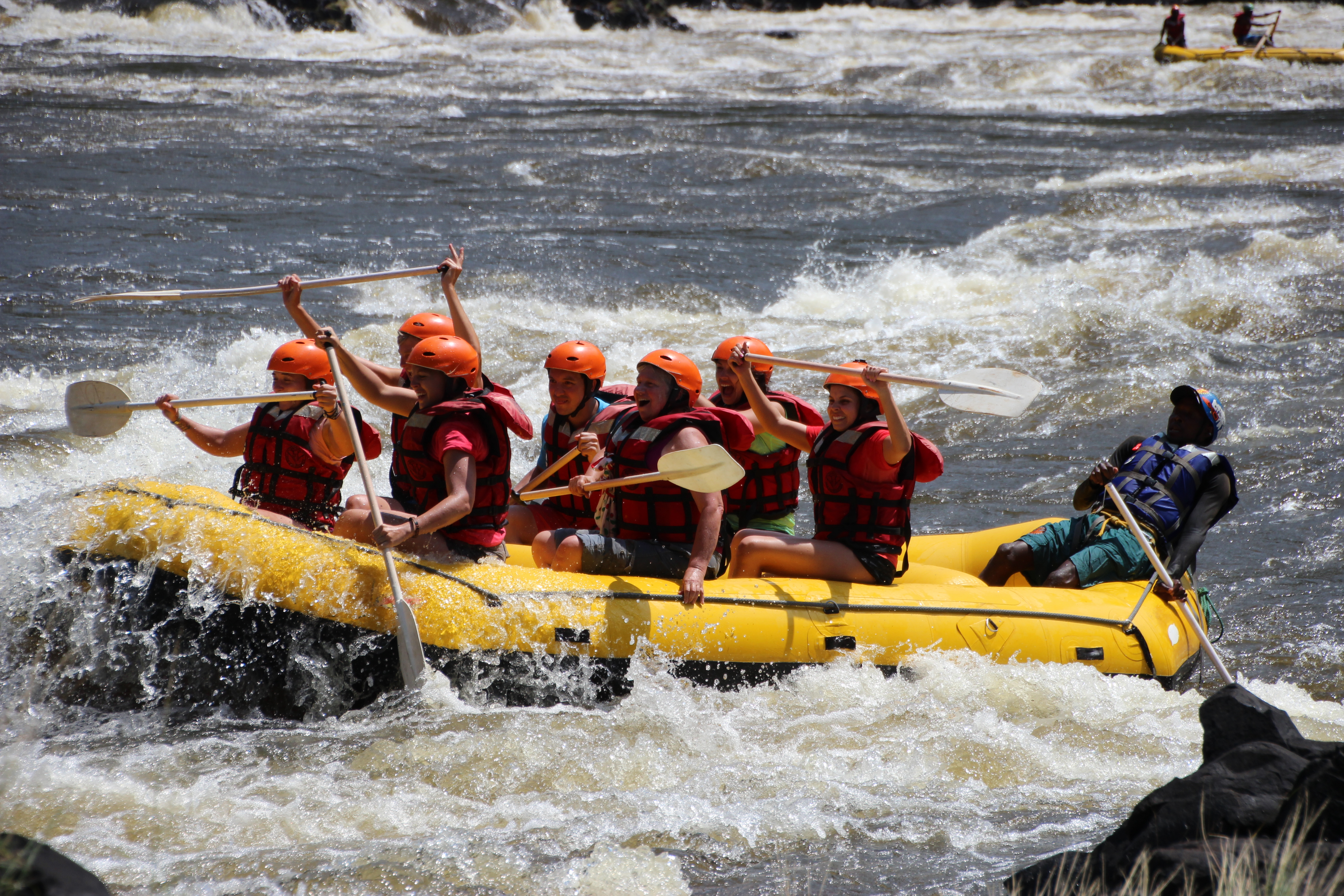
We loaded into our boats and got some instructions on how to paddle.  Basically, forward or back…and sometimes one side would do one and the other side the other.  Also – HARD! That meant paddle faster.  And finally “GET DOWN!”  That meant put your paddle sideways, sit at the bottom of the boat and hang on to the rope.  Our “captain” was named Melvin.  So we were “Team Melvin.”  Go, team.

IMG_0530

We all were nervous, but smiling as we departed.

IMG_0541 IMG_0542 IMG_0545

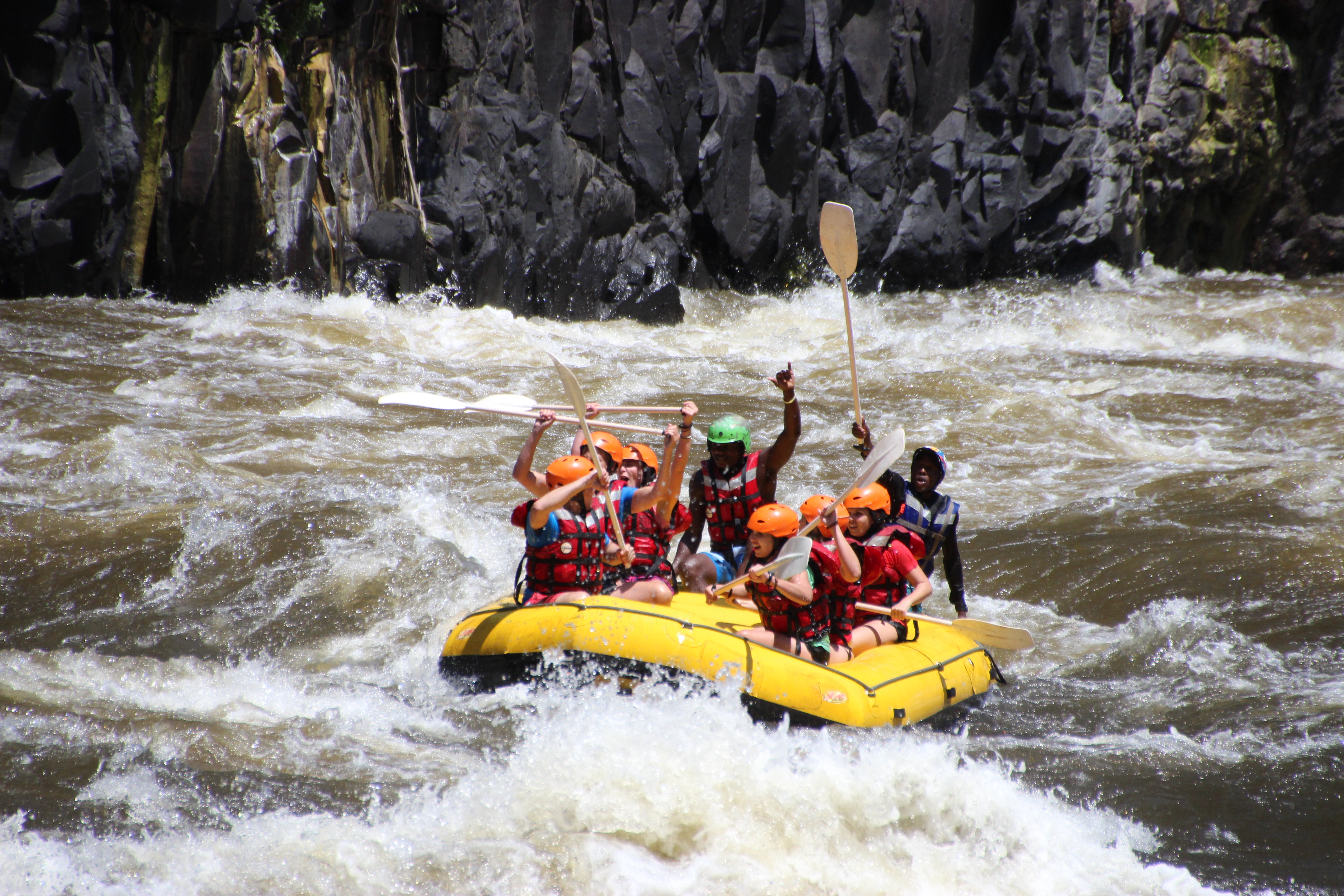
We paddled as instructed and soon hit the first real rapids.  We shouted and screamed and paddled and “got down” and got through it without incident.  This was fun!

IMG_0547 IMG_0596 IMG_0601 IMG_0603

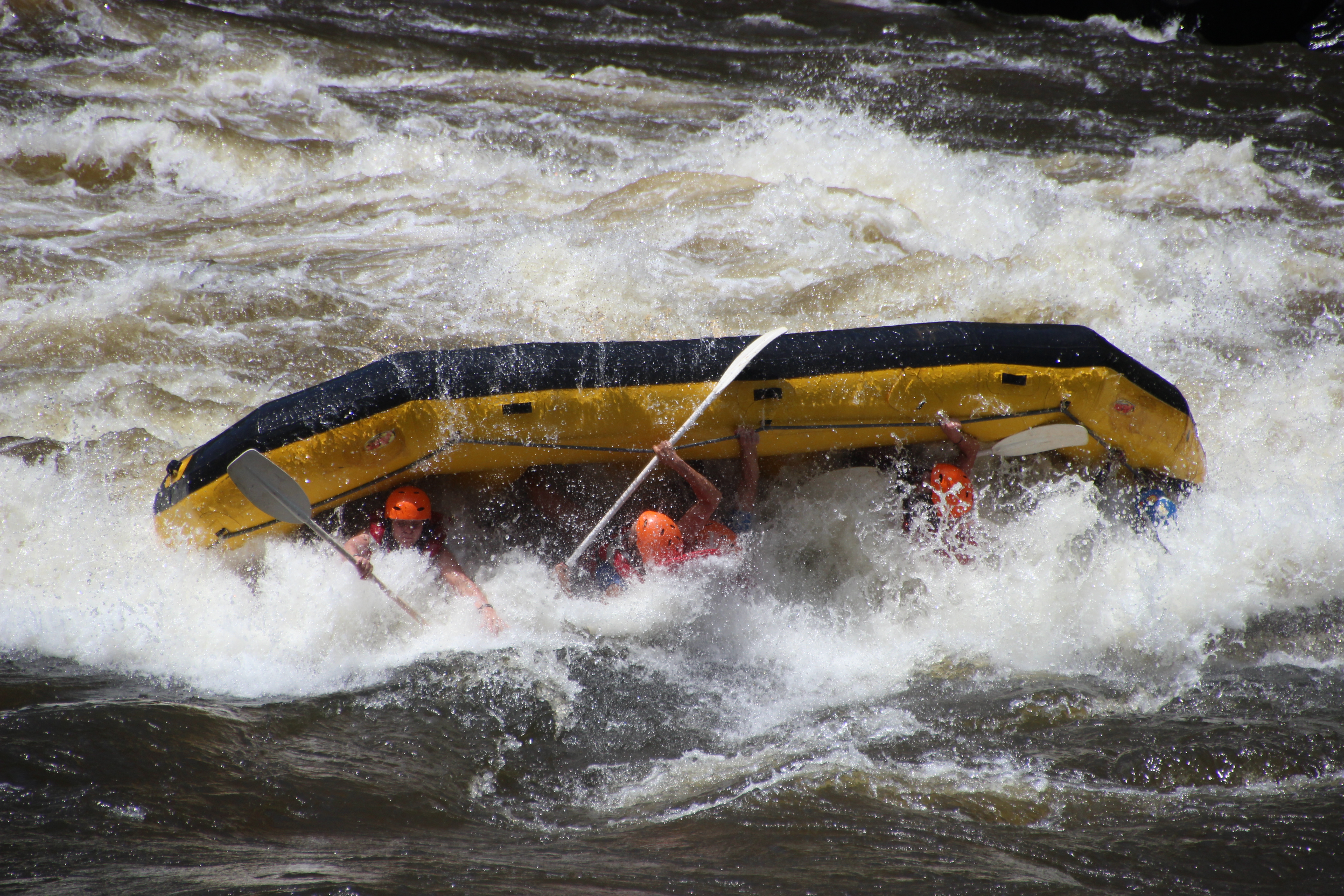
A few more rapids and we all felt like we were getting the hang of it.  But then…we came to “The Terminator.”  And…well…

IMG_0548 IMG_0605 IMG_0606

IMG_0607 IMG_0608 IMG_0609

IMG_0610 IMG_0611

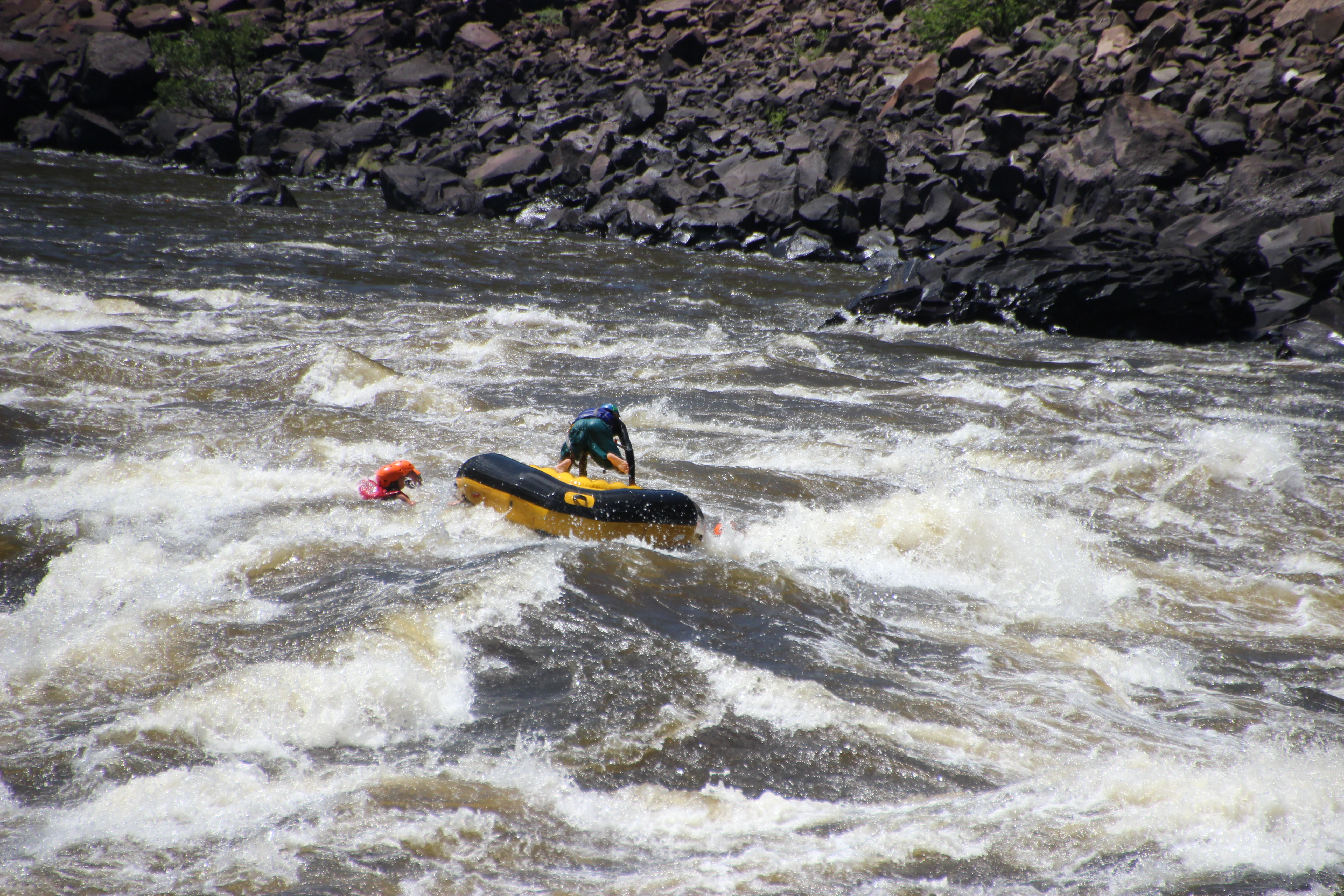
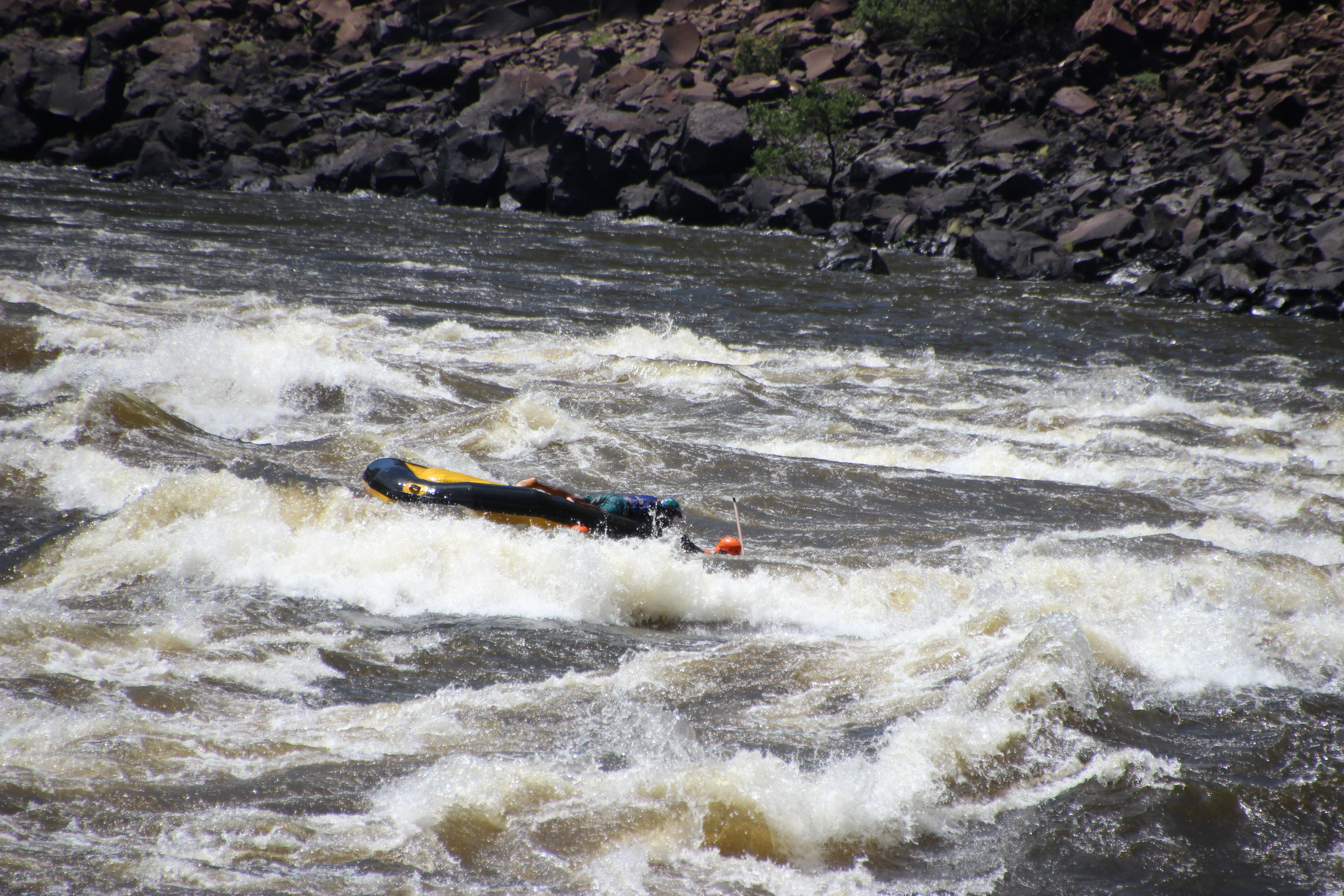
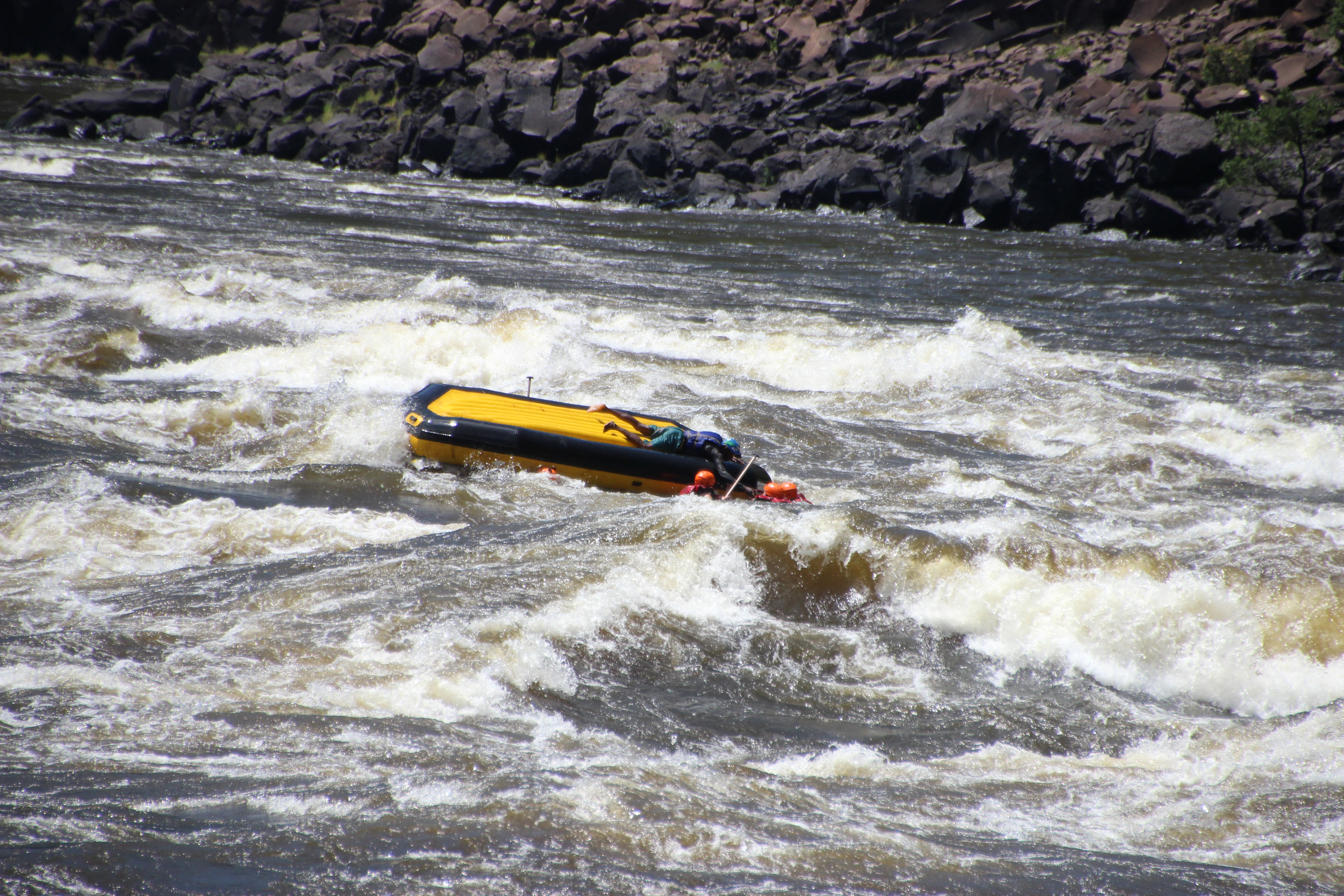
It was absolutely terrifying.  I completely forgot all the stuff about not panicking, and panicked.  I knew the life jacket would hold me up, but my helmet strap felt like it was choking me and the water was swirling around me like a washing machine.  I could hear myself calling for help…and I wasn’t the only one.  Of course, that meant I swallowed water, choked more and panicked more.  I could hear Melvin telling us to grab the ropes on the side of the boat, but I couldn’t get a hold.  Finally, I grabbed onto something…and Melvin pulled me up onto the bottom of the capsized boat, telling me not to panic, it was okay.  In the last picture, you can see him reaching over the side to pull me up.

IMG_0613 IMG_0614 IMG_0618 IMG_0619 IMG_0620

The water was still swirling and we still had to right the boat.  I had to get back in the water again and we all had to pull from one side to flip the boat back over.  And we did it!  Only…now I was under the boat.  This time, I did keep my head and managed to swim under and out…but the boat was being swept away from me.  Some people had managed to get back in and some people were still floating around in the rapids.  I was pushed along towards the other boat (which had also capsized) and someone stuck a paddle at me – I grabbed it and got pulled into the boat.  By this time, I was really shaken up and my head was pounding (I think a stray paddle had hit my helmet.)  I knew I wasn’t really hurt…but I was shaking so hard I couldn’t find my balance.

Oh, and my pants were falling off.

Everyone was getting organized back into their boats and I got into mine – but I was obviously not 100%.  People were very kind and a bit concerned and I heard Melvin ask, “Do you want to go in the safety boat?”  At first I thought I would stick it out, but he asked a second time and  I heard my little inner voice say, “Don’t be an idiot.”  (Later a couple of people told me I was white as a sheet.) So my boat took off with one less passenger…

IMG_0621

And I went in the safety boat.

IMG_0670

The safety boat was a raft with a wooden seat strapped into it and a huge, strapping Zambian (named Roger!) to stabilize it with two gigantic wooden oars.  At first I was still so shaken that all I wanted to do was sit in the back…but after a little while, Roger gently encouraged me to sit up front and enjoy the ride.  So I did.  The scenery was absolutely breathtaking…the Zambezi is the border between Zambia and Zimbabwe.  The gorge is deep with stunning cliffs on either side.

IMG_0664

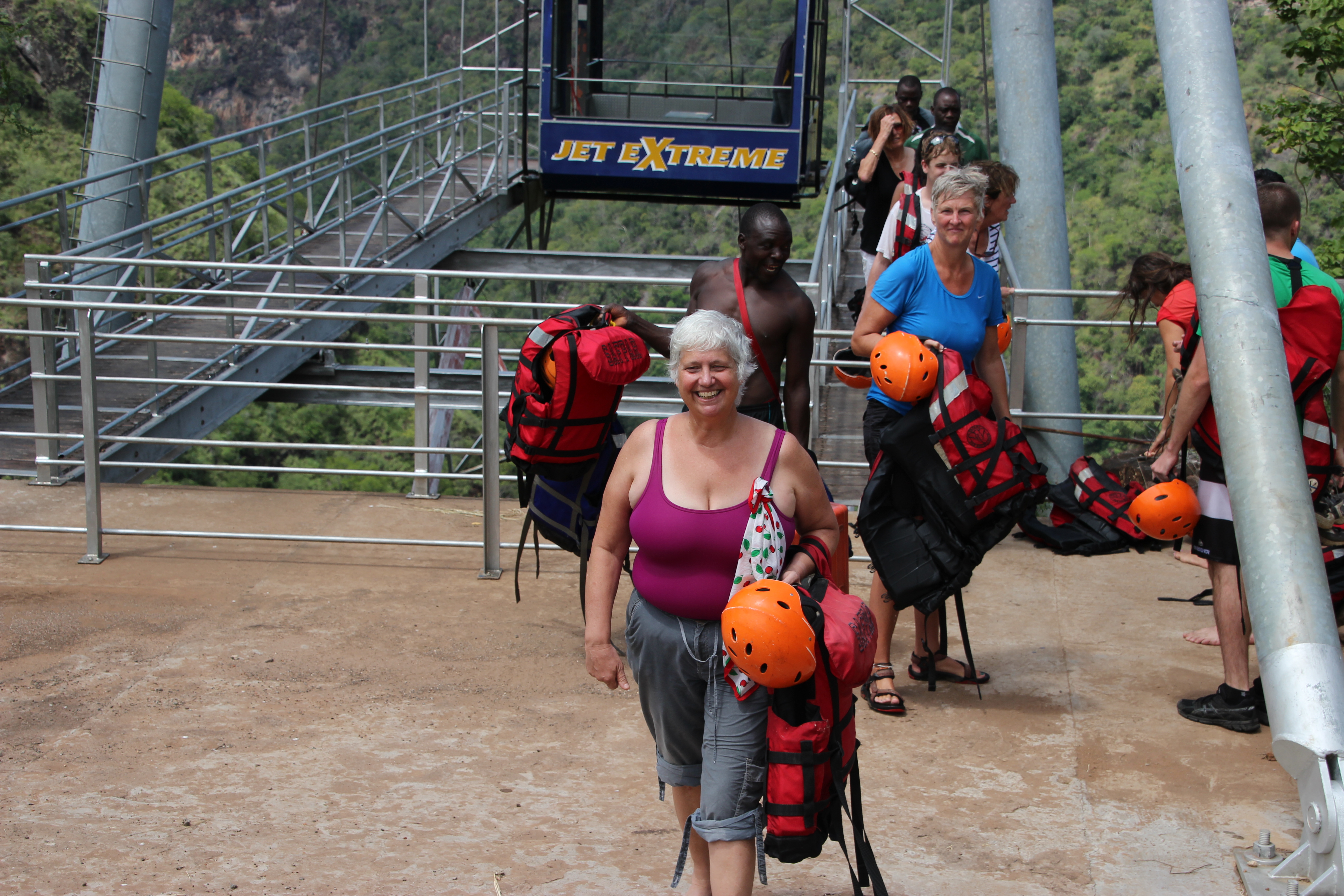
There were a couple more fancy rapids which made me glad I had opted for the “safety boat” but none of the boats capsized again.  When we finally made it to the docking point, everyone cheered.  We divested ourselves of our helmets and life-jackets and headed for the cable car which took us to the top of the gorge again.

IMG_0661 IMG_0717IMG_0718

And you know what?  I think I’d do it again.  And try not to panic if the boat capsized…at least, not as much.

IMG_0720


Johannesburg….sort of!

Standard

I started my long-awaited March break with a plane ride to Johannesburg. I was going to be taking the “premiere class” sleeper train all the way to Cape Town and I figured I’d get there a day early, check into my hotel and then see a bit of Johannesburg. I thought maybe I’d do the open-top city bus tour, stopping off at the Apartheid Museum and perhaps see if there was anything on at the symphony or find a local place where there was live music.

Well. None of that happened, sorry to say. So this post may not be all that interesting…but it will serve to document the first part of my journey and be sort of an introduction to the rest of the trip!

The plane to Jo’burg was small, but comfortable and we were served a light breakfast on board. When we landed, I grabbed my brand new bright purple wheelie bag and went to find the Gautrain, which would take me to Sandton…a suburb of Johannesburg where I had booked my hotel.

About Sandton. Originally, I had booked a hotel right near the train station. I figured that way I could see more of the city, easily catch the hop-on, hop-off bus and be close to where I needed to be for my train trip the next day.

However, more than one person warned me about central Jo’burg in general and the area around the train station in particular. So I listened…and booked a hotel in Sandton, which was suppose to be a “nicer” area. I booked a place right near the shopping district and within walking distance of the Gautrain station. I figured it might be a little more inconvenient, but I wanted to be safe.

Then the hotel I booked emailed me and said that the branch of the hotel I had booked was closing, but they could book me at a sister site, just up the road. So I went with it. In hindsight, this was a mistake and I should have stuck with the place near the train station…especially if I wanted to see any of the city! But…I digress.

The Gautrain (pronounced “howtrain”) is a brand spanking new public transportation system, easily navigated, extremely safe and very reasonably priced. I got my rechargeable ticket, boarded the train and was at the Sandton station within 20 minutes. Then the fun began. My hotel was supposed to provide free pick-up and drop-off to the train station and I had been instructed to call them when I arrived and they would send the shuttle get me.

So I called, but the woman on the other end of the line seemed a bit confused about what I wanted and her accent was very difficult to understand. It sounded like she was telling me to wait at the “tea cup.” At first I thought that perhaps this was the name of a cafe…but finally realized that she was saying “pick up.” I told her that I would wait there and described my purple suitcase and bright white hair.

25 minutes later, I was still waiting and getting a bit annoyed. A woman in a small silver car, who was there to pick up someone else, saw me and asked where I was going. When I told her, she said that she thought it was just up the street. I called the hotel again and the hotel lady seemed just as confused as before…I told her never mind, I would take a cab.

When the silver car woman heard this, she said, “Oh don’t take a cab, they are so expensive, why don’t you let me drop you off?” At this point, the people she was waiting for showed up…an American couple originally from Orlando who had just flown in from Hong Kong. We all piled into the little silver car and Rivita (that was her name) drove me to my hotel, which was NOT “just up the street,” NOT anywhere near the center, but almost 2 miles up the road and near absolutely nothing. Rivita actually called the hotel twice to ask them exactly where they were located…and the lady at the hotel was equally unhelpful both times. We finally found it and I thanked her (and the Orlando couple) profusely.

(I was extremely grateful for this kindness…I promised to “pay it forward.” Who knows how long I would have had to wait for a ride from the hotel!)

When I walked into the hotel, there were drop cloths and ladders everywhere. They were doing a major renovation in the lobby. The place smelled of fresh paint and wallpaper paste. Luckily, my room was ready, even though I was early. I dropped my bags and went to the restaurant (a quasi-Italian joint called “PapaChino’s”) for some lunch; I was starved. I had a passably good lamb pita and a killer mojito.

I still had the idea of maybe going into the city and getting the tour bus….but by then it was 2:00pm. By the time I got there, it would be closer to 3:00pm and bus only ran until 5:00. Besides, I was kinda tired and this was my vacation.

So I took a 3-hour nap instead.

When I got up, I realized that sight-seeing in Jo’burg probably was not going to happen this trip. So I spent the evening curled up in a chair overlooking the garden and pool, reading and having a glass of wine. The next morning, I was pleasantly surprised when the (included) breakfast buffet was one of the best I have ever seen and the coffee was freshly brewed. Getting a ride back to the train station proved to be much easier than I had anticipated.

And now….I am sitting in the premiere class lounge, enjoying complimentary tea and biscuits with the other passengers, while we wait to board our train to Cape Town!

A weekend in Choma

Standard
A weekend in Choma

Choma is a small, friendly town located about 4 hours south of Lusaka, on the main bus line to Livingstone.  I thought it would make a fun weekend excursion and I was not disappointed.   This is still the rainy season and most places are under-occupied and have special rates for residents.  I did a bit of googling and discovered the Masuku Lodge, about 20 km off the main road.  It is located inside the Nkanga River Conservation Areas and is one of the area’s top places for bird-watching.  Over 400 species of bird have been sighted here, including Chaplin’s barbet, Zambia’s only endemic bird.

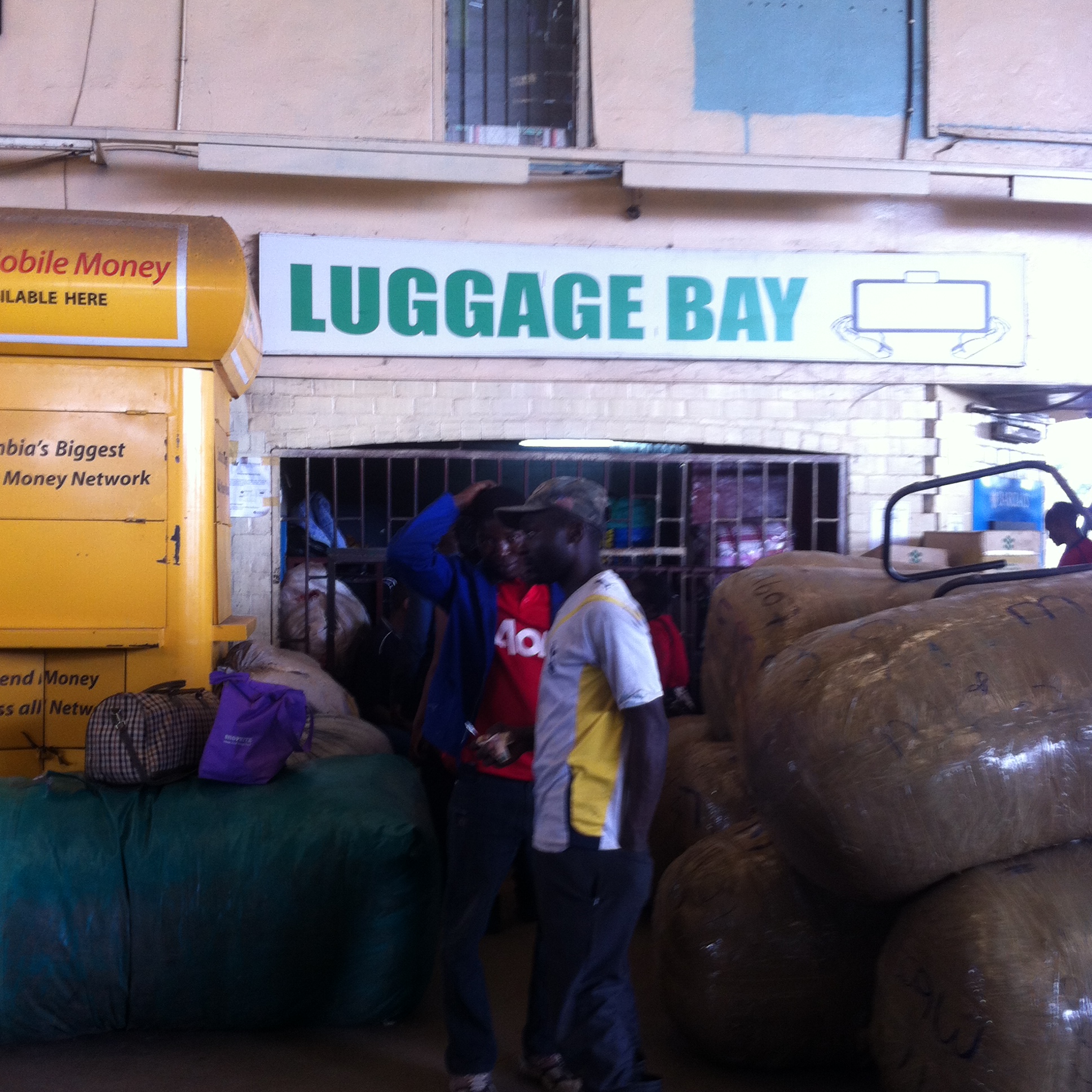
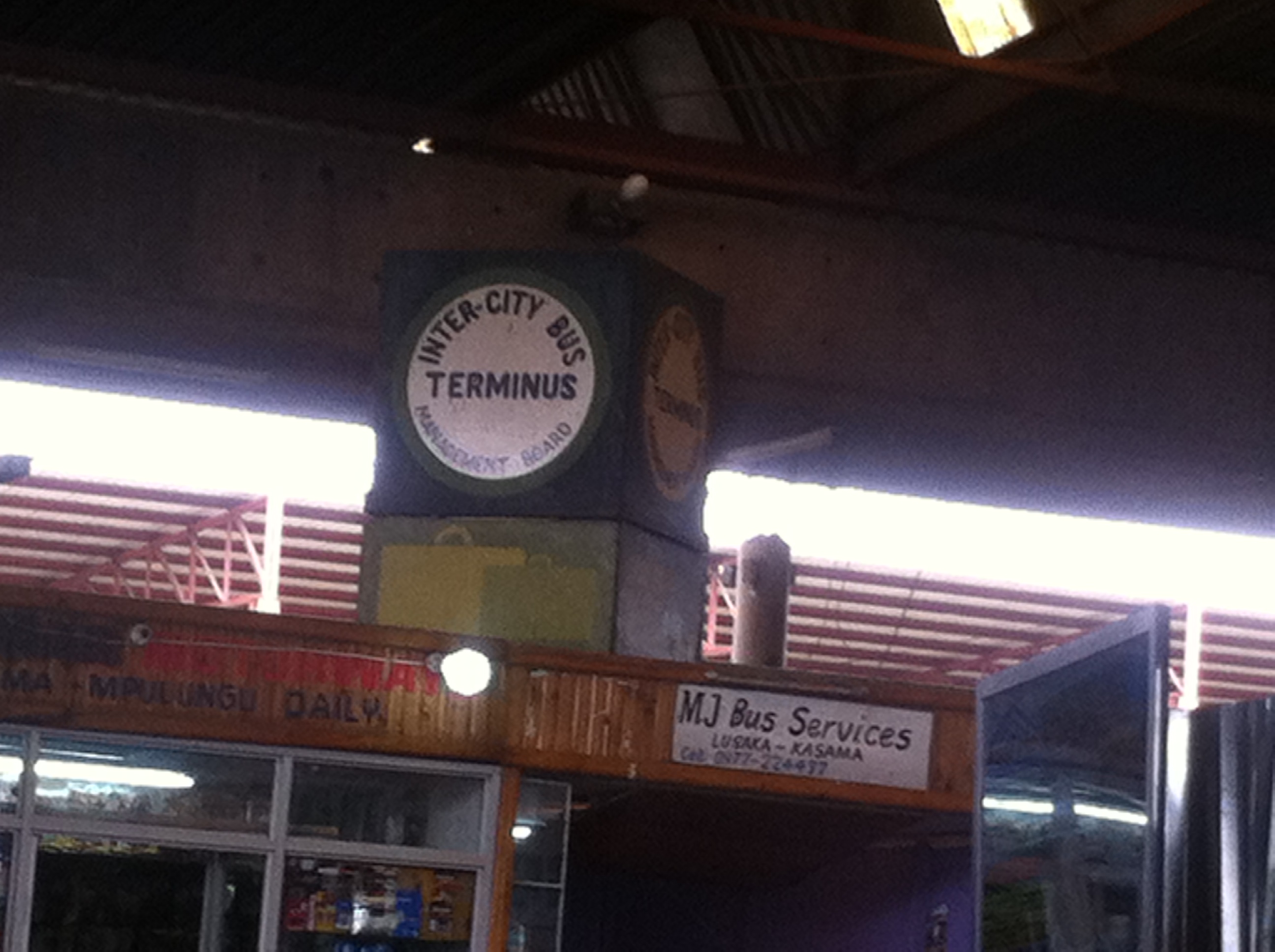
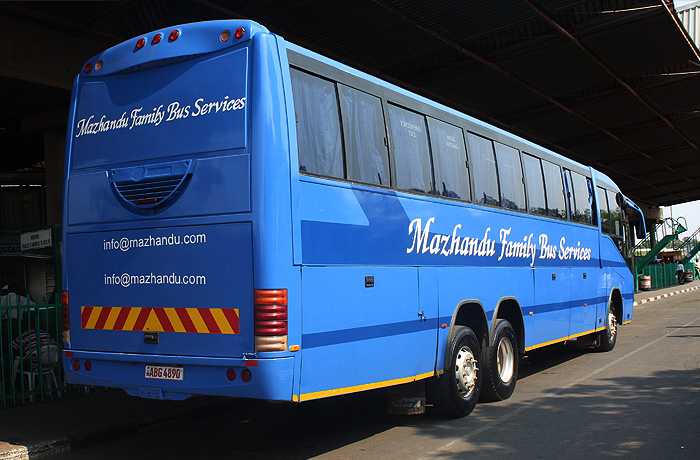
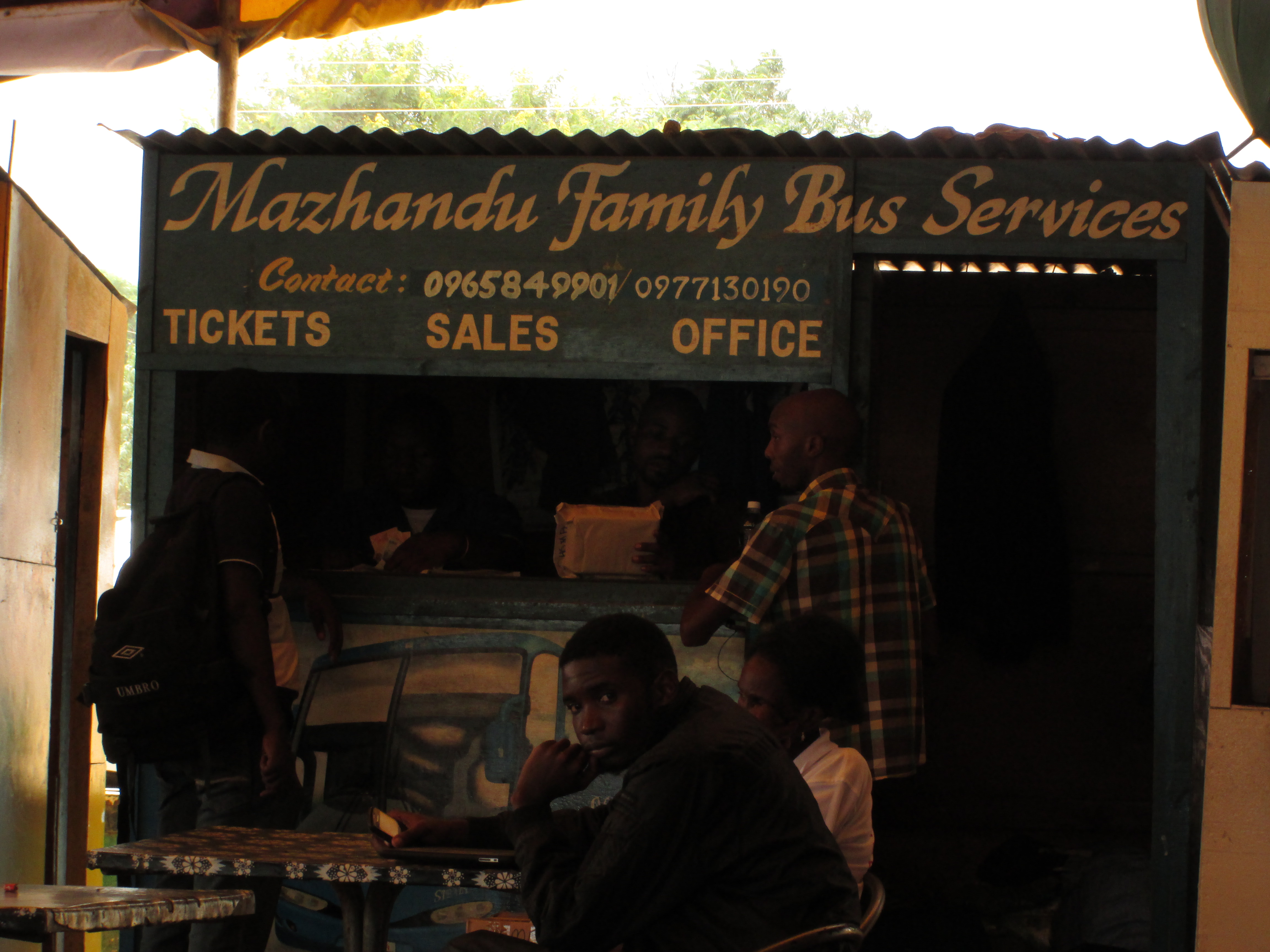
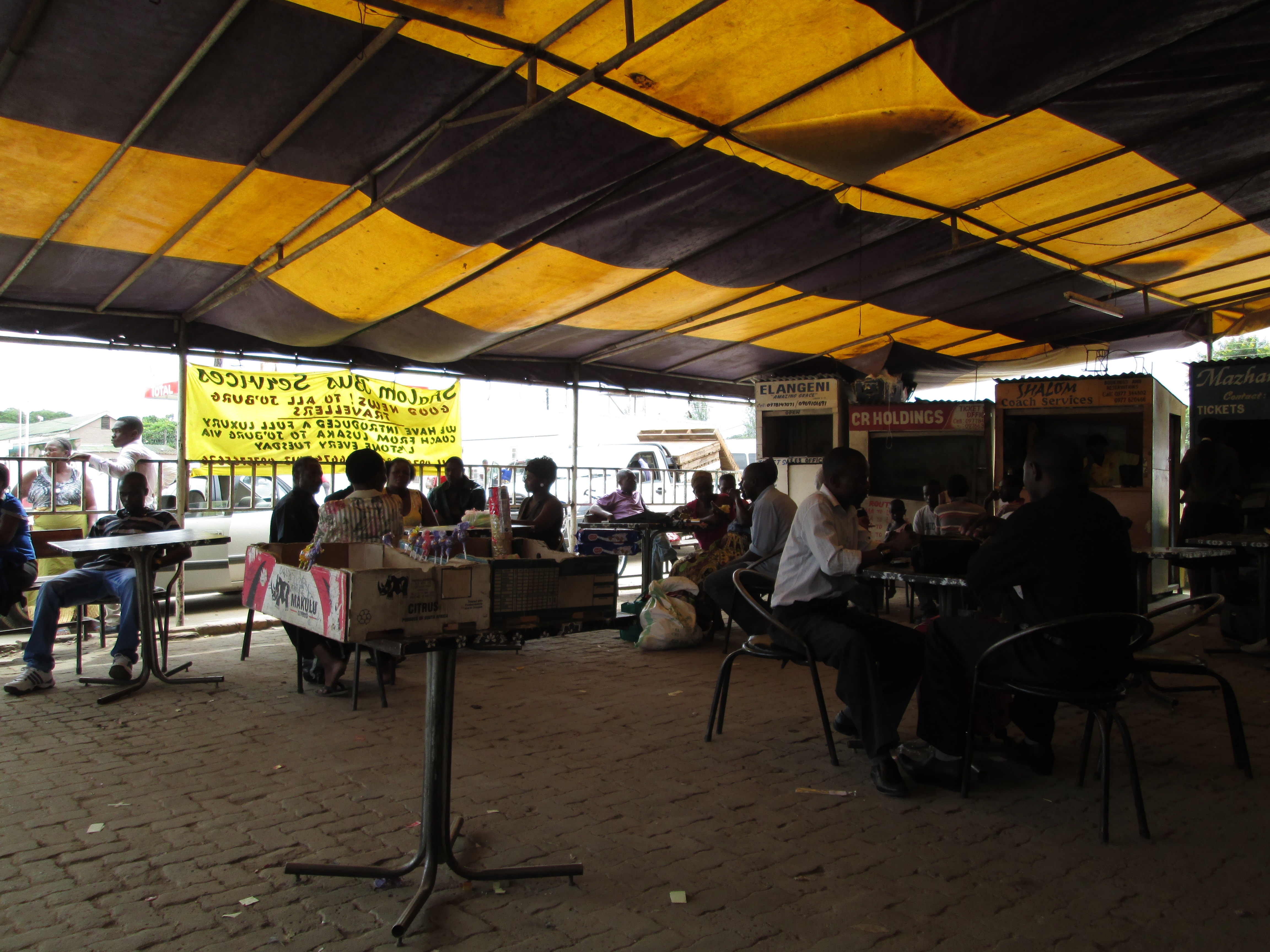
I got to Lusaka’s main bus station in plenty of time to get my ticket.  Unlike the first time, when I was there as a new traveler in Zambia, I had a better idea of what to expect and felt more comfortable looking around.  There is a central, covered area which functions as a market.  The various bus lines have their ticket booths around the edges.  Buying a bus ticket can be an adventure in and of itself.  On some of the bigger bus lines (like Mazhandu, the one I used) you can call ahead one day before to reserve a ticket.  But on most of the buses, you need to show up in person on the day.   (Buying a ticket online is unheard of here.  Most people who take the bus don’t have regular access to a computer.)

2014-02-28 13.02.48 2014-02-28 13.03.06 2014-02-28 13.02.20 2014-02-28 13.02.11

What is curious is how ticket sales are handled.  As I walked around the market, representatives from the different bus lines would approach me.  (Note that “madam” is pronounced here with the accent on the second syllable.  “meh-DAM.”)”Madam!  Madam!  You would like a ticket to Kpari Mposhi?”  “Madam, where are you going?  We have bus to Livingstone!”   “Madam, you would like to go to Ndola today?  Very nice bus!”

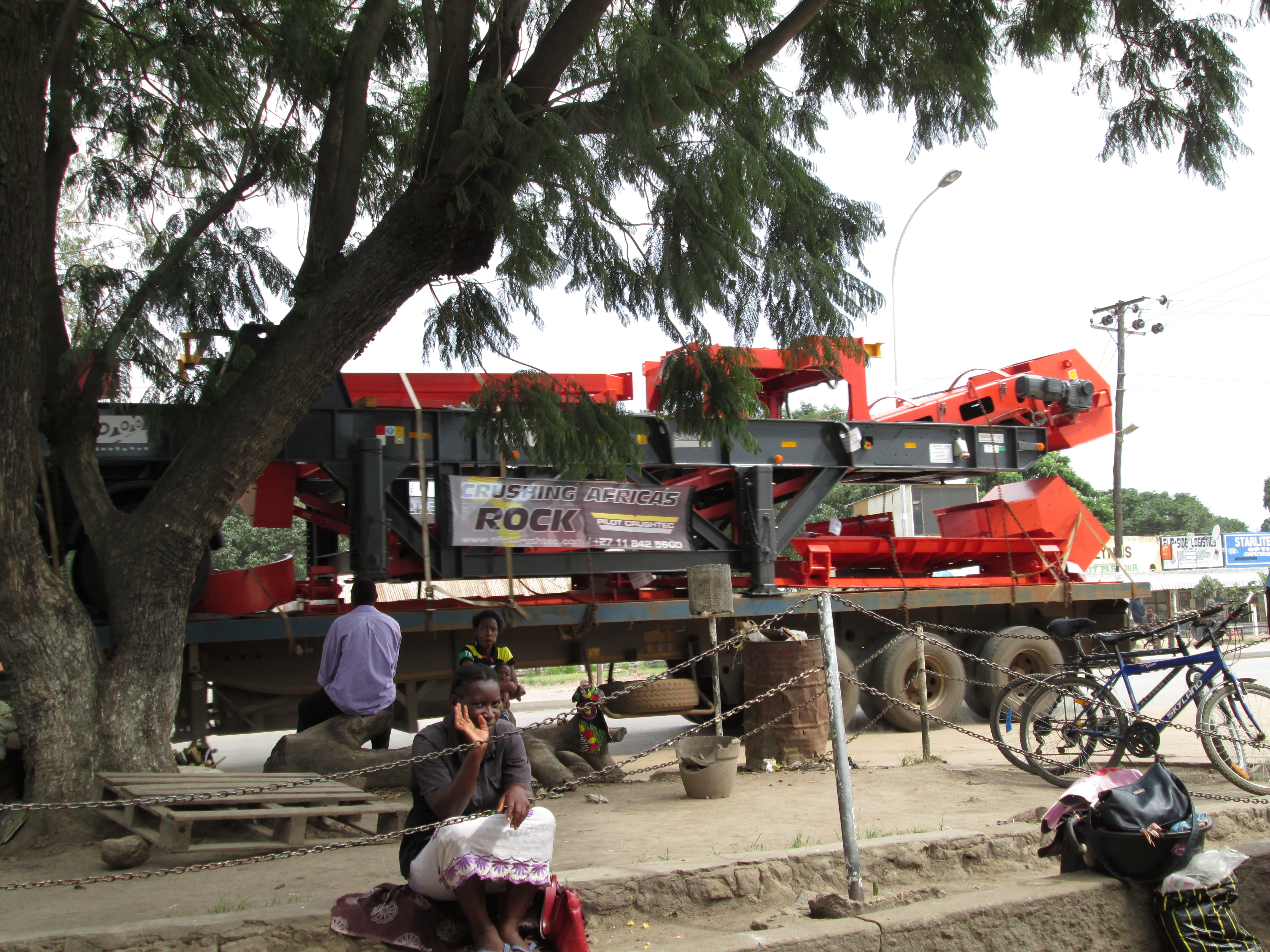
It was as if they assumed that I had packed my bag and gone to the bus station on a whim with no plan and no idea of where I wanted to go!  The place was bustling with chaotic activity.  In addition to the market stalls, there were folks walking around holding merchandise for sale – watches, stockings, hats, clothespins, snacks, radios…almost anything you could think of.  Some were more aggressive than others – I watched as the clothespin seller shoved his wares literally under the nose of several seated women who were dozing off as they waited for their bus.  Most simply shook their heads at him, but one woman glared at him until he backed away.

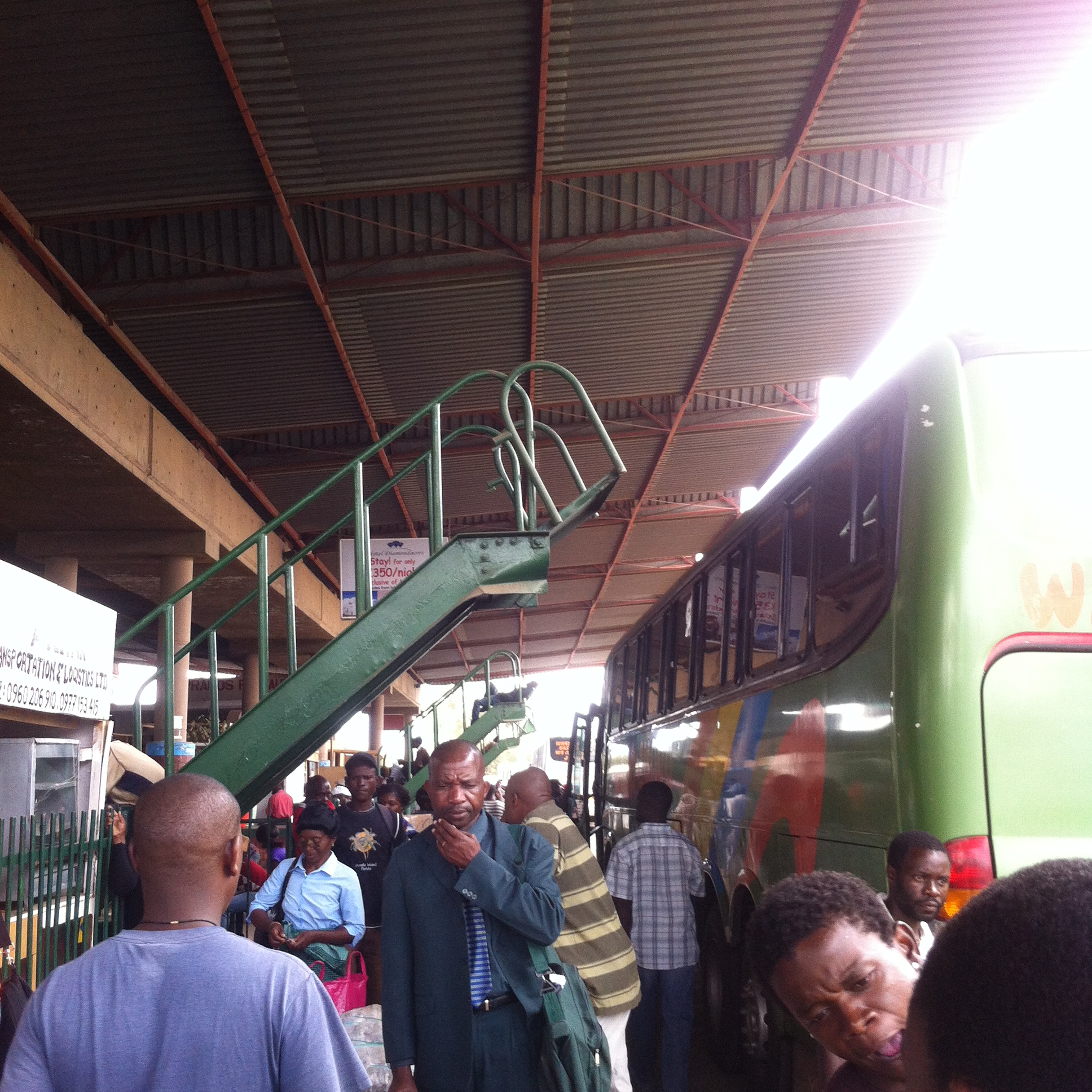
(This picture shows the stairs used to attached over-size luggage to the top of a bus…not all have compartments underneath!)
2014-02-28 13.07.54

Finally, our bus arrived, everyone found their (assigned) seat and we drove off.  There was the inevitable gospel music playing and this time we had a real live preacher on board, who read scripture and walked up and down the aisle talking and praying for the first 30 minutes of the journey.  I was very glad for my Bose noise-canceling headphones!

mazhandu-family-bus-services-coach-4

The bus ride took about 5 hours, with a couple of stops and a bathroom/food break.  When I alighted in Choma, Dorie from Mazuku Lodge was waiting for me.  She was a small, bubbly woman with great stories to tell, having lived in Zambia her entire life.  We drove down a well-graded dirt road, and then a less-well-graded one and then one that looked almost like a foot path.  We passed through several gates and then suddenly, there was the lodge, warm and bright against the night-time rain.  Dorie’s partner Rory came out to meet us with an umbrella and handed me a glass of wine as we entered the living room.  I felt very welcomed.

IMG_0004 IMG_0005 IMG_0002

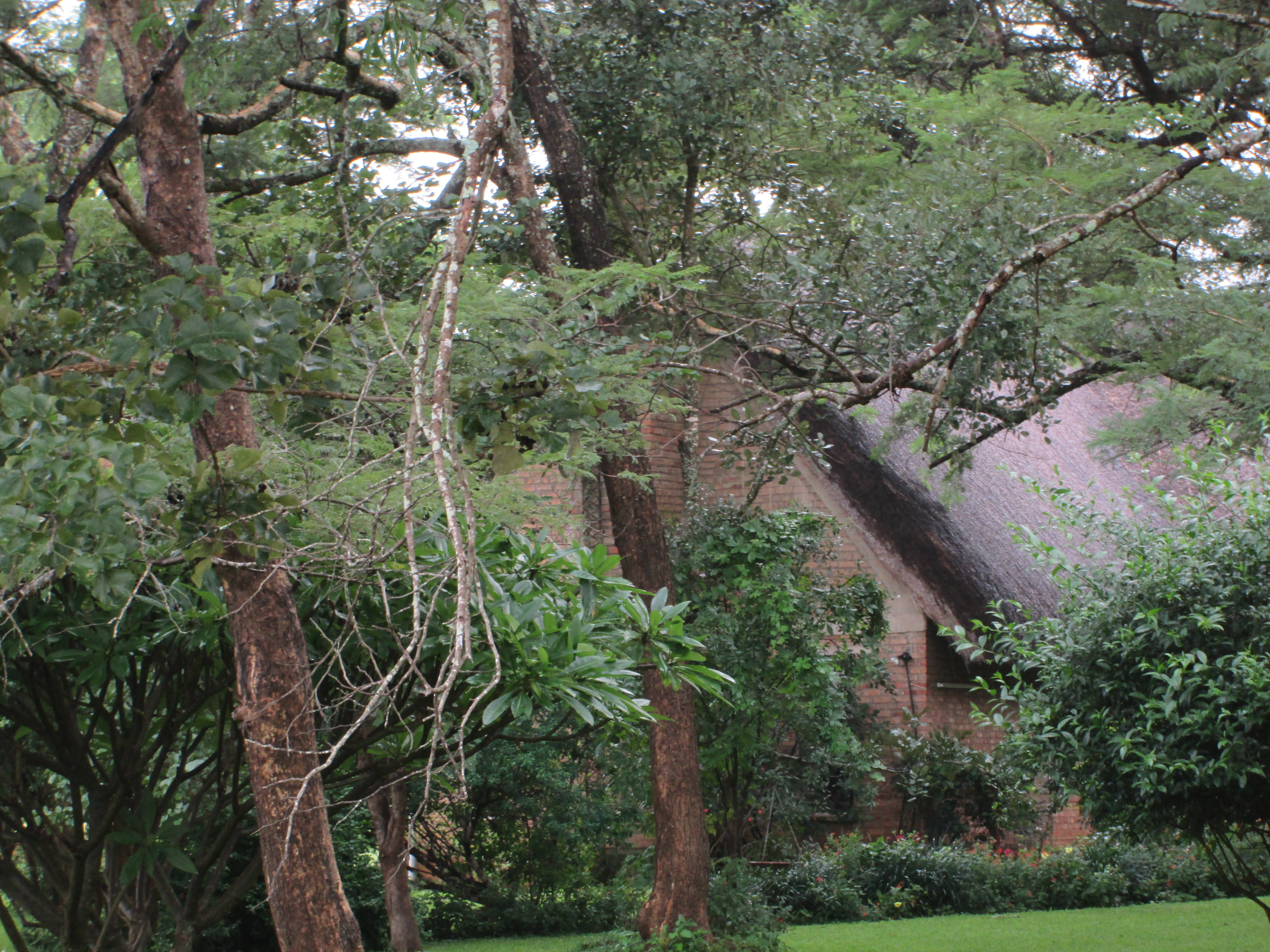
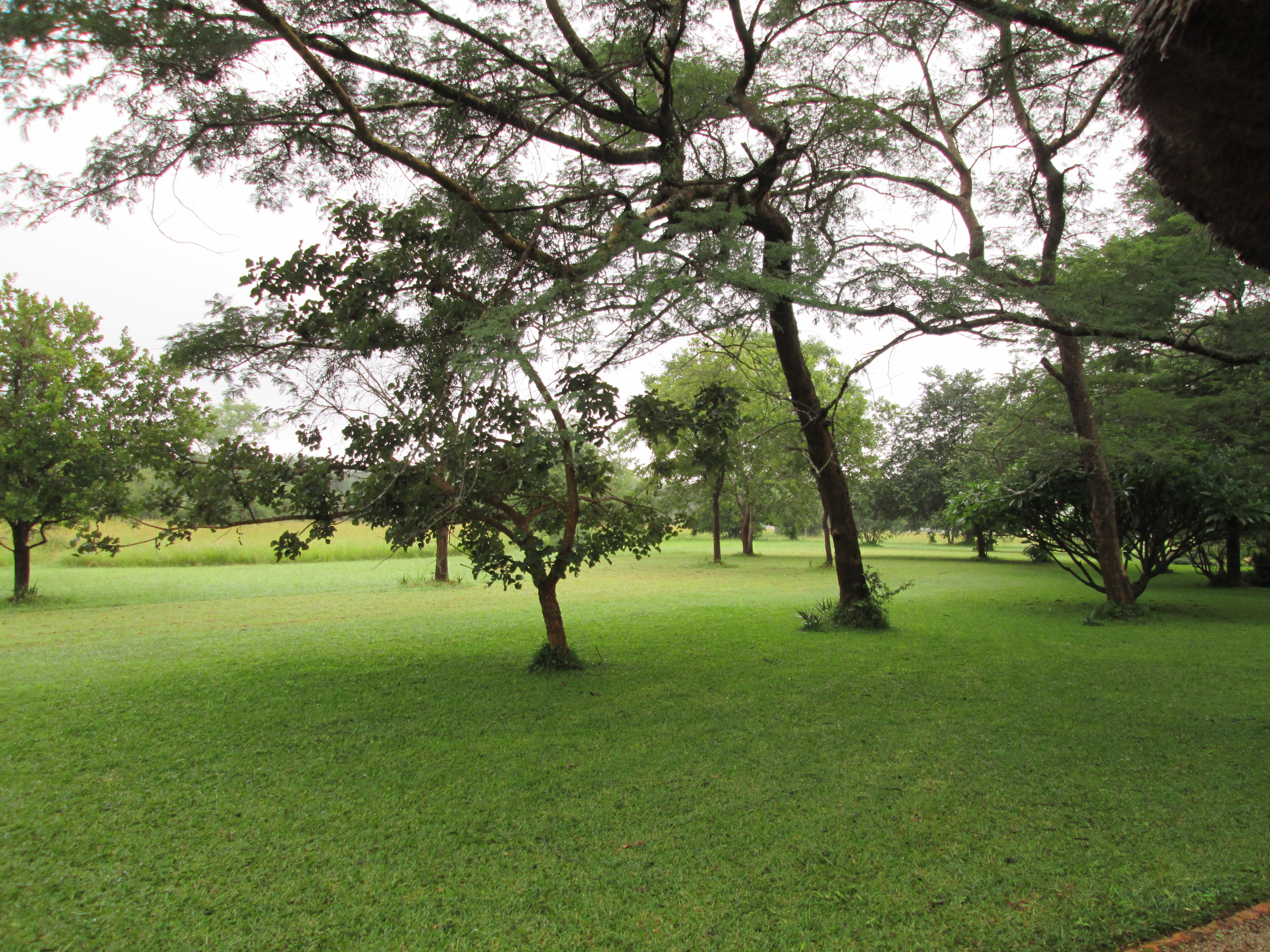
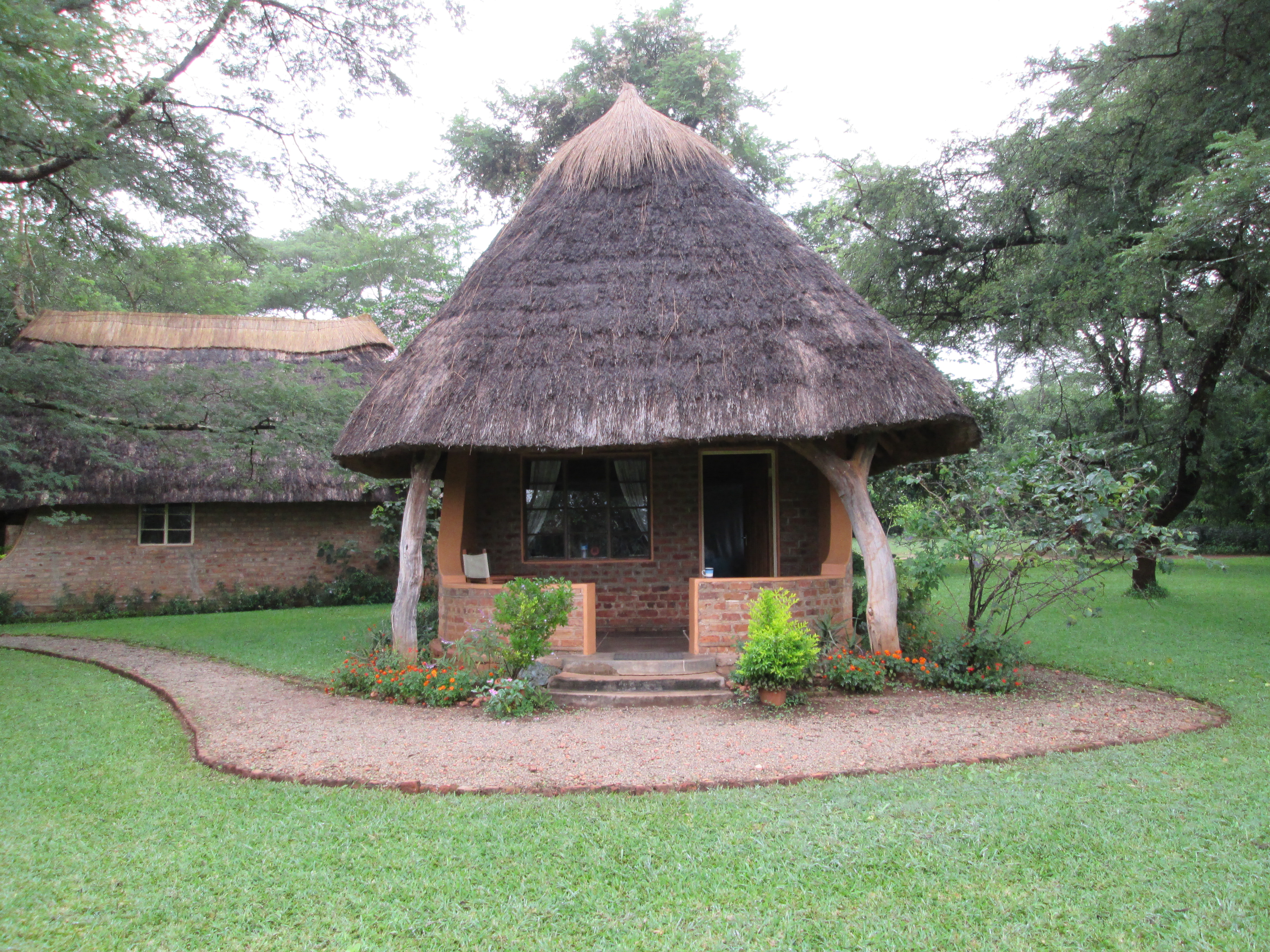
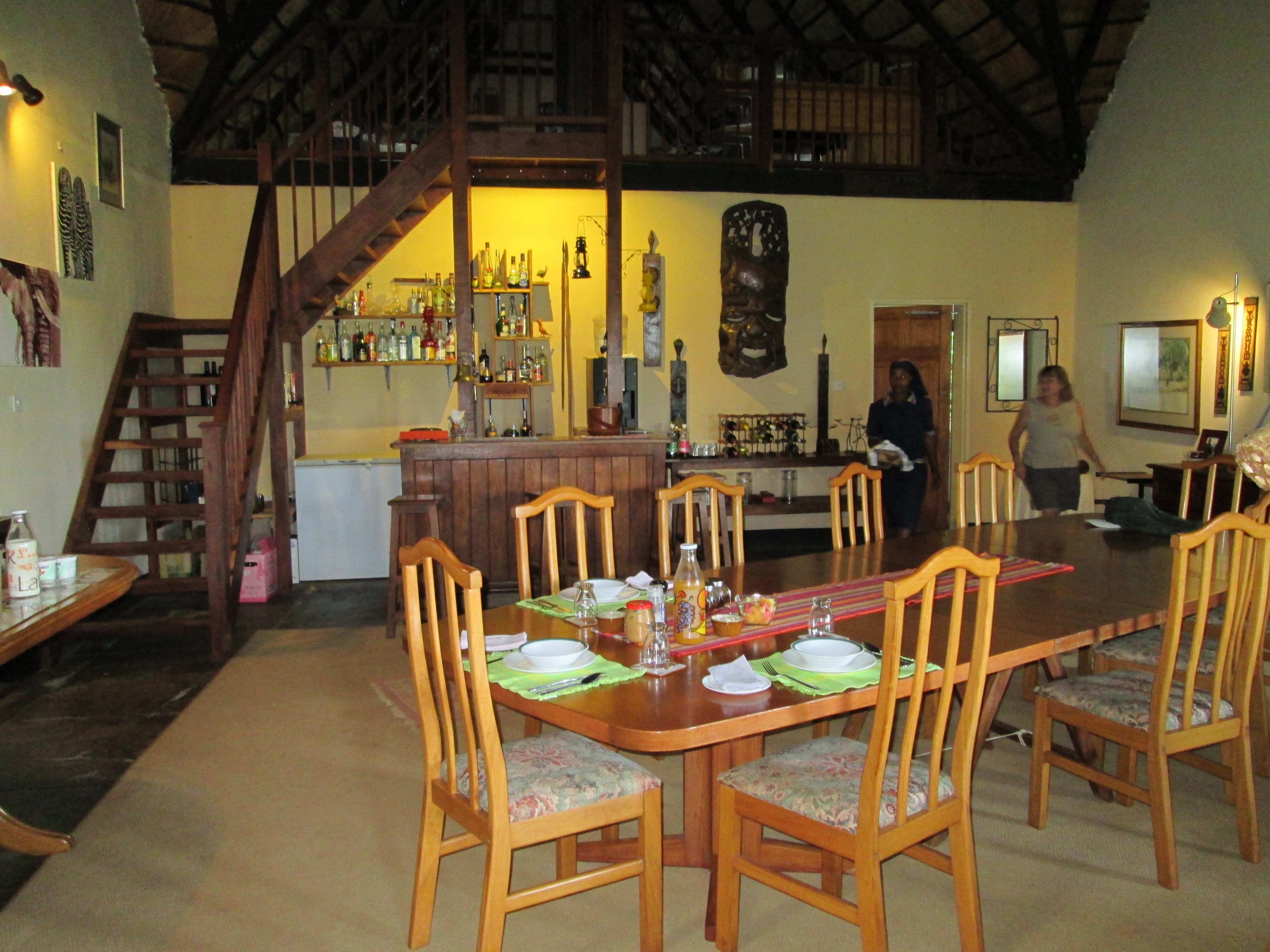
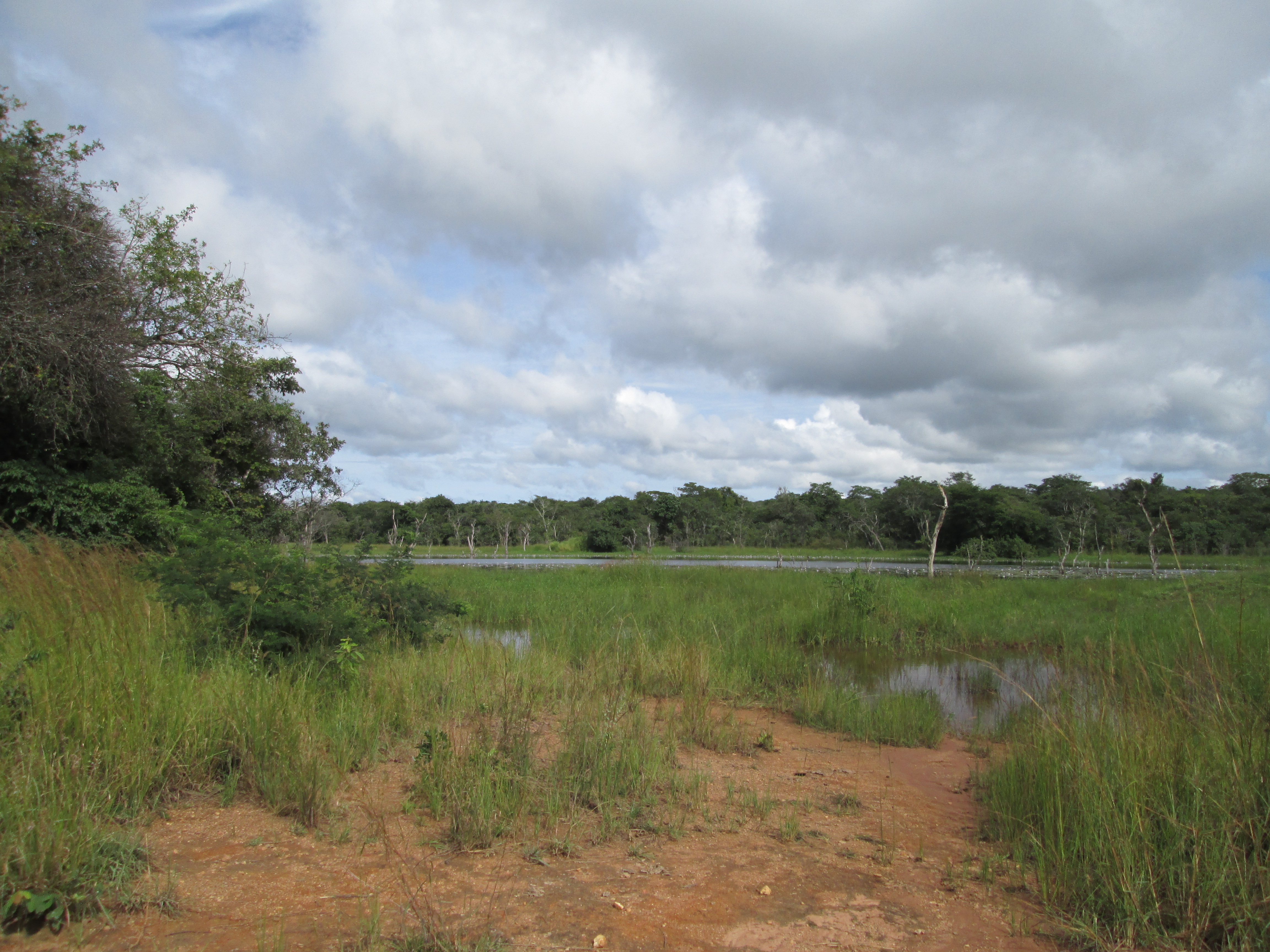
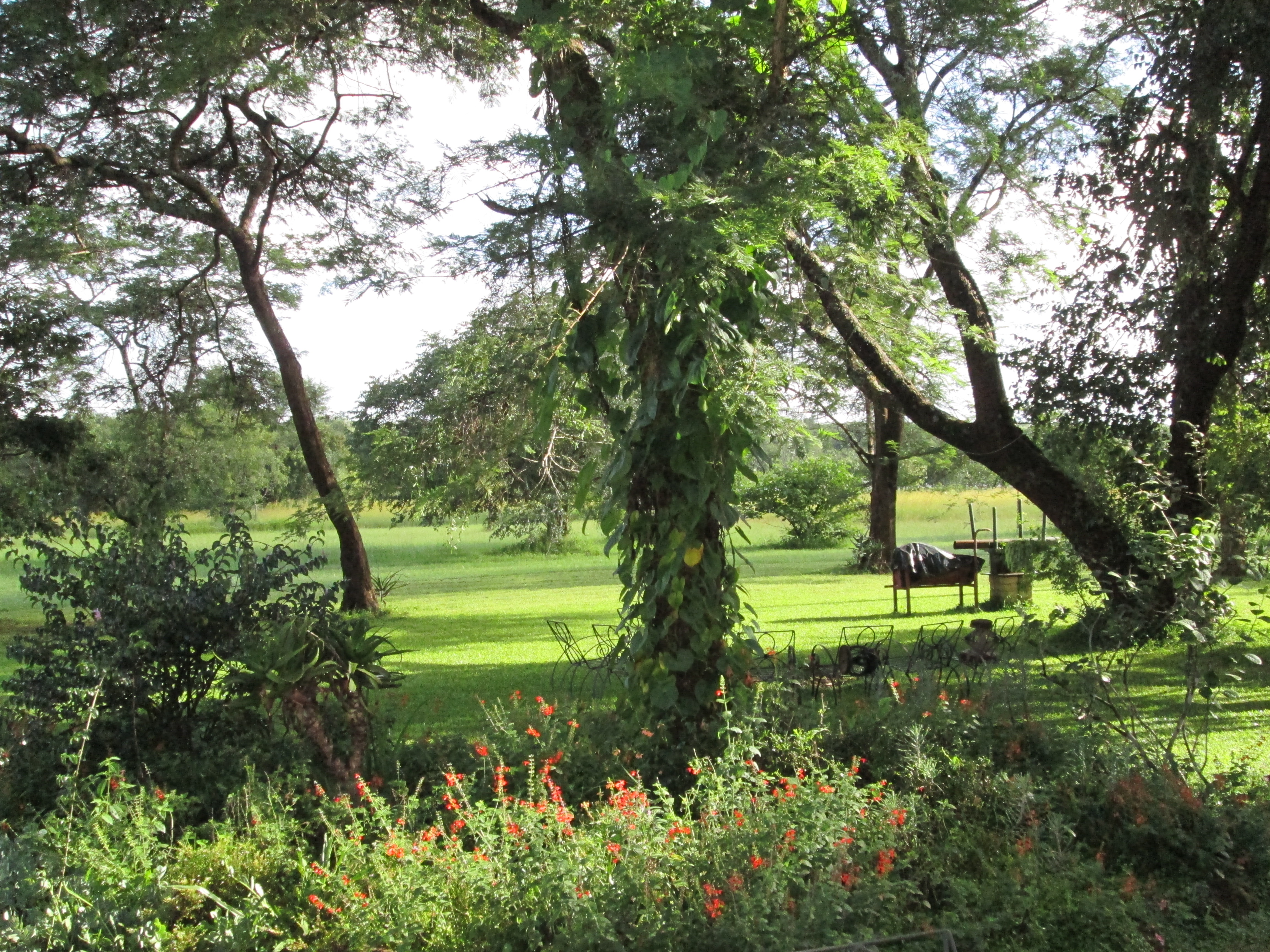
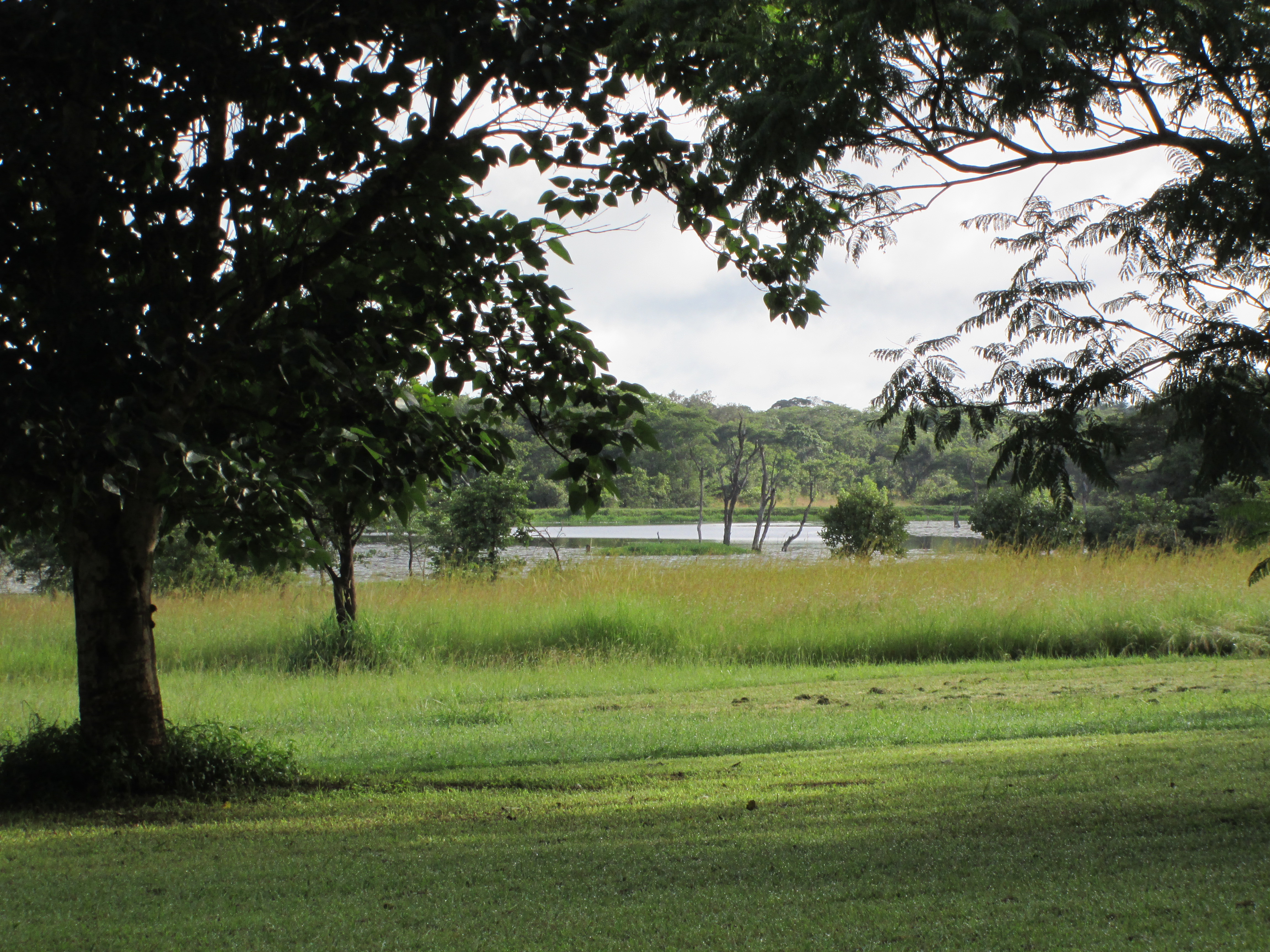
The lodge and surrounding areas had been carved out of the bush.  There are six little chalets, roundavels with ensuite baths and a large main building which a beautiful dining room and large living area, complete with a fireplace and WiFi and even a TV with plenty of DVDs, should you want them.  Each chalet has a porch and there was a big garden area for sitting outside the main house.  The hot water for the chalets is heated by a large brick stove with pipes to the rooms. The lodge looks over the lake formed by the Ross Hot Springs Dam on the Nkanga River and there are birds of all kinds to be seen and heard.

IMG_0003 IMG_0028IMG_0009 IMG_0008 IMG_0006IMG_0005 IMG_0050 IMG_0012

I was served a delicious dinner with a first course of butternut squash soup and then roast chicken, stuffing, gravy, potatoes, carrots and string beans, and home-baked bread.  Dessert was fresh carrot cake with warm custard.  Rory (who is the birder of the couple) was able to give me some ideas of where to walk and what I might see.  He was leaving the next morning to do a month-long training and exam course for the guides that are so incredibly informative in the national parks.  I was the only guest at the lodge for the weekend and it was a perfect retreat.

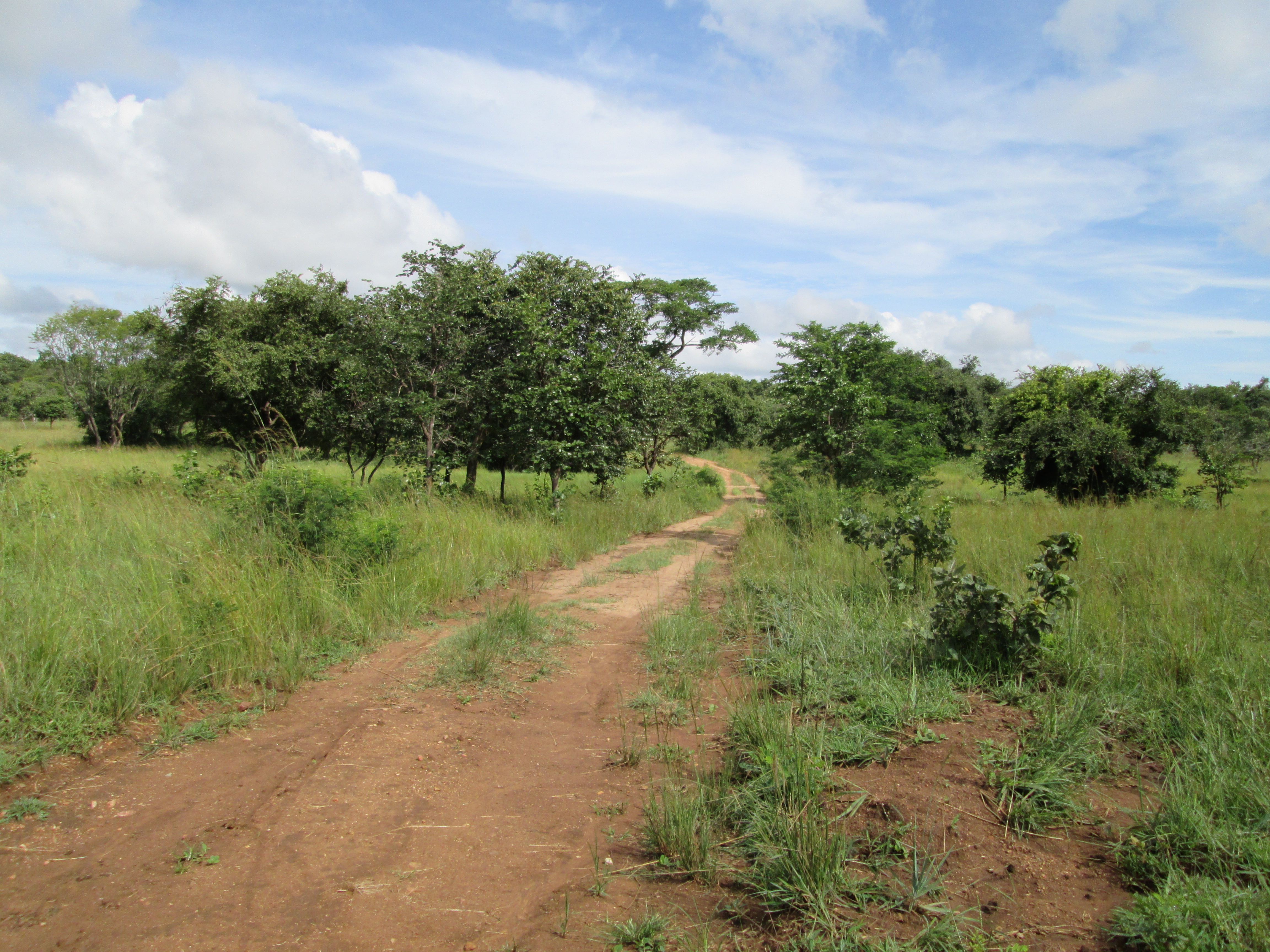
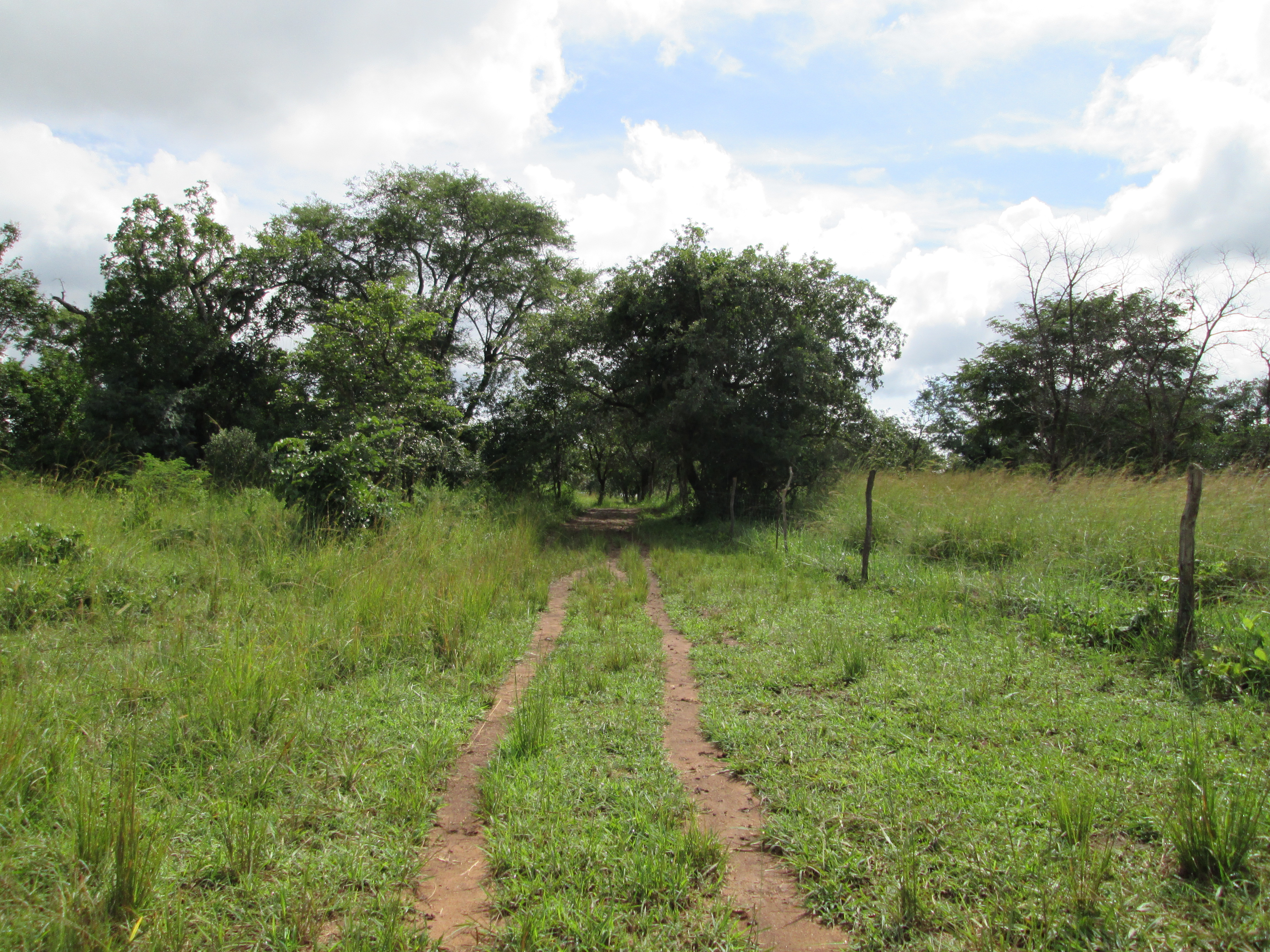
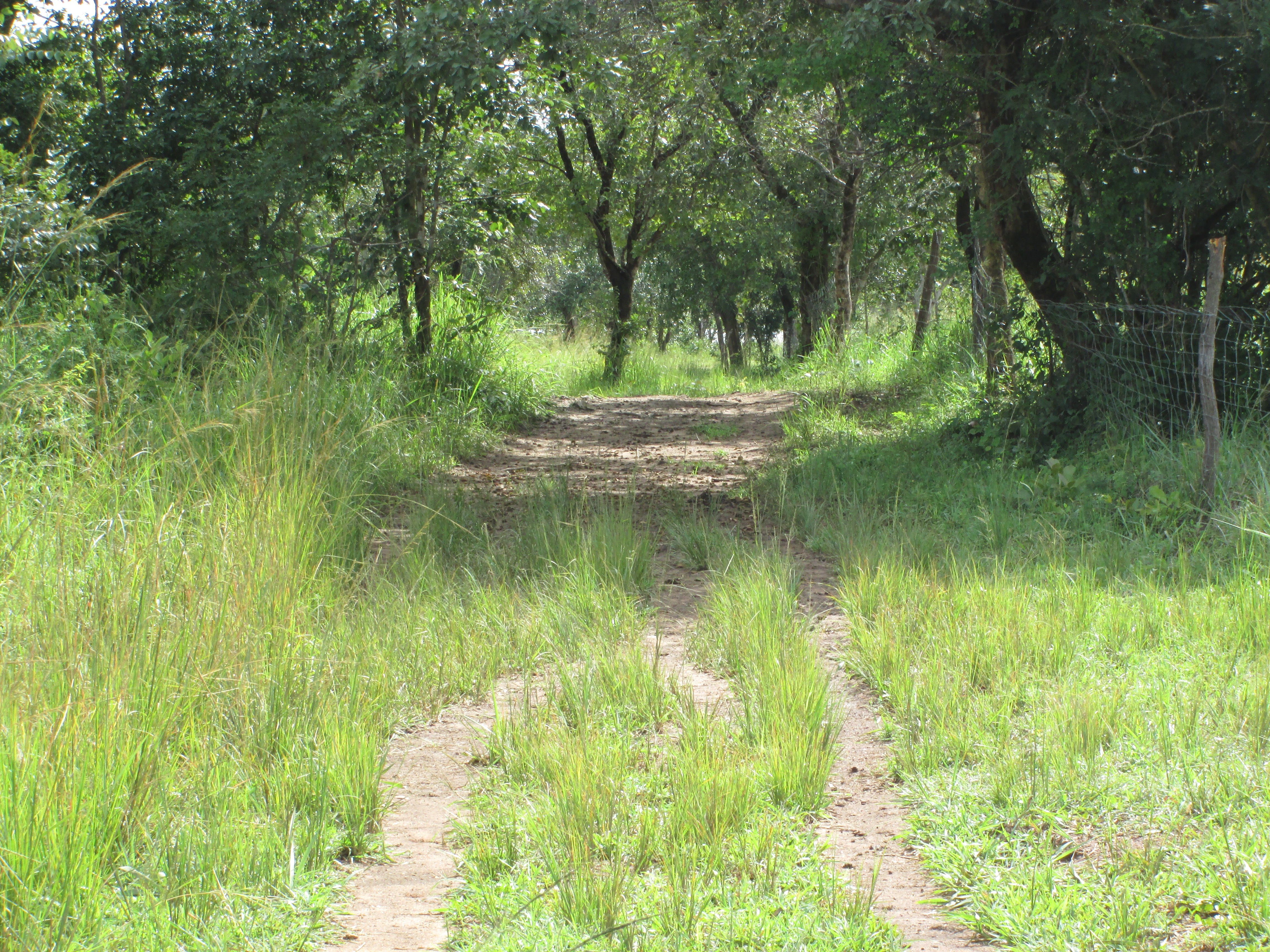
There were miles of dirt road trails to explore.  Because of the tall grass, not much game was evident (or should I say, visible!  It is possible I walked with feet of a zebra or impala and just didn’t see it!) but I saw plenty of fresh footprints. The countryside was green and fresh and the bird song was everywhere.  It was lovely to just be able to walk for miles in the Zambian air.

IMG_0011 IMG_0017 IMG_0018 IMG_0019 IMG_0022 IMG_0023 IMG_0024 IMG_0032 IMG_0042 IMG_0033

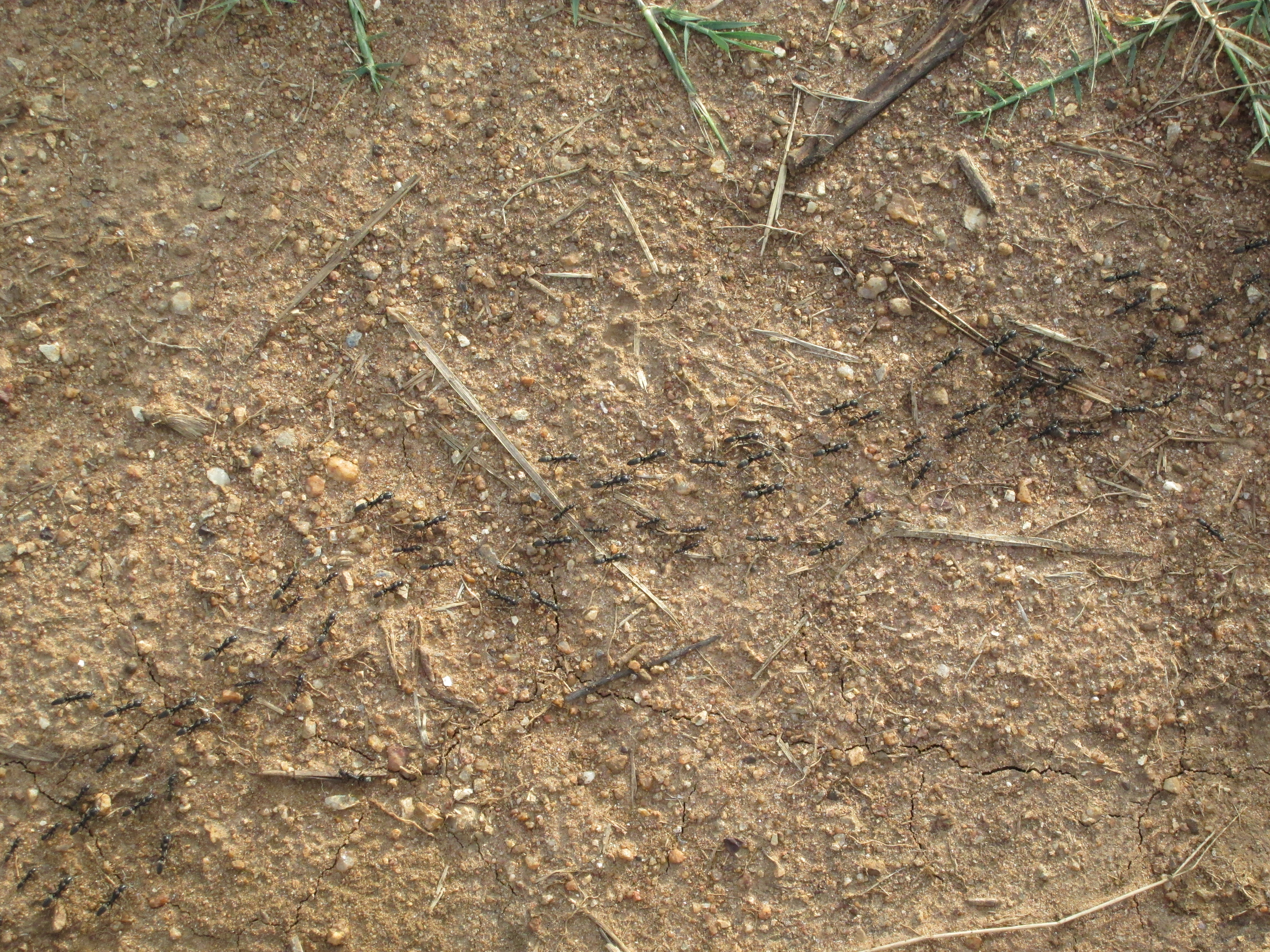
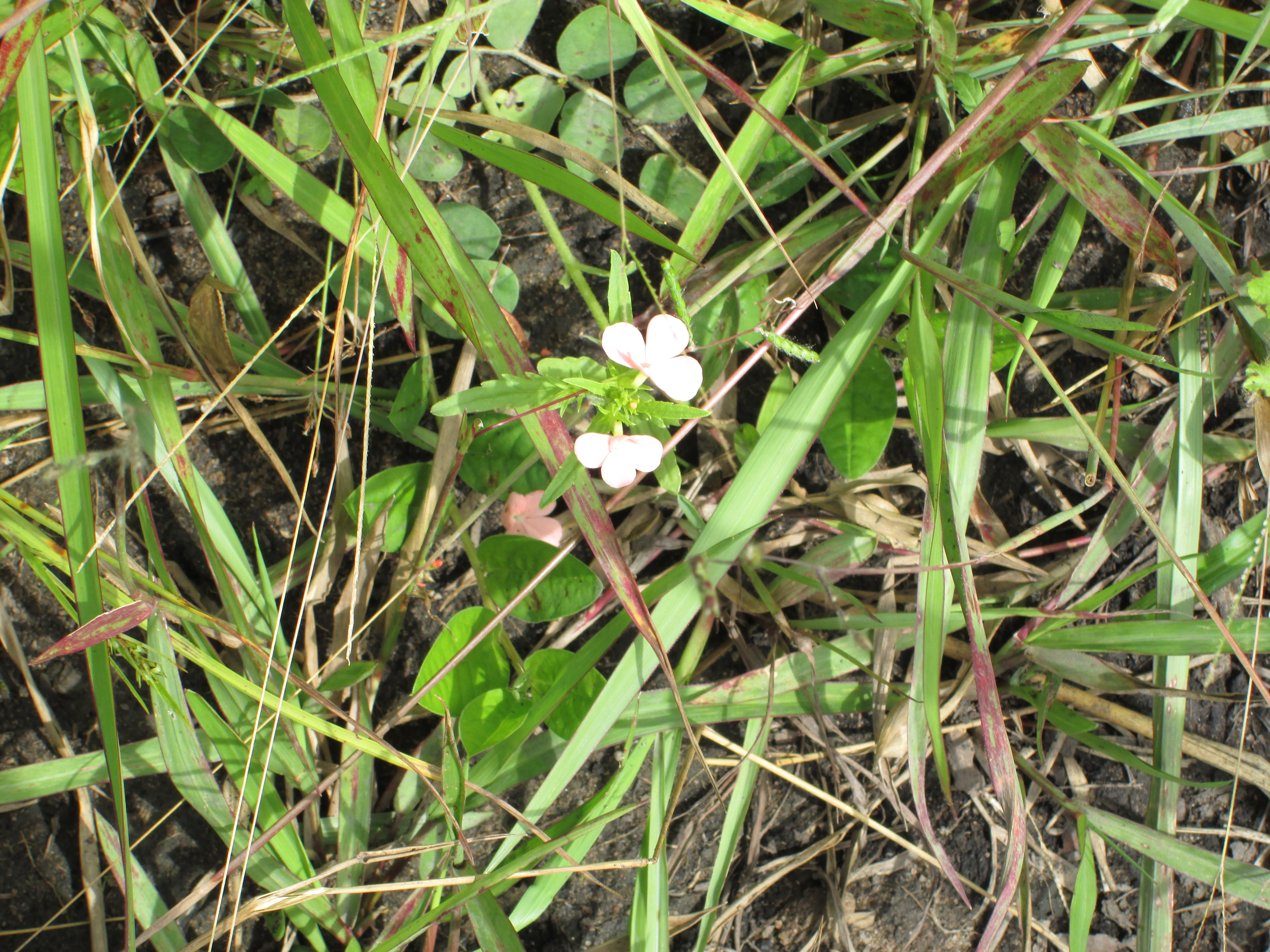
I saw some interesting insects…some kind of worms, a pill bug, some army ants (marching in formation) and also many beautiful wildflowers.

IMG_0039 IMG_0031 IMG_0013

IMG_0014 IMG_0021 IMG_0016 IMG_0015 IMG_0025 IMG_0026 IMG_0043 IMG_0040IMG_0020

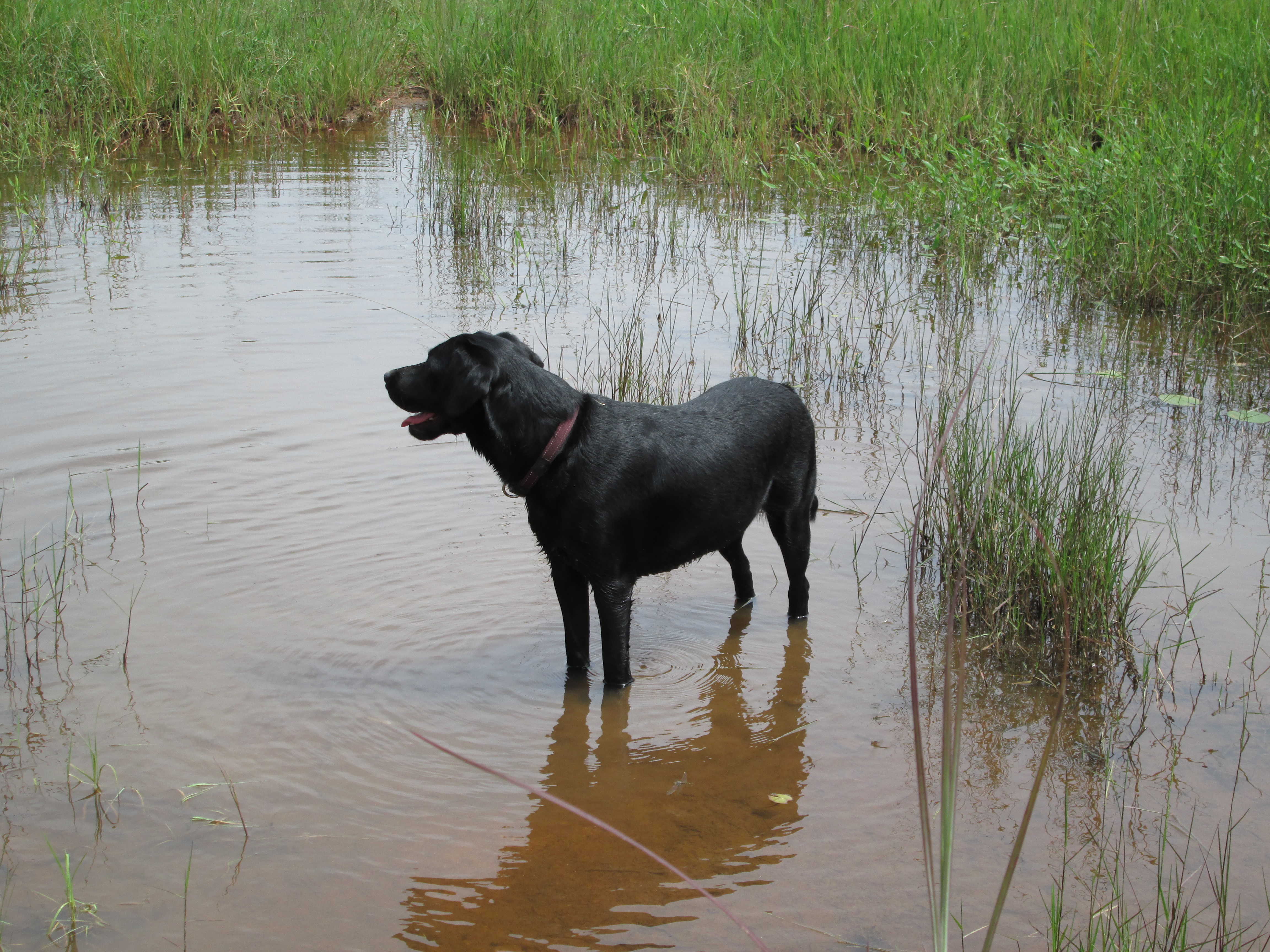
For some of my walks, I was accompanied by Jackal and Heidi, Dorie’s two affable black labs.

IMG_0045 IMG_0046

When I wasn’t walking, I spent my time sitting in the garden, reading or just – well – sitting! 

IMG_0035 IMG_0037IMG_0010

All too soon, it was Sunday afternoon – time to head back to Choma and get my bus back home.  The Choma “bus station” is next to a fast-food place and awash with street vendors.  I think at least five different people asked me if I wanted to buy bananas.  I declined – politely – each time.
IMG_0055 IMG_0054 IMG_0053 IMG_0052 IMG_0051

I plan to return to Masuku Lodge next August, during the dry season when game is more visible and also to take part in one of Rory’s “Bird Safaris.”  But I loved spending time there during the quiet season.  A wonderful, peaceful weekend…

IMG_0007


Courtesy, customs and kindness

Standard

Zambians are noted for their friendliness and courtesy.  There are certain customs that need to be learned when speaking with the locals if one wants to avoid appearing rude or boorish.

When starting a conversation, no matter how urgent the matter, it is expected that you will first greet the person and ask after their health and family.  For instance, when speaking to the maintenance man, you would first say, “Hello, Mtwalo!  How are you today?  Is your sore throat better?  And how is your wife feeling?”  Then, after he had exchanged similar pleasantries with you, you could say, “My hot water pipe burst and my bathroom is flooded.  Do you think you could come take a look at it?”

This holds true even in emails.  You never just dive right into the conversation, but start off with “Hello!  I hope you are well today!”

There are also certain phrases and colloquialisms to be learned here.  You don’t “arrange” for things – you “organise” them.  When I need a ride to the bus station, I ask the person in charge if she will “organise it” for me.  When I was on a game drive and said that I would love to see a black mamba snake, my guide said he would “Organise a snake for me.”
“Only” is used as a modifier. When asking the price for goods or services (a taxi ride, a car repair, a box of mangos) the price is given followed by “only.”
“How much are you asking for half dozen avocados?”  “50 kwacha only, madam.”
I am not sure if this is meant to show how cheap something is (as in “ONLY 50 kwacha”) or to reassure you that there will be no hidden fees involved (as in 50 kwacha, including tax and delivery)

Then there is the phrase “just now” as in “I am leaving for the store just now.”  This does not mean, as one would assume, that leaving for the store is happening as we speak.  It means “I may be leaving for the store within an hour or so” or even “I am thinking about leaving for the store at some point today.”  If you want to be immediate, you would say “now now.”   Time tends to be a bit more relaxed in Zambia anyway.

Last weekend, I unexpectedly bumped into someone who had been very kind to me in a time of great stress.  You may remember my driving mishap, only three days after I bought my car.   I had turned the wrong way onto to a divided highway and hit another car head-on.  Luckily, both of us braked and no one was injured.  However, I was frightened and a bit dazed and the Zambian man whose car I had damaged was ranting and raving and carrying on about how I was going to buy his car right this minute and he would make sure of it. I was standing there by my wrecked car, with tears running down my face.  There I was, a white woman – an obvious foreigner in a strange African country being sworn at by a very angry man while a small and curious crowd gathered.

Suddenly, out of nowhere, another Zambian man stopped his car and got out.  He came up to me and gently took me by the arm and led me a little bit away from the scene and over to the side of the road.  “Now, madam,” he said to me.  “First of all, are you all right?”  When I nodded yes, he continued, “Well, now that’s good.  You are not hurt, that is the most important thing.”  He glanced over to where the other man was still fuming.  “Do not speak to him.  The police will be here soon to take a report.  Do you have anyone you can call?”  I nodded again and got out my phone to call the head of security at the school.  My rescuer smiled encouragingly.  “It was an accident.  No one has been hurt.  It will all be sorted out.”

And it was.  And though I thanked him at the time, and he even gave me his card, I misplaced it and never got to really tell him how much his kind gesture meant to me.  And then, as I was coming out of Game (a Walmart for Zambians) last weekend, I heard “Hey, I know you!” and saw him gesturing at me.  “I remember you,” he said.  “You were in an accident up on Independence Avenue.” And he smiled that very nice smile.  I admit that I got a little teary as I told him that I had thought about him so many times and wanted to thank him for coming to my rescue.  “It was nothing at all,” he responded, as I gave him a huge hug.  He asked if I had gotten it all sorted out finally, and I told him I had and he walked away with a wave and another smile.  “It was nothing,” he said again.

But it was something.  It was kindness;  kindness to a total stranger with nothing expected in return.

And that chance meeting reminded me once again of an incident that I wish I could forget.  A time when I was not kind.  A time when it would have cost me nothing to show kindness and…I didn’t.

It was a few years ago and I had gone into Boston to meet up with some friends and see a show.  I remember that I was tired and a bit cranky after a full day of work and had gone into a local burger place for a bite to eat.  All I wanted was to sit undisturbed for a little while.  I had my food and a cup of coffee and had just sat down when I looked up to see a woman standing right in front of my table.  She had long, unkempt hair and was wearing a nondescript cloth coat and what seemed to be slippers on her feet.  She looked at me and said, “Hello, how are you this afternoon?”  I assumed she was homeless and begging and I was annoyed at being disturbed inside a restaurant when all I wanted to do was be left in peace.  So I said, “I don’t think you’re allowed to beg in here.”  The woman blinked and then said, with some emphasis, “Well, I am not begging.  I am selling.”  It was then that I noticed that she was holding some beaded necklaces in one hand.  Maybe she had made them.  But all I could think about was my desire to just be left in piece, so I responded, quite sharply, “Well, I don’t think you’re allowed to sell in here, either.”

She blinked again, obviously startled and hurt. As she backed away from me she said, “That is so mean…  Why don’t you…you….go and take a nap, you witch.”  And she left the store.

And left me alone.  And left me feeling horribly, horribly ashamed at what I had done.

How much would it have cost me to speak kindly to her?  To answer her timid “How are you?” with a polite “Fine, thanks.”  To look at her necklaces before declining?  Maybe to even buy a necklace, for God’s sake.  To treat her like a human being who needed help, instead of like an intrusion into my oh-so-important life.  To just show some common courtesy. 

I can never take that lack of kindness back.  I can never find that woman and apologize.  I can never make it right.  I think unkindness to a stranger is even worse than being unkind to someone you know.  You know you will see a friend or a relative again; you’ll have a chance to say you’re sorry, to explain how you were having a bad day, to admit you were being an ass.  To ask forgiveness.

But you don’t get a second chance to be kind to a stranger.

Somehow, I think that’s an important thing to remember.


The American Commissary

Standard

Because I work at the American International School (which is part of the Embassy) I am entitled to sign up at the commissary.  I could have done this months ago (and I should have!) but this weekend, I finally decided to go and get my paperwork in.  It’s not enough to simply be American to join the commissary. You need to be a card-carrying American School teacher (and a U.S. citizen) or a direct or indirect U.S. government employee.  And they are very strict about it…if you are found buying stuff for non-members, they can kick you out of the super-sekrit club!

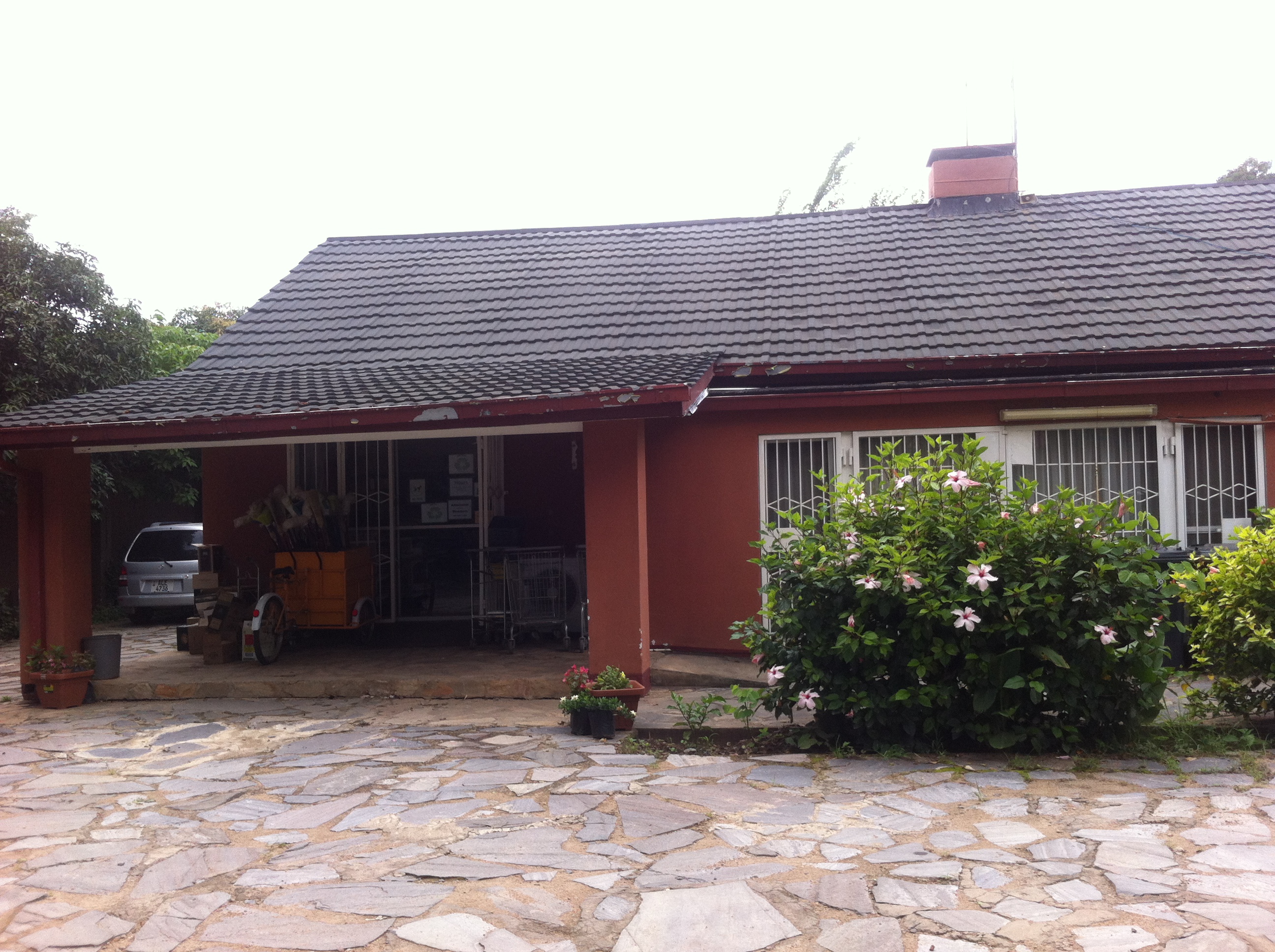
Getting to the Commissary is like going on a spy mission.  You have to know where it is.  It’s on a residential street, there is no sign outside the gate and it looks like somebody’s house from the outside!  You almost think you might have to know a password and secret handshake!

Ingwe GateIMG_0284 IMG_0283

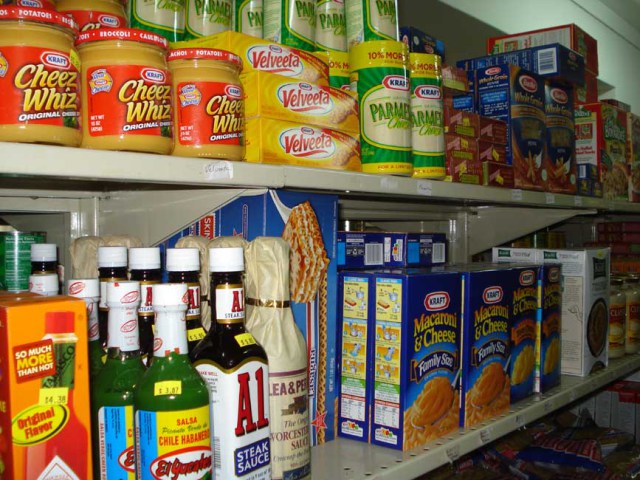
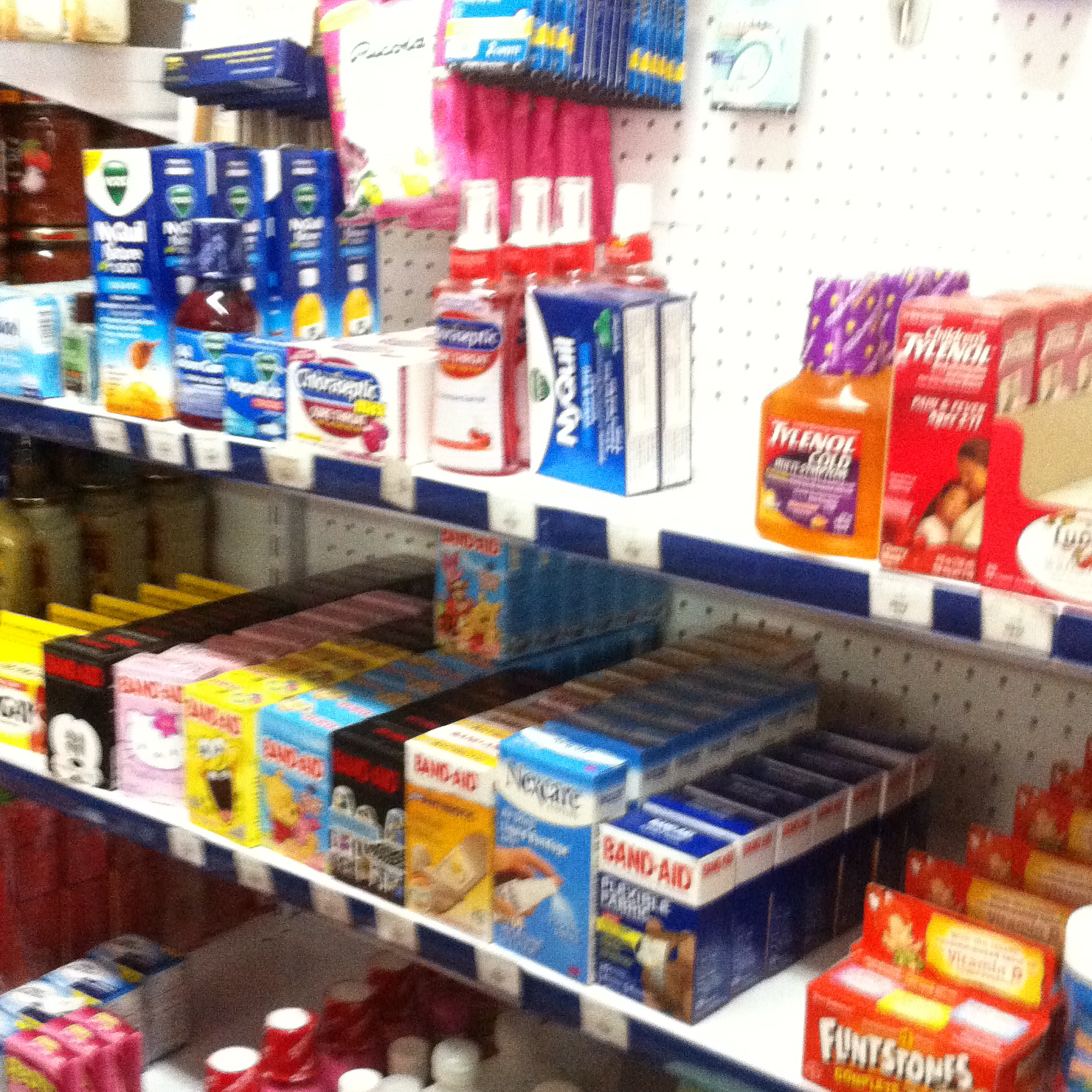
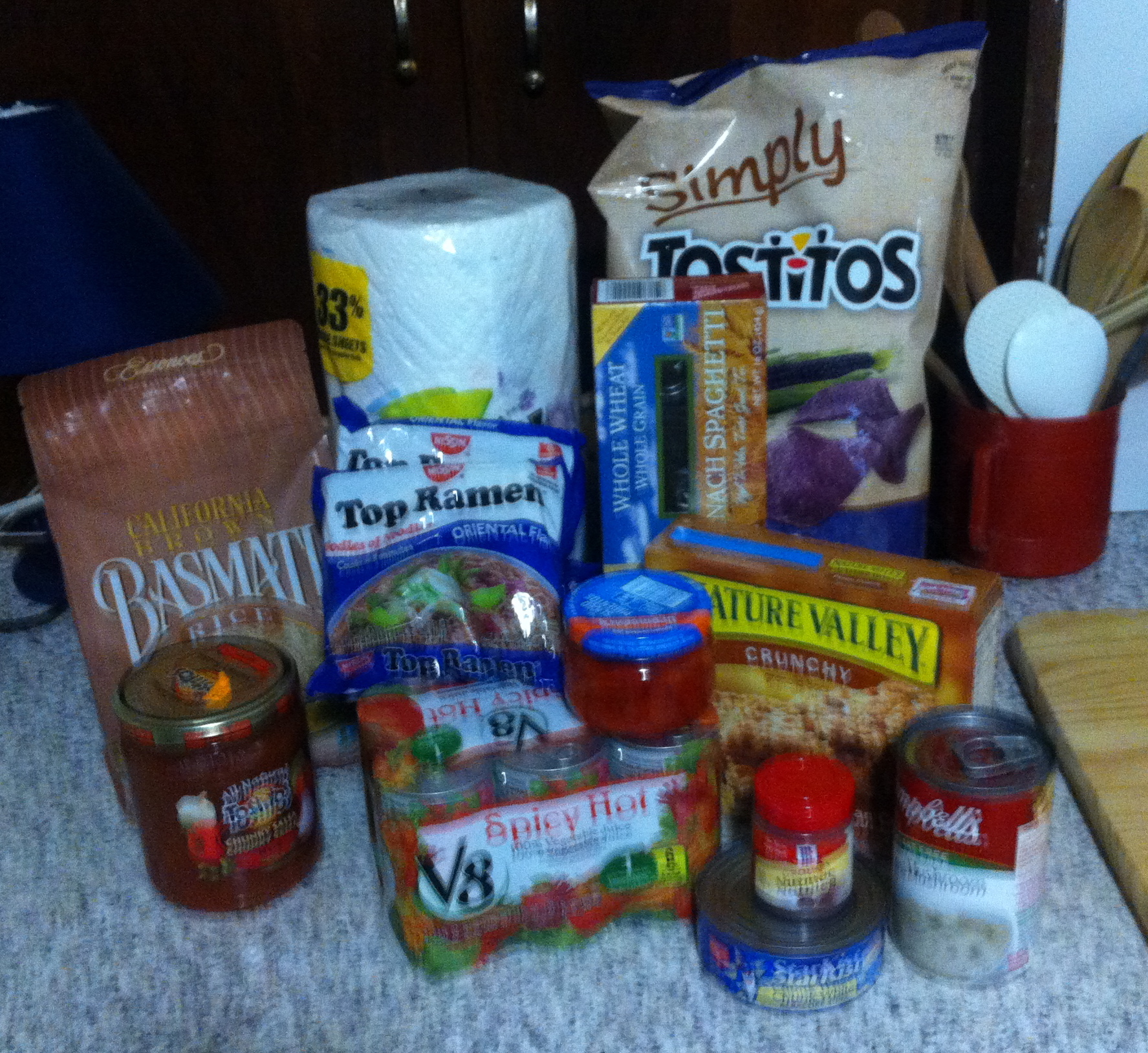
The commissary is a terrific resource for Americans here.  They get four shipments a year of all of your favorite American foods/brands that you can’t get anywhere else.  You can even request certain items, or put in for a full case which gives you a discount.  (For instance, you can buy 6 bags of Starbucks coffee beans and get 10% off the price!) Although I have been pretty satisfied with what I am able to buy at the local shops, it was a real pleasure to see some “stuff” that you just can’t find here! The prices at the commissary are very reasonable and in a few cases items are cheaper than they would be at the local grocery stores.  Of course, other things are more expensive but not outlandishly so.  And it is all “duty-free” – one of the reasons they are so strict about who gets to shop here!

Shelf1 RedMill IMG_0291 IMG_0286Beans

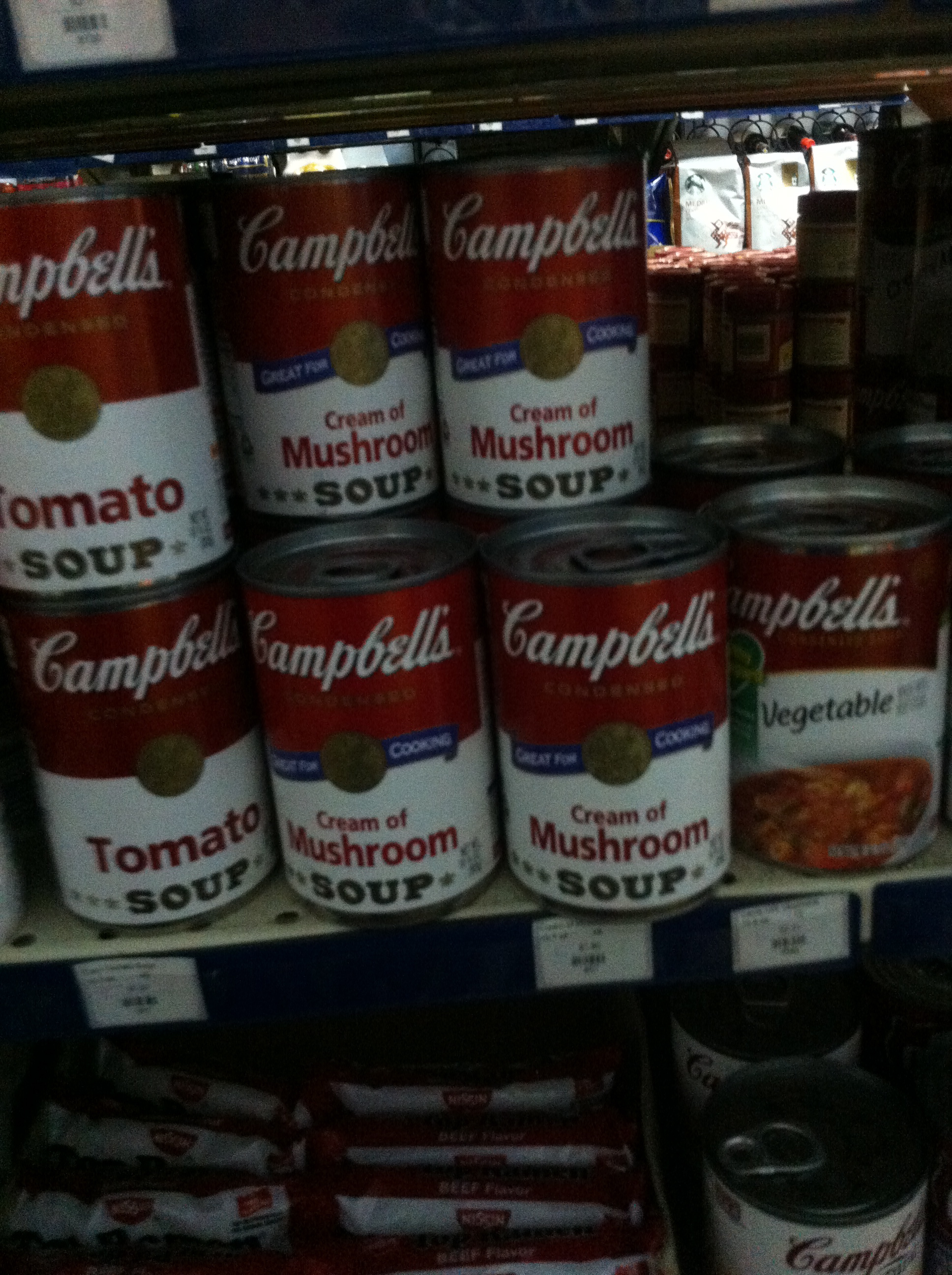
Never thought I’d be so happy to see Campbell’s soup…or decent paper towels!  (The paper towels here are more like thin toilet paper.)

IMG_0287 IMG_0288

And honest-to-god laundry detergent and household cleaners!

Cleaning

They also rent DVDs – TV shows and movies.  $2.50 a day, but if you rent on a Friday, you can keep it all weekend!

IMG_0290

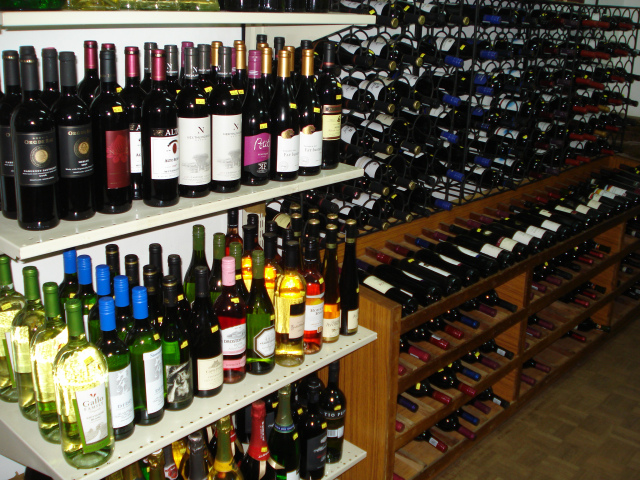
They have a great selection of liquors and beers…however, teachers are not allowed to purchase these!  Apparently, these are considered “luxury” items and everyone knows teachers don’t need any luxury!  (I tried to tell the guy who runs the commissary that booze is a necessity for teachers…he laughed, but wasn’t moved.)  So all I was able to do was look with great longing.

IMG_0285 Booze

I left with about $70 worth of items…and plans to make a tuna-fish casserole.
IMG_0293 IMG_0294

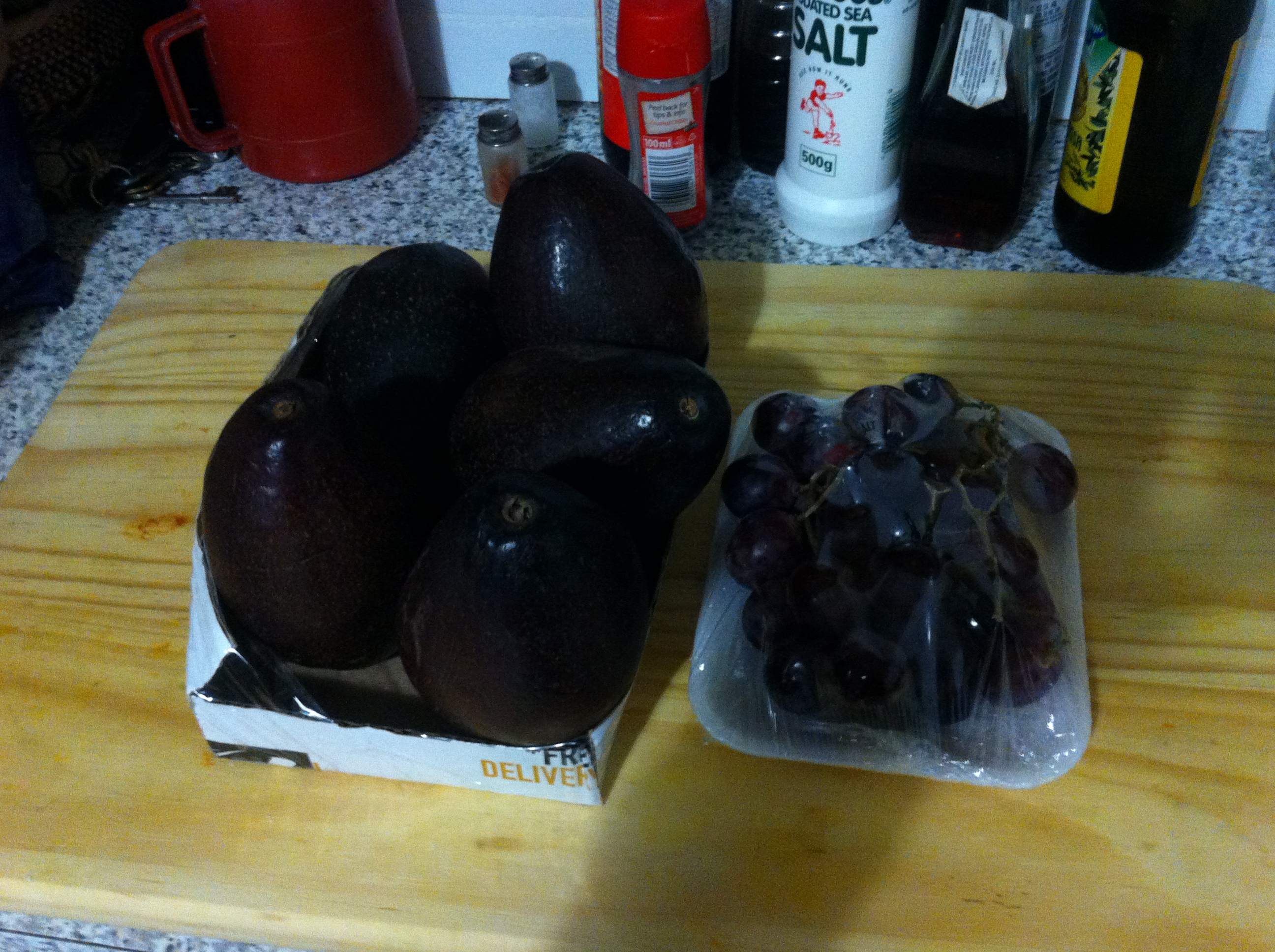
(On the way home, I was waylaid at the stop light and ended up buying 5 beautifully ripe avocados and some grapes the size of golfballs…)

IMG_0295

I am glad I finally joined the commissary – my only regret is that now I am likely to spend more money on things I didn’t even realize I was missing!

South Luangwa in the Green Season

Standard

IMG_0229IMG_0239

January through mid-April is the rainy season in Zambia and many of the lodges and camps close because of flooding or impassable roads.  However, there are some that stay open and to lure guests, they often have special deals during what they have taken to calling it “The Green Season” or even “The Emerald Season.”  I decided to take a weekend trip up to Mfuwe, which is a little village right outside of South Luangwa National Park with several all-season camps right outside the park.

I had treated myself to a pair of kick-ass binoculars and was excited to be able to try them out.  Unfortunately, my trusty Canon “Power Shot” camera, which has served me so reliably for a couple of years, went missing between Lusaka and Mfuwe.  (I had it stored in the front pocket of my backpack, which I had to check due to the plane being so teeny.  Perhaps someone gave in to temptation…alas.)  So, all these pictures were actually taken with the camera on my iPhone. While they are not of the best quality, they do give you an idea of how up close and personal we were able to get to the animals.

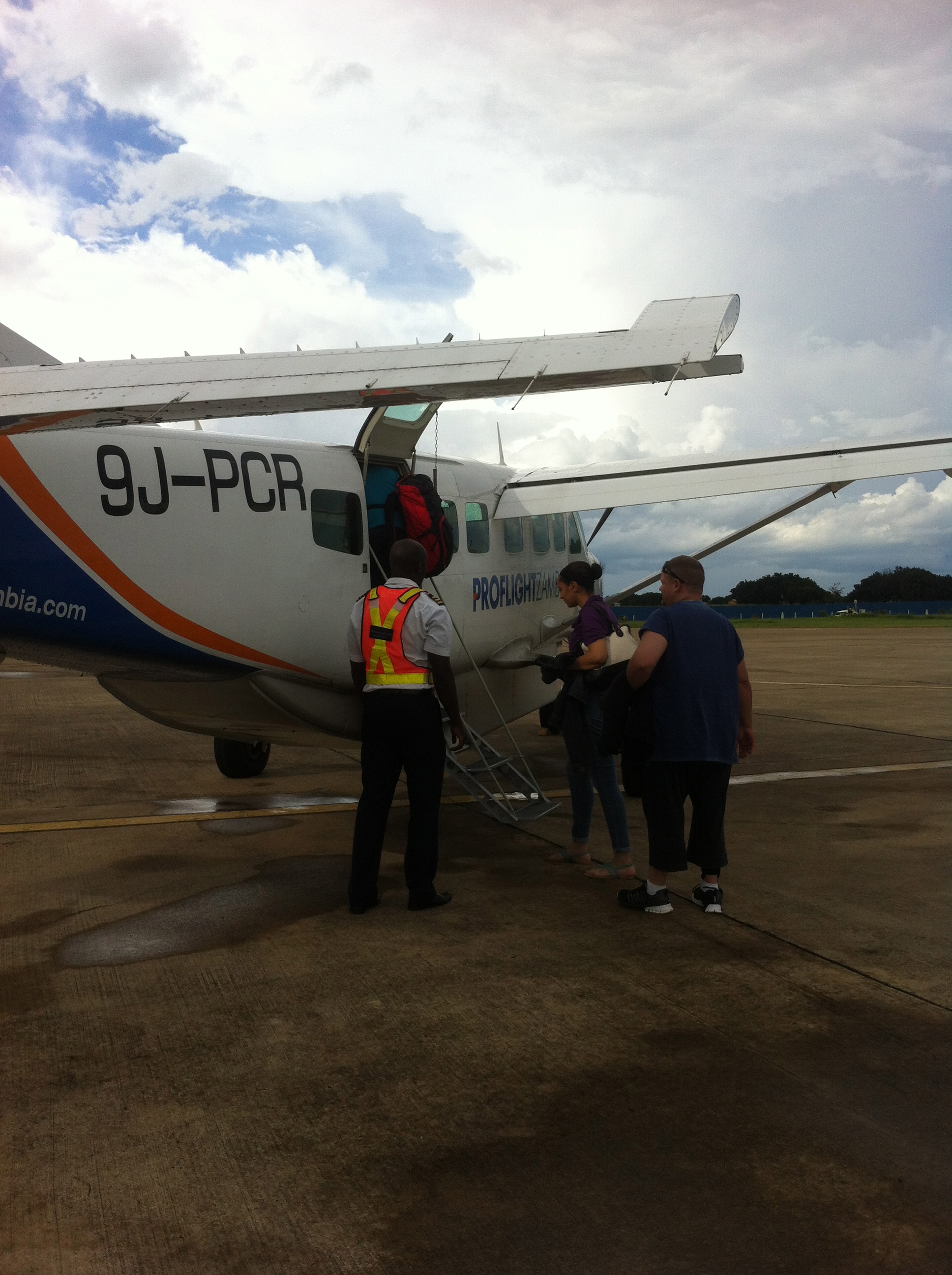
At any rate…our plane was a 12-seater prop plane which flew low enough so that I got a magnificent view of the valley and the escarpment and the river as we were coming into South Luangwa.  At first there were roads here and there and then…then there was nothing to indicate any civilisation at all.  Every once in a while, I could see a small cluster of huts…but no road or any discernible way to get there!  And GREEN!  Every thing was bursting with green…bright, emerald green.

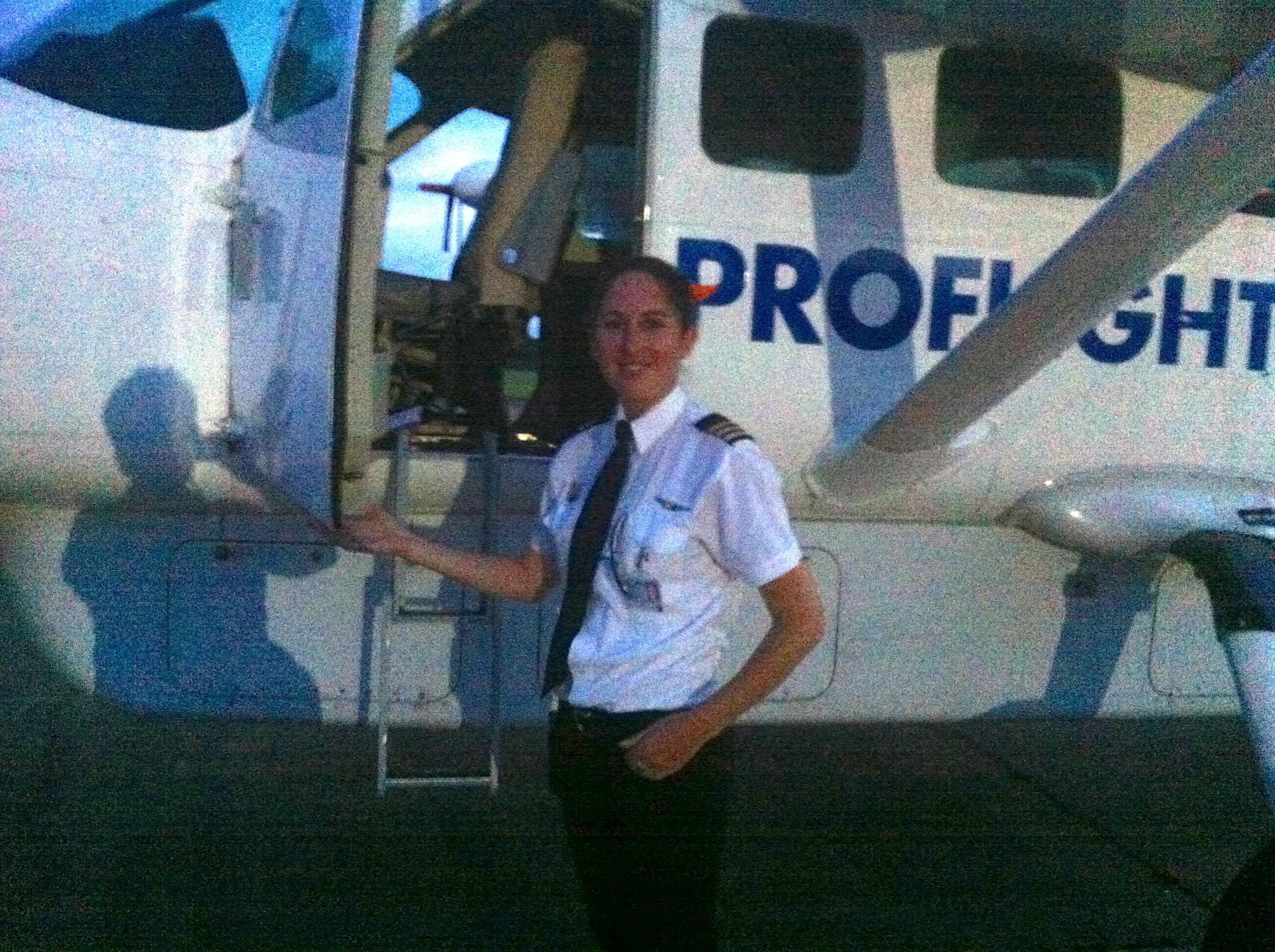
Our pilot was a young woman named Kate, who said she’d been flying in Zambia for about three years.  She was excellent, and it was fun being able to see all the controls and buttons.

IMG_0182 IMG_0185

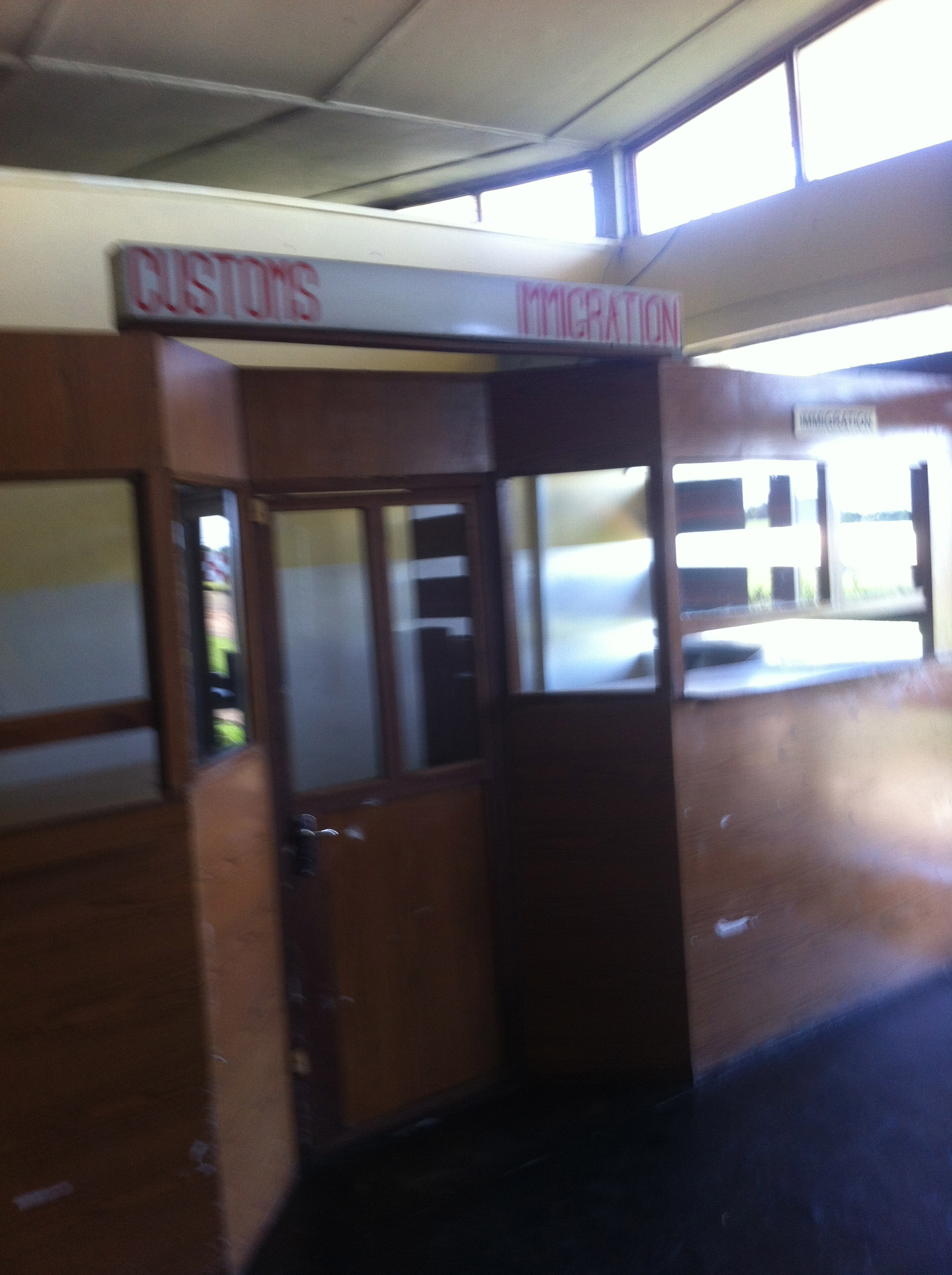
Mfuwe is actually an “International Airport” because it gets flights from Malawi.  It is a tiny place, but has a decent tarmac runway and a terminal with a shop and some sculptures made by local artists.  And a customs counter, for international travellers…

IMG_0280 IMG_0279 IMG_0278

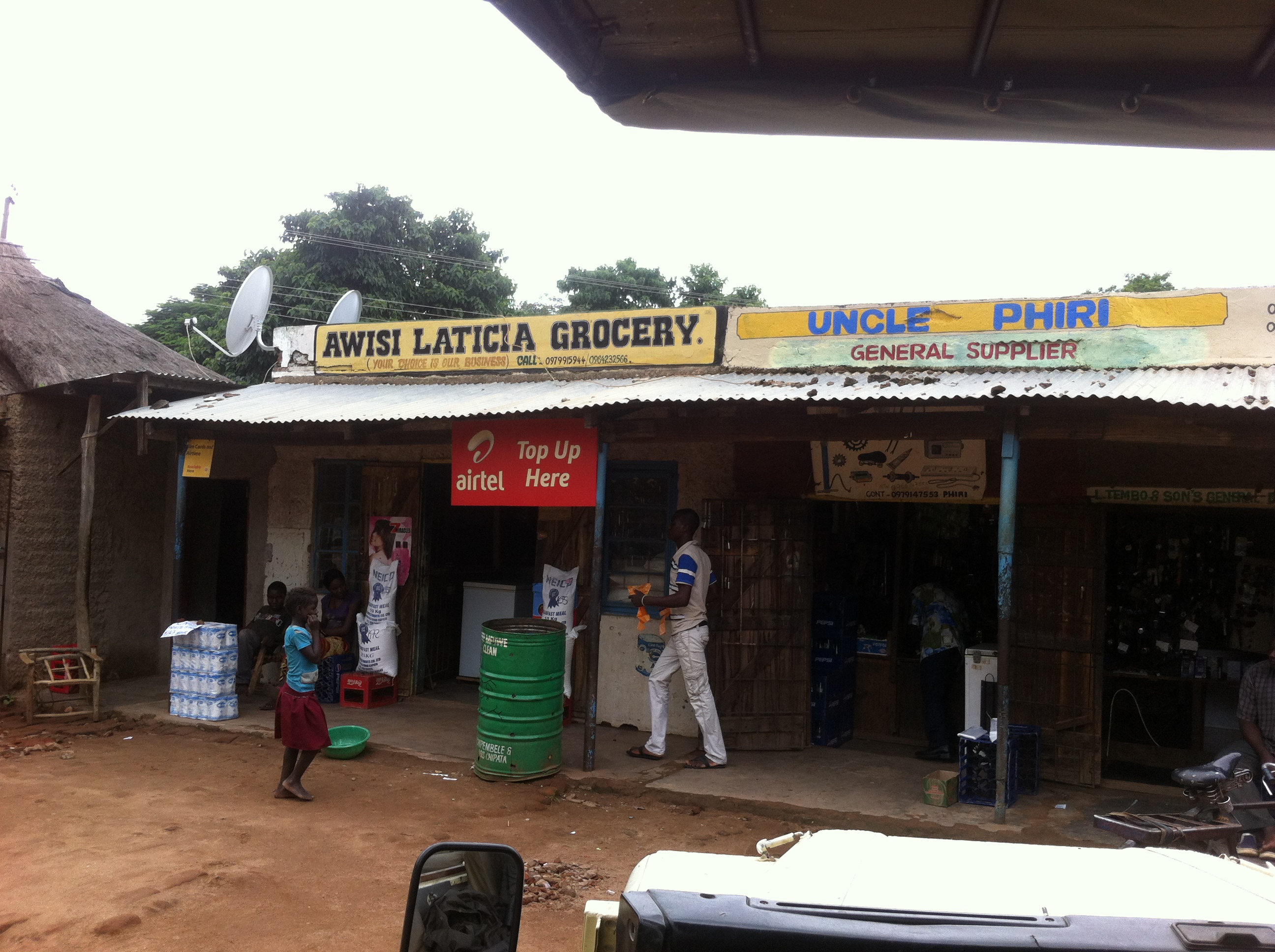
The driver from my camp was waiting for me when I arrived.  His name was James and he was also to be my guide on the game drives.  We drove through the “village” of Mfuwe, which is actually just a strip of road with some stores and markets on either side.

IMG_0233 IMG_0232

By the time we got onto the dirt road to the camp, it was fairly dark…and one of the first animals we saw was a young hippo, trotting through the bush with what looked like flowers on his back! It looked like something out of a Disney cartoon.  James said that it was a plant called Chinese cabbage.  It floats in the water and sometimes sits on the smooth, flat back of the hippo.  We joked that since it was Valentine’s Day, this hippo was delivering flowers to his sweetheart.

(I didn’t get a picture, but it looked something like this…)
hippo-nile-cabbage

When we got to the camp, I found that I had been upgraded to a large chalet, right on the river.  (There were so few people in camp that they decided to put us all together.)  I was very pleased…it almost made up for having my camera nicked.

IMG_0234

A late dinner and a glass of wine and I was ready for bed…the morning game drive was at 6:00am!

South Luangwa is a huge park! The southernmost of three national parks in the valley of the Luangwa River, it  is a world-renowned wildlife haven. It supports large populations of Thornicroft’s Giraffe, and herds of elephant and buffalo while the Luangwa River supports abundant crocodiles and hippopotamuses.  Founded as a game reserve in 1938, it became a national park in 1972 and now covers 9,050 km!

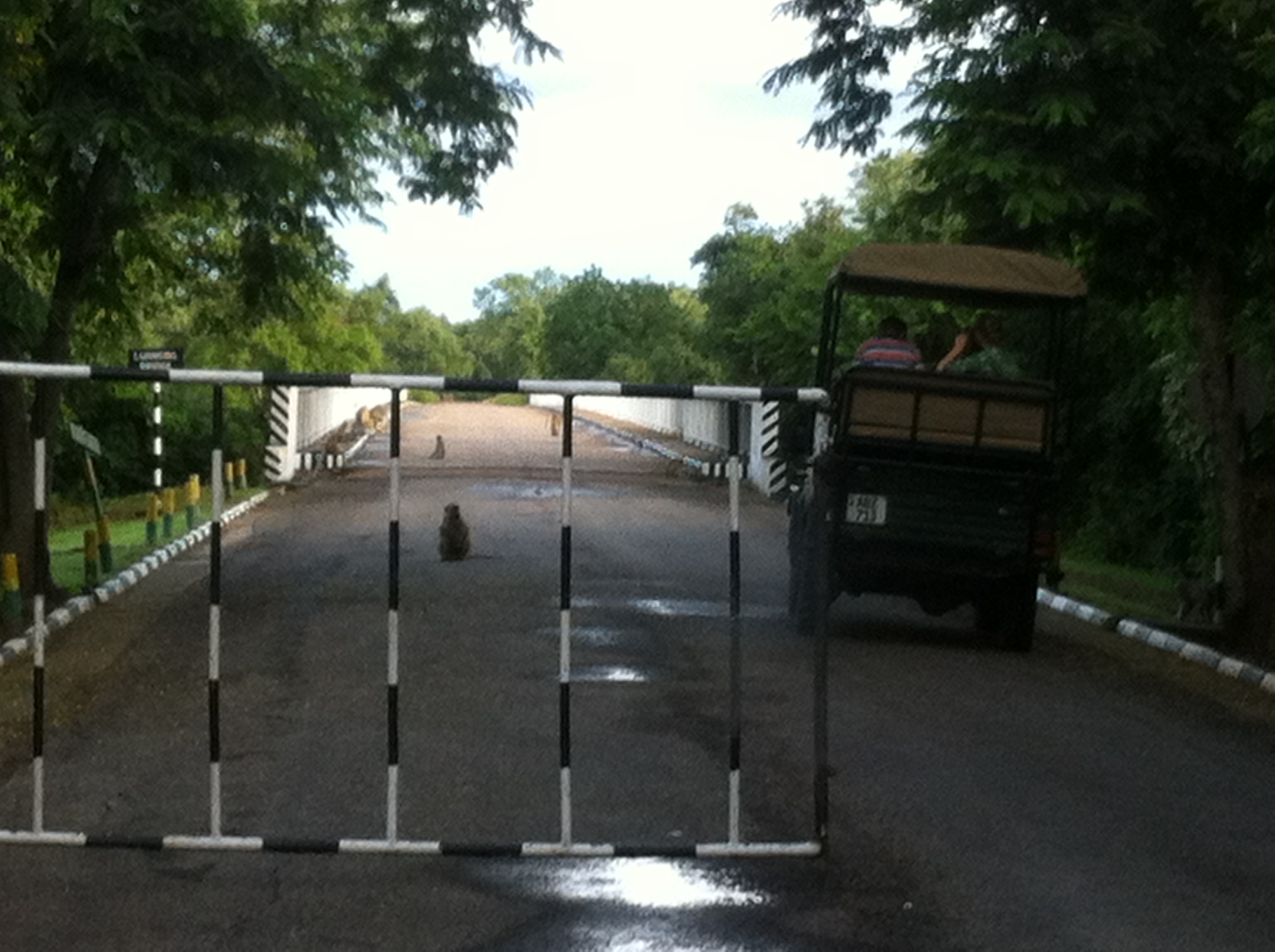
When we arrived at the gate, we were greeted by a bevy of baboons.  These are yellow baboons; smaller than the ones I saw down in Livingstone.  They were quite active and there was lots of flirting and grooming going on – we saw one female busily grooming a male while he sat in splendour and closed his eyes in ecstasy.  It was obvious that he would “get a little something” (as James said) later on that morning.

IMG_0192 IMG_0191

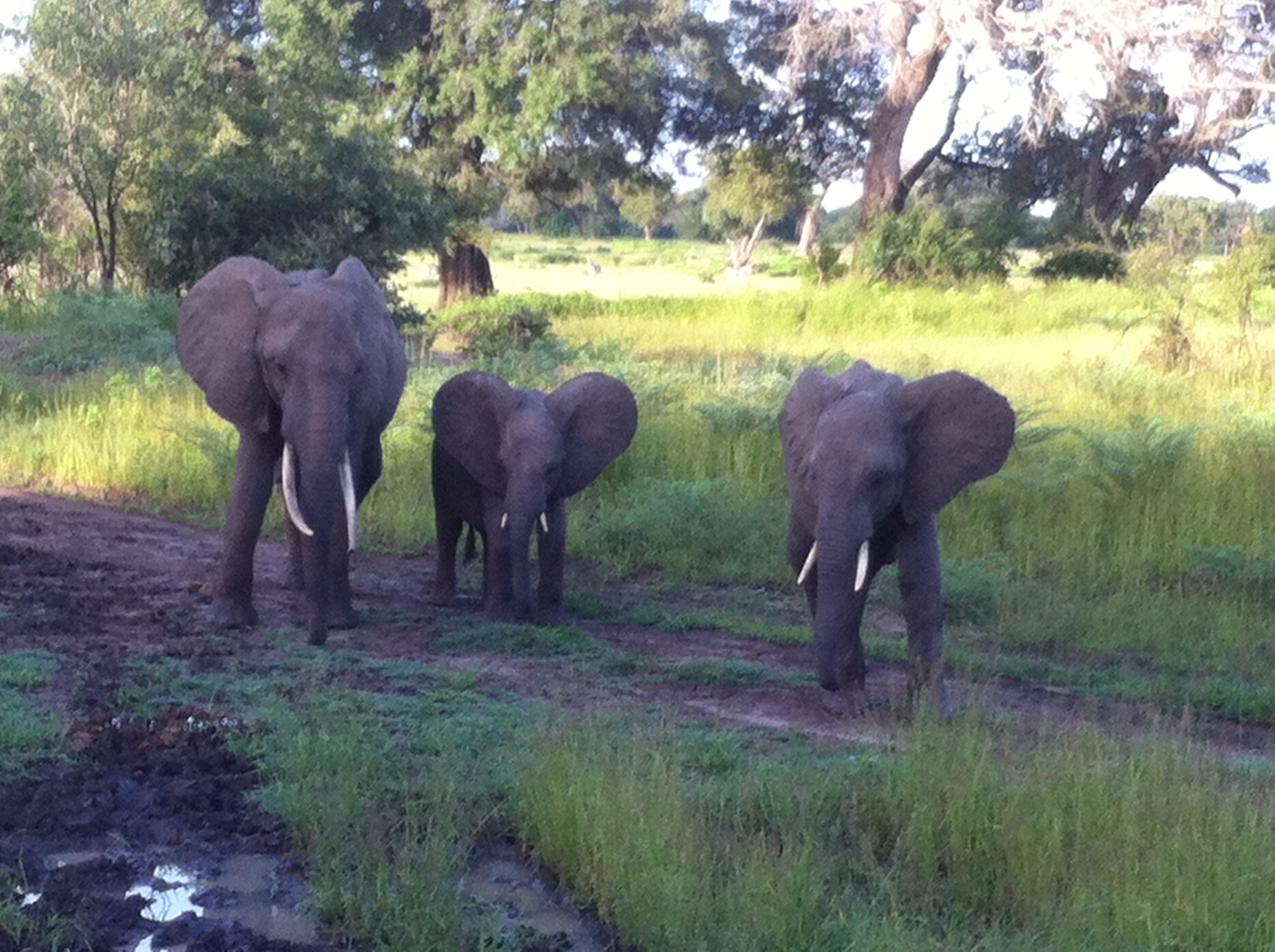
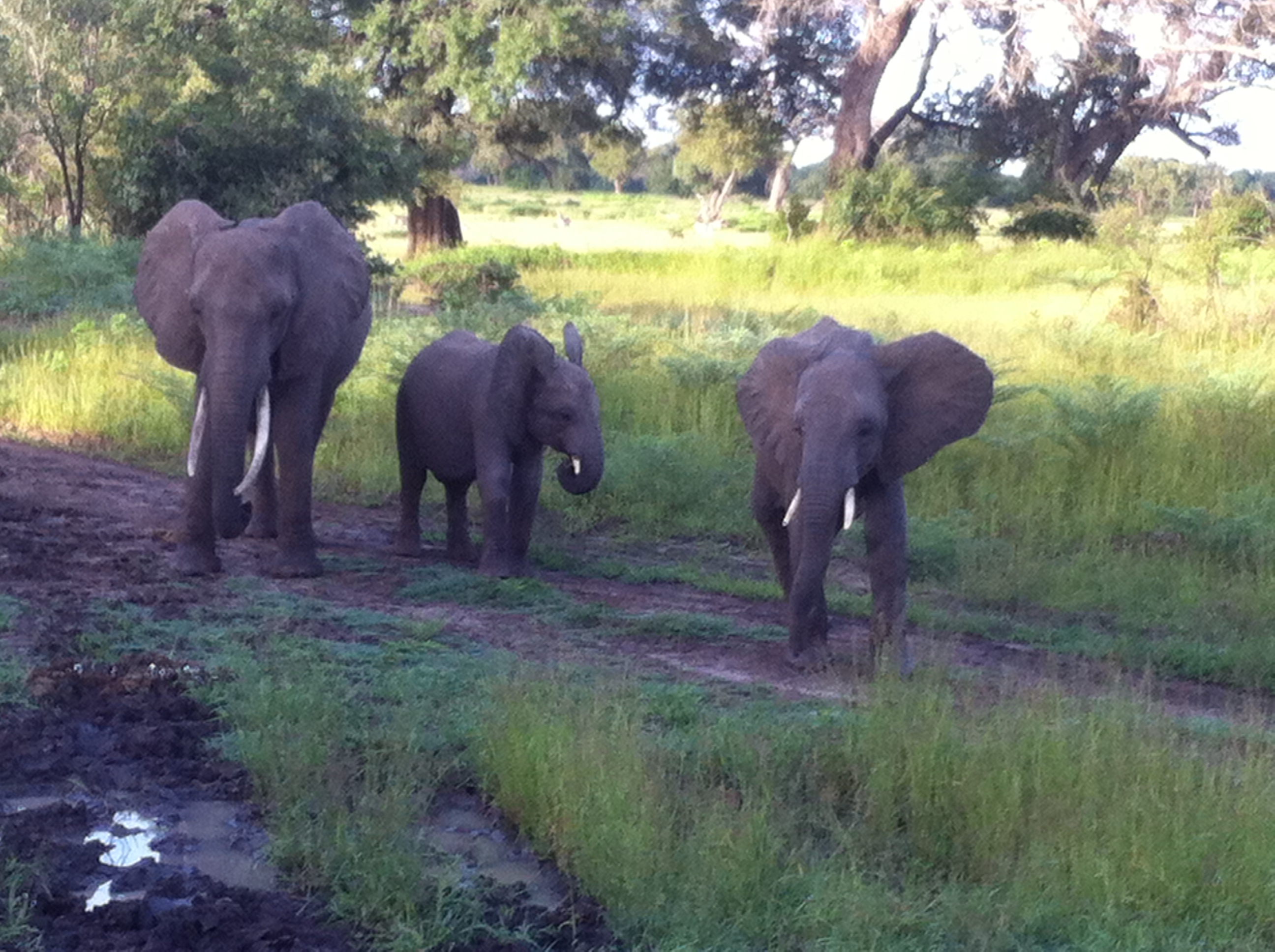
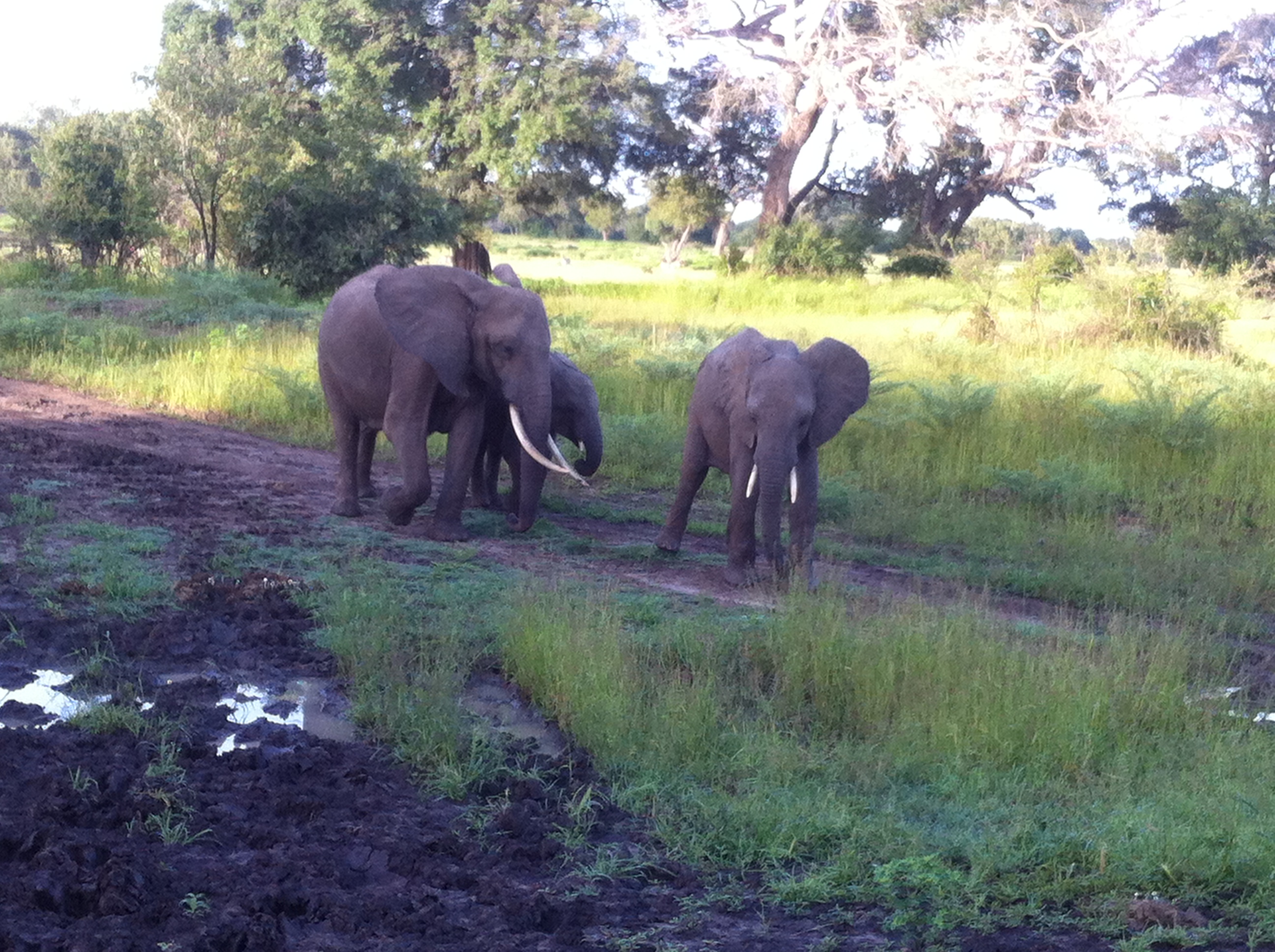
The park was overflowing with new life.  Baby elephants tottered after their mothers, who often had an older calf as well.  We also saw a number of solo young male elephants, looking a bit bewildered.  When male elephants get to be about 15 years old or so, their mothers and aunts kick them out of the group, to prevent them from mating with their sisters and cousins.  We saw this happening – a large female with a calf by her side was pushing a young male with her head and tusks – forcing him away from the family.  This male was the same one we had seen a bit earlier, chasing a herd of impala and trumpeting loudly as he did.  Why? For fun!  Pure adolescent mischief.

Single males often form their own “bachelor groups” after a while.  Elephants are very social animals.  They are also extremely protective of their young and the only animals we viewed that did not take kindly to being gawked at by humans.  The mother would take her trunk and gently coax the baby away from the road…sometimes, looking anxiously back at us to be sure we were not following.

IMG_0238 IMG_0256 IMG_0255 IMG_0257

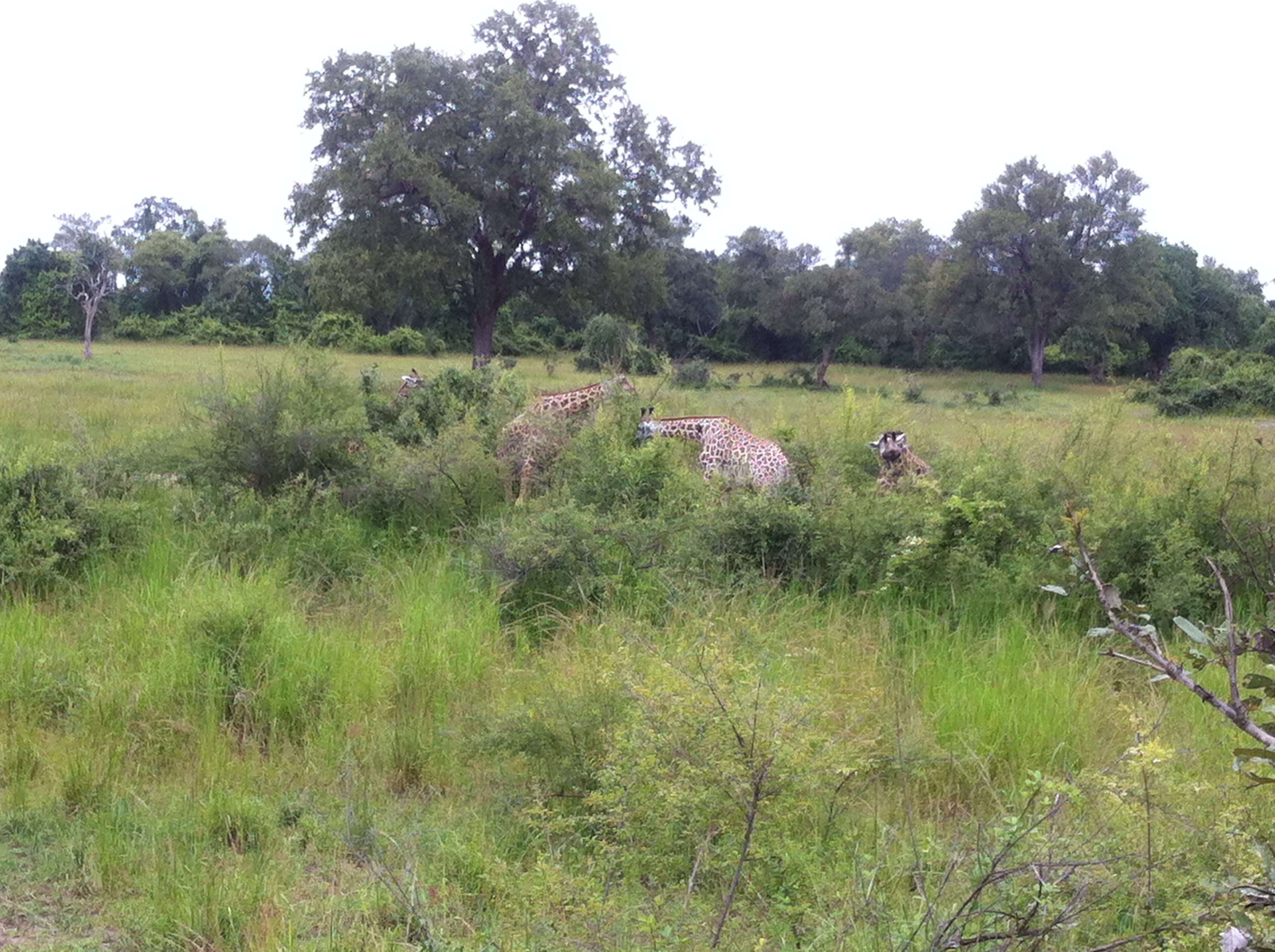
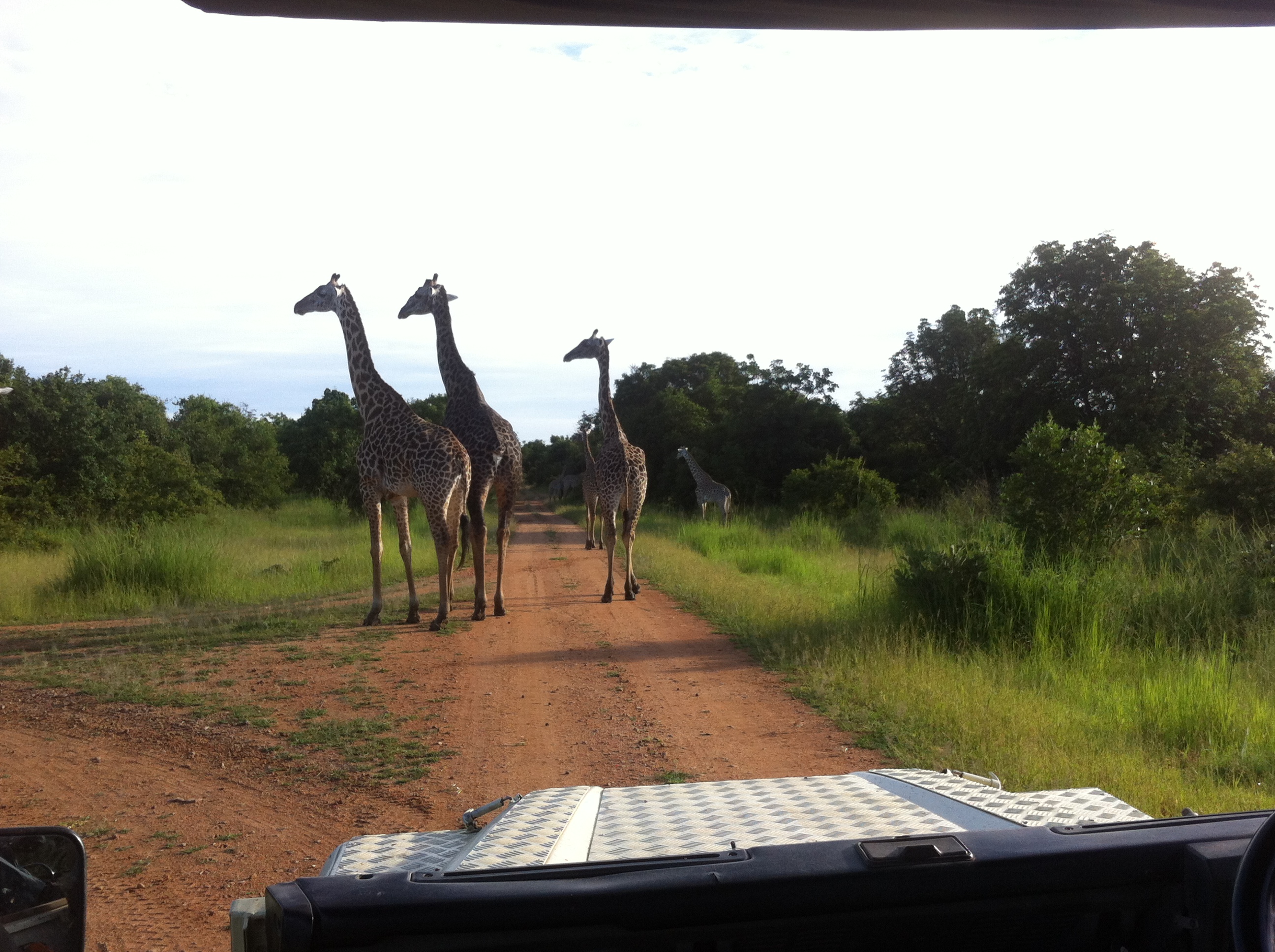
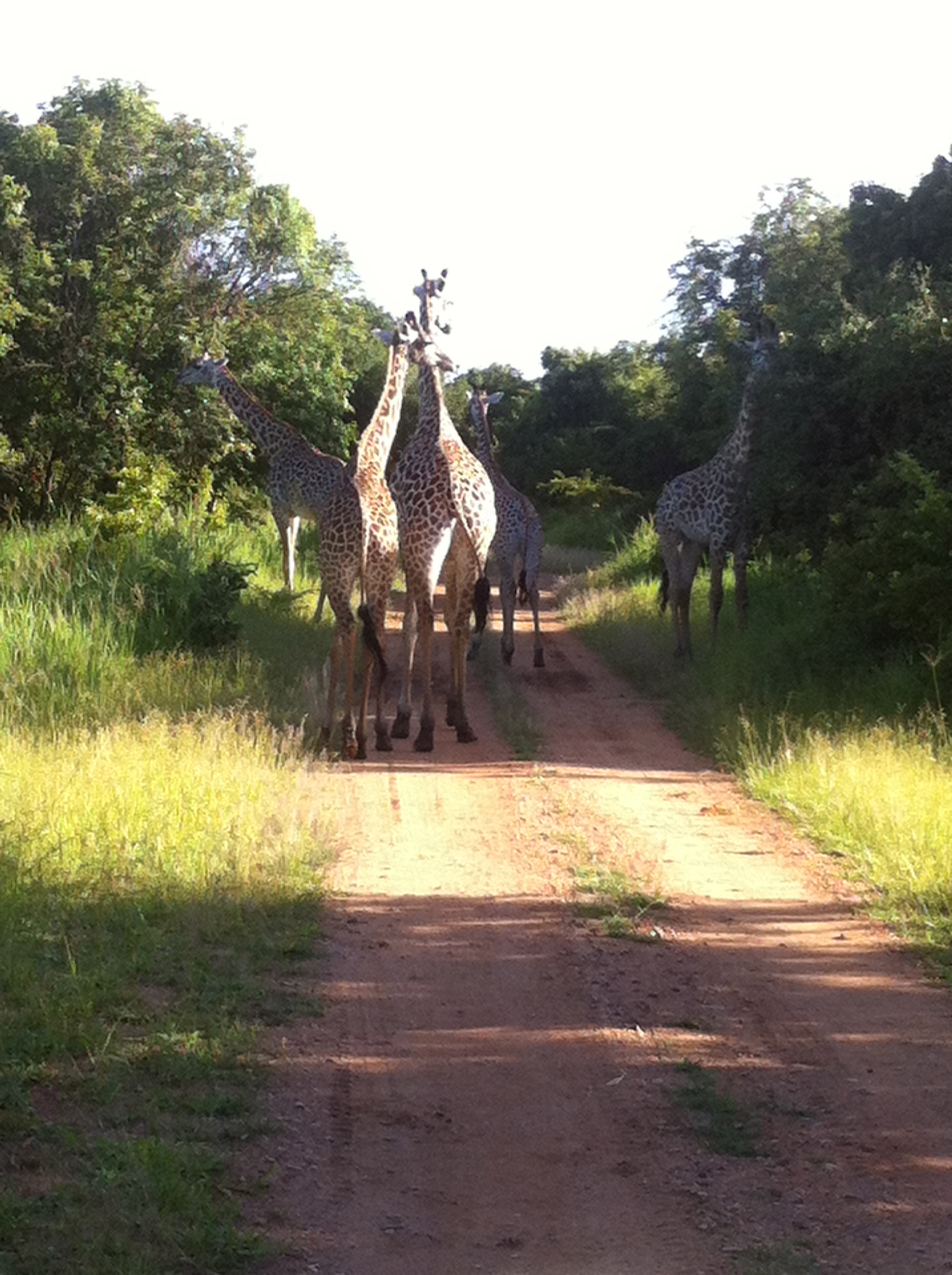
We also saw numerous giraffes.  As giraffes age, their spots get darker, so you can often guess their age by their colour.  Giraffes tend to be solitary animals, although they do graze in groups.  A group is called a “herd” although there is a phrase “a tower of giraffes.”  At one point, we came upon a group standing in the road, nibbling on the trees.  They were quite reluctant to leave and blocked our way for quite a while.

IMG_0261 IMG_0262 IMG_0263 IMG_0264 IMG_0266

Birds were in abundance.  We saw several crested cranes; beautiful birds with a crown of feathers on their heads.  We were extremely lucky to see two of the birds in a mating dance – the male bobbing and weaving and puffing out his feather and the female gracefully circling around him.  My binoculars gave me a terrific close-up view of the romance-in-progress.

IMG_0224

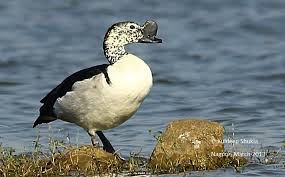
Other birds included a marshall eagle, kingfisher, saddle-bill stork, a knob-billed duck and a bittern.  The knob-billed duck is a funny-looking creature; his bill looks as though someone stuck it on sideways.  It has a small knobby protrusion that gets bigger during mating season.  Apparently, girl ducks like guys with big bills! (Not my picture…but this is what it looked like!)

Knob billed duck

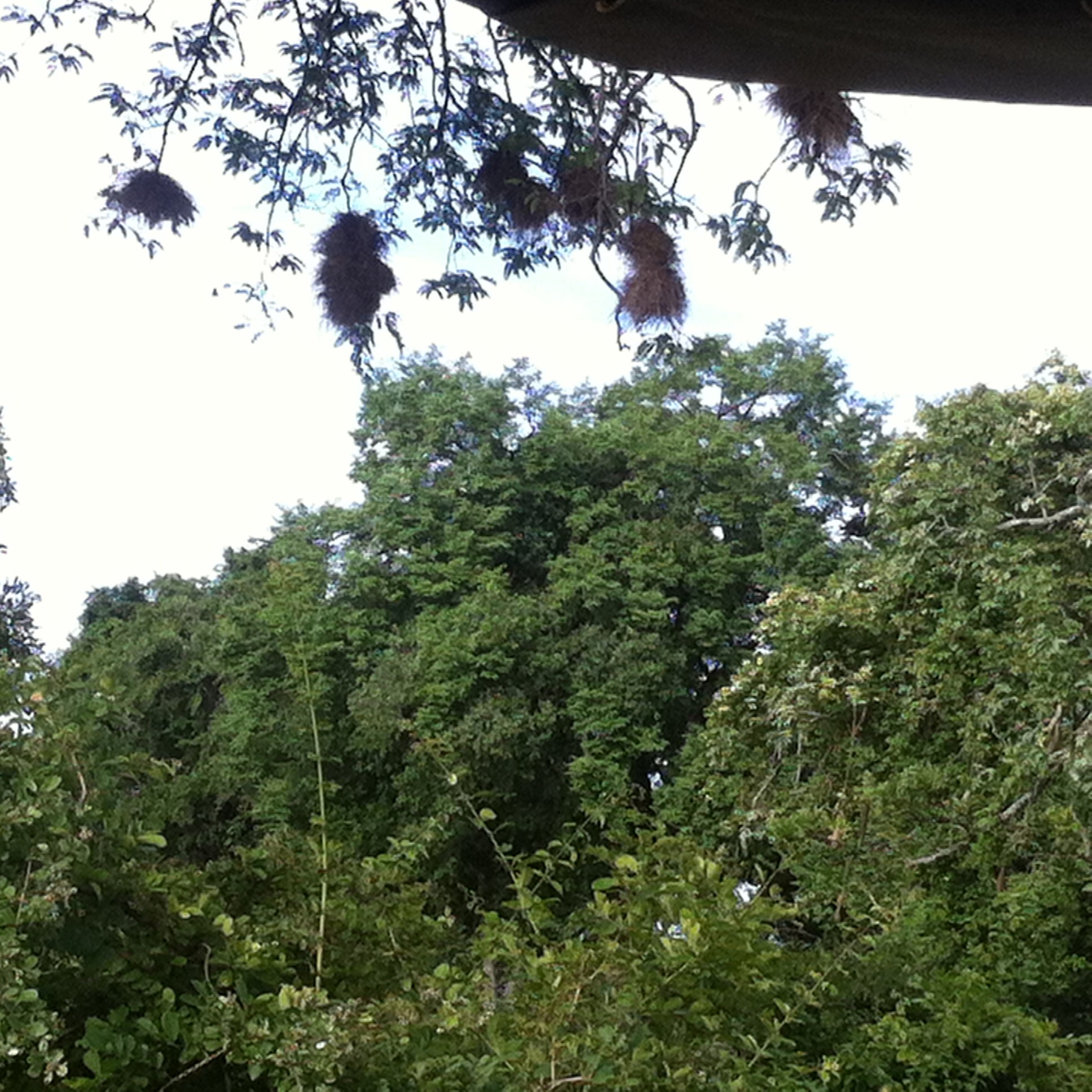
There are several types of “weaver” birds who make intricate nests out of grass and hay.  The nests hang from the very edge of the branches. They look like they should slip off, but they don’t.

IMG_0203

Then, we were treated to an incredible view of a leopard.  Probably a female, she was resting under a copse of trees, waiting for nightfall when she could get her dinner – there were many impala grazing on the field in front of her. She didn’t seem to mind us at all; just sat there looking like a big pussycat, blinking and occasionally licking a paw.

IMG_0249

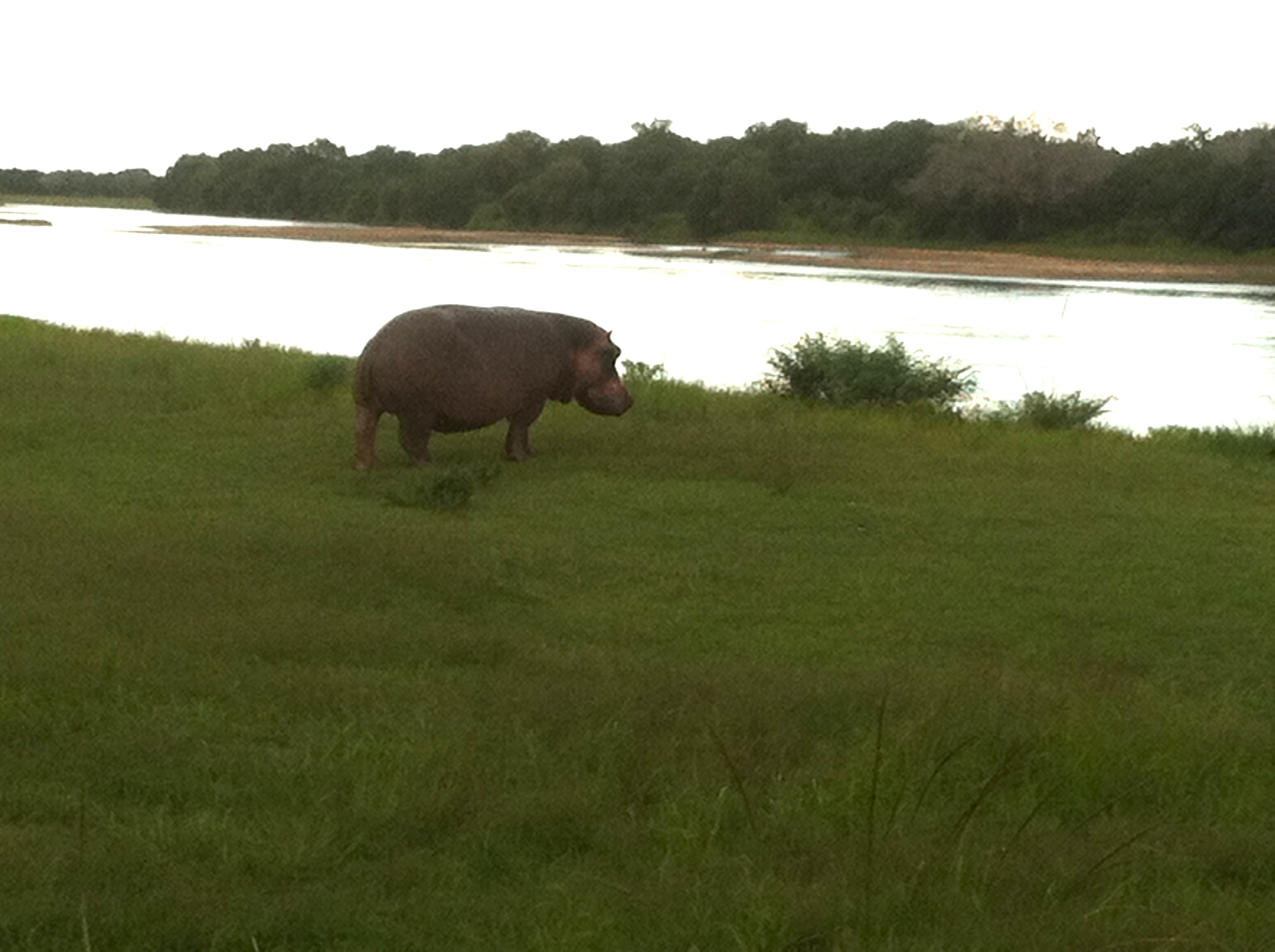
An enormous hippo crossed our path, making his way towards the river.  You wouldn’t think hippos could trot, but they can really move!  This big boy was not happy we were following him, but finally he stopped and turned his head so we could get a picture before he dived into the river with a huge splash!

IMG_0244 IMG_0246 IMG_0245

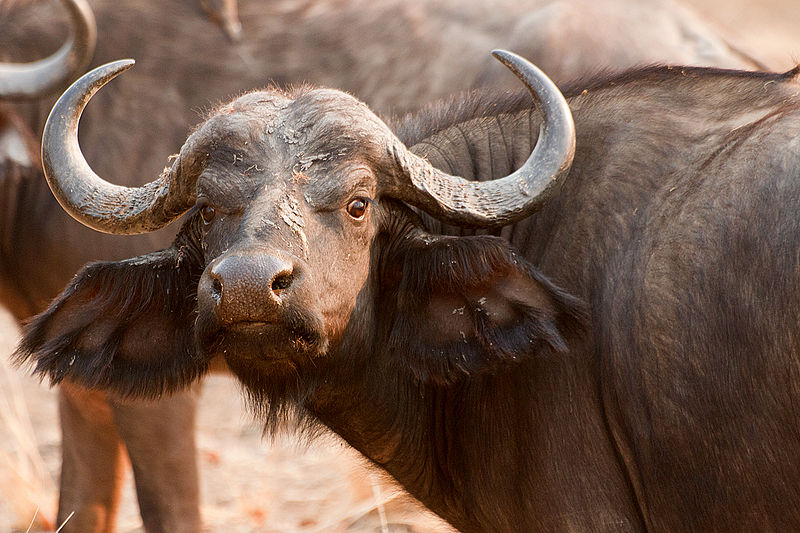
There are many buffalo in the park.  These are not the docile, cattle-like creatures we have in states.  These are ornery and mean.  We saw a trio of old bachelors living out their days in relative solitude.  Apparently, when buffalo get old, they get tired of the mating game and sometimes simply choose to “batch it” with a couple of other like-minded senior-citizens.  They turn and stare directly at you, and as James said, “They always look, but they never smile…”

Wild_Buffalo

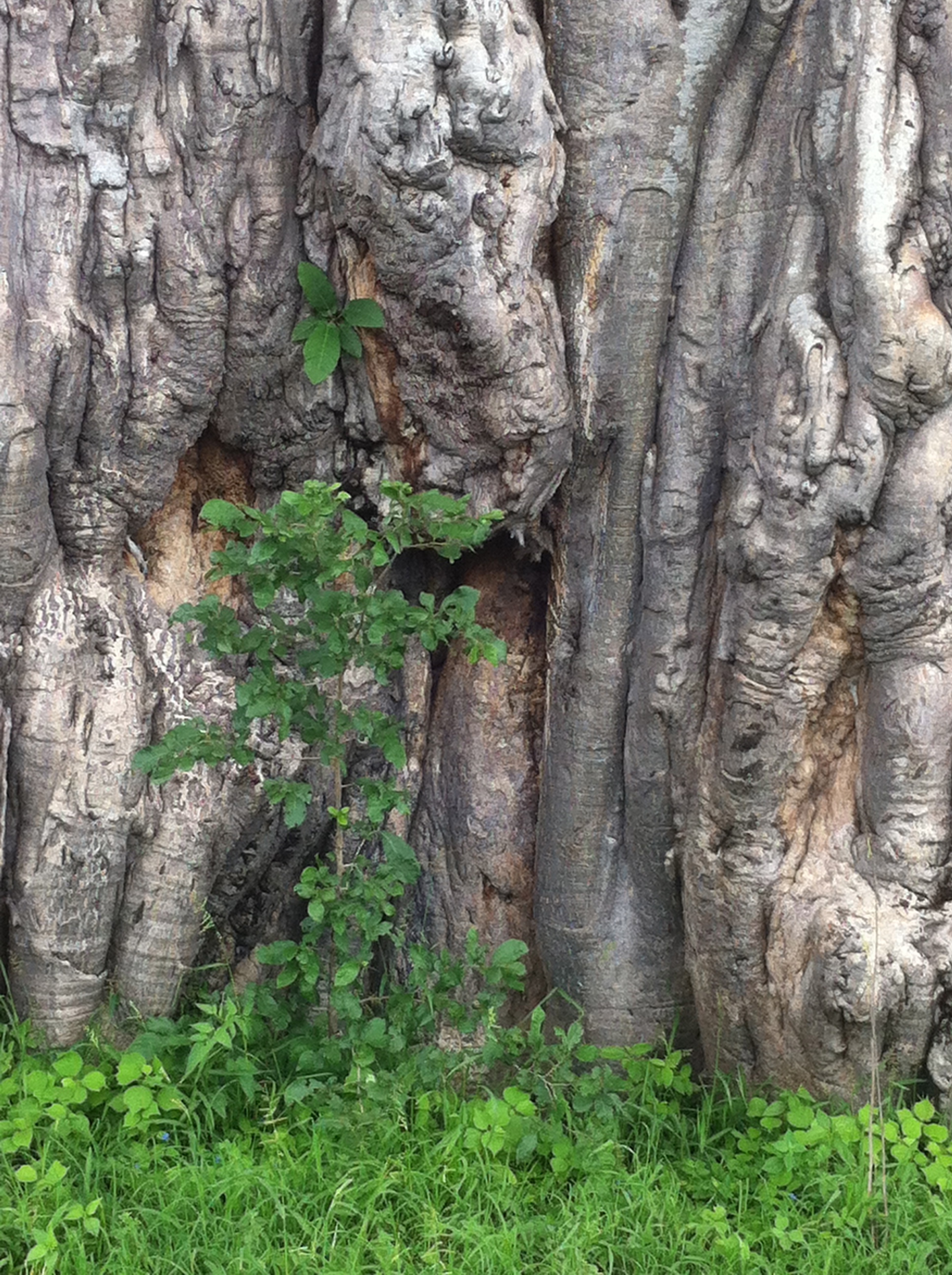
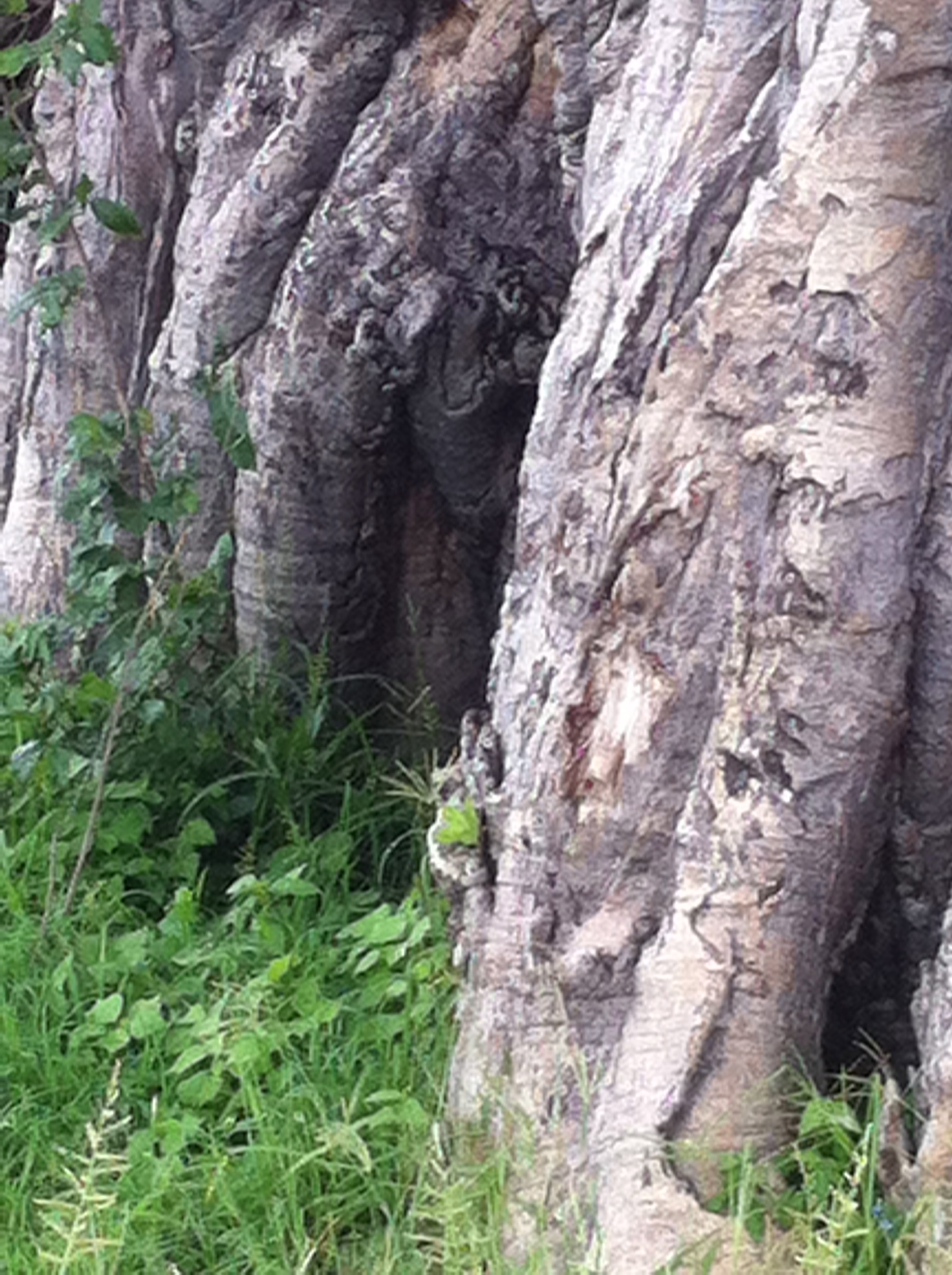
There is a huge baobab tree in the park that is over 2500 years old!  It has weathered storms, drought, floods and elephant damage and is home to many birds and a big next of bees. I loved this tree!

IMG_0221 IMG_0220 IMG_0217 IMG_0215 IMG_0214 IMG_0210 IMG_0209


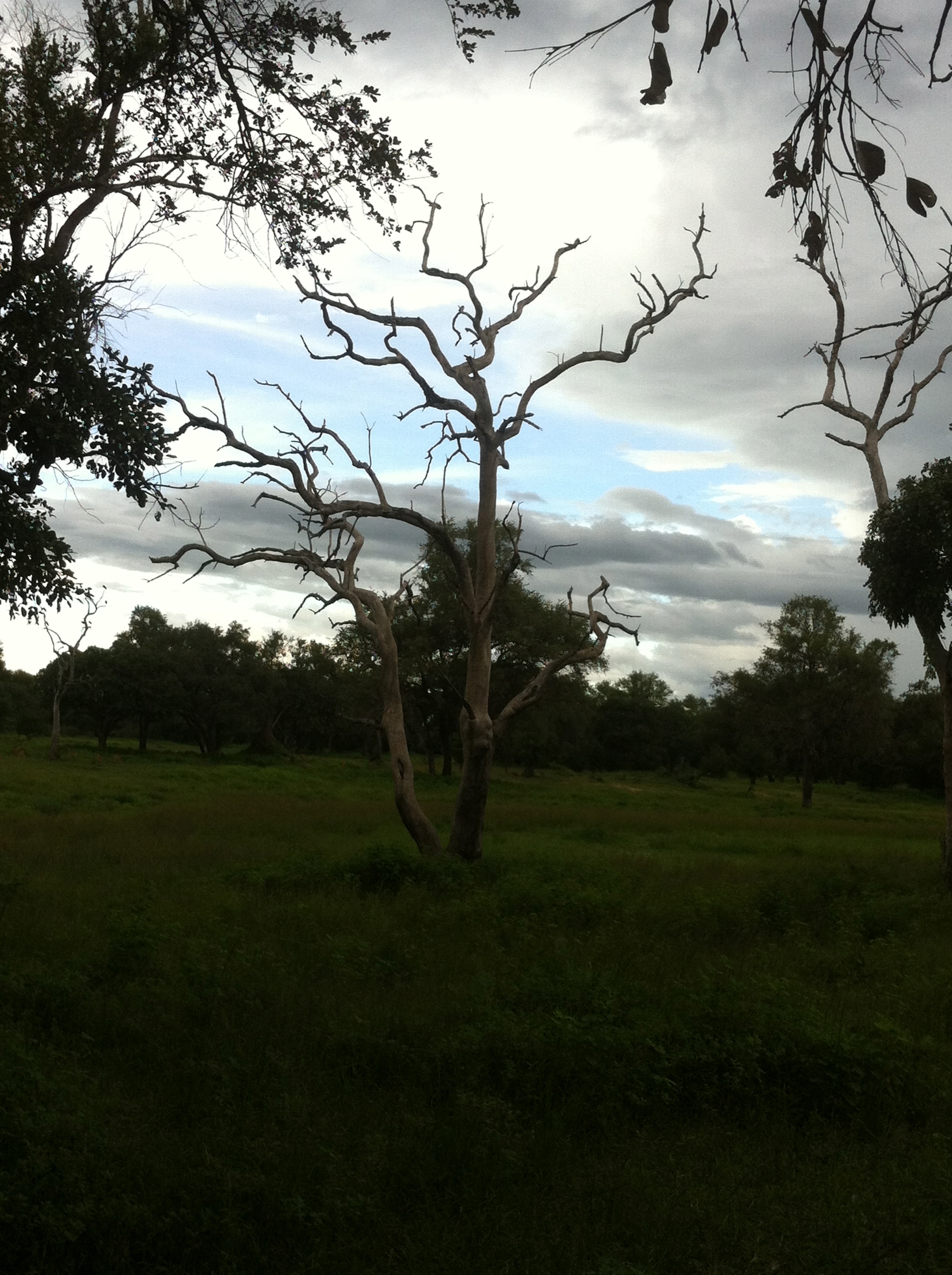
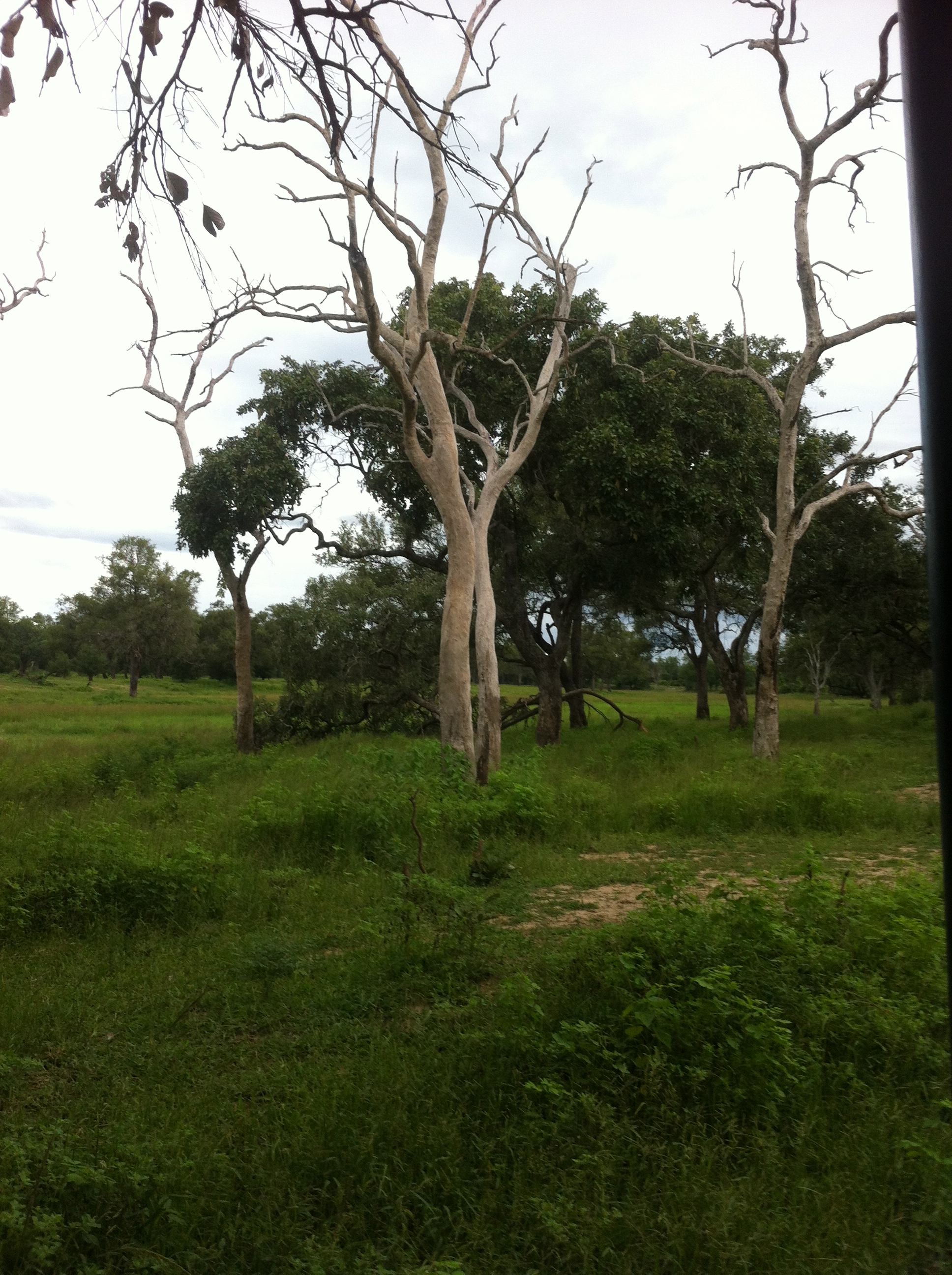
There were some other trees that looked almost ghost-like.  Apparently, these trees were dead…but even after death, stayed standing for up to 30 years before finally coming down.

IMG_0241 IMG_0240


I was hoping to see a hyena and we saw plenty of clear, recent tracks…but no hyena appeared.  We also came across the jawbone of a young elephant.

IMG_0270 IMG_0267


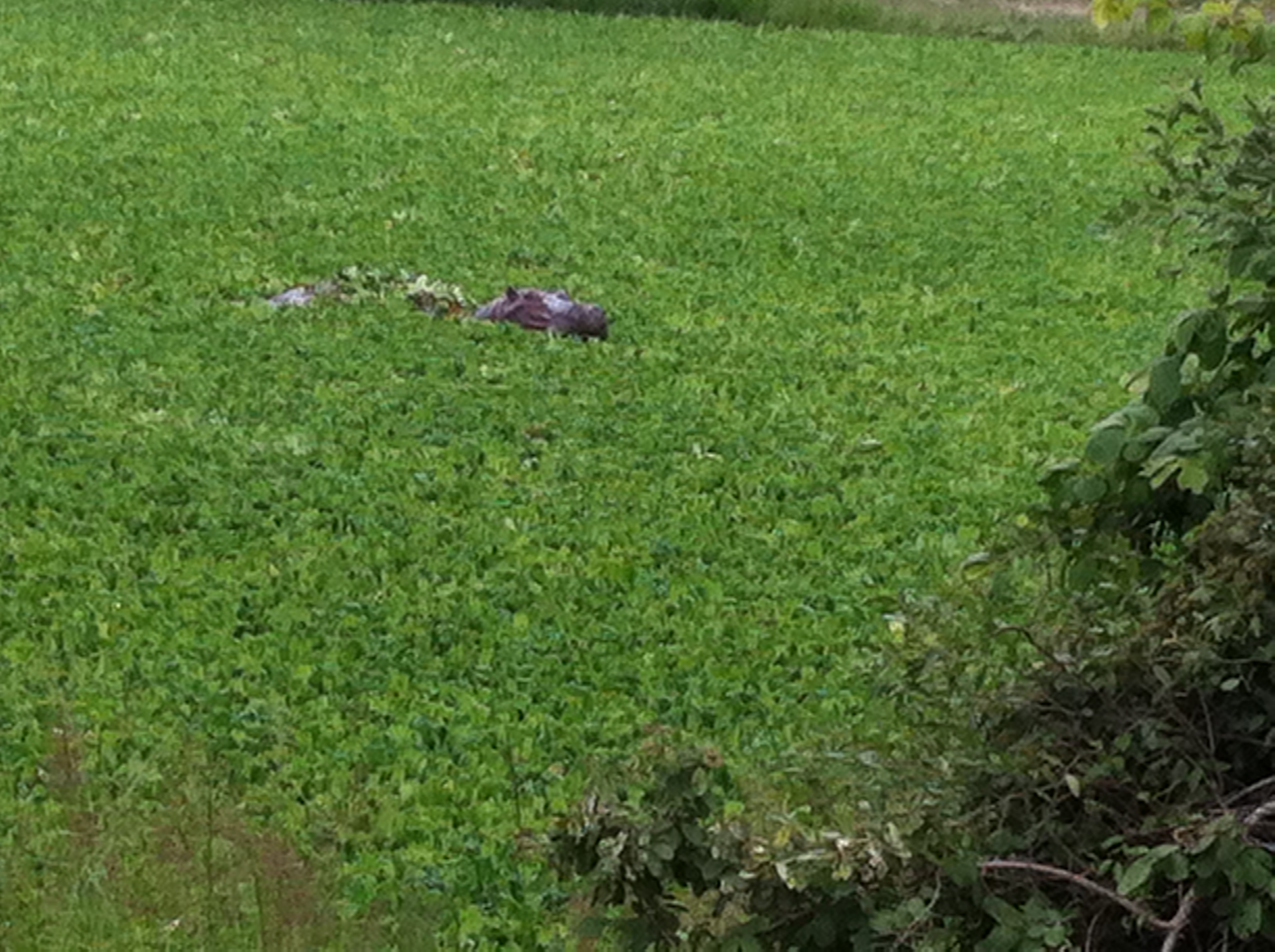
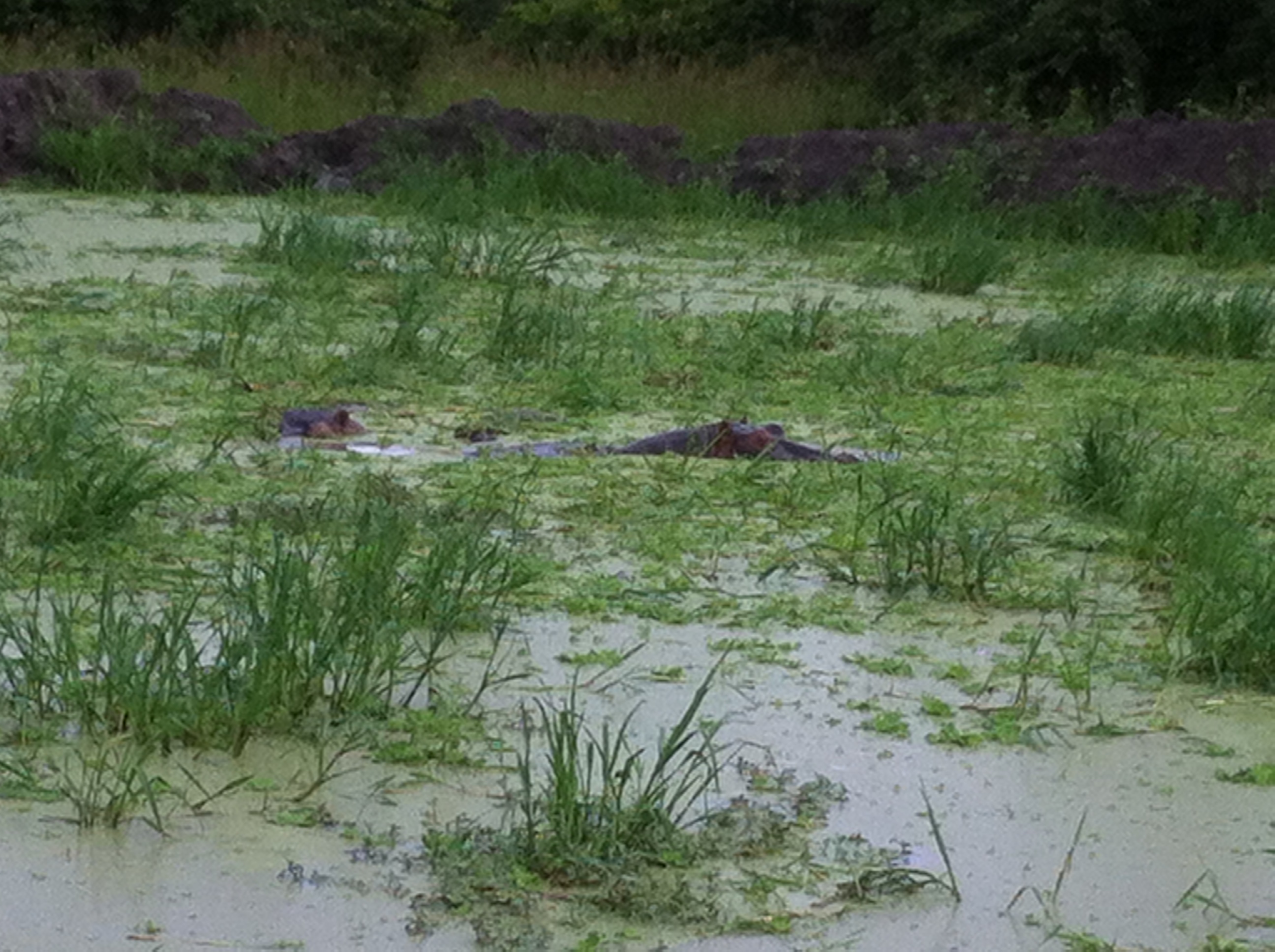
Here is a hippo, eating his way through a pond full of Chinese cabbage. You could hear him chomping his way across the pond.

IMG_0277 IMG_0276

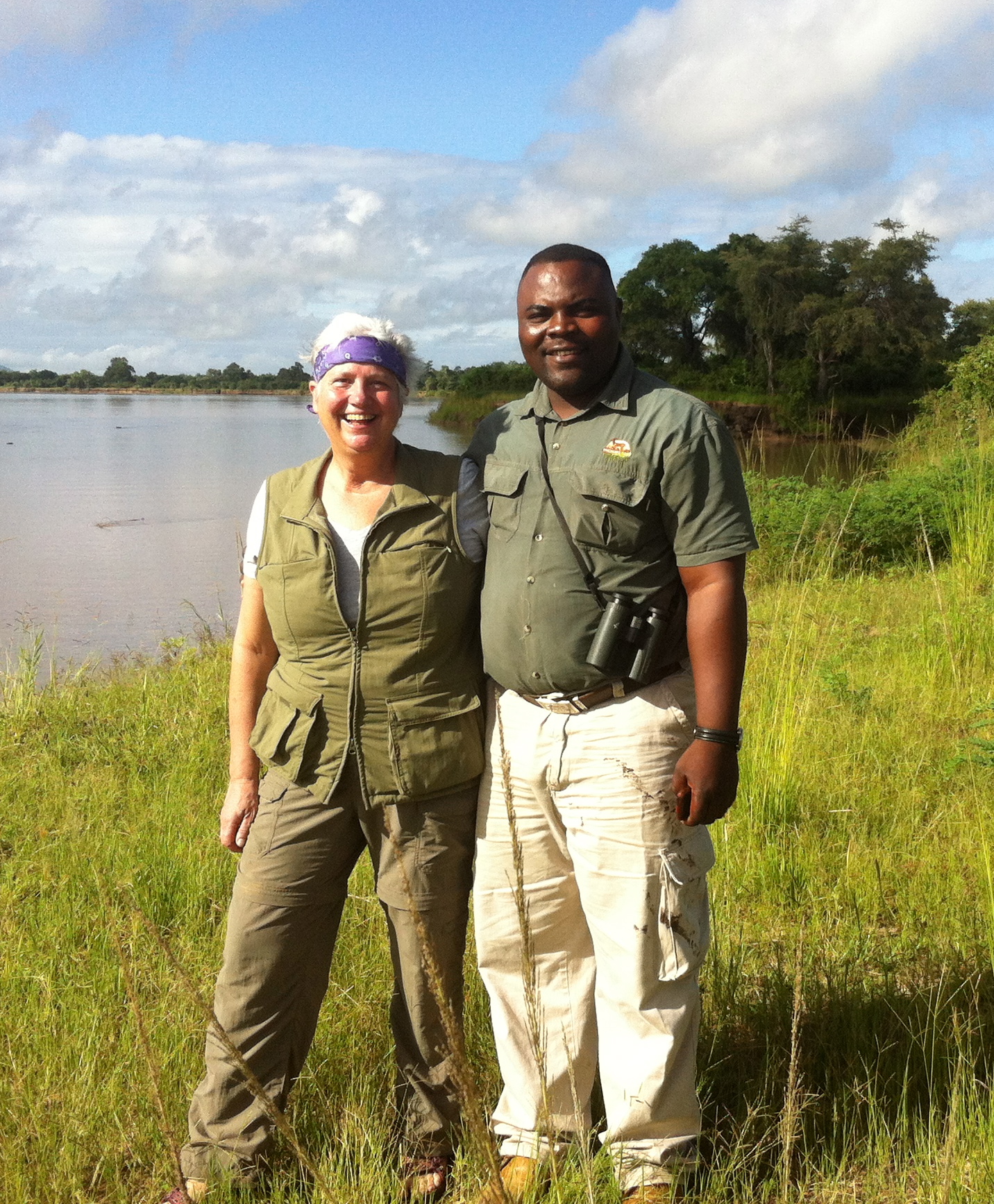
And here I am, with my guide, James.

IMG_0269


It was a great weekend!

IMG_0251 IMG_0252 IMG_0239 IMG_0207 IMG_0205 IMG_0200