
I love baseball. Perhaps surprisingly, I don’t have a favorite team. I love the sport itself; the history, the drama, the quirkiness of the game. I love how the game can seem to drag on interminably and then suddenly have something amazing happen. I love how it’s “not over till it’s over” as Yogi Berra once said. I love how it seems casual and fun and yet deadly serious at the same time.
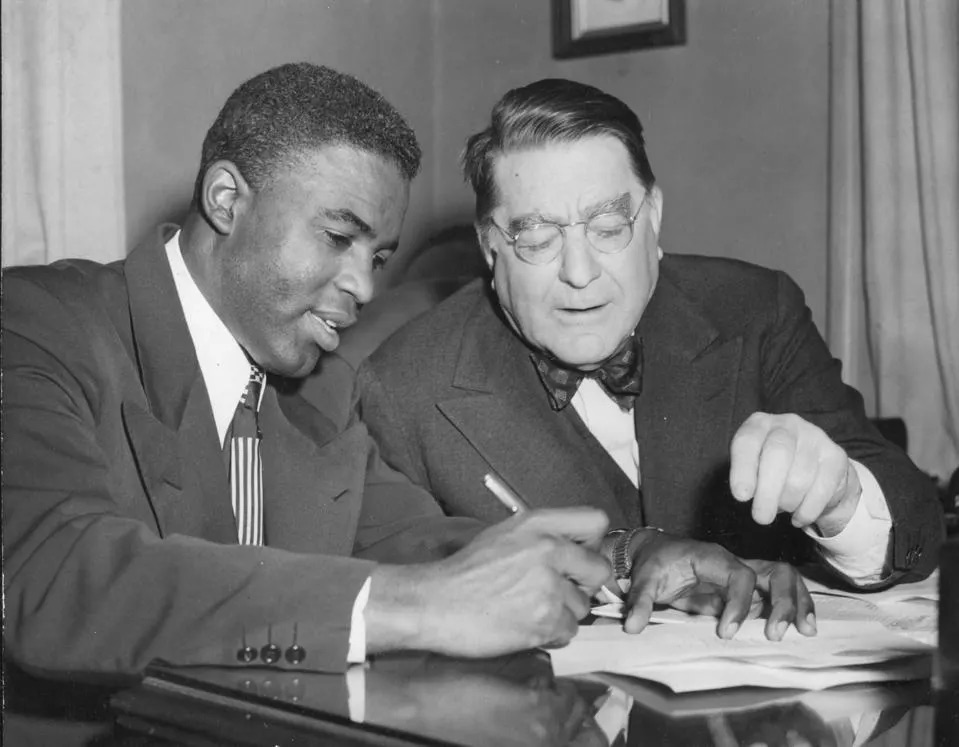
For a long time, I have had a particular fascination with the Negro Leagues. I’m not sure why; maybe it was finding out about the innate prejudice that kept players of color out of what was supposed to be “America’s pastime.“ I remember reading about Jackie Robinson when I was a teenager. I asked my Dad (who grew up as a fan of the Brooklyn Dodgers) how he felt when Branch Rickey signed Robinson to the team. I remember my father pausing a moment and then saying, “Well, I felt very proud that it was MY team that was finally doing the right thing.”

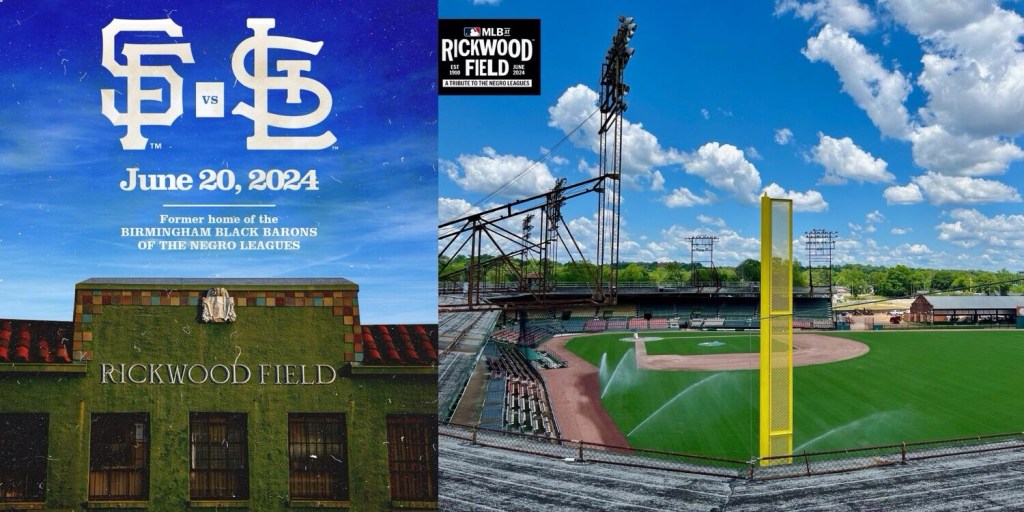
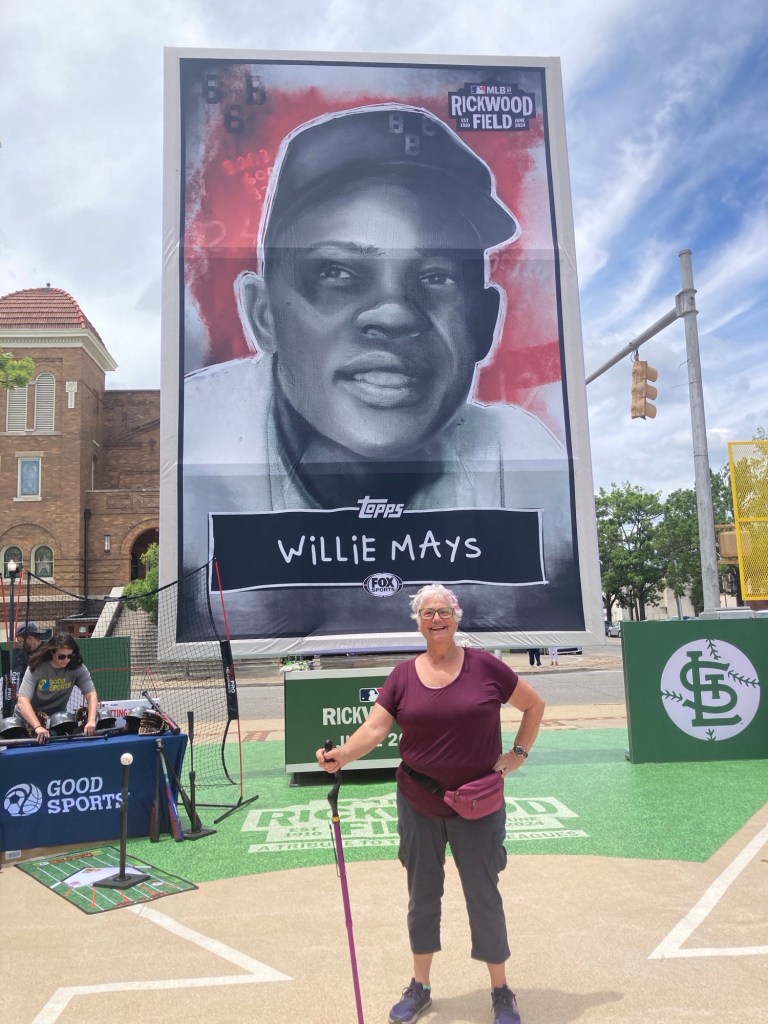
There is a Facebook group called “Ballpark Chasers” where folks post their excursions to the different MLB ballparks and also minor leagues parks and historical sites. Through them, I found out that there was going to be a celebration of the Negro Leagues at Rickwood Field in Birmingham Alabama. Rickwood Field is the oldest professional ballpark still in use and was where Willie Mays got his start. A major league game between the St. Louis Cardinals and the San Francisco Giants (Mays’ team) was going to be played on June 20.
However, the listed ticket prices were astronomical…and even worse on the secondary market. But then I found out that there was a minor league game scheduled for June 18. With much more reasonable ticket prices. I checked flights; and I had points to cover. I checked hotels; and I also had points to cover. I had never been to Birmingham and I love going to new places. So…I did. And it felt like stepping back in time.
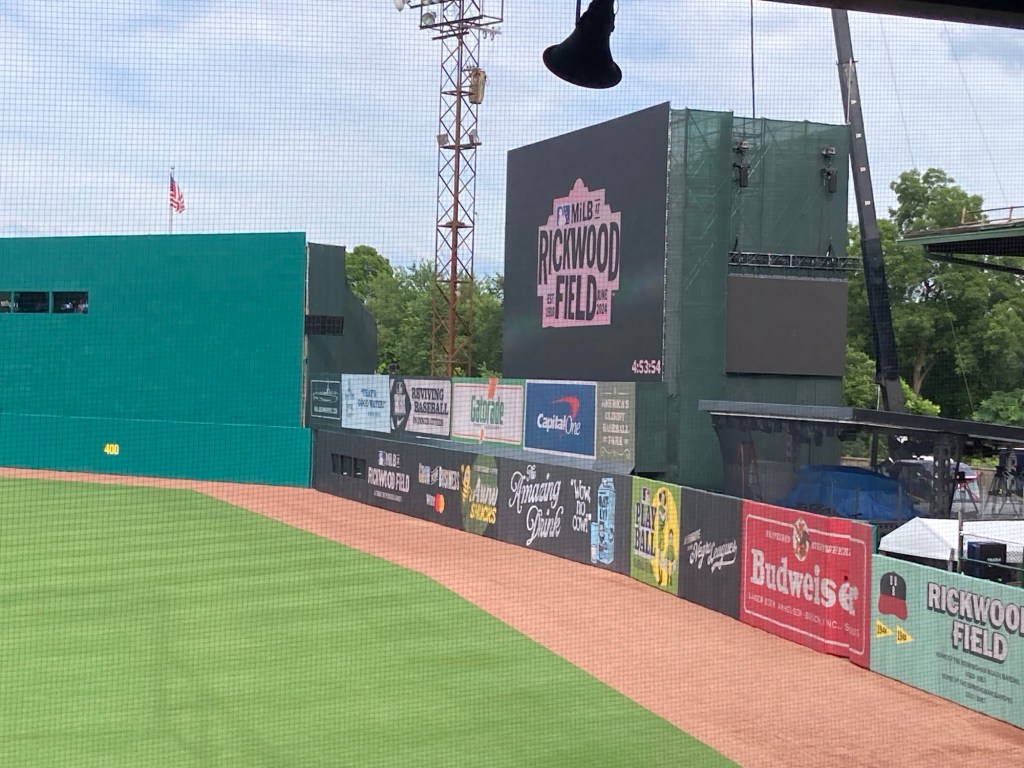
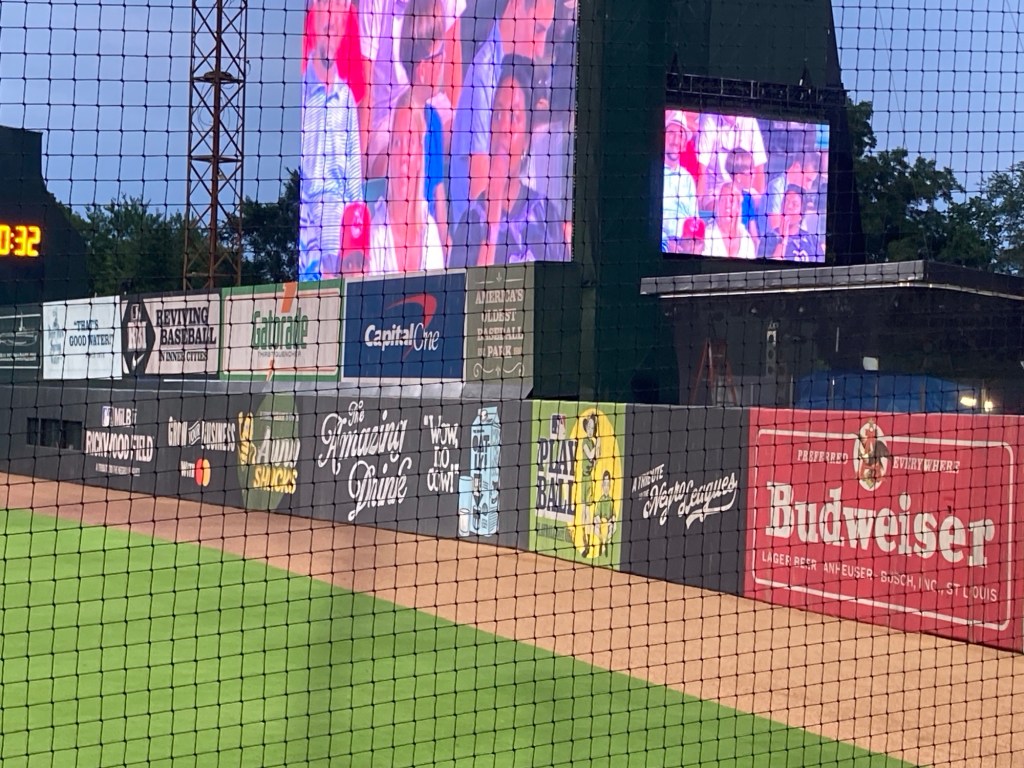
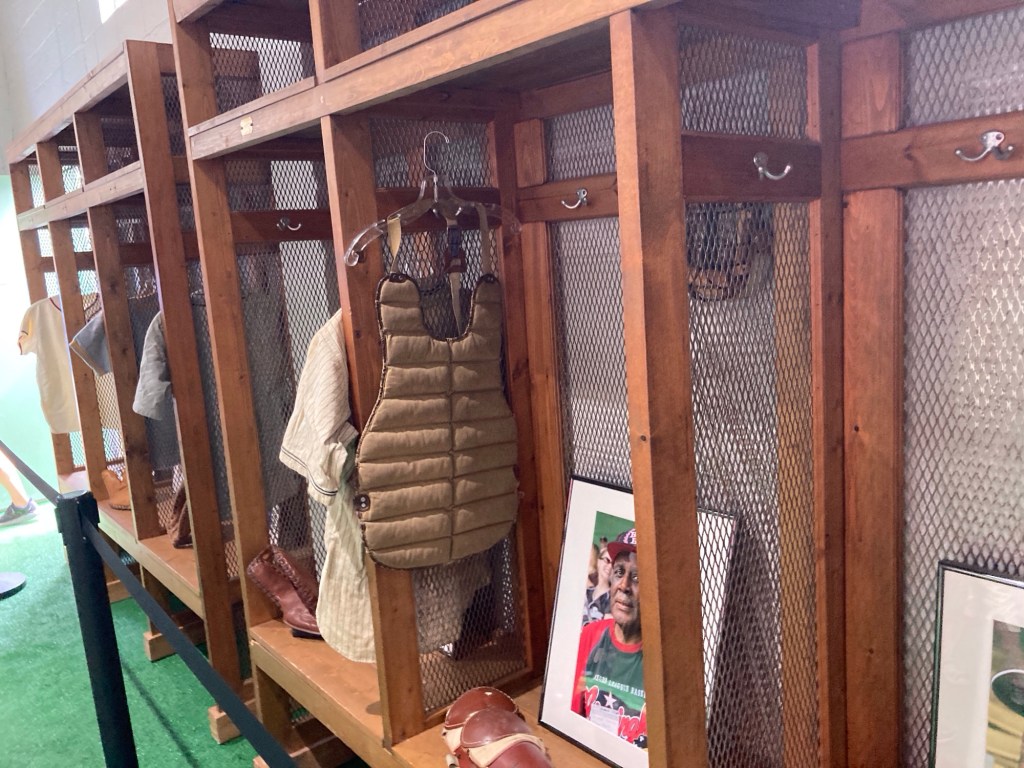
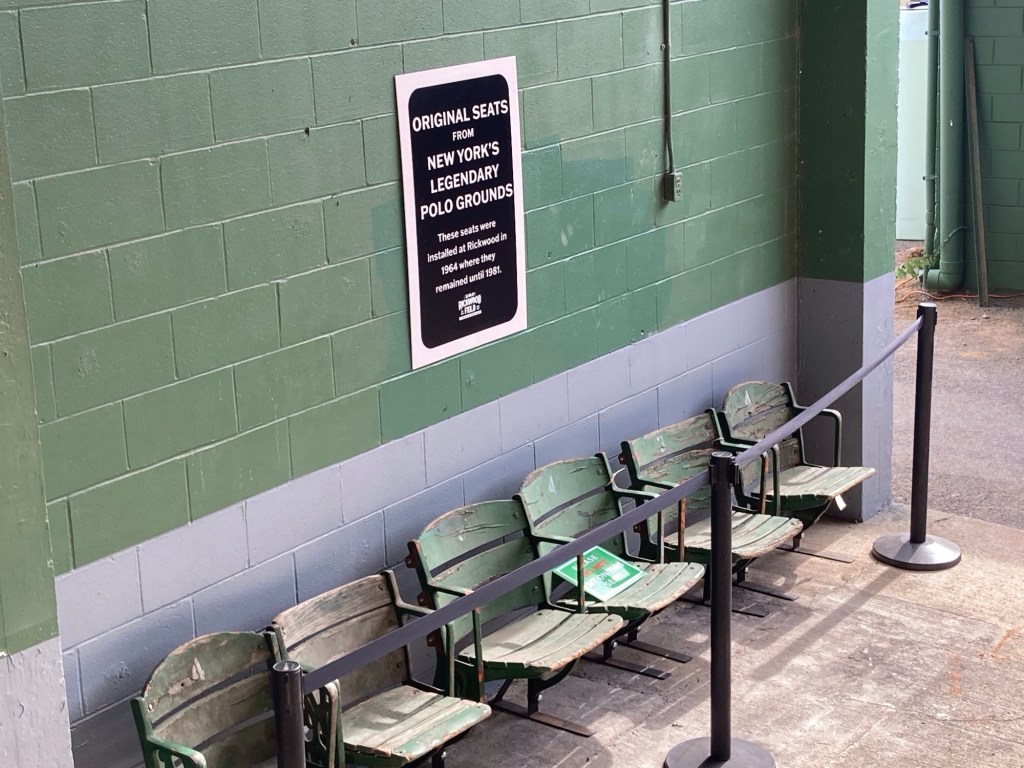
They had recreated the field as it was, complete with scoreboard and ads. The original turnstiles and ticket booths were intact, as well as an exhibit of the clubhouse and lockers. Of course, they had added some modern touches, such as a Jumbotron. And the field’s lighting was inadequate so they had brought in lights on huge trucks.



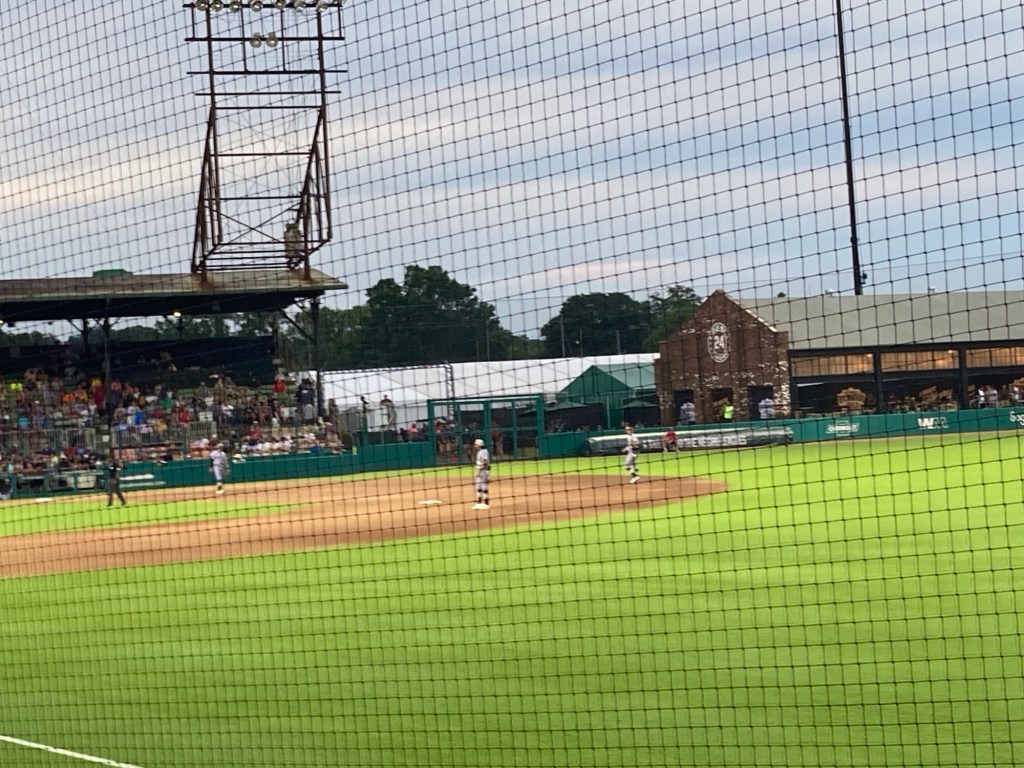
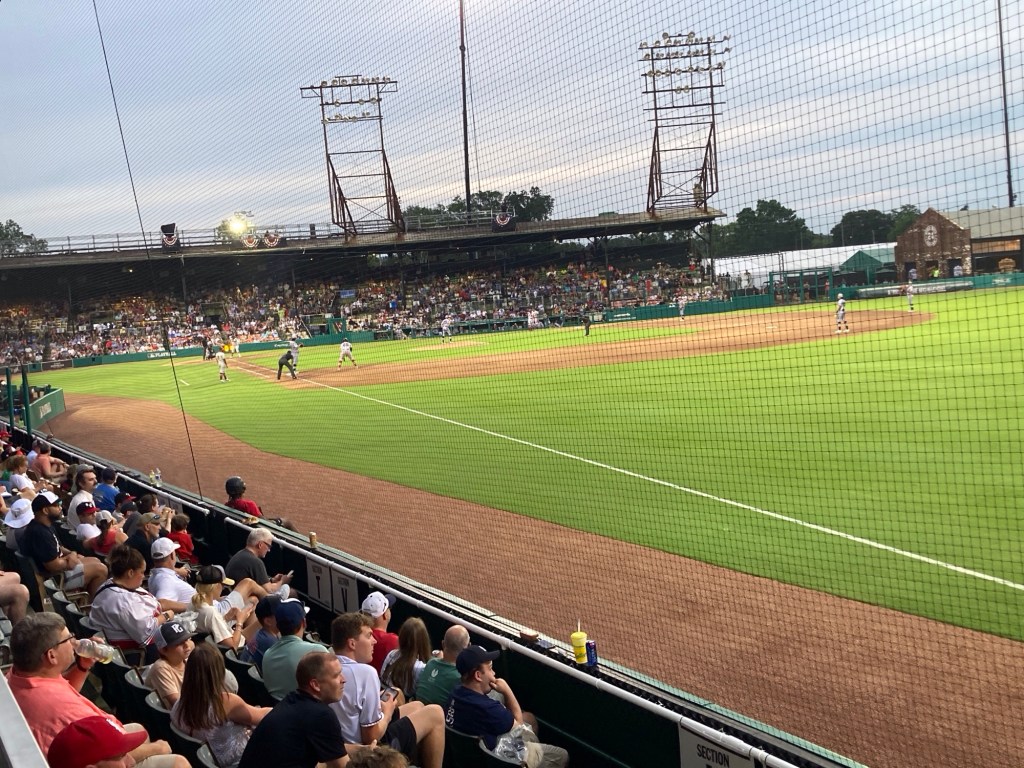

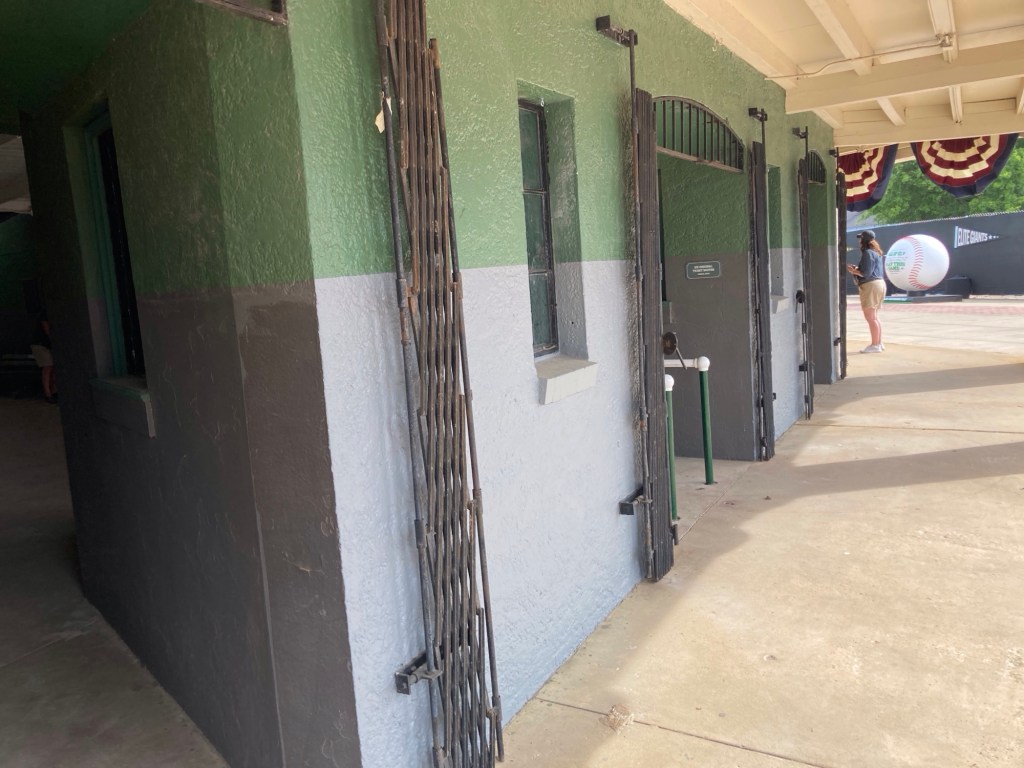
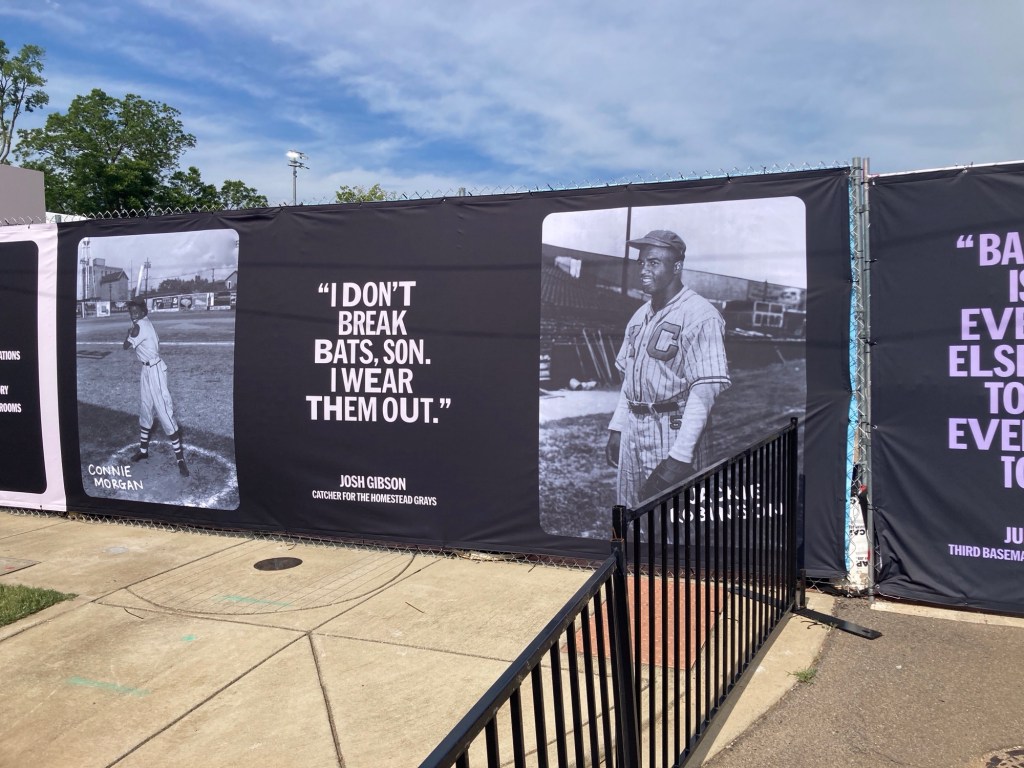
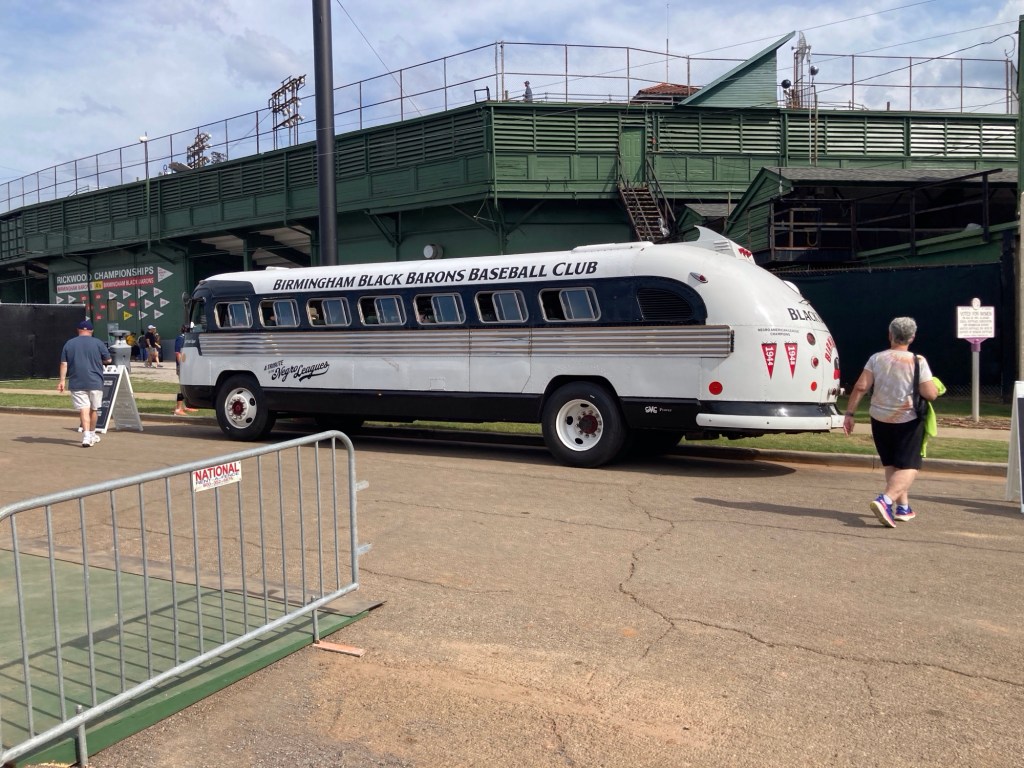
Outside the entrance, they had created an exhibit about the Negro League Players and the history of the league. They even had an original bus that the players rode from town to town in. (Often players also slept on the bus, since many hotels would not allow them to stay.)




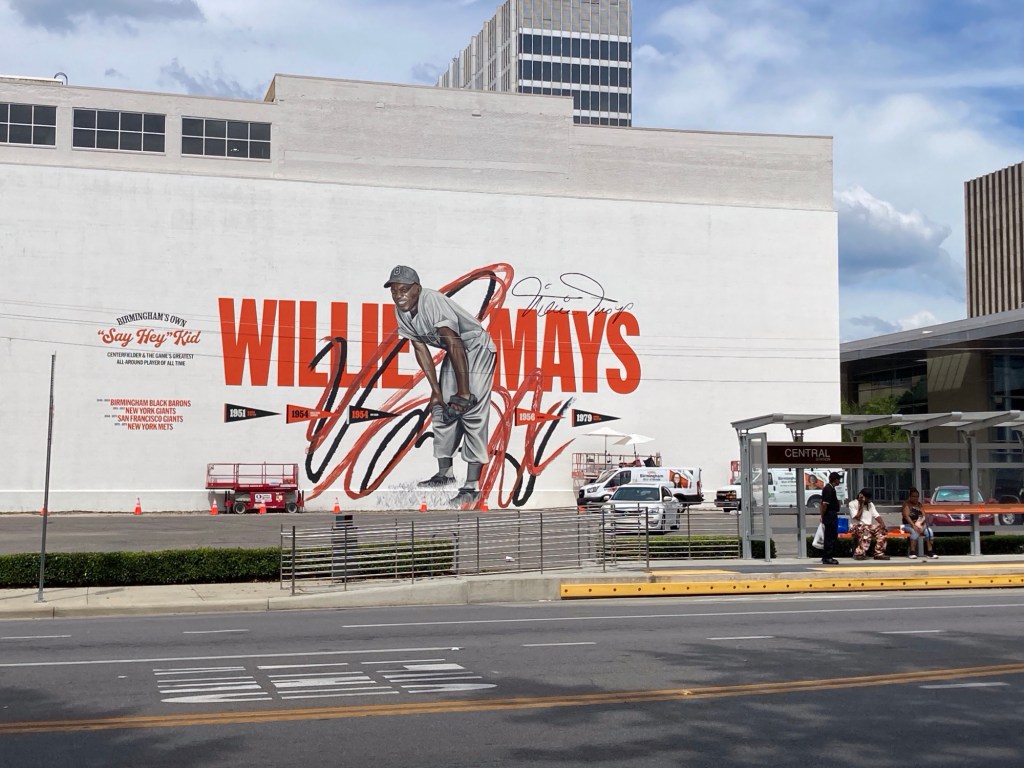
The game was between two AA teams – the Montgomery Biscuits and the Birmingham Barons. They put on a great show and it ended up being a nail-biter at the end. The crowd was in great spirits and it felt like…well, like baseball. Right before the 8th inning, there was an announcement. In a somber tone, and with a picture displayed on the screen, it was announced that Willie Mays had died that afternoon, at the age of 93. Everyone rose to their feet and some people took off their caps as they played the “Say Hey Kid” song. Mays was Birmingham’s hometown hero and a class act. The game on the 20th was dedicated to him and he had already put out a statement with his regrets that he couldn’t be there and about how much Rickwood meant to him. It somehow seemed fitting that he should pass away during a game at “his” field.
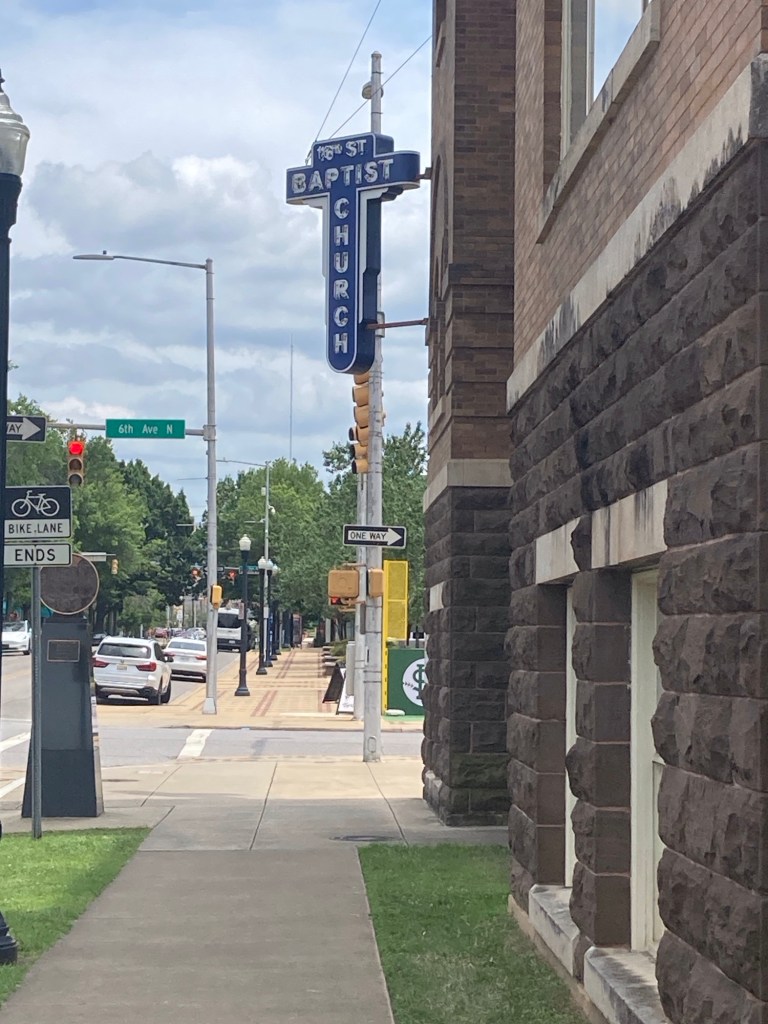
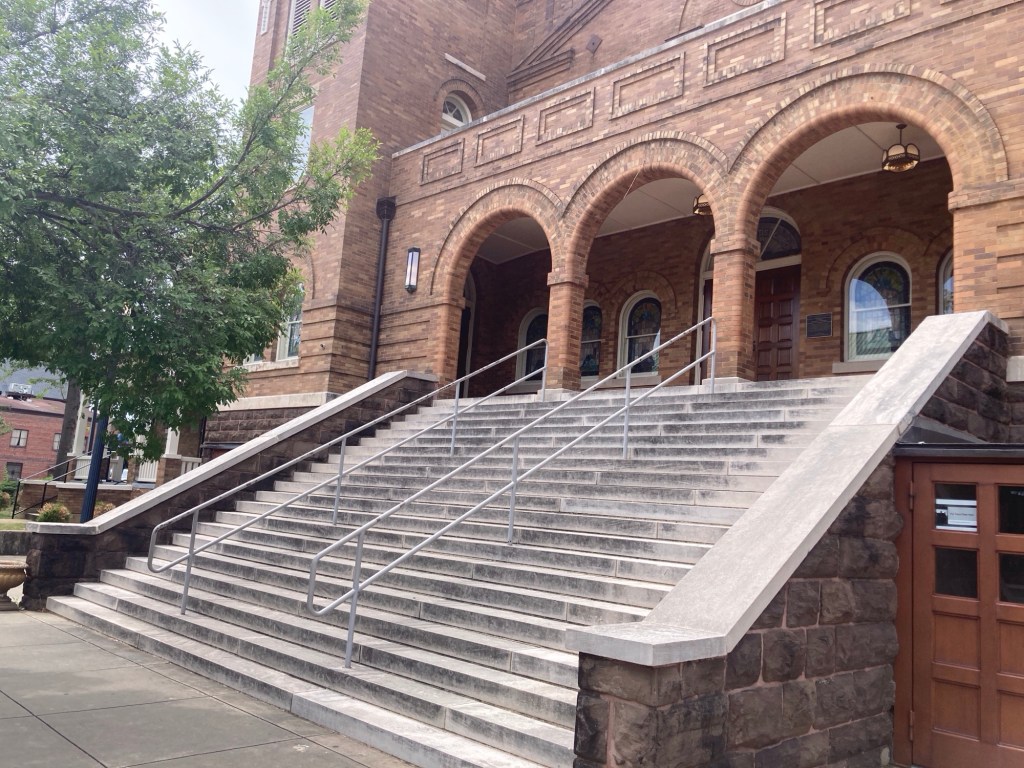
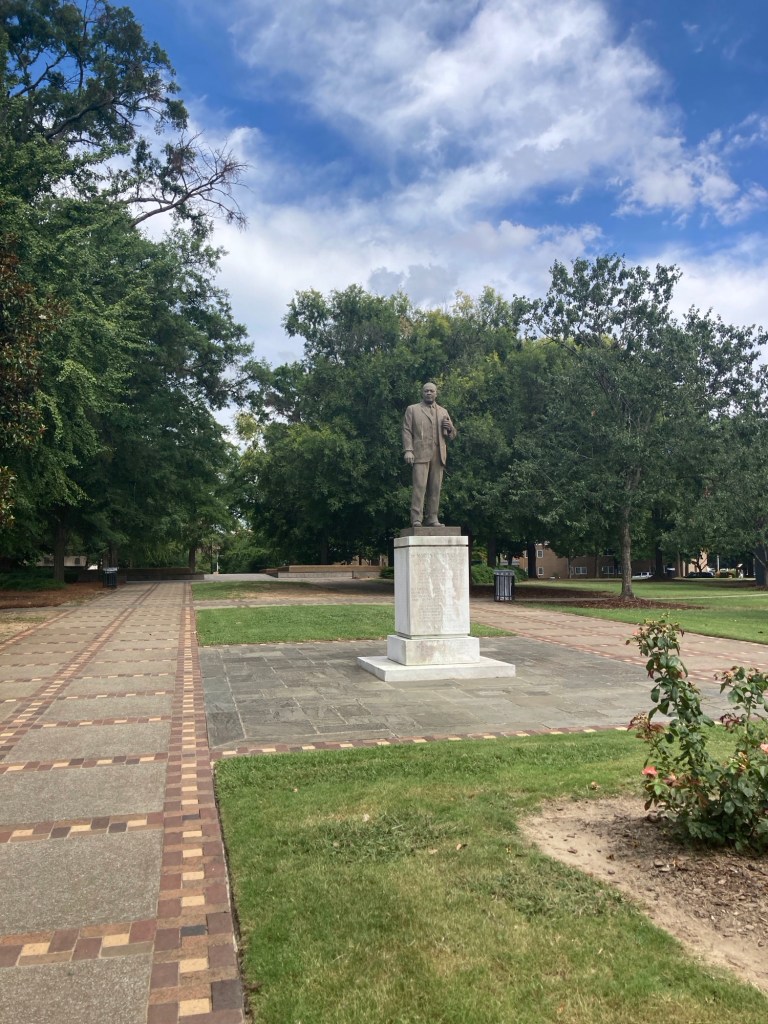
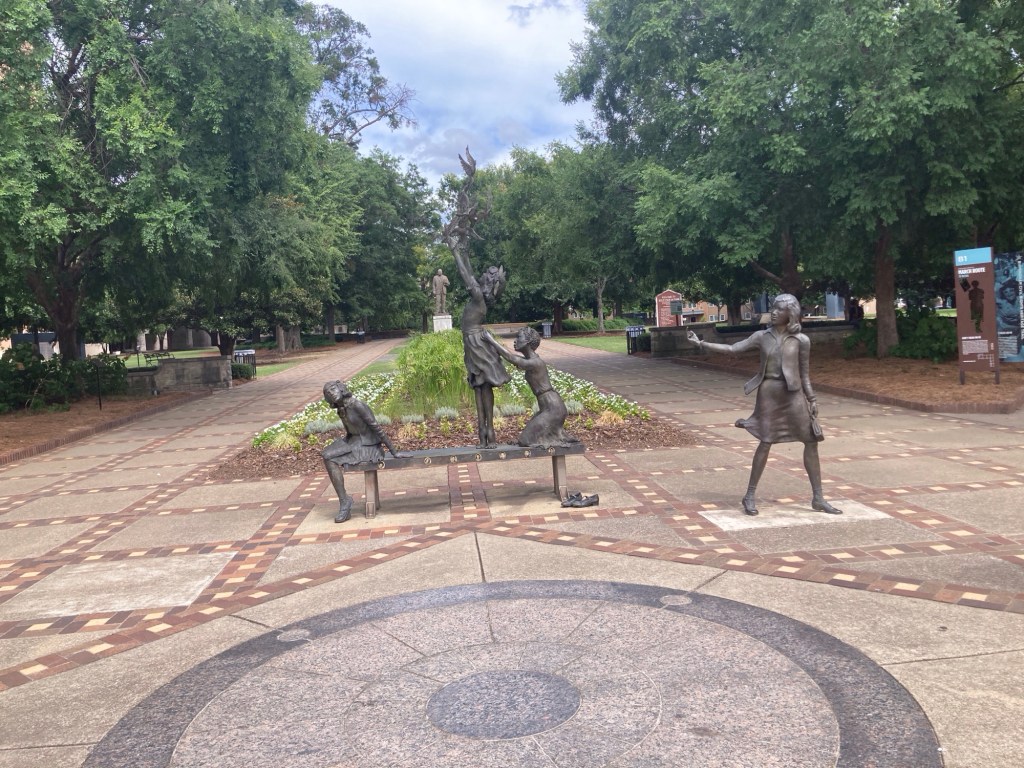
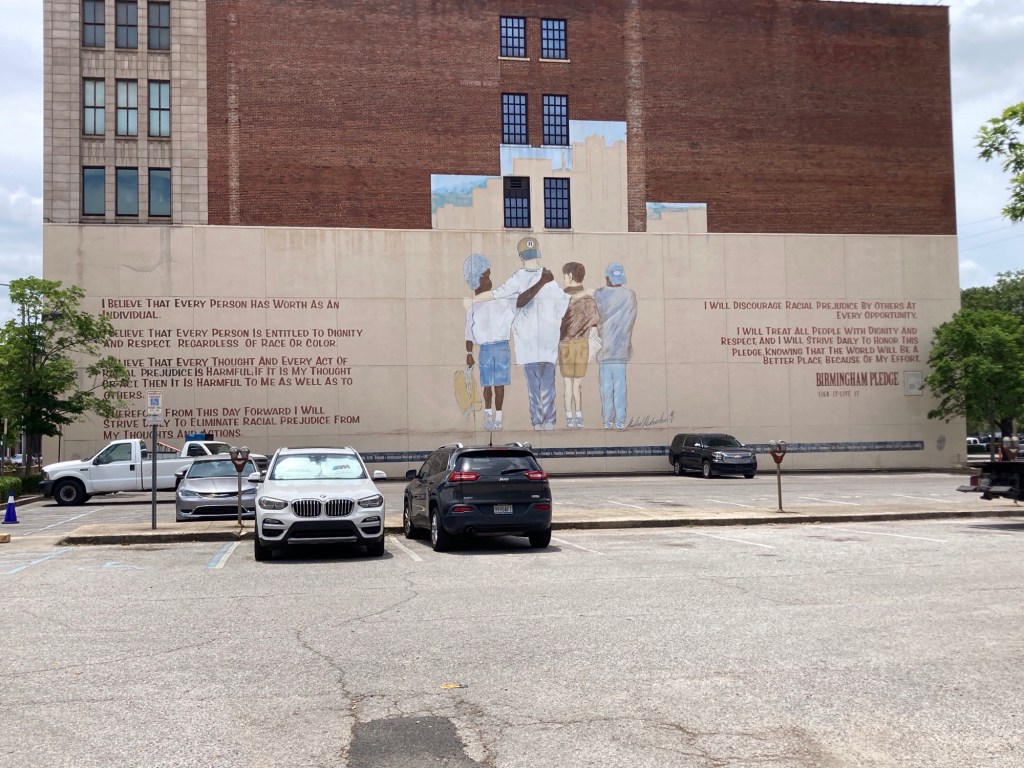
The next day, I had planned to explore the Civil Rights museum and the Negro Southern Leagues museum, but both were closed! So, I spent some time sitting in Railroad Park and then walked up to the 16th Street Baptist church, which became the center of the Civil Rights struggles after the tragic bombing on September 15, 1963 which killed four young girls. I took a tour of the church, which was informative and deeply moving. And also, in a strange way, hopeful. The deaths of the girls was a turning point in the attitude of the rest of the country and probably the reason Johnson was finally able to get the Civil Rights act passed in 1964. We must never lose hope and we must never give up. Injustice can only survive if people don’t speak out.





And back to baseball…here is a song about the Negro Leagues by Kim and Reggie Harris called “The Stars that Didn’t Shine.” Maybe those stars are finally starting to shine.
 Via Con Brio!